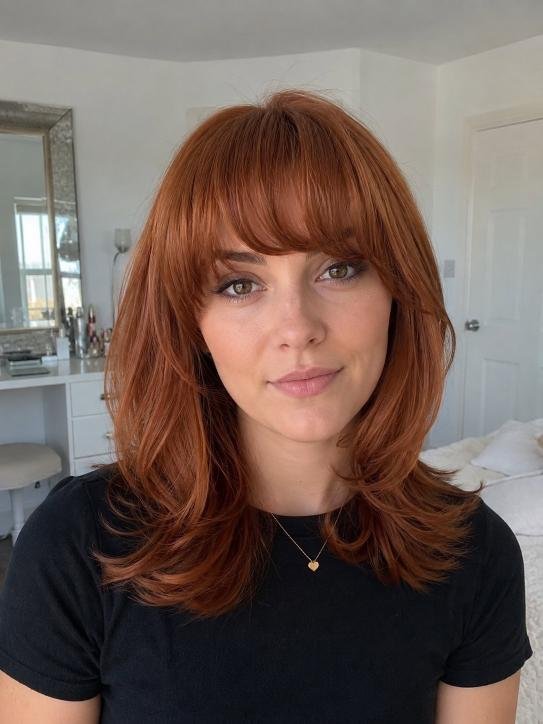
Want to refresh your hairstyle without going dramatically shorter or losing the versatility of medium-length hair? Shoulder length layered hair with bangs gives you plenty of ways to change your look while keeping a manageable length. Layers add movement and shape, while bangs can soften your features, highlight your eyes, and give even a familiar haircut a completely different feel.
The best part is that this combination works with many hair textures and personal styles. You can choose soft curtain bangs with blended layers, a choppy shag with an edgy fringe, or a smooth layered cut with wispy bangs. Whether your hair is straight, wavy, curly, or coily, the right cut can complement your natural texture and fit the amount of time you want to spend styling it.
Long Layers With Curtain Bangs
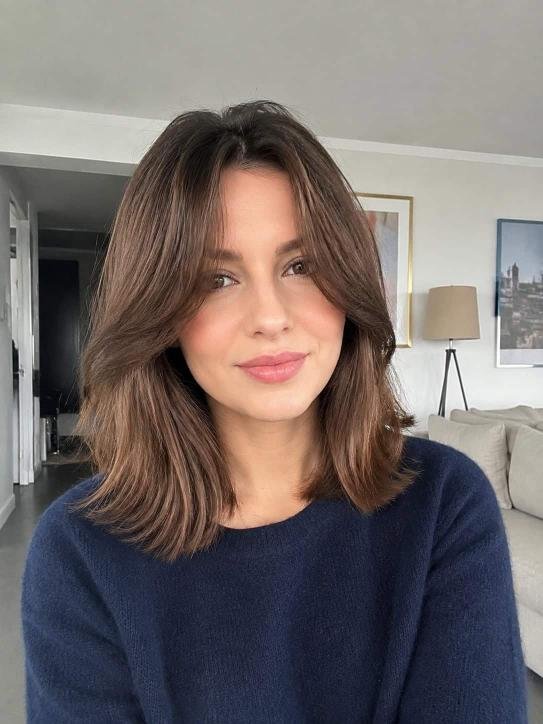
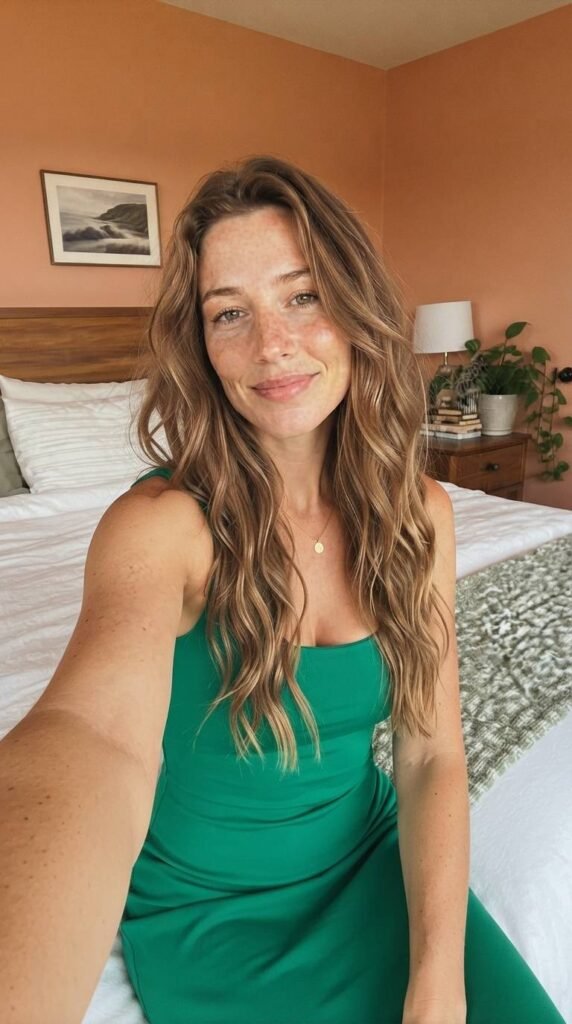
Long layers with curtain bangs are a lovely choice if you want movement without making your shoulder-length hair look overly choppy. The layers help distribute volume through the lengths, while the parted fringe sweeps away from the center of the forehead and blends into the sides. Together, these details create a soft, face-framing shape that feels polished but not too formal.
This style works particularly well for straight and wavy hair, although curly textures can also wear it with the right adjustments. Ask your stylist to keep the shortest layers long enough to blend naturally with the rest of your haircut. For everyday styling, use a round brush to direct the bangs away from your face and let the remaining layers fall naturally or add a few loose waves.
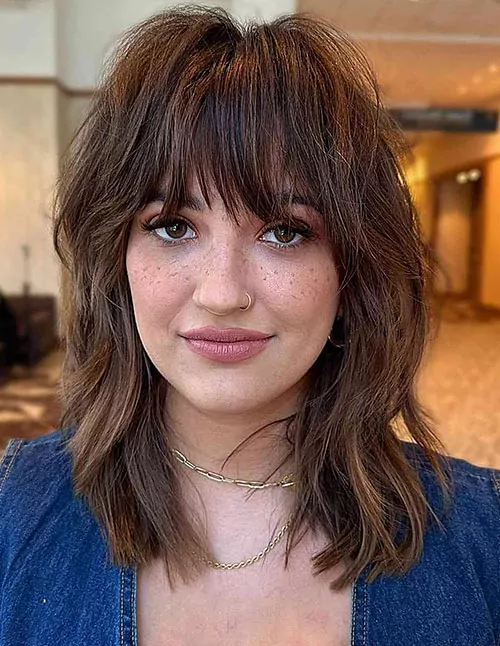
Shag With Choppy Bangs
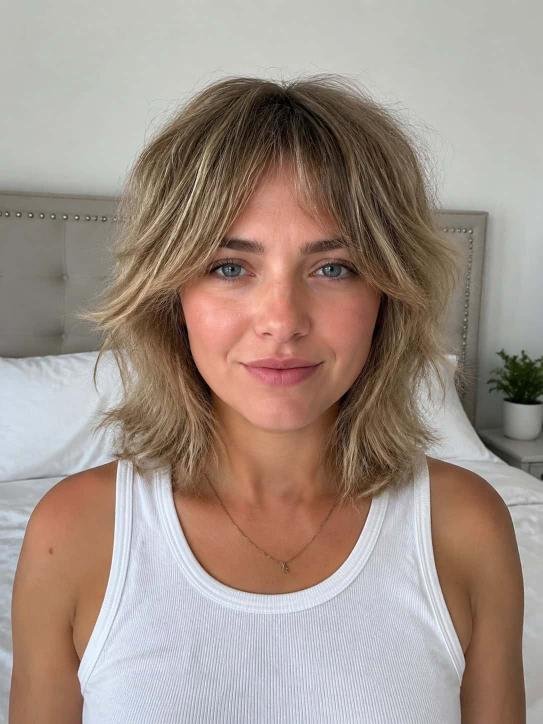
A shoulder-length shag with choppy bangs offers a more textured, carefree alternative to a traditional layered haircut. Shorter crown layers create lift, while uneven ends add movement throughout the sides and back. The choppy fringe completes the look with a slightly edgy finish that suits casual outfits and more expressive personal styles.
This cut is especially appealing if your hair already has some natural wave or texture. A lightweight mousse or texturizing cream can help separate the layers without making them feel stiff. If your hair is naturally straight, you can still wear the style by scrunching a styling product through damp strands or creating a few loose bends with a curling wand.
Butterfly Cut With Wispy Bangs
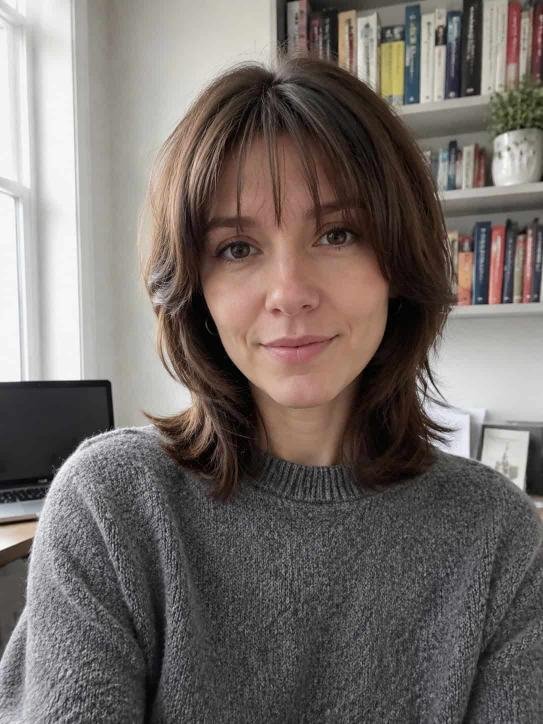
The butterfly cut combines shorter face-framing layers with longer sections that maintain the overall length. On shoulder-length hair, the effect is softer and more compact than on longer hair, but you can still achieve noticeable movement around the face. Wispy bangs add a delicate finish, making the haircut feel light rather than heavily layered.
This look is a good option if you want volume around the cheeks and a little movement near the ends. Ask your stylist to blend the front layers carefully so they do not create unwanted gaps or make the hair look too thin. A round-brush blowout can emphasize the shape, while air-drying with a lightweight styling cream gives the cut a more relaxed appearance.
’70s Feathered Layers With Feathered Bangs
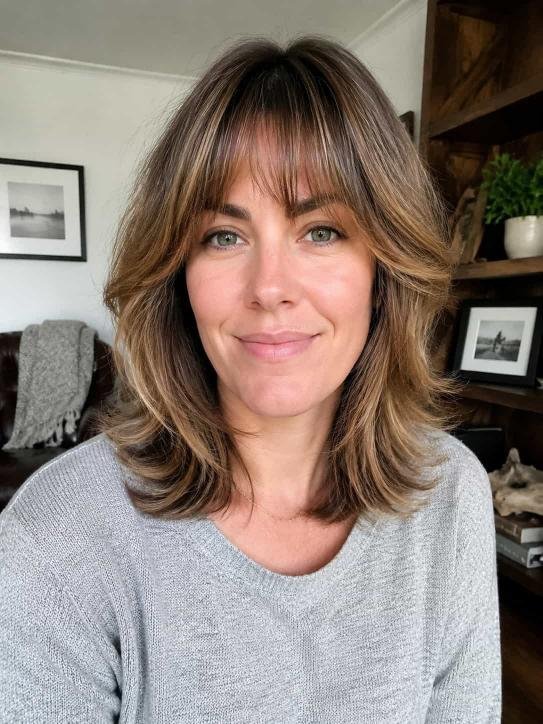
Inspired by vintage salon styles, feathered layers create soft movement that sweeps away from the face. Feathered bangs echo that direction, blending into the surrounding layers instead of forming a heavy line across the forehead. At shoulder length, this combination feels retro without looking like a costume-inspired hairstyle.
The cut is particularly effective on straight or slightly wavy hair because the feathered ends are easy to shape with a brush. To style it, direct the front sections away from your face and use a round brush to create a gentle curve through the ends. If you prefer less heat, ask your stylist for a softer version that still looks balanced when air-dried.
Long Layers With Blunt Bangs
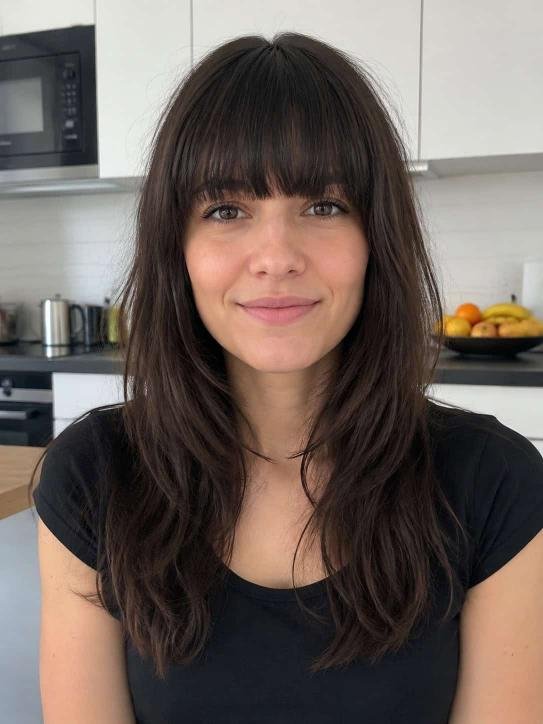
Long layers with blunt bangs create an appealing contrast between soft movement through the lengths and a strong line across the forehead. The layers help the shoulder-length hair move naturally, while the straight fringe becomes the focal point of the haircut. This combination can look modern, confident, and slightly dramatic without requiring an extreme cut.
Blunt bangs are worth considering if you enjoy a more defined hairstyle and do not mind maintaining the fringe between salon visits. They can be customized to sit above the eyebrows or closer to them, depending on your preferences and facial features. Use a small round brush or paddle brush to keep the bangs smooth, and ask your stylist to account for any cowlicks that affect how they fall.
Wolf Cut With Wispy Curtain Bangs
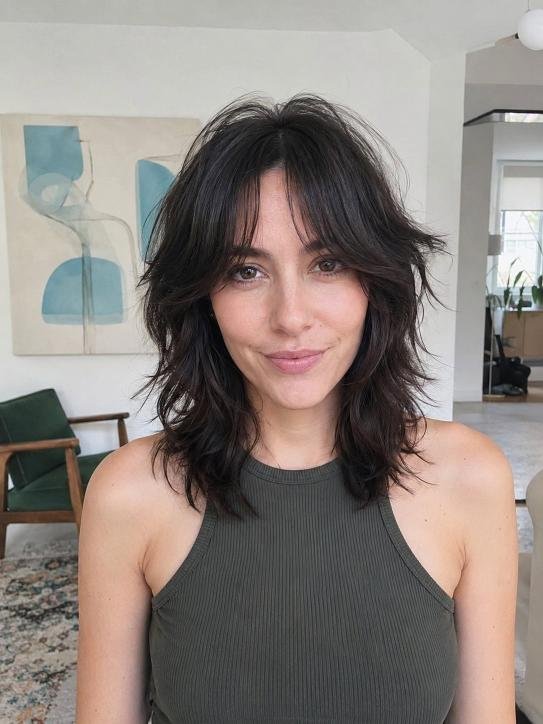
A wolf cut pairs shag-inspired crown layers with longer sections that create a textured, slightly rebellious silhouette. Wispy curtain bangs soften the haircut around the forehead and blend into the shorter face-framing pieces. On shoulder-length hair, the style can deliver noticeable volume and movement without requiring very long lengths.
This look is ideal if you enjoy a deliberately tousled finish rather than a perfectly smooth shape. Ask for a softer wolf cut if you want the layers to blend more naturally or a stronger contrast if you prefer a bolder result. A texturizing spray can emphasize the piecey ends, while a diffuser can help bring out natural waves without flattening the crown.
Long Layers With Side-Swept Bangs
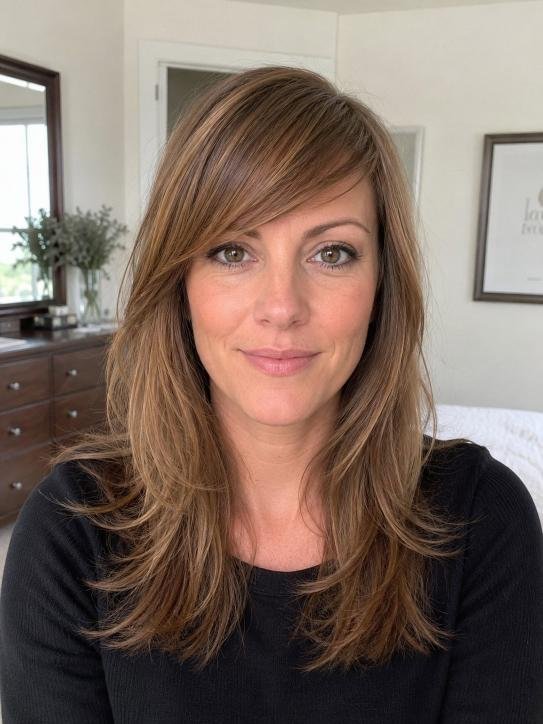
Side-swept bangs offer a simple way to change the shape of shoulder-length layered hair. The fringe moves diagonally across the forehead and gradually blends into the side layers, creating a soft line around the face. Combined with long layers, the look feels classic and versatile rather than overly trendy.
This style can be especially helpful if you prefer bangs that do not sit directly across your forehead. You can wear the fringe more dramatically over one side or sweep it back when you want a different look. For a smooth finish, blow-dry the bangs in the direction you want them to fall, then style the lengths with a round brush or leave your natural texture intact.
Choppy Layers With Micro Bangs
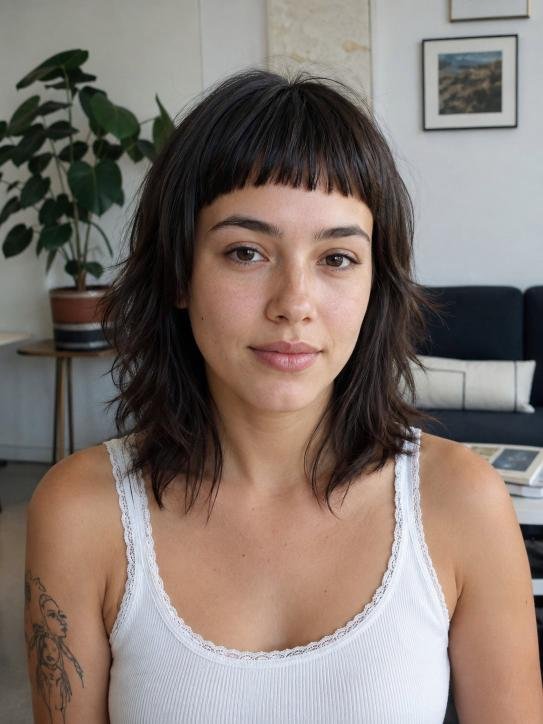
Micro bangs sit noticeably above the eyebrows, creating a distinctive focal point that contrasts with the movement of choppy layers. On shoulder-length hair, the longer lengths help balance the short fringe, so the overall look does not feel too severe. The result is bold, fashion-forward, and particularly suited to people who enjoy experimenting with their hairstyle.
Because micro bangs are short, their shape is always visible and may need regular trimming to maintain the intended length. They work best when the fringe is tailored to your hairline and natural growth pattern. Pair them with softly tousled layers for contrast, or keep the rest of the haircut straighter if you want the bangs to stand out even more.
Face-Framing Layers With Bottleneck Bangs
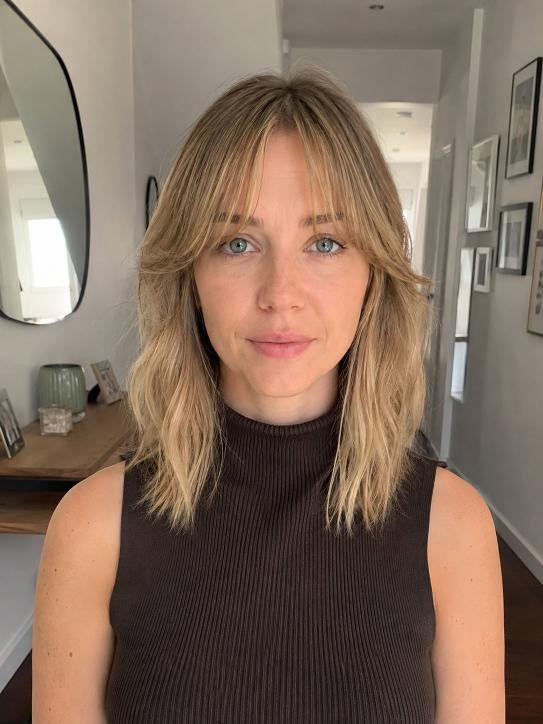
Bottleneck bangs start shorter near the center of the forehead and gradually become longer toward the cheekbones. When paired with face-framing layers, they create a seamless transition from the fringe into the rest of the shoulder-length haircut. This shape offers some of the softness of curtain bangs while keeping more definition around the eyes.
The style is a useful option if you want bangs but are unsure about committing to a thick, blunt fringe. Ask your stylist to customize the length around your cheekbones and temples so the bangs blend with your layers. A small round brush can help shape the center and sweep the longer sides outward, creating a soft finish without much effort.
Wolf Cut With a Heavy Fringe

A wolf cut with a heavy fringe creates a stronger, more dramatic version of the textured layered look. The thick bangs sit prominently across the forehead, while the shorter crown layers and longer ends build volume around the head. This combination can feel edgy and expressive, particularly when worn with natural waves or a deliberately messy finish.
A heavy fringe works best when its density is balanced with the rest of the haircut. If your hair is very thick, your stylist may need to adjust the shape so the bangs do not feel too bulky, while finer hair may benefit from a less dense version. Use a lightweight styling product to define the layers, and keep the fringe dry and smooth if you want a more structured result.
Butterfly Cut With Curtain Bangs
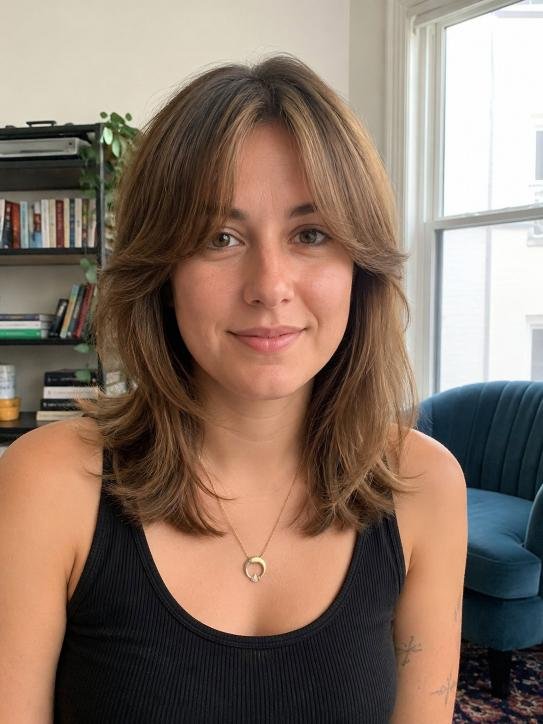
The butterfly cut with curtain bangs is all about soft movement around the face. The shorter layers curve around the cheekbones and jawline, while the longer sections maintain the shoulder-length shape. Curtain bangs tie everything together by creating a center-parted frame that can be styled away from the face.
This haircut suits people who want volume without a heavily choppy finish. It can be worn with a bouncy blowout for extra definition or styled more casually with loose waves. When talking to your stylist, mention how much length you want to preserve and whether you prefer the front layers to blend subtly or stand out more clearly.
Heavy Internal Layers With Wispy Bangs
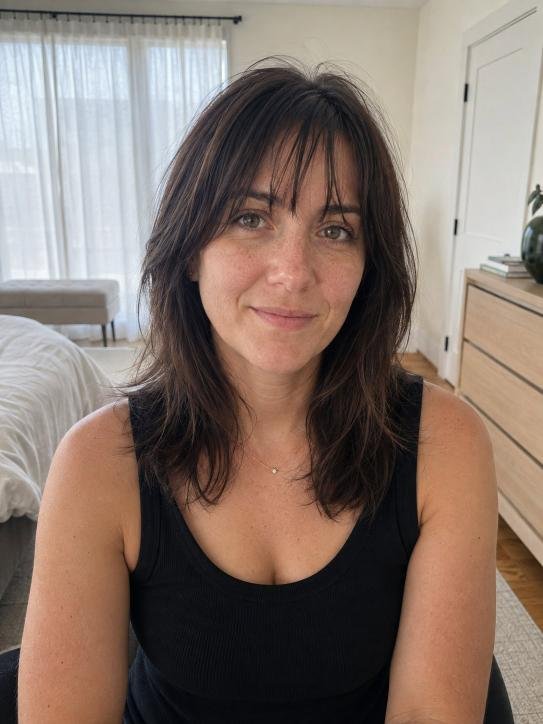
Heavy internal layers are placed beneath the surface of the hair to help reduce bulk and encourage movement without creating an obviously layered outline. Paired with wispy bangs, this technique gives shoulder-length hair a softer appearance while preserving the shape of the perimeter. It can be particularly useful for people who want their hair to feel lighter without having lots of visible choppy sections.
This approach often works well for thick or dense hair, although the amount of internal layering should depend on your texture and desired fullness. Wispy bangs add a delicate detail at the front without making the overall style feel heavy. Ask your stylist how the internal layers will behave when your hair air-dries, especially if you prefer a low-maintenance routine.
V-Cut Layers With Blunt Bangs
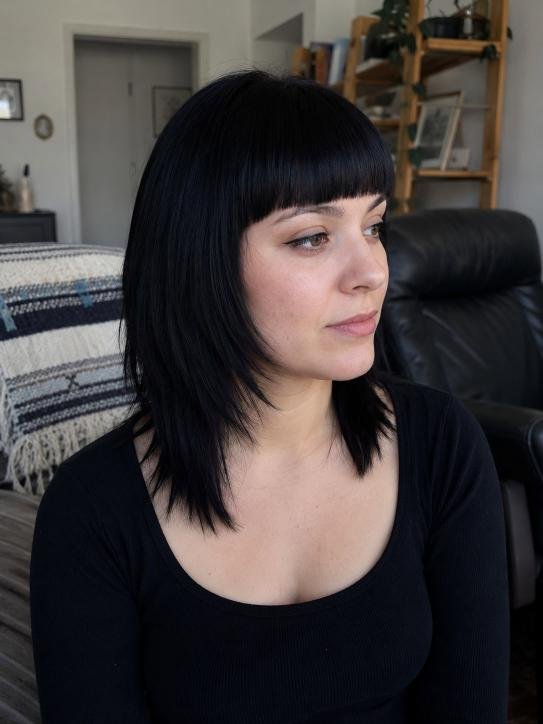
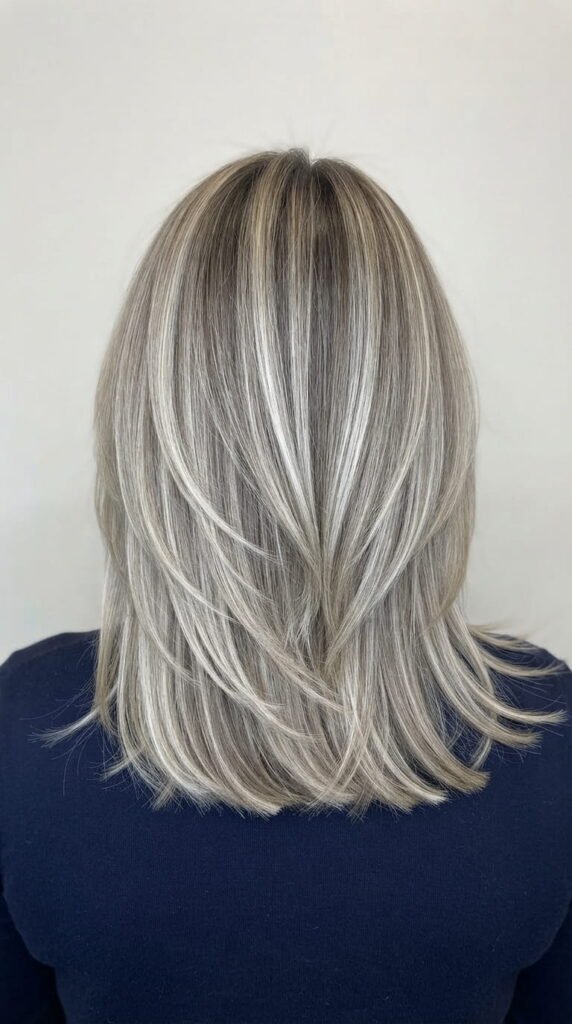
V-cut layers are shaped so the hair forms a subtle point at the back, with the center section appearing longer than the sides. On shoulder-length hair, the V shape may be more understated, but it can still add a distinctive outline and extra movement. Blunt bangs create contrast by introducing a strong horizontal line across the forehead.
This combination works best when the stylist balances the back shape with the density and length of your hair. If you have thick hair, layers can help prevent the ends from looking too heavy, while finer hair may need a gentler V to preserve fullness. Style the bangs smoothly and allow the lengths to fall naturally, or add loose waves to emphasize the layered outline.
U-Cut Layers With Side-Swept Bangs
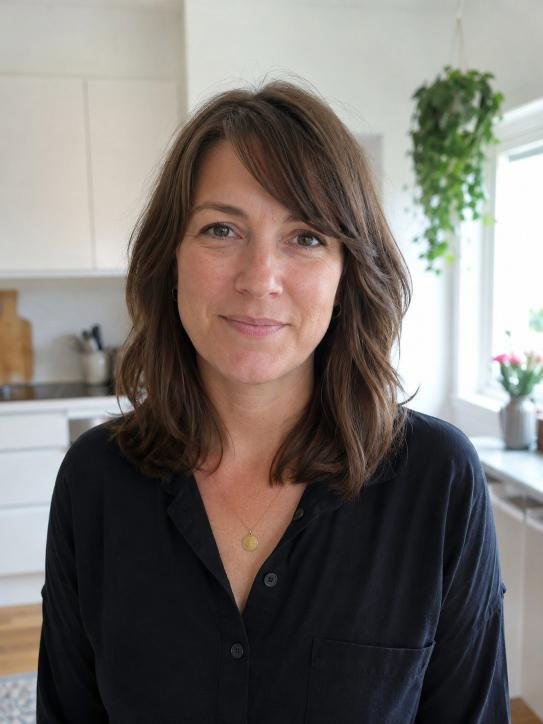
A U-cut creates a rounded perimeter that curves gently at the back instead of forming a pointed V. This shape gives shoulder-length hair a softer, more blended appearance, especially when combined with layers through the lengths. Side-swept bangs add another curve around the face, making the overall haircut feel cohesive and easy to wear.
This style is a good choice if you want shape and movement without an obvious, dramatic angle. It can work with straight, wavy, and lightly curly textures, provided the layers are customized to your natural pattern. For everyday styling, direct the bangs toward one side and use a little smoothing cream through the ends to encourage the U-shaped outline.
Razored Layers With a Piecey Fringe

Razored layers can create lightweight, textured ends that move freely rather than forming a solid line. A piecey fringe echoes that texture, with small sections separated to create a soft, slightly undone appearance. Together, these details give shoulder-length hair an airy finish that works particularly well with modern shag-inspired styles.
Razor cutting is not the best option for every hair type, so your stylist should assess your strands and their condition before choosing the technique. If your hair responds well to texturizing, a small amount of styling paste can help define individual sections. Keep the product concentrated on the ends and fringe so the roots retain their natural lift.
Long Layers With Birkin Bangs
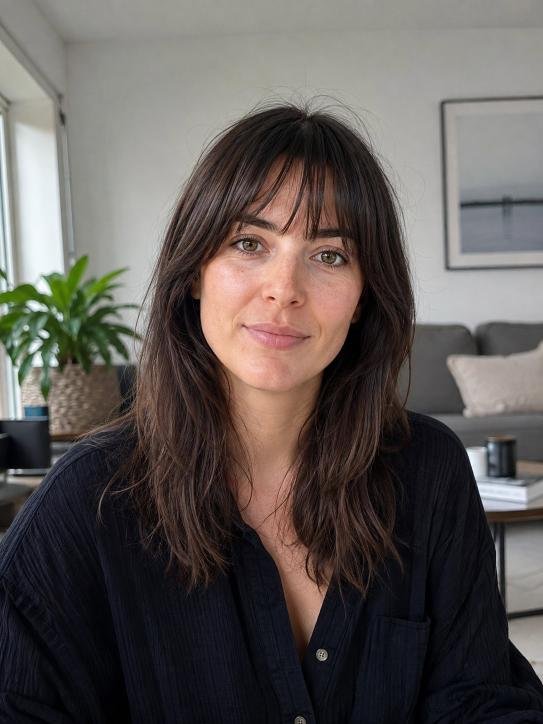
Birkin bangs take inspiration from soft, slightly undone fringe that sits around the eyebrows and blends into longer pieces at the sides. Paired with long layers, they create a relaxed, understated look that feels timeless rather than overly styled. Shoulder-length hair provides enough length for the layers to move while keeping the fringe as the main feature.
This style can suit straight and wavy hair particularly well, but the fringe should be adapted to your natural texture. Ask for a soft, slightly separated finish instead of a perfectly dense line if you prefer a casual appearance. A quick blow-dry with a small round brush can shape the bangs, while the remaining hair can be worn smooth or allowed to form natural waves.
Layers With Arched Rounded Bangs
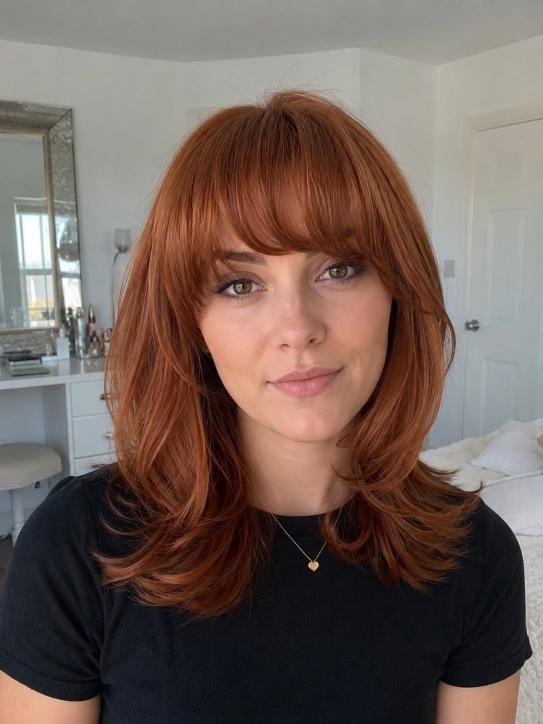
Arched rounded bangs follow the curve of the forehead, creating a softly rounded shape that is slightly shorter around the center and longer toward the sides. When paired with shoulder-length layers, they give the haircut a balanced, polished appearance. The rounded fringe can make a simple layered cut feel more distinctive without needing dramatic changes to the overall length.
This look is especially effective if you like a fringe that frames your eyes while blending toward the temples. The exact curve should be adjusted to your hairline, forehead, and preferred maintenance level. Use a round brush to guide the bangs into their shape, and ask your stylist to show you how to refresh them between washes without styling the entire haircut.
’90s Layered Cut With Curtain Bangs
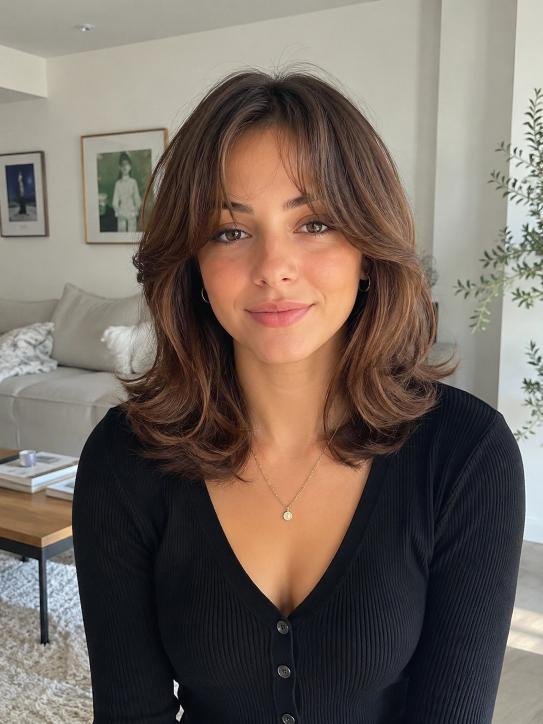
The ’90s layered cut brings back the bouncy movement and face-framing shape associated with classic supermodel-inspired hairstyles. The layers create fullness around the sides, while curtain bangs sweep outward to open up the face. At shoulder length, the result feels nostalgic but still practical for everyday wear.
A blowout can emphasize the rounded layers and create that signature bounce, but you do not need to recreate a salon finish every day. A large round brush or a few rollers can help shape the front sections, while a lightweight mousse adds volume without making the hair stiff. If your hair is naturally wavy, a softer version can deliver the same general shape with less styling.
Deep Side-Swept Bangs With Choppy Layers
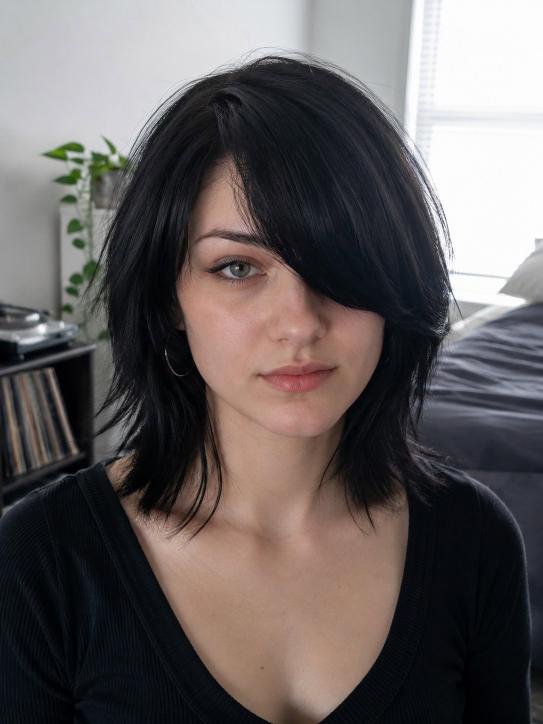
Deep side-swept bangs create a dramatic diagonal line across the forehead, while choppy layers add movement through the rest of the hair. This combination is a good way to give shoulder-length hair more personality without choosing a very short fringe. The fuller side can frame one cheek, while the opposite side remains more open.
If your hair tends to fall flat, the deep side part can help create the appearance of extra root volume. Apply a lightweight root-lifting product before blow-drying and direct the hair across the crown to establish the part. You can wear the layers straight for a sharper look or add loose bends to soften the overall shape.
Cowgirl Cut With Curtain Bangs

The cowgirl cut blends shaggy layers, face-framing pieces, and a relaxed, textured silhouette. Paired with curtain bangs, it creates a casual style that often looks best with natural movement rather than a perfectly smooth finish. Shoulder-length hair keeps the look practical while still allowing enough room for layered volume and soft waves.
This cut is a good fit if you like a slightly undone style with a little Western-inspired character. Ask your stylist for layers that work with your natural texture and avoid too much contrast if you want the haircut to grow out smoothly. A wave-enhancing cream or texturizing spray can bring out the shape, while a few loose bends around the face add definition without requiring a full styling routine.
Curly Layers With Curly Bangs
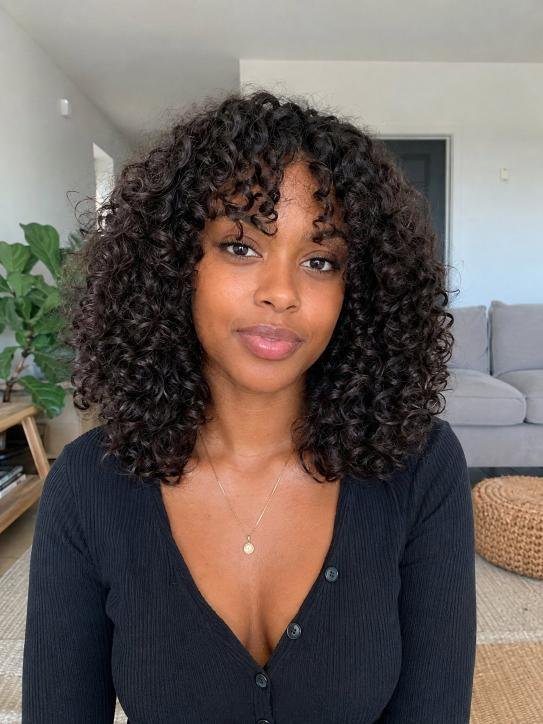
Curly layers with curly bangs celebrate natural texture by allowing the curls to form a balanced shape around the head. The layers help distribute volume, while the fringe creates a playful frame around the forehead and eyes. On shoulder-length hair, the combination can feel full and expressive without requiring straightening or extensive heat styling.
Curly bangs should be cut with shrinkage in mind because they often spring up as the hair dries. A stylist experienced with curls can help choose the right fringe length and layer placement for your curl pattern. For styling, apply curl cream or gel to damp hair, encourage the curls to clump naturally, and allow them to dry without repeatedly touching them.
Coily Layers With a Coily Fringe

Coily layers with a coily fringe create a shaped, textured hairstyle that works with the natural volume of tightly curled hair. The fringe brings attention to the eyes, while the surrounding layers can be arranged into a rounded or more elongated silhouette. At shoulder length, this combination offers plenty of visual interest and allows the hair’s natural texture to remain the focus.
Because coily hair can shrink significantly when dry, the finished cut should be planned around its natural behavior rather than its stretched length alone. Talk with your stylist about the amount of volume you want and whether you prefer a compact shape or a fuller outline. Gentle detangling, consistent conditioning, and a styling routine suited to your hair’s needs can help maintain definition between salon visits.
Silk Press With Wispy Bangs
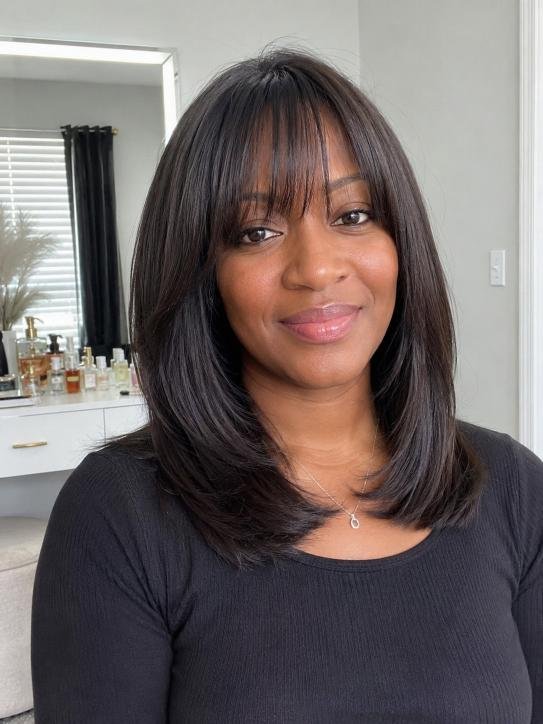
A silk press creates a smooth, straight finish on naturally textured hair using a blow-dryer and flat iron. Paired with shoulder-length layers and wispy bangs, it offers a polished look with soft movement around the face. The layers keep the straight style from appearing too heavy, while the fringe adds a delicate detail across the forehead.
Because a silk press uses heat, preparation and technique matter. Use a heat protectant, ensure the hair is appropriately dry before flat-ironing, and avoid excessive passes over the same section. Humidity can affect how long the smooth finish lasts, so consider your local weather and your hair’s response before choosing this look for an event or everyday wear.
Layers With a Grown-Out Fringe

A grown-out fringe is ideal if you like bangs but want a style that does not require frequent trimming. The fringe has enough length to blend into the face-framing layers, allowing you to wear it parted, swept to the side, or tucked behind your ears. With shoulder-length layers, this creates a soft, flexible haircut that transitions easily between different looks.
This option is also useful if you are growing out shorter bangs and want the process to feel intentional. Ask your stylist to blend the fringe gradually into the sides instead of cutting a distinct line across the forehead. A little styling cream can help the front sections sit smoothly, while a center or side part gives you another way to change the overall shape.
Frequently Asked Questions
Is shoulder length layered hair with bangs easy to maintain?
It can be, especially if you choose a cut that works with your natural texture and usual styling routine. Soft layers and curtain bangs often grow out more gradually than very short micro bangs or a sharply defined blunt fringe. If you prefer minimal daily styling, ask your stylist for a shape that looks balanced when air-dried.
Which bangs look best with shoulder-length layered hair?
Curtain bangs, wispy bangs, side-swept bangs, and bottleneck bangs are all versatile options. Curtain bangs create a soft frame, while blunt bangs offer more contrast and micro bangs make a bolder statement. The best choice depends on your hair texture, preferred look, and how much time you want to spend styling the fringe.
Does layered hair with bangs work for fine hair?
Yes, but the amount of layering matters. Too many short layers can make fine hair appear thinner at the ends, so a more controlled shape with subtle face-framing pieces may work better. Wispy bangs can add interest at the front without requiring heavy layering throughout the haircut.
Can shoulder-length layered hair with bangs work for curly hair?
Absolutely. Curly hair can look beautiful with layers and bangs when the cut accounts for shrinkage and the natural curl pattern. Ask a stylist experienced with curly hair to assess the shape when dry or to use a cutting approach suited to your texture, and discuss how the bangs will sit after the curls spring up.
How often should I trim my bangs?
The timing depends on the type of fringe and how quickly your hair grows. Micro and blunt bangs usually need more frequent shaping to maintain their length, while curtain bangs and grown-out fringes can often be worn for longer between trims. If your salon offers bang trims, ask your stylist how often your specific cut is likely to need attention.
How can I style layered hair with bangs without heat?
Start by applying a lightweight styling product suited to your hair type, then use your fingers to guide the layers and fringe into place while the hair is damp. Curtain bangs can sometimes be shaped by directing them away from the center part, while naturally wavy or curly hair can retain its texture with a suitable curl product. Results vary by hair type, so ask your stylist for a simple air-drying method tailored to your cut.
Conclusion
Shoulder length layered hair with bangs offers a versatile way to refresh your hairstyle while keeping enough length for different styling options. Curtain bangs and long layers create a soft, wearable look, while choppy shags, wolf cuts, and blunt fringes bring more definition and personality. Curly and coily versions can highlight natural texture, and a silk press offers a smoother alternative when you want a polished finish.
Before your next salon appointment, save a few reference photos that resemble your hair texture and the amount of styling you are comfortable doing. Ask your stylist how the layers and bangs will fall naturally, whether the fringe needs frequent trimming, and how to maintain the shape at home. With a cut tailored to your hair, you can enjoy a flattering, fresh look that feels like you.