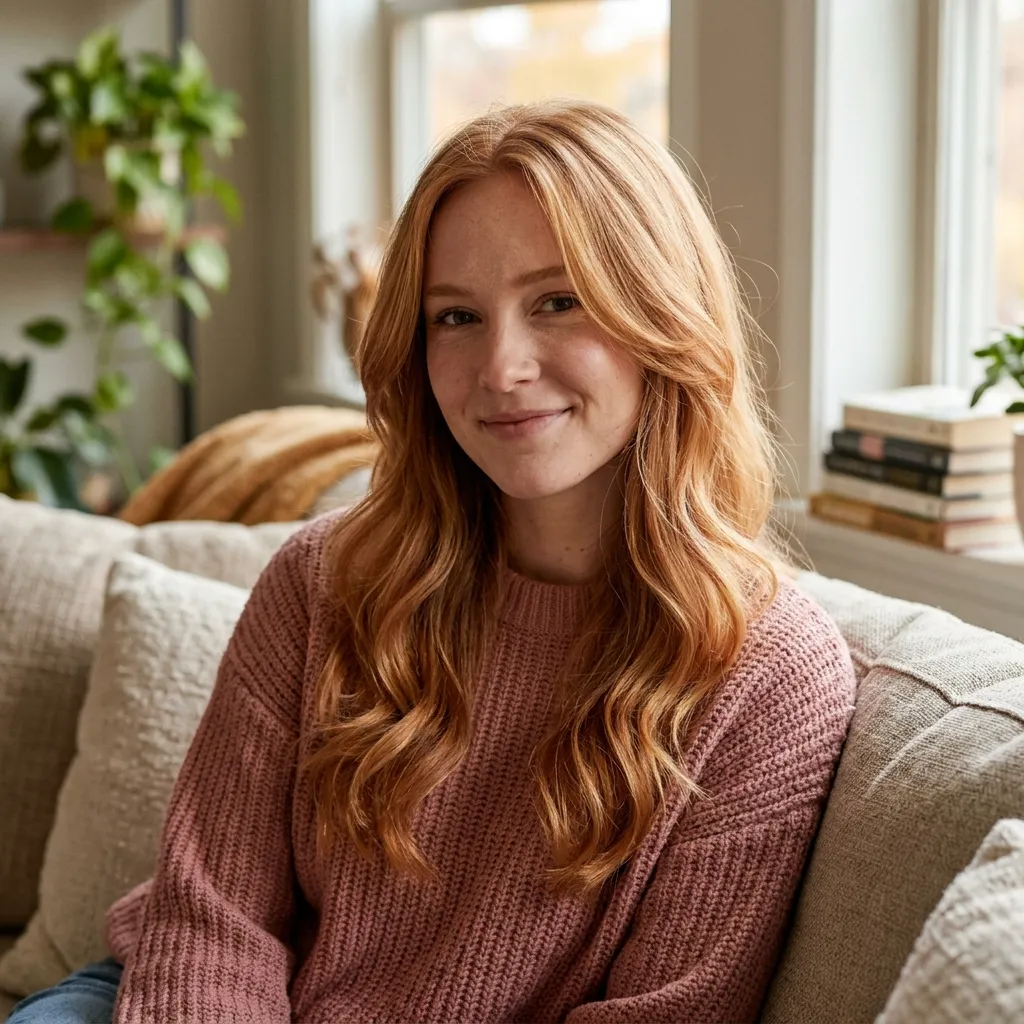
Do you ever feel like your hair color fades into the background once the days get short and the coats come out? Winter light is softer and cooler, and the right shade can add warmth, depth, and a little spark to the gray months. Black hair has a beautiful range to work with, from deep, glossy darks to glowing coppers and bold wine tones. These winter hair colors for Black women cover every comfort level, whether you want a subtle refresh or a statement change.
Below you’ll find twenty shades, each with a note on who it tends to flatter and what upkeep to expect. Your starting color, your hair’s texture and condition, and your colorist’s technique all shape the final result, so treat every idea as the beginning of a conversation. Because lightening can be demanding on natural hair, it’s worth finding a colorist who has experience with textured hair and a gentle approach. Read through, save the shades that catch your eye, and bring photos to your next appointment.
1. Jet Black
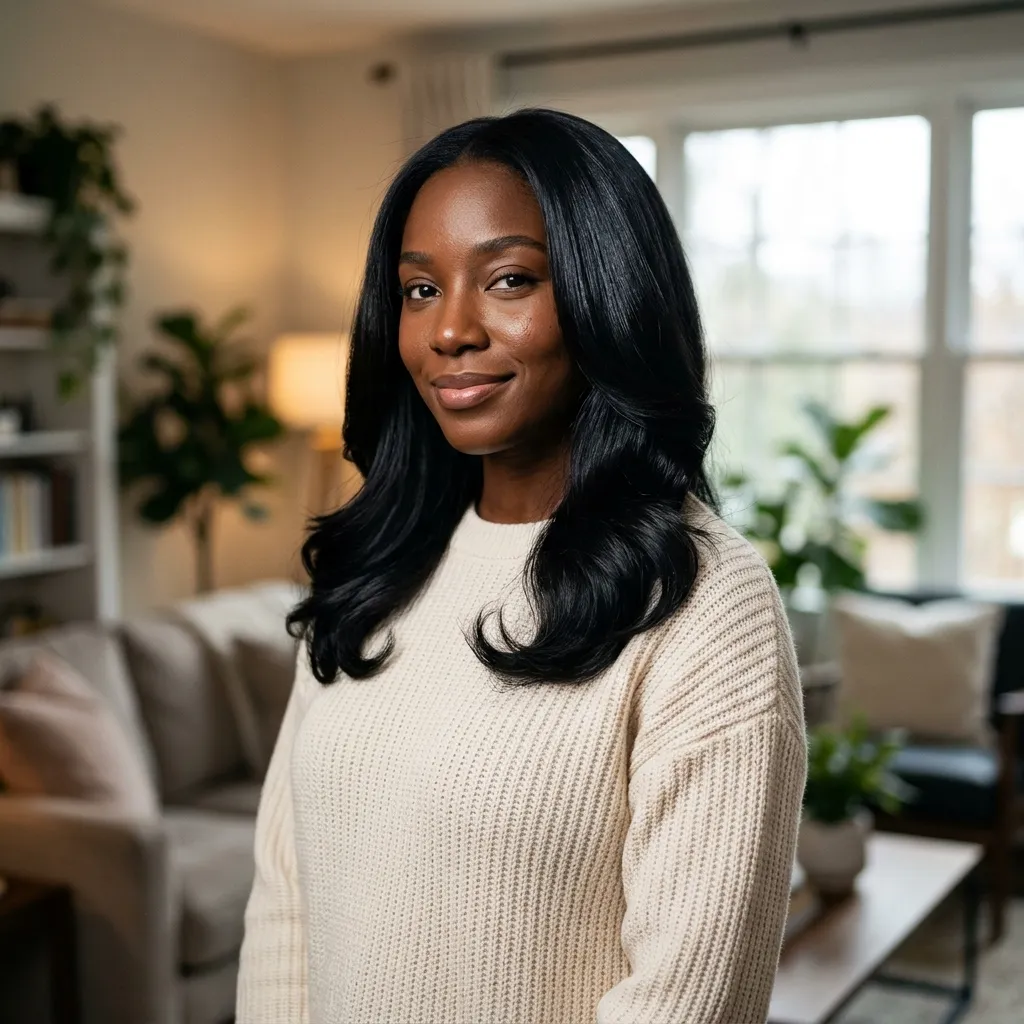
Jet black is the classic, a deep, true black that looks striking against winter whites, creams, and jewel tones. It reflects light beautifully when the hair is healthy, so shine is the whole point. This shade works on most skin tones and suits every texture, from sleek silk presses to defined coils. If your natural hair is already dark, it’s also one of the gentler options, since it often needs little or no lightening. A moisturizing routine keeps it from looking dull in dry winter air.
2. Soft Black

Soft black is a hair-color-chart favorite for people who want black hair that feels a little less severe. It has a slightly gentler finish than jet black, with a hint of warmth or dimension that shows in daylight. The effect looks natural and flatters a wide range of complexions. It’s a smart pick if you’re coloring over gray or want to refresh dullness without a dramatic change. A clear gloss every few weeks keeps the softness and shine.
3. Blue-Black
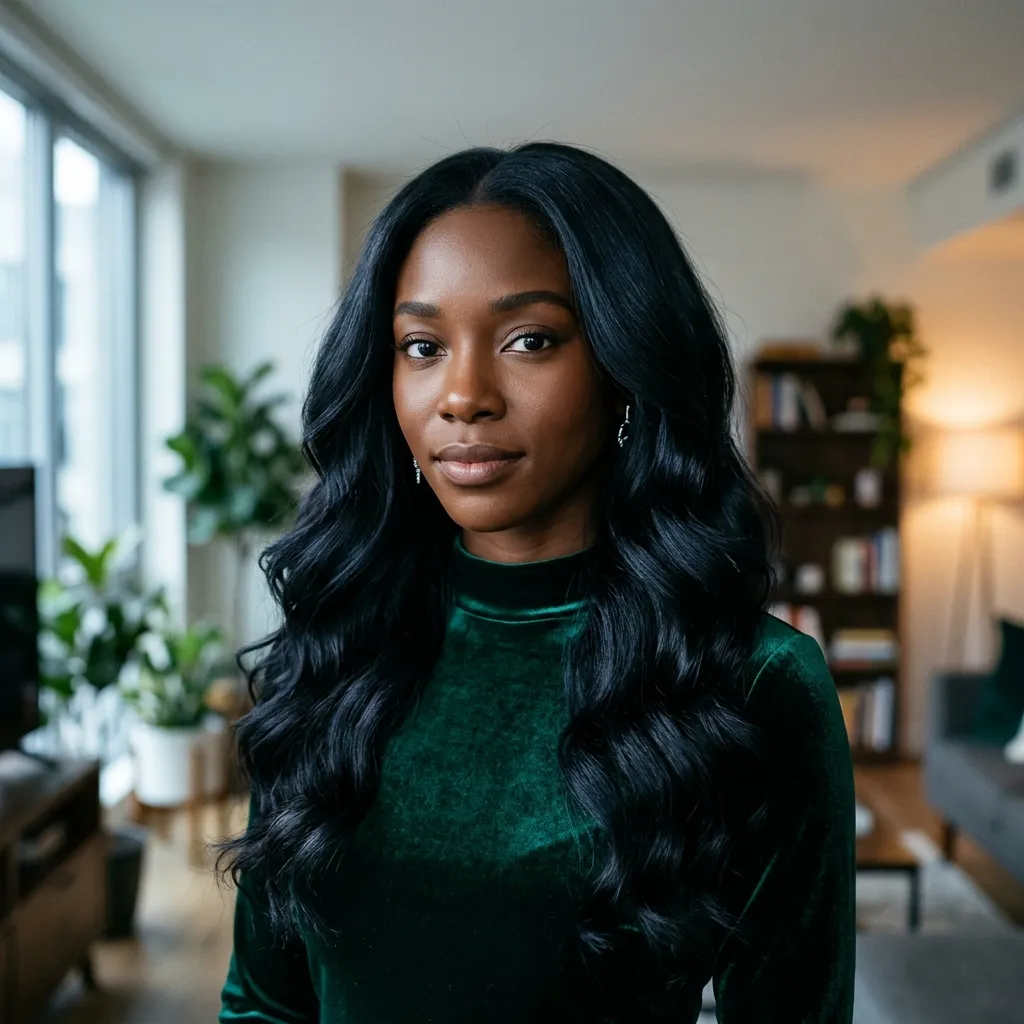
Blue-black adds a cool, inky undertone to dark hair, so it shimmers with a faint midnight glow in the right light. It’s dramatic without being loud, and it looks especially good against winter’s icy palette. The shade tends to flatter many skin tones, particularly when the hair is shiny and well moisturized. Because the blue tint can fade, a color-safe shampoo and a periodic gloss help hold it. It’s a lovely way to make black hair feel a bit more special.
4. Espresso Brown

Espresso brown is a deep, dark brown that sits just shy of black, with a rich warmth you notice when the light hits it. It’s softer than jet black, which makes it easier to wear if black feels too stark. The shade complements deep, medium, and lighter brown skin tones alike. It’s usually low-maintenance since it often needs minimal lightening on dark hair. Regular conditioning treatments help the color stay glossy through cold weather.
5. Dark Chocolate Brown
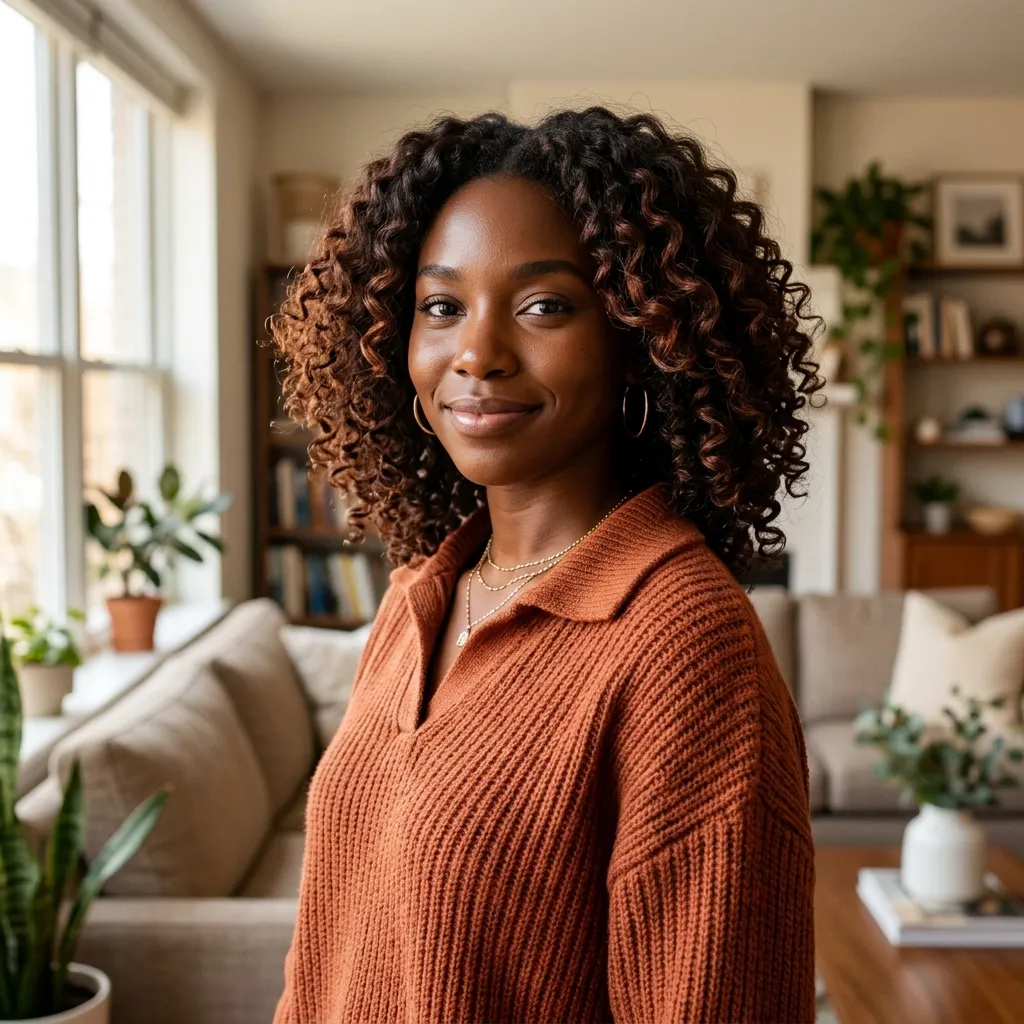
Dark chocolate brown is warm, cozy, and just a bit lighter than espresso. It brings out golden and red undertones in the skin and adds a healthy glow to dull hair. The color works beautifully on braids, twist-outs, silk presses, and curls, since the richness reads well in any style. It also makes an easy base if you want to add highlights later in the season. A moisturizing mask now and then keeps the finish smooth.
6. Mocha Brown

Mocha brown is a medium-dark brown with a soft coffee-and-cream warmth. It’s gentler than espresso and a bit more neutral than chestnut, so it suits anyone who wants something natural but polished. The shade blends gray well because the softness keeps the contrast low. It looks lovely on both short cuts and long lengths. A gloss treatment brings out that velvety finish.
7. Chestnut Brown
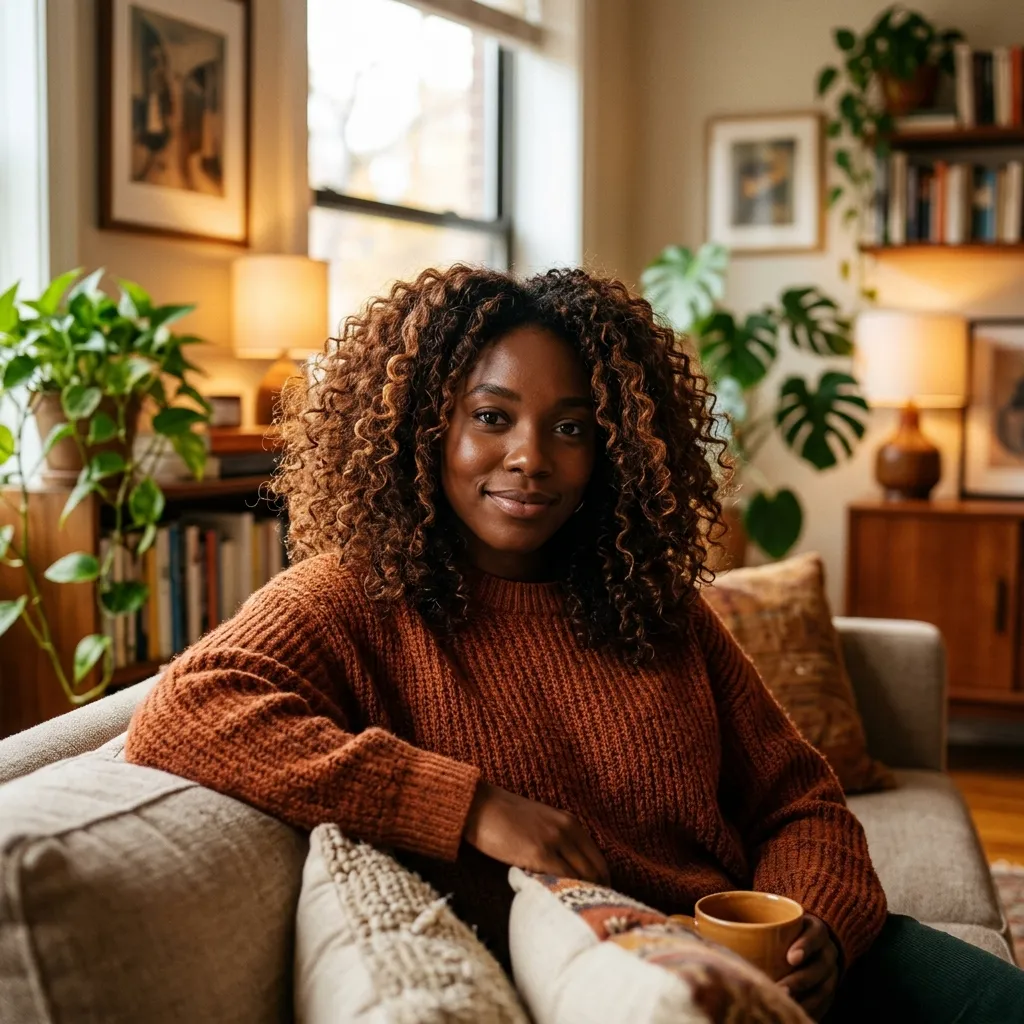
Chestnut brown has reddish-golden undertones that feel like a warm blanket on a cold day. It adds brightness to the face without being too bold, and it flatters many skin tones, especially those with warm or golden undertones. The shade also looks beautiful on natural hair, where the texture catches the color in different ways. It often requires only moderate lightening on dark hair. A color-safe shampoo helps keep the warmth from fading.
8. Honey Brown
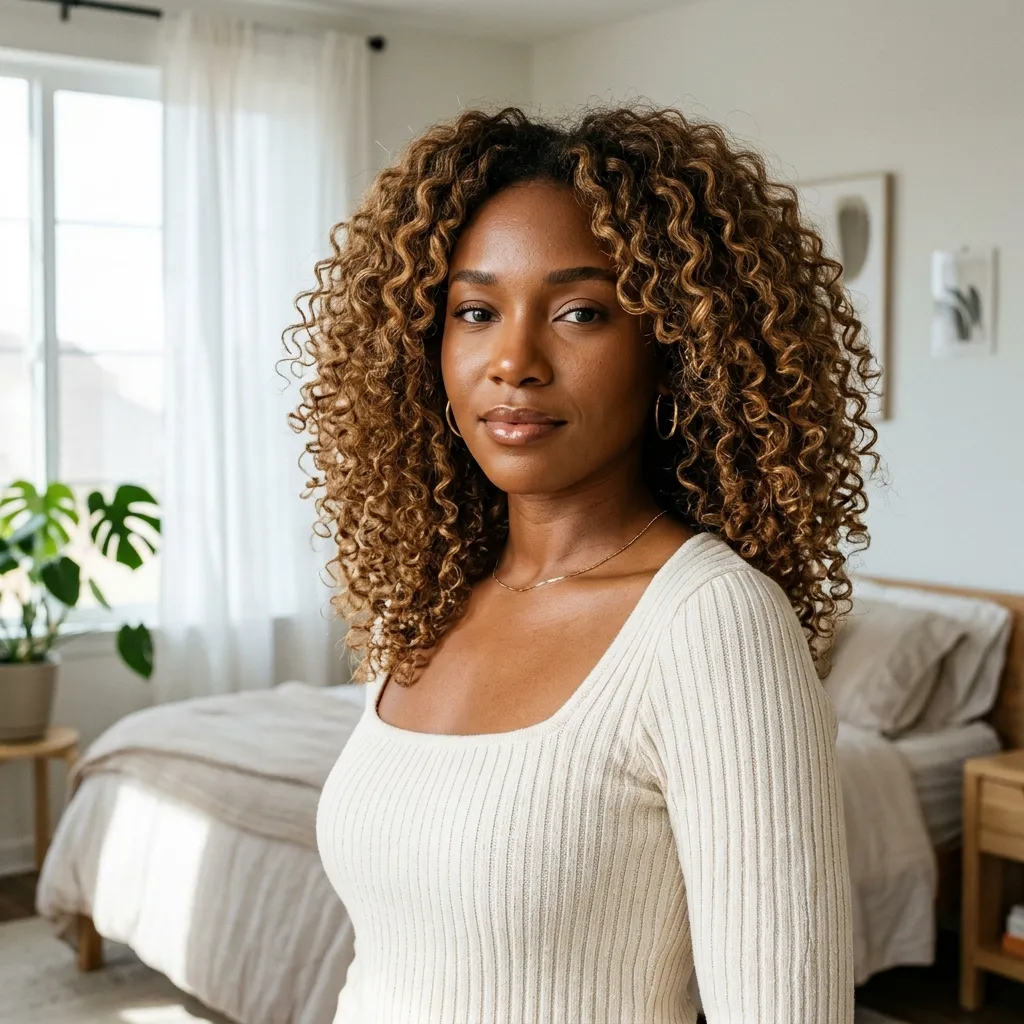
Honey brown is a warm, golden brown that glows even on gray days. It’s lighter than chestnut and brighter than mocha, making it a good bridge if you want something noticeable but still natural. The color suits many complexions and looks especially radiant on deeper skin tones. Lightening is usually needed, so a gentle process and strong aftercare matter. Deep conditioning treatments will help keep the strands healthy and shiny.
9. Caramel Highlights
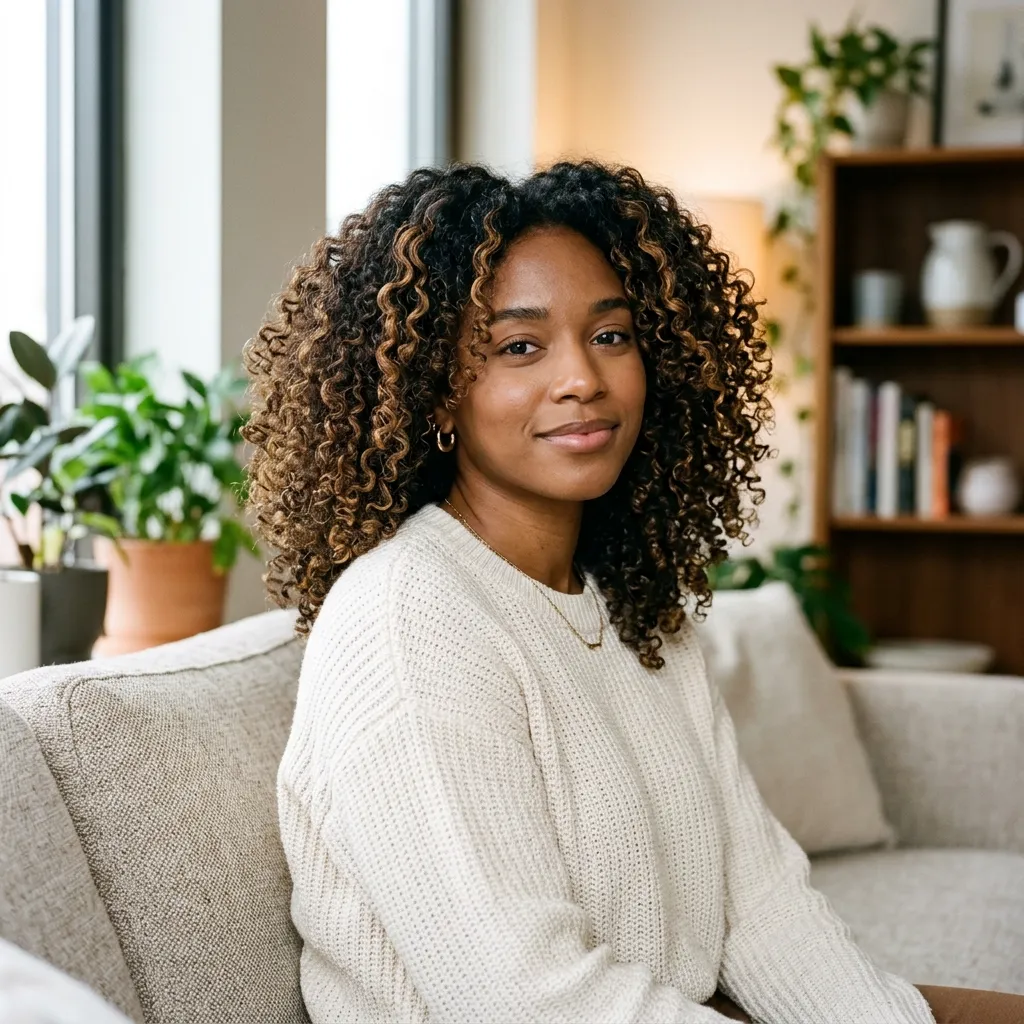
Caramel highlights add sweet, golden-brown dimension to a dark base. They’re an easy way to brighten up winter hair without committing to an all-over color change. The highlights work on many styles, from silk presses to curls, and they can be placed around the face or throughout. Because they’re partial, the grow-out looks soft rather than harsh. Ask your colorist to keep the contrast gentle if you prefer a natural look.
10. Honey Blonde

Honey blonde is a warm, glowing blonde that looks like winter sunshine. It stands out beautifully against deeper skin tones and gives the face a bright, lively frame. Getting there involves lightening, so it’s worth planning for gentle handling and regular deep conditioning. Many people choose to wear it as a blend, with some darker root or face-framing pieces for a more forgiving look. Toning every so often keeps the shade from turning brassy.
11. Golden Blonde
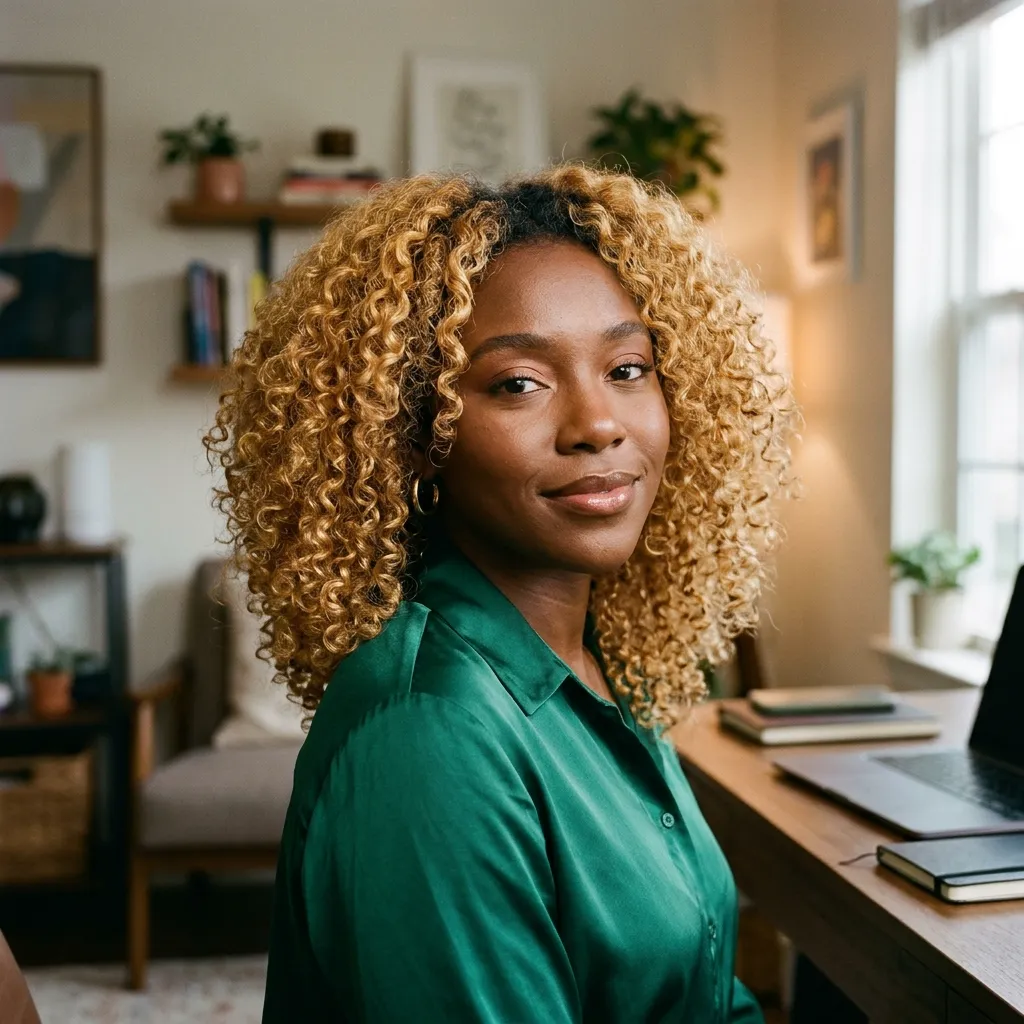
Golden blonde has a brighter, more saturated warmth than honey, with a clear glow. It’s cheerful and eye-catching, a nice way to bring a little brightness into the grayest months. The color can look especially stunning on medium and deeper brown skin tones. Because it requires more lightening, strong aftercare is important, including moisturizing masks and heat protection. Your colorist can tailor the tone so it stays warm without looking yellow.
12. Burgundy
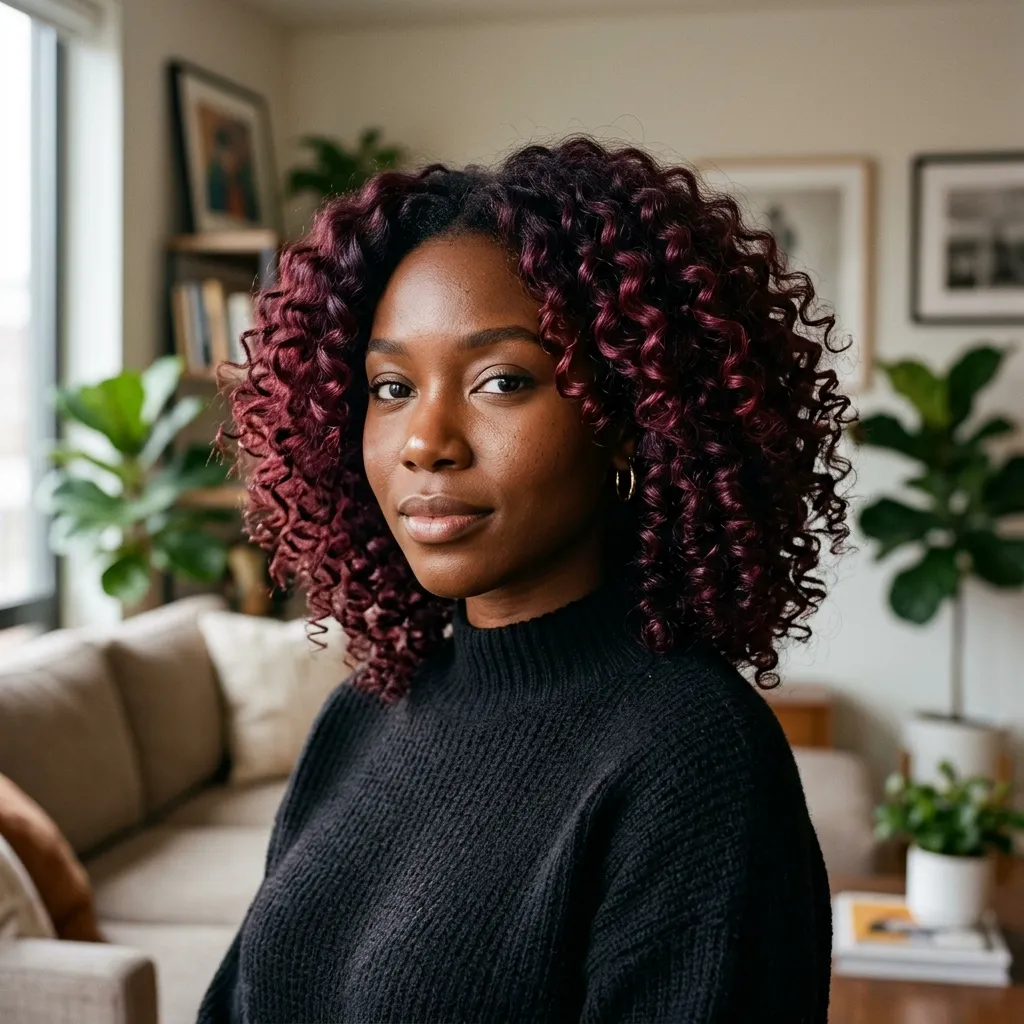
Burgundy is a deep, wine-red shade that feels made for winter. It’s bold but sophisticated, and it’s flattering on many skin tones, especially deeper complexions where the red adds richness. It can be done on dark hair with some lightening, depending on how vivid you want it. Reds tend to fade faster than other colors, so cool wash water and color-safe products help. A color-depositing conditioner can refresh the shade between salon visits.
13. Black Cherry

Black cherry is darker and moodier than burgundy, with a deep red-violet tint over a nearly black base. In low light it looks almost black, and in sunlight it shows a glossy wine shimmer. It’s a good option if you’re curious about color but want something subtle enough for the office. The shade usually needs little lightening on very dark hair. A gloss or color-safe shampoo helps it hold its depth.
14. Cherry Cola
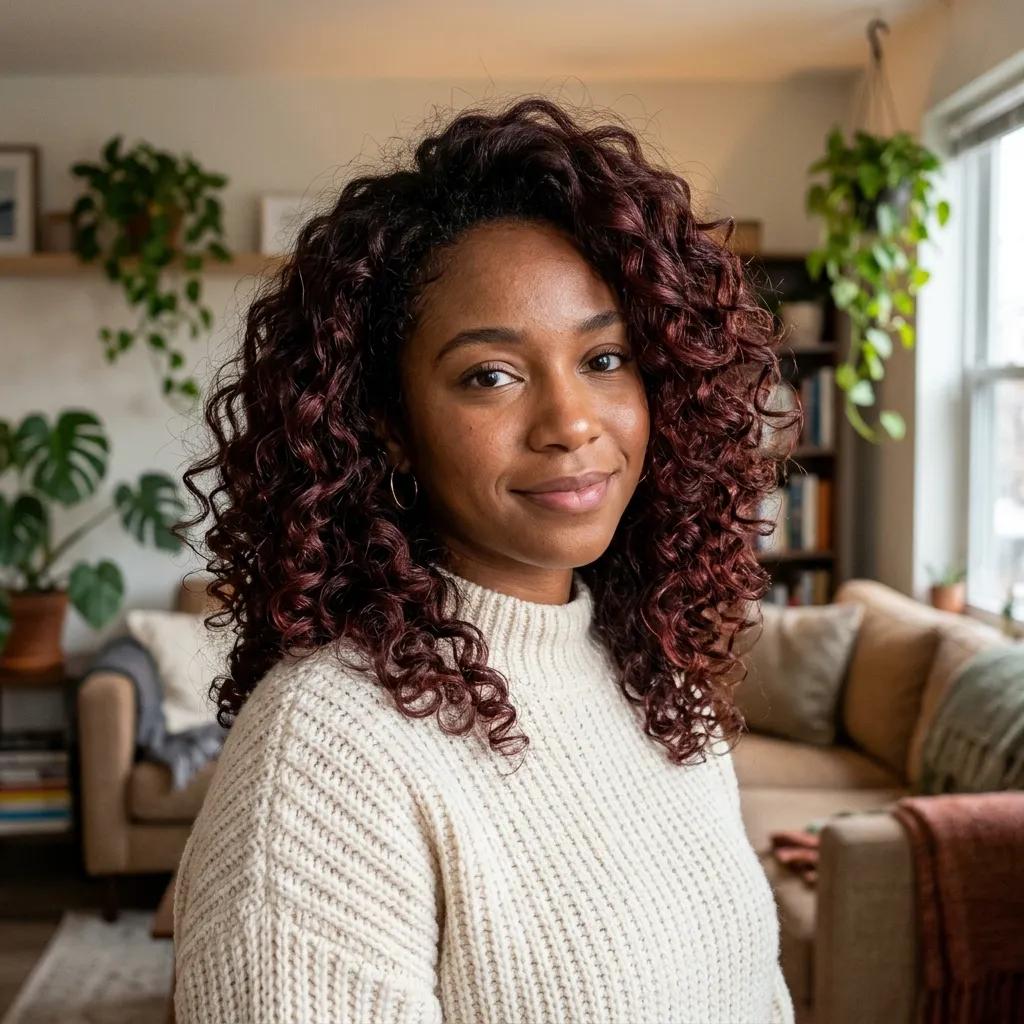
Cherry cola is a dark brown with a fizzy red tint that appears when the light hits. It’s a touch warmer and brighter than black cherry, so it feels playful without being flashy. The color looks lovely on many skin tones and adds warmth to dark hair. It fades gradually, so a color-depositing conditioner can help maintain the glow. It’s an excellent middle ground for anyone who wants a hint of red.
15. Auburn
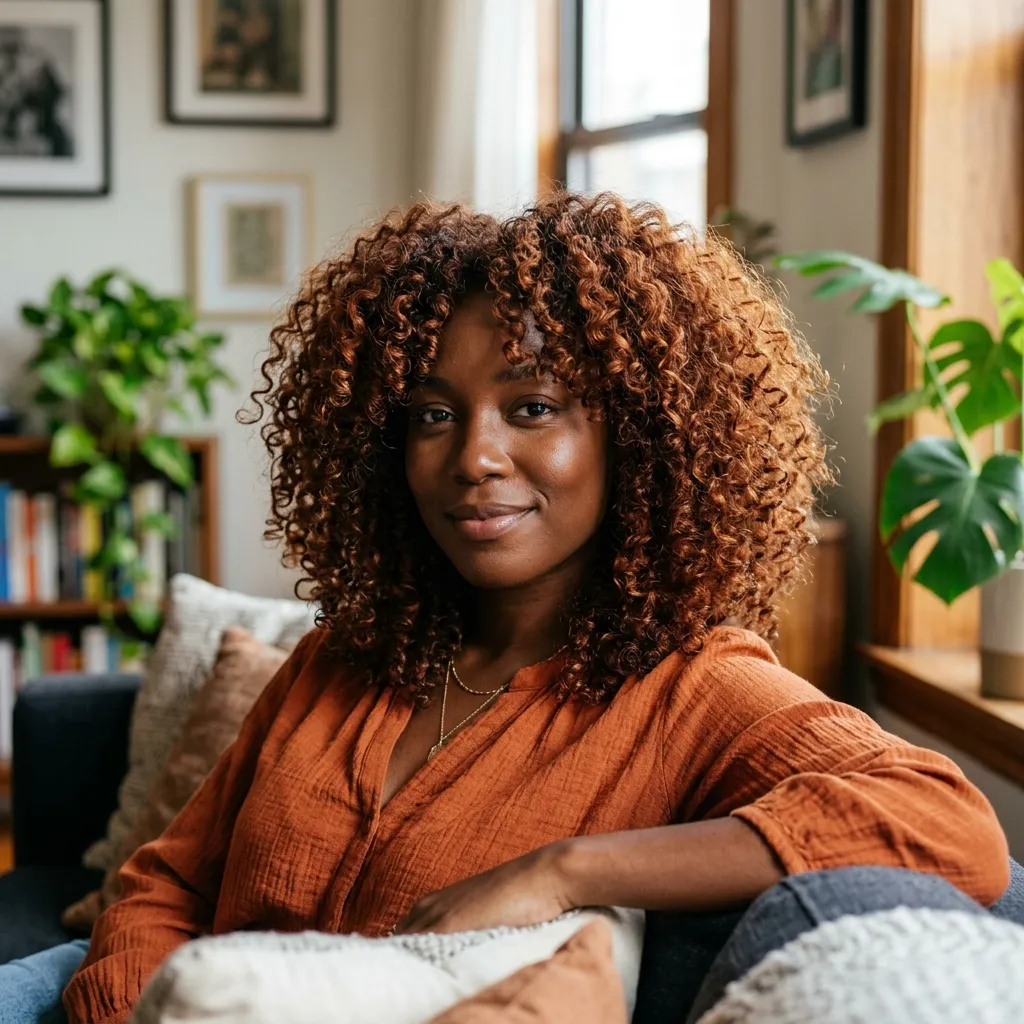
Auburn blends red and brown into a warm, glowing shade that looks natural and polished. It brings brightness to the face while still feeling grounded, which makes it a favorite for people who want color but not too much drama. The tone suits many skin tones, especially medium to deeper brown complexions. Because red pigments fade quickly, cooler water and color-safe products help. A gloss now and then keeps it rich.
16. Copper
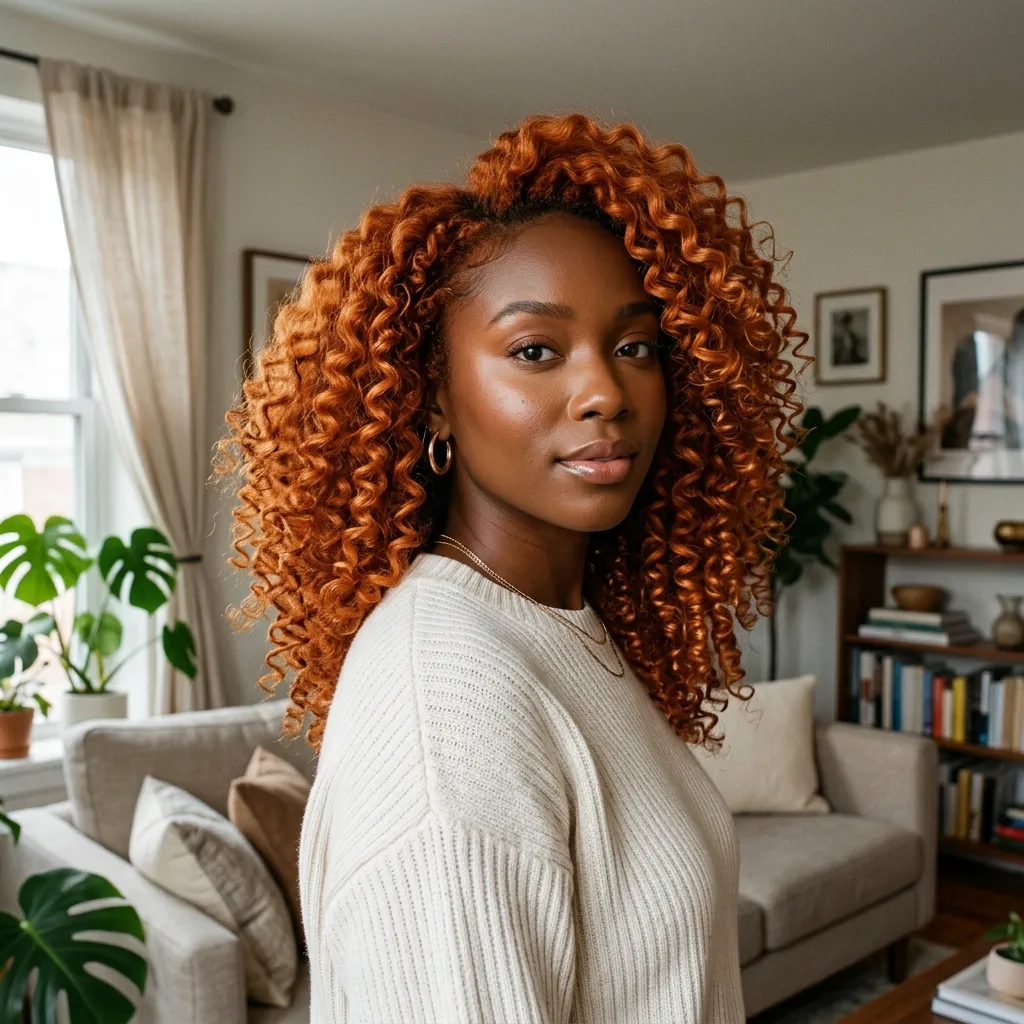
Copper is a bright, glowing orange-red that stands out gorgeously against winter’s muted landscape. It’s bold and warm, and it looks especially striking on deeper skin tones. Achieving a true copper on dark hair usually requires lightening first, so plan for careful aftercare. Copper tends to fade faster than most shades, so a color-depositing conditioner and gentle washing are helpful. If you want a standout color, this is one to consider.
17. Ginger
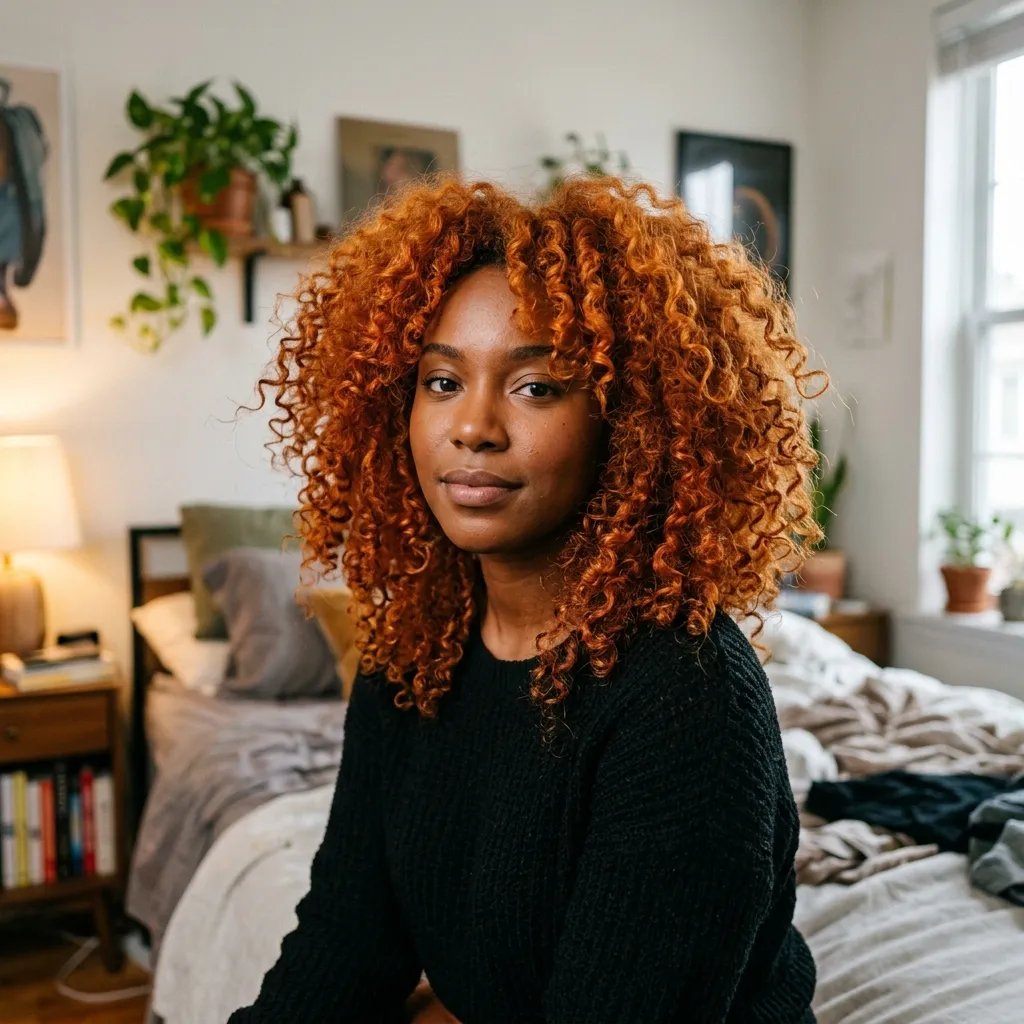
Ginger is a vivid, spicy orange with a bright, joyful energy. It’s one of the boldest winter picks, and it makes a real statement against coats and scarves. The shade needs significant lightening on dark hair, so it’s best done by an experienced colorist. Strong maintenance is part of the deal, including moisturizing treatments and regular tone refreshes. If you love a head-turning color, ginger delivers.
18. Plum
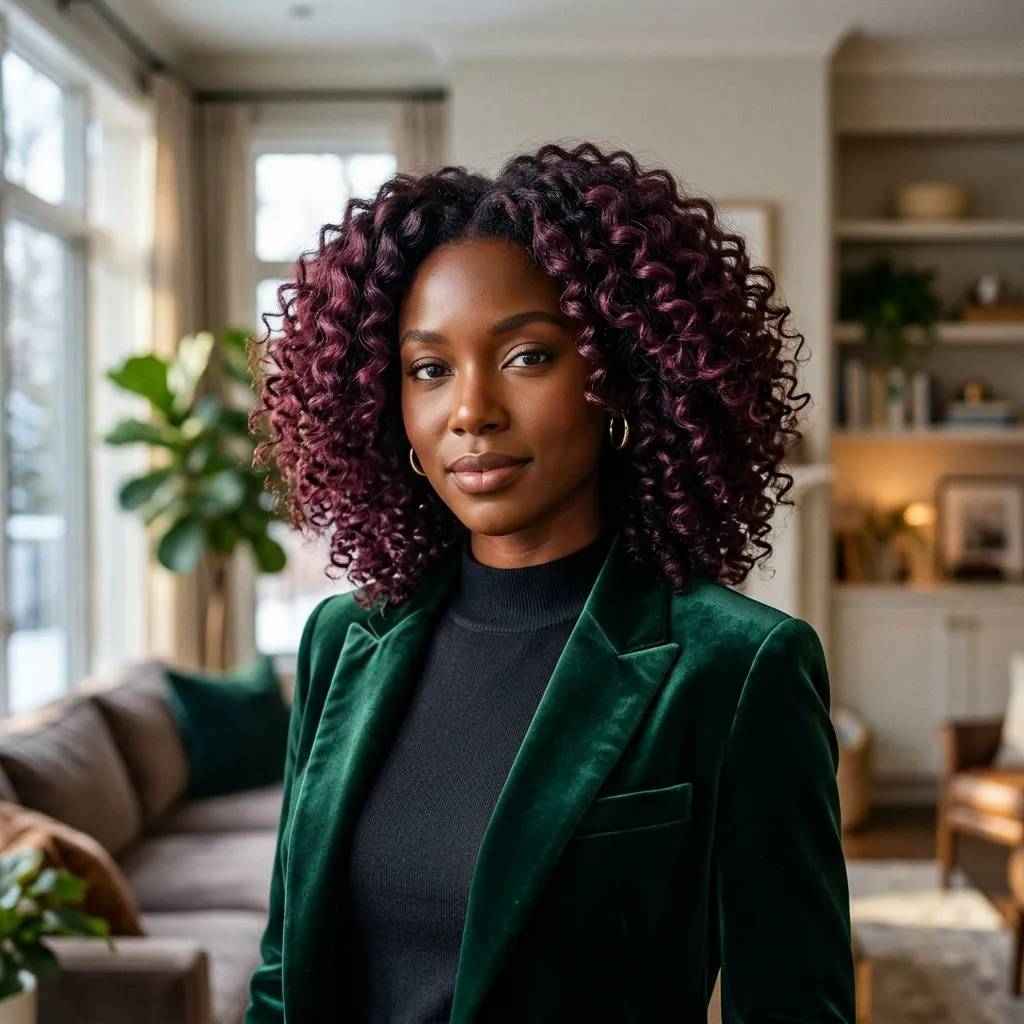
Plum is a deep purple-red that feels rich, luxurious, and slightly mysterious. It’s a great fit for winter, since the cool undertone echoes the season’s jewel tones. On very dark hair it can look like a subtle shimmer, while on lightened hair it becomes a bolder statement. It flatters many skin tones and looks beautiful on both straight and textured styles. Purple shades fade over time, so a color-safe routine is worthwhile.
19. Burnt Orange
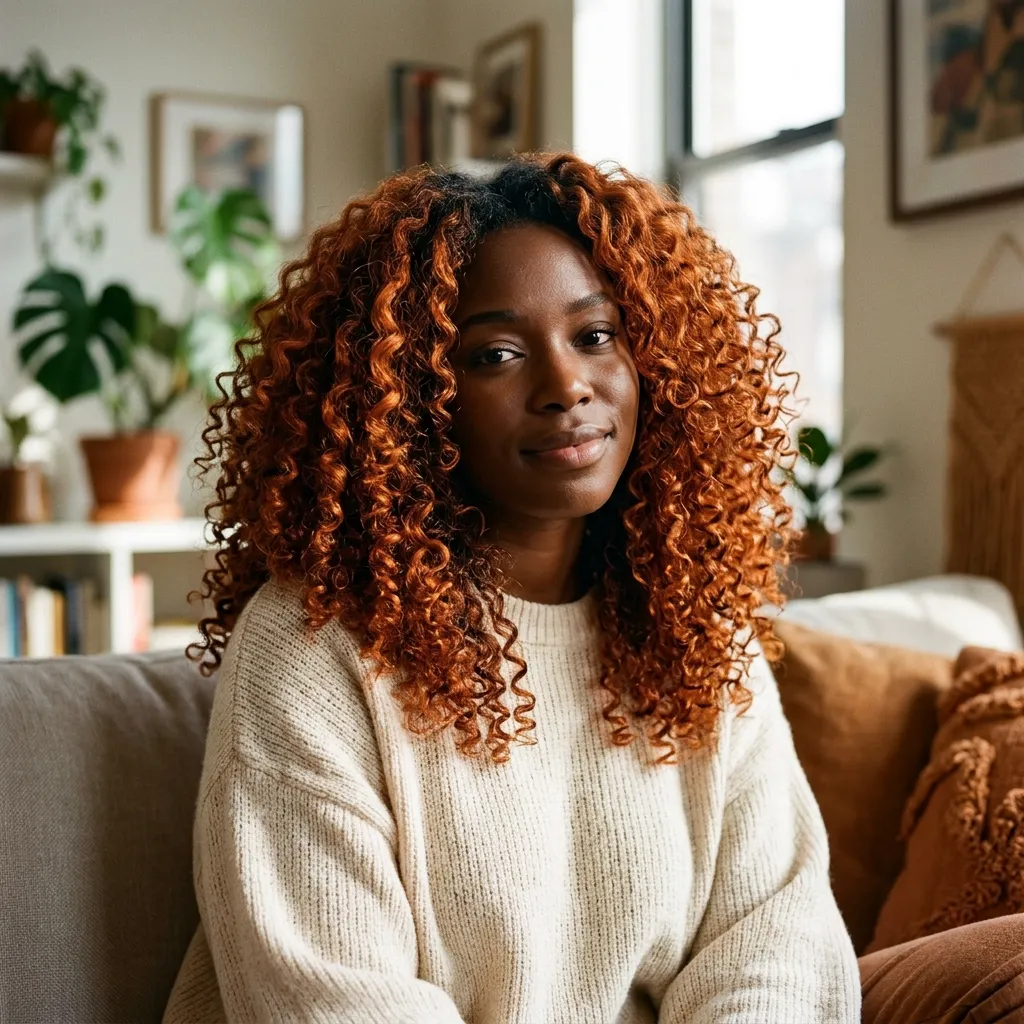
Burnt orange is a warm, earthy shade between copper and rust, with a cozy, autumn-leaf quality that carries into winter. It’s a distinctive choice that adds warmth to the coldest days. The color shines on deeper skin tones, where its richness stands out. It typically requires lightening, so careful aftercare is important. Ask your colorist to adjust the intensity so it fits your style.
20. Platinum Blonde
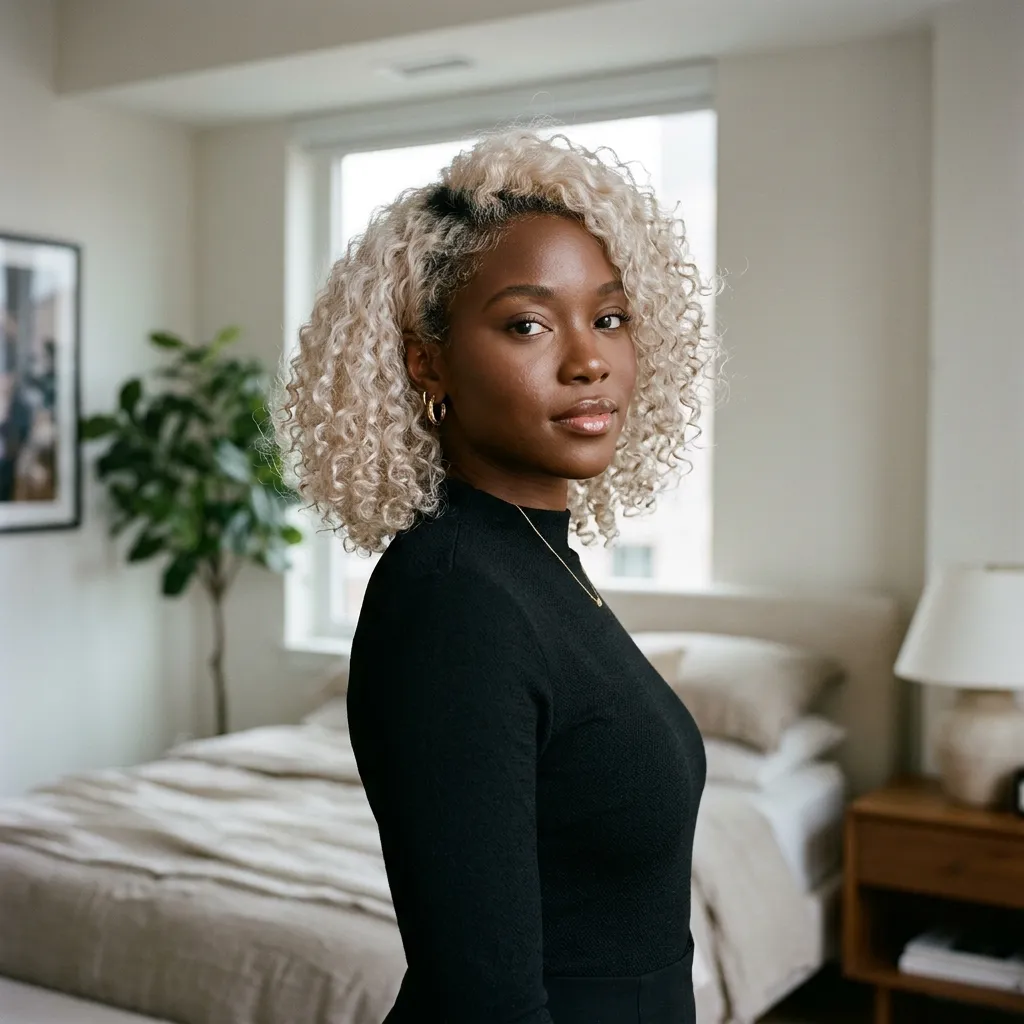
Platinum blonde is the most dramatic transformation on this list, a bright, icy blonde that stands out in the winter months. It requires significant lightening, so it’s important to work with a colorist who understands textured hair and protects its strength. Bond-building treatments, deep conditioning, and a gentle routine are all part of keeping it healthy. Toning helps keep the shade clear instead of yellow. If you’re ready for a bold change, platinum can be unforgettable.
Frequently Asked Questions
What are the best winter hair colors for Black women with deep skin tones?
Rich, warm shades like burgundy, chestnut, honey brown, copper, and auburn tend to look beautiful on deep skin tones. Soft black, espresso, and dark chocolate also look polished and glowing. A colorist can look at your skin tone and undertones in person to help you choose. Trying a partial option like highlights first is a good way to test a shade.
Do I need to bleach my hair to try these colors?
Many deeper shades, such as soft black, espresso, dark chocolate, and black cherry, can often be done with little or no lightening on dark hair. Brighter shades like honey blonde, copper, ginger, and platinum usually require some lightening. Your hair’s texture, history, and condition affect what’s possible. A consultation helps you understand the process before you commit.
How do I keep colored hair healthy in winter?
Cold, dry air can pull moisture from hair, so regular deep conditioning is helpful. Use a color-safe shampoo and avoid very hot water when you can. Protect your hair from friction with a satin or silk bonnet or pillowcase at night. Ask your colorist for a routine that fits your texture and color.
How often should I touch up my color?
It depends on the shade and technique. Blended styles like highlights or soft balayage can go longer between visits, while all-over bright colors and reds usually need more frequent refreshes. Glosses and color-depositing products can help extend your color between appointments. Your colorist can give you a schedule that suits your hair and budget.
Conclusion
Winter hair colors for Black women offer a lot of room to play, from glossy jet black and espresso to glowing honey, burgundy, copper, and plum. Think about how much upkeep you’re comfortable with, then choose a shade that suits your skin tone, your texture, and your lifestyle. Healthy hair makes every color look better, so prioritize moisture and gentle handling before and after your appointment. Save two or three favorites from this list and bring them to a colorist who has experience with textured hair so you can talk through what’s realistic. A thoughtful plan can help you leave the salon with a color you’ll love all season.