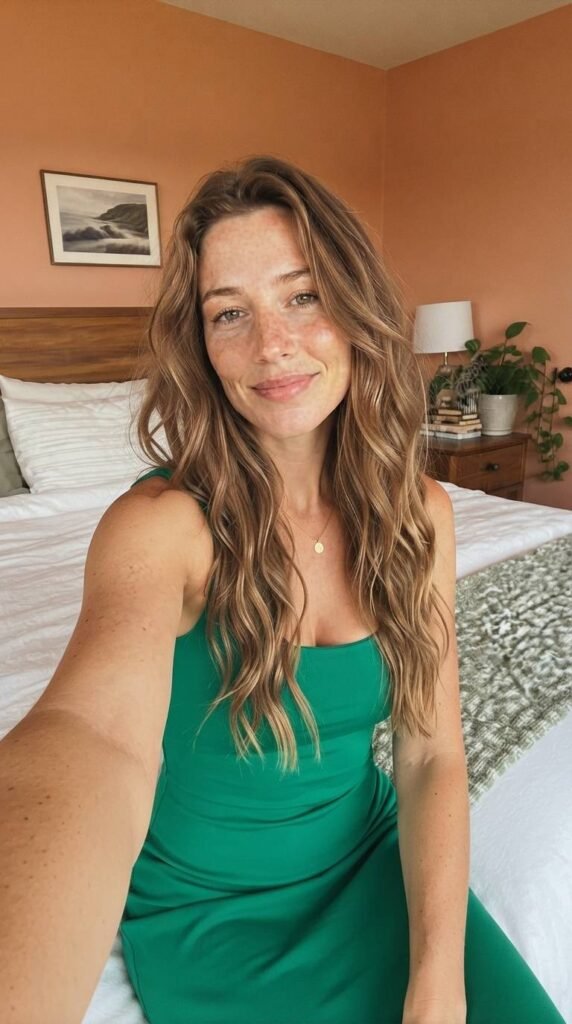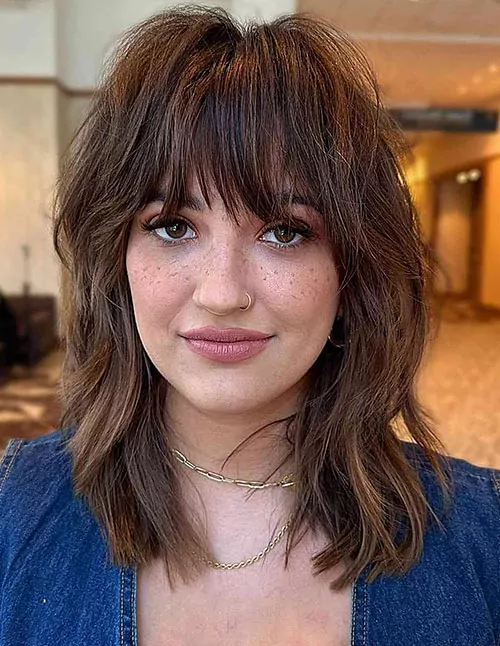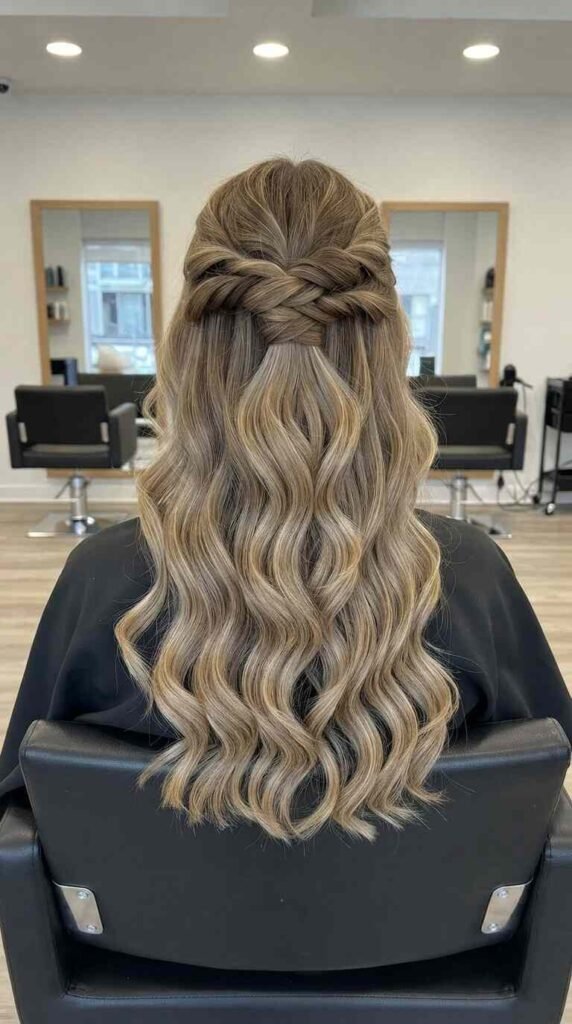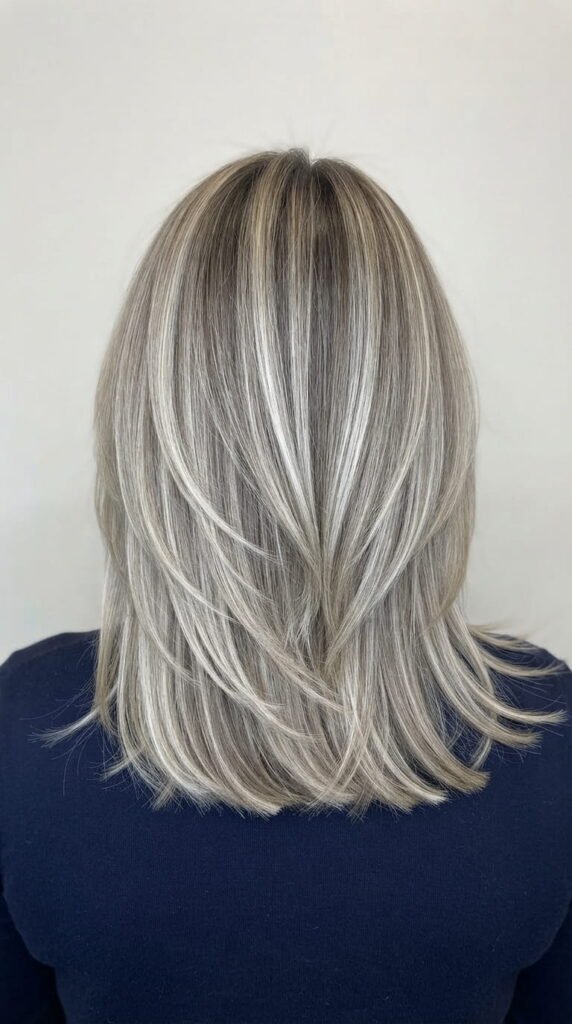

Ever wanted to change your hairstyle without losing your length or committing to a dramatic haircut? Curtain bangs might be exactly what you need. They frame your face, soften your features, and add movement around the forehead and cheekbones while blending naturally into the rest of your hair.
The best Face Framing Curtain Bangs Styles come in more variations than you might expect. You can choose a short, airy fringe, a full retro-inspired shape, long bangs that skim your jaw, or a curly version that works with your natural texture. The right style depends on your hair type, preferred length, daily routine, and how much time you want to spend styling.
Another reason curtain bangs remain so versatile is their ability to complement different haircuts. They work with long layers, bobs, lobs, shaggy cuts, and textured curls. Whether you prefer a polished finish or an intentionally relaxed look, these 19 ideas can help you find a face-framing style that feels natural, flattering, and easy to make your own.
Classic Cheekbone-Length Curtain Bangs
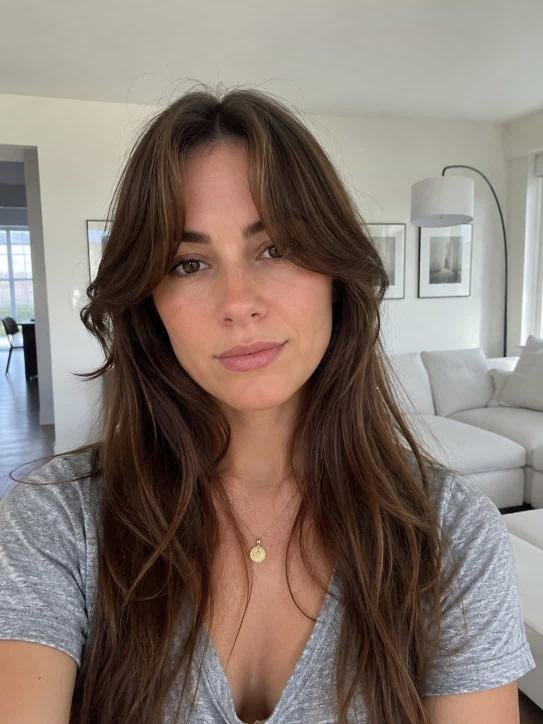
Classic cheekbone-length curtain bangs are a great starting point if you want a noticeable change without making your fringe feel too short. The hair parts near the center of the forehead and sweeps outward, with the shortest pieces landing around the cheekbones. This placement draws attention to the eyes and creates a soft frame that blends into the sides of your haircut.
This style looks particularly beautiful with medium-length hair and long, flowing layers. If your hair is naturally straight, a round brush can help create the signature curved shape, while wavy hair often needs only a little styling cream to encourage the pieces to fall into place. Ask your stylist to keep the ends softly tapered so the bangs connect seamlessly with the rest of your hair.
Cheekbone-length fringe is also a practical choice if you are trying curtain bangs for the first time. It offers enough length to tuck the sides behind your ears when you want your face completely open. If you have a busy morning routine, you can refresh the front sections with a quick blow-dry instead of styling your entire head.
Short Eyebrow-Grazing Curtain Bangs
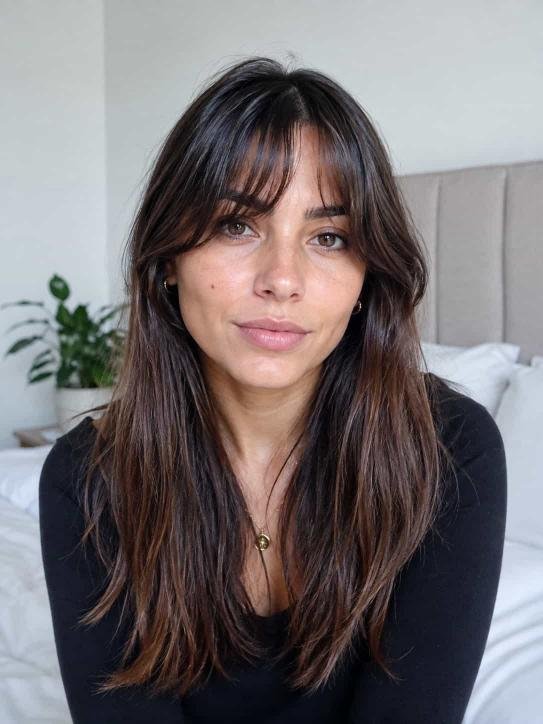
Short eyebrow-grazing curtain bangs offer a playful alternative to the longer, cheekbone-skimming versions. The center sections sit around the eyebrows, while the outer edges sweep away from the forehead. This creates a distinctive fringe that feels light and youthful without looking like a traditional blunt bang.
The shape works well with a chin-length bob, a shoulder-length haircut, or a textured shag. A little separation between the strands helps the fringe look airy rather than heavy, especially if your hair is thick. For fine hair, a gentle blow-dry at the roots can create enough lift to keep the bangs from falling flat against the forehead.
Before choosing this length, consider your natural hair texture and how much your bangs might shrink or spring upward when dry. Curly and wavy hair can sit higher than expected, so your stylist should account for its natural movement. If you like expressive hairstyles and do not mind occasional trimming, this shorter curtain fringe can make your haircut feel fresh and distinctive.
Long Jaw-Length Curtain Bangs
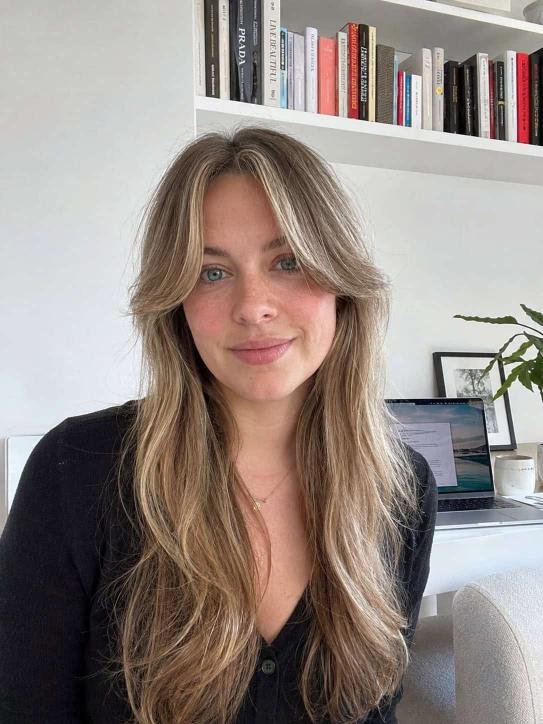
Long jaw-length curtain bangs are ideal for anyone who loves face-framing layers but prefers to keep hair away from the eyes. The shortest sections begin around the lower cheeks or jawline, creating a longer sweep that blends into the rest of the haircut. Instead of making the forehead the main focus, this version draws attention toward the lower half of the face and adds movement around the jaw.
This style is especially flattering with long hair because it creates a gradual transition from the front pieces to the lengths behind them. It also pairs beautifully with shoulder-length cuts when the ends are layered enough to support the shape. If you regularly wear your hair in a ponytail or low bun, the longer pieces can fall loosely around your face for a relaxed, effortless finish.
Styling is generally straightforward because the length gives you more flexibility. Use a round brush to direct each side away from your face, or allow the fringe to air-dry if your natural texture already creates a gentle bend. These longer bangs are also a useful option when growing out a shorter fringe because they blend more easily into face-framing layers.
Wispy Airy Curtain Bangs
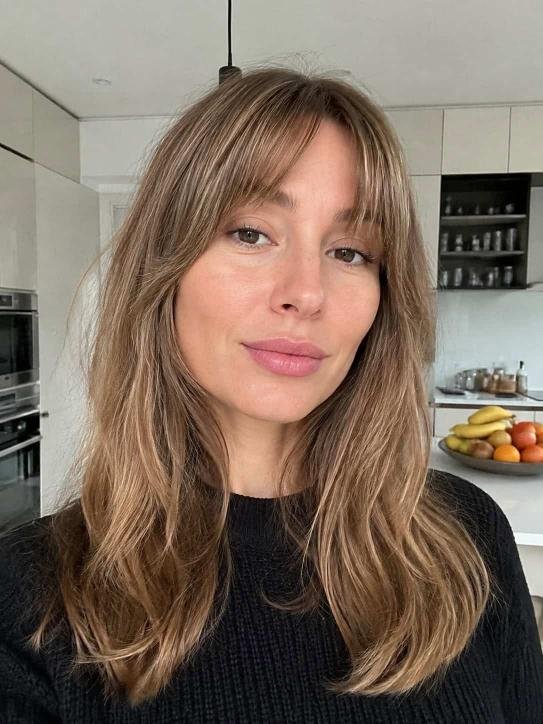
Wispy airy curtain bangs are perfect if you want a softer fringe that does not feel too dense across your forehead. The ends are lightly textured, leaving small spaces between the strands so the style looks delicate and relaxed. Because less hair sits across the front, your forehead remains partially visible, making this a lovely option for people who prefer a lighter finish.
Fine hair can benefit from this approach because a wispy fringe does not require the same visual weight as a thick, full bang. The key is to avoid removing too much hair during texturizing, which can leave the ends looking thin or uneven. A small round brush and a light styling product are usually enough to encourage the center to lift and the sides to sweep outward.
This style also works beautifully with casual waves, loose ponytails, and softly layered haircuts. You do not need every strand to sit perfectly in place; a little natural separation is part of its charm. If you want face-framing movement without a dramatic change to your overall look, airy curtain bangs are an easy style to discuss with your stylist.
Full Thick ’70s Curtain Bangs
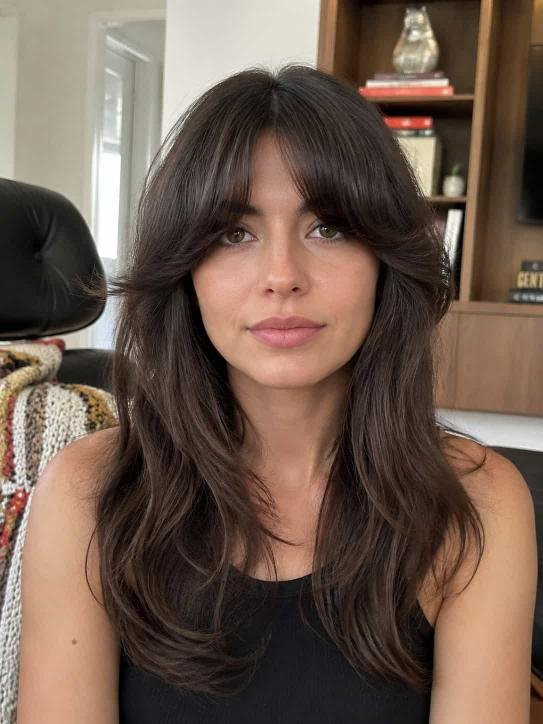
Full, thick ’70s curtain bangs bring retro volume and a bold frame around the face. Unlike wispy fringe, this version uses more hair across the front, creating a fuller center that opens into longer, curved sides. The result feels glamorous and expressive, especially when paired with long layers and plenty of movement through the ends.
Thick hair can carry this shape naturally, but it benefits from thoughtful layering so the fringe does not become too bulky. Your stylist can remove weight strategically while preserving enough density to maintain the signature fullness. If your hair is fine, a similar look is still possible, although a more compact fringe and careful root styling may be needed to create the illusion of volume.
To style the classic ’70s shape, use a medium or large round brush and direct the front sections away from your face. Let the hair cool in its curved position before gently separating the strands with your fingers. The finish should feel bouncy rather than stiff, with the sides blending into the layers around your cheeks and shoulders.
Feathered Farrah Curtain Bangs
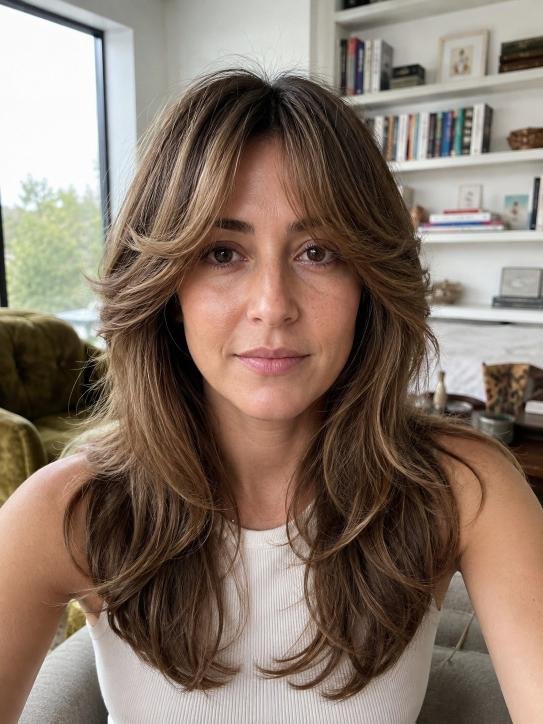
Feathered Farrah curtain bangs take inspiration from the soft, voluminous hairstyles associated with Farrah Fawcett. The fringe sweeps dramatically away from the forehead, connecting with feathered layers that flip outward around the cheeks and shoulders. It is a great choice if you want your hair to look full of movement instead of falling in one smooth, uniform shape.
This cut usually looks best when the front layers have enough length to curve away from the face. Long or medium-length hair provides room for the signature feathered effect, while a layered blowout helps emphasize the difference between the shorter front pieces and longer ends. If your hair is naturally straight, styling will create much of the shape, whereas naturally wavy hair may need less effort to achieve a soft, airy finish.
A round brush, a blow-dryer, and a heat protectant can help you recreate the look at home. Direct the fringe outward and lift the roots for volume, then use a brush to encourage the longer layers to sweep away from your cheeks. If you prefer a softer modern version, ask your stylist for less dramatic flips and more blended layers.
Butterfly Bangs
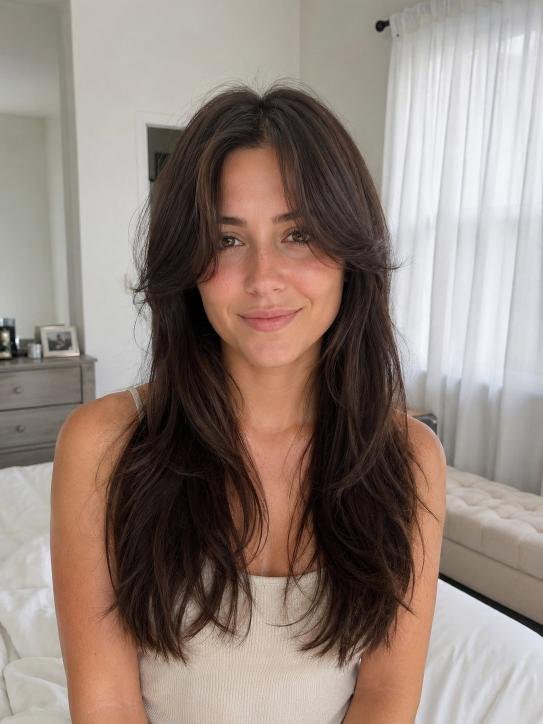
Butterfly bangs feature shorter pieces around the face that transition into longer layers, creating the appearance of a voluminous, wing-like frame. They are often paired with a butterfly haircut, where layers throughout the hair create movement while preserving much of the overall length. This makes the style appealing if you want the impression of a shorter haircut without sacrificing your long hair.
The front sections usually begin around the cheekbones and gradually connect with layers near the jaw and shoulders. When styled with a round brush, these layers can curve away from the face, opening up the features and giving the hairstyle a lifted appearance. The result is especially effective on medium to thick hair, although a stylist can adjust the layering to suit finer strands.
Butterfly bangs require some styling if you want the full, bouncy effect shown in salon photos. You can use a blow-dryer and round brush or large rollers to create soft volume, then let the hair settle before arranging the layers with your fingers. For a lower-maintenance finish, ask for a less dramatic shape that still frames the face when your hair air-dries.
Bottleneck Bangs
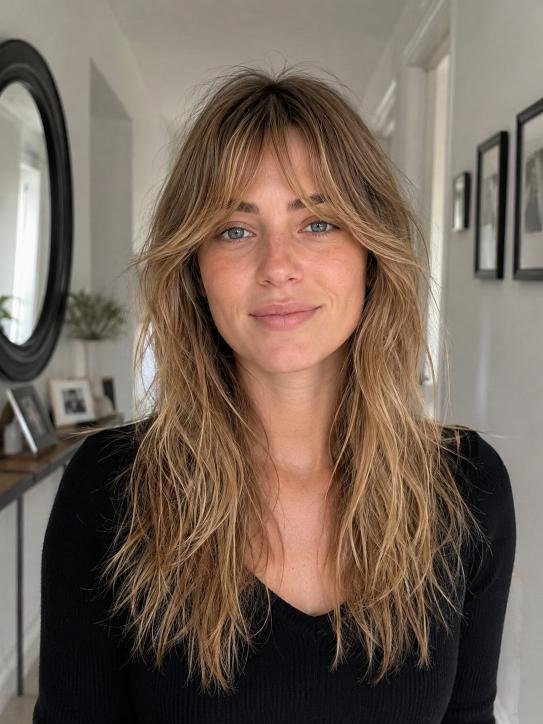
Bottleneck bangs combine the softness of curtain bangs with the shape of a more traditional fringe. They are usually narrower and shorter in the center, then gradually widen and lengthen toward the temples. This creates a rounded opening around the forehead and a face-framing effect that blends naturally into the sides of the haircut.
One advantage of this shape is its adaptability. You can keep the middle section close to eyebrow length while allowing the outer pieces to reach the cheekbones, giving your stylist room to customize the proportions. Bottleneck bangs work with straight, wavy, and loosely curly hair, although the amount of texture and styling required will vary.
If you are deciding between full bangs and curtain fringe, bottleneck bangs can offer a comfortable middle ground. They provide more coverage across the forehead than long curtain bangs but still leave the sides soft and open. Pair them with a lob, long layers, or a shag for a modern haircut that looks intentional without feeling overly structured.
Birkin Bangs

Birkin bangs take inspiration from the relaxed fringe associated with Jane Birkin. They typically feature a soft, slightly piecey shape across the forehead, with longer strands blending toward the temples. Although they can be worn with a center part, they often have a more casual, lightly undone appearance than traditional curtain bangs.
This style suits people who prefer a natural finish over perfectly sculpted volume. The fringe can sit loosely around the eyebrows, while the side pieces frame the upper cheeks and connect to the rest of the haircut. It pairs well with long straight hair, loose waves, and shoulder-length cuts, making it easy to adapt to different personal styles.
The most important detail is keeping the fringe soft rather than overly blunt or stiff. A small amount of lightweight styling cream can separate the strands without making them greasy, and a quick blow-dry can help guide the sides into place. If you want bangs that feel a little French-inspired and effortlessly relaxed, Birkin-style fringe is worth considering.
Bardot Bangs
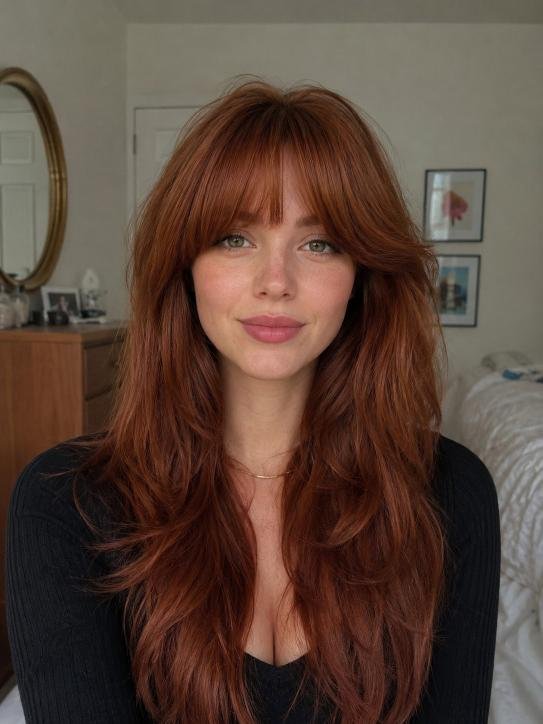
Bardot bangs are inspired by Brigitte Bardot’s signature combination of a soft center opening, volume at the roots, and sweeping sides. The fringe often appears fuller near the middle before separating into longer pieces around the cheekbones. This creates a romantic, slightly undone look that works particularly well with long layers and softly textured hair.
Unlike a sharply defined fringe, Bardot bangs are meant to blend into the haircut. The center can sit around the eyebrows, while the outer pieces gradually extend toward the cheeks and temples. This transition helps the style frame the face without creating a harsh line across the forehead, making it versatile enough for both casual outfits and dressier occasions.
For styling, lift the roots with a round brush and direct the front sections away from your face. You can add loose waves through the lengths to emphasize the retro-inspired shape, or keep the rest of your hair smooth for a more modern result. If you want a fuller, glamorous curtain fringe that still feels wearable, Bardot bangs are a beautiful option.
Straight Sleek Curtain Bangs
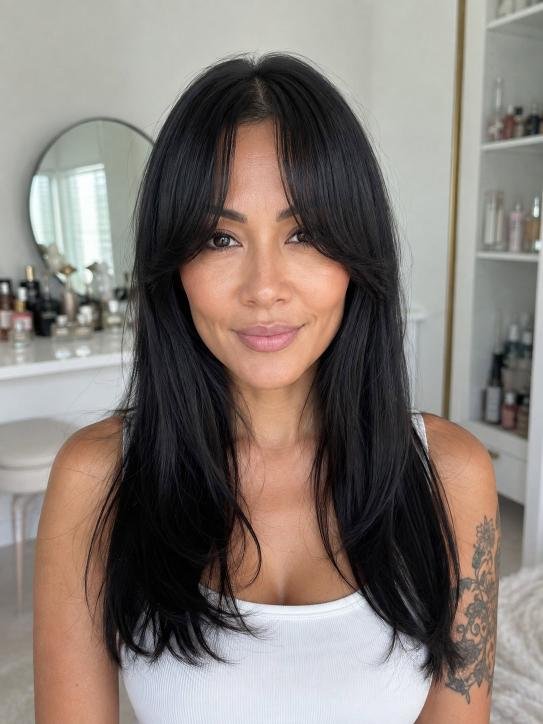
Straight, sleek curtain bangs offer a polished alternative to the bouncy, voluminous versions. The hair falls smoothly on either side of a center or slightly off-center part, creating a clean frame around the forehead and cheekbones. This style works particularly well for people who like defined lines, glossy finishes, and hair that looks neat without excessive volume.
On naturally straight hair, a blow-dryer and small round brush may be enough to shape the fringe. If your hair tends to bend or frizz, use a heat protectant before smoothing the front pieces with a blow-dryer or flat iron. The goal is to keep the hair soft and flexible rather than pin-straight and lifeless, so a little movement at the ends makes a difference.
Sleek curtain bangs pair beautifully with long, one-length hair, blunt bobs, and minimal layers. They can also balance a textured haircut by adding a smooth frame around the face. Keep in mind that straight fringe can reveal oil more quickly than longer layers, so dry shampoo or a quick wash of the front section may help maintain a fresh appearance between full washes.
Wavy Curtain Bangs
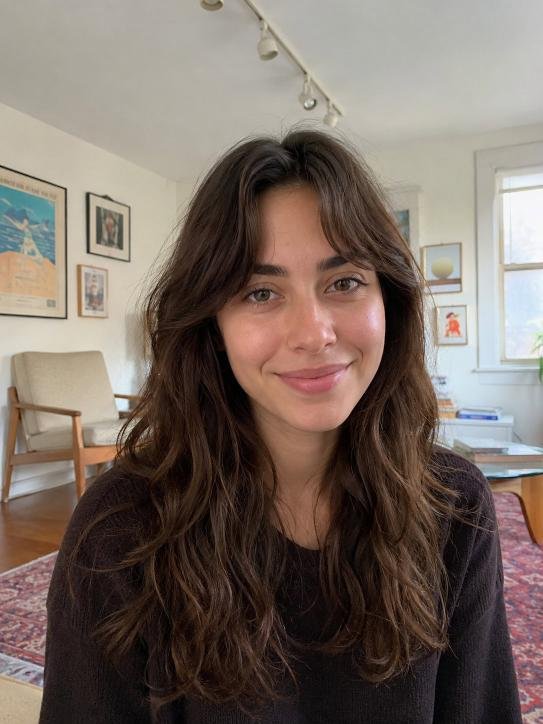
Wavy curtain bangs embrace the natural bends and movement that make wavy hair look relaxed and dimensional. Instead of forcing the fringe into a perfectly smooth curve, this style allows a soft wave to form around the forehead and temples. The result feels casual and natural, especially when the rest of the haircut includes loose waves or textured layers.
The most flattering length depends on how much your hair bends as it dries. A fringe that appears long when wet may spring upward once the waves form, so ask your stylist to account for your natural pattern. Light layering around the face helps the bangs blend into the rest of the hair, preventing the front from looking disconnected from the longer lengths.
For styling, apply a lightweight leave-in product or curl cream if your hair needs extra definition, then encourage the fringe to part naturally as it dries. You can use a diffuser on a low setting to support the wave pattern without creating too much frizz. Avoid brushing the bangs repeatedly once they are dry, since that can disrupt the shape and make the texture appear fluffy.
Curtain Bangs With Long Layers
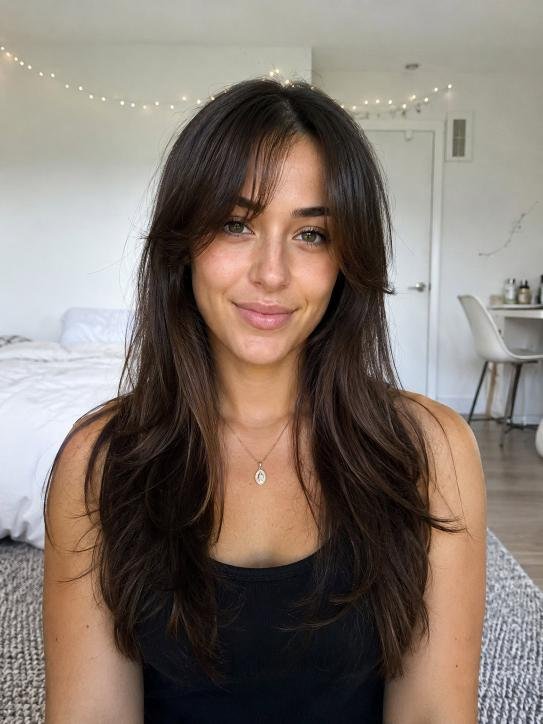
Curtain bangs with long layers create a seamless frame that begins around the forehead and continues through the cheeks, jawline, and ends. The fringe adds detail near the eyes, while the longer layers keep the overall hairstyle flowing and dimensional. This combination is especially popular for anyone who wants to refresh long hair without losing its length.
Your stylist can adjust the shortest layers depending on how much face-framing movement you want. Cheekbone-length pieces create a more noticeable frame, while jaw-length layers give the haircut a softer transition. If your hair is thick, long layers can remove some of the visual heaviness, whereas fine hair often benefits from more restrained layering to preserve fullness at the ends.
This pairing is versatile enough for straight, wavy, and loosely curly textures. You can blow-dry the front pieces away from your face for a salon-style finish or allow them to air-dry for a more relaxed look. It is also easy to style into a ponytail or bun because the shorter pieces add softness around the face instead of leaving the front completely bare.
Curtain Bangs on a Lob
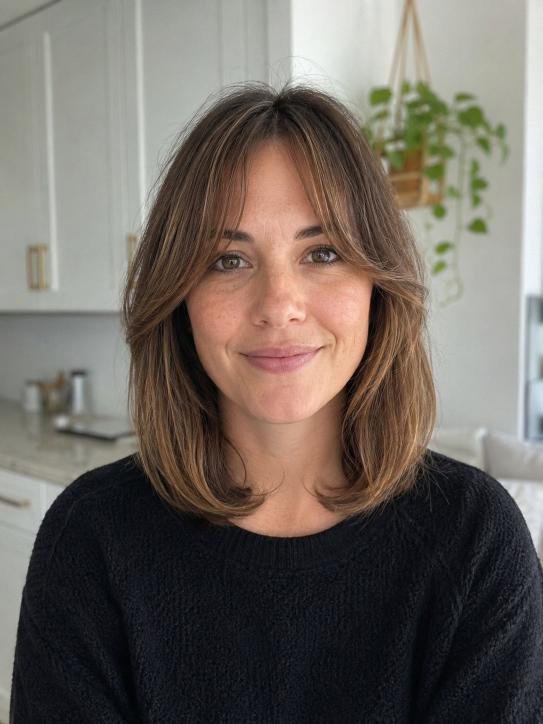
A lob, or long bob, typically falls around the collarbone or somewhere between the chin and shoulders. Adding curtain bangs creates movement around the forehead and cheekbones while giving the blunt or lightly layered lob a softer finish. This is an appealing choice if you want a shorter haircut but are not ready for a traditional chin-length bob.
The proportions matter because the bangs and the lob need to work together. Longer curtain bangs can blend into the sides of a collarbone-length lob, while shorter fringe creates a stronger contrast and a more noticeable frame. If your hair is thick, subtle layers can keep the ends from looking too heavy, but a straighter, fuller perimeter may help fine hair appear denser.
A lob with curtain bangs can be worn sleek, wavy, or with a gentle inward bend at the ends. For a quick everyday look, dry the bangs first while they are still easy to shape, then allow the rest of your hair to air-dry or style it as desired. This small change in styling order can help the fringe sit correctly without requiring a complete blowout.
Curtain Bangs on a Bob
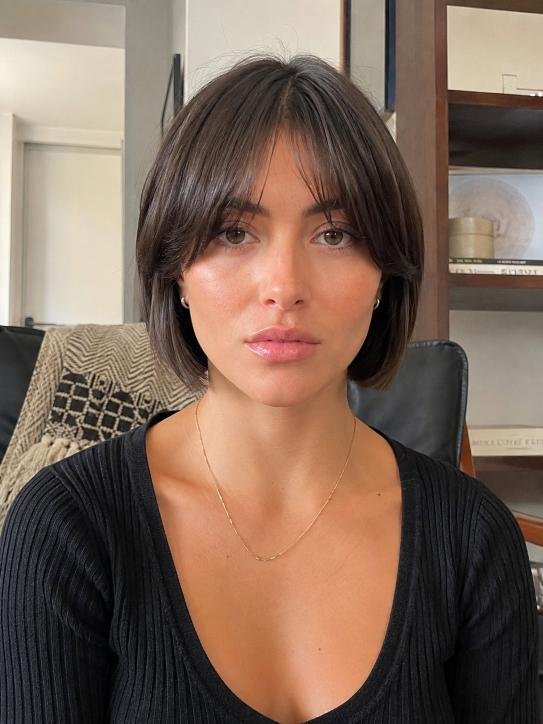
Curtain bangs can give a classic bob a softer, more customized appearance. Whether your bob ends near the chin or sits just below the jaw, the fringe adds movement around the face and helps the haircut feel less rigid. It is an especially good option if you like shorter hair but want to avoid a severe or overly geometric shape.
A chin-length bob paired with cheekbone-skimming curtain bangs creates a clear frame around the eyes and cheeks. A longer bob can support jaw-length bangs that blend into the sides, making the overall silhouette feel more fluid. Your stylist should consider your hair density and natural growth pattern so the bangs do not compete with the shape of the bob.
For a polished finish, blow-dry the fringe away from the face and smooth the ends of the bob with a brush. If you prefer texture, add a slight bend through the lengths and separate the front pieces with your fingers. Keep in mind that shorter haircuts may need regular shaping to maintain their silhouette, while longer curtain bangs can be left to grow more easily between trims.
Curtain Bangs on a Shag
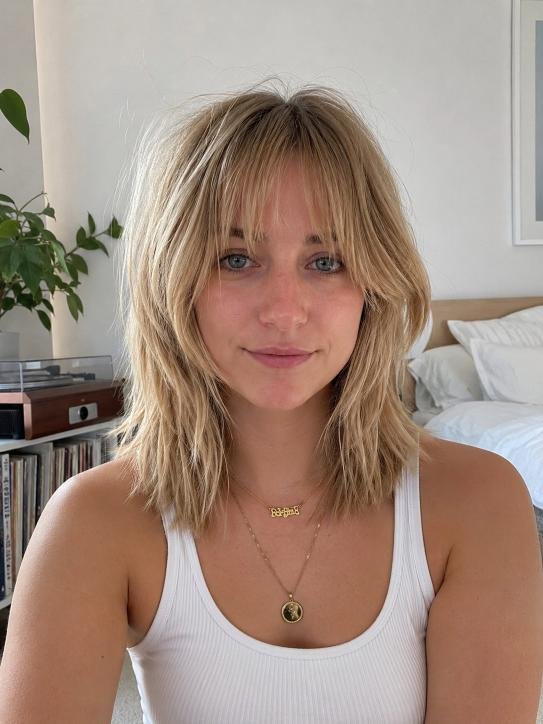
A shag haircut is built around layers, texture, and movement, which makes it a natural match for curtain bangs. The fringe blends into shorter layers near the crown and sides, creating a deliberately tousled shape rather than a smooth, uniform outline. Depending on the length and texture, the result can feel retro, edgy, soft, or effortlessly casual.
Curtain bangs on a shag often have a slightly irregular finish that works with the haircut’s natural texture. They may sit around the eyebrows or cheekbones, with longer sections connecting to the layers around the ears and jaw. This style can be particularly useful for wavy hair because the existing texture supports the relaxed shape without requiring every piece to be perfectly arranged.
To style the look, use a lightweight texturizing product or curl-enhancing cream suited to your hair type. Scrunching the lengths or using a diffuser can emphasize movement, while a quick root lift helps the fringe stay away from the forehead. If you prefer a low-maintenance haircut, ask for layers that work with your natural texture instead of depending on daily heat styling.
Curly Curtain Bangs
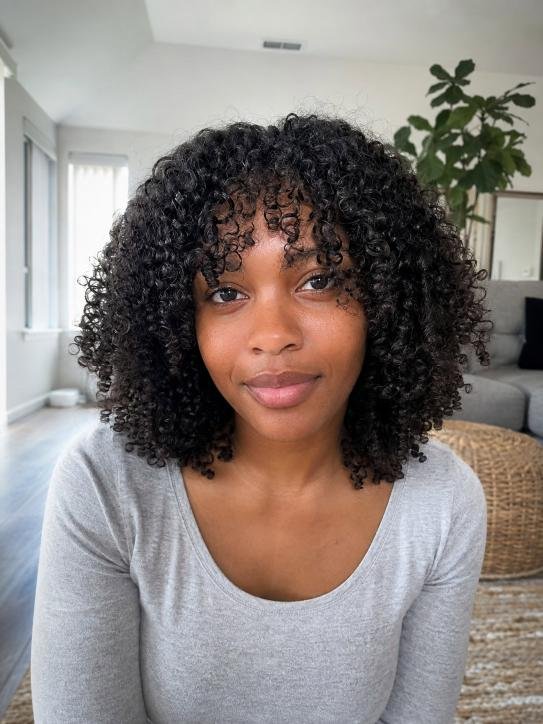
Curly curtain bangs celebrate natural curls while creating a soft opening around the forehead. The fringe is shaped to follow the curl pattern, with shorter sections in the center and longer pieces around the temples and cheeks. Rather than stretching the curls into a straight curtain shape, the goal is to let them form their own rounded frame.
Length is especially important for curly bangs because curls can spring up significantly as they dry. A stylist experienced with curly hair can help determine where the fringe will sit in its natural state and avoid cutting it too short. The result can be playful and full of personality, whether you wear your curls in a shoulder-length cut or keep them long with layers.
For everyday styling, apply a curl cream or lightweight gel to damp bangs and gently shape the curls with your fingers. Allow them to air-dry or use a diffuser, avoiding excessive touching while the hair sets. If the fringe becomes flattened overnight, a little water and a small amount of styling product can often revive the curl pattern without requiring a full wash.
Silk-Press Curtain Bangs
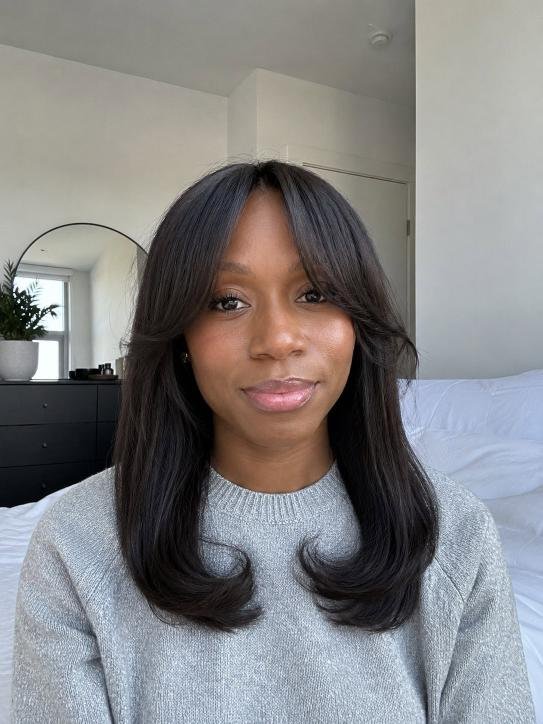
Silk-press curtain bangs create a smooth, flowing frame for natural hair that has been temporarily straightened with a silk press. The fringe curves away from the forehead, while the longer sections blend into the rest of the sleek hairstyle. This approach offers a polished finish with plenty of movement, especially when paired with long layers or a shoulder-length cut.
Because the hair has been straightened, the bangs can be shaped with a round brush or carefully curved using a suitable heat-styling tool. Heat protection is essential, and the temperature should be appropriate for the hair’s condition and texture. Repeated high-heat styling can contribute to damage, so it is worth working with a stylist who understands how to achieve a smooth result without unnecessary passes.
Humidity can affect a silk press, causing the fringe to lose its smooth shape or return toward its natural texture. Avoid applying heavy products that leave the hair coated, and follow your stylist’s advice for wrapping or protecting the hairstyle at night. If you regularly wear your hair natural between silk presses, consider whether you want bangs that also work with your curl pattern during the transition back.
Coily Curtain Fringe

Coily curtain fringe brings face-framing movement to tightly curled and coily hair while allowing the natural texture to remain the main feature. The fringe is shaped around the forehead, with the sides extending toward the temples and cheeks. Instead of aiming for a perfectly smooth curtain, this style uses the hair’s natural volume and spring to create a rounded, expressive frame.
A successful coily fringe starts with a cut that respects shrinkage and the way your hair sits when dry. Cutting based only on the stretched length can lead to bangs that appear much shorter than expected once the coils return to their natural shape. A stylist familiar with coily textures can shape the fringe in a way that works with your density, curl pattern, and preferred silhouette.
Moisture and gentle definition can help the fringe look its best without making the coils feel stiff. Use products that suit your hair’s needs, then separate and shape the front sections with your fingers rather than repeatedly brushing them. Whether you wear a rounded afro, a layered curly cut, or a longer natural hairstyle, a well-shaped curtain fringe can frame your face while preserving the character of your texture.
Frequently Asked Questions
Do curtain bangs suit every face shape?
Curtain bangs can be adapted to many face shapes because their length, density, and parting can be customized. Shorter fringe can draw attention to the eyes and cheekbones, while longer pieces create a softer frame around the jaw. Instead of following strict rules about face shapes, ask your stylist to consider your features, hairline, natural texture, and the look you want to achieve.
Are face-framing curtain bangs suitable for fine hair?
Yes, face-framing curtain bangs can work beautifully with fine hair when the cut preserves enough density. Wispy or softly layered versions can add movement without making the front appear too thin. Avoid removing excessive weight from the fringe, and consider a light root-lifting product if your hair tends to fall flat.
How do I style curtain bangs at home?
Start by styling the bangs before the rest of your hair, while the front sections are still damp. Use a round brush to direct the roots and sweep each side away from the center part, then let the hair cool before adjusting the shape with your fingers. If your hair is curly or coily, work with your natural texture using a suitable curl product instead of trying to force the fringe into a straight shape.
How often should curtain bangs be trimmed?
The timing depends on the length you choose and how quickly your hair grows. Short eyebrow-length bangs may need more frequent shaping to stay out of your eyes, while longer cheekbone- or jaw-length pieces can grow out more gradually. Your stylist can recommend a maintenance schedule based on your haircut and how precise you want the fringe to look.
Can I get curtain bangs without cutting much of my hair?
Yes. Curtain bangs mainly change the front sections, so you can keep most of your overall length. If you want a subtle transformation, ask for long curtain bangs that blend into your existing layers rather than a short, dense fringe. Bring reference photos showing the length and shape you prefer so your stylist understands how much change you are comfortable with.
Are curtain bangs high maintenance?
They can require a little daily attention because the front pieces are more visible and may lose their shape during sleep or in humid weather. However, maintenance depends on your hair texture, the length of the fringe, and whether you prefer a polished or relaxed finish. Longer, textured curtain bangs are often easier to grow out than short, precisely shaped versions.
Can curly and coily hair have curtain bangs?
Absolutely. Curly and coily hair can look beautiful with a curtain fringe when the cut accounts for shrinkage, density, and the natural curl pattern. Ask for a stylist who understands your texture and can shape the bangs with their natural movement in mind. The best result should frame your face without requiring you to straighten your hair every day.
Conclusion
The best Face Framing Curtain Bangs Styles are the ones that complement your natural hair texture, suit your preferred haircut, and fit comfortably into your daily routine. Classic cheekbone-length bangs offer a versatile starting point, while wispy fringe feels light and delicate, full ’70s bangs create dramatic volume, and longer curtain pieces blend beautifully into layered hair. Curly and coily versions provide equally appealing options when they are shaped to work with natural shrinkage and texture.
Before booking your haircut, save a few reference photos that show both the fringe length and the overall hairstyle you like. Tell your stylist how much time you want to spend styling your hair and whether you prefer a polished blowout or a more natural finish. With the right length and shape, curtain bangs can refresh your look while keeping the rest of your hairstyle flexible and easy to wear.