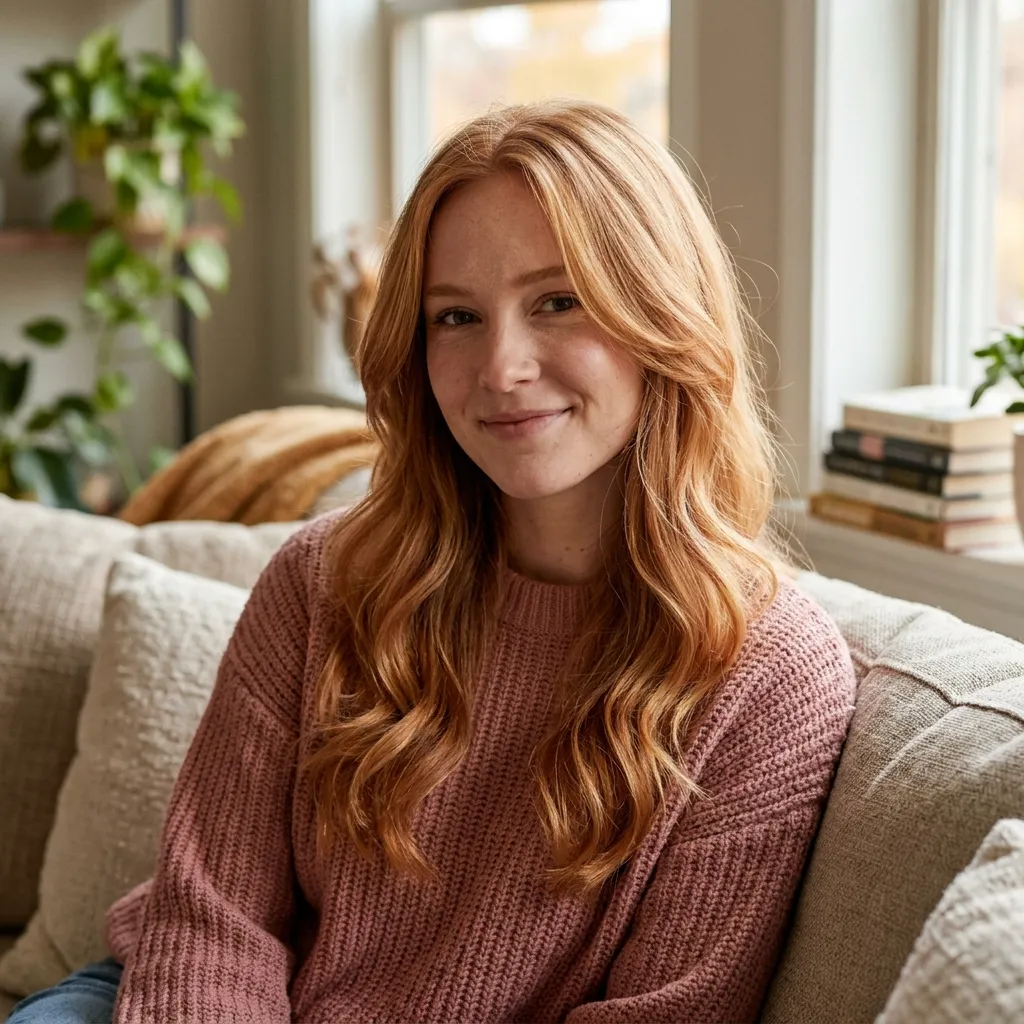
Have you noticed your summer color starting to look a little tired? The brightness fades, the ends turn brassy, and suddenly your hair feels out of step with the cooler air and richer light of autumn. Fall is the perfect time for a reset, and this year’s palette leans warm, glossy, and wearable. These fall hair color trends for 2026 range from deep chocolate browns to fiery coppers, wine-dark reds, and softened blondes.
Below you’ll find twenty-five shades with notes on who they tend to flatter, how they behave in daily life, and what to ask for at the salon. Color results depend on your starting shade, your hair’s condition, and your colorist’s technique, so treat each idea as a starting point for a conversation. Save the ones that catch your eye and bring a few photos to your next appointment.
1. Expensive Brunette
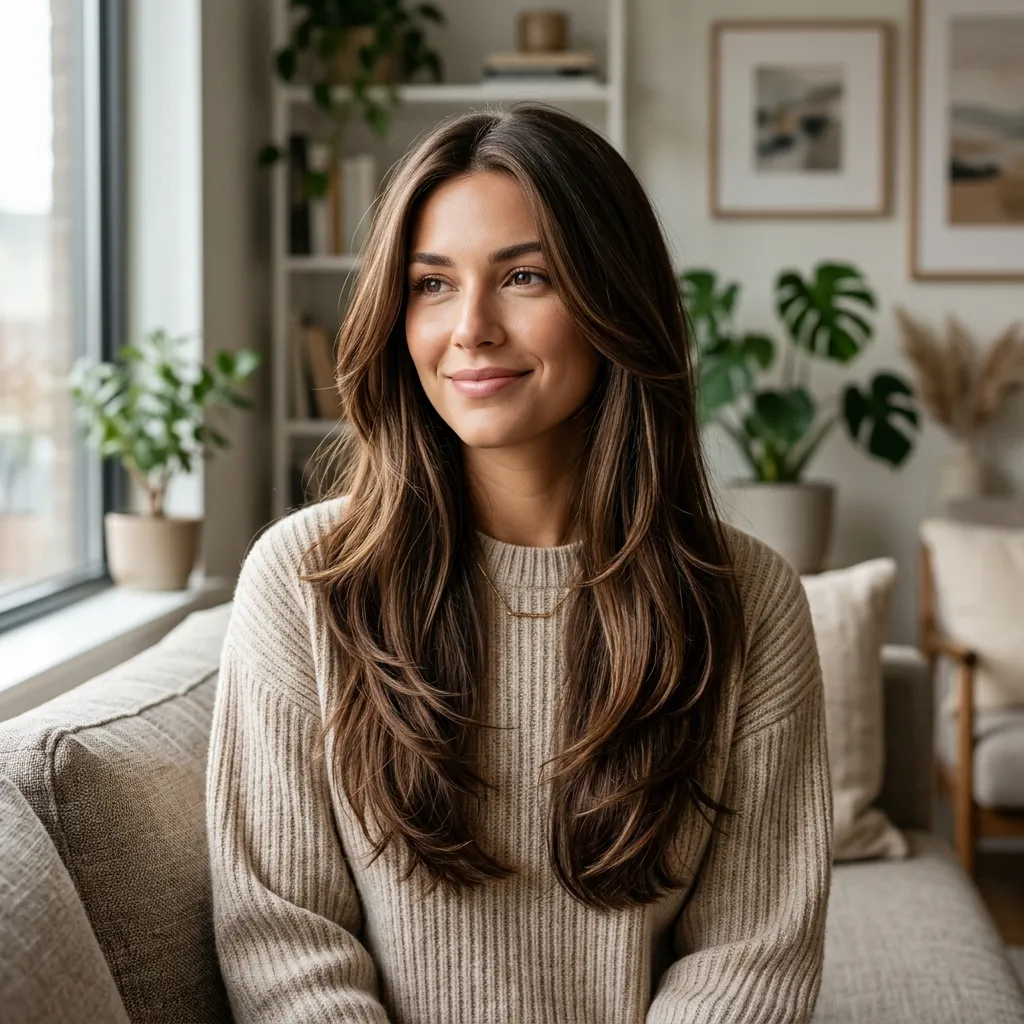
Expensive brunette is less a single shade than a look: rich, multi-tonal brown with plenty of shine that suggests healthy, well-cared-for hair. Colorists usually build it with subtle variations of warm and neutral browns so the color has depth instead of looking flat. It works on most skin tones, which is part of its staying power. Gloss treatments and regular conditioning matter as much as the color itself here. If you want a polished, low-drama change this fall, this is a dependable place to begin.
2. Molten Brunette
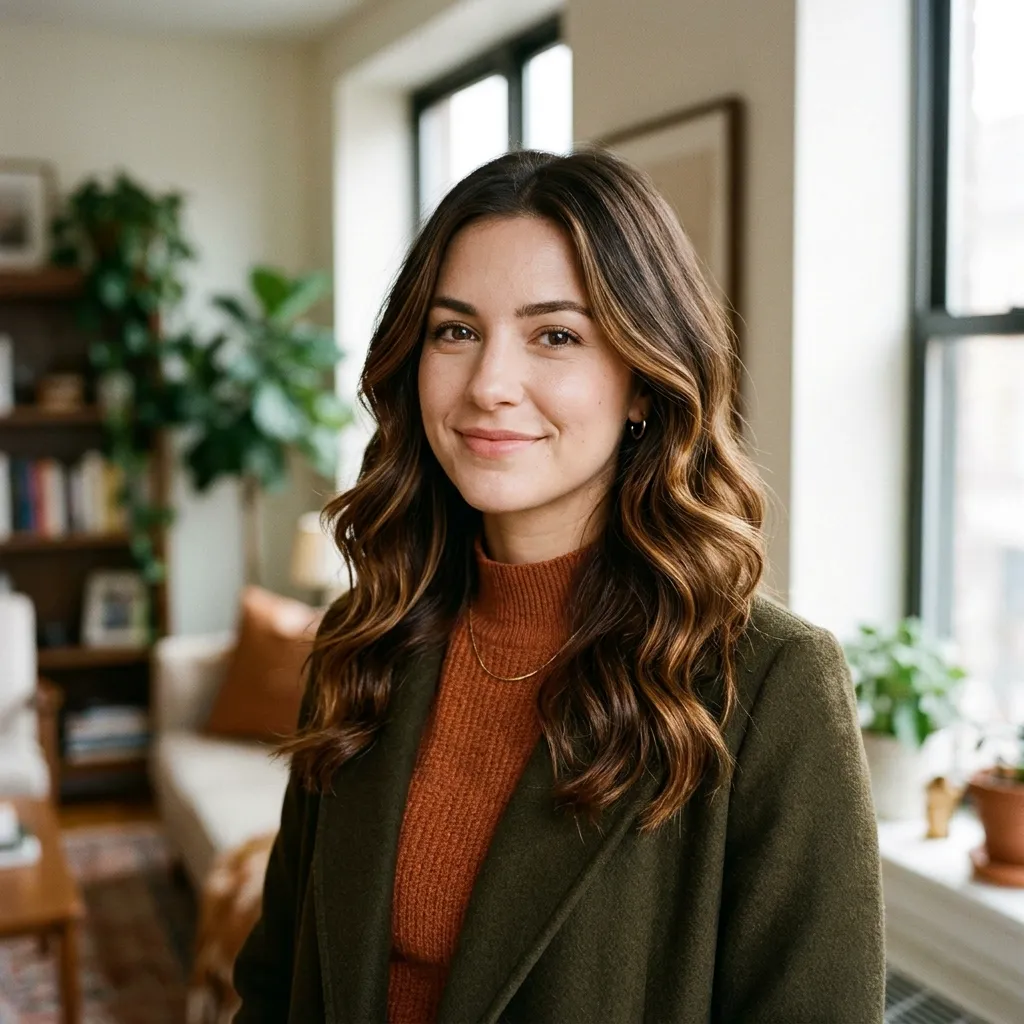
Molten brunette takes deep brown and warms it up with glowing, almost liquid-looking tones. Think of melted chocolate with a hint of amber catching the light as you move. The warmth keeps darker hair from feeling heavy, and it tends to flatter golden and olive complexions especially well. Because the color is blended, it grows out softly. Ask your colorist for dimension around the face so the glow shows where people notice it most.
3. Glossy Espresso
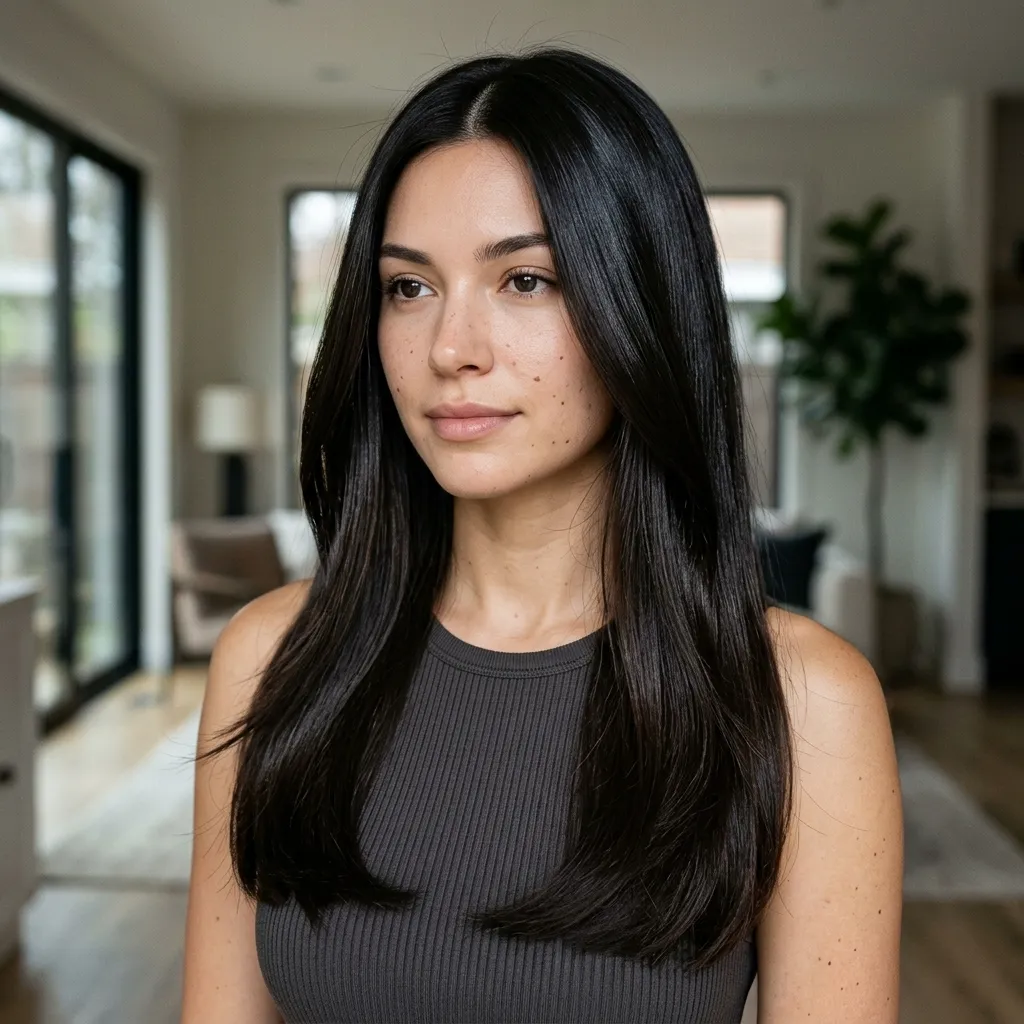
Glossy espresso is a deep, dark brown that sits just shy of black and reflects light beautifully. The shine is the star, so the finish matters more than the shade number. It’s a flattering option if you want something dramatic without going full black, and it can make eyes and lips look more defined. Dark shades fade differently than light ones, so a clear gloss every several weeks keeps the mirror-like finish going. This is a strong choice for naturally dark hair that needs a richer, healthier look.
4. Mushroom Brown

Mushroom brown is a cool, muted brown with soft taupe undertones and almost no warmth. It’s a great answer for anyone who dislikes brassy tones, and it can also help blend early gray for a smoky, understated effect. The shade looks sophisticated on straight, sleek hair and equally good on loose waves. Because it’s cool-toned, it can drift warmer over time, so a toning gloss helps maintain it. Ask your colorist to check that the tone suits your skin’s undertone before committing.
5. Chestnut Brown
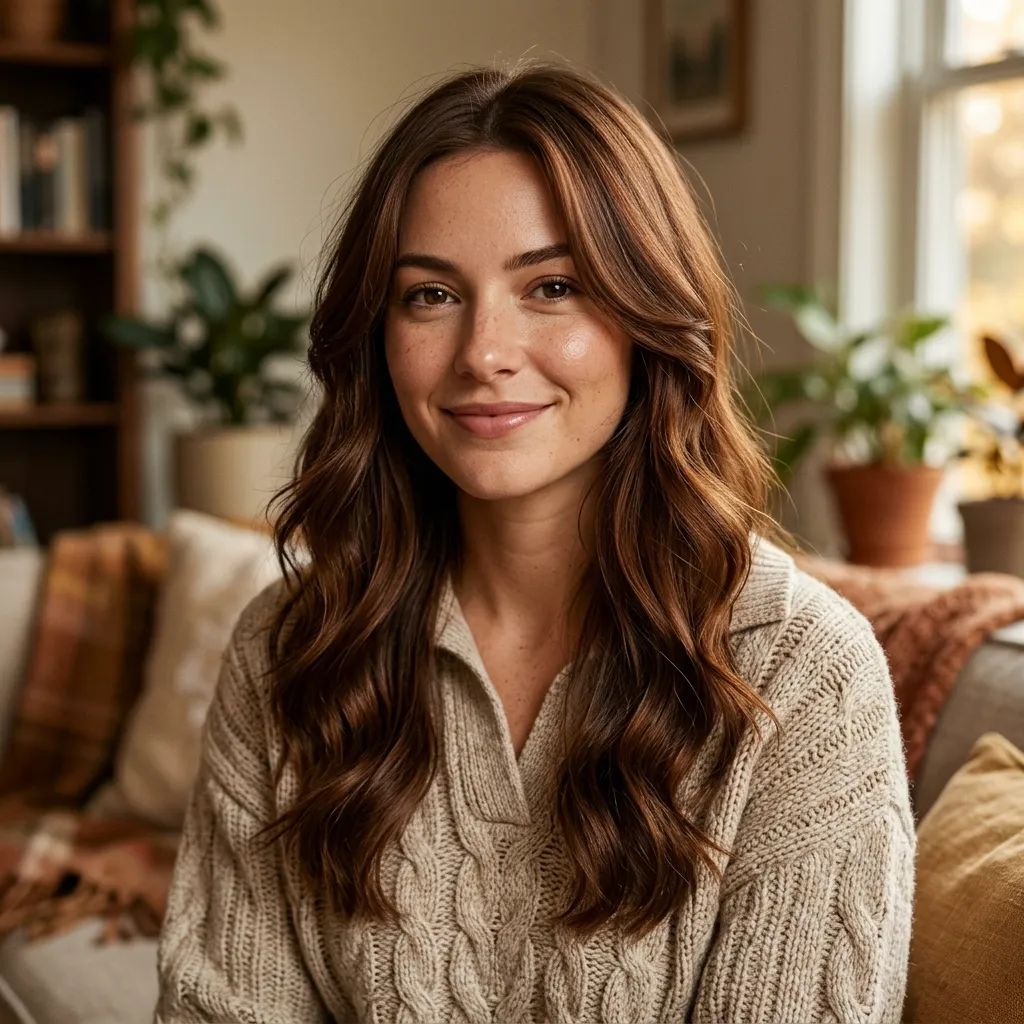
Chestnut brown is a warm, medium brown with reddish-golden undertones, and it feels like fall in a color. It’s one of the more forgiving shades, adding warmth to hair that looks dull or washed out. Many people find it brightens the complexion without demanding constant upkeep. It also works nicely as a base for adding face-framing highlights later. If you want a color that looks natural but a little more alive, chestnut is a lovely choice.
6. Chocolate Brown Balayage
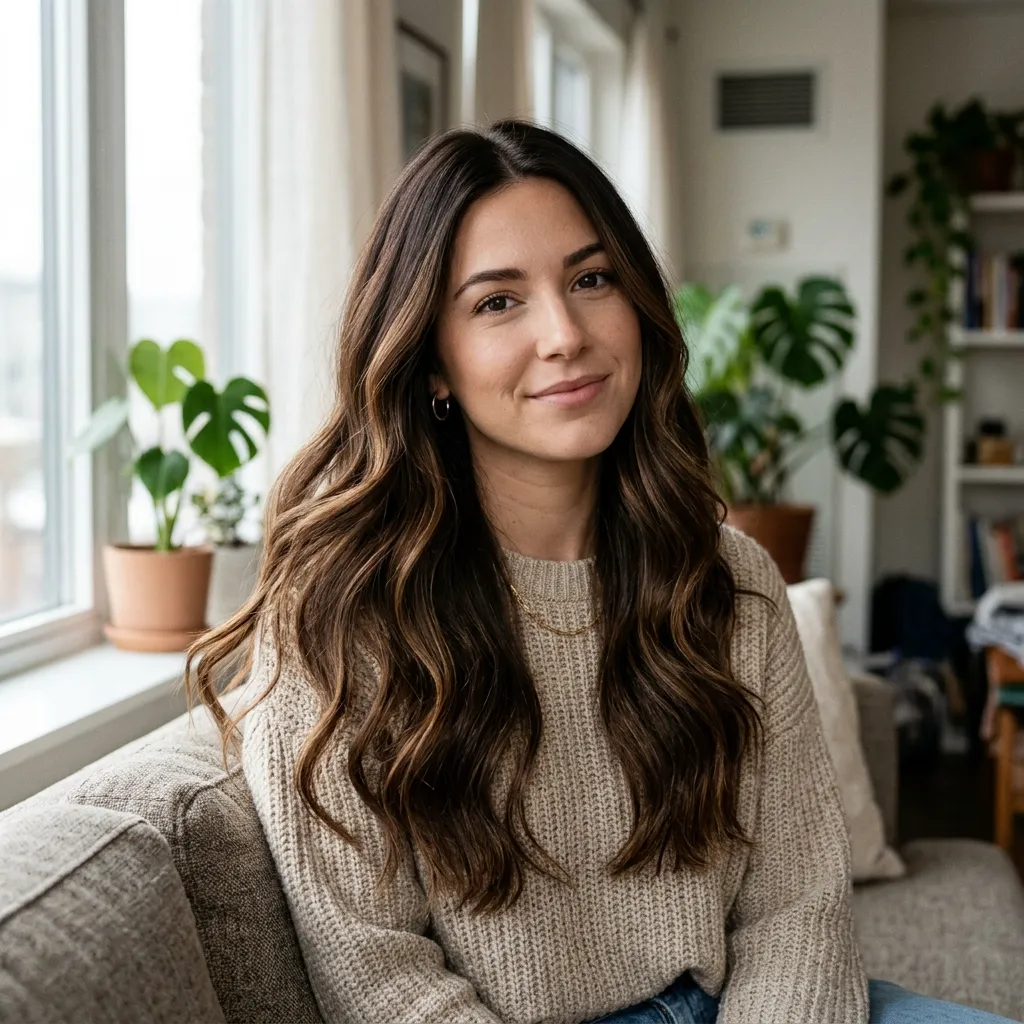
Chocolate brown balayage blends hand-painted lighter pieces through a deeper brown base, creating soft dimension rather than stripes. The look is gentle and lived-in, so there’s no harsh line when your roots grow in. It’s a smart option if you want movement and depth but dislike frequent salon visits. Wavy and curly textures show off the blend especially well. Tell your colorist how light you’re willing to go so the contrast stays as subtle or bold as you prefer.
7. Golden Brown Melt
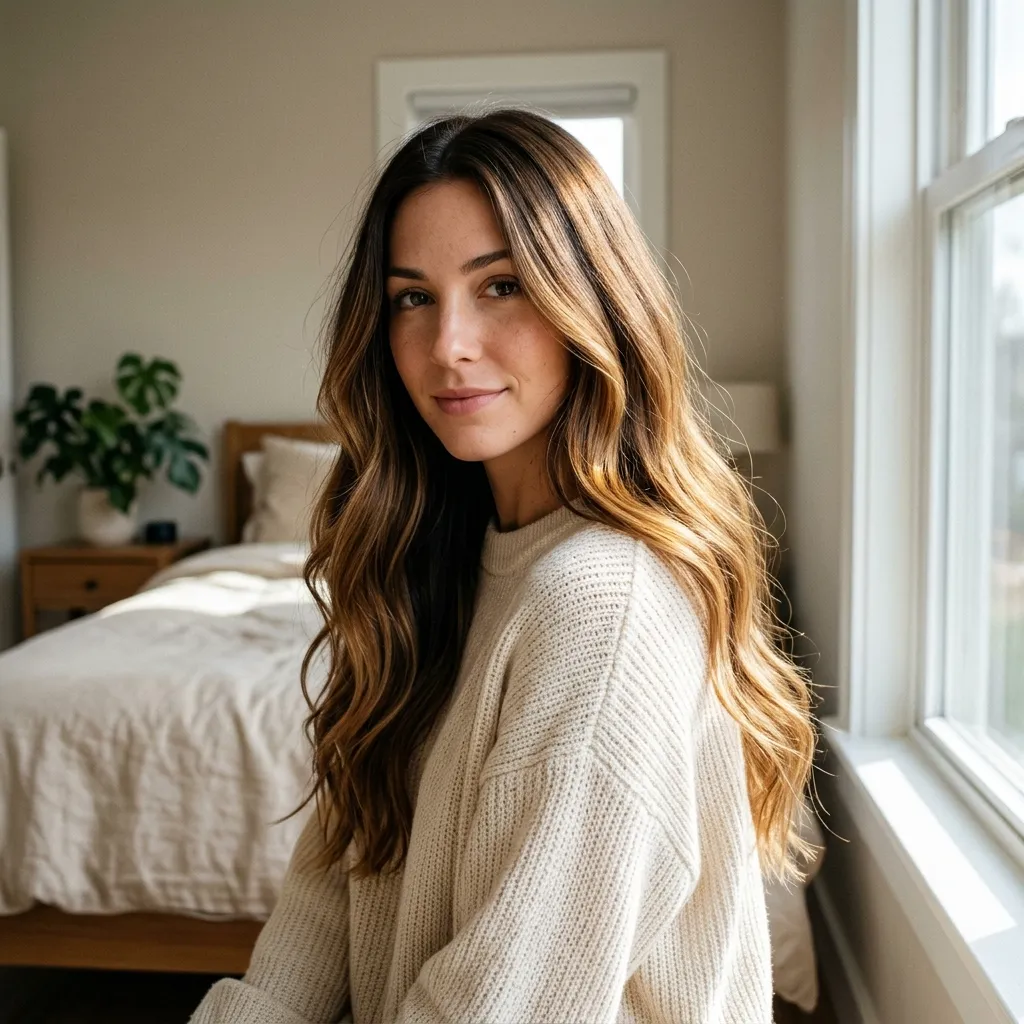
A golden brown melt flows from a deeper root into warm, honeyed brown through the lengths. The gradual shift keeps things looking natural and makes grow-out easy. It adds a sun-kissed warmth that suits the amber tones of the season. This is a good bridge for anyone moving from blonde toward brunette, since it holds some of that brightness. A purple or blue-free approach to toning, as guided by your colorist, helps keep the gold looking fresh instead of brassy.
8. Copper Brunette

Copper brunette layers a hint of copper over a brown base, so the color reads as brown in shade and warm in sunlight. It’s a more subtle way to try red tones if you’re not ready for a full-on ginger look. The effect brightens the face and adds richness to dark hair. Copper tones tend to fade faster than neutral ones, so color-safe shampoo and cool rinses help. Ask for the copper to be concentrated around the face and mid-lengths for the most flattering glow.
9. Copper Balayage
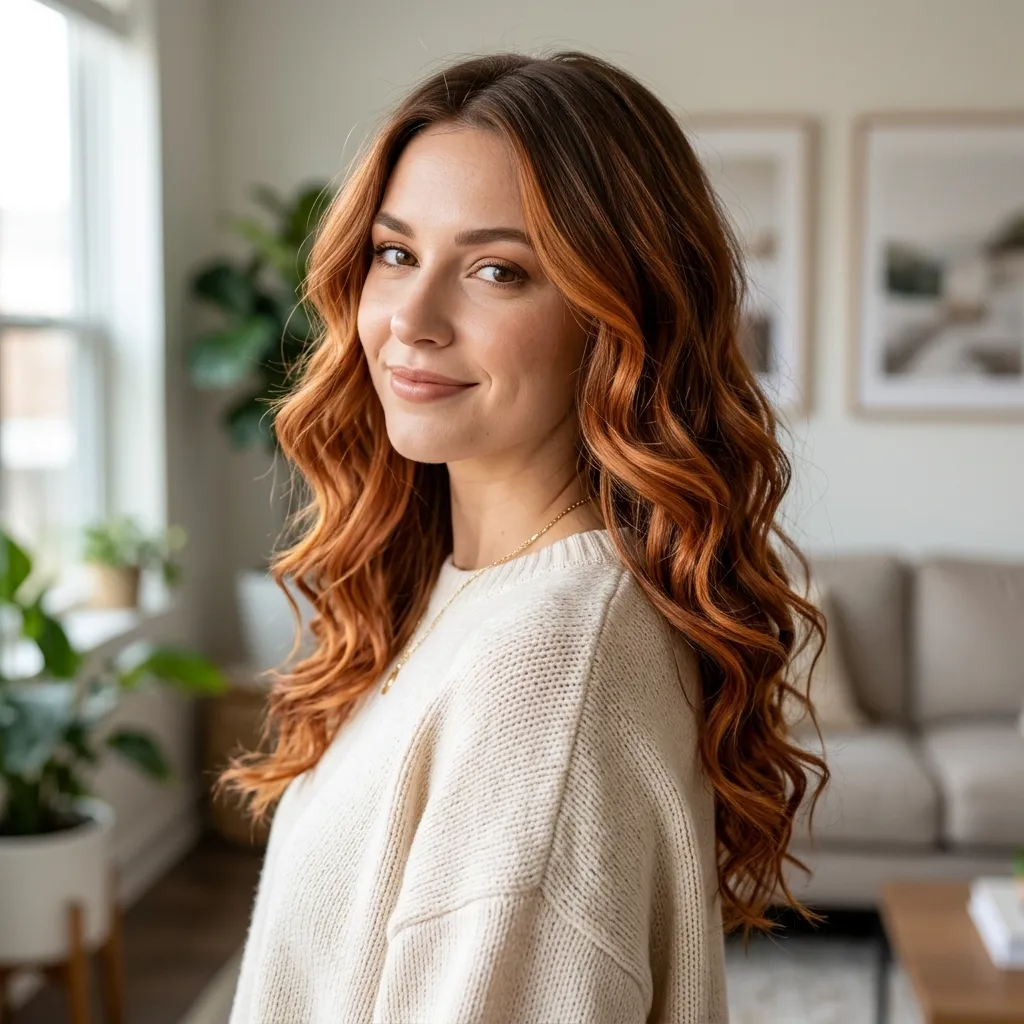
Copper balayage paints coppery highlights through the hair in a soft, sweeping pattern. It lets you enjoy the fiery tone without committing to an all-over shade. The result looks warm and dimensional, especially against brown or auburn bases. Fall light makes this color glow, which is part of why it’s so popular this time of year. A color-depositing conditioner can refresh the tone between salon visits.
10. Cowboy Copper
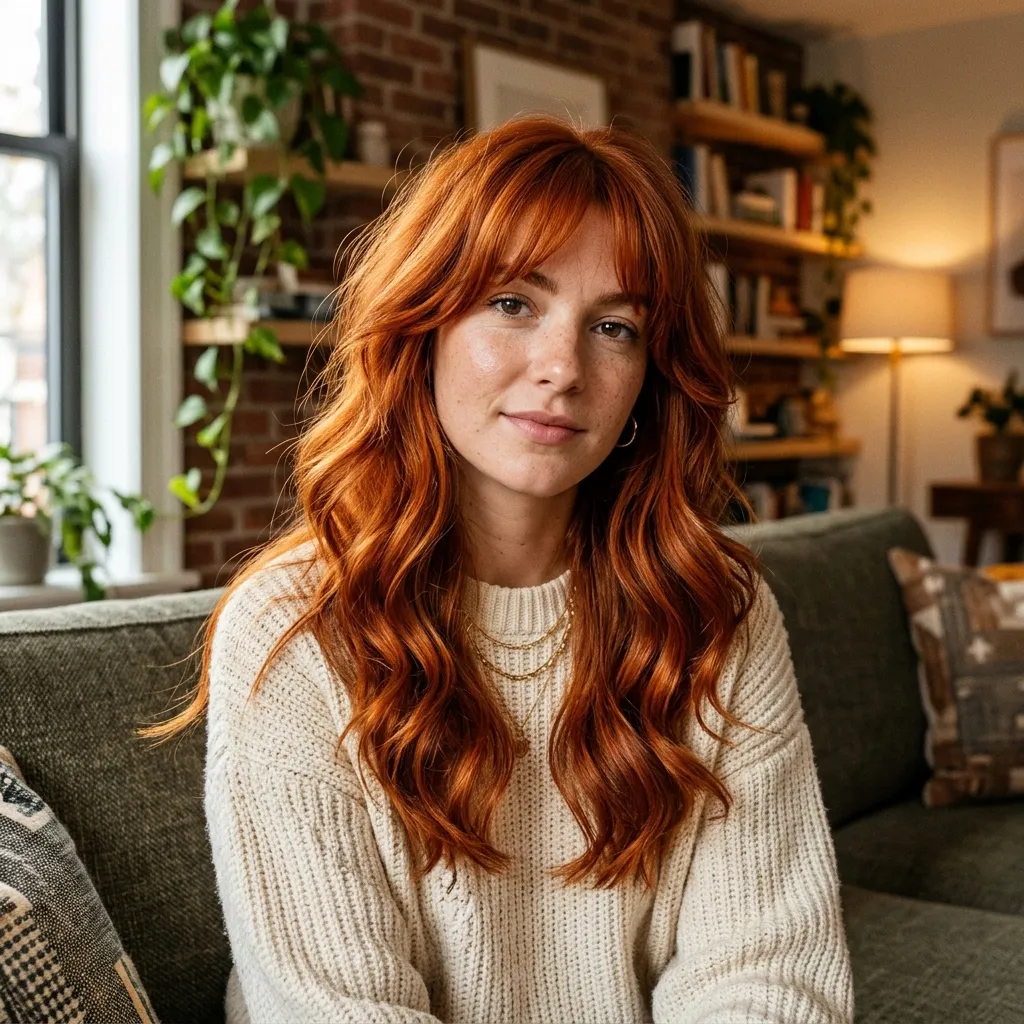
Cowboy copper is bolder and more saturated than most coppers, with a vivid, glossy orange-red intensity. It’s for people who want their color to be noticed from across the room. The shade tends to suit fair to medium skin with warm or neutral undertones, though a skilled colorist can adjust the tone to flatter others. Because bright coppers fade quickly, expect to refresh the color more often. Heat protection and gentle washing will help it stay vibrant.
11. Cinnamon

Cinnamon sits between brown and red, with a spiced, warm glow that feels cozy and understated. It’s less intense than a true copper, so it’s easier to wear to the office or a family dinner. The shade can add warmth to hair that looks flat and complement a wide range of skin tones. It often works well over brunette bases without much lightening. A gloss treatment keeps it looking rich instead of faded.
12. Soft Auburn
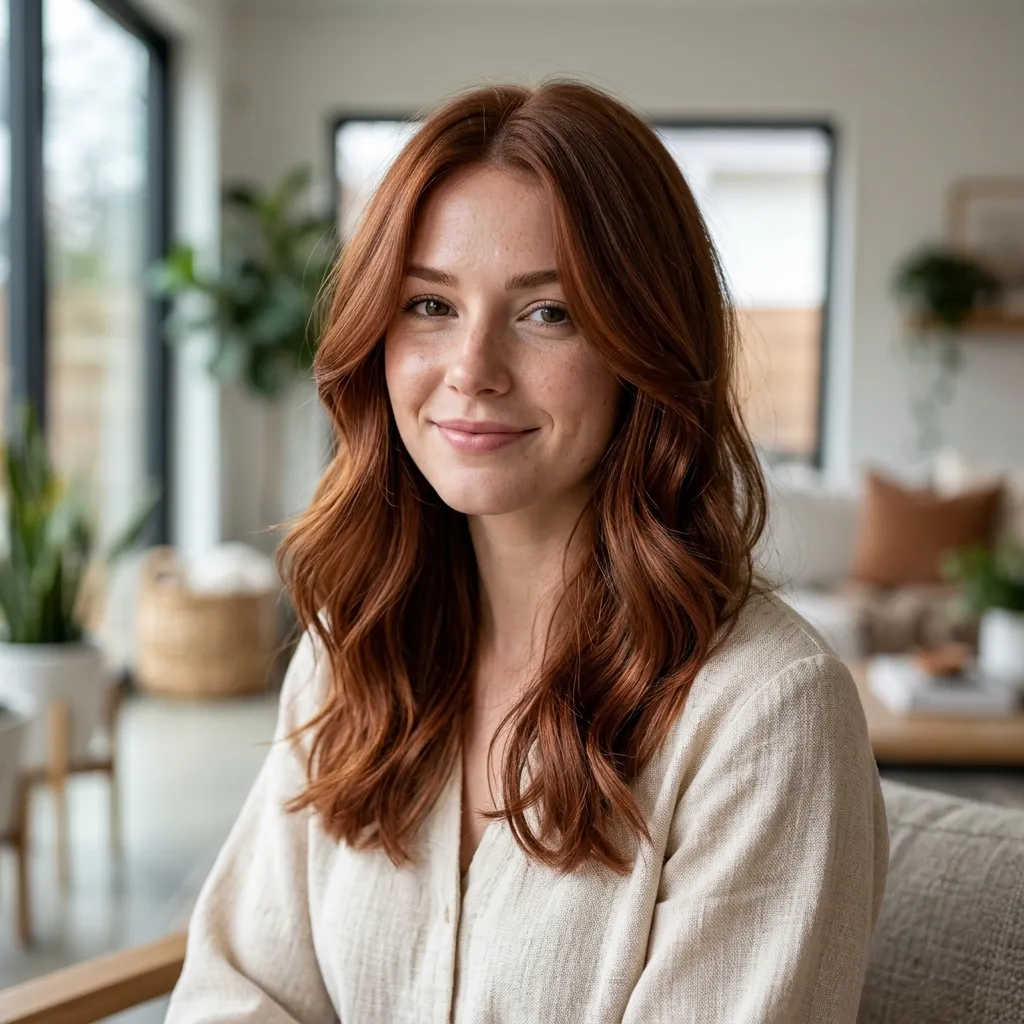
Soft auburn blends red and brown into a gentle, natural-looking shade. It’s a flattering middle ground if you want red without the shock of a bright ginger. The tone adds warmth to the face and pairs well with both cool and warm wardrobes. Reds fade more quickly than most colors, so plan on color-safe products and cooler water when washing. A colorist can adjust the balance of red and brown to suit your complexion.
13. Burnt Sienna
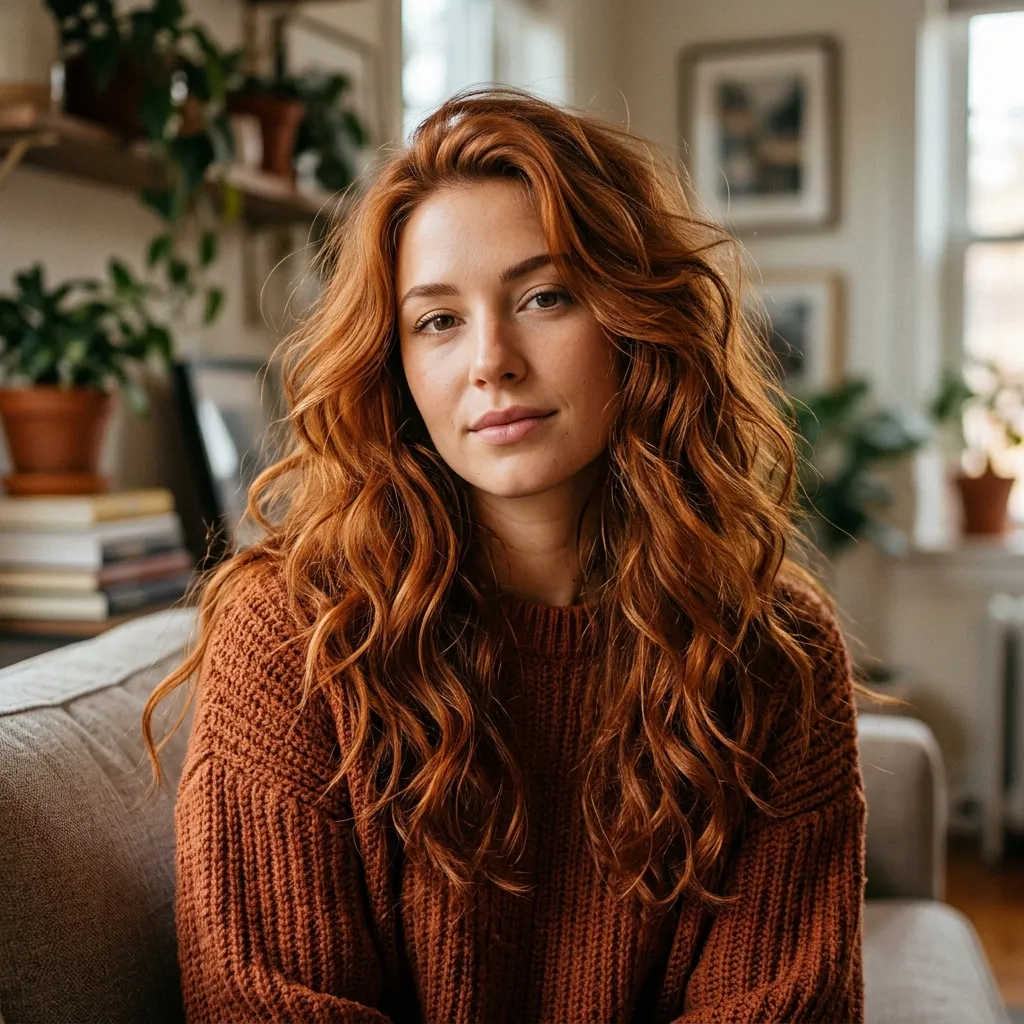
Burnt sienna is a deep, earthy orange-brown reminiscent of autumn leaves and clay. It’s warmer and more distinctive than chestnut, yet more grounded than a bright copper. The color shows its depth in sunlight and looks rich in softer indoor lighting too. It tends to flatter warm and olive skin tones, though subtle adjustments can help others. It’s an artful choice for anyone who wants a color with some personality.
14. Cherry Cola
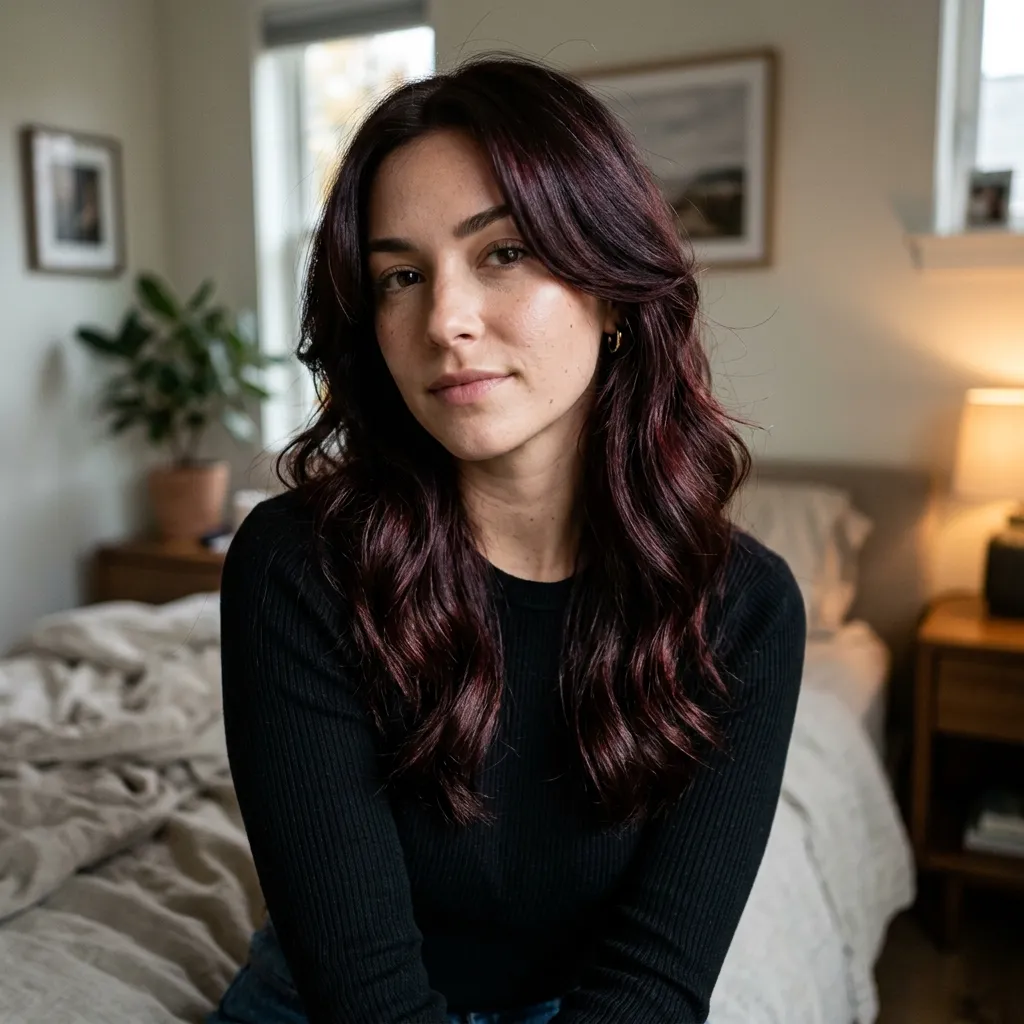
Cherry cola is a dark brown with a deep red-violet shimmer, the kind of color that reveals itself when light hits it. In low light it can look almost brunette, which makes it a good starter for anyone curious about red. The tone suits many skin tones and adds richness to dark hair. Red-based shades fade over time, so color-depositing products can keep the glow going. It’s a playful but wearable fall favorite.
15. Black Cherry
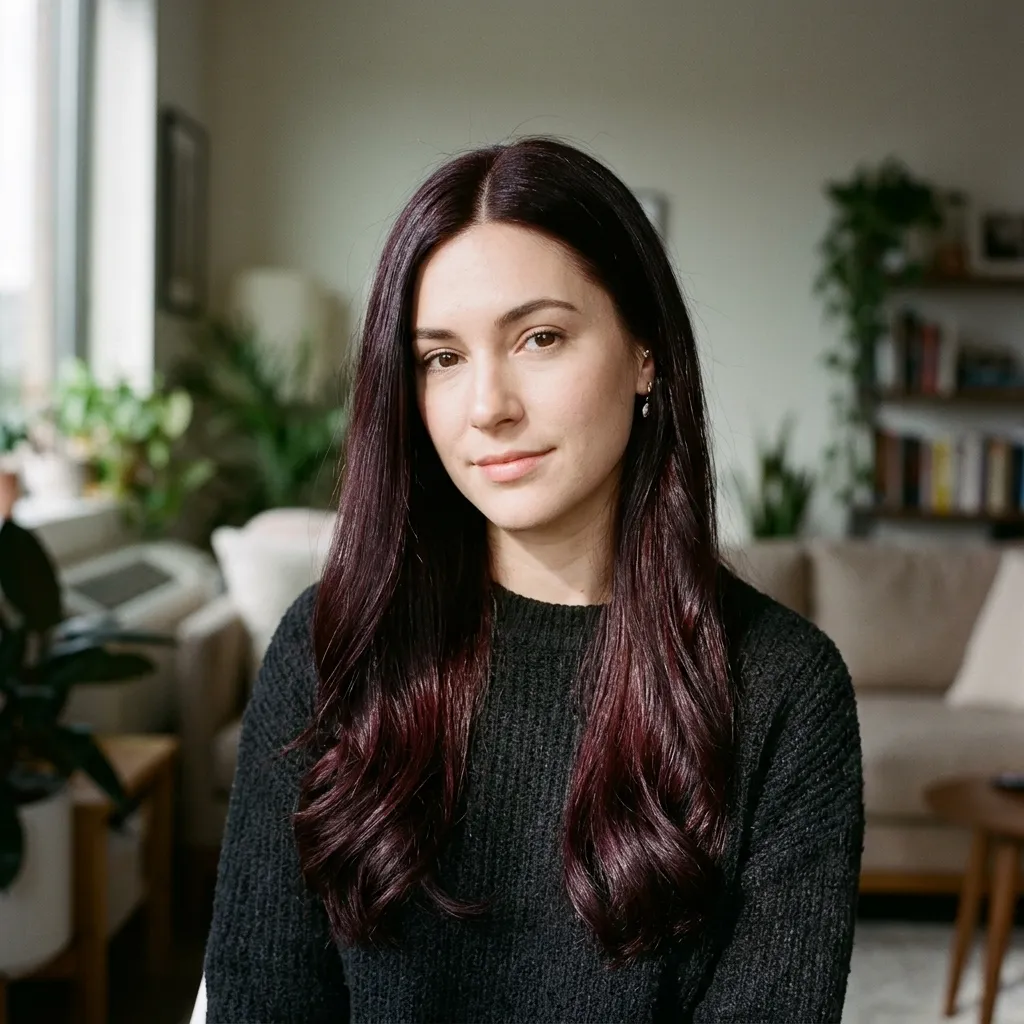
Black cherry is darker and moodier than cherry cola, with a deep wine-colored tint over a nearly black base. It’s dramatic yet sophisticated, and it photographs beautifully. The shade works especially well on dark hair, since little lightening is needed. The red-violet tint can fade, so a gloss or color-safe shampoo helps maintain it. If you want something bold but still elegant, this is a strong contender.
16. Muted Strawberry Blonde
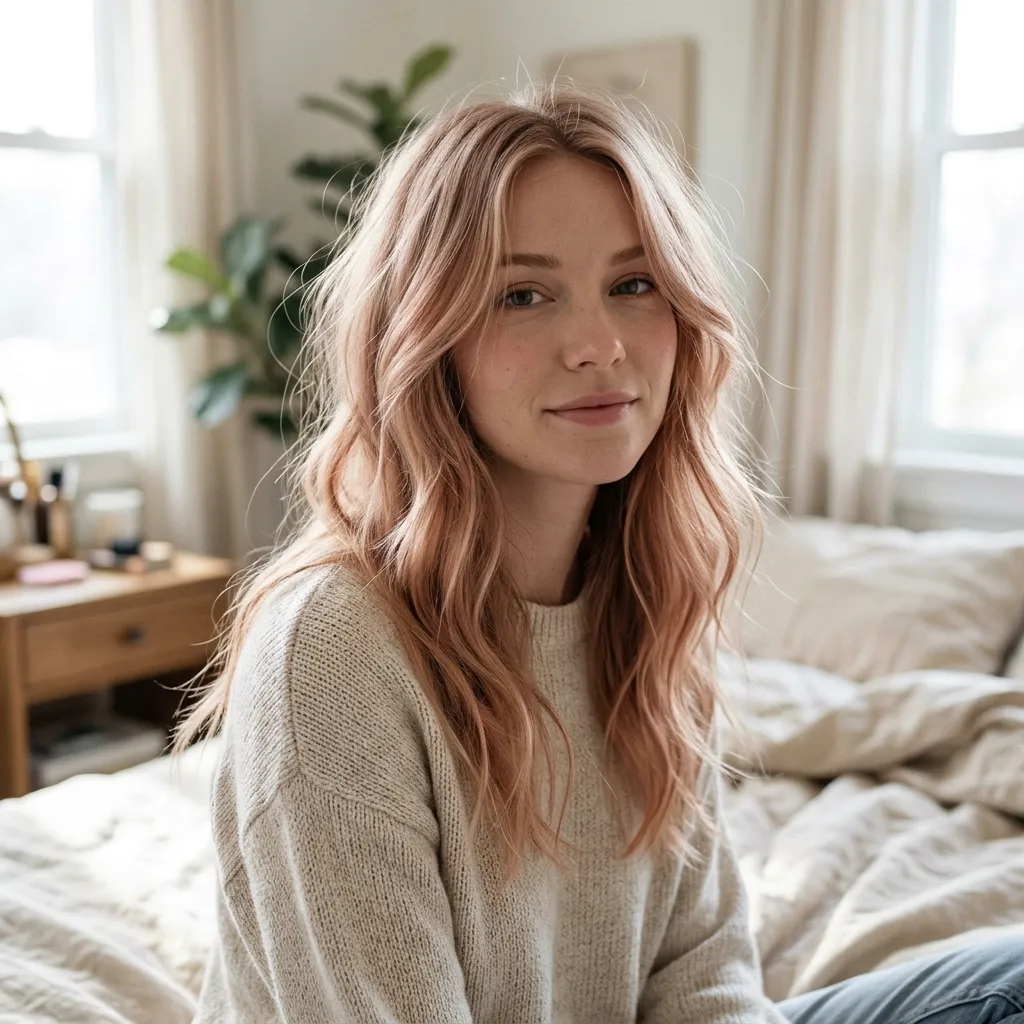
Muted strawberry blonde is a soft, dusty blend of blonde with the faintest rosy-copper warmth. It’s gentler than traditional strawberry blonde, which makes it easier to wear every day. The color suits fair to light-medium skin tones and adds a delicate warmth to light hair. Because the tone is subtle, it grows out gracefully. A toning gloss keeps the rosy hue balanced and prevents it from drifting orange.
17. Honey Blonde
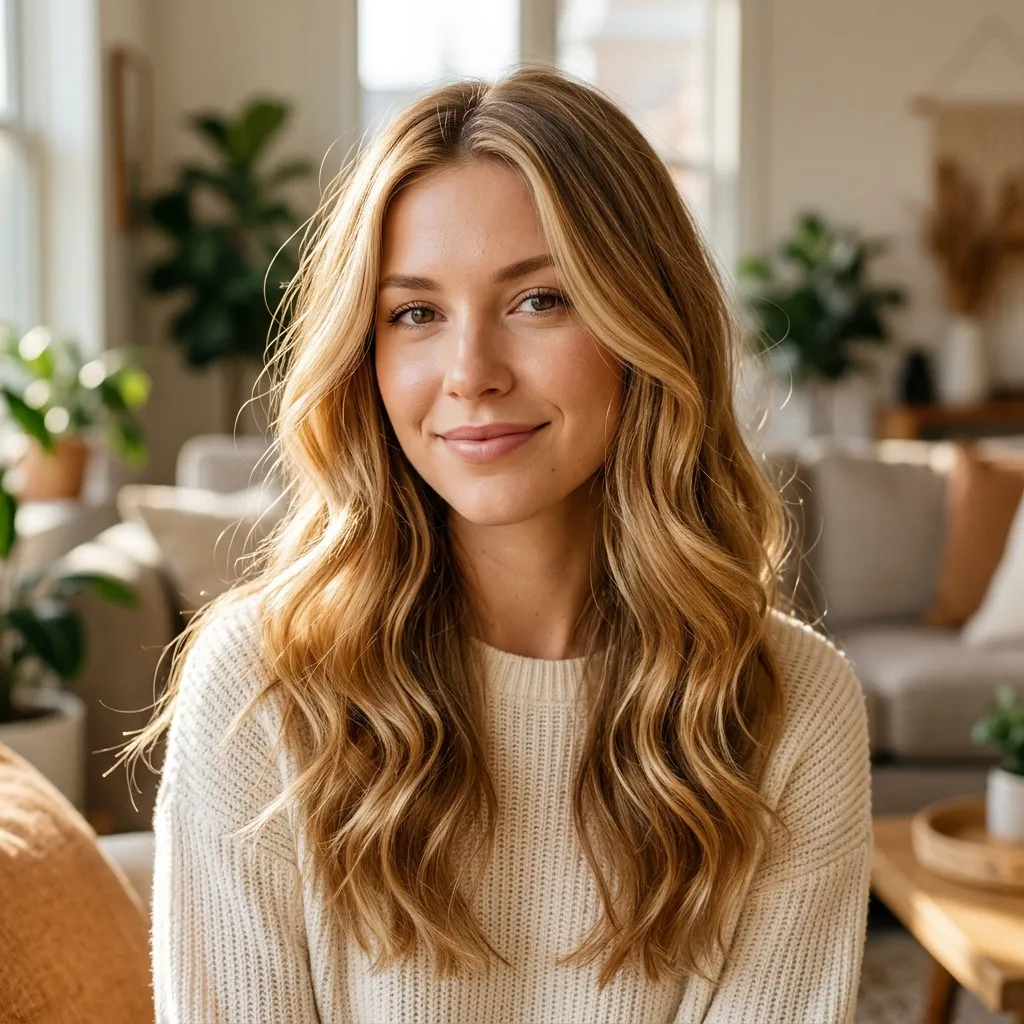
Honey blonde is a warm, golden blonde that feels like a glass of sunlight in autumn. It’s a nice option if you want to stay blonde but trade cool brightness for richer warmth. The shade flatters many skin tones, especially those with golden or olive undertones. It’s also a friendly color for blending gray, since the warmth softens the contrast. Regular glosses help it keep its luster and prevent dullness.
18. Golden Beige Blonde
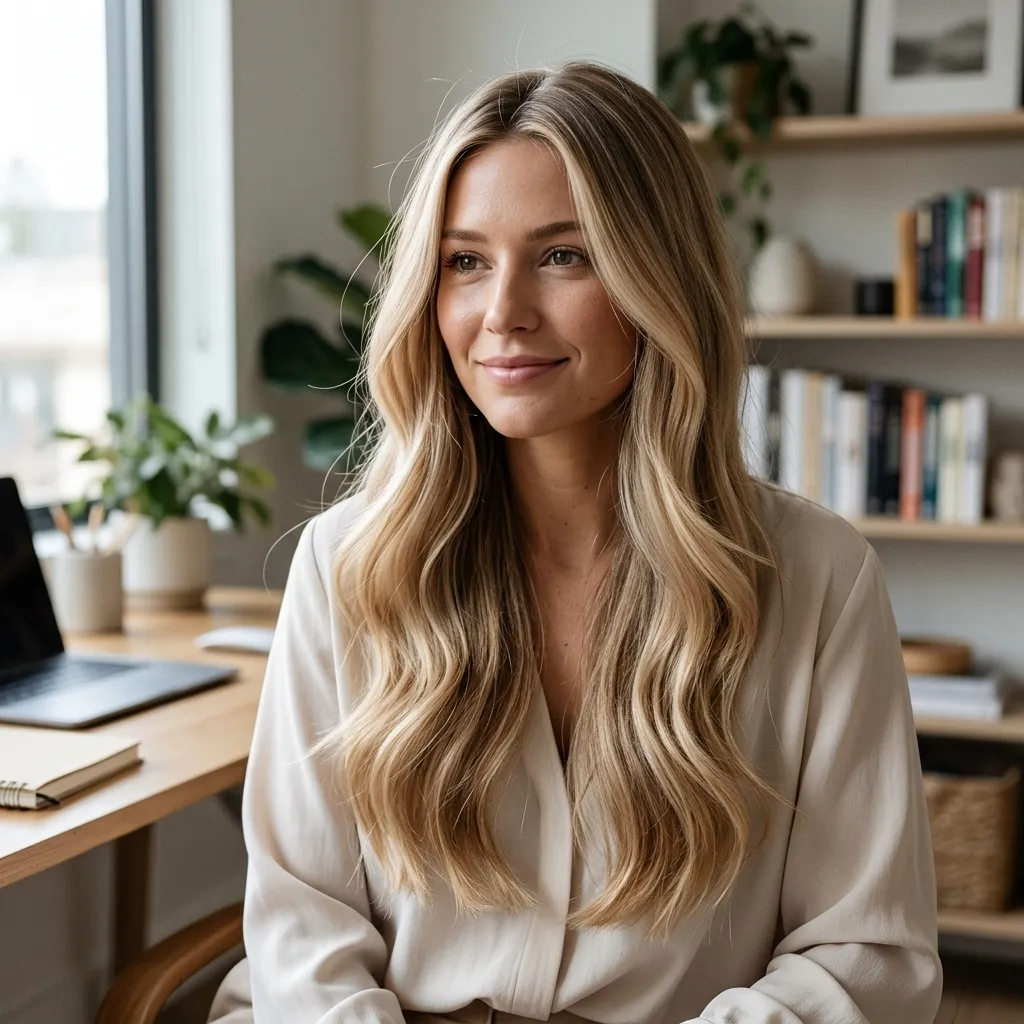
Golden beige blonde mixes a soft golden tone with a creamy beige base for a refined, balanced finish. It sits between cool and warm, so it can flatter many complexions. The shade looks expensive and understated, which fits the quieter side of fall style. It’s a solid choice for people who want blonde without strong brass or icy tones. A colorist can adjust the balance depending on your undertone.
19. Caramel Bronde
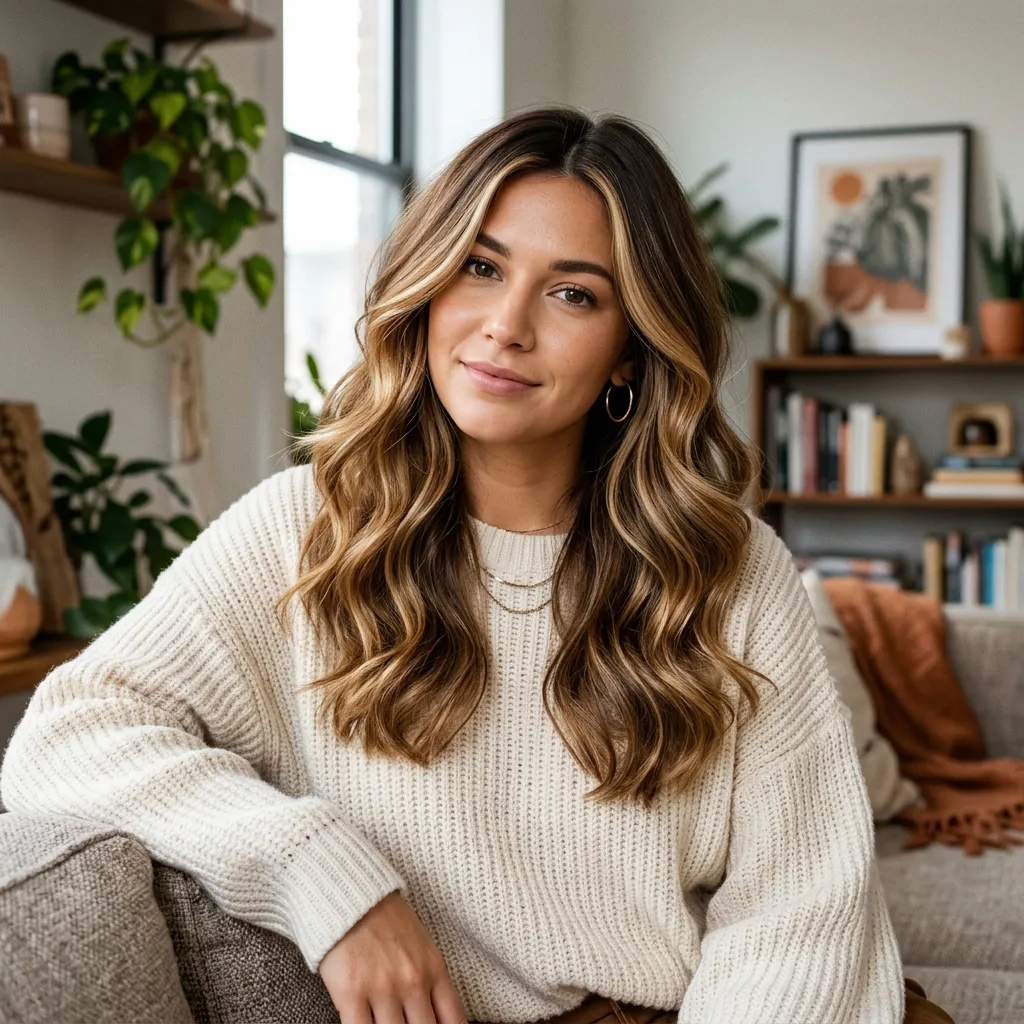
Bronde blends blonde and brunette, and the caramel version leans warm and sweet. It adds dimension and softness, making it a favorite for people who can’t decide between light and dark. The look is flexible, working on a wide range of base colors. Because the tones are blended, regrowth is gentle and low-maintenance. Ask for pieces around the face to brighten your features.
20. Soft Apricot Blonde
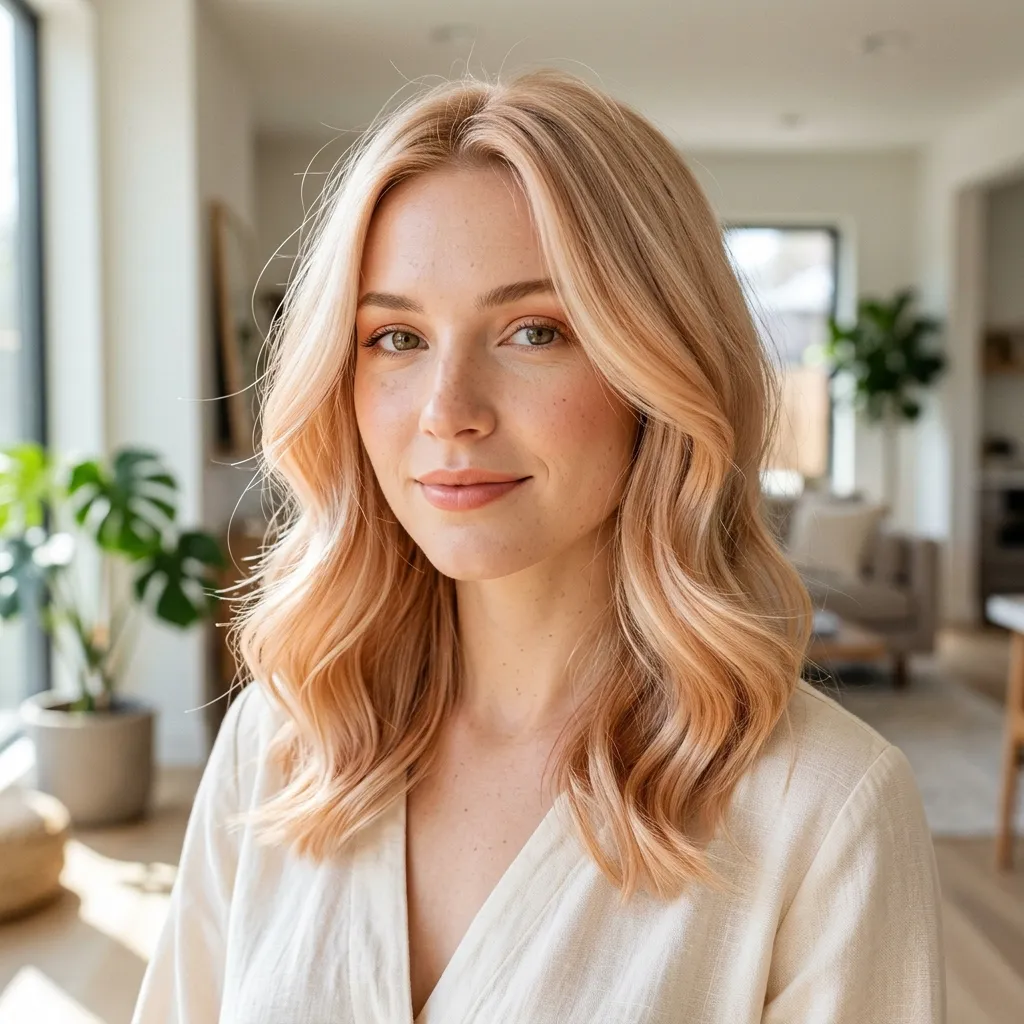
Soft apricot blonde is a light blonde with a peachy warmth that feels fresh and slightly unexpected. It’s a gentle way to bring warmth into blonde hair without going fully strawberry. The shade can flatter fair and light-medium complexions, and it adds a glow to the face. It needs thoughtful toning so the peach doesn’t become orange. Talk to your colorist about how strong you want the apricot to be.
21. Buttery Blonde
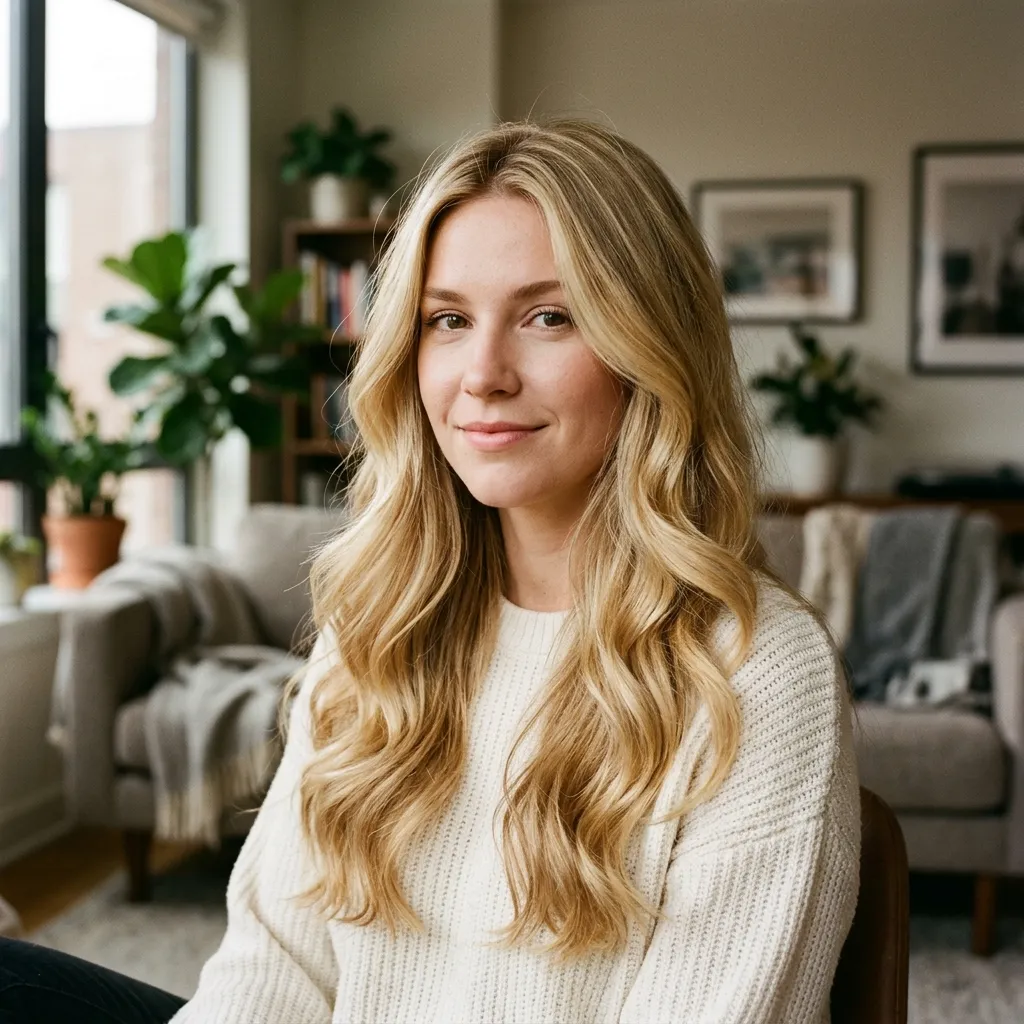
Buttery blonde is a creamy, warm yellow-leaning blonde that looks soft and luminous. It’s less icy than platinum and less golden than honey, sitting right in the comfortable middle. The shade suits many skin tones and gives blonde hair a healthy, glowing look. Maintaining blonde usually means regular toning, so plan for gloss appointments and quality conditioning. A purple-based product may help, but ask your colorist what suits your hair.
22. Soft Creamy Platinum
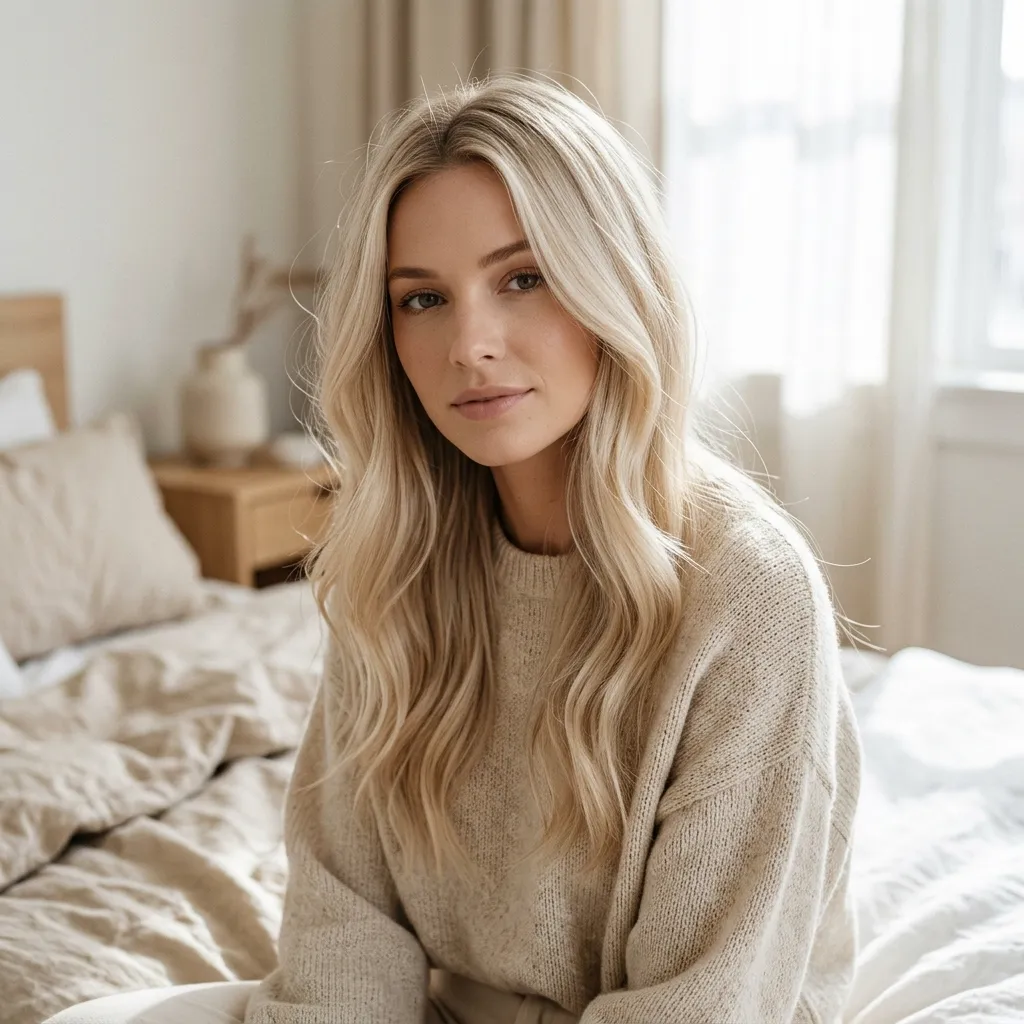
Soft creamy platinum takes the intensity out of traditional platinum and adds a gentle ivory warmth. It looks polished and modern while being kinder to the skin tone than a stark, icy shade. Getting there usually involves significant lightening, so condition and strength are important considerations. A good colorist will check the health of your hair before recommending the process. Bond-building treatments and routine glosses help maintain softness and shine.
23. Warm Root Melt

A warm root melt blends a deeper, warmer shade at the roots into lighter lengths for a seamless gradient. The softened root makes grow-out nearly invisible, which is a big benefit if you dislike frequent touch-ups. It’s an easy way to bring seasonal depth to blonde or bronde hair. The warmth at the root adds richness and can make the whole color look more natural. Ask your colorist to match the root tone to your natural shade or slightly deeper.
24. Clear Shine Glaze
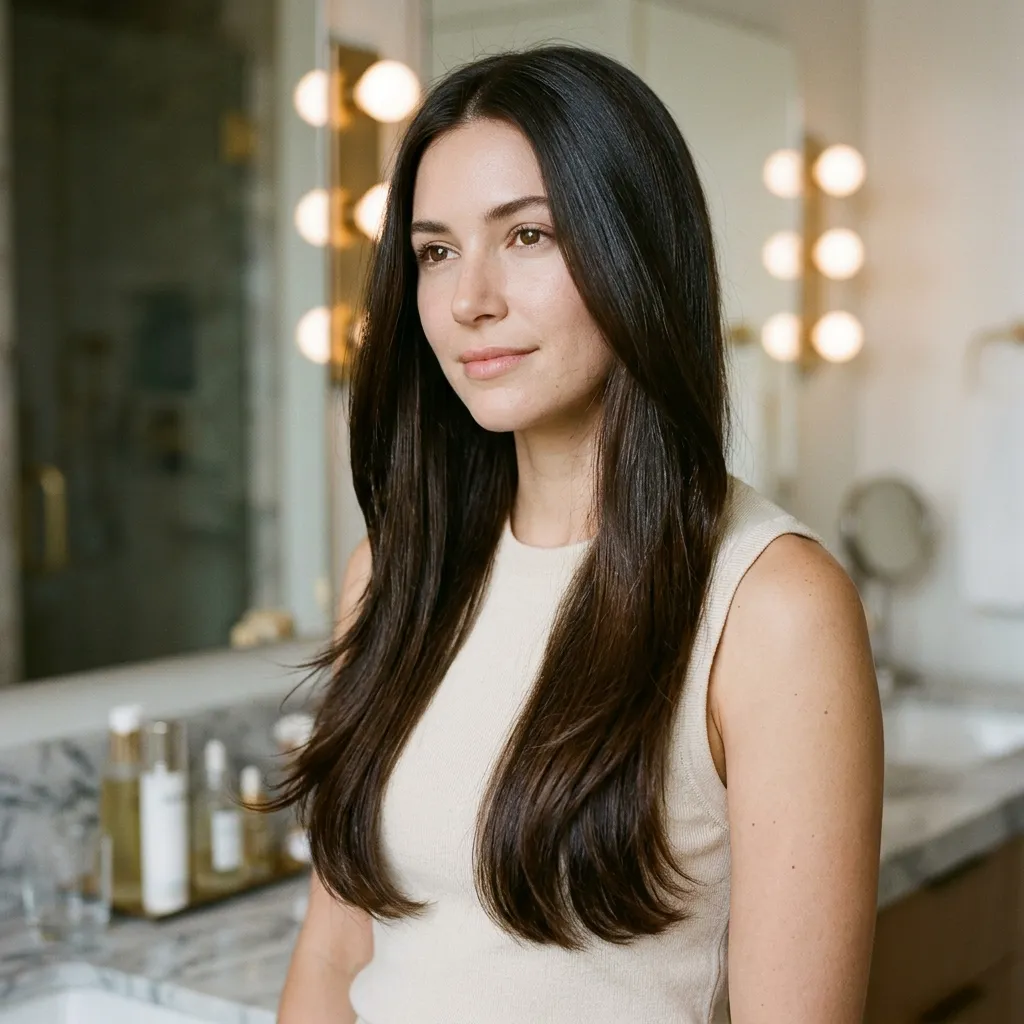
A clear shine glaze is a sheer treatment that adds gloss and smooths the hair’s surface without changing its color much. It’s ideal if you like your current shade but want more brilliance and a healthier look. The treatment can refresh dull hair and extend the life of a color you already have. Results typically fade over a few weeks, so it works well as a regular touch-up. It’s an excellent low-commitment option for fall.
25. Teal
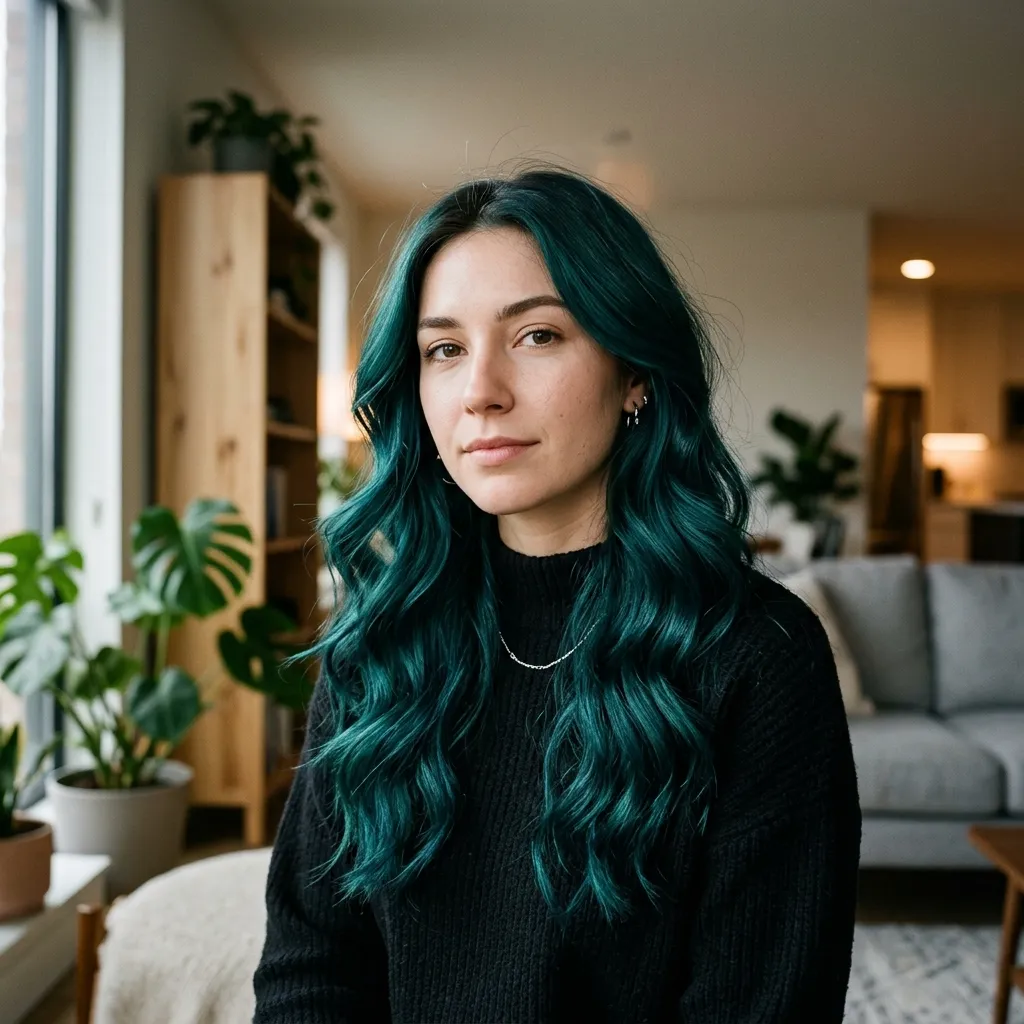
Teal is the unexpected pick on this list, a deep blue-green that stands out against the usual autumn palette. It looks striking on its own or as a subtle accent through dark hair. Bold shades like this usually need lightening first, and they tend to fade, so be prepared for ongoing care. A dark teal can be more forgiving and wearable than a bright one. If you love a creative color, this is a fun way to make fall your own.
Frequently Asked Questions
Which fall hair color trends for 2026 are easiest to maintain?
Blended techniques like balayage, root melts, and glossy brunette shades are generally the most forgiving. They grow out softly, so you don’t see harsh lines as your hair grows. A clear shine glaze can also keep things looking fresh between appointments. Your colorist can suggest the best option for your hair and schedule.
How do I choose a fall hair color that suits my skin tone?
Start by noticing whether gold or silver jewelry flatters you more, since that can hint at your undertone. Warm undertones often pair well with copper, chestnut, and honey shades, while cooler undertones may prefer mushroom brown or soft platinum. These are general guidelines rather than strict rules. A colorist can look at your skin and eye color in person and advise accordingly.
Will red and copper shades fade quickly?
They can, since red pigments tend to fade faster than many other tones. Washing with cooler water, using color-safe shampoo, and adding a color-depositing conditioner can help. Limiting heat styling also protects the shade. Ask your colorist for aftercare tailored to your color.
Is it okay to change my color without bleaching?
Many deeper shades, such as espresso, chestnut, cinnamon, and cherry cola, can be done without major lightening, especially over darker bases. Lighter or brighter looks, like platinum or teal, usually require lightening first. Your hair’s history and condition affect what’s possible. A consultation is the best way to learn what your hair can handle.
Conclusion
The fall hair color trends for 2026 share a love of richness, warmth, and shine, whether you lean toward glossy brunette, glowing copper, deep cherry, or creamy blonde. Think about how much upkeep you’re comfortable with, then choose a shade that suits your skin tone and lifestyle. Remember that healthy hair makes every color look better, so ask your colorist about glosses and conditioning treatments. Save two or three favorites from this list and bring them to your appointment for an honest conversation about what’s possible. A little preparation can help you leave the salon with a color you’ll enjoy all season.