If a pixie feels a little too bare and a bob feels a little too much like work, you’ve just described the case for the pixie bob. It keeps the back short and tidy, lets the front stay longer, and lands in a comfortable spot between daring and practical. That balance is why pixie bob haircuts for older women have become such a popular pick at salons across the US. They flatter the face, work with fine or thick hair, and take far less time than a long style.
This guide walks through 22 versions of the cut, from soft and layered to sleek and shaggy, with honest notes on who each one suits and how to style it. Along the way you’ll find small practical details, like what to tell your stylist if you wear glasses or hearing aids. Hair changes over the years, becoming finer, drier, or more textured, and a good cut works with those changes instead of fighting them. Read on, save a few favorites, and bring them to your next appointment.
1. Soft Layered Pixie Bob

Soft layers are the gentlest way to wear a pixie bob, and they’re a lovely starting point if you’ve never gone short before. The back is cropped neatly while the front and sides keep enough length to curve toward your cheeks. The layers are blended so there’s no harsh stepping, which keeps the whole shape looking light and feminine. It’s the sort of cut that makes people say you look rested rather than asking what you changed.
Because the layers are blended, the cut grows out softly, giving you a bit more time between appointments. A light mousse worked through damp hair and a quick blow dry are usually enough. If your hair has become finer over the years, ask your stylist to keep the layers long and subtle so the ends don’t look wispy. A trim every six to seven weeks keeps the shape fresh.
2. Stacked Pixie Bob
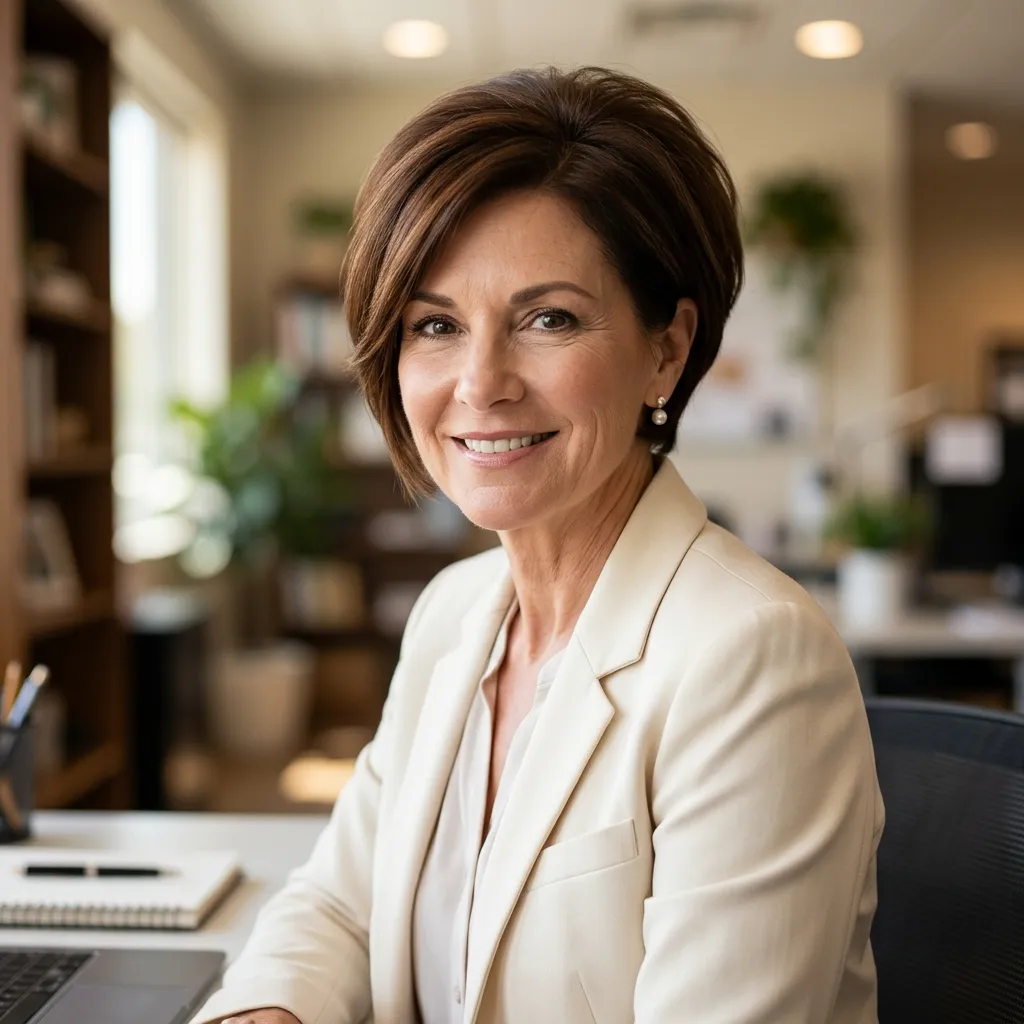
A stacked pixie bob builds the back into a rounded, lifted shape, with each layer sitting slightly shorter than the one beneath it. The effect is instant fullness at the crown, which many women welcome as hair grows finer with age. The front stays a touch longer and angles gently toward the face. It’s tidy, shapely, and looks styled even when you’ve barely touched it.
A round brush and a bit of root-lifting spray are all you need to emphasize the stack. This cut works best on straight to slightly wavy hair, where the layers show clearly. If you have a shorter neck, ask your stylist to keep the nape neat and not too bulky. Plan on a trim about every six weeks to preserve the curve.
3. Side Swept Pixie Bob
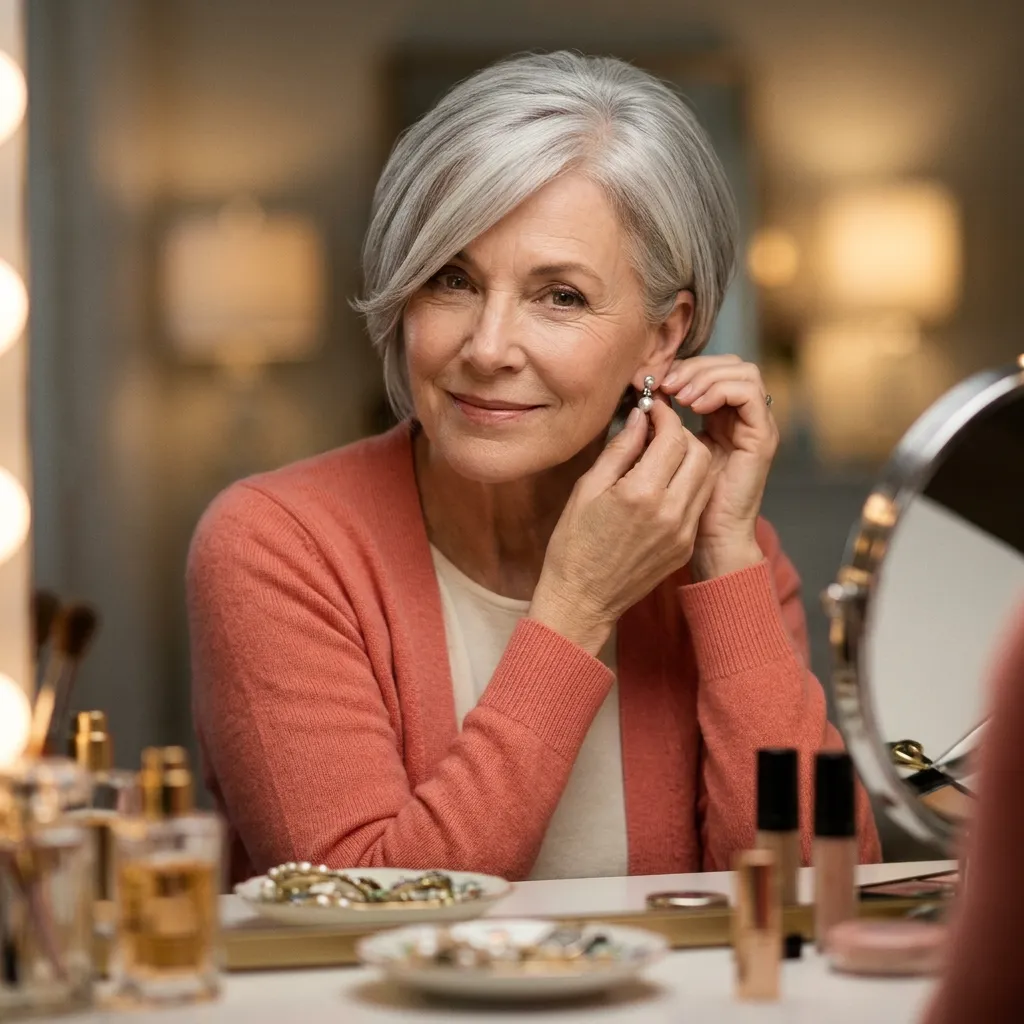
Sweeping the front across the forehead gives a pixie bob a graceful, diagonal line that flatters nearly every face. It softens the forehead, balances a rounder jaw, and adds a hint of movement. For anyone who feels self-conscious about forehead lines, the sweep offers a gentle bit of coverage without a full fringe. It’s an easy, elegant detail.
Notice which way your hair naturally wants to fall and let the cut follow it. A small round brush and a bit of heat from the dryer will train the sweep in place. A light spritz of flexible hairspray at the front keeps it from drifting in the wind. If you wear glasses, ask your stylist to keep the sweep clear of the frames.
4. Textured Pixie Bob
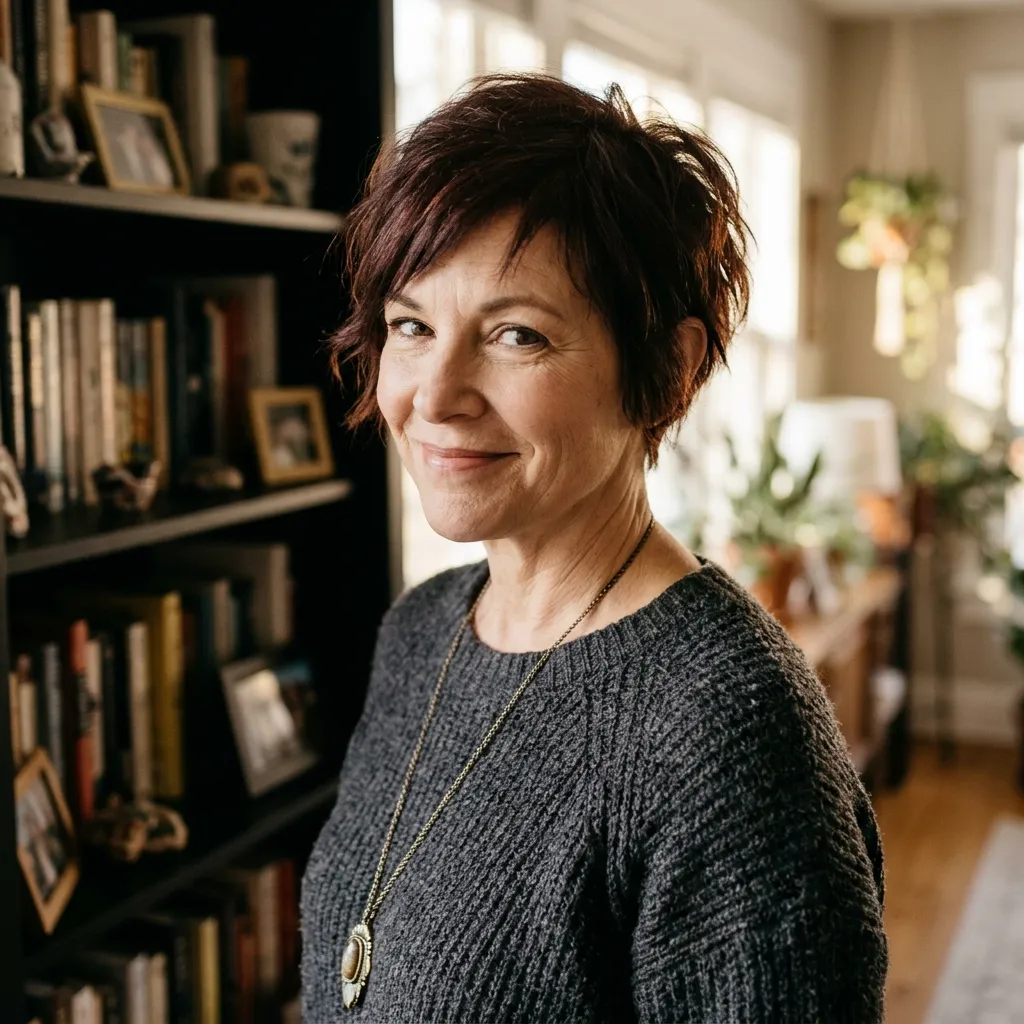
A textured pixie bob adds visual interest through uneven layers and separated pieces. Instead of lying flat and smooth, the hair has a bit of play, which can make fine hair look thicker and more dimensional. It looks modern and a little bit cheeky. It’s a great match for women who want a haircut with personality.
A pea-sized dab of matte paste or texturizing cream, worked through dry hair with your fingertips, brings the texture to life. Skip heavy waxes that can leave hair looking greasy or weighed down. Straight and slightly wavy hair holds this style best. Visit your stylist every five to six weeks so the layers keep their definition.
5. Tapered Pixie Bob
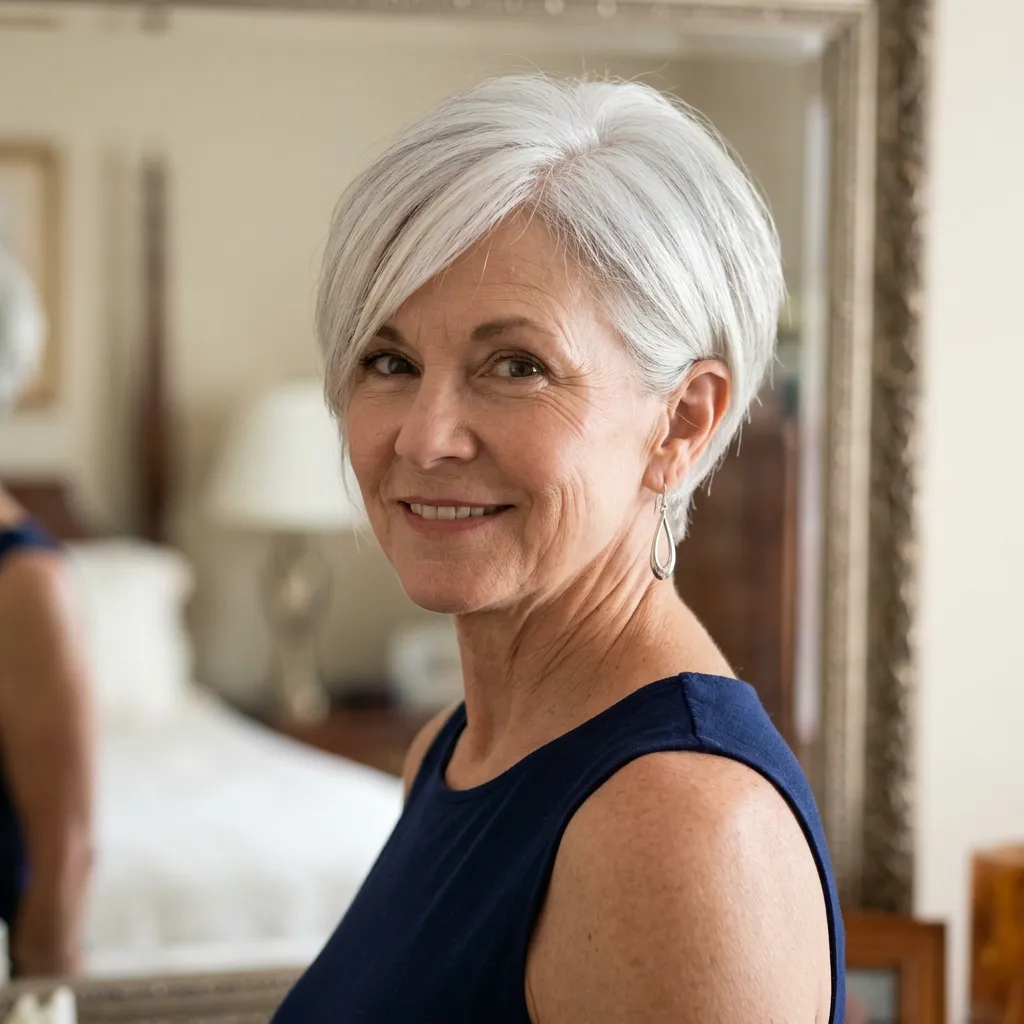
In a tapered pixie bob, the hair at the nape and around the ears is cut close and tidy, gradually growing longer toward the top and front. That neatness gives the cut a clean outline that looks polished from every angle. It also keeps your neck cool, which is a blessing in humid summers. The longer front still offers enough hair to style and sweep.
Because the short areas show regrowth quickly, plan for cleanups every four to six weeks. Some salons will do a quick neckline tidy between full cuts, so ask what’s available. Use a little pomade or cream on the top for shine and shape. If you wear hearing aids, tell your stylist so the taper around the ears works comfortably with them.
6. Feathered Pixie Bob

Feathered layers give a pixie bob a soft, airy outline. The ends are cut thin and light, so they flutter gently rather than sitting heavy. It’s an especially kind cut for fine hair, which can look flat when cut bluntly. The feathering adds movement that catches the light and makes the hair look alive.
Feathering depends on delicate cutting, so choose a stylist who’s comfortable with fine layering. A volumizing mousse and a blow dry with a round brush will flick the ends outward. Keep products light, because rich creams can make feathered pieces cling together. A trim every six weeks keeps the wisps from turning ragged.
7. Wispy Bangs Pixie Bob

Wispy bangs add a feathery fringe to a pixie bob, softening the forehead without a heavy block of hair. The see-through quality keeps the look light and airy, which suits fine hair particularly well. They frame the eyes and add a youthful note. It’s a flattering approach if you want a fringe but fear the upkeep of a thick one.
Wispy bangs can get oily faster than the rest of your hair, so a little dry shampoo goes a long way. Ask your stylist to cut them slightly long at first and adjust over time. A small round brush helps them curve gently. If your reading glasses tend to push the fringe around, keep the bangs a touch longer.
8. Choppy Pixie Bob
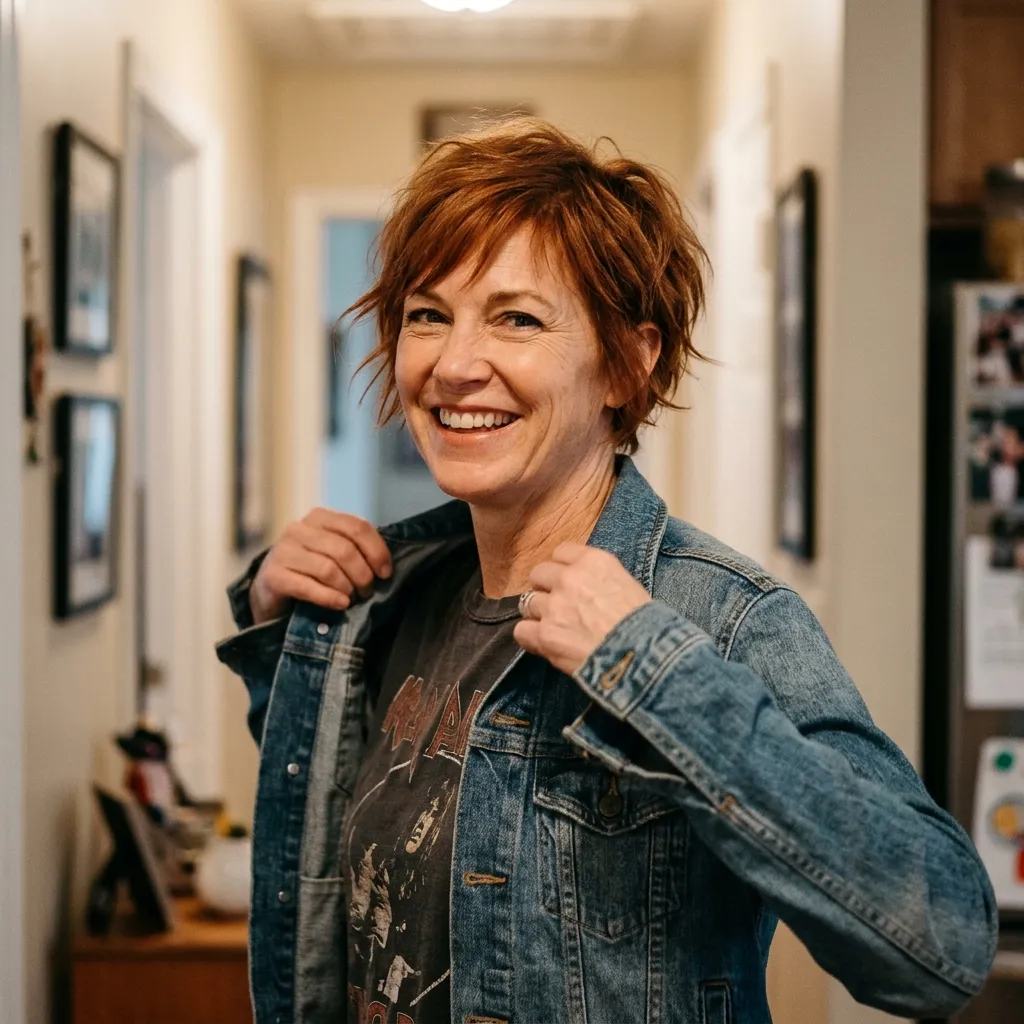
Choppy layers give a pixie bob an energetic, slightly irreverent edge. The ends are cut at varied lengths, which creates a lively, piece-y finish. It’s a cheerful alternative to a smooth bob, and it hides imperfections in a way that polished cuts can’t. If you like a hairstyle with a sense of humor, this is it.
Work a bit of styling clay through dry hair and twist small sections to define them. Avoid too much product, which can flatten the choppy effect. The cut suits medium to thick hair, though a stylist can adjust the layers for finer strands. Trim every five to six weeks to keep the pieces crisp.
9. Classic Pixie Bob

The classic pixie bob is the one that started it all: short in back, longer in front, with a smooth, rounded outline. It’s timeless, tidy, and suitable for almost any occasion. There’s a reason it’s remained a favorite among women who want something reliable. It works for church, brunch, the office, and everything in between.
Style it with a blow dry and a round brush, curling the ends slightly under for a neat finish. A touch of shine serum keeps gray or silver hair from looking dull. It suits fine to medium hair and flatters oval and heart-shaped faces particularly well. A trim every six to eight weeks keeps the line crisp.
10. Angled Pixie Bob

An angled pixie bob slopes from shorter at the back to longer at the front, drawing the eye toward the jaw. The line creates definition and a slimming effect, making it a polished, confident choice. It looks sharp without being severe. For women who like precise, graphic shapes, it’s a standout.
The angle is the whole point, so a skilled stylist matters here. Use a flat iron or a smoothing blow dry to keep the line sleek, and add a bit of shine serum. Straight hair shows the angle best, though waves can work with careful cutting. Plan on trims every five to six weeks, since the lines blur quickly.
11. Tousled Pixie Bob

A tousled pixie bob has a relaxed, just-got-up look that’s actually very forgiving. The layers are loose and slightly messy, so you never have to worry about every strand sitting perfectly. It’s wonderfully casual and pairs well with jeans, linen, and sandals. It’s also a good fit for busy days when you’ve got places to be.
A sea salt spray on damp hair, scrunched with your hands, is often enough. Let the hair air dry or give it a gentle blow dry while scrunching. Resist the urge to comb it into submission, since that defeats the point. The cut tolerates a bit of growth, so you can go a little longer between salon visits.
12. Long Top Pixie Bob
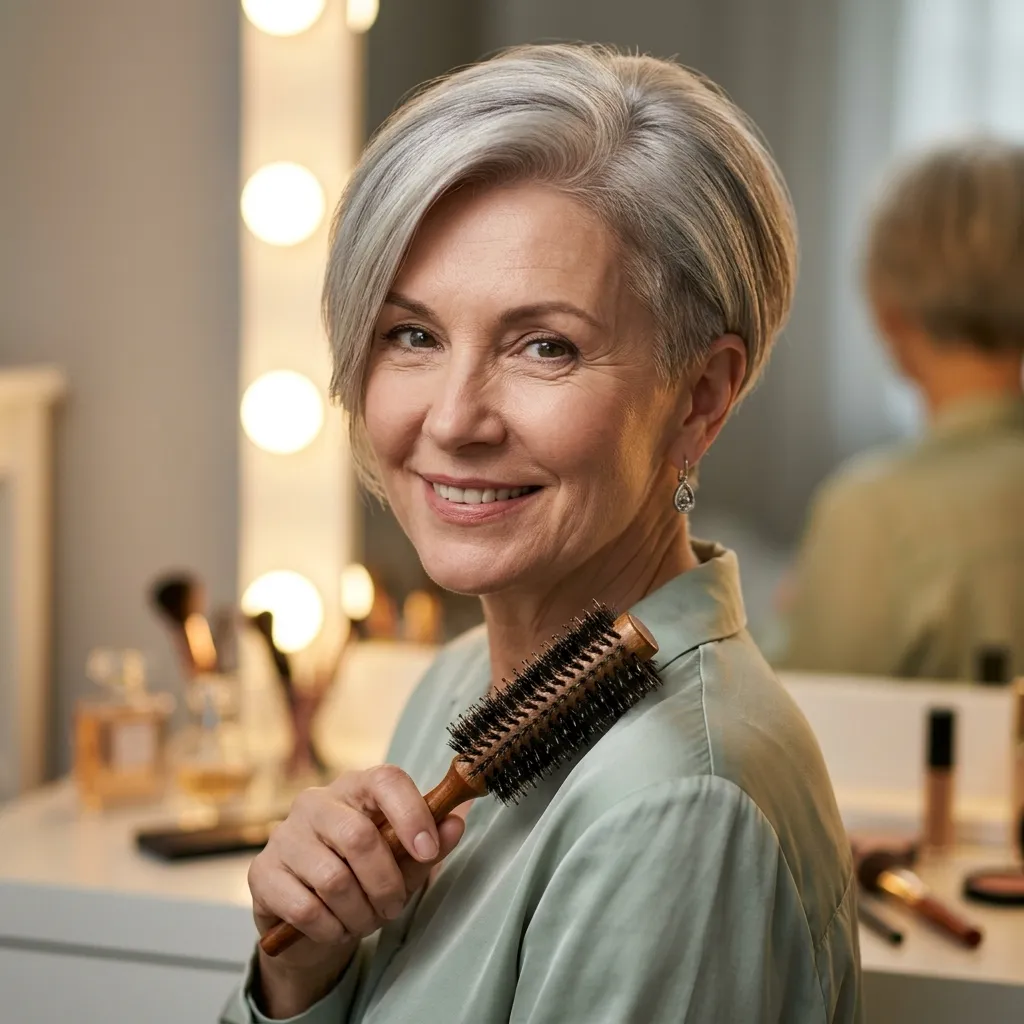
A long top pixie bob keeps the sides and back short while leaving generous length through the top and front. That extra length gives you lots of styling options, from a side sweep to a brushed-back look. It’s a good choice for women who miss having something to push around. It also provides a graceful bridge if you’re growing out a longer cut.
Lightweight styling cream keeps the longer top smooth and shiny. Use a round brush to build volume at the crown, or a flat iron to sleek things down. If your hair is thick, ask for layering to reduce weight on top. Trim every six weeks to keep the contrast between top and sides.
13. Rounded Pixie Bob

A rounded pixie bob has soft edges and a gentle, circular silhouette. There are no sharp angles, so the shape feels friendly and approachable. It can make fine hair appear fuller, since the curve creates a sense of volume all around the head. It’s flattering for square and angular faces by softening strong lines.
Ask your stylist to build the roundness with fine layers, keeping the crown slightly fuller than the sides. A round brush and a blow dryer will shape the curve at home. A light-hold hairspray keeps it neat without feeling stiff. Visit every six weeks to maintain the circle.
14. Silver Friendly Pixie Bob

Silver and white hair were made for a pixie bob. The cut shows off the dimension in your natural color, from bright silver to soft pewter, and it keeps the ends looking fresh and healthy. There’s no need for root touch-ups, which saves time and money. The result is a confident, chic look that celebrates the color you’ve earned.
Silver hair can look yellow or dull, so a purple shampoo used occasionally helps keep it bright. Follow with a moisturizing conditioner, since gray hair can feel drier or coarser. A little shine serum adds gloss. Because short hair is trimmed often, you’re always working with fresh, healthy ends.
15. Pixie Bob with Deep Side Part
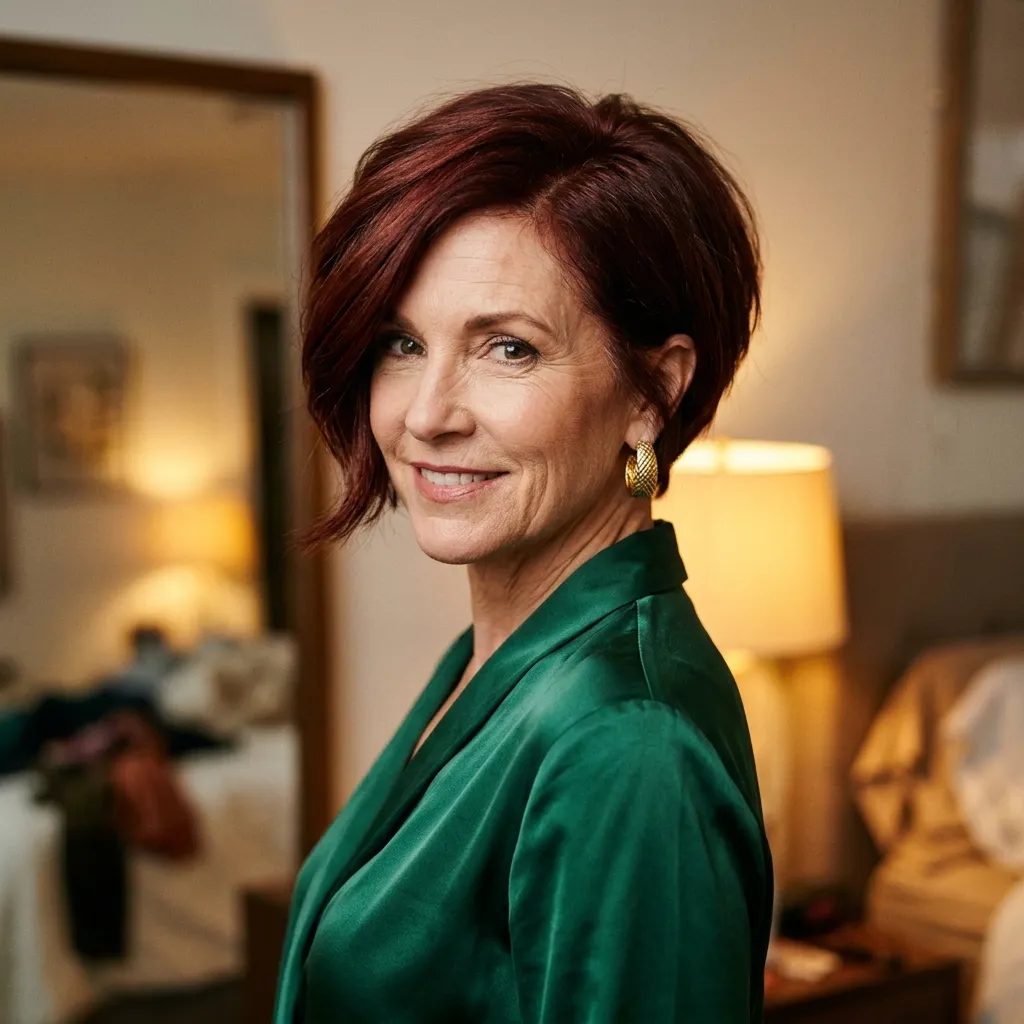
A deep side part brings drama and volume to a pixie bob. The weight of the hair shifts to one side, creating a sweeping line that feels both elegant and bold. It also works wonders for adding the look of fullness at the roots. It’s a quick way to change the whole mood of the cut.
Part your hair while damp with a fine-tooth comb for a clean line. Blow dry the top in the direction of the part to set it. If your hair is thin along the part line, a slightly shallower part will look fuller. You can flip sides whenever you want a fresh look.
16. Pixie Bob with Soft Undercut
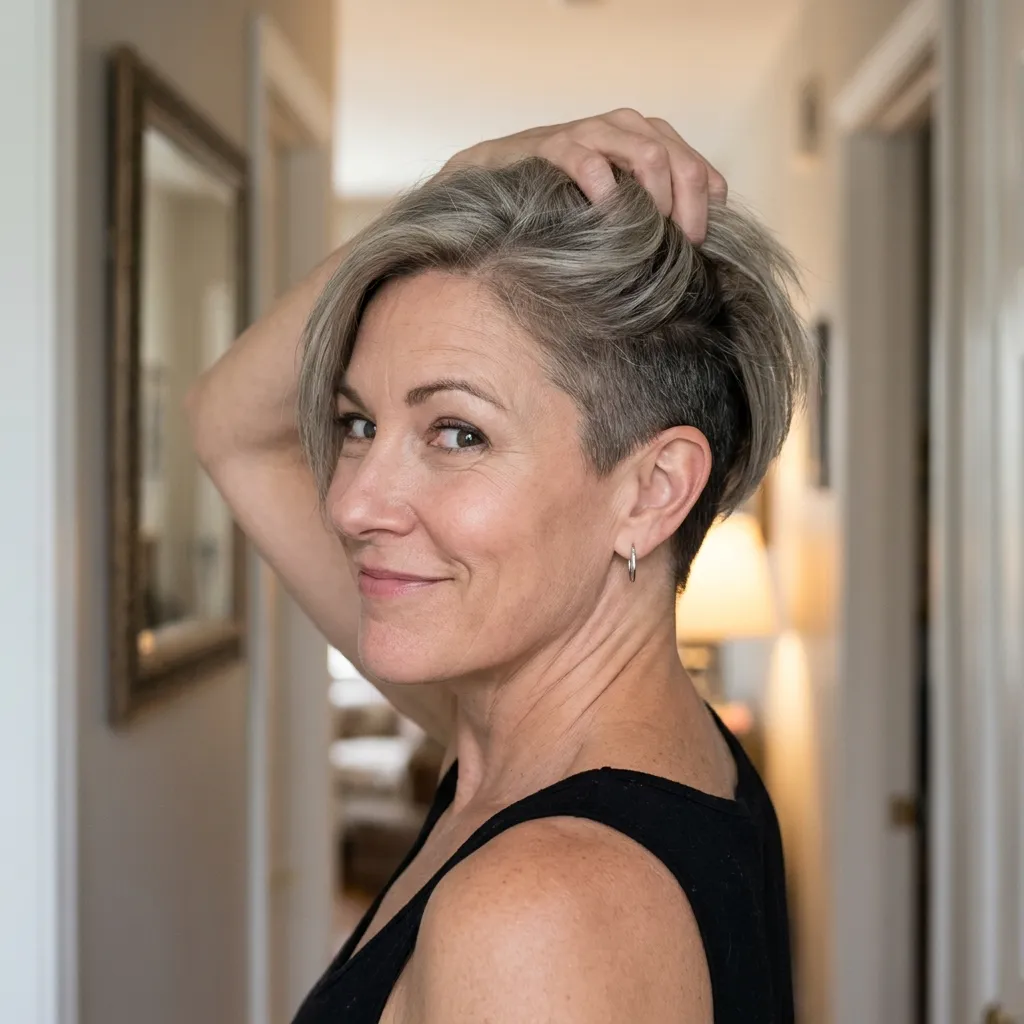
A soft undercut tucks a shorter layer underneath the pixie bob, usually at the nape. The top layers fall over it, keeping the effect subtle and hidden until you tuck your hair back. It removes bulk if your hair is thick and adds a bit of unexpected edge. It’s a smart option for women who like a secret detail.
Decide with your stylist how high the undercut should go, and start conservatively. Keep the top layers textured so they drape nicely over the shorter section. The underneath area needs trimming every four to six weeks to stay neat. A bit of smoothing cream keeps the top looking polished.
17. Wavy Pixie Bob

Natural waves add character to a pixie bob. The cut is shaped to let the waves fall into soft, flattering curves, creating movement and volume without effort. It’s a gentle, romantic look that works well with the way hair often changes texture over time. Many women find their waves become more pronounced when the hair is short.
Apply a curl cream or lightweight mousse to damp hair and scrunch, then air dry or use a diffuser. Avoid brushing once the hair is dry to protect the wave pattern. A weekly conditioning mask keeps waves from turning frizzy. Ask your stylist to cut the hair slightly longer than you think, since waves spring up as they dry.
18. Pixie Bob with Crown Volume
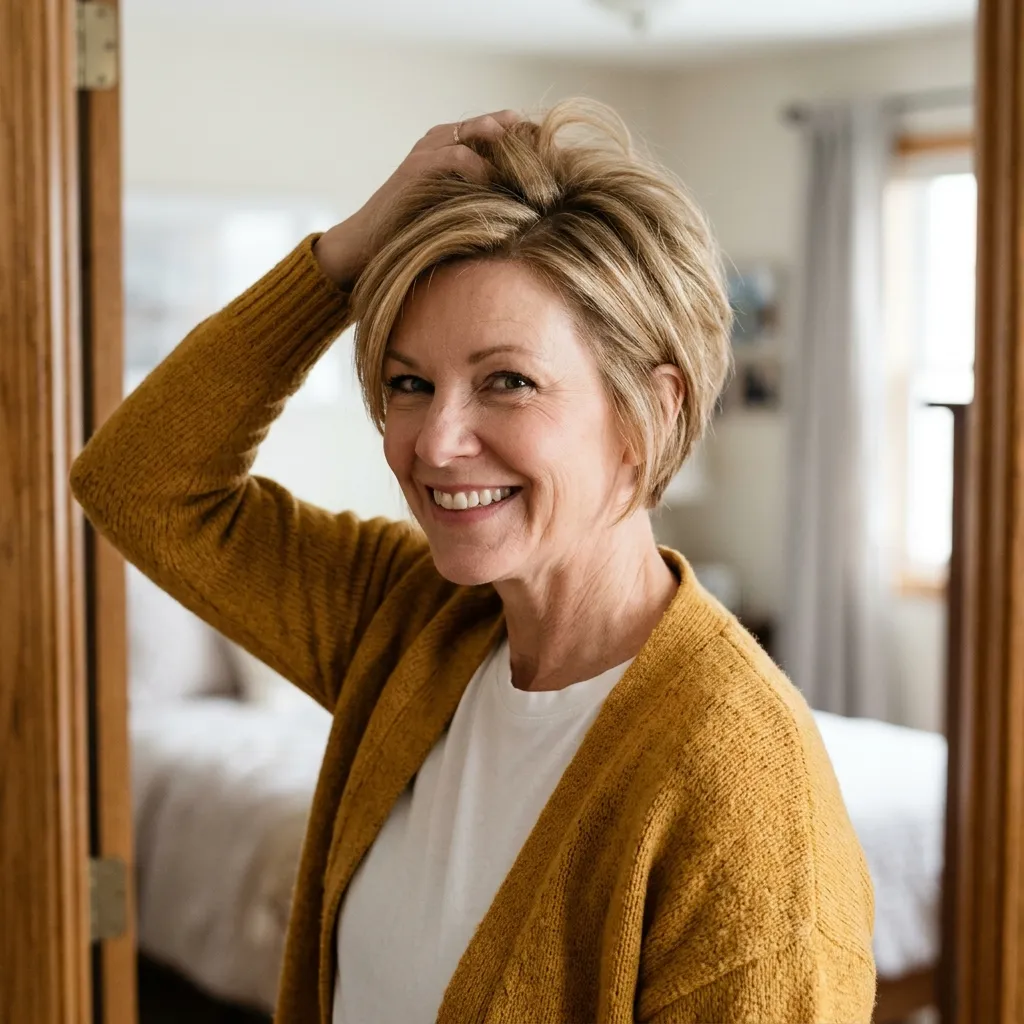
Crown volume lifts the top of a pixie bob, giving the shape a fuller, more youthful profile. It’s especially helpful if hair has thinned or lies flat against the scalp. The extra height balances the face and draws attention upward. It’s a simple way to make a cut feel livelier.
Apply root-lifting spray to damp hair and dry the roots upward with a round brush. A bit of light backcombing at the crown can add extra lift for special occasions. Avoid heavy products that weigh the roots down. Ask your stylist to cut slightly shorter layers on top for built-in volume.
19. Pixie Bob with Side Bangs

Side bangs sweep across the forehead from a part, blending softly into the rest of the cut. On a pixie bob they frame the face and soften the brow area. They’re an easy way to add a fringe without a heavy line. They also grow out gracefully into face-framing layers.
Ask your stylist to cut the bangs long enough to tuck behind the ear when needed. A round brush gives them a gentle curve, and a bit of smoothing cream controls frizz. If your hair is fine, blend the bangs into the sides so they don’t look sparse. Trim them every six weeks to maintain the length.
20. Shaggy Pixie Bob
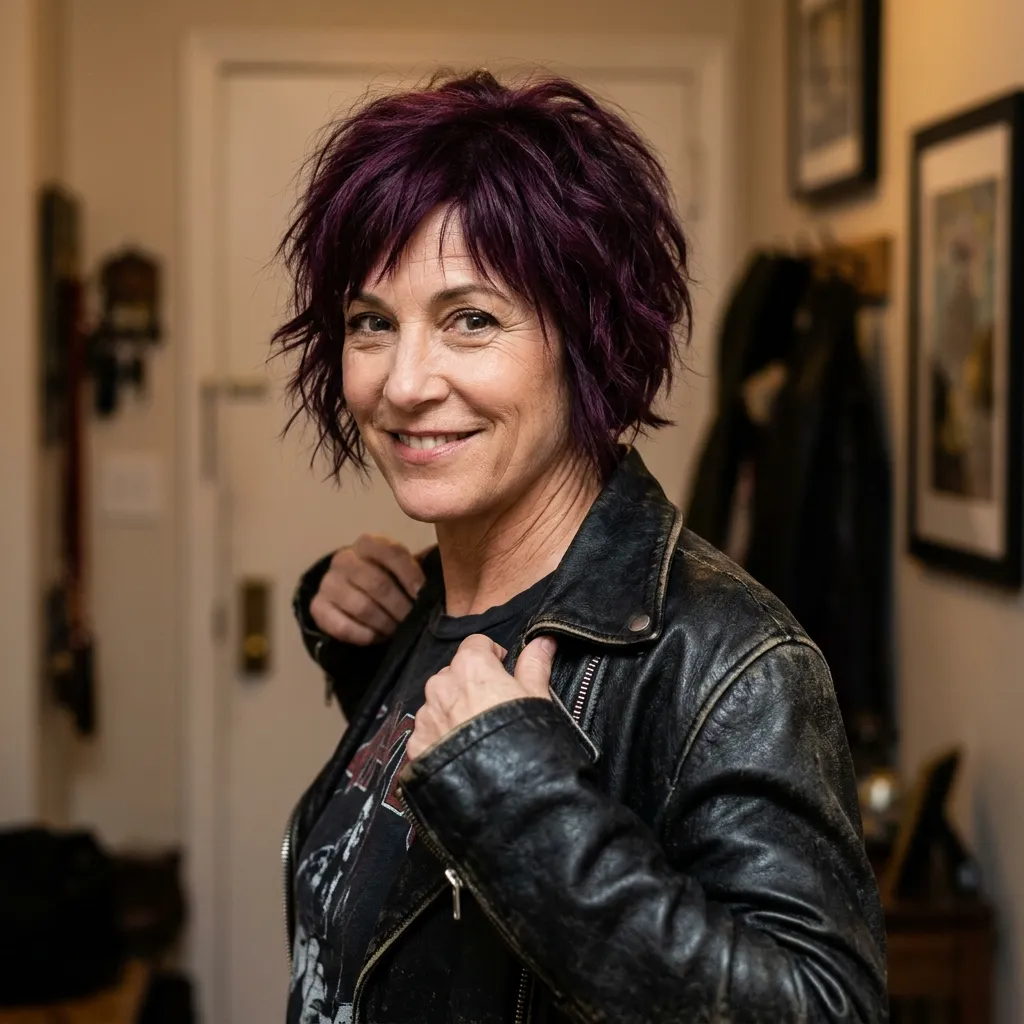
Shaggy layers give a pixie bob lots of movement and a slightly rebellious spirit. The cut is full of tousled, uneven layers that add body and texture. It’s a fun style that feels very relaxed and contemporary. If you like hair that’s a bit wild, this is for you.
A texturizing spray and your fingers are the only tools you need. Let the hair air dry whenever possible and avoid heavy gels. The shaggy texture works well with wavy or lightly curly hair. A trim every six to eight weeks keeps the layers lively.
21. Sleek Pixie Bob

A sleek pixie bob is smooth, shiny, and neatly shaped. The hair lies close to the head with a glossy finish that looks refined and expensive. It’s a polished option for work, special events, and anyone who loves a tidy appearance. The smooth surface also highlights healthy hair.
A heat protectant and flat iron are essential for achieving that glassy finish. Finish with a few drops of shine serum, and use a fine-tooth comb to define any part. Straight hair works best, though smoothing treatments can help others. Keep up with regular trims to maintain the crisp outline.
22. Layered Pixie Bob with Face Framing
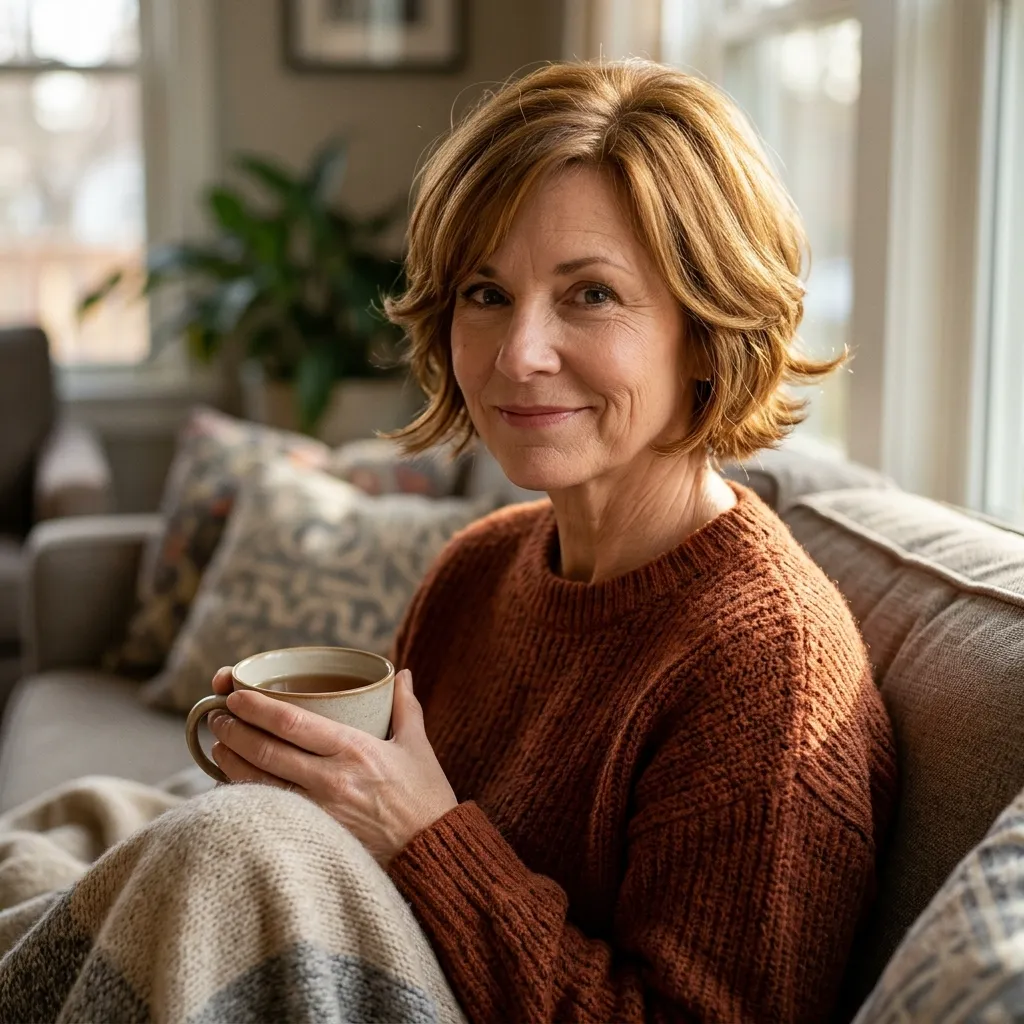
Face framing layers are shorter pieces around the front that guide attention toward your eyes and cheekbones. On a pixie bob, they curve softly along the jaw, creating a flattering frame. They also help blend the longer front into the shorter back. It’s a subtle detail that makes the whole cut look tailored to you.
Ask your stylist to angle the layers toward your face and keep them soft rather than choppy. A quick curl of the ends adds a gentle bend. If your hair is straight, a bit of texture spray helps those layers stand out. Regular trims keep the framing pieces looking intentional.
Pixie Bob Haircuts for Older Women FAQs
Are pixie bob haircuts good for older women?
Yes, they’re a popular and flattering choice. The shape adds lift and shape at the crown, frames the face, and is easy to style. It also works with many hair textures, from fine and straight to wavy or thick. The best results come from adjusting the cut to your face shape and hair type.
What face shapes suit a pixie bob?
The pixie bob is flexible, so it can be adjusted for most face shapes. Round faces often look good with angled lines and height at the crown. Square faces tend to love soft, rounded layers, while long faces can suit side-swept fringe and fuller sides. Your stylist can tweak the length and layers to balance your features.
Does a pixie bob work for thin or fine hair?
It often does, because the shorter length makes the hair look fuller. Choose soft layers, feathering, or a rounded shape to create the appearance of density. Avoid heavy, chunky layers that can expose thin spots. If you have concerns about thinning, it’s worth mentioning to your doctor or a dermatologist as well.
How often should I trim a pixie bob?
Most pixie bobs look their best with a trim every five to eight weeks. Tapered or undercut versions often need a visit every four to six weeks, while tousled and shaggy styles are more forgiving. Bangs may need a quick tidy in between. Your stylist can recommend a schedule based on your cut.
Can I wear a pixie bob with gray hair?
Absolutely. Gray, silver, and white hair look beautiful in a pixie bob, since the cut highlights natural dimension and shine. A purple toning shampoo used occasionally can keep silver bright. A moisturizing conditioner and a touch of shine serum help gray hair look healthy and glossy.
What should I say to my stylist?
Bring photos of the styles you like and explain how much time you want to spend on your hair each day. Mention your hair type, any cowlicks, and whether you wear glasses or hearing aids. Ask how the cut will grow out and what upkeep to expect. The more details you share, the better your cut will fit your life.
Conclusion
Pixie bob haircuts for older women offer an easy way to feel polished, comfortable, and a little bolder. Whether you choose a soft layered cut, a sleek angled shape, or a shaggy, tousled finish, the right pixie bob works with your hair texture instead of against it. The 22 ideas above show just how much variety lives within one haircut.
Your next step is to pick two or three styles that appeal to you and save the photos. Book a consultation with a stylist you trust, talk through your hair type and daily routine, and ask what upkeep to expect. Then enjoy a cut that makes your mornings simpler and your reflection a little brighter.