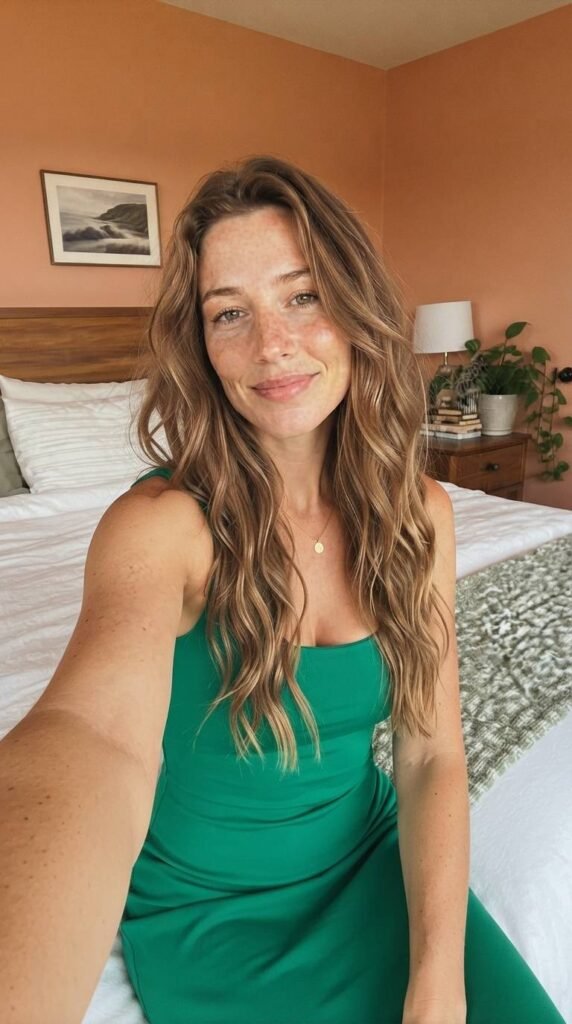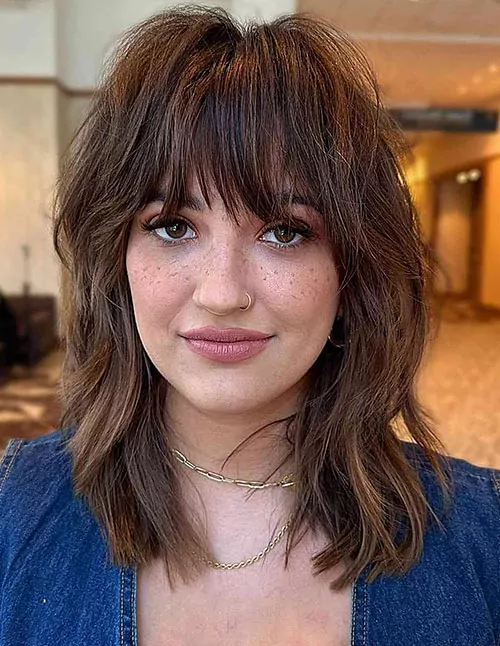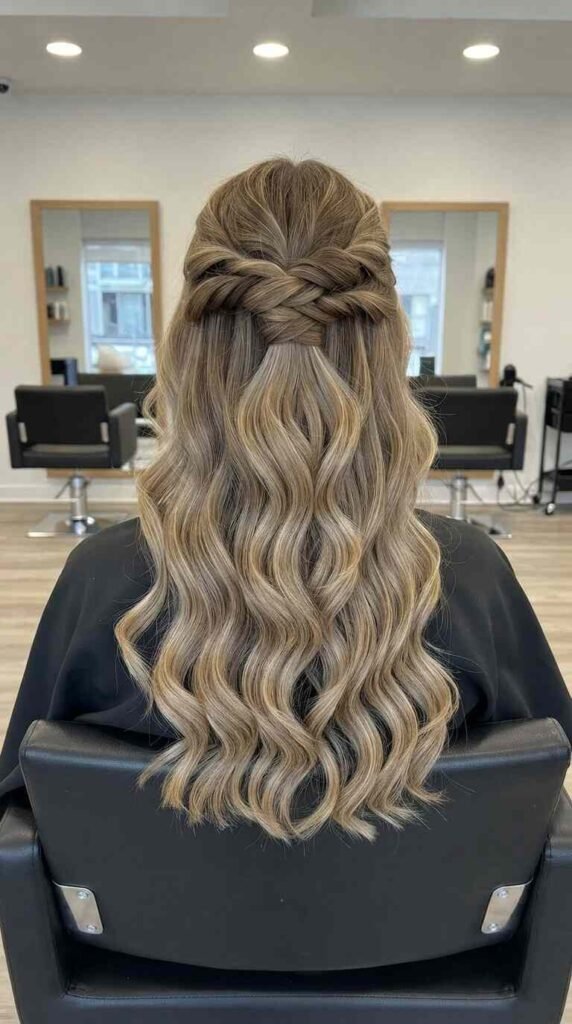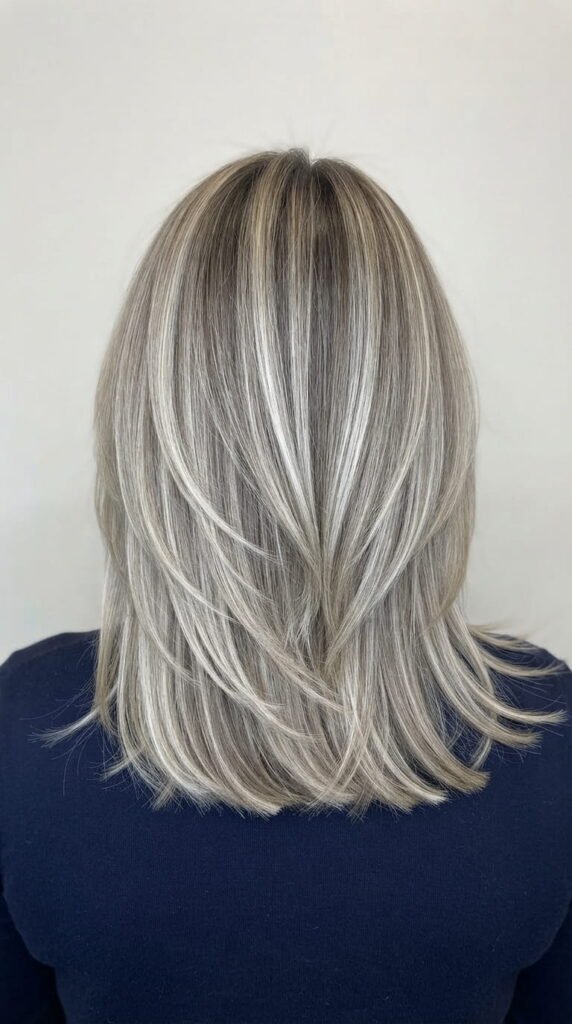

Maybe you’ve been eyeing a pixie for months, but the idea of going super short makes your stomach flip. Or maybe you already have short hair and miss having something to tuck behind your ear. Long pixie haircuts sit in that sweet spot, giving you the freshness of a pixie with enough length on top to play with. They’re short at the back and sides while the top and front keep some swing, so you can part it, sweep it, push it back, or leave it tousled.
This guide covers 22 versions, from soft layered cuts to curly and undercut styles, with practical notes on who each one suits and how to style it at home. I’ve also kept in mind that hair varies, from fine and straight to thick and curly. Skim the headings, save your favorites, and take a few photos to your stylist. A cut like this works best when you can describe exactly what you want.
1. Soft Layered Long Pixie

The soft layered long pixie is the friendliest entry point into the world of long pixie haircuts. The layers are blended gently, so there are no harsh lines between the short sides and the longer top. You get a rounded, feminine silhouette that flatters most faces. It’s a particularly nice choice if you’re growing out a bob and want a stepping stone.
Because the layers are soft, the cut looks natural as it grows, which buys you a little extra time between salon visits. Style it with a light mousse at the roots and a quick blow dry, flicking the ends with your fingers. A small amount of shine serum on the ends keeps it from looking dull. Plan on a trim every six weeks or so.
2. Side Swept Long Pixie

A side swept long pixie takes the extra length on top and sweeps it across the forehead in a graceful diagonal. This simple change of direction softens the face, covers a high forehead if you want it to, and gives the cut some movement. It looks polished without much effort. It’s one of the most versatile long pixie haircuts you can choose.
Find your natural part by combing your hair back and noticing where it falls. Dry your hair with the sweep in mind, using a small round brush to set the direction. A light hairspray at the front keeps it from flopping in the wind. If you wear glasses, ask your stylist to keep the swept section clear of the frames.
3. Textured Long Pixie with Choppy Ends

Choppy ends give a long pixie a lively, slightly rebellious look. Instead of smooth, even edges, each section is cut at a slightly different length, creating plenty of texture on top. The effect is playful and modern, and it hides the fact that you didn’t spend an hour styling. It works well on straight and slightly wavy hair.
A little paste or clay worked through dry hair defines each piece. Use your fingertips to separate the sections rather than a comb, which can flatten the texture. Avoid heavy oils that make the ends clump. Trim every five to six weeks to keep the choppy lines looking intentional.
4. Long Pixie with Tapered Nape
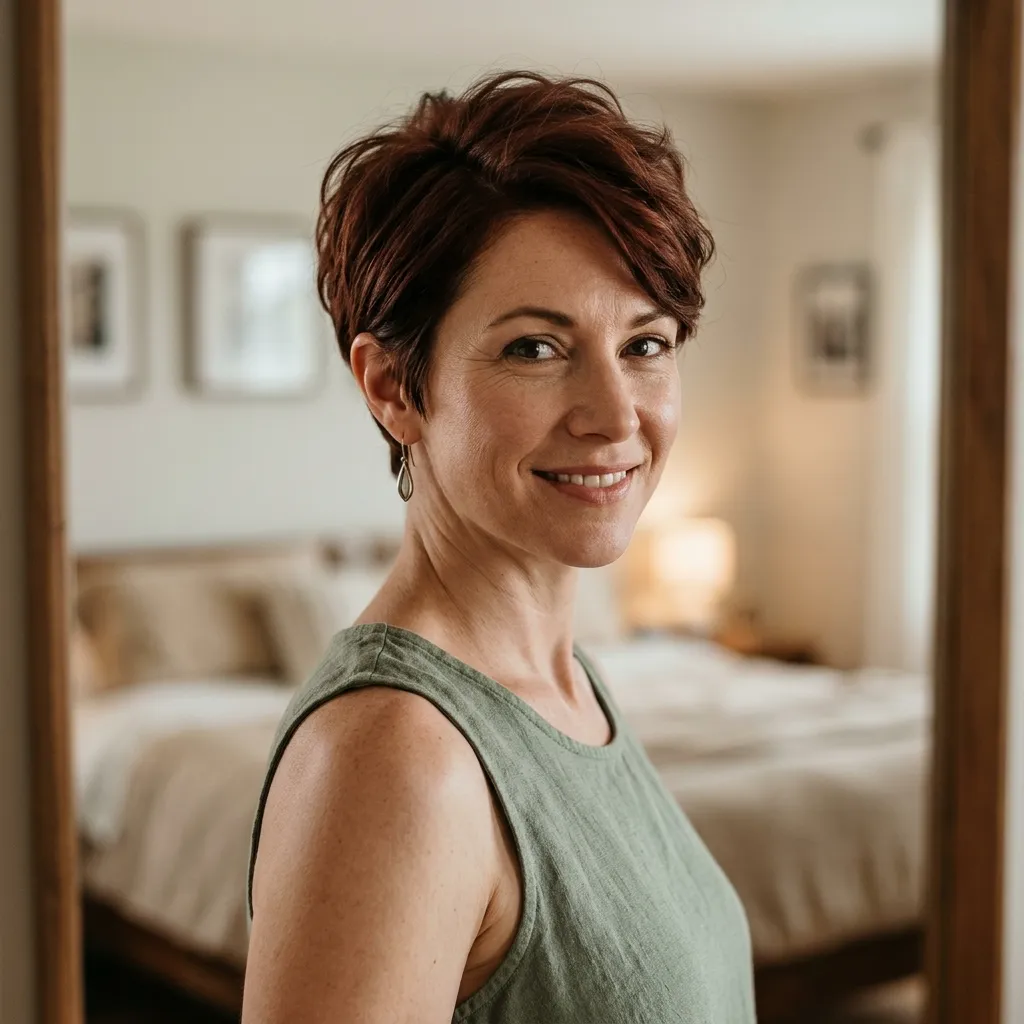
A tapered nape gives a long pixie a clean, tailored foundation. The hair at the back of the neck is cut short and graduates smoothly into the longer top. That neatness lets the longer layers look soft and tousled without seeming messy. It also shows off your neckline, which is a lovely feature to highlight.
Tapered areas lose their crispness quickly, so you’ll likely want a cleanup every four to five weeks. Style the top with a light cream and a little texture spray. If you have thick hair, tapering can also remove some bulk at the back. Ask your stylist to show you the taper in a hand mirror before they finish.
5. Feathered Long Pixie

Feathered layers are wispy, light, and slightly separated at the ends. In a long pixie, they create a soft, airy look that moves when you do. The cut feels delicate and feminine, with an almost weightless quality. It’s well suited to fine or medium hair that needs a little help with movement.
Because feathering relies on thin, fine layering, it’s best to go to a stylist who’s comfortable with detail work. A volumizing spray at the roots and a quick blow dry with a round brush give the ends their flick. Keep product light, since heavy creams can make feathered pieces stick together. A trim every six weeks keeps the wisps looking fresh.
6. Long Pixie Bob Hybrid
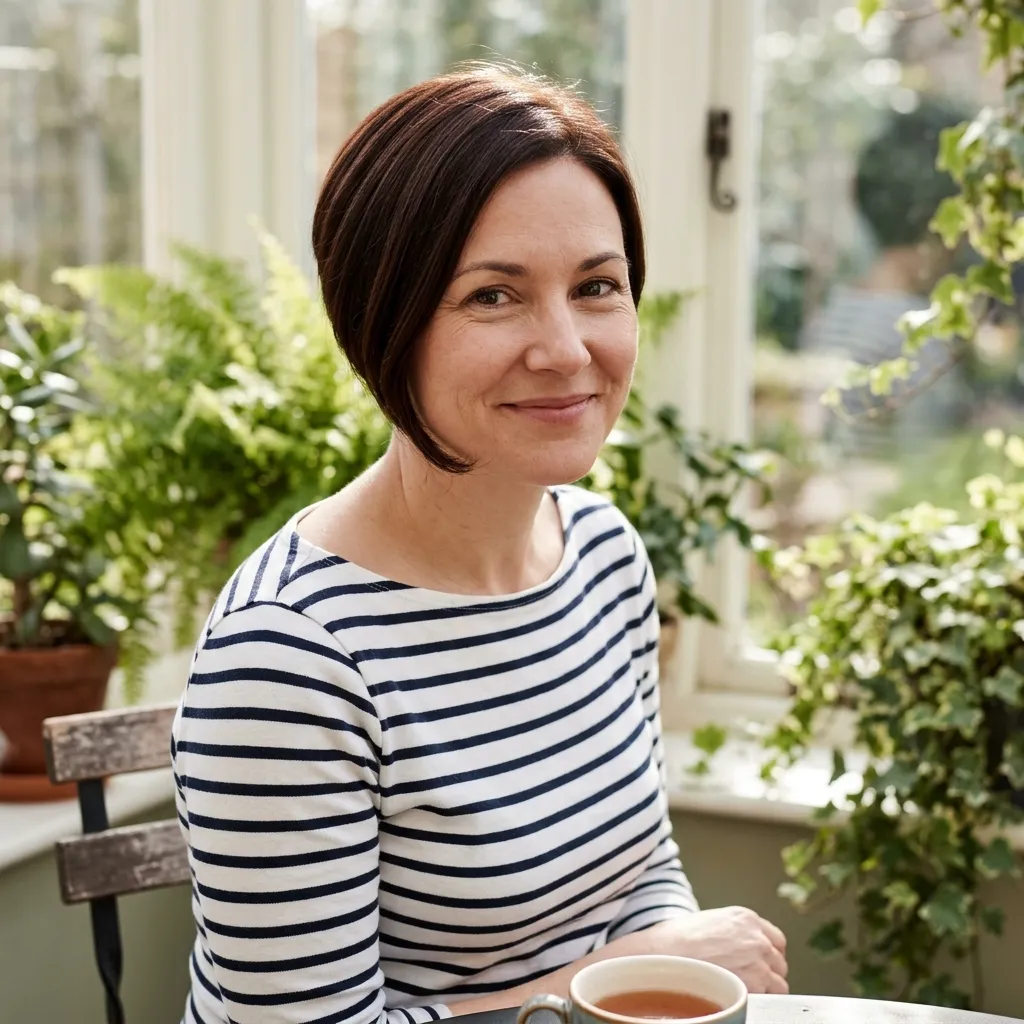
Can’t decide between a pixie and a bob? This hybrid says you don’t have to. The back and sides stay short and neat, but the front keeps enough length to curve around the face like a bob. It’s a gentle, forgiving shape that works well if you’re moving from long hair to short. It also adapts to many textures.
Style it smooth for a polished look or add texture for a casual finish. A flat iron can sleek the front pieces, while a curling iron can add a soft bend. This cut grows out gracefully, so it’s a good choice if you don’t love frequent salon trips. Plan on visits every six to eight weeks.
7. Long Pixie with Wispy Bangs

Wispy bangs add softness to a long pixie without covering the whole forehead. They’re light and see-through, so they feel breezy rather than heavy. The effect frames the eyes and adds a youthful touch. It’s a lovely option if you want a little fringe but don’t want a blunt, high-maintenance line.
Wispy bangs can get oily faster than the rest of your hair, so keep dry shampoo handy. Ask for them to be cut slightly long at first and trimmed shorter later if you like. A small round brush gives them a gentle curve. If you have a cowlick at the hairline, mention it before the cut begins.
8. Sleek Long Pixie

A sleek long pixie is the polished cousin of the tousled styles. The hair is smooth, glossy, and shaped so that every section falls into place. It’s an elegant look that works for office settings, evening events, and anyone who loves a tidy finish. It shows off healthy shine in a way that textured cuts sometimes can’t.
A heat protectant and a flat iron are your best friends here. Smooth a few drops of shine serum over the surface, and use a fine-tooth comb to define the line of the part. Keep the cut well trimmed so the shape stays crisp. It works best on straight or lightly wavy hair, though smoothing products can help with frizz.
9. Long Pixie with Volume at the Crown
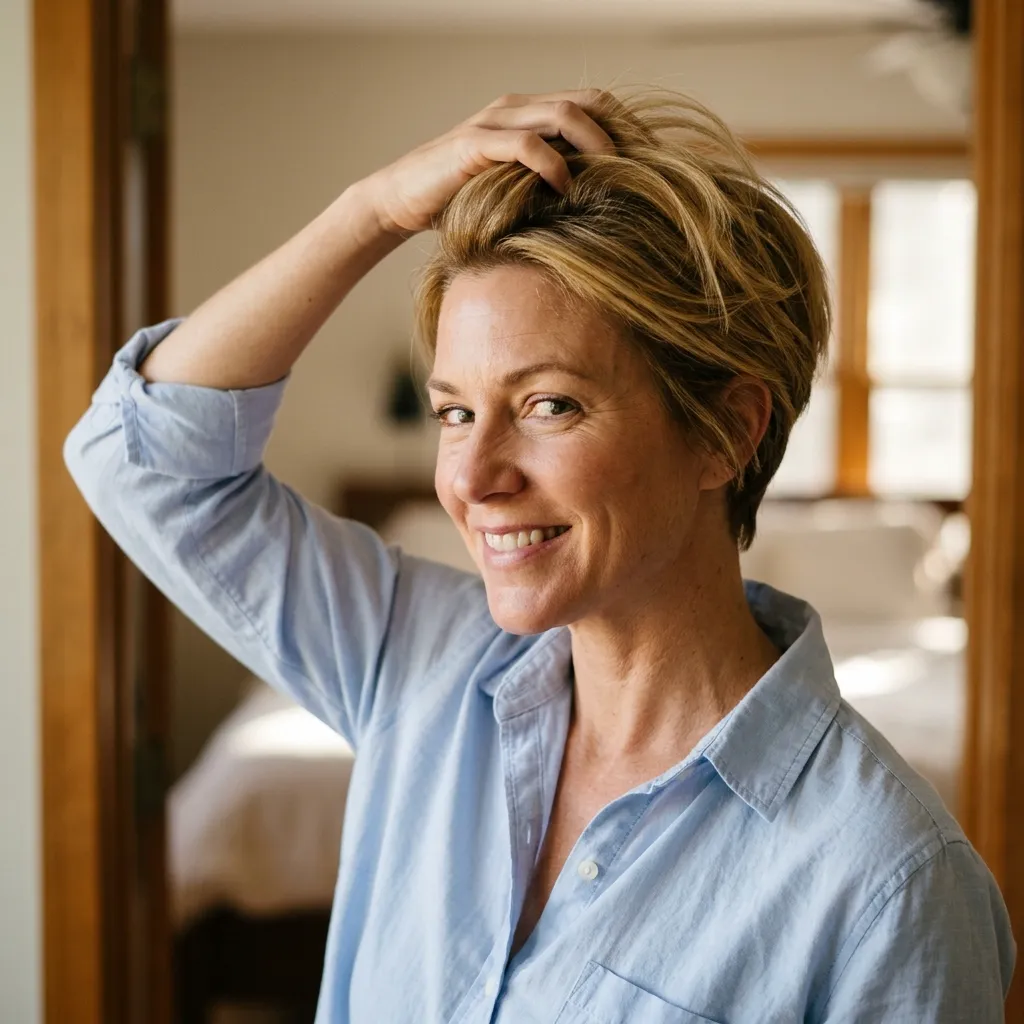
Volume at the crown lifts the shape and gives a long pixie a fuller, more youthful look. The layers at the top are cut to stand up slightly, creating a gentle dome. It’s helpful if your hair tends to lie flat against the scalp. The lift also balances the face and can make features appear more defined.
Apply root-lifting spray to damp hair and dry the roots upward with a round brush. A touch of backcombing at the crown adds height for special occasions. Avoid heavy products that weigh down the roots. If your hair is fine, ask your stylist to cut slightly shorter layers on top for built-in lift.
10. Tousled Long Pixie
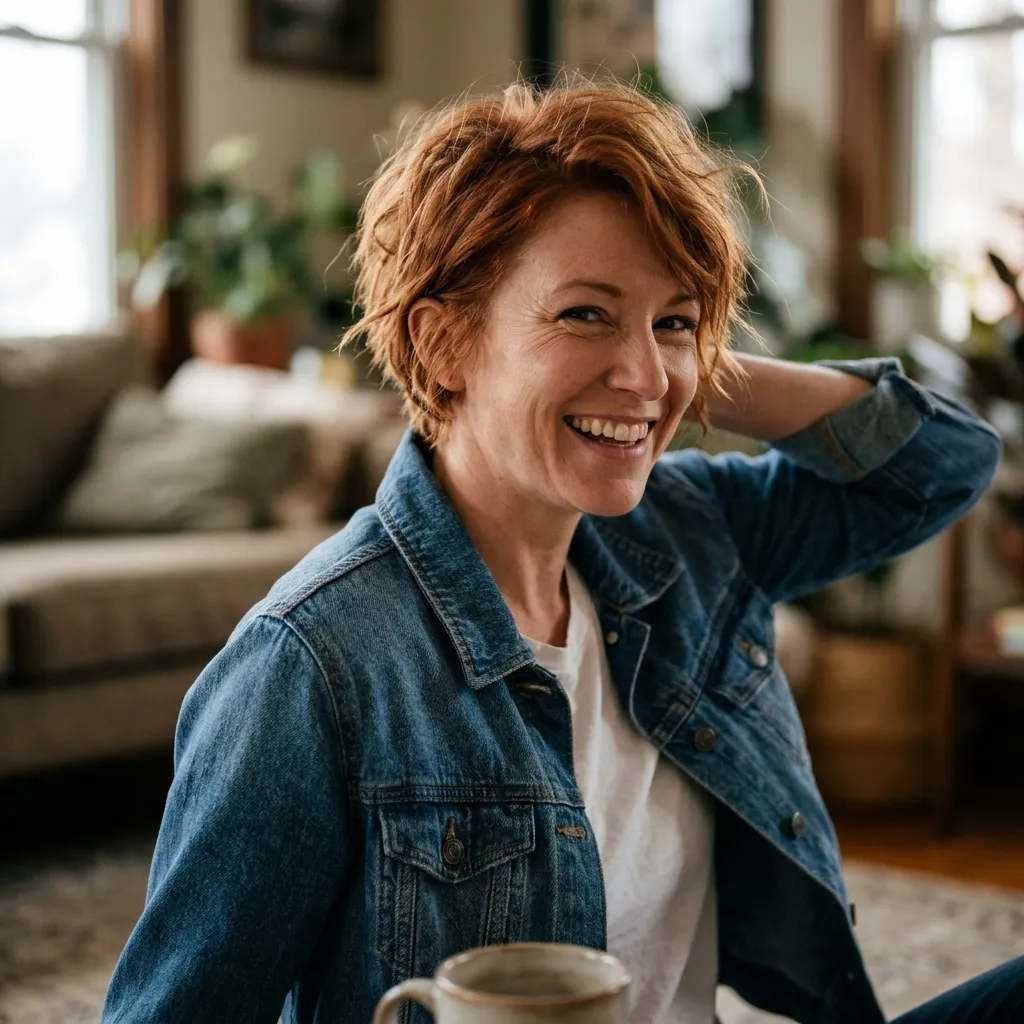
A tousled long pixie looks as if you’ve just stepped off a breezy walk. The layers are loose and slightly messy, which gives the cut a relaxed, lived-in energy. It’s great for people who want style without a rigid routine. It also hides the evidence of a rushed morning remarkably well.
A sea salt spray or light texturizing spray on damp hair gives you the right grip. Scrunch the hair, let it dry mostly on its own, and finish with a dab of paste to define the ends. Avoid over-brushing, which can flatten the texture. This cut is forgiving, so you can stretch the time between trims a bit.
11. Long Pixie with Sideburn Pieces
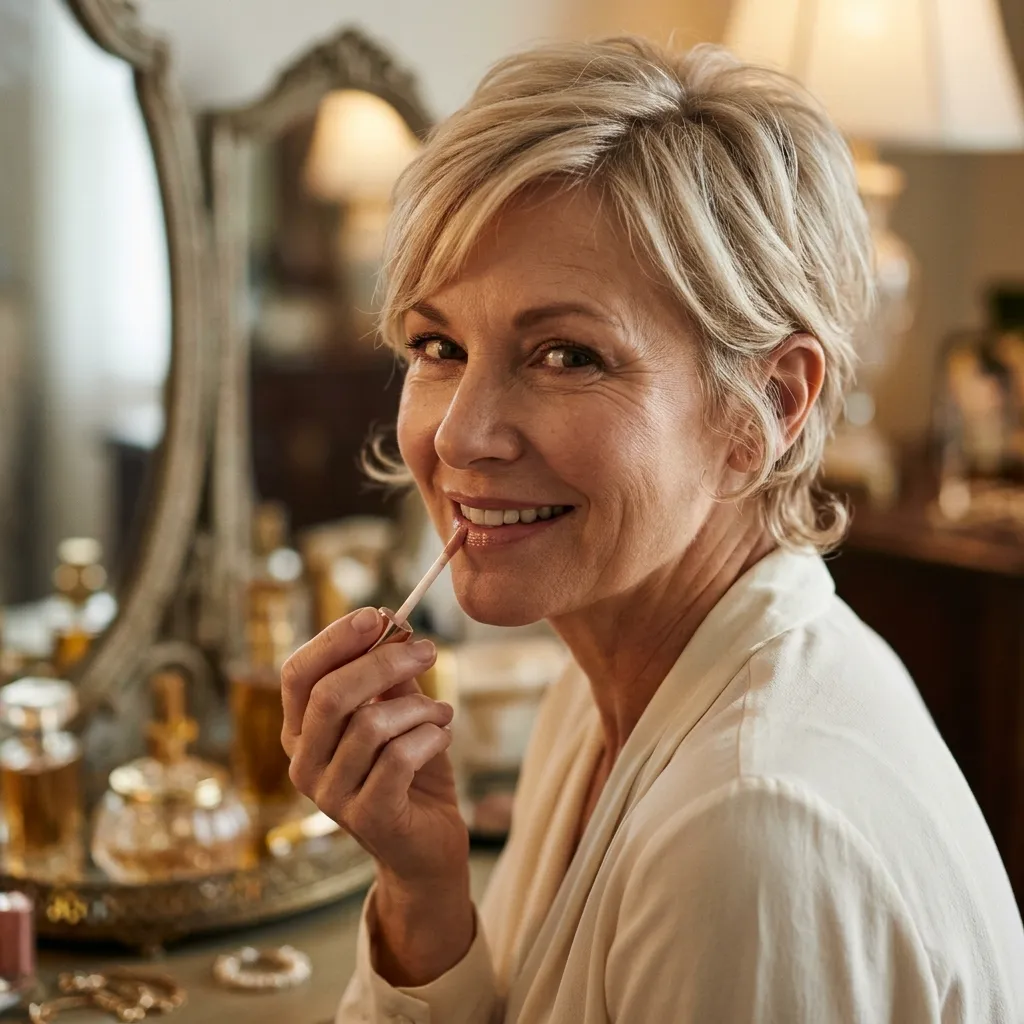
Sideburn pieces are small, soft sections left in front of the ears that frame the face. On a long pixie, they add a feminine detail and help soften the short sides. They can be left straight, curled slightly, or tucked behind the ear. It’s a small touch that makes the cut feel more finished and personal.
Ask your stylist to leave the pieces slightly longer than the surrounding hair and blend them into the sides. A bit of smoothing cream keeps them from frizzing. You can curl them with a small iron for a vintage feel. These pieces are especially flattering for rounder or square faces.
12. Shaggy Long Pixie
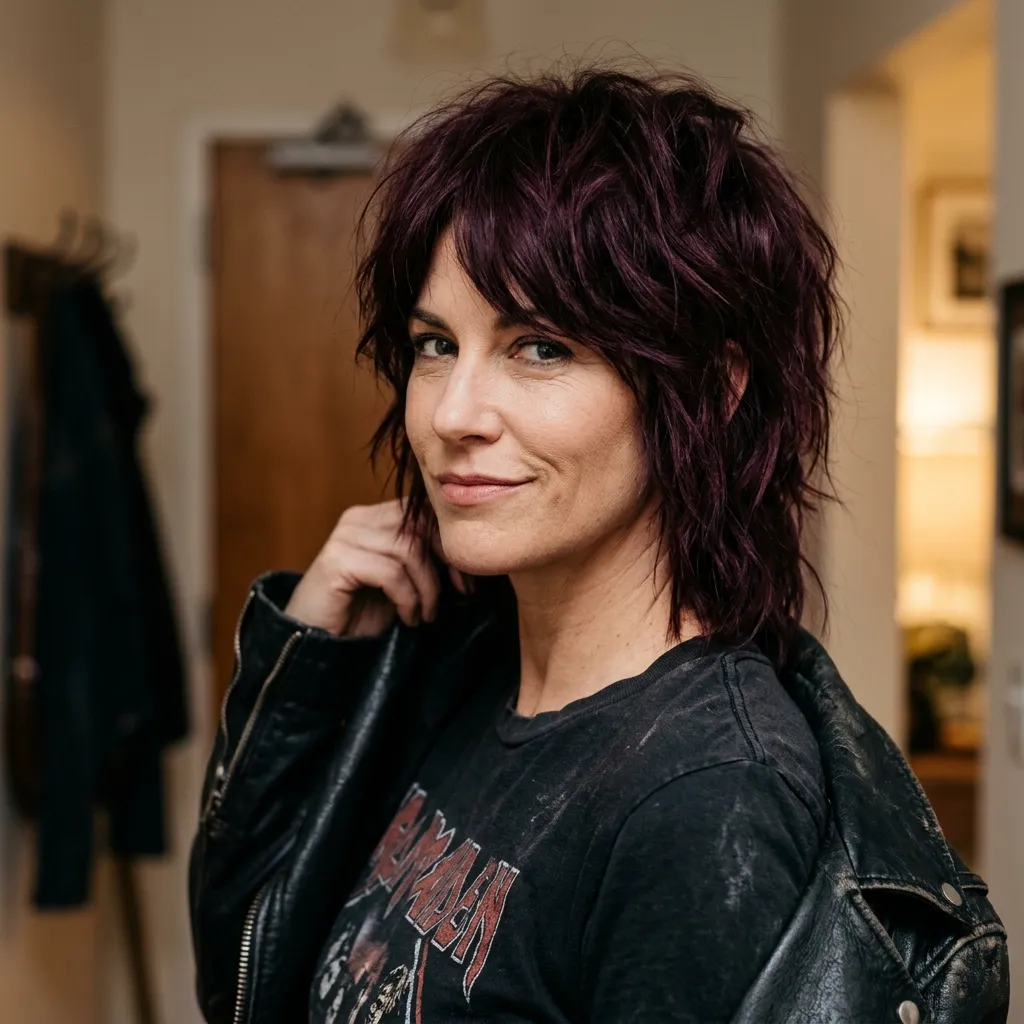
Shaggy layers give a long pixie a rock-and-roll edge. The cut is full of choppy, multi-directional layers that create lots of movement and volume. It’s great for anyone who likes a more carefree, undone vibe. The shaggy texture also gives fine hair the look of fullness.
Use a texturizing spray and your fingers to shape the layers, and let the hair air dry when you can. Avoid heavy gels that weigh down the texture. This cut works well with natural waves or slight curls. A trim every six weeks will keep the layers lively.
13. Long Pixie with Curtain Fringe
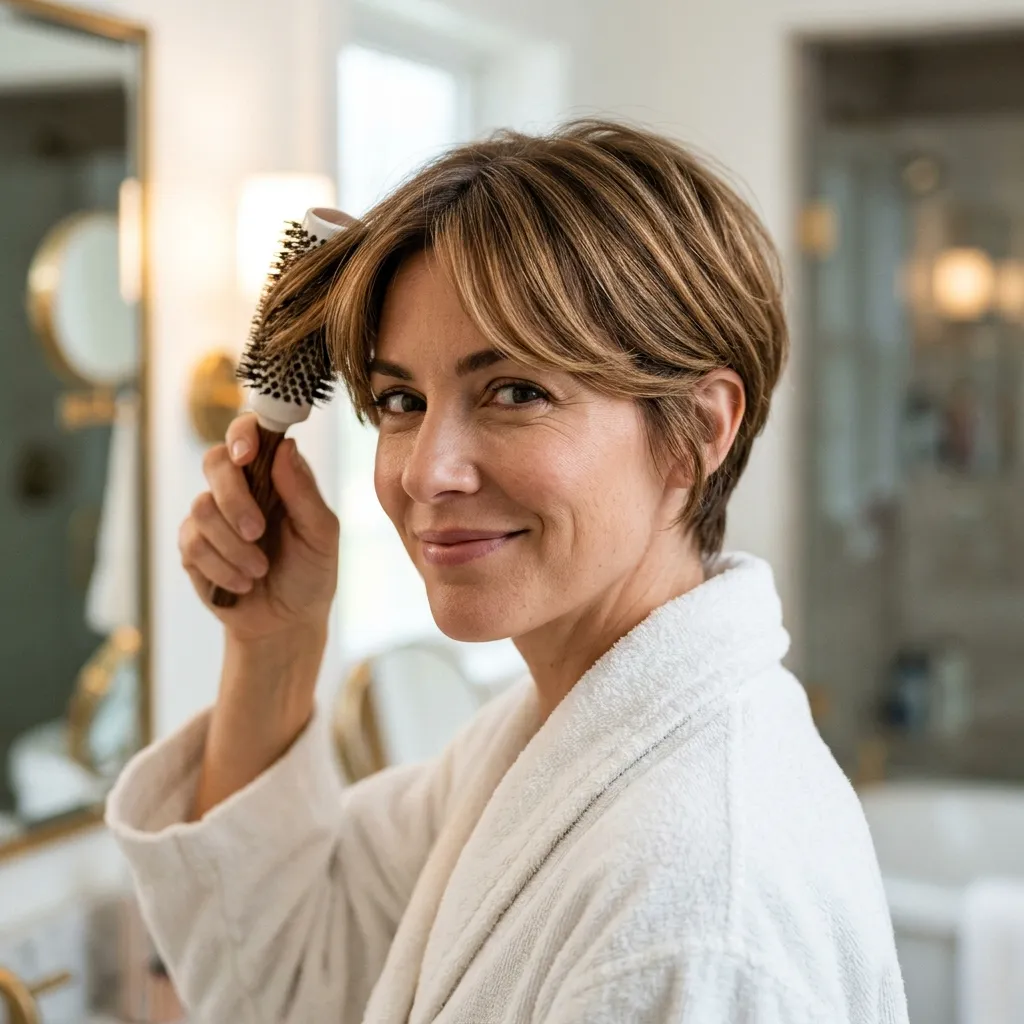
A curtain fringe parts in the middle and sweeps to each side, blending softly into the rest of your layers. On a long pixie, it opens up the face and adds a gentle, retro flavor. It’s easy to tuck behind the ears or let fall forward. It’s a nice option if you’re growing out bangs.
Curtain fringe looks best with a slight bend away from the center, which you can create with a round brush or a flat iron. A light-hold spray keeps it in place. Because it blends into the sides, it grows out gracefully. Ask your stylist to cut it a little long, since you can always shorten it later.
14. Long Pixie with Undercut
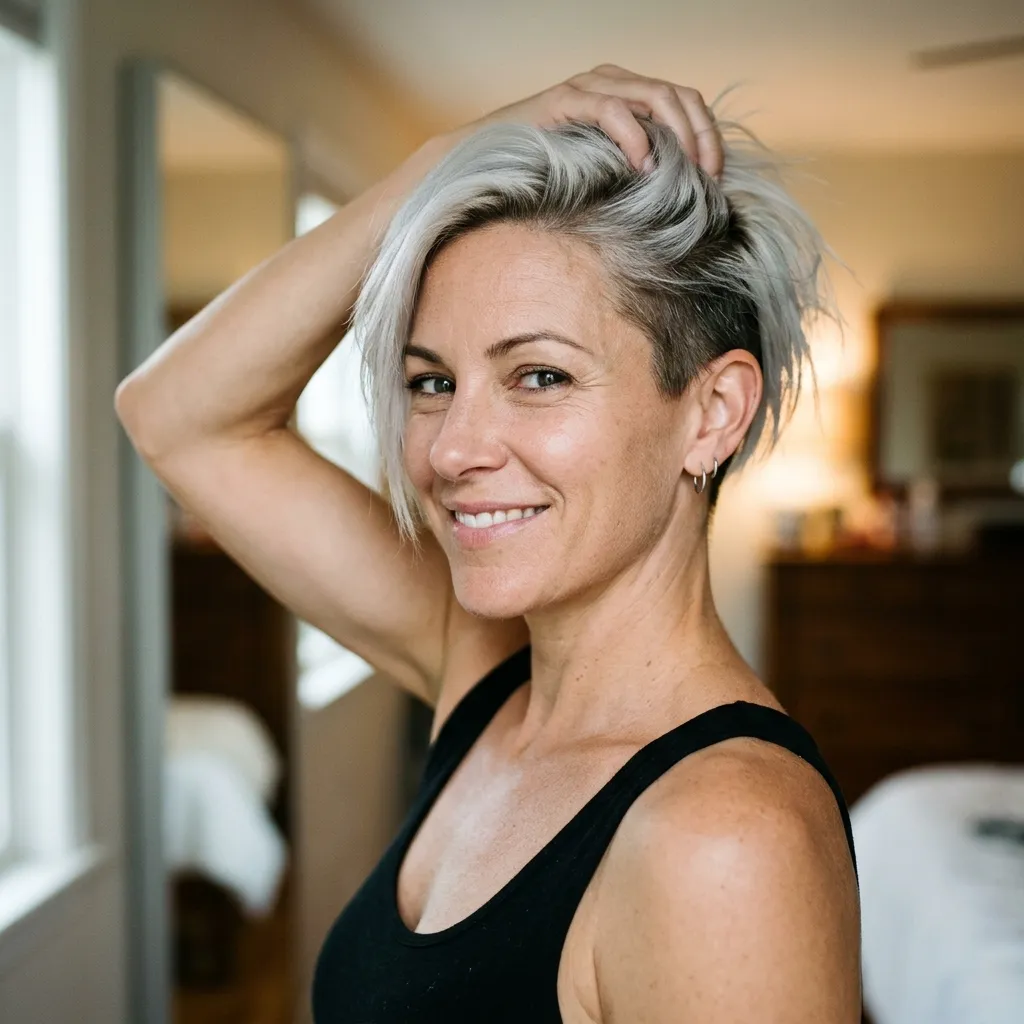
An undercut means the hair underneath, often at the nape or sides, is cut much shorter than the top. On a long pixie, it creates a striking contrast and removes bulk if your hair is thick. You can wear the top down to hide the undercut or tuck it back to show it off. It’s a clever way to add edge without a drastic change.
Decide with your stylist how short and how high the undercut should go. A subtle version at the nape is easier to live with than a dramatic one. Keep the cut maintained, since the short sections grow out quickly. Style the top with a bit of paste for definition.
15. Brushed Back Long Pixie

A brushed back long pixie sweeps the hair away from the face, revealing your forehead, eyes, and cheekbones. It’s a confident, elegant look that feels both classic and modern. The hair lies smooth with a little lift at the front. It’s a flattering option for oval and heart-shaped faces.
Use a small amount of pomade or cream and comb the hair back with your fingers or a wide comb. A bit of hairspray keeps it in place. If you have a widow’s peak or an uneven hairline, a stylist can cut the front to work with it. This style looks great with statement earrings.
16. Long Pixie with Face Framing Layers

Face framing layers are short pieces around the front that guide the eye toward your features. In a long pixie, they curve gently along the cheeks and jaw, softening angles. They also help blend the longer top into the shorter sides. It’s a subtle change that makes a big difference.
Ask your stylist to angle the layers toward the face so they flatter rather than hide your features. A quick curl or flip of the ends adds a lovely touch. If your hair is straight, a bit of texturizing spray can help those layers stand out. Keep up with trims so the layers don’t lose their shape.
17. Wavy Long Pixie
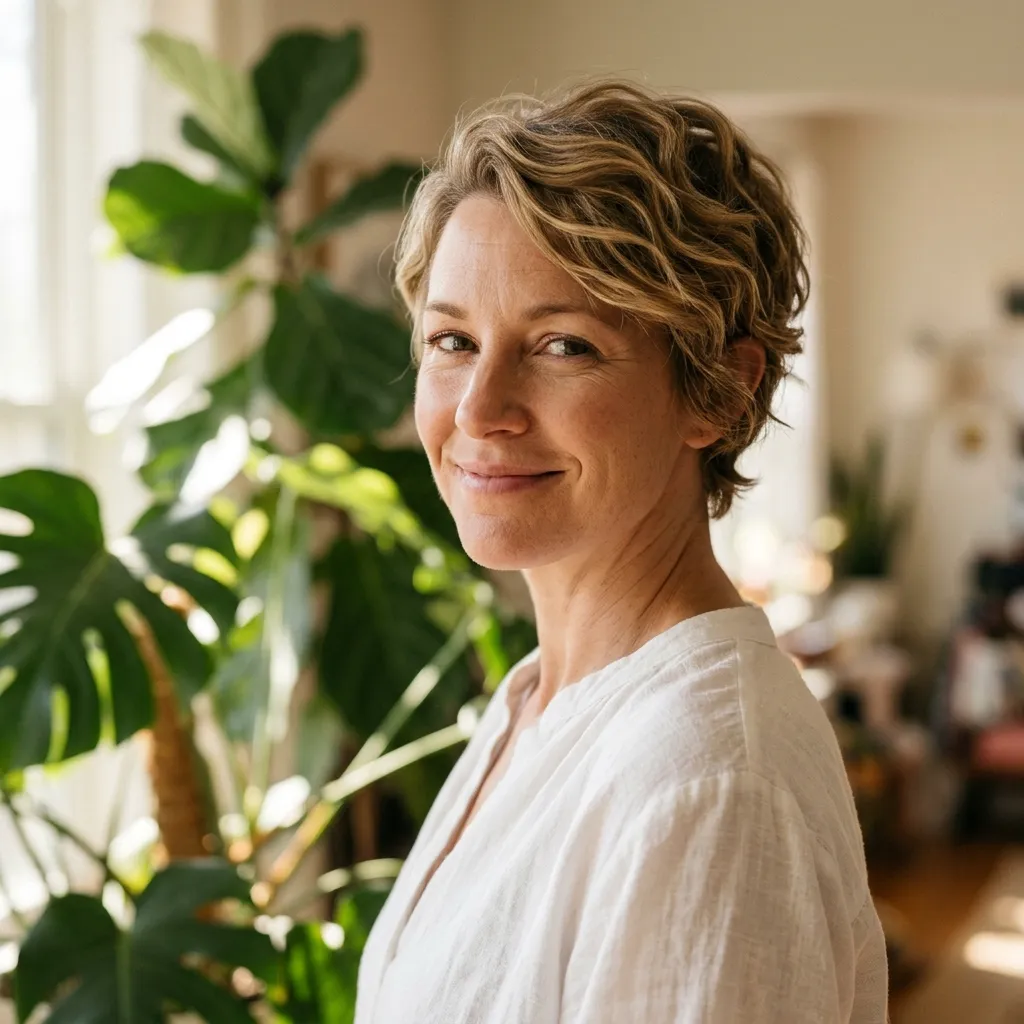
If your hair has natural waves, a long pixie can show them off beautifully. The extra length on top gives the waves room to move, while the short sides keep the shape neat. It looks soft and romantic, with an effortless, beachy air. It’s a nice choice if you want a cut that works with your texture.
Apply mousse or curl cream to damp hair and scrunch before air drying or diffusing. Avoid brushing once dry, since this can break up the waves and cause frizz. A weekly deep conditioning treatment helps keep the waves hydrated. Ask your stylist to cut the hair slightly longer than you want, as waves shrink when dry.
18. Long Pixie with Deep Side Part
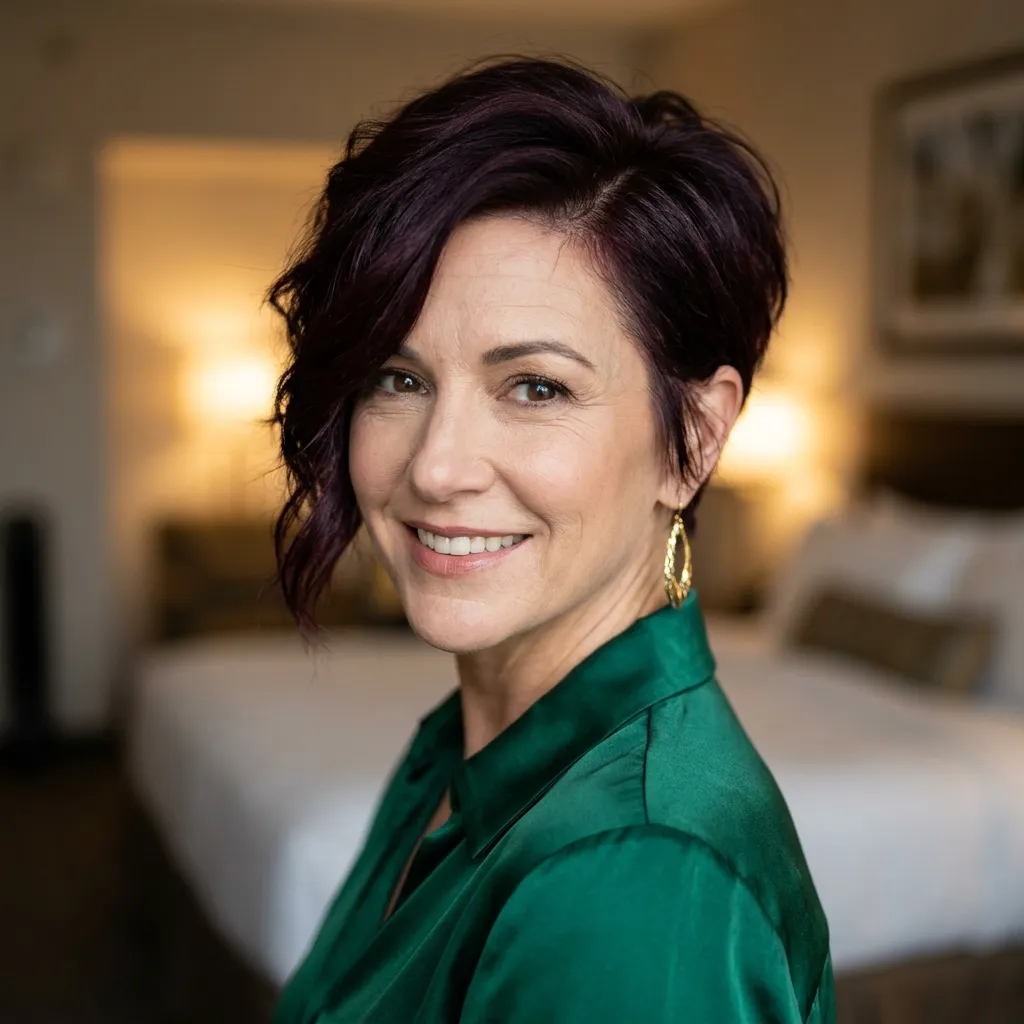
A deep side part creates a dramatic sweep of hair across one side of the head. On a long pixie, it adds volume and asymmetry that feels chic and bold. The part draws the eye diagonally, which can balance the face. It’s an easy way to give your cut a different personality.
Part your hair when it’s damp, using a fine-tooth comb to define the line. Blow dry the top with the part in mind, then finish with a light spray to hold. If your hair is thin at the part, a slightly less deep part will look fuller. You can flip the part for a fresh look whenever you like.
19. Layered Long Pixie for Thick Hair

Thick hair can feel heavy in a short cut, which is where layering comes in. Layers remove bulk, letting the hair move and sit closer to the head. A layered long pixie for thick hair looks lighter and more manageable. It also gives you more styling options, from sleek to tousled.
Ask your stylist to use thinning or texturizing techniques carefully, since too much can leave ends frizzy. A smoothing cream helps tame thick hair and keeps it from puffing. Air drying works well, but a blow dry gives you more control. Regular trims are especially helpful because thick hair loses its shape quickly.
20. Long Pixie for Fine Hair
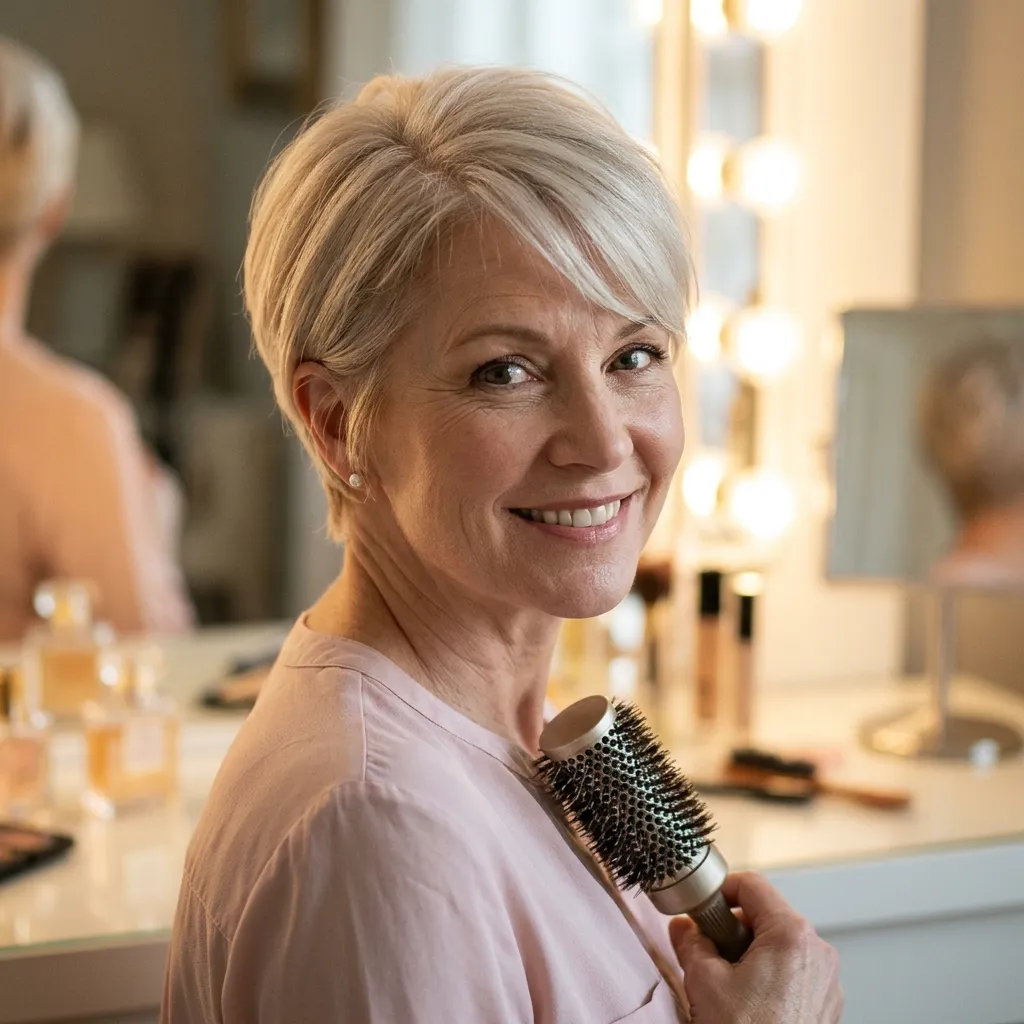
Fine hair and long pixie haircuts are a natural match, since the shorter length makes the hair look fuller. The longer top gives you enough to style, while the short sides keep things neat. Subtle layers add movement without sacrificing density. It’s a smart way to make thin hair look lively.
Avoid too many short, choppy layers, which can make fine hair look sparse. A volumizing mousse and a blow dry with a round brush give lift at the roots. Light products work best, as heavy creams can weigh fine hair down. Keep up with trims every five to six weeks for a crisp shape.
21. Curly Long Pixie
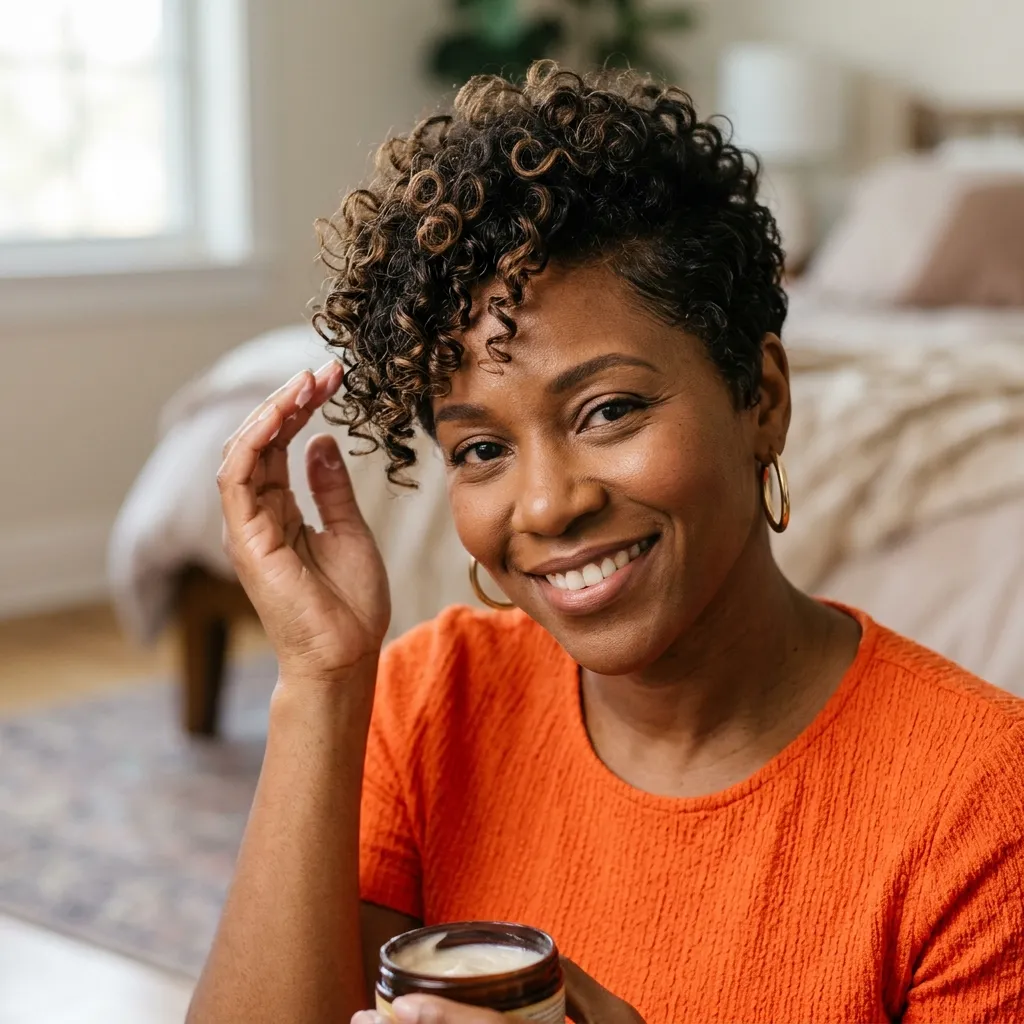
A curly long pixie is a joyful celebration of natural texture. The curls add volume and bounce on top, while the short sides keep the shape tidy. It requires very little styling, since the curls do most of the work. It’s also a wonderful way to avoid the heaviness of longer curly hair.
Find a stylist who understands curly hair, ideally someone who cuts curls dry to see how each one behaves. Use a leave-in conditioner and curl cream on damp hair, then scrunch and air dry or diffuse. Sleeping on a satin pillowcase helps reduce frizz. A trim every eight weeks keeps the shape balanced.
22. Long Pixie with Rounded Shape

A rounded long pixie has a soft, circular outline rather than sharp angles. The hair is gently layered so the shape feels full and smooth from every angle. It’s friendly, approachable, and flattering for angular or square faces. It’s also a very photogenic cut.
Ask your stylist to build the rounded shape with fine layering, keeping the top slightly longer than the sides. A round brush and a blow dryer help create the curve. This cut is lovely on fine hair, since the round shape gives the appearance of density. Trim every five to six weeks to keep the circle neat.
Long Pixie Haircuts FAQs
What is a long pixie haircut?
A long pixie is a pixie cut with extra length on top and sometimes at the front. The back and sides stay short, but the top is long enough to part, sweep, or style in several ways. It’s often described as a bridge between a classic pixie and a bob. That extra length makes it more flexible than a very short crop.
What face shapes suit long pixie haircuts?
Long pixies flatter many face shapes, since the length and layers can be adjusted. Round faces often look good with height at the crown and side-swept fringe. Square faces tend to love soft, rounded layers, while heart-shaped faces often suit side-swept fringe and face framing pieces. Treat these as guidelines, since your hair texture and features also matter.
How do I style a long pixie in the morning?
Most days, a small amount of product and a quick blow dry are enough. Use mousse or root spray for lift, then a bit of paste or cream to define the ends. Smoother looks need a flat iron, while textured looks just need a ruffle of your fingers. Once you know your hair’s habits, the routine takes only a few minutes.
How often should I trim a long pixie?
Most long pixies look best with a trim every five to eight weeks. Tapered napes, undercuts, and bangs may need a visit every four to six weeks. Softer, blended styles can stretch a bit longer. Your stylist can recommend a schedule that suits your cut and how fast your hair grows.
Is a long pixie easier to grow out than a short pixie?
Generally, yes. The extra length gives you a head start, and the layers can be reshaped into a bob or shaggy cut as you go. Regular trims at the nape and around the ears help keep things tidy during the in-between stage. A stylist can map out a plan so you’re never stuck with an awkward phase.
Can I get a long pixie with thick or curly hair?
Absolutely. Thick hair benefits from layers that remove bulk, and curly hair looks wonderful in a long pixie shaped to its natural pattern. Choose a stylist who has experience with your hair type. They can adapt the cut so it looks balanced and easy to manage.
Conclusion
Long pixie haircuts give you the best of both worlds: the freshness of a short cut and enough length to keep your styling options open. Whether you lean toward a soft layered look, a tousled shag, or a sleek, brushed-back finish, there’s a version that fits your hair texture and your lifestyle. The 22 ideas above show how much variety is hiding in a single haircut.
Your next step is simple. Pick two or three styles that appeal to you, save a few photos, and book a consultation with a stylist you trust. Talk through your hair type, daily routine, and how short you’re comfortable going. Then enjoy a cut that looks great on a busy morning and a special night out alike.