Somewhere around sixty, many women notice their hair doing things it never used to. It may be thinner at the crown, drier at the ends, or slower to bounce back after a wash, and a style that worked for decades suddenly looks tired. A short cut can be the answer, but only if it is shaped for the hair you have now. That is what makes short hairstyles for women over 60 worth a close look, because a well-chosen cut can add lift, reduce daily fuss, and feel like a fresh start rather than a surrender.
Short hair has a reputation for being either too severe or too youthful, and neither is true. The right length and shape can soften the jaw, draw attention to the eyes, and make the most of a natural wave or curl. A pixie that is cut with some softness at the nape, or a bob that falls just below the chin, can look polished without trying too hard. What matters most is how the cut sits on your head, how your hair grows, and how much time you want to spend in front of the mirror.
In the sections below you will find 22 ideas, from soft pixies and crisp crops to textured bobs and wispy layers. Each one includes a short description, a note on who it tends to suit, and what to expect for styling and upkeep. We also answer the questions readers ask most often, such as how often to trim, which products help, and how to make short hair look fuller. Read through, pick two or three that catch your eye, and bring photos to your next appointment.
1. Soft Feathered Pixie

A soft feathered pixie is one of the most forgiving short cuts you can wear after sixty. The sides and back stay close and neat, while the top is cut in light, feathery layers that lift away from the scalp. Think of it like a well-made sweater: structured enough to look sharp, but with enough give to move comfortably through the day.
This cut suits fine or thinning hair especially well, because the feathered layers create the look of fullness without adding bulk. Styling takes only a few minutes with a blow-dryer and round brush, then a light touch of cream to separate the pieces. Plan on a trim every five to seven weeks to keep the feathers from drifting flat.
2. Classic Tapered Crop

The classic tapered crop is short and clean, with the sides graduated gently into the nape and a slightly longer top. It has a timeless quality that works in an office, at a family dinner, or on a walk through the neighborhood. Many women choose it because it looks intentional even on days when they haven’t styled it at all.
Because the taper shows regrowth quickly at the neckline, expect a trim every four to six weeks to keep the shape crisp. Ask your stylist to leave a little more length on top so you have enough hair to add a bit of lift. A light pomade or styling cream is usually all you need to finish.
3. Textured Short Bob

A textured short bob sits at the jaw or just above it, with pieces cut through the ends to remove any heaviness. The result is a shape that looks full at the sides and moves gently when you turn your head. It’s a good choice for women who want the simplicity of a bob without the blunt, helmet-like finish.
Texture works best on hair with some natural body, since the cut relies on movement to look its best. Apply a lightweight sea-salt spray to damp hair, then scrunch and let it air dry or blow-dry with your fingers. Trims every six to eight weeks keep the outline sharp and the texture lively.
4. Chin-Length Bob with Side Part

The chin-length bob is a classic that has never really gone out of style. A side part creates a clear line that lets the longer side fall softly against the face, while the shorter side gives the top some height. It’s an easy, dependable look for women who like structure without fuss.
Ask your stylist to find your natural part first, since forcing a part against your hair’s direction can make it look unnatural. A quick blow-dry with the hair brushed toward the part will hold it in place for the day. Expect trims every six to eight weeks to keep the bob from growing out of shape.
5. Short Layered Cut with Face-Framing Pieces
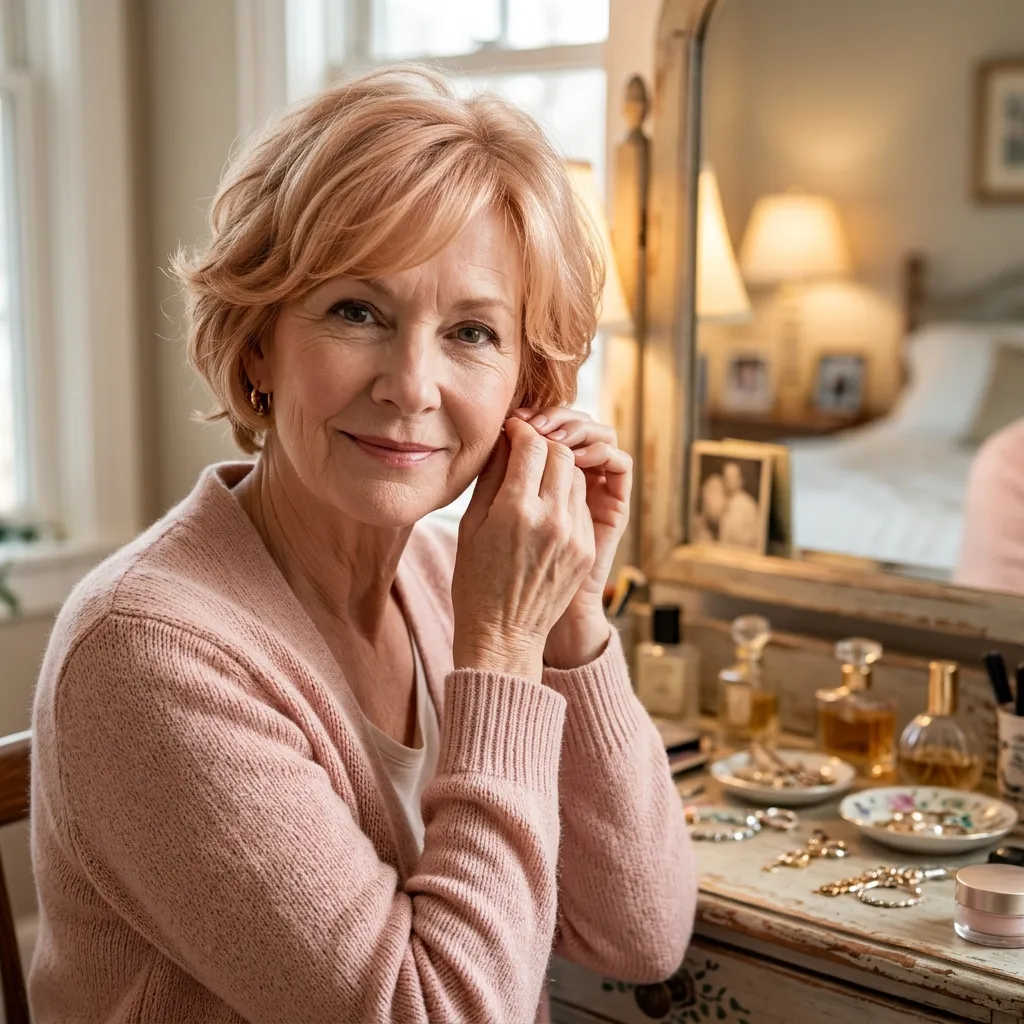
This cut uses short layers that start near the cheekbones and grow slightly longer toward the back. The face-framing pieces brighten the eyes and soften the jawline, which many women find especially flattering as their features settle over time. It has a little movement without looking busy.
The framing pieces should sit at a length that suits your face, so ask your stylist to try a couple of options before cutting. A round brush used on the ends of the front layers gives them a gentle curve. Trims every five to seven weeks keep the framing pieces from getting heavy.
6. Pixie with Side-Swept Bangs
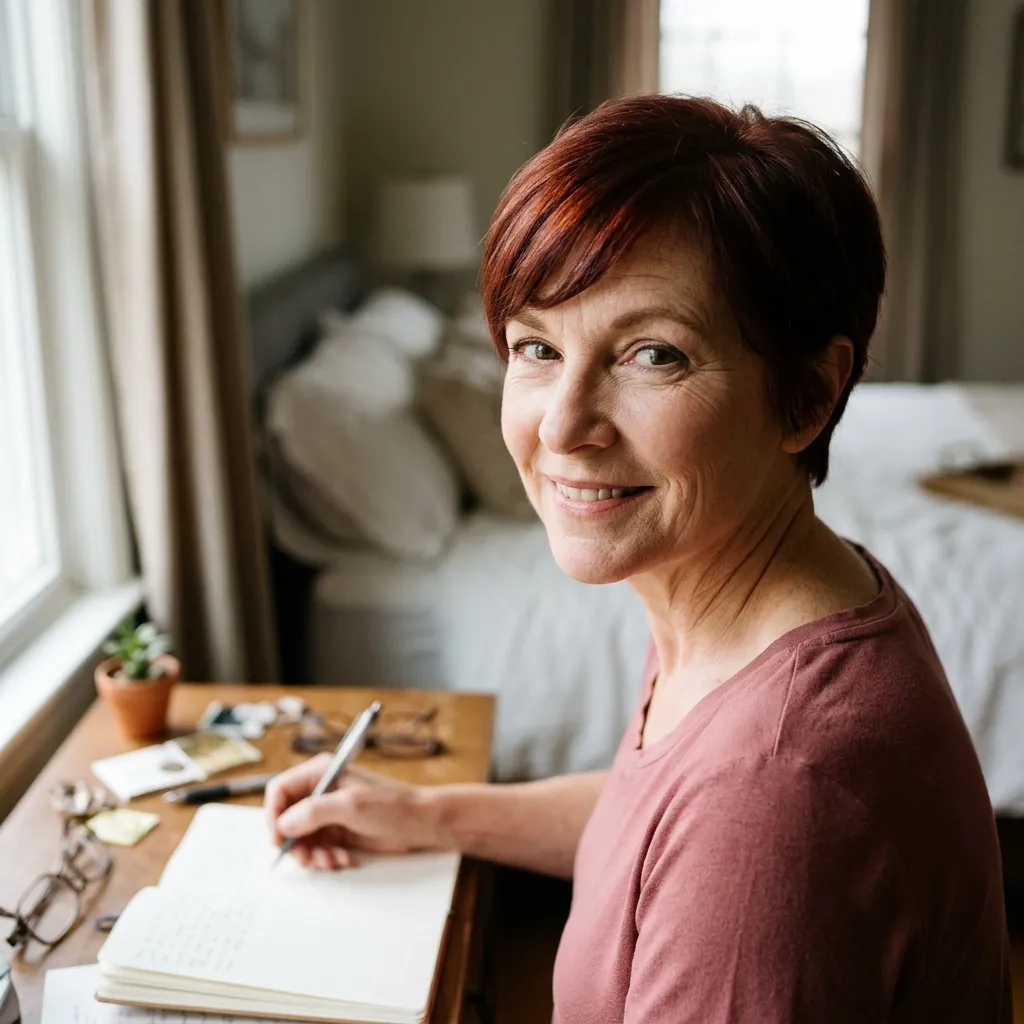
Side-swept bangs soften the forehead and draw attention to the eyes without creating a heavy fringe. Paired with a short pixie, they add a flirty touch that feels current while still easy to live with. The bangs can be swept to either side depending on your mood.
Keep the fringe at a length that sits just above or along the brows, since longer pieces can get in the way. A light paste on the fringe and a sweep with your fingers will keep it in place. Trims every five to seven weeks help the bangs stay soft.
7. Wispy Short Shag
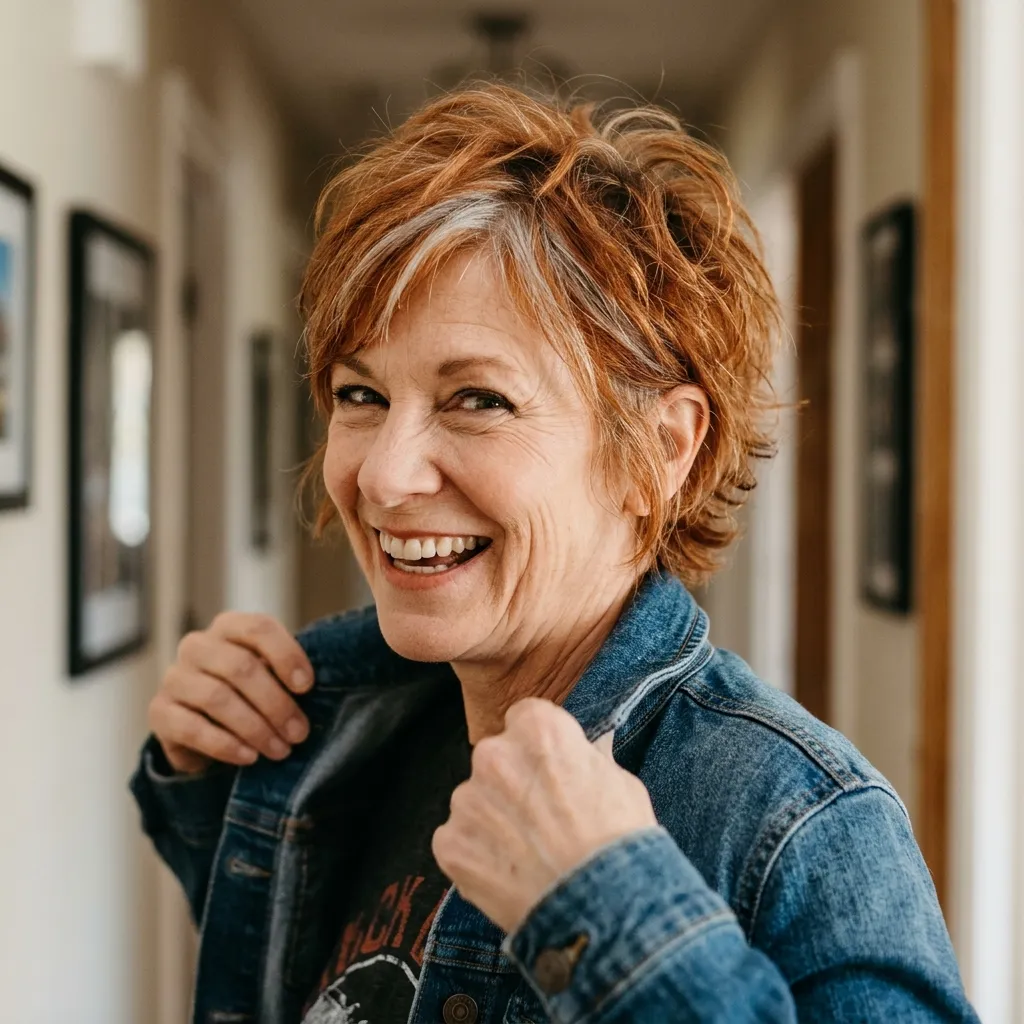
A wispy short shag is layered heavily through the top and crown, with pieces that fall in soft, uneven strands. The look is relaxed and a little tousled, and it works well for women who like a bit of playfulness in their style. It’s a forgiving cut that tolerates a day or two without styling.
Shag suits both straight and wavy hair, though the layers look best with some natural texture. Apply sea-salt spray to damp hair, then add a little cream for definition if you want the pieces to hold. Expect a trim every six to eight weeks to keep the shag from losing its shape.
8. Short Curly Crop

A short curly crop keeps the sides close and lets the curls on top bounce and spring. The shape is compact and easy to manage, and the curls add softness that many women miss as their hair changes texture. It’s a lively option for anyone who loves their natural curl pattern.
Curly hair needs moisture, so use a leave-in cream and avoid heavy brushing when it’s dry. Ask your stylist to cut the curls dry if possible, since curl patterns can shift when wet. Trims every six to eight weeks help the crop keep its bounce.
9. Tousled Pixie with Volume at the Crown
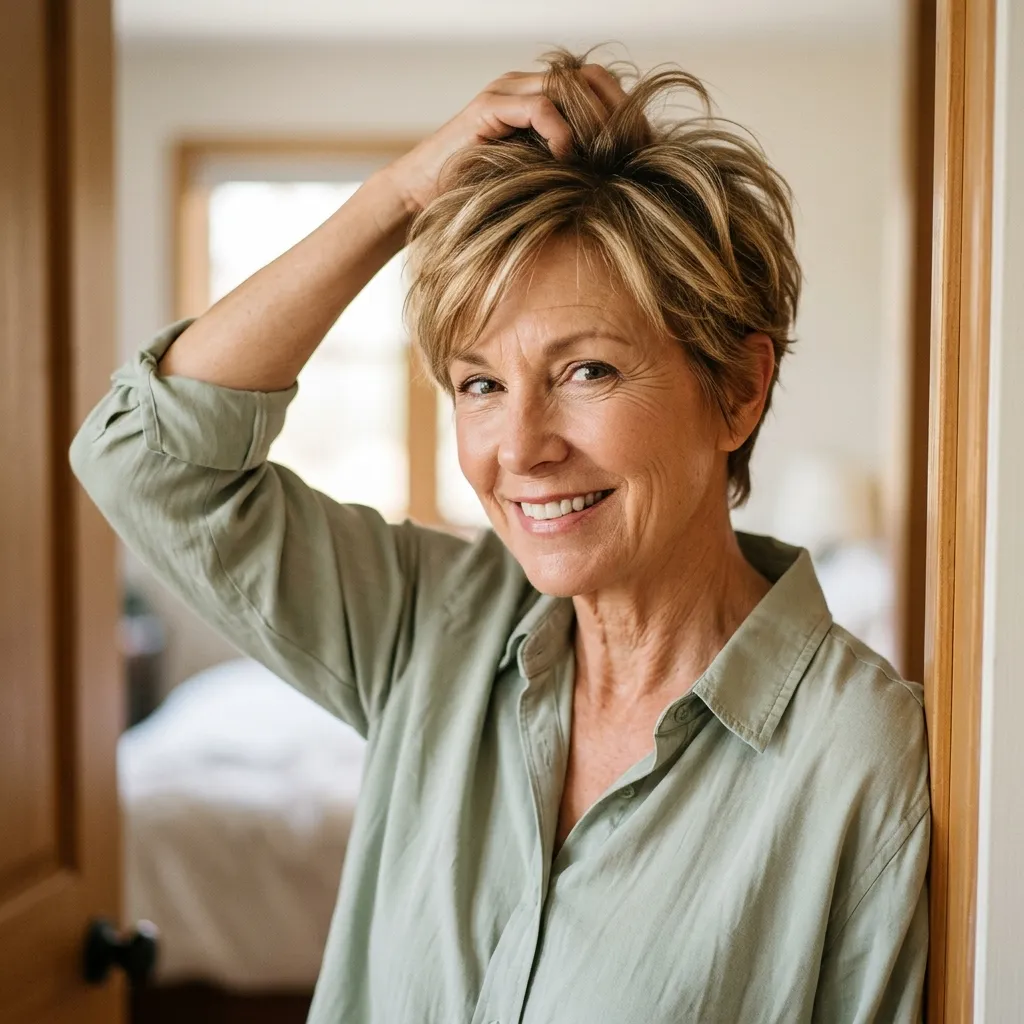
This pixie focuses lift at the crown, with longer pieces on top that stand up softly and fall naturally at the front. The volume at the crown can make thinning areas look fuller, while the short sides keep the cut neat. It’s a good match for women who want their hair to look full without a lot of products.
Ask your stylist to keep the crown layers slightly longer than the sides, since that length creates the lift. A quick blow-dry while bending forward helps the roots stand up. Trims every five to seven weeks maintain the balance between volume and neatness.
10. Salt-and-Pepper Pixie
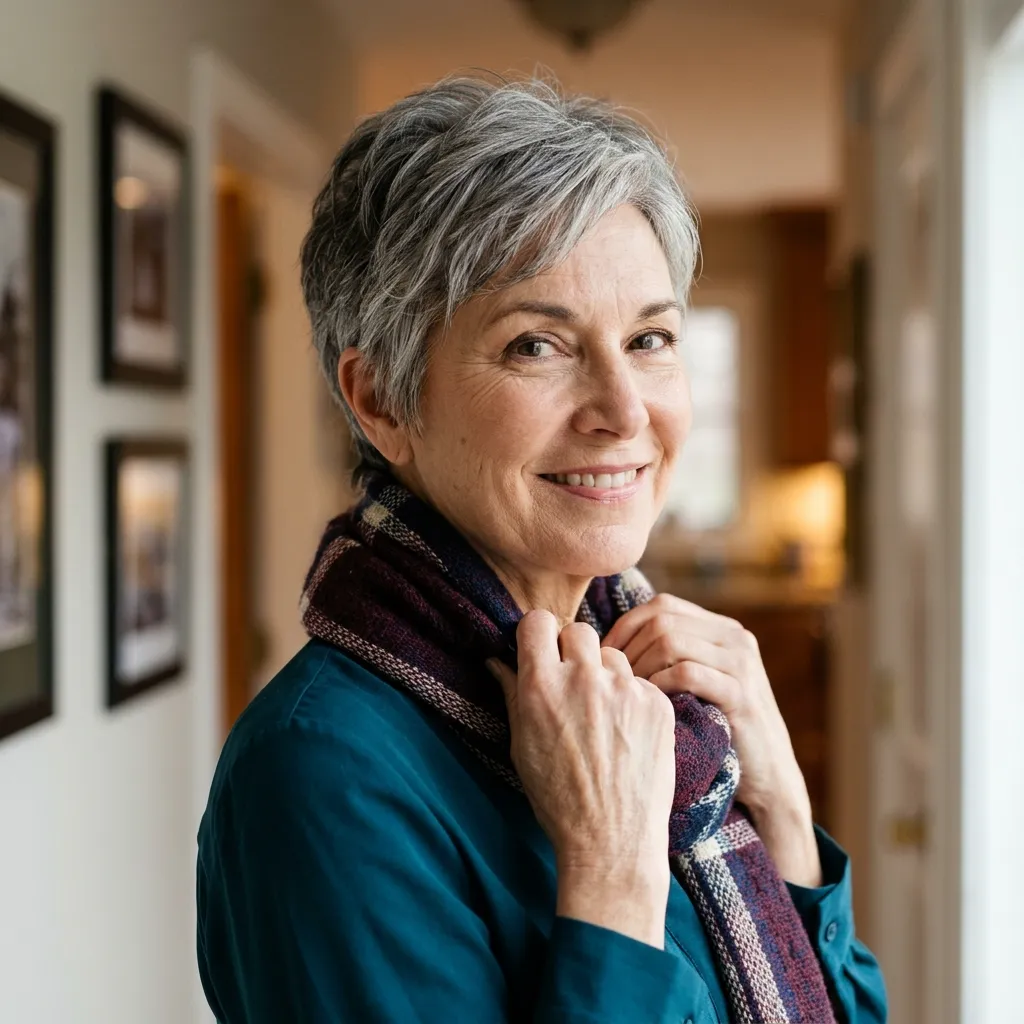
A salt-and-pepper pixie shows off gray hair in a way that looks deliberate and modern. The mix of silver and darker strands creates dimension, and the short shape keeps the color front and center. Many women find this style helps them feel comfortable with their natural shade.
Gray hair can feel drier or coarser than before, so keep a gentle conditioner in your routine and avoid heavy products that can dull its shine. A toning shampoo used once a week can help prevent a yellow cast. Ask your stylist to shape the cut around your natural growth pattern, since gray often lies differently.
11. Short Asymmetrical Bob

An asymmetrical bob uses uneven lengths so one side falls slightly longer than the other. The shape looks dynamic from every angle and adds interest without any dramatic color or cut. It’s a good choice for women who enjoy a little surprise in their style.
Ask your stylist to walk you through how the cut looks from the front, back, and both sides before finishing. Keep a small amount of cream on hand to shape the longer side each morning. Trims every six to eight weeks keep the angles balanced.
12. Gamine Cut with Soft Fringe

A gamine cut is short, cropped at the nape, and softly textured on top, with a light fringe that frames the forehead. The style is playful and youthful in spirit, though it works at any age when cut to suit your features. The soft fringe keeps the look from feeling too severe.
The fringe can be trimmed slightly longer at first and adjusted later, since it’s easier to shorten than to grow out. A little pomade on the fringe helps it sit in place. Plan on trims every four to six weeks to keep the cut crisp.
13. Short Wedge Haircut
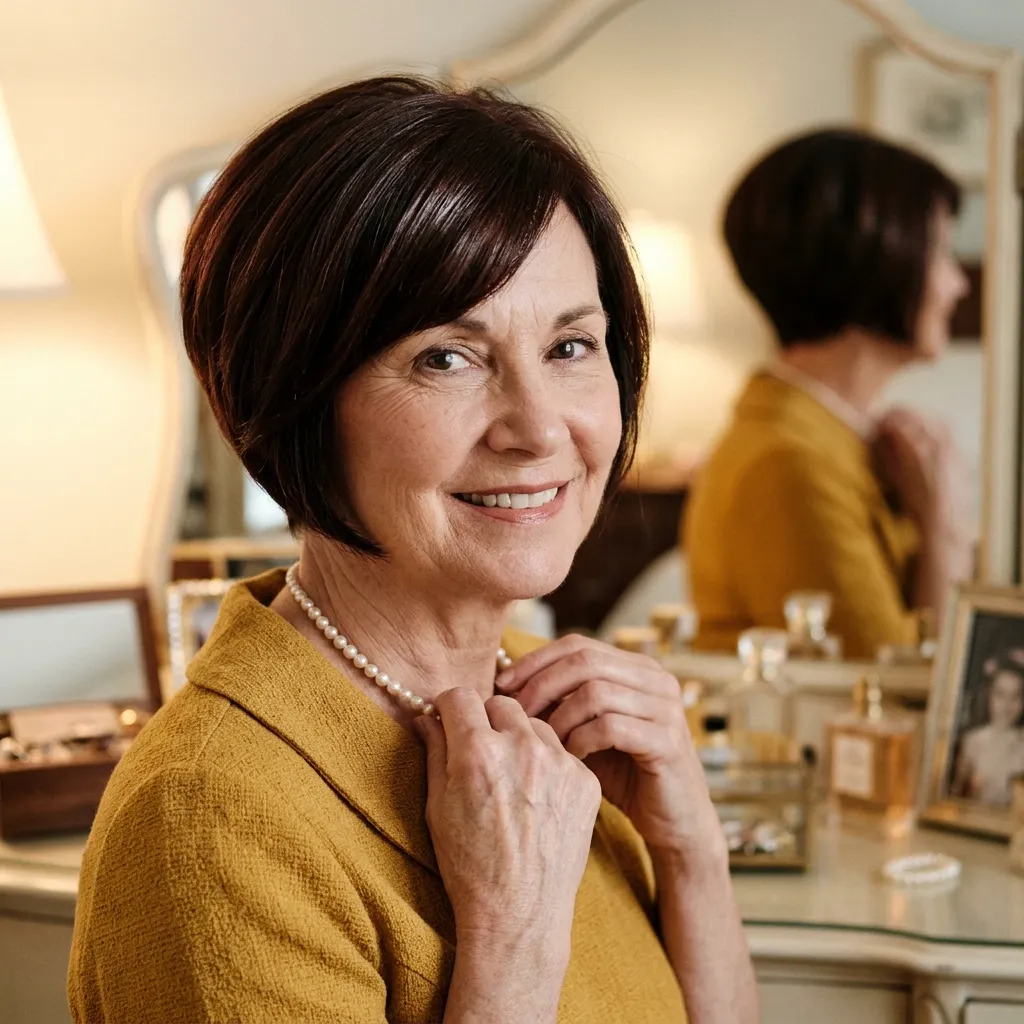
A wedge haircut is shorter at the back and gradually longer toward the front, forming a shape that looks like a triangle when viewed from the side. The layers around the face add softness, while the back stays neat and clean. It’s a classic option that flatters many face shapes.
Ask your stylist to keep the front layers soft so they don’t look too sharp against the jaw. Blow-dry the front pieces forward with a round brush for a smooth finish. Expect trims every five to seven weeks to keep the wedge balanced.
14. Buzzed Nape Pixie
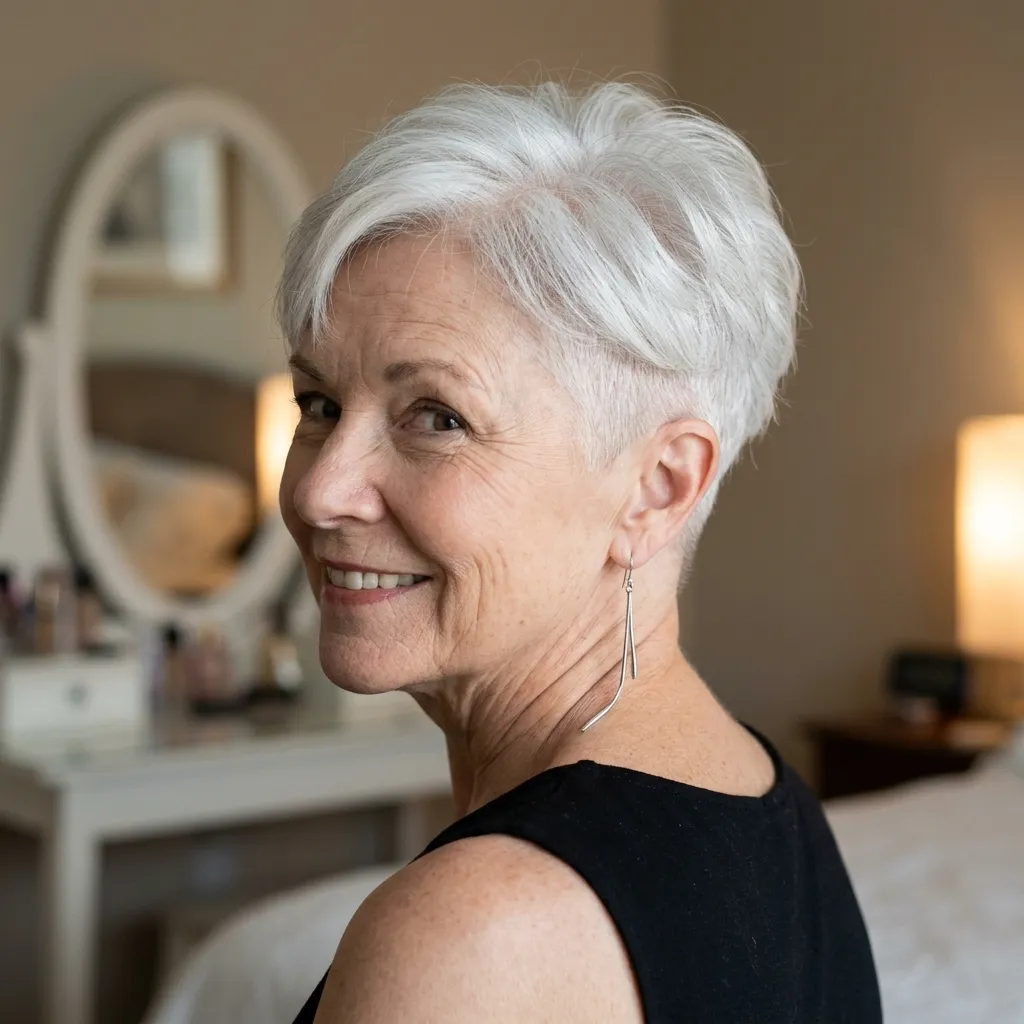
A buzzed nape keeps the back of the head very short and clean, while the sides and top stay soft and slightly longer. The contrast is subtle but noticeable, and it adds a modern touch to a traditional pixie. Many women like this look because it shows a bit of personality without a dramatic change.
Because the nape is exposed, the line needs regular touch-ups every three to five weeks. Start with a longer guard setting if you are new to the look, and go shorter once you feel comfortable. Keep the top soft so the transition looks natural.
15. Short Layered Bob with Volume

A short layered bob uses layers through the mid-lengths to build volume without making the shape bulky. The result sits near the chin and looks full around the face and crown. It’s a good match for women who want a bob that feels lighter and easier to style.
Layers should be cut so the ends look full rather than wispy, since thin ends can make fine hair look sparse. A volumizing mousse at the roots and a round brush will help the layers lift. Trims every six to eight weeks keep the shape balanced.
16. Pixie with Long Top
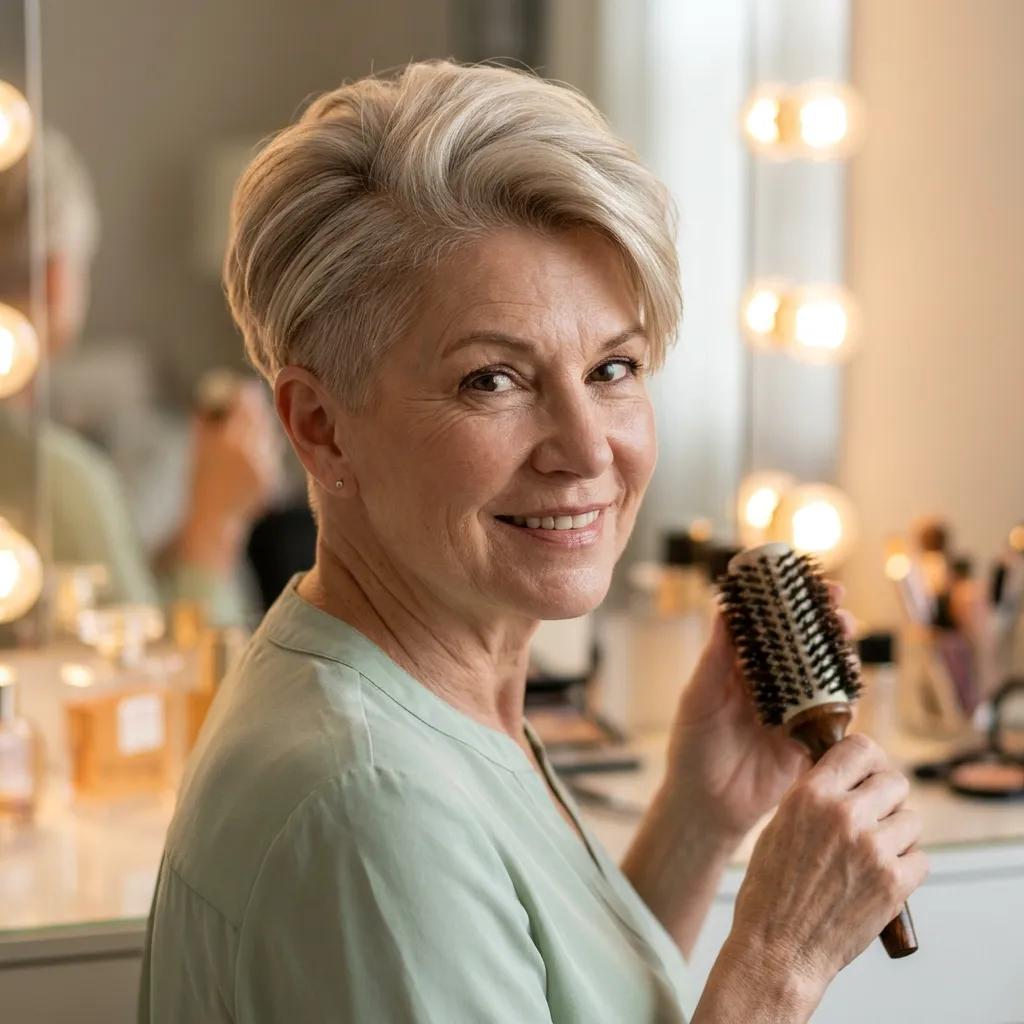
This version keeps the back and sides short and lets the top grow longer, creating a contrast that looks intentional. The longer top can be swept to one side, brushed back, or tousled, which gives you flexibility from day to day. It’s a versatile choice for women who want options.
Longer tops need a little extra attention to avoid flopping, so expect a few extra minutes with a blow-dryer. A light hold product helps keep the top in place without stiffness. Ask your stylist to check how the top falls when you turn your head before finishing.
17. Short Choppy Bob
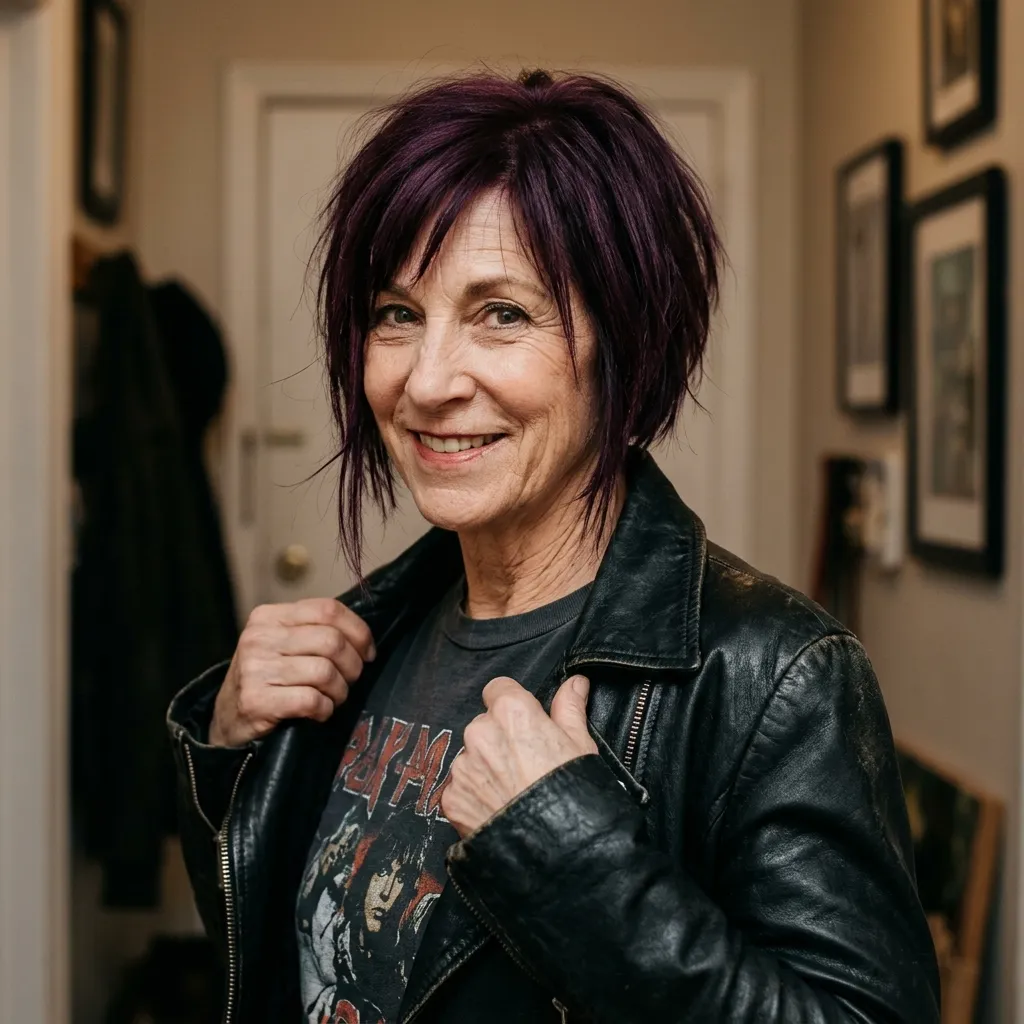
A choppy bob uses uneven pieces through the length, creating a lively, slightly tousled shape. The texture reads as relaxed and modern, and it can look effortless even on a rushed morning. It’s a good fit for women with busy schedules who want a cut that forgives a bit of imperfection.
Describe clearly how much movement you want, since choppiness can look messy if it isn’t planned. Ask for longer pieces around the face to frame your features. A small amount of matte paste through the ends is usually enough for daily wear.
18. Silver Sheen Short Cut
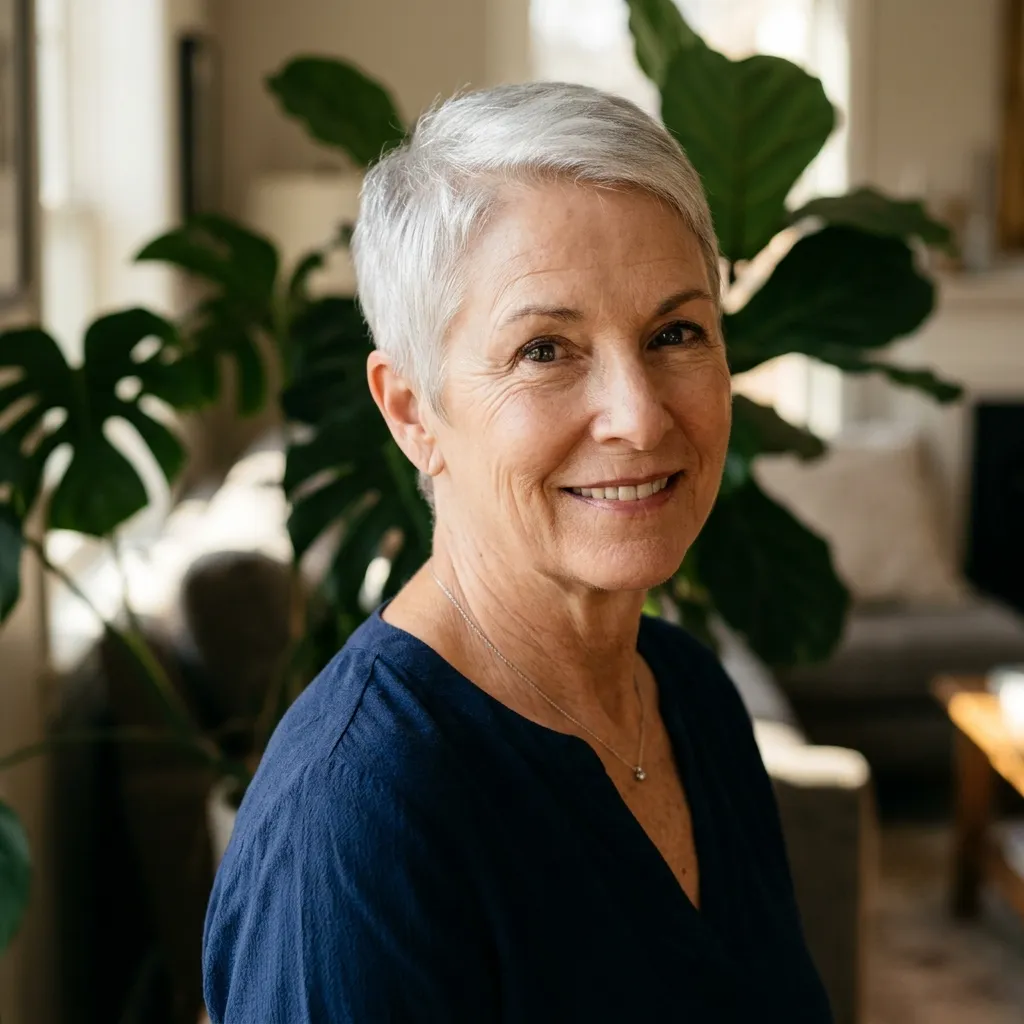
A silver sheen cut is a short style designed to showcase the shine that gray and white hair can have when it’s healthy. The shape is smooth and close to the head, which lets the light reflect across the surface. It’s an elegant option for women who love their silver tones.
Keep the hair moisturized with a lightweight conditioner, and use a purple toning shampoo occasionally to brighten the silver. Ask your stylist to keep the cut smooth and even so the shine has room to show. Trims every five to seven weeks keep the shape neat.
19. Short Feathered Layers
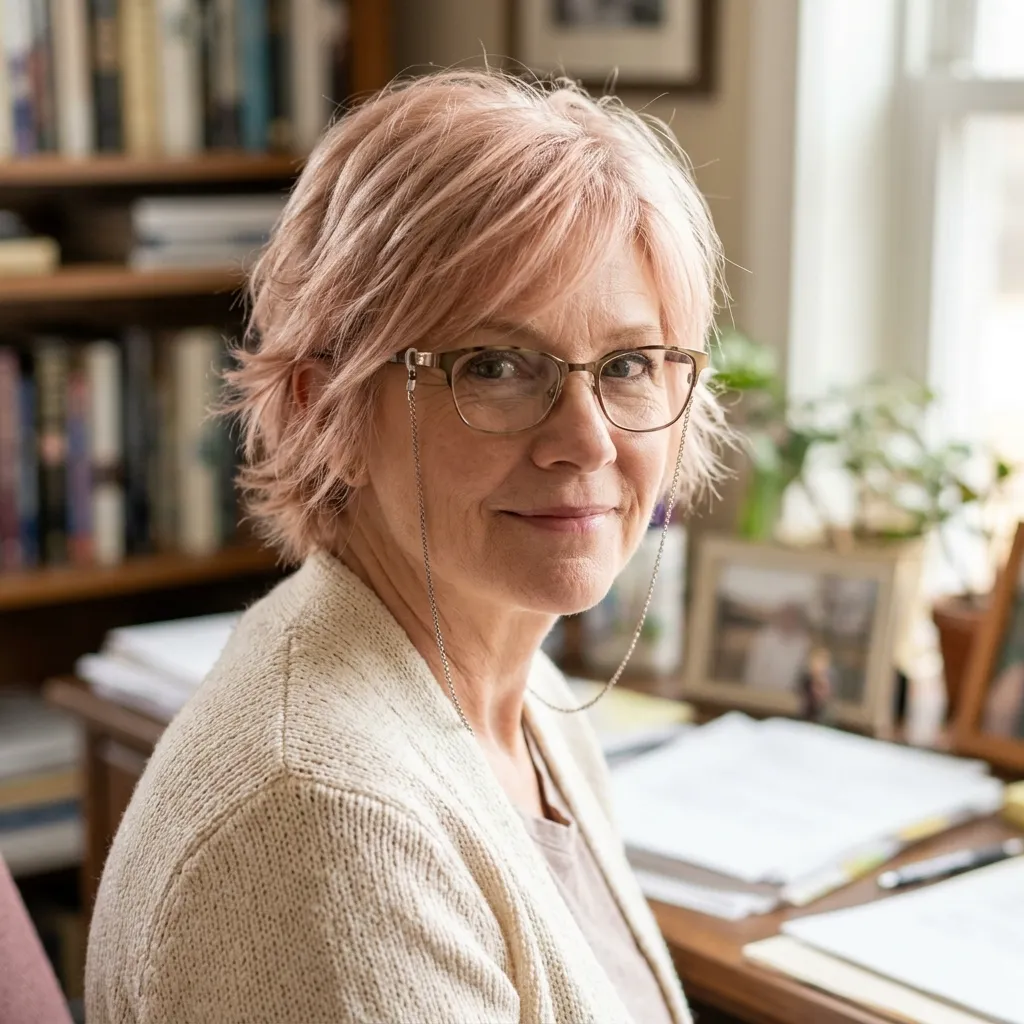
Feathered layers are cut to look light and airy, with soft pieces that fall gently around the face and ears. The style feels romantic and easy, and it can help hair look fuller without adding weight. It’s a good match for women who prefer a softer look.
Use a round brush to lift the feathers while blow-drying, then finish with a bit of cream to define them. Ask your stylist to keep the layers even so the shape looks balanced. Trims every five to seven weeks keep the feathers distinct.
20. Short Pixie with Curl Definition
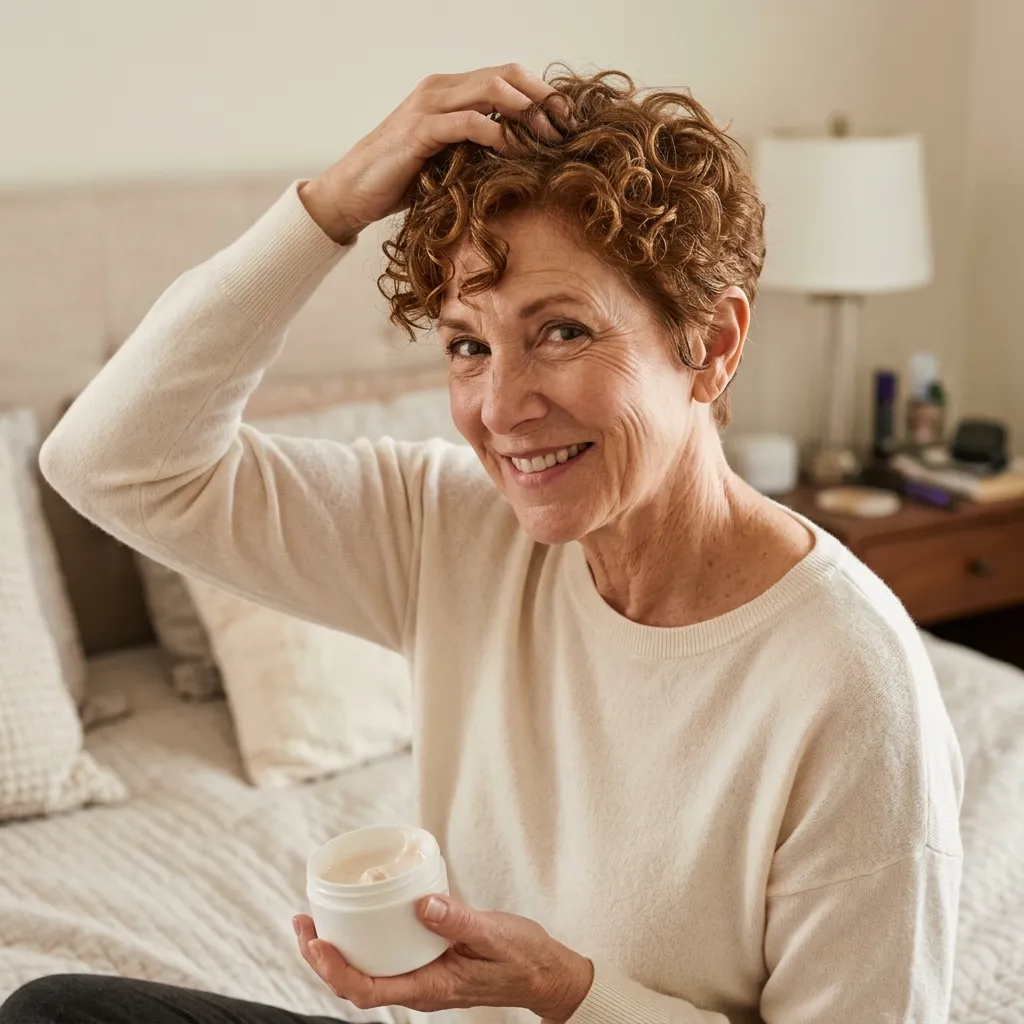
This pixie is designed for wavy or curly hair that needs a bit of structure. The short shape keeps the curls compact, while curl-defining products help each piece hold its form. The look is bouncy, neat, and easy to wear every day.
Apply a curl cream to damp hair, scrunch gently, and let it dry without touching it. Ask your stylist to cut curls dry so they can show their natural shape. Expect a trim every six to eight weeks to keep the curls lively.
21. Tapered Short Bob

A tapered short bob gradually shortens toward the nape, creating a neat, graceful line at the back. The sides stay soft and full, which balances the taper and keeps the shape from looking severe. It’s a flattering choice for women who want a bob that looks polished from every angle.
The taper needs regular trims to stay even, so plan on a visit every five to six weeks. A light cream on the ends helps smooth any flyaways. Ask your stylist to adjust the taper gently so the bob still feels full at the jaw.
22. Short Crop with Soft Texture
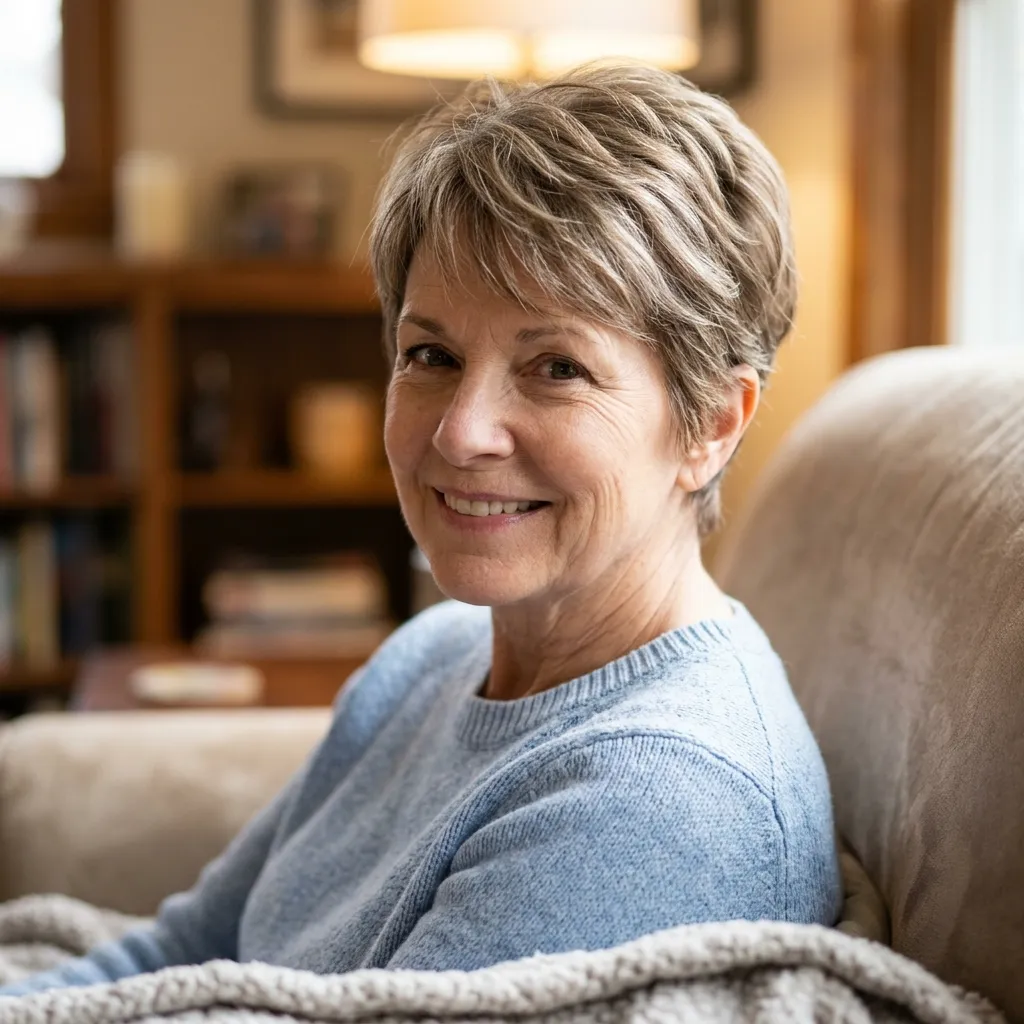
A short crop with soft texture is cut close to the head with gentle movement across the top. The texture keeps the cut from looking flat, and the shape stays simple enough for quick mornings. It’s a practical choice for women who want low-maintenance short hair that still looks considered.
Use a small amount of cream or texturizing spray to add softness, then let your fingers shape the top. Trims every four to six weeks keep the crop tidy. Ask your stylist to keep the texture subtle if you prefer a cleaner finish.
Frequently Asked Questions About Short Hairstyles for Women Over 60
How can short hair look fuller if it’s thinning?
Short hair can look fuller when the cut includes layers or texture that lift the top, because the shape creates the impression of volume. A round brush and a little volumizing product at the roots help too. Ask your stylist to avoid removing too much weight from the sides, since that can make the look thinner.
How often should I trim a short haircut?
Most short cuts need a trim every four to eight weeks, depending on how defined the shape is and how quickly your hair grows. Tapered and buzzed styles usually need more frequent visits. If the edges begin to soften or the shape feels off, it may be time to book an appointment.
What products work best for short hair?
Many women do well with a lightweight cream for softness, a sea-salt spray or texturizer for movement, and a gentle paste for hold. The best choices depend on your hair texture and how firm a style you want. Test small amounts first, since it’s easier to add product than to remove it.
Are short hairstyles hard to maintain at home?
Most short cuts are easier to manage than longer styles, often needing only a quick blow-dry and a little product. Textured and layered cuts take a bit more practice to get right. Ask your stylist to show you a simple routine during your appointment so you can recreate the look yourself.
What should I bring to my first appointment for a short cut?
Bring two or three photos of cuts you like, along with notes on what you dislike about your current hair. Share how much time you want to spend styling each day and whether you have any cowlicks or thinning areas. A good stylist will ask about your lifestyle and suggest adjustments, so be open to a version that differs slightly from your photos.
Final Thoughts on Short Hairstyles for Women Over 60
Short hairstyles for women over 60 can bring lightness, fresh energy, and far less daily fuss, all without sacrificing style. Whether you lean toward a soft pixie, a textured bob, or a silver-toned crop, the right shape can highlight your features and fit the way you actually live. The best results come from a stylist who listens to your hair’s texture, your routine, and how bold you want to feel.
Your next step can be simple. Gather a few photos, choose your top three favorites, and book a consultation with a stylist who has experience with mature hair. Ask to see examples of their work, and don’t hesitate to start with a softer version if you’re new to short cuts. Once you feel how much easier and brighter your mornings can be, you may wonder why you waited so long.