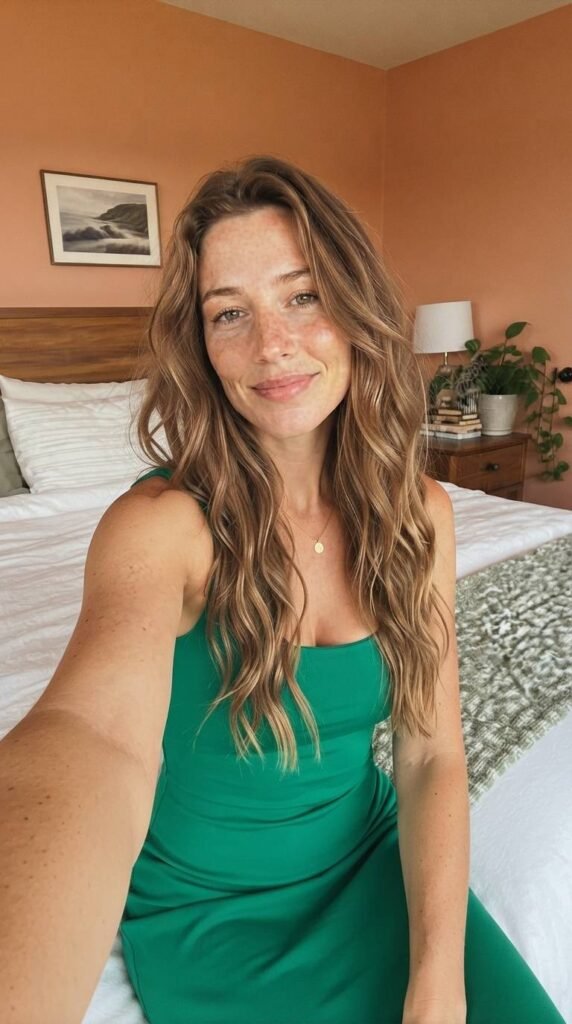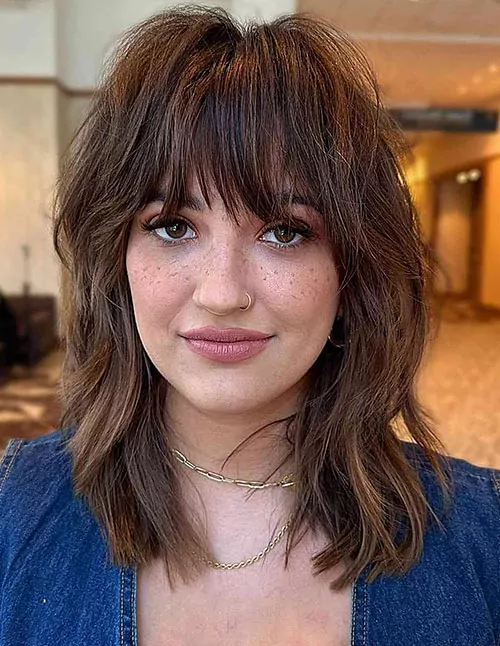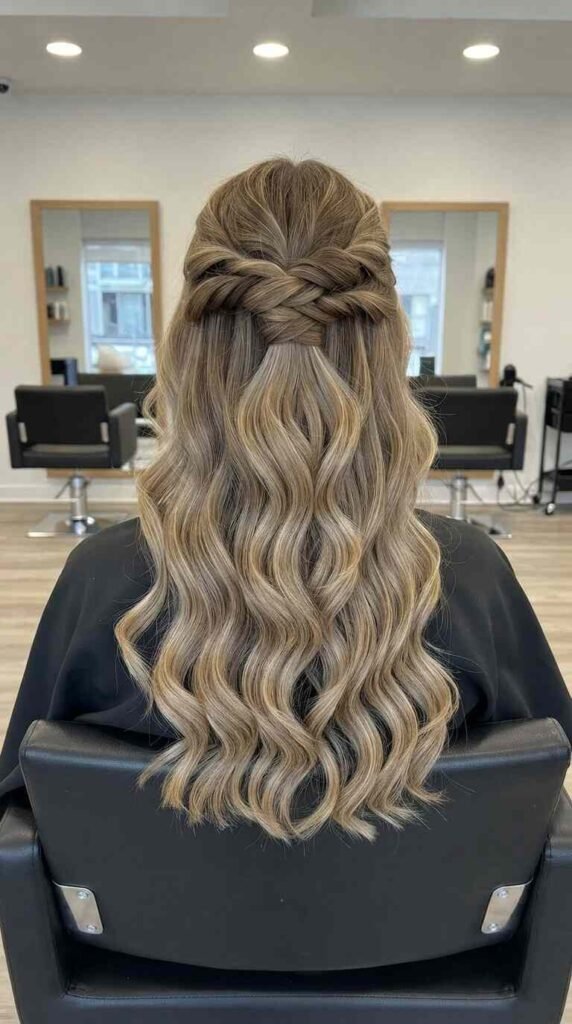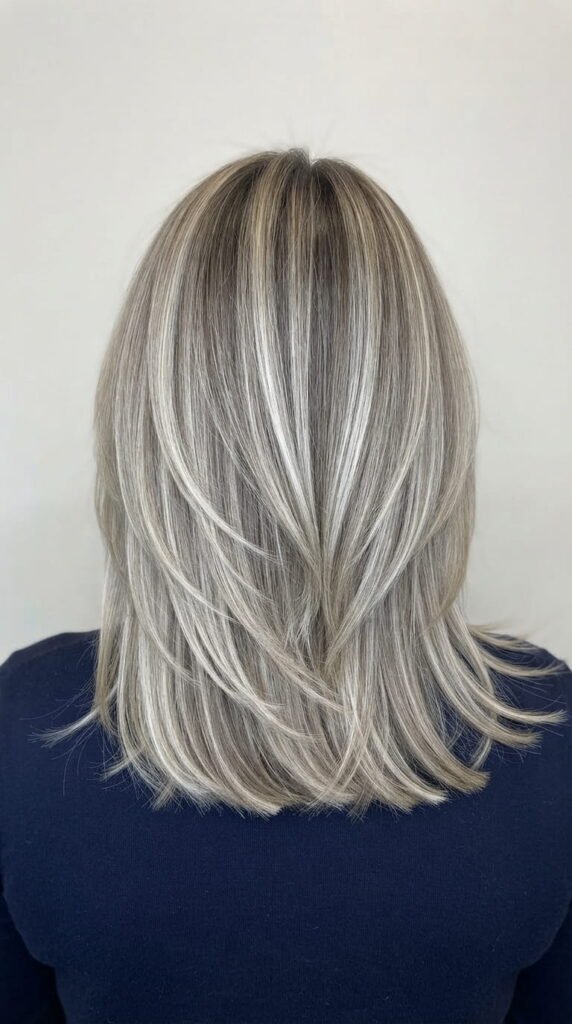
Let’s be honest about mornings. You want hair that looks good without a forty-minute routine, a drawer full of hot tools, or a standing salon appointment every three weeks. That’s exactly why low maintenance short haircuts for women over 50 have become so popular, since the right cut does most of the styling work before you even pick up a brush. If your current style demands more effort than it gives back, this guide is for you.
Below are 22 easy short cuts, from pixies that dry in minutes to bobs that fall into place on their own. For each one I’ve noted what makes it simple to live with, who it tends to flatter, and what to tell your stylist. Hair often gets finer, drier, or more textured with age, so I’ve kept those realities in mind. Read through, bookmark a few, and take your favorites to your next appointment.
1. Classic Pixie Cut

The classic pixie is the poster child for easy hair. It’s short on the sides and back with a bit more length on top, and it dries in a few minutes with almost no effort. The shape does the work, so there’s no blow drying, curling, or pinning required. It flatters most face shapes and shows off your eyes and cheekbones.
A classic pixie grows out into itself, so even when it gets a little long it still looks intentional. Most women find a trim every five to six weeks keeps it sharp, though you can stretch that if you don’t mind a softer shape. A pea-sized dab of light paste is usually enough for styling. If you have a cowlick at the front, tell your stylist so the cut can work with it rather than against it.
2. Tapered Pixie
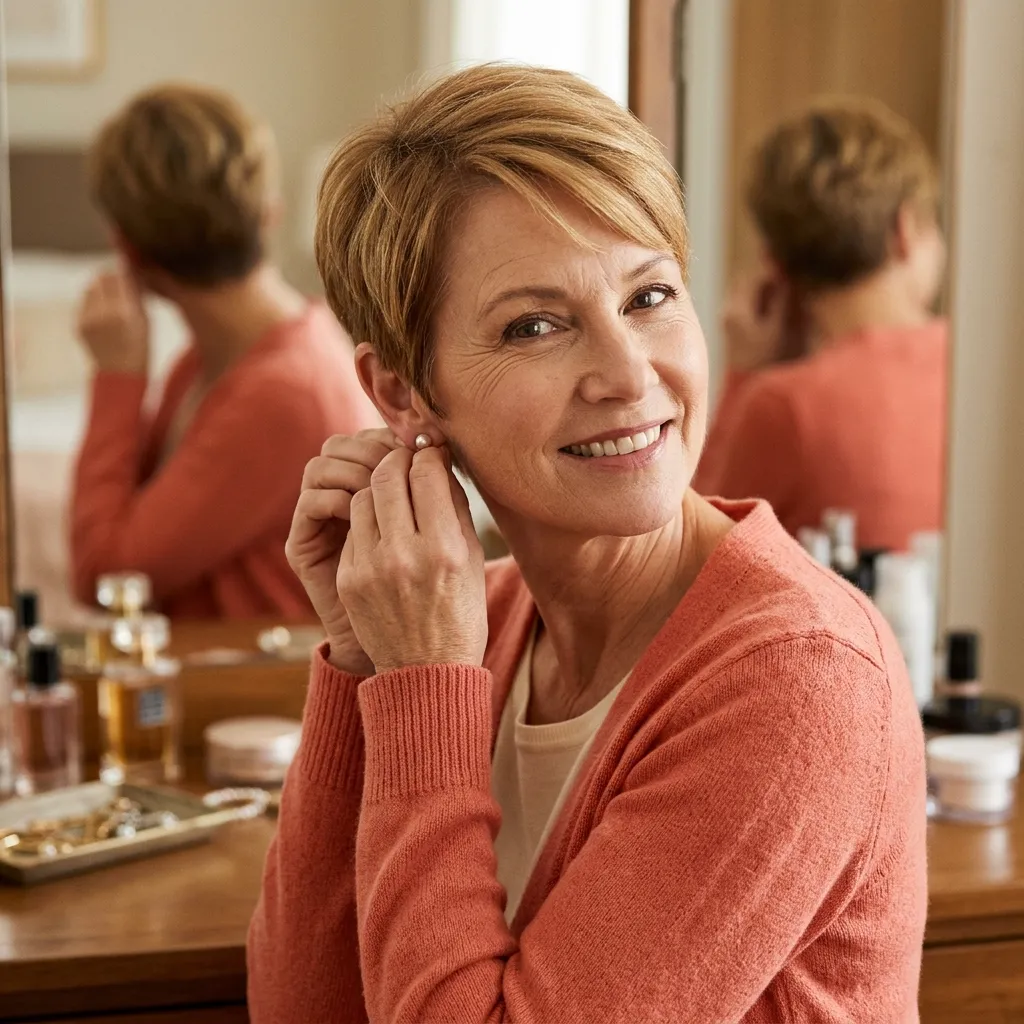
A tapered pixie gets progressively shorter toward the neckline and around the ears, which gives it a neat, finished outline. Because the shape is built into the cut, you can skip most styling and simply towel dry and go. It’s a wonderful option for warm weather, since nothing sits on your neck. The tidy edges also look polished even on a rushed morning.
The tradeoff is that the tapered areas need regular upkeep to stay crisp. Plan on visiting your stylist every four to six weeks, or ask whether a quick neckline cleanup between full cuts is an option. A small amount of pomade on the top gives definition without much fuss. If your hair is fine, ask for a bit more length on top so it doesn’t look flat.
3. Short Layered Bob

A short layered bob keeps the classic shape while adding soft layers that help the hair fall into place. The layers remove weight, so the cut looks fuller and bounces back after air drying. It’s a good compromise if you like the look of a bob but dislike how flat a one-length cut can get. The length also lets you pull it back if you need it out of your face.
Ask for long, blended layers rather than short, choppy ones if you want the easiest version. A quick rough dry with your fingers is often all it takes. Add a light volumizing spray at the roots if your hair tends to lie flat. Expect to trim it every six to eight weeks to preserve the shape.
4. Chin-Length Bob with Side Part

A side part is one of the simplest ways to add style to a bob without any extra tools. Parting your hair off-center creates a natural sweep that flatters the face and reduces the need for much styling. This cut hits right at the chin, so it frames the jaw and stays out of your collar. It works for office days, errands, and dinners out alike.
Part your hair while it’s damp so it learns where to sit as it dries. A bit of smoothing balm keeps flyaways in check, and you can flip the part to the other side whenever you want something different. If your hair is thin at the part line, move the part slightly off the center to add the look of density. Trims every six to eight weeks keep the line neat.
5. Buzzed Pixie
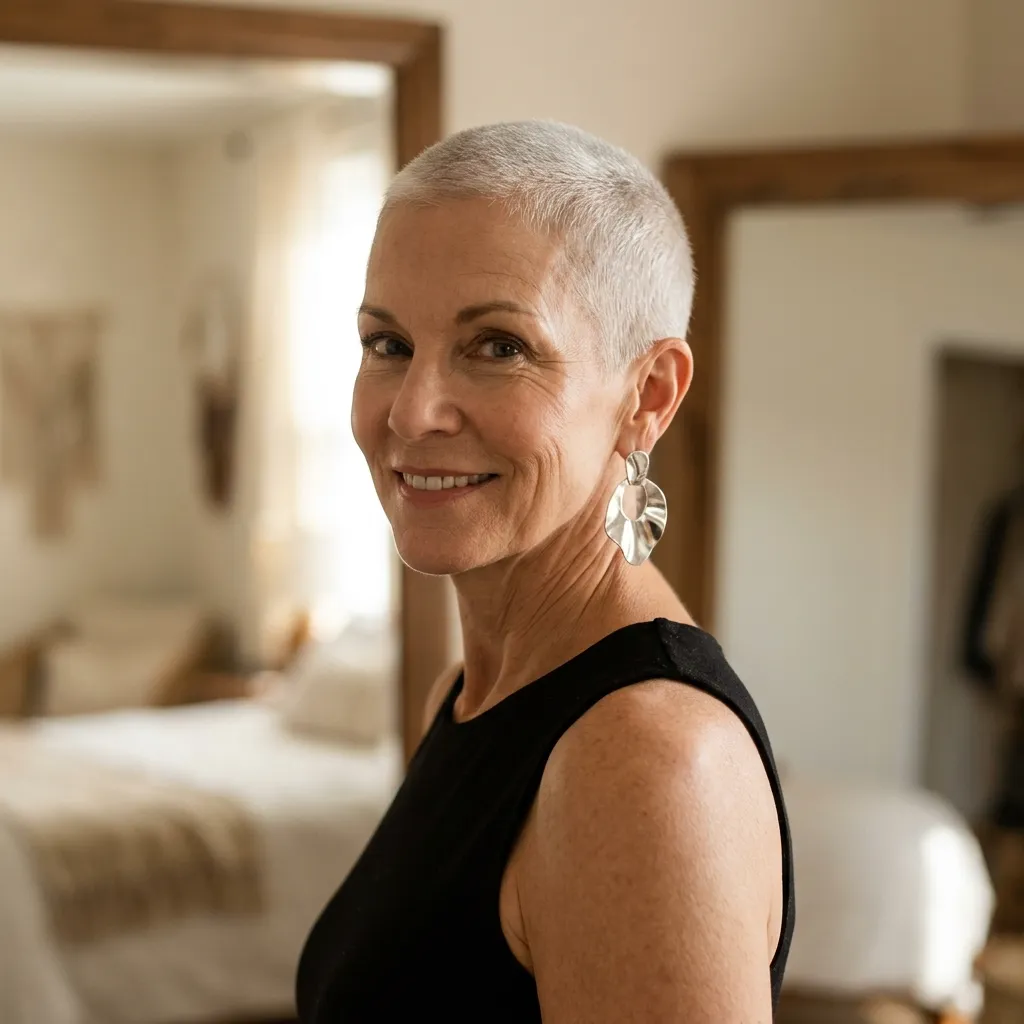
If you want truly minimal effort, a buzzed pixie is the boldest choice. The hair is cut very short all over, sometimes with a touch more on top, so there’s nothing to style at all. It’s cool, comfortable, and a striking way to show off your bone structure and earrings. Plenty of women who try it find the freedom hard to give up.
This cut works best if you’re comfortable with a very short length and your hair has an even texture. Because it’s so short, regrowth shows quickly, so you’ll want a clean-up every three to four weeks. Moisturize your scalp and use sunscreen when you’re outdoors, since there’s less hair to protect you. If you’re not sure, ask your stylist to start slightly longer and go shorter next time.
6. Textured Crop
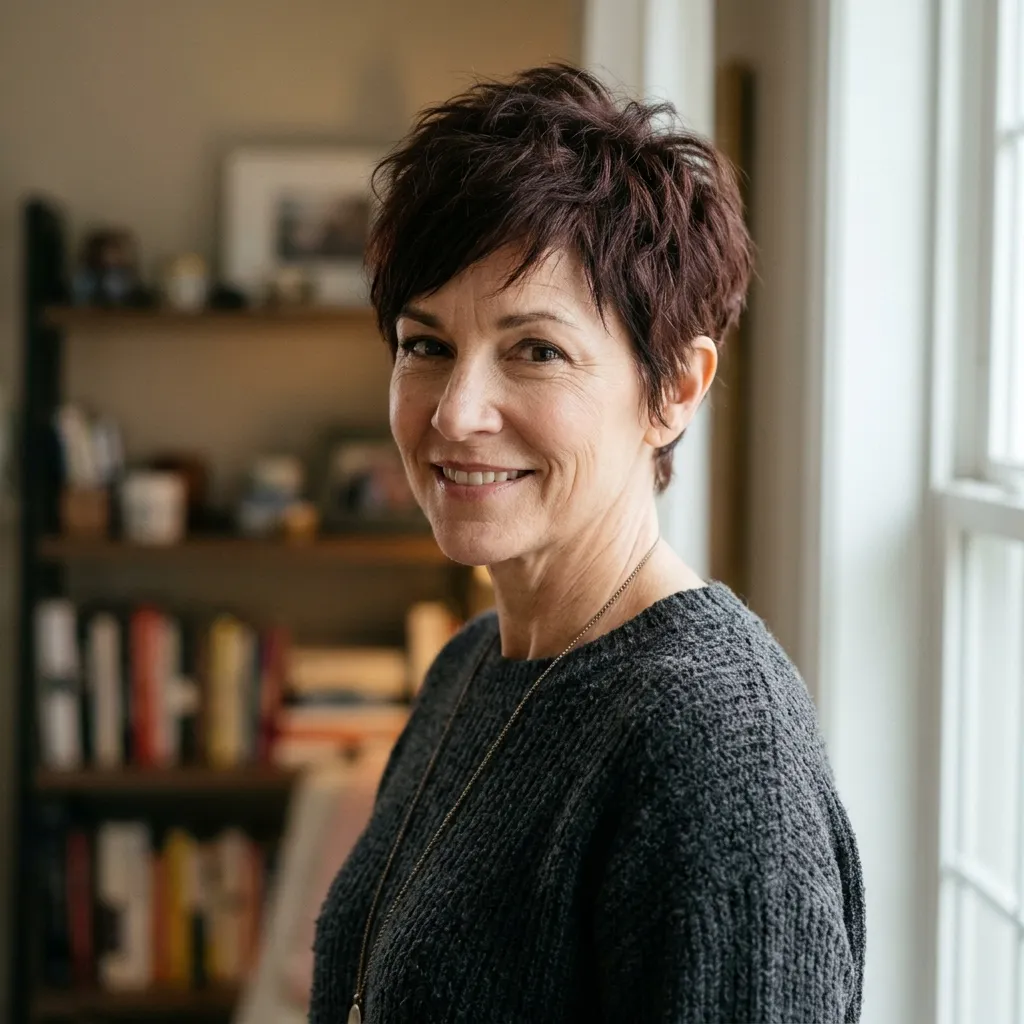
A textured crop is cut short with choppy layers on top that look styled even when you haven’t done anything. The unevenness is the point, so you can’t really get it wrong. It’s casual, modern, and works well with both everyday outfits and dressier looks. For women who hate fussing with hair, it’s close to ideal.
Use a tiny bit of matte paste or clay, working it through dry hair with your fingers. Avoid heavy gels, which can weigh down fine hair and leave it looking flat. The cut suits straight and wavy hair best, though a stylist can adapt it for curls. Visit every five to seven weeks to keep those layers from blurring.
7. Asymmetrical Pixie

An asymmetrical pixie is longer on one side and shorter on the other, which creates movement and a bit of drama. It looks like you put time into it, even though the shape does the work. The longer side can sweep across your forehead, giving you a built-in bang. It’s a smart choice if you like a cut with personality but not a lot of upkeep.
Choose the longer side based on your natural part and the direction your hair grows. A quick blow dry or simply air drying often does the trick. Because the contrast between sides is part of the style, keep up with trims every five to six weeks. If you wear glasses, tell your stylist so the longer side clears the frames.
8. Short Wavy Bob
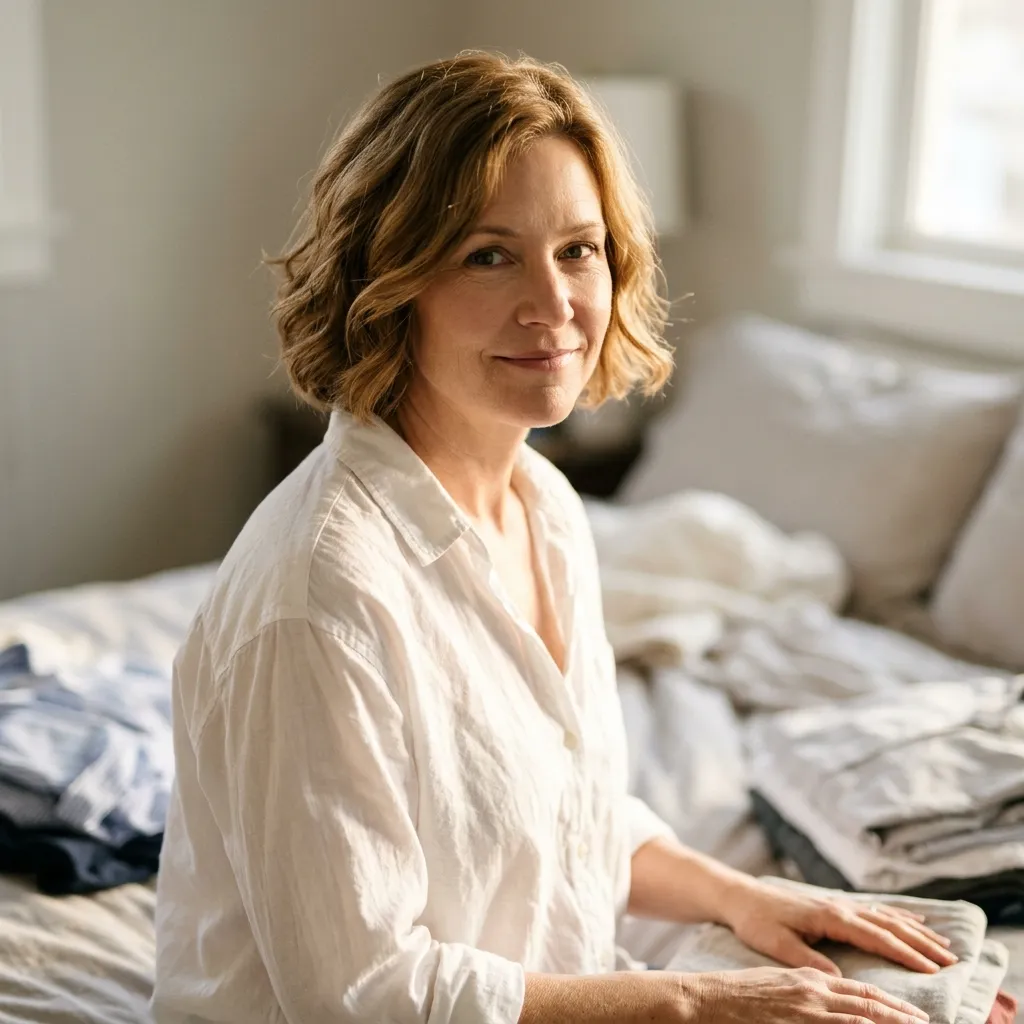
If your hair has natural wave, a short wavy bob lets you embrace it instead of fighting it. The waves give the cut volume and texture, so you can skip the flat iron. It dries on its own into a relaxed, soft shape that looks effortless. Women who’ve spent years straightening their hair often find this cut a relief.
Cut the bob with your waves in mind, usually a touch longer than you want the final length, since waves spring up when dry. Scrunch in a bit of curl cream or lightweight mousse while the hair is damp, then leave it alone. Resist the urge to brush through it once dry. A deep conditioning treatment now and then helps keep waves soft rather than frizzy.
9. Salt-and-Pepper Pixie
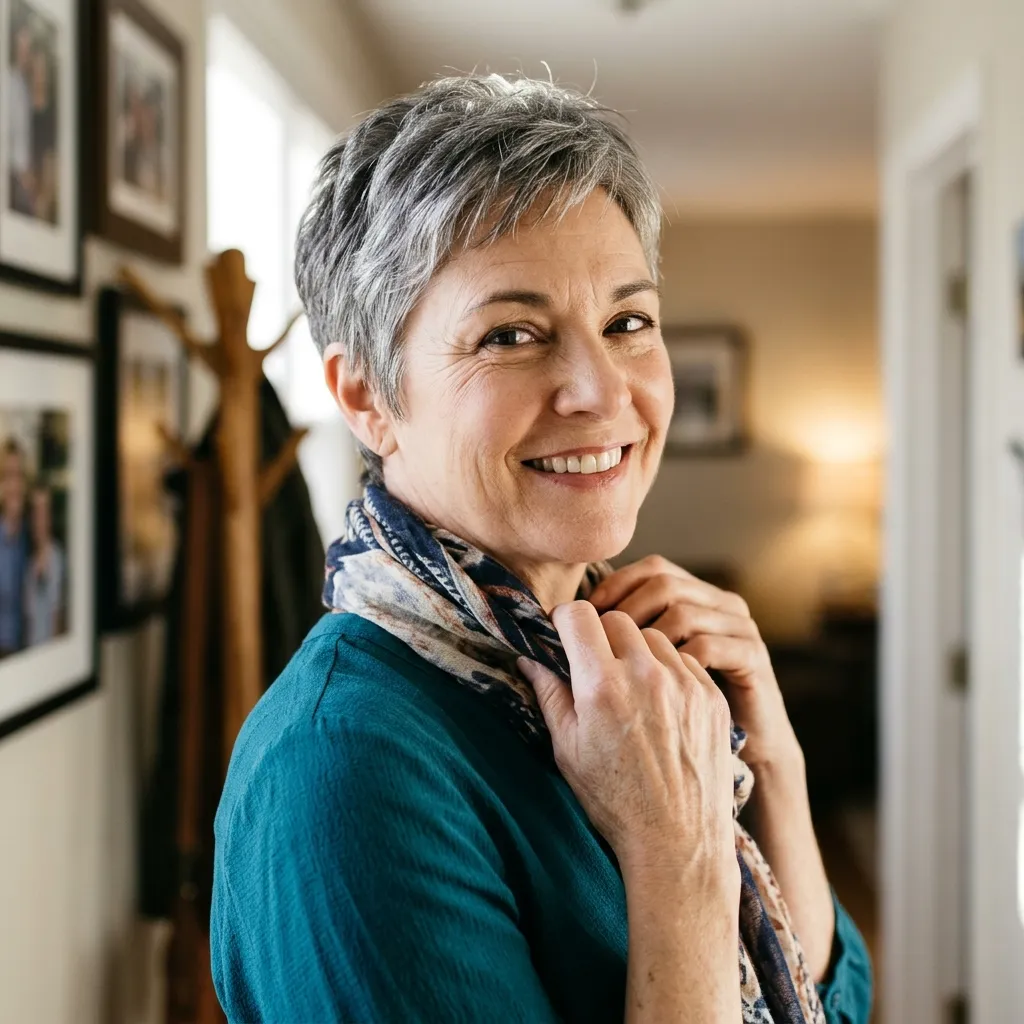
Gray hair and pixie cuts are a stylish match. A salt-and-pepper pixie turns your natural color into the main feature, so there’s no root touch-up schedule to worry about. The mix of silver and darker strands adds depth and dimension, which solid color can’t always do. It’s a confident, modern way to wear your natural shade.
Gray hair can feel a little coarser or drier, so a purple or blue-toned shampoo used occasionally helps prevent yellowing. Follow with a moisturizing conditioner and a bit of shine serum to keep it glossy. Because short hair is trimmed often, you’re never carrying around dull, damaged ends. Keep trims to every five to six weeks for a tidy shape.
10. Curly Crop
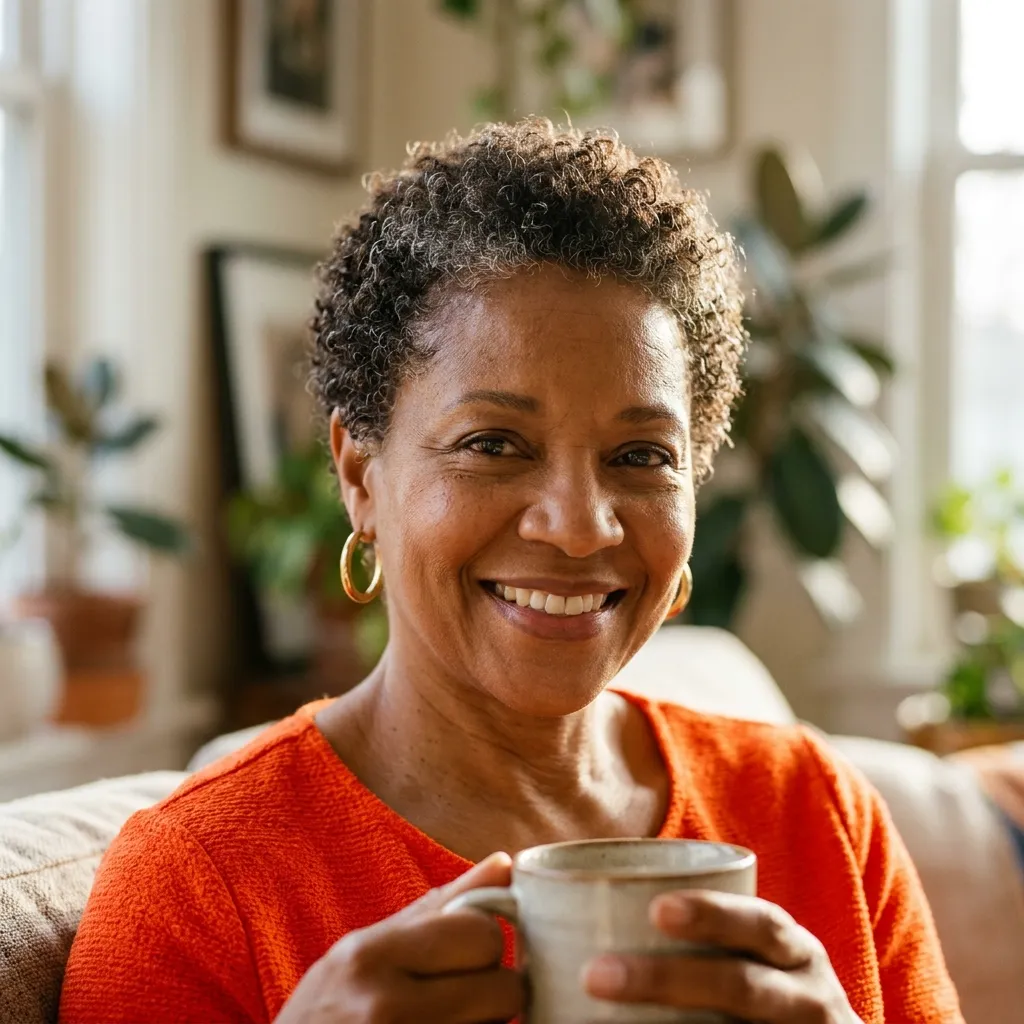
A curly crop is cut close to the head, letting your curls form a soft, textured cap. It needs very little: no flat irons, no hot rollers, just a little moisture. The cut also shows off your natural pattern in a way that long hair sometimes hides. It’s a joyful, low-effort choice if curls are your thing.
Find a stylist who’s comfortable cutting curly hair, ideally one who can shape the cut dry to see how each curl behaves. After washing, apply a leave-in conditioner and a light gel, then scrunch and let it air dry. Sleeping on a satin pillowcase helps reduce frizz and keeps the curls intact. A trim every six to eight weeks keeps the shape balanced.
11. Short Shag
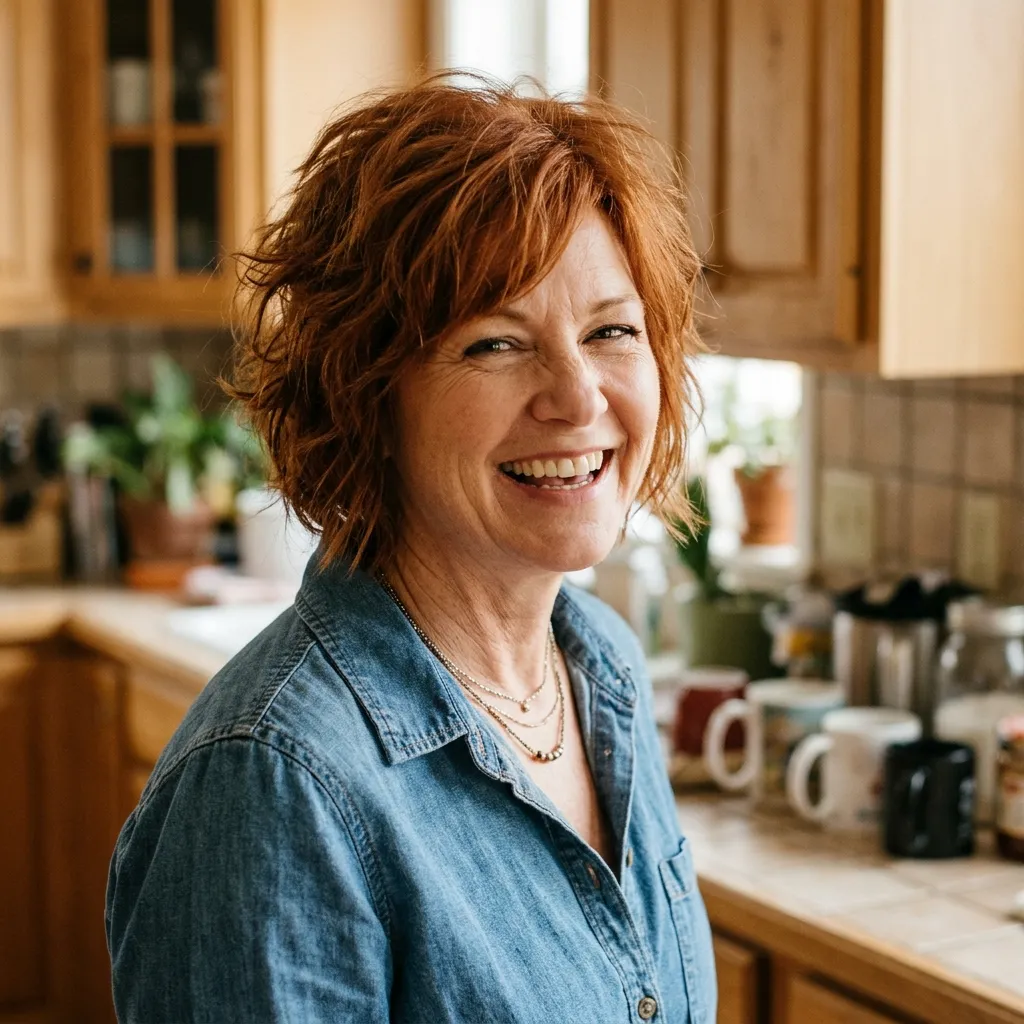
A short shag has lots of layers and a lived-in, slightly tousled look, so perfection is never the goal. That attitude makes it wonderfully low maintenance. The layers add movement and body, which is helpful if your hair has thinned or lost some volume. It has a youthful, relaxed feel without trying too hard.
You can air dry it or give it a quick tousle with a little texture spray. Since the cut is meant to look a bit undone, you can stretch the time between trims compared with a precise bob. Many women find it works especially well with wavy or lightly curly hair. If your hair is very straight, ask your stylist to add a bit of texture through the layers.
12. French Crop

The French crop is short and slightly longer on top, often with a fringe that falls across the forehead. It has an easy, chic quality that looks pulled together without much effort. The cut looks right with everything from a plain white shirt to a dressier outfit. It’s also quick to style, taking only a minute or two.
Ask for a soft, textured fringe so it blends rather than sits in a stiff block. A tiny amount of styling cream gives it separation. This cut suits hair with some natural body, though a skilled stylist can adapt it for fine strands. Trim it about every five to six weeks to keep the fringe at the right length.
13. Pixie Bob

The pixie bob sits right between a pixie and a bob, making it a good choice if you can’t decide. It’s short at the back and slightly longer around the front, creating a soft, rounded shape. The mix gives you some length to tuck behind your ears without the commitment of a very short crop. It also grows out gracefully, which keeps the upkeep easy.
Because the shape is soft, you don’t need much product, just a light cream or mousse. Air drying is usually enough, though a quick blow dry gives extra lift at the crown. A trim every six to eight weeks is typically fine. If you’re transitioning from long hair, this is a gentle first step into short.
14. Cropped Bob with Bangs
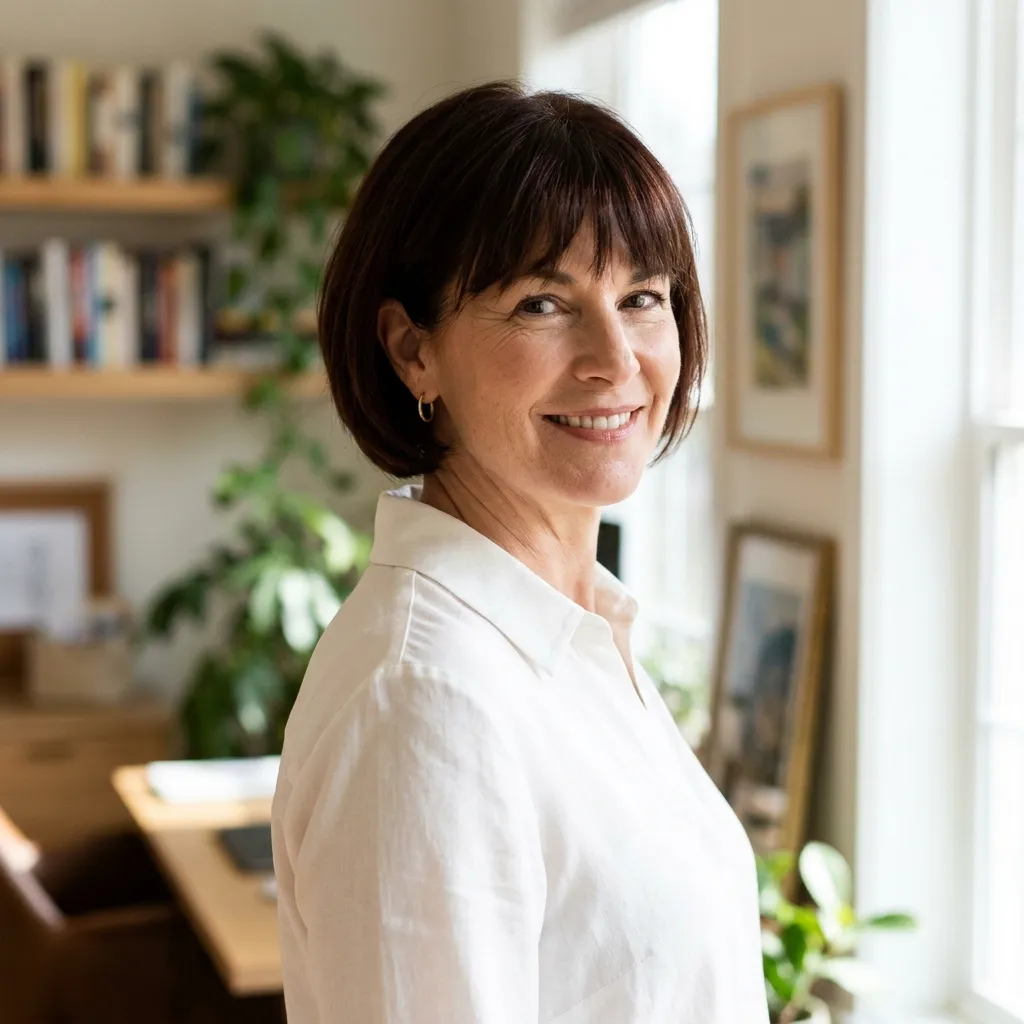
Bangs and a cropped bob are a classic pairing that takes almost no styling. The bangs frame your eyes and the bob frames your jaw, so the face looks balanced. This is a good option if you like a bit of fringe to soften your forehead. It’s casual enough for everyday wear but polished enough for work.
Ask for bangs that are blended into the sides, which makes them easier to manage and less likely to look heavy. Dry shampoo helps if the fringe tends to get oily between washes. Avoid cutting them too short, since longer bangs can be pinned back if you need to. Plan on a quick bang trim between full cuts, which many salons will do briefly between appointments.
15. Inverted Crop
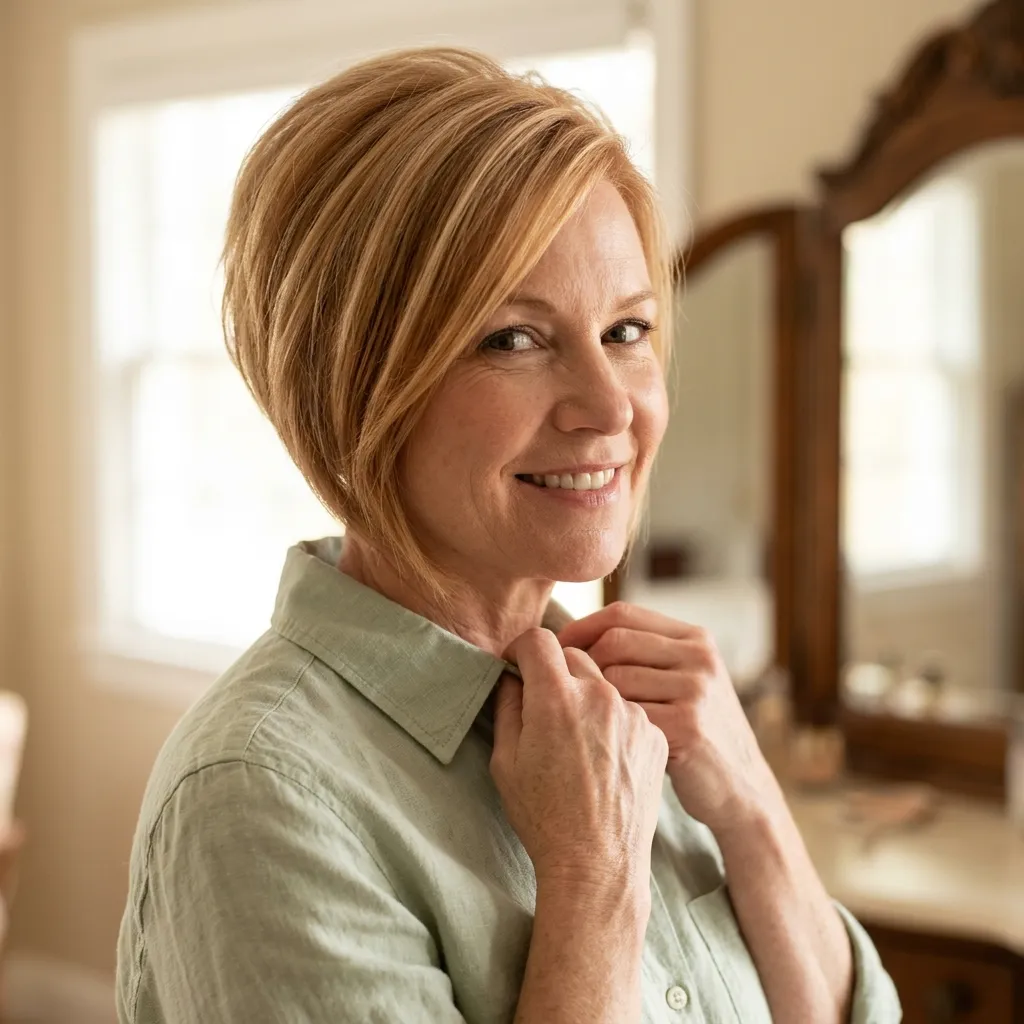
An inverted crop is shorter at the back and gradually longer toward the front, creating a gentle upward angle. The shape adds volume at the crown and slims the face. It’s a flattering cut that dries into position with barely any help. It looks neat and intentional even when you’re in a hurry.
The angle is built into the cut, so you only need a quick blow dry or air dry. A touch of root-lifting spray gives extra body at the back. This cut works well for straight and slightly wavy hair. Because the shape depends on precise lengths, keep trims regular, roughly every five to six weeks.
16. Soft Pixie with Wispy Bangs
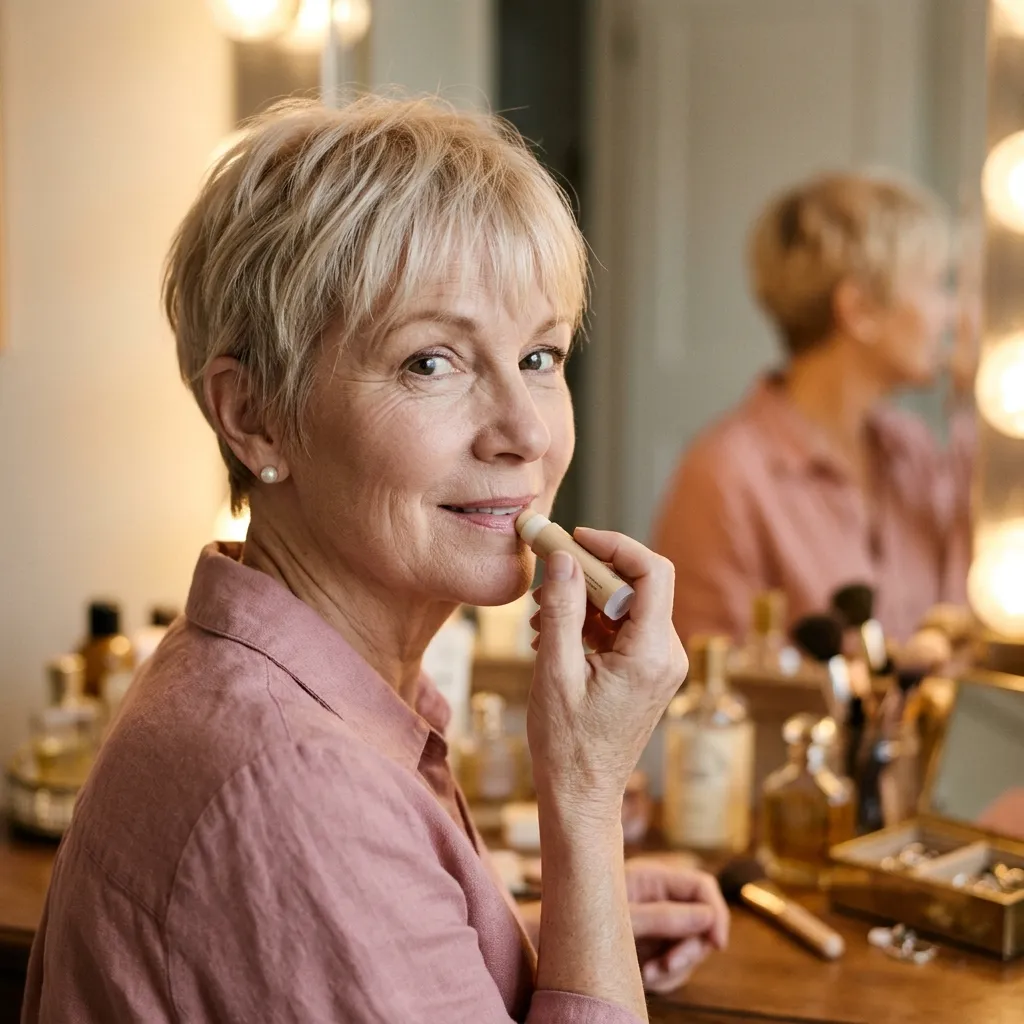
A soft pixie with wispy bangs is gentle and flattering, with a light fringe that softens the forehead. The wispy texture keeps the bangs from feeling heavy, so they sit lightly and need little styling. It’s a great pick if you want a pixie that feels sweet rather than edgy. The overall look is airy and approachable.
Wispy bangs can get oily quickly, so a little dry shampoo goes a long way. Ask your stylist to cut the fringe slightly longer at first, then adjust it on your next visit. A bit of lightweight cream helps keep the pieces separated. If your hair is fine, this cut can make it look fuller thanks to the soft layers.
17. Short Bob with Blunt Ends

A blunt-ended bob has a clean, solid line that makes hair look thicker and healthier. If your hair has gotten finer, this is one of the easiest ways to create the look of fullness. The cut is simple, with no layers to manage, so it falls into place with little effort. It looks sleek and sophisticated on straight or slightly wavy hair.
A quick pass with a flat iron or a blow dry with a paddle brush is all it takes for a polished finish. Use a bit of shine serum to keep the ends looking smooth. Because the edge is crisp, trims are important, roughly every six to eight weeks. If you have very curly hair, ask your stylist whether a blunt bob will suit your texture.
18. Short Hair with Natural Highlights
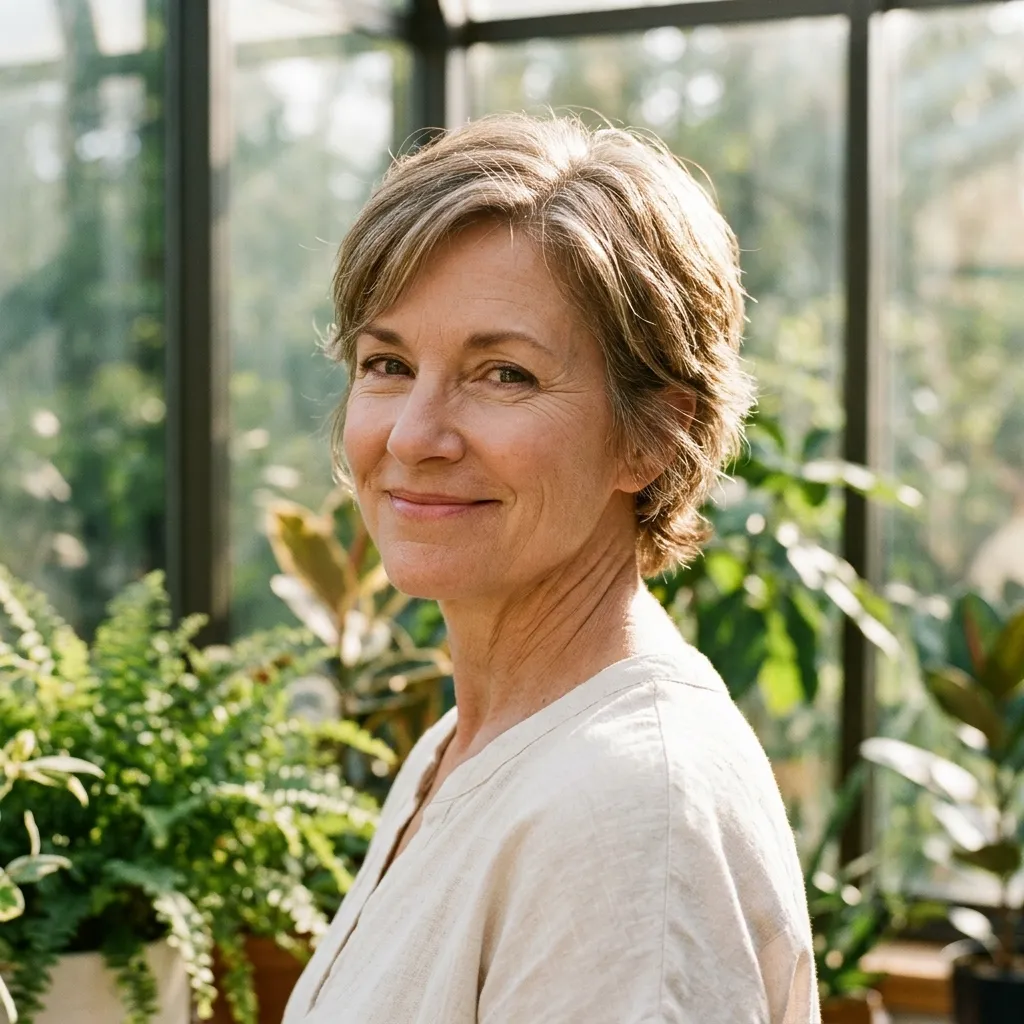
Natural highlights, whether from silver strands or sun-lightened pieces, add dimension without any color appointments. On short hair, those lighter strands catch the light and give the cut more depth. You get the look of a salon color job while skipping the upkeep. It’s an easy way to look dimensional with nothing extra to maintain.
A good cut can show off those highlights by adding layers that let different tones show through. Use a gentle shampoo and a moisturizing conditioner to keep hair healthy and shiny. If your highlights are gray or white, a toning shampoo once in a while can keep them bright. Protect your hair from the sun with a hat on long days outdoors.
19. Short Cut with Long Side Bangs
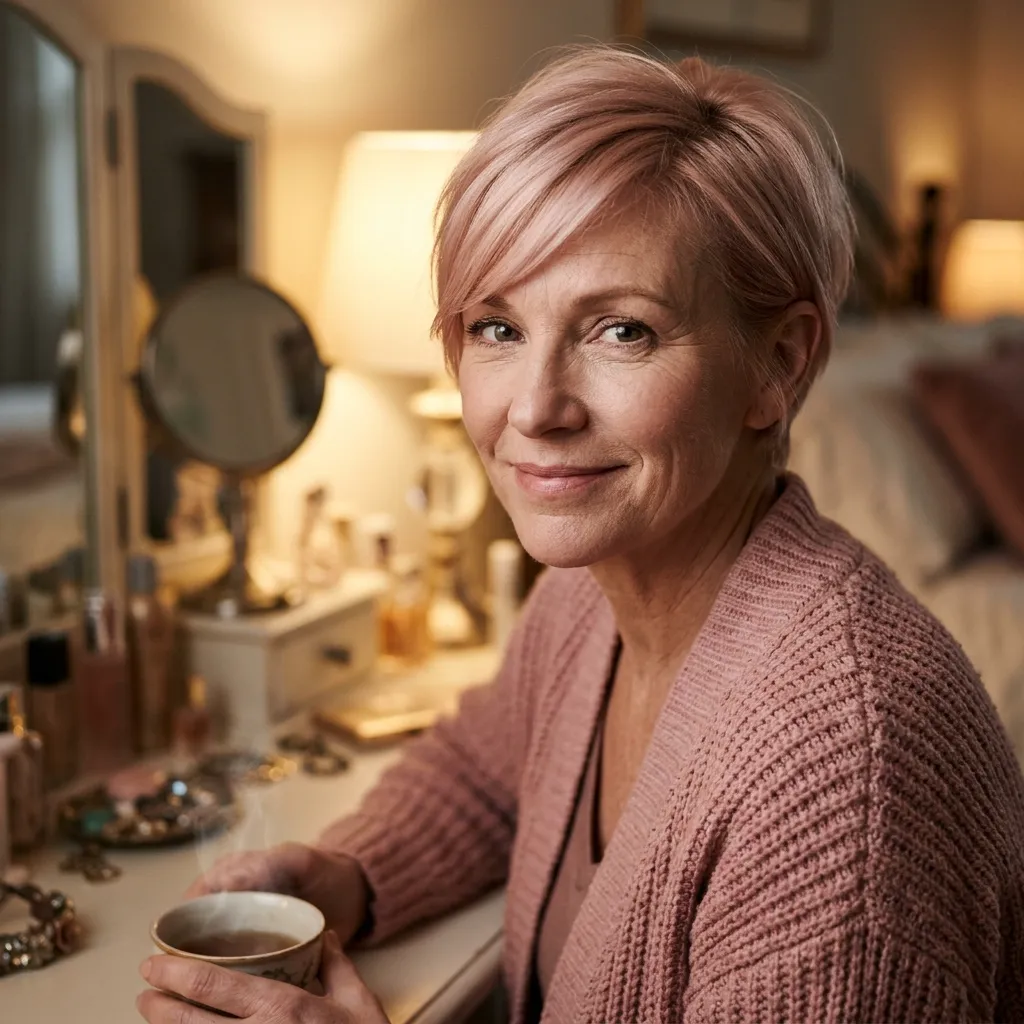
Long side bangs soften the face and give a short cut a touch of romance. They sweep across the forehead and can be tucked behind the ear when needed. The rest of the hair stays short and tidy, so you only have one section to style. It’s a versatile look that changes with a quick shift of the part.
Ask your stylist to blend the bangs into the sides so they flow naturally. A small amount of smoothing balm keeps them from frizzing. Because the bangs are long, you can trim them less often than short fringes. If you wear glasses, make sure the bangs sit clear of the frames.
20. Cropped Pixie with Shaved Sides
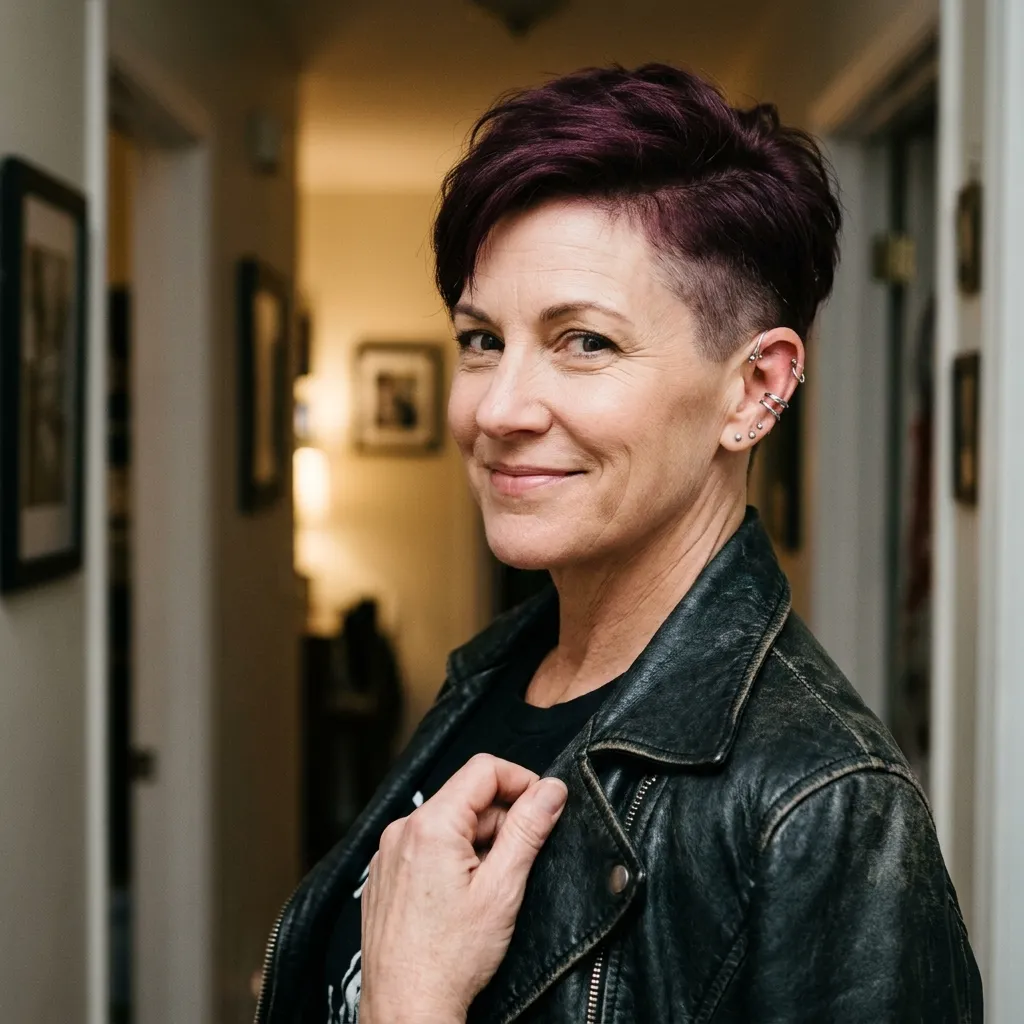
A cropped pixie with shaved sides is a daring, ultra-practical option. The sides are cut very close, while the top stays long enough to style in a few ways. It’s clean, modern, and cooler on warm days. The contrast between lengths gives it plenty of character.
Shaved sides need regular maintenance to stay crisp, so plan for visits every three to four weeks. The top can be styled with a bit of paste or left natural. Ask your stylist to keep the shaved area subtle if you prefer a softer look. You can also let the sides grow out a little between appointments for a more relaxed effect.
21. Short Layered Cut with Natural Wave

This cut lets your natural wave do the styling. Layers are shaped to work with your wave pattern, so the hair falls into soft, flattering movement. It’s a relaxed, breezy look that suits the way many people actually live. Even a damp towel and a little product can get you out the door.
Dry your hair gently, scrunching rather than rubbing. A lightweight mousse or curl cream gives definition without stiffness. Avoid layers that are too short, since they can spring up unpredictably. Trim every six to eight weeks to keep the layers balanced.
22. Short Bob with Choppy Layers
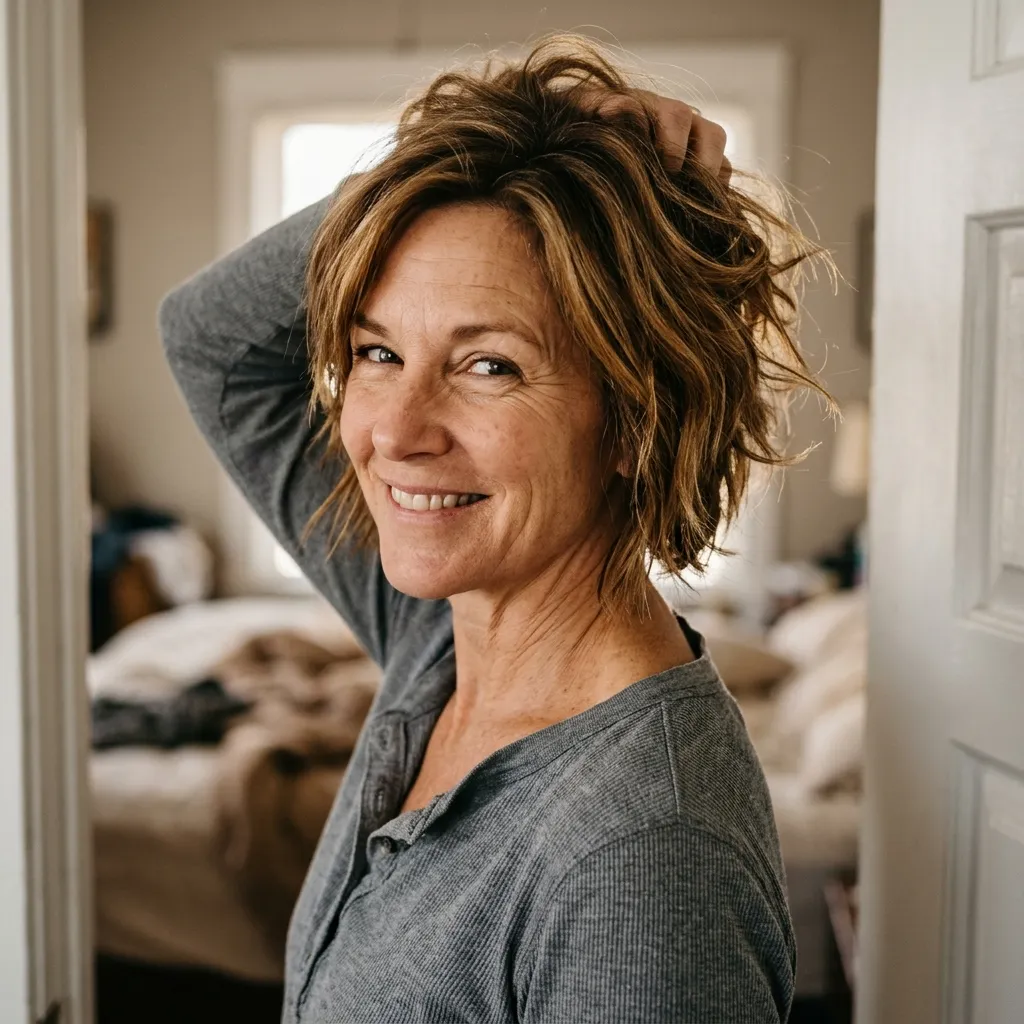
A bob with choppy layers has a bit of rock-and-roll energy but remains easy to handle. The layers add volume and movement, so you don’t need much styling. It’s a good choice if you want something that feels modern and a little playful. The texture also helps hide small imperfections in the cut as it grows.
Rough dry with your fingers and add a little texturizing spray for definition. This cut works well on medium to thick hair, though layers can be adjusted for finer strands. Because the choppy look is meant to be relaxed, you can go a little longer between trims. Ask your stylist to keep the layers light if your hair is thin.
Low Maintenance Short Haircuts for Women Over 50 FAQs
What is the lowest maintenance short haircut for women over 50?
A classic pixie or a textured crop usually takes the least daily effort, since both can be towel dried and finished with a touch of product. Buzzed styles take even less styling but need more frequent clean-ups. The best answer depends on your hair texture and how often you’re willing to visit the salon. A good stylist can help you weigh those tradeoffs.
How often will I need a trim?
Pixies and tapered cuts generally look best with a trim every four to six weeks. Bobs and shags can often go six to eight weeks, sometimes a bit longer. Relaxed, textured styles are more forgiving than sharp, precise ones. Ask your stylist for a schedule that fits your cut and how fast your hair grows.
Which low maintenance short cut works for fine or thinning hair?
Blunt bobs, soft pixies, and layered cuts with volume tend to create the look of fullness. Avoid heavy, long layers that pull the hair down and expose thin spots. If you’re worried about thinning, it’s worth mentioning to your doctor or a dermatologist as well. A skilled stylist can shape a cut that works with your density.
Do these cuts work with gray or curly hair?
Yes, and in many cases they look even better. Gray hair shows off beautifully in pixies and crops, while curls give cropped styles bounce and texture. The key is to work with your natural pattern rather than against it. A little moisture and a gentle toning shampoo for gray hair go a long way.
What products do I actually need?
Most low maintenance cuts need very little: a good shampoo, a conditioner, and one styling product such as a light paste, mousse, or cream. Add a shine serum or dry shampoo only if you find you want it. Keeping your routine small is part of the appeal. Choose products based on your hair type, since fine hair likes lighter formulas and thick or curly hair often likes richer ones.
How do I tell my stylist I want an easy cut?
Be direct about how much time you want to spend on your hair each morning. Bring photos of styles you like, and mention whether you air dry or use a blow dryer. Tell your stylist about any cowlicks, thin areas, or habits like wearing glasses. The more details you share, the better the cut will fit your real life.
Conclusion
Low maintenance short haircuts for women over 50 prove that you don’t have to choose between looking good and saving time. Whether you pick a classic pixie, a blunt bob, or a lived-in shag, the best cuts work with your hair’s natural texture and fall into place with minimal effort. The 22 ideas above give you plenty of directions to explore, so there’s likely one that matches your hair and your routine.
Your next step is to pick two or three favorites and save the photos. Book a consultation, tell your stylist how much time you want to spend on your hair, and ask what upkeep to expect. Then enjoy the extra minutes you get back every morning, knowing your hair is working for you instead of the other way around.