Short hair color ideas can refresh a pixie, bob, crop, or tapered cut without changing the shape you already love. A new shade can add dimension, make layers stand out, soften a bold haircut, or give a familiar style a completely different mood. The right choice depends on your natural color, skin undertone, maintenance preferences, and how much chemical processing your hair can comfortably handle.
Some shades create a subtle shift, such as warm brunette gloss or soft caramel ribbons. Others, including copper, icy blonde, vivid red, and fashion colors, make a more noticeable statement. Below are ideas to discuss with a colorist, along with practical advice for choosing and maintaining a shade that suits your lifestyle.
1. Honey Blonde Highlights

Honey blonde highlights add warmth and brightness without turning the entire head blonde. On a short bob or layered pixie, fine ribbons of golden color can emphasize movement and make the haircut look more dimensional. This shade is especially appealing if you like a sunlit effect rather than a dramatic color change.
Ask your colorist to place the highlights where the layers naturally catch light. A gloss can help blend the tone and add shine, while a root shadow may make regrowth less obvious. Use color-safe shampoo and a heat protectant to preserve the finish.
2. Rich Chocolate Brown

Chocolate brown is a timeless option for short hair because it looks polished and gives the cut a healthy-looking depth. The shade can lean neutral, warm, or slightly cool, depending on the effect you want. On a blunt bob, the richness makes the outline look clean; on a textured pixie, it gives definition without distracting from the shape.
For a natural-looking result, bring your colorist photos taken in similar lighting to your everyday environment. If your hair is already dark, a gloss or demi-permanent color may be enough to enrich the tone without a major lift.
3. Copper Red
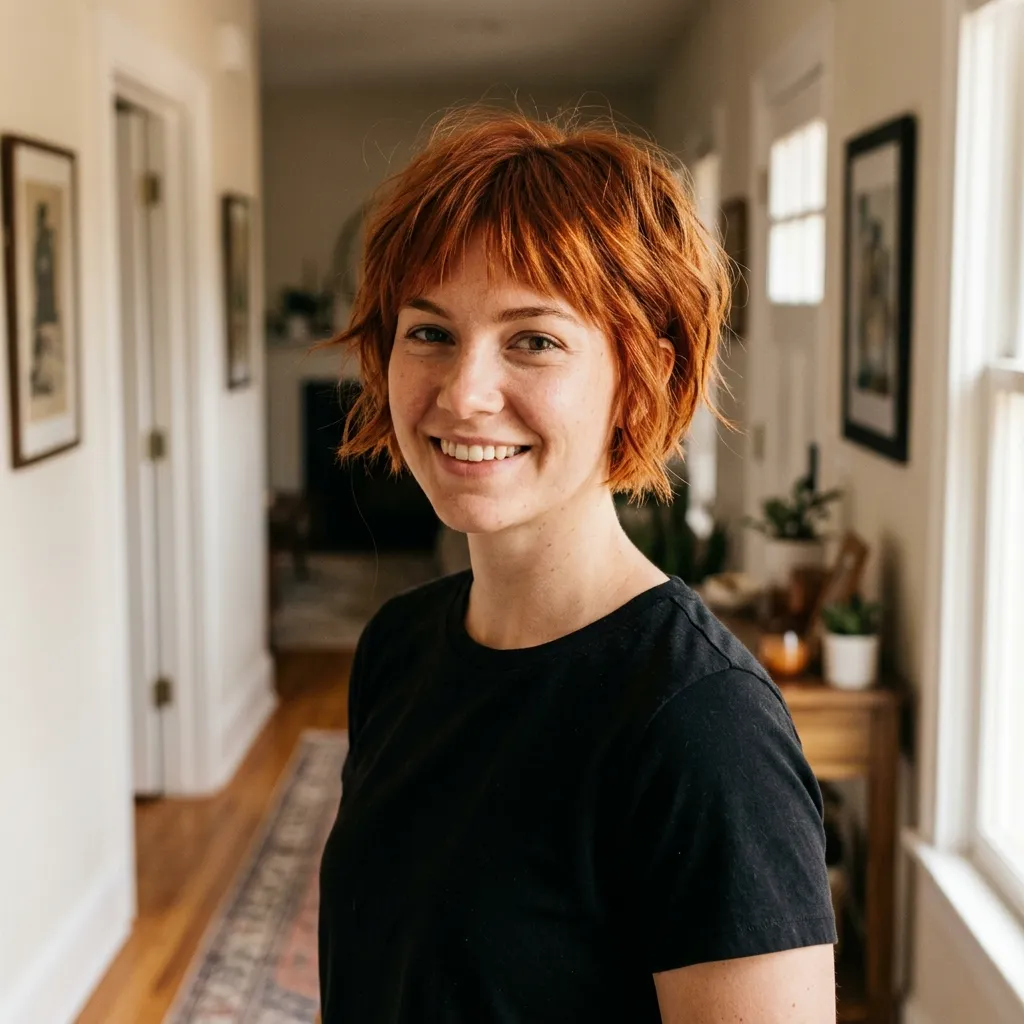
Copper red gives a short haircut a lively, warm finish. It can look bright and fiery or muted like a penny, depending on the formula and your starting color. Cropped cuts show the shade clearly, while a wavy bob lets the copper catch the light through the bends.
Red pigments can fade faster than some other shades, so expect a little more upkeep if you want the color to stay vivid. Ask about gloss appointments, cool-to-lukewarm washing, and products designed for color-treated hair. A strand test is useful when making a major change.
4. Icy Platinum Blonde

Icy platinum creates a crisp, high-impact look on pixies, buzz cuts, and short bobs. Its cool tone can make a sculpted cut feel editorial, especially when the shape is precise. The result is striking, but reaching a very pale blonde may require significant lightening, particularly if your natural hair is dark.
Talk openly with your colorist about your hair history and condition before committing. Lightening can weaken the hair, so gradual sessions may be safer than trying to reach the final shade in one appointment. Purple shampoo may help manage yellow tones, but use it according to directions to avoid a dull or overly cool finish.
5. Caramel Balayage on a Short Bob

Caramel balayage adds softly painted warmth through the mid-lengths and ends. It is a useful option when you want dimension but do not want a solid all-over color. On a short bob, placement needs to be tailored carefully because there is less length for a long gradient.
Ask for a blended finish that works with the bob’s shape and your part. Balayage can grow out softly, but lightened ends still need conditioning and heat protection. A trim schedule helps keep the overall cut crisp as the color grows out.
6. Silver Gray

Silver gray can feel modern, elegant, or edgy depending on the haircut. It pairs well with a close crop, a layered pixie, or a sleek bob with a clean outline. The exact result may range from smoky charcoal to bright metallic silver, so reference photos are helpful when explaining the tone you want.
Achieving a clear silver shade often requires lifting the hair to a very light base, which can be demanding. Ask for an honest assessment of your hair’s condition and a maintenance plan before starting. Color-depositing products and occasional toning may help, while gentle cleansing can reduce fading.
7. Burgundy and Wine
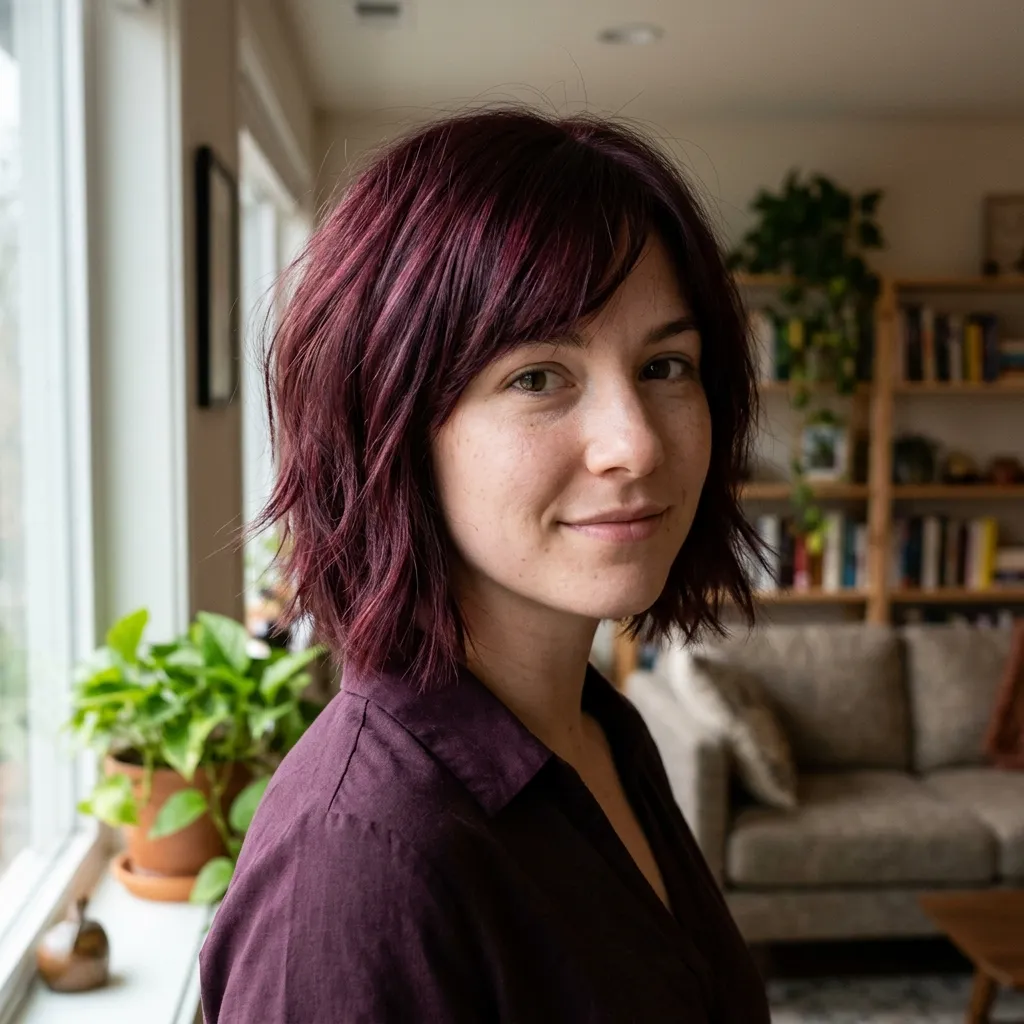
Burgundy offers depth with a red-violet undertone that can feel subtle indoors and richer in sunlight. On short curls, a tapered cut, or a layered bob, the shade adds personality without requiring a pastel or neon finish. You can choose a deep wine color for a refined effect or a brighter berry tone for more contrast.
Ask whether your natural base will show through the chosen formula and how the color is expected to fade. Semi-permanent options may be worth discussing if you want to experiment before committing to a longer-lasting result. Protect the color from frequent high heat and harsh cleansing products.
8. Face-Framing Blonde Pieces

Face-framing blonde pieces brighten the front of a short haircut while leaving most of the base color unchanged. They can accent a fringe, make a bob feel lighter, or add contrast to a textured crop. The placement can be delicate and blended or intentionally bold.
Because the front pieces are highly visible, ask your colorist to consider your part and the way you normally style your hair. A soft blend usually grows out more gently than a sharp, thick stripe. Keep the lightened sections conditioned, since they may be more vulnerable to dryness.
9. Jet Black Gloss
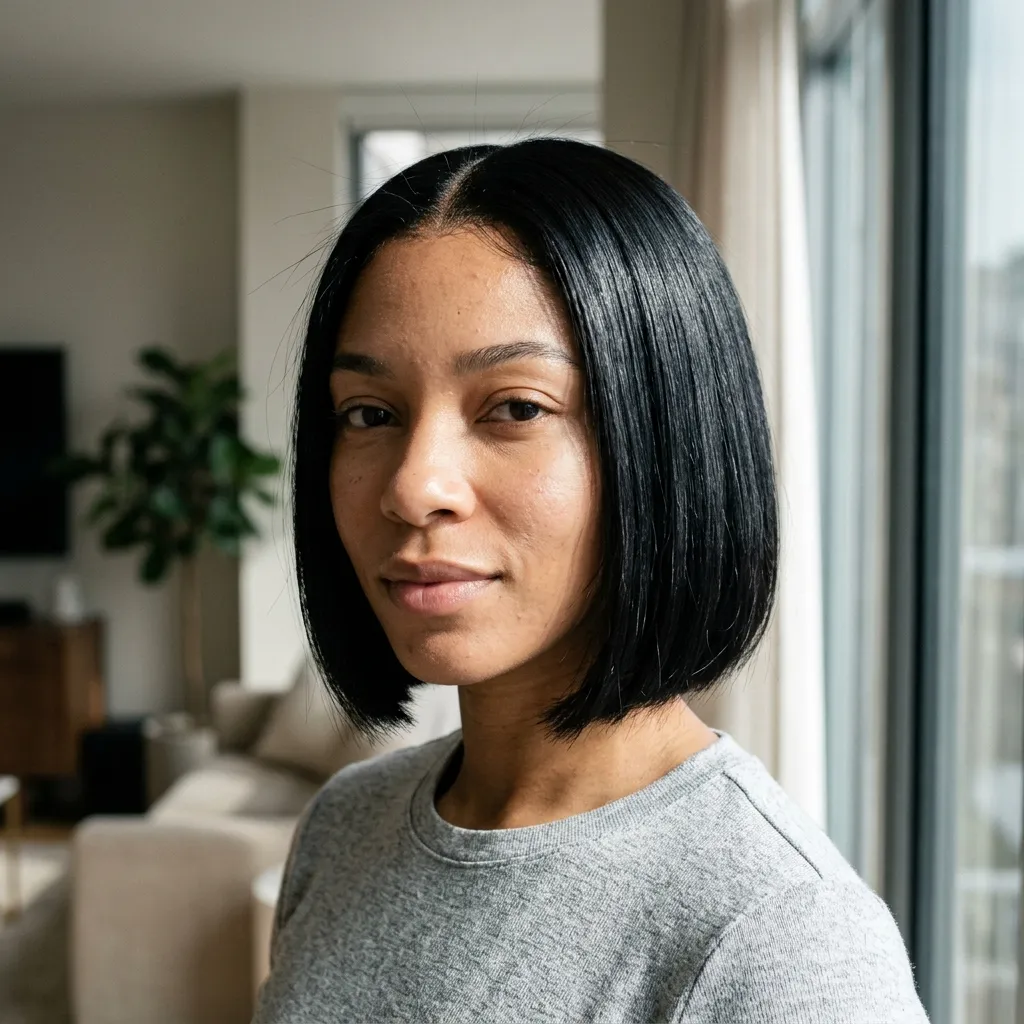
Jet black creates a dramatic, glossy finish that highlights the outline of a precise bob or pixie. It is a strong choice if you enjoy high contrast and a sleek appearance. A shine treatment or gloss may be enough if your hair is already dark and you mainly want more reflection.
Permanent black dye can be difficult to remove later, so think carefully before using it if you may want to go lighter. Ask about temporary or demi-permanent options when appropriate. A smooth finish also depends on healthy ends, regular trims, and careful heat styling.
10. Rose Gold
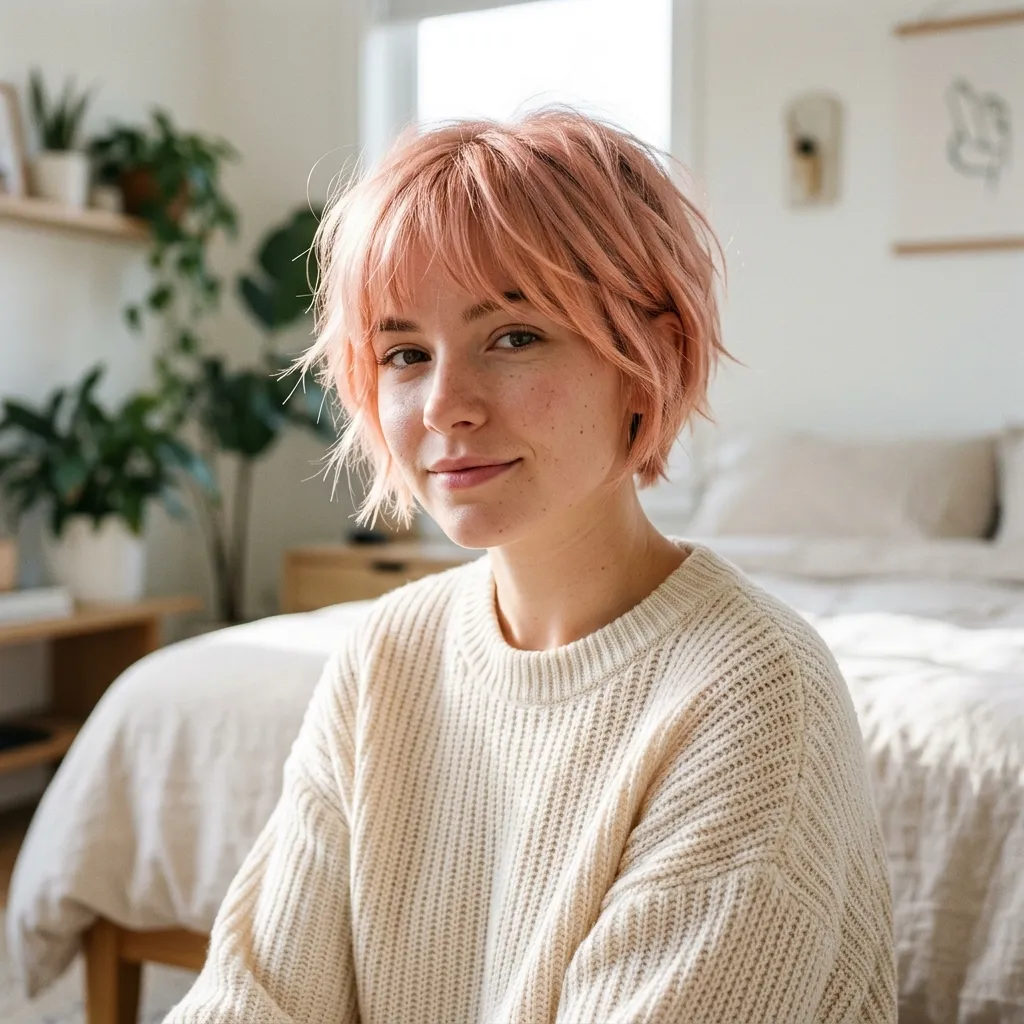
Rose gold blends pink and warm golden tones for a soft fashion-color effect. On a short bob or pixie, it can look delicate rather than overwhelming, especially when the color is muted. The shade is flexible, ranging from peachy rose to a cooler pink-metallic finish.
The final result depends heavily on the starting color, and a pale base may be needed for the clearest pastel effect. Ask about a color-depositing mask or semi-permanent formula if you want to test the shade. Keep in mind that pastel colors often fade relatively quickly.
11. Peekaboo Blue or Teal
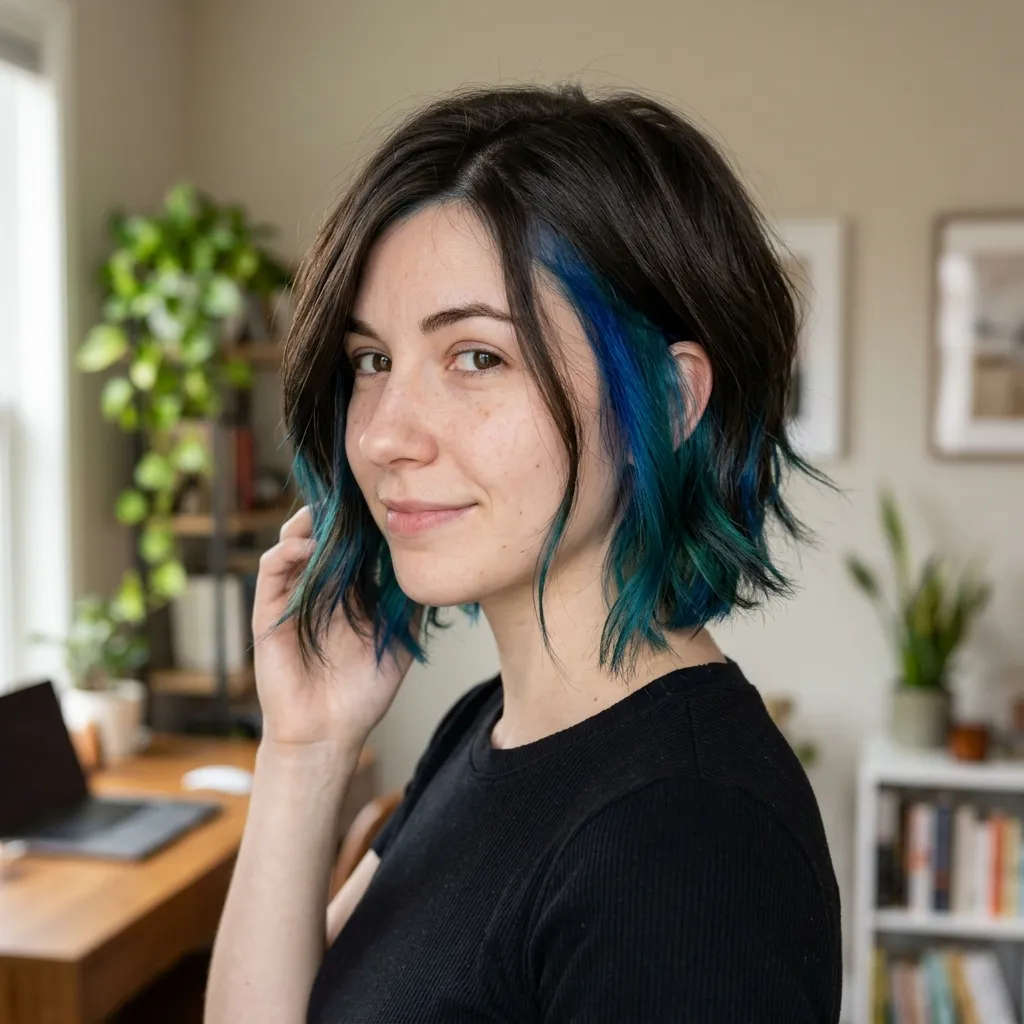
Peekaboo blue or teal adds a playful flash of color beneath the top layers or near the nape. It is a way to experiment with a vivid shade while keeping the overall look more understated when the hair is down. A cropped cut can reveal the accent naturally as you move.
Ask your colorist how the shade will fade and whether the underlying hair needs to be lightened. Vivid pigments can transfer onto light fabrics when wet, so follow aftercare instructions and rinse carefully. If you are unsure, start with a small panel rather than coloring every section.
12. Soft Auburn
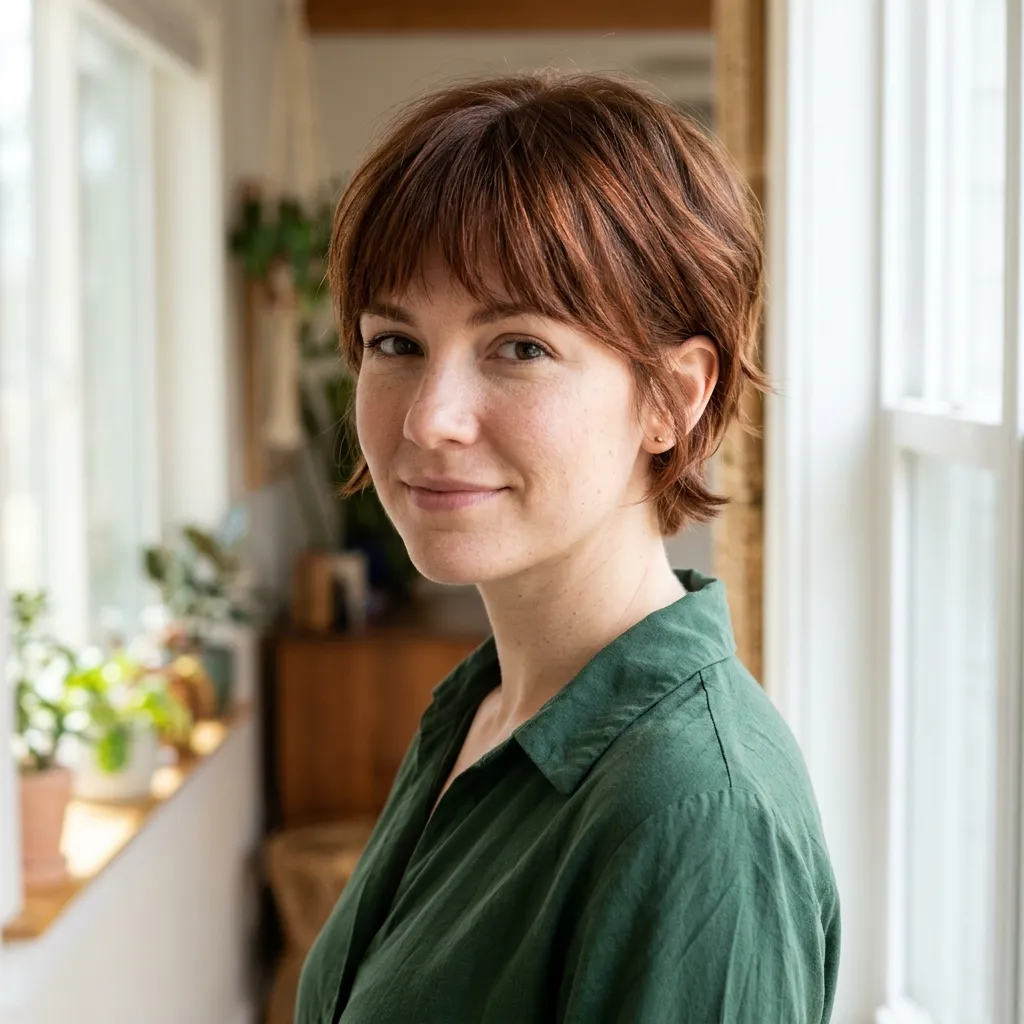
Soft auburn combines brown depth with a red glow, creating a natural-looking change that still feels special. It works with many short shapes, from a feathered pixie to a wavy bob. The shade can be adjusted to feel more cinnamon, chestnut, or mahogany.
If you want low-maintenance color, ask for a tone close to your natural base. A blended root can make regrowth less noticeable, and a gloss may refresh warmth between full appointments. Your colorist can also help determine whether your hair needs pre-lightening for the desired result.
How to Choose the Best Short Hair Color
Start by deciding whether you want a subtle enhancement or a noticeable transformation. Natural-looking shades often need less upkeep, while platinum, vivid red, silver, and pastel colors may require more frequent toning or root appointments. Your haircut matters too: color placement can emphasize a fringe, show off layers, or make a blunt edge look even sharper.
Discuss your hair history, including previous dye, bleach, relaxers, or other chemical services. These details affect what is realistic and how to protect the condition of your hair. A strand test and clear maintenance conversation can prevent surprises, especially when moving several levels lighter.
Tips for Maintaining Color-Treated Short Hair
Use products formulated for color-treated hair, wash with lukewarm rather than very hot water, and avoid cleansing more often than your hair needs. Heat protectant is important when blow-drying or using hot tools, and a conditioning treatment can help keep lightened ends feeling soft. Follow your colorist’s recommendations instead of layering many products at once.
Short hair may need trims more often to keep the shape sharp, but a trim does not replace color maintenance. Schedule touch-ups based on visible regrowth and how the shade fades, not a rigid calendar. If your scalp becomes irritated or your hair feels unusually fragile after a service, contact your stylist for guidance before repeating the process.
FAQs About Short Hair Color Ideas
What hair color is easiest to maintain on short hair?
A shade close to your natural color or a softly blended highlight often needs less frequent upkeep than a high-contrast blonde or vivid fashion shade. Your root color, desired finish, and rate of hair growth all affect maintenance.
Can short hair handle bleaching?
Short hair can be lightened, but the safety of the process depends on its condition and chemical history. Consult a qualified colorist, consider gradual sessions, and avoid repeating bleach on already fragile sections.
How do I make color last longer?
Use color-safe products, limit unnecessary heat, protect hair from prolonged sun exposure when possible, and follow your colorist’s toning advice. Some shades naturally fade faster, so occasional gloss or color-refreshing products may be useful.
Conclusion
The best short hair color ideas are the ones that complement your cut, suit your personal style, and fit the time you want to spend on maintenance. Honey highlights and chocolate brown offer wearable dimension, while copper, platinum, silver, and fashion colors create a bolder change. Talk with a colorist about your hair’s condition and start with a plan that protects its health as well as its appearance.