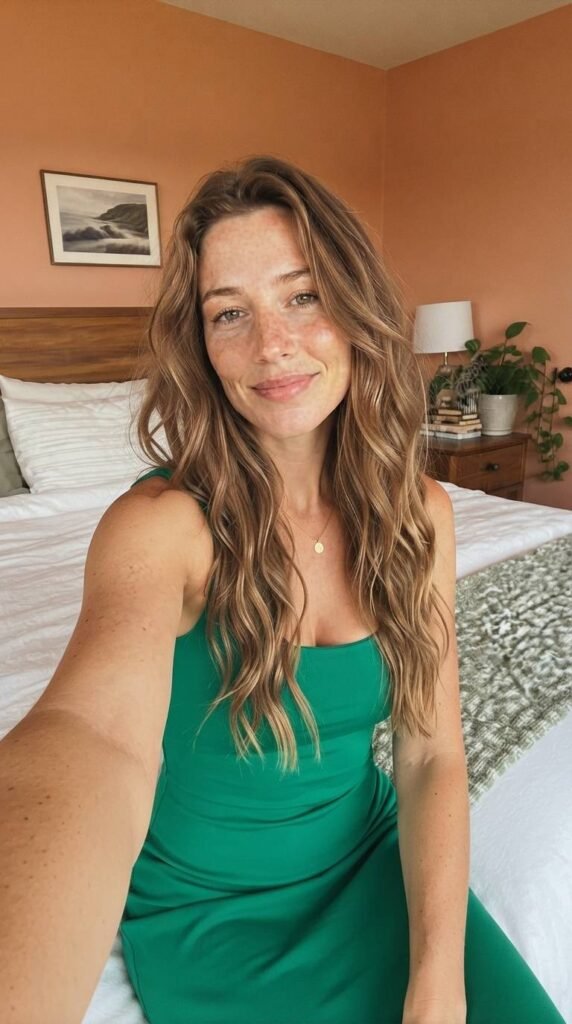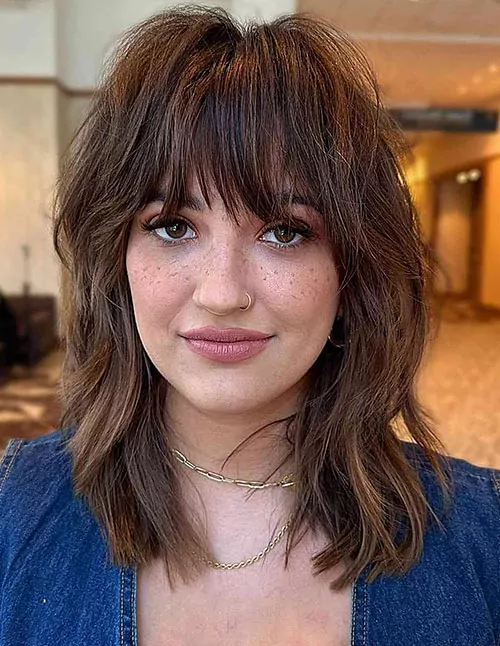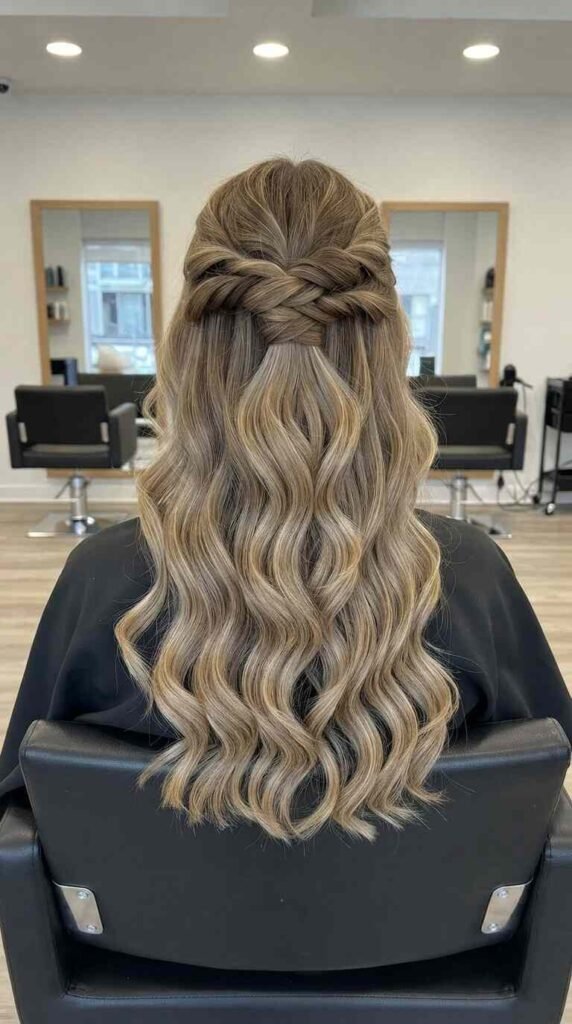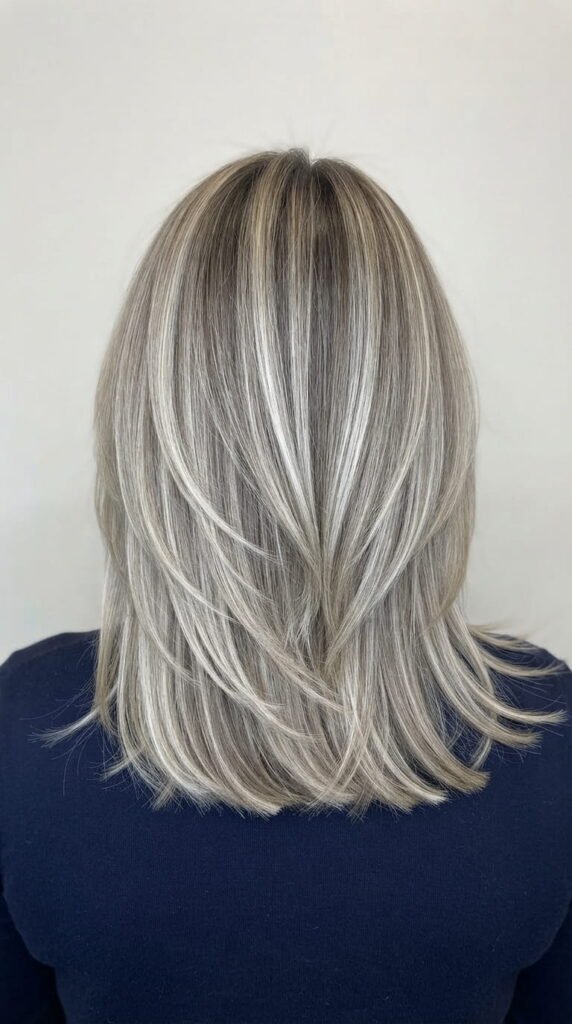
Short hairstyles for thin fine hair can look full, modern, and beautifully intentional when the cut is designed around your natural density. Fine hair describes the diameter of each strand, while thin hair usually refers to how much hair you have overall; you may have one or both. The right shape can make a noticeable difference by giving the crown lift, creating a stronger outline, and helping the ends look healthier instead of wispy.
If your hair tends to fall flat soon after styling, you do not necessarily need a shelf full of volumizing products. Often, the better starting point is a haircut that does not remove too much weight, a part that works with your growth pattern, and styling techniques that lift the roots without coating the strands. These short hairstyles for thin fine hair offer a range of looks, from soft pixies to structured bobs, so you can choose a style that fits your routine and personal taste.
Before booking an appointment, think about how much styling you enjoy doing and how often you can return for a trim. Bring photos that show the cut from the front and side, and tell your stylist whether you prefer wash-and-go hair, a polished finish, or a little texture. A good stylist can adapt the shape to your hairline, cowlicks, face-framing preferences, and the way your hair behaves on an ordinary day.
1. Tapered Pixie with Textured Crown
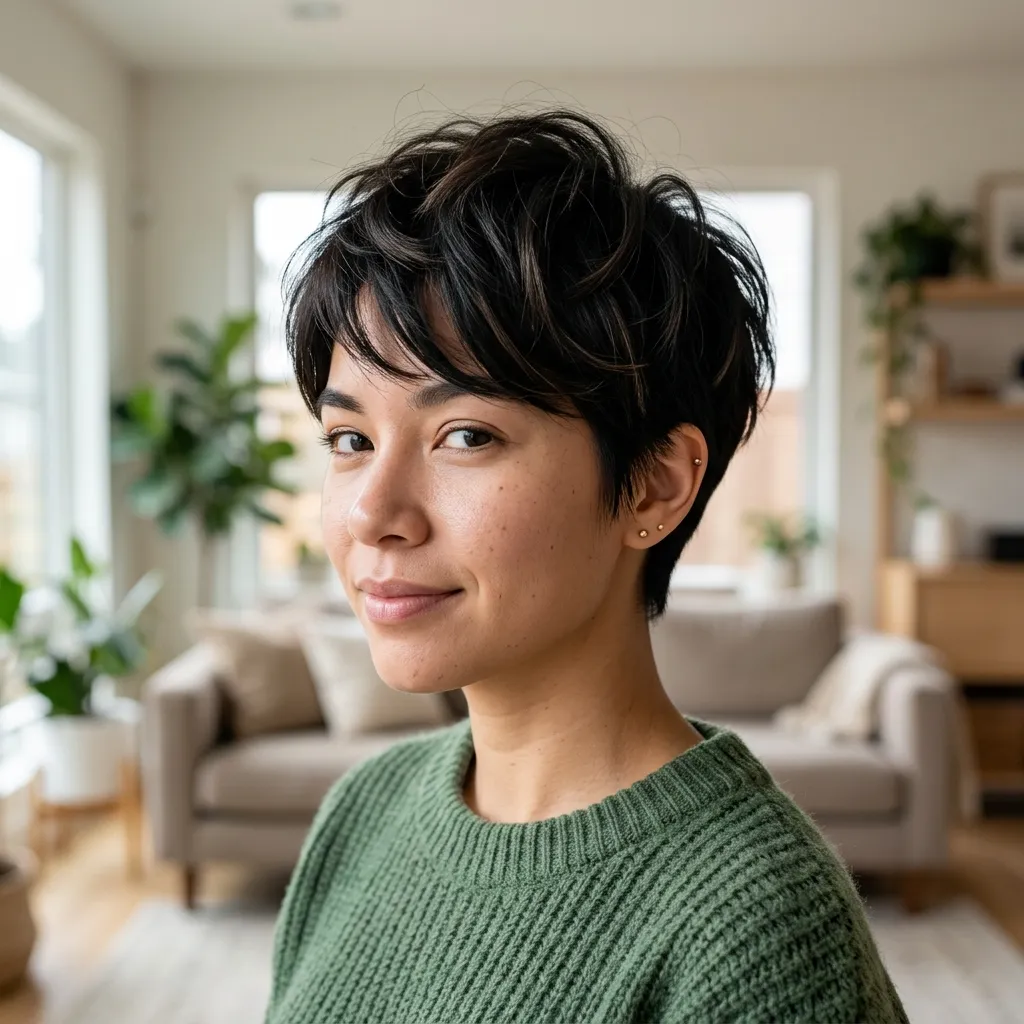
A tapered pixie with a textured crown is a strong option when you want a short cut that creates lift without requiring a lot of length. The sides and nape sit closer to the head, while the top is left long enough to move and be styled upward or slightly to one side. That contrast helps the haircut look deliberate, and the textured crown can create the impression of more fullness than a very flat, uniform cut.
Ask your stylist for soft, piecey texture rather than aggressive thinning throughout the top. Too much thinning can make fine ends look transparent, especially around the fringe and crown. At home, start with a small amount of lightweight mousse at the roots, then blow-dry in the opposite direction from your usual part before setting the hair where you want it. A tiny dab of matte paste can separate the ends, but stop before the hair begins to look sticky or stringy.
2. Stacked Bob with Long Side Bangs

A stacked bob uses shorter layers at the back to create a rounded shape that gradually lengthens toward the front. On thin fine hair, a carefully controlled stack can make the back look fuller and give the silhouette a little structure. Long side bangs soften the front and create a sweeping line across the forehead, which is useful if you prefer movement around the face rather than a blunt fringe.
The key is keeping the graduation balanced. If the back is layered too heavily, the ends may look sparse; if it is too long and one-length, the shape may lose its lift. Tell your stylist whether you want a subtle stack or a more noticeable rounded profile. For styling, use a round brush on the front and crown, directing the hair away from the face, then finish with a light mist of flexible hairspray rather than a heavy oil or wax.
3. Platinum Blonde Undercut Pixie

A platinum blonde undercut pixie combines a short, close-cut section around the sides or nape with a longer top that can be swept, tousled, or styled into a soft quiff. The undercut creates contrast and removes bulk where it is not needed, while the top remains the focal point. Platinum adds a striking, fashion-forward finish, especially when the cut is kept crisp and the texture is visible.
Color choice matters because fine hair can be more vulnerable to damage from repeated lightening. If your natural hair is dark, reaching a very pale platinum may require multiple salon sessions, and the process can make delicate ends feel rough or break more easily. Ask a professional colorist to assess your hair history and explain the safest achievable shade. For daily styling, use a lightweight heat protectant, avoid repeated high-heat passes, and choose a purple toning product only as often as your colorist recommends.
4. Soft Layered Pixie Cut
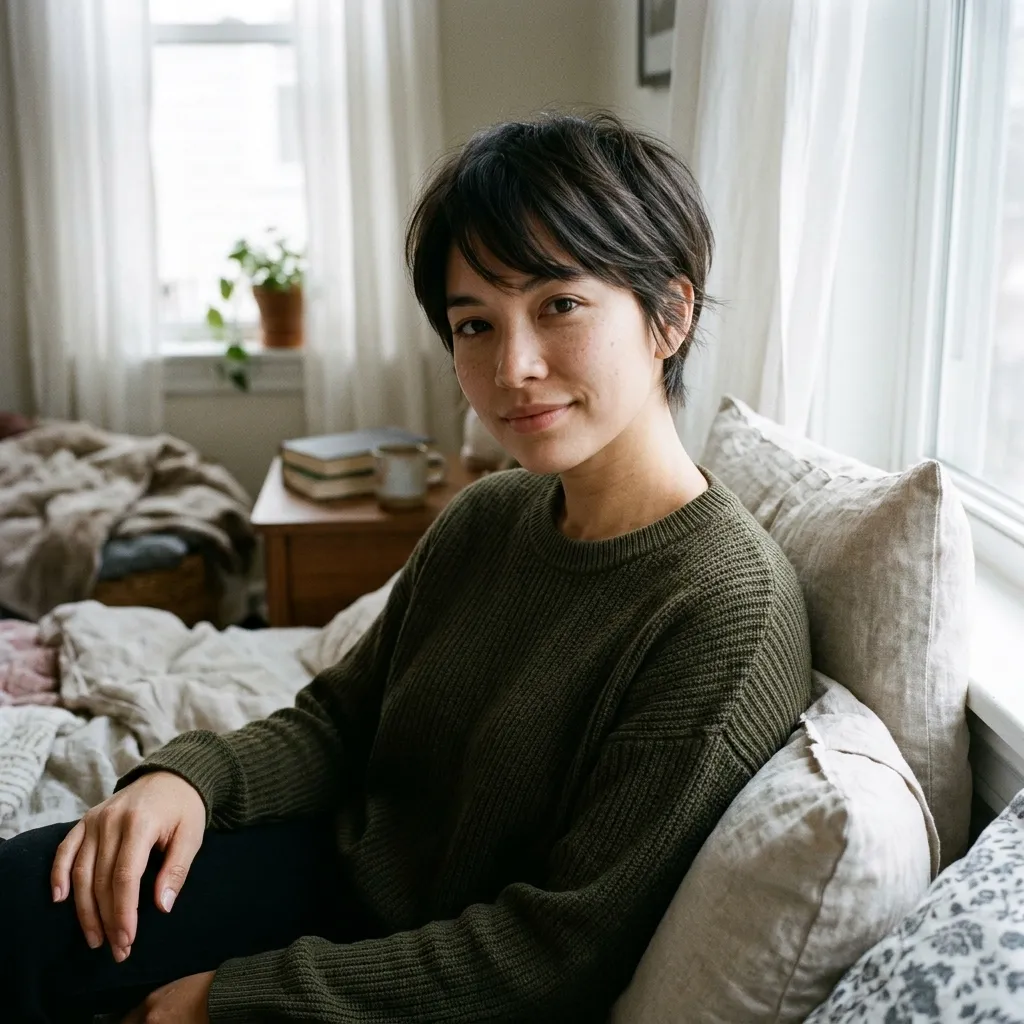
A soft layered pixie is ideal if you want a short style that feels light and flexible rather than sharply sculpted. Gentle layers around the crown and fringe create movement, while the overall shape remains compact enough to make everyday styling straightforward. The cut can be worn smooth for a polished look or separated with a little texture for a relaxed finish.
For fine hair, layers should be placed strategically instead of removing density from every section. Ask for a shape that preserves the ends and uses the shortest pieces to encourage lift where you need it. After washing, apply a light volumizing lotion or mousse and blow-dry with your fingers, lifting the roots as you go. If you prefer a softer finish, use a pea-sized amount of styling cream on the ends only; applying too much product close to the scalp can flatten the style.
5. Voluminous Silver Pixie Cut

A voluminous silver pixie uses a cool silver or gray tone to give a short haircut a modern, luminous finish. The volume comes from the shape and styling, not simply from the color, so a cut with a little height at the crown and soft movement around the forehead is often the most flattering starting point. Silver can be bright and icy or more muted and smoky, allowing the look to feel either edgy or understated.
To keep the pixie looking full, ask your stylist to avoid over-thinning the crown. Use a lightweight root-lifting product and direct the hair in several directions while blow-drying so it does not settle into one flat line. Silver color may need toning and can show warmth as it fades, but frequent toning is not always better; follow a schedule that suits your hair condition. Regular conditioning and gentle handling help maintain shine, especially if the shade required pre-lightening.
6. Sleek White Pixie with Clean Taper

A sleek white pixie with a clean taper is a minimalist cut with a bright, cool finish and a neat outline around the ears and neckline. The top can be combed close to the head for a smooth effect or given a little lift at the front. Because the cut itself is uncomplicated, small details such as the fringe angle, sideburn length, and taper make a noticeable difference to the final result.
This style can work especially well for someone who likes a refined look and is comfortable visiting the salon to keep the edges neat. A smoothing cream used sparingly can control flyaways, while a fine-tooth comb helps direct the hair without creating too much separation. White-blonde color needs thoughtful upkeep, so discuss root regrowth, toning, and conditioning before choosing it. If you want the same cool impression with less maintenance, ask about pearl blonde, pale beige, or a softer silver-white alternative.
7. Blunt Chin-Length Bob for Fine Hair
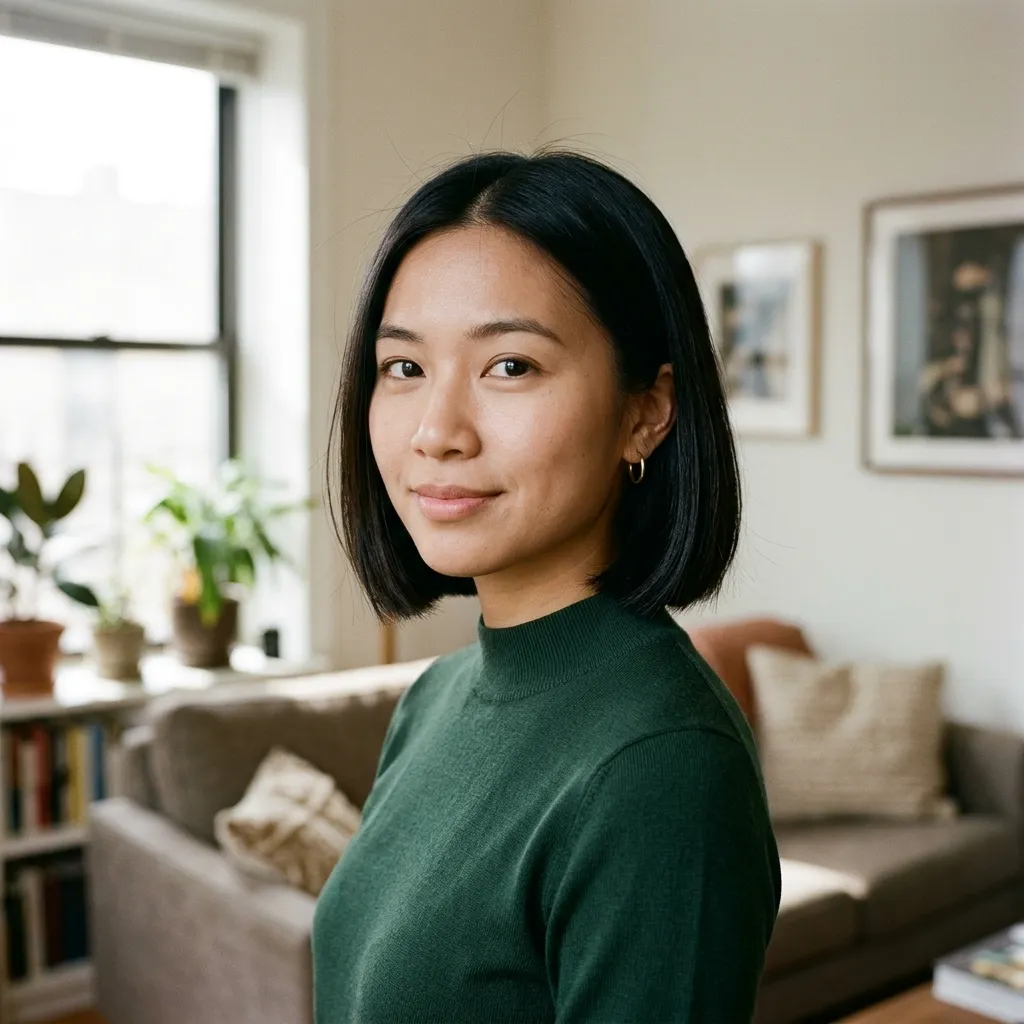
A blunt chin-length bob creates a strong perimeter, which can help fine ends look denser than they might in a heavily layered cut. The length frames the jaw and can be worn straight, softly bent, or tucked behind one ear. A center part gives it a clean, symmetrical feel, while a slightly off-center part adds movement without changing the overall shape.
Tell your stylist if your hair is thin at the front or if the ends tend to become see-through as they grow. A blunt baseline can preserve the appearance of fullness, but the exact length should be chosen around your natural density and the way your hair sits when dry. For a smooth finish, use heat protectant and a medium-temperature blow-dry, then bend the ends slightly inward if you like a rounded silhouette. Avoid heavy serums that can separate the strands and make the perimeter look less substantial.
8. Side-Parted Textured Crop

A side-parted textured crop gives short hair a little asymmetry and direction. The part creates an instant visual line, while the top is left with enough texture to keep it from looking flat. It is a practical option for anyone who wants a modern cut that can be styled neatly for work and made more relaxed for weekends.
If your hair has a natural cowlick, ask the stylist to work with its direction instead of forcing a part that will not stay in place. A lightweight styling lotion or mousse can support the shape without weighing down the strands. Blow-dry the roots first, then use your fingers to create small separations at the top. For a more casual finish, allow a few pieces to fall forward rather than trying to make every strand perfectly smooth.
9. Short Wavy Bob with Airy Layers

A short wavy bob with airy layers is a good choice if your fine hair has a natural bend or you enjoy creating loose waves with a curling iron. The shape keeps the hair around the jaw or just above the shoulders, while subtle layers help the waves move rather than forming one heavy triangle. The goal is to keep enough weight at the ends for fullness while allowing the surface to look soft and dimensional.
Use a lightweight mousse or wave spray on damp hair, then scrunch gently and let it air-dry or diffuse on a low setting. If you use a curling iron, alternate the direction of a few waves and leave the ends slightly straighter for a relaxed finish. Avoid brushing the waves repeatedly, which can stretch them out and make the hair appear less full. A flexible spray can help the shape last without leaving the strands stiff.
10. Short Pixie Bob with Face-Framing Fringe

A pixie bob sits between a classic pixie and a short bob, offering a little more length around the ears and face while keeping the nape tidy. A face-framing fringe softens the shape and gives you an easy styling focal point. This can be a comfortable transition if you want to go shorter but are not ready for a very cropped cut.
The fringe should be tailored to your hairline and preferred part. A side-swept fringe can blend into the longer front pieces, while a light curtain fringe creates an open center and a softer frame. Ask your stylist to preserve density through the ends, and schedule trims before the fringe becomes difficult to style. A small round brush or your fingers are usually enough to direct the front pieces, so the cut does not have to involve a long morning routine.
How to Choose Short Hairstyles for Thin Fine Hair
Start with the difference between fine strands and low density. Fine strands can still be plentiful, while thin hair may have visible gaps or less coverage in certain areas. A blunt bob often helps the ends look denser, whereas a textured pixie can make the crown appear fuller through shape and lift. Your stylist should consider both strand diameter and overall density before recommending layers, a fringe, or a very short crop.
Think about your natural growth patterns, too. A cowlick at the crown may affect how a pixie sits, and a strong parting pattern can influence whether a bob looks best with a center or side part. Bring photos that resemble your own texture and density rather than relying only on pictures of thick hair styled with extensions. Ask which details can be realistically recreated with your hair and which would require daily heat styling or extra products.
Maintenance is another important part of the decision. Short, precise shapes can lose their outline as they grow, while slightly longer bobs may give you more time between appointments. If your schedule is busy, tell the stylist how often you can realistically return for a trim. The most successful haircut is one you can keep looking good without feeling that you must visit the salon every few weeks.
Styling Tips to Make Fine Hair Look Fuller
Use less product than you think you need, then add a little more only if the style needs it. Lightweight mousse, root-lifting spray, and flexible hairspray are often easier to work with than dense waxes, oils, and creams applied throughout the hair. Apply products mainly where they serve a purpose: root lift at the roots, smoothing product on flyaway ends, and texture paste on small sections of the top.
Blow-drying technique can make as much difference as the product. Lift the roots with your fingers or a brush and direct the airflow toward the base of the hair before shaping the ends. Let the hair cool in the position you want it to hold, because styling while the hair is warm can help create longer-lasting lift. Use a heat protectant and avoid the highest temperature setting when a moderate one will do the job.
Do not assume that every fine-hair style needs layers. Too many short layers can make the perimeter look thin, especially if the hair is already sparse. A strong outline with a little movement at the crown may be more effective than extensive texturizing. Ask your stylist to explain where they plan to remove weight and how that will affect the shape as it grows.
FAQs About Short Hairstyles for Thin Fine Hair
What is the best short haircut for thin fine hair?
A blunt bob, a softly layered pixie, or a textured crop can all work well, depending on your density and preferred styling routine. Blunt ends can make the perimeter look fuller, while a well-shaped pixie can add lift at the crown. The best choice is the one that works with your natural growth pattern and does not rely on excessive product to hold its shape.
Should thin fine hair have layers?
Yes, but layers should be placed thoughtfully. Gentle layers can add movement and lift, while too many layers or heavy thinning can make the ends appear sparse. Tell your stylist whether fullness at the ends or extra movement at the crown is your main priority.
Does short hair make fine hair look thicker?
A shorter cut can help fine hair look fuller because the ends have less length and weight pulling them down. However, the result depends on the haircut, density, and styling. A blunt shape or compact pixie often gives a stronger outline than a very long, heavily layered style.
How often should I wash fine hair?
There is no universal schedule. Fine hair can show oil and product buildup quickly, so some people prefer more frequent washing, while others can comfortably go longer. Choose a gentle cleanser that suits your scalp and adjust based on oiliness, exercise, styling products, and how your hair feels.
Which products should I avoid for thin fine hair?
Very heavy oils, thick butters, and large amounts of wax can weigh fine strands down when applied across the whole head. You do not need to avoid every rich product, but use them sparingly and focus them on the areas that need them. Lightweight formulas and small amounts are usually easier to adjust.
Conclusion
The most flattering short hairstyles for thin fine hair combine a thoughtful shape with styling that supports your natural texture instead of weighing it down. A tapered pixie, stacked bob, blunt chin-length cut, or short wavy bob can all create a fuller-looking silhouette when the length and layers are chosen carefully. Bring clear reference photos to your appointment, explain how much styling you want to do, and ask your stylist to preserve density where your hair needs it most. With a cut that suits your routine and a light-handed approach to products, fine hair can look polished, airy, and full of personality.