
Do you love your curls but wish your morning hair routine were a little easier? Between refreshing flattened strands, managing frizz, and trying to get every curl to fall just right, styling curly hair can sometimes take more time than you would like. The good news is that the right haircut and a simple care routine can make a noticeable difference without taking away the natural bounce and personality of your curls.
Low Maintenance Short Curly Hairstyles offer a practical way to enjoy beautiful texture without spending hours in front of the mirror. From playful pixie cuts and flattering curly bobs to natural afros and effortless air-dried styles, there are plenty of options for different curl patterns, face shapes, and lifestyles. Whether your hair is fine and wavy, thick and springy, or tightly coiled, choosing a cut that works with your natural texture can make everyday styling feel much more manageable.
The secret is to find a hairstyle that looks good without needing constant adjustments. A well-shaped haircut, the right moisturizing products, and a few easy techniques can help you maintain defined curls between wash days. Here are 24 stylish ideas to consider if you want short curly hair that feels fresh, comfortable, and easy to wear.
1. Wash-and-Go Curly Pixie
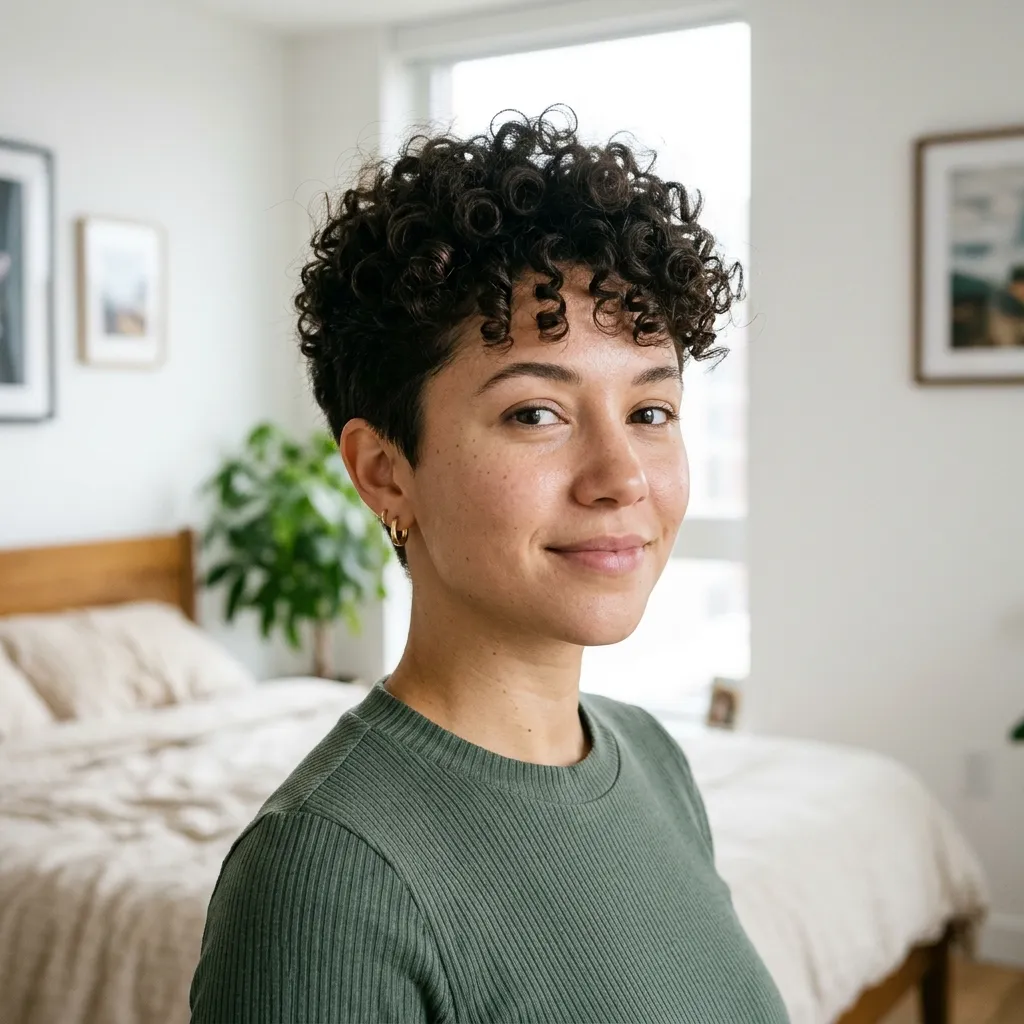
A wash-and-go curly pixie is an excellent choice if you want a short haircut that celebrates your natural texture. The sides and back are kept relatively short, while the curls on top create softness, movement, and a little volume. Depending on your curl pattern, you can wear this cut close to the head for a neat appearance or leave extra length on top for a fuller, more playful finish.
The beauty of this style is that it doesn’t require much daily reshaping. After washing, apply a lightweight leave-in conditioner or curl cream, scrunch your curls gently, and let them air-dry. If you prefer more lift or need your hair to dry faster, use a diffuser on a low-heat setting. Ask your stylist to shape the pixie around your natural curl pattern so it looks balanced even when you don’t spend time styling individual strands.
2. Tapered Natural Cut
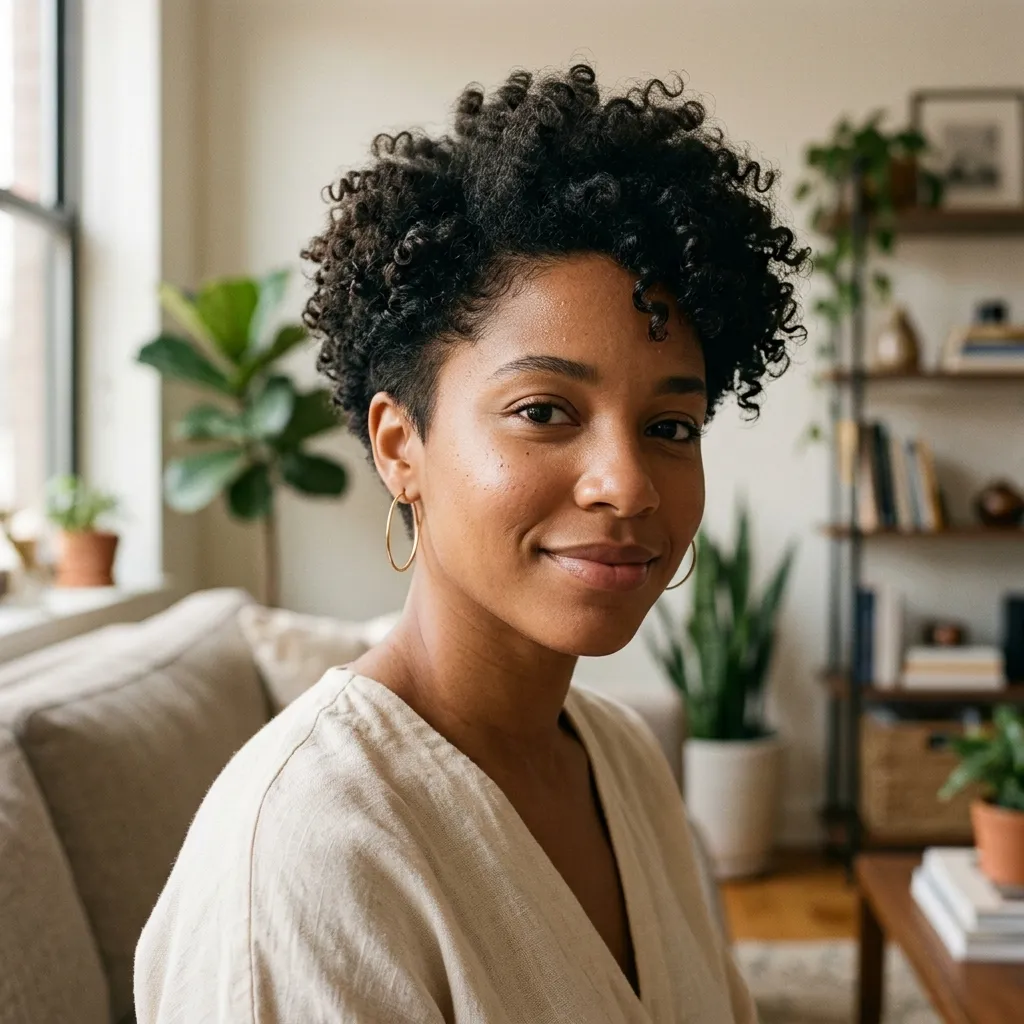
The tapered natural cut combines shorter sides and a neatly shaped neckline with more length through the crown. This contrast allows your natural curls to stand out while keeping the overall silhouette clean and manageable. It’s particularly appealing if you enjoy natural hairstyles that look polished without feeling overly structured.
Daily styling can be as simple as misting your hair with water and applying a small amount of leave-in conditioner where needed. Use your fingertips to lift the roots or gently reshape curls that have flattened overnight. The shorter sides also reduce the amount of hair you need to arrange around your ears and neckline. Keep in mind that maintaining a crisp taper may require regular salon visits, although you can allow the shape to grow softer if you prefer a more relaxed look.
3. Curly Bixie

Can’t decide between a pixie and a bob? The curly bixie combines the shorter silhouette of a pixie with the extra length and movement of a bob. Its layered crown and softly shaped sides allow curls to frame the face naturally, making it a versatile option for anyone who wants short hair without going extremely cropped.
This hairstyle works well with loose curls, springy ringlets, and some tighter curl patterns when the layers are tailored appropriately. To style it, distribute a small amount of curl cream through damp hair and scrunch gently to encourage definition. You can tuck one side behind your ear, switch your part, or let the front curls fall forward for a different look. Because curly hair can shrink as it dries, ask your stylist to account for your natural curl length before cutting the final shape.
4. Short Curly Shag

A short curly shag is perfect if you prefer a relaxed, slightly tousled hairstyle over a perfectly arranged finish. The layers create movement throughout the hair, helping curls form a textured silhouette rather than one heavy shape. A soft fringe and extra volume around the crown can give the cut a modern, playful appearance.
One of the biggest advantages of a curly shag is that its natural messiness is part of the look. Apply a curl cream or lightweight mousse to damp hair, scrunch the curls upward, and let them dry without repeatedly touching them. If a few sections look uneven the next morning, dampen those areas and reshape them with your fingers. Choose a stylist experienced with curly hair, since the right placement of layers helps prevent unwanted bulk and keeps the shape easy to manage.
5. Rounded Curly Bob
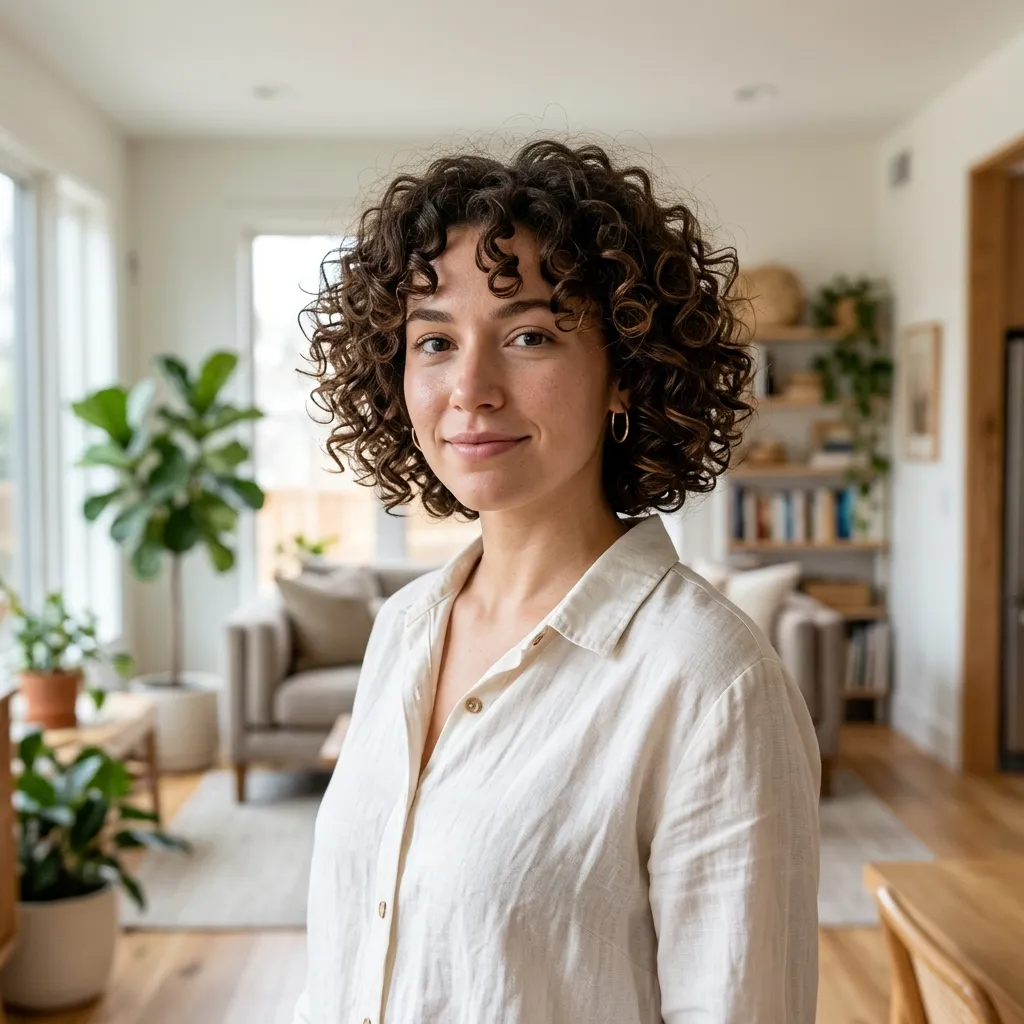
The rounded curly bob creates a soft, balanced silhouette that looks beautiful with natural volume. The length usually falls around the chin or jaw, although the ideal placement depends on your curl pattern and how much your hair shrinks as it dries. Its curved outline gives the hairstyle a finished appearance without requiring you to straighten or carefully arrange every curl.
For a simple routine, focus on hydration and definition rather than trying to control every strand. Apply a suitable styling product to damp hair, scrunch gently, and allow your curls to dry naturally. If the shape flattens overnight, refresh a few sections with water instead of washing your entire head again. Regular trims can help preserve the rounded outline, especially if your curls grow outward or the ends begin to look uneven.
6. Inverted Curly Bob

An inverted curly bob features a shorter back that gradually transitions into longer pieces toward the front. This angled silhouette adds structure while allowing curls around the cheeks and jawline to remain soft and noticeable. It’s a great option if you want a slightly more defined shape than a traditional bob without committing to a hairstyle that requires daily heat styling.
The haircut itself provides much of the visual interest, so your styling routine can remain straightforward. Apply curl cream to damp hair and allow the front sections to fall naturally rather than forcing them into a particular position. If the back becomes flattened while you sleep, gently lift the roots with your fingertips in the morning. Discuss the angle with your stylist before cutting, because tighter curls may create a more compact shape than looser waves.
7. Layered Curly Crop

A layered curly crop is a practical choice when you want short hair with movement but don’t want a heavy, solid silhouette. The layers help distribute volume throughout the haircut, giving curls room to form their natural shapes. Depending on your preference, the result can look soft and feminine, subtly edgy, or neatly textured.
To maintain this style, choose a curl-defining product that provides enough moisture without weighing down your hair. Work it through damp curls using your fingers, then scrunch lightly and allow the shape to develop as it dries. Between wash days, a light mist of water may be enough to bring flattened sections back to life. If your hair tends to expand around the sides, ask for thoughtful shaping rather than removing too much length from areas that need fullness.
8. Curly Crop With Tapered Sides
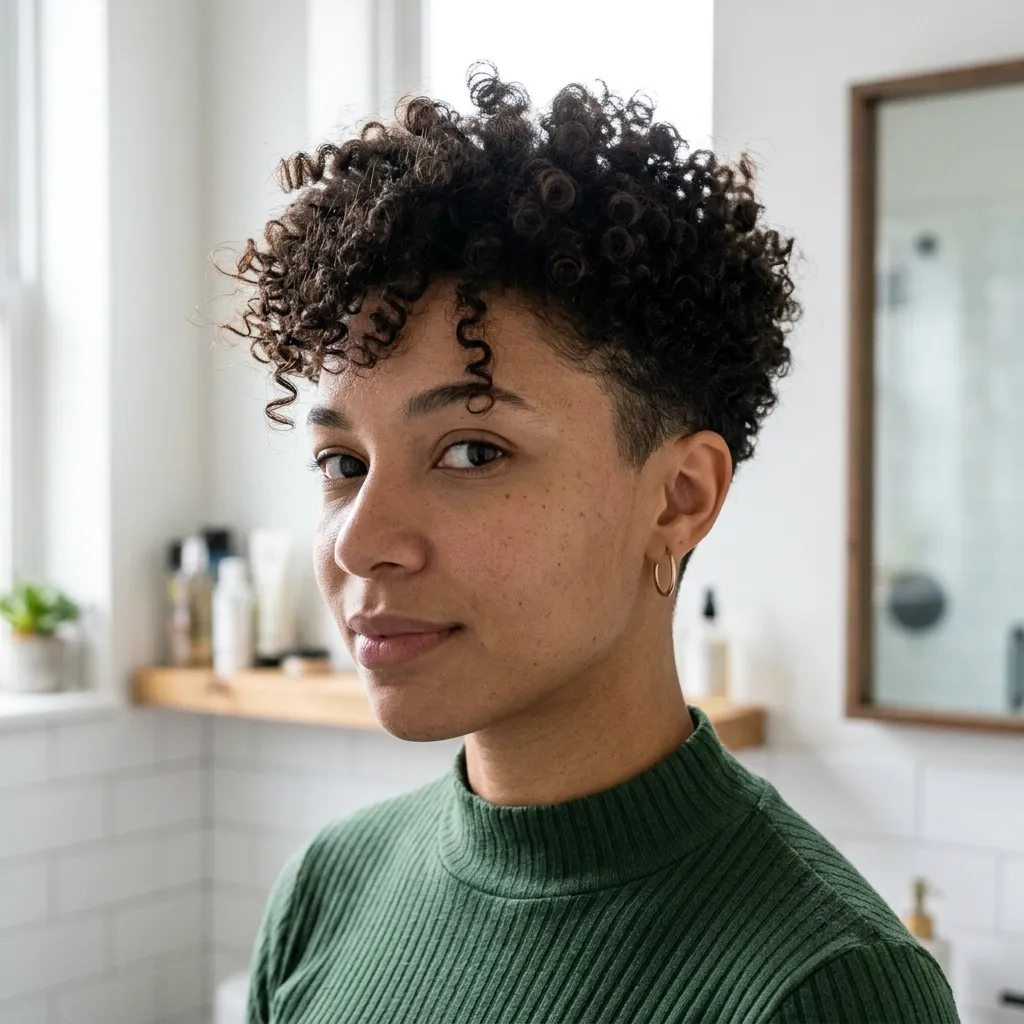
A curly crop with tapered sides offers a clean outline while keeping the natural texture on top. The sides and neckline are cut shorter, leaving enough length at the crown for curls to form a noticeable shape. This contrast creates a modern hairstyle that feels neat without requiring elaborate styling.
The shorter sides can make everyday care easier because there is less hair to detangle and arrange. Refresh the top with a light mist of water and a small amount of curl cream when necessary. You can wear the curls close to the head for a subtle finish or lift them slightly for added height. If you prefer a sharply defined taper, occasional trims will help maintain the outline as your hair grows.
9. Teeny Weeny Afro
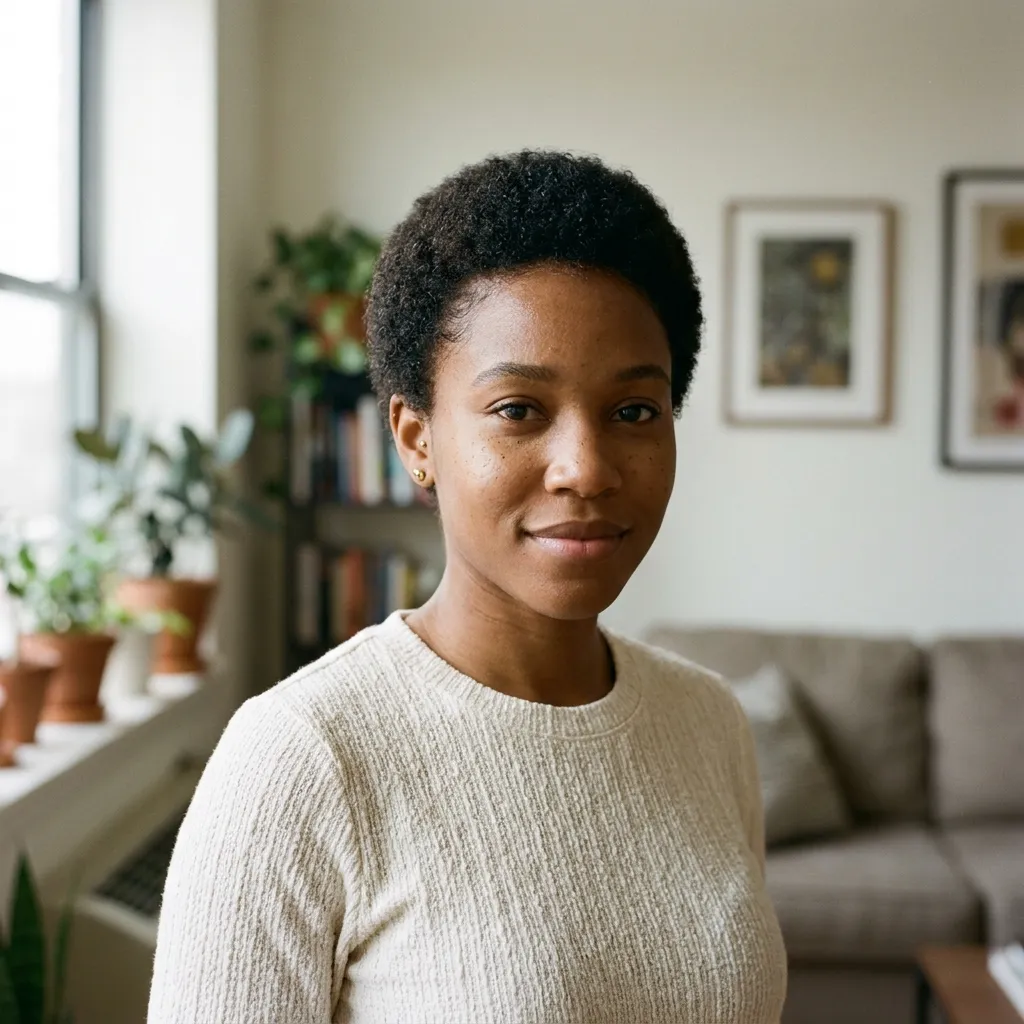
The teeny weeny afro, commonly called a TWA, celebrates natural coils at a short and manageable length. It allows your natural texture to take center stage while keeping the overall hairstyle compact and easy to handle. Whether you prefer a closely cropped shape or a softly rounded silhouette, this cut can feel freeing if you want to embrace your natural hair.
Moisture is still important, even when your hair is short. Use a gentle cleanser, a moisturizing conditioner, and a leave-in product suited to your hair’s needs to help keep your coils soft and flexible. On non-wash days, refresh dry areas with a little water-based moisturizer and reshape the hair using your fingertips. You can also experiment with a side part or tapered outline to give your TWA a slightly different appearance without adding much styling time.
10. Curly Cut With a Side-Swept Fringe
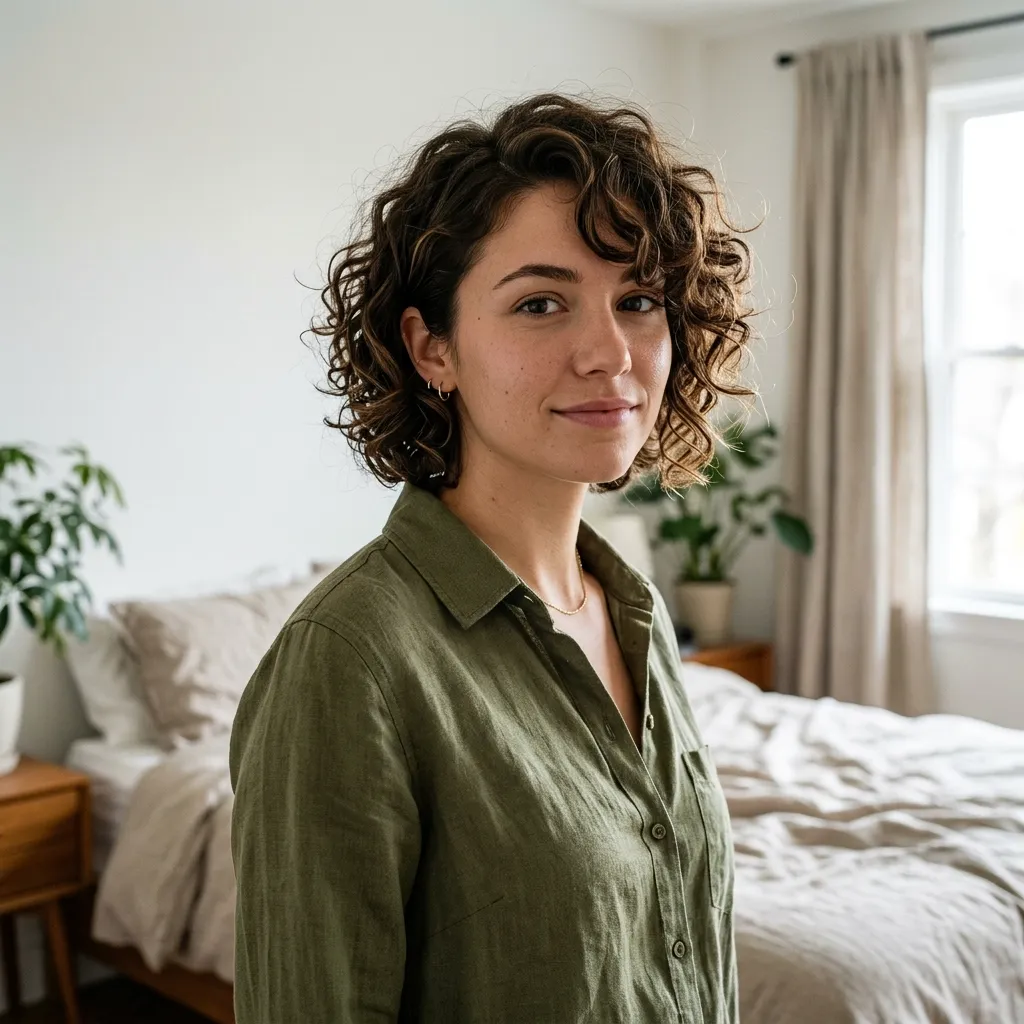
A side-swept curly fringe adds movement around the forehead and creates a flattering focal point for a short haircut. The longer curls fall toward one side, softening the overall silhouette and giving the style a relaxed, face-framing effect. It’s a lovely option if you want a little extra detail without committing to a full fringe that requires frequent adjustment.
To style it, guide the front curls toward your preferred side while your hair is damp. Apply a small amount of curl cream and gently twist a few sections if they need extra definition. If the fringe flattens overnight, refresh only the front rather than restyling your entire head. Ask your stylist to account for shrinkage so the finished fringe falls at a comfortable length once your curls are dry.
11. Short Rounded Afro
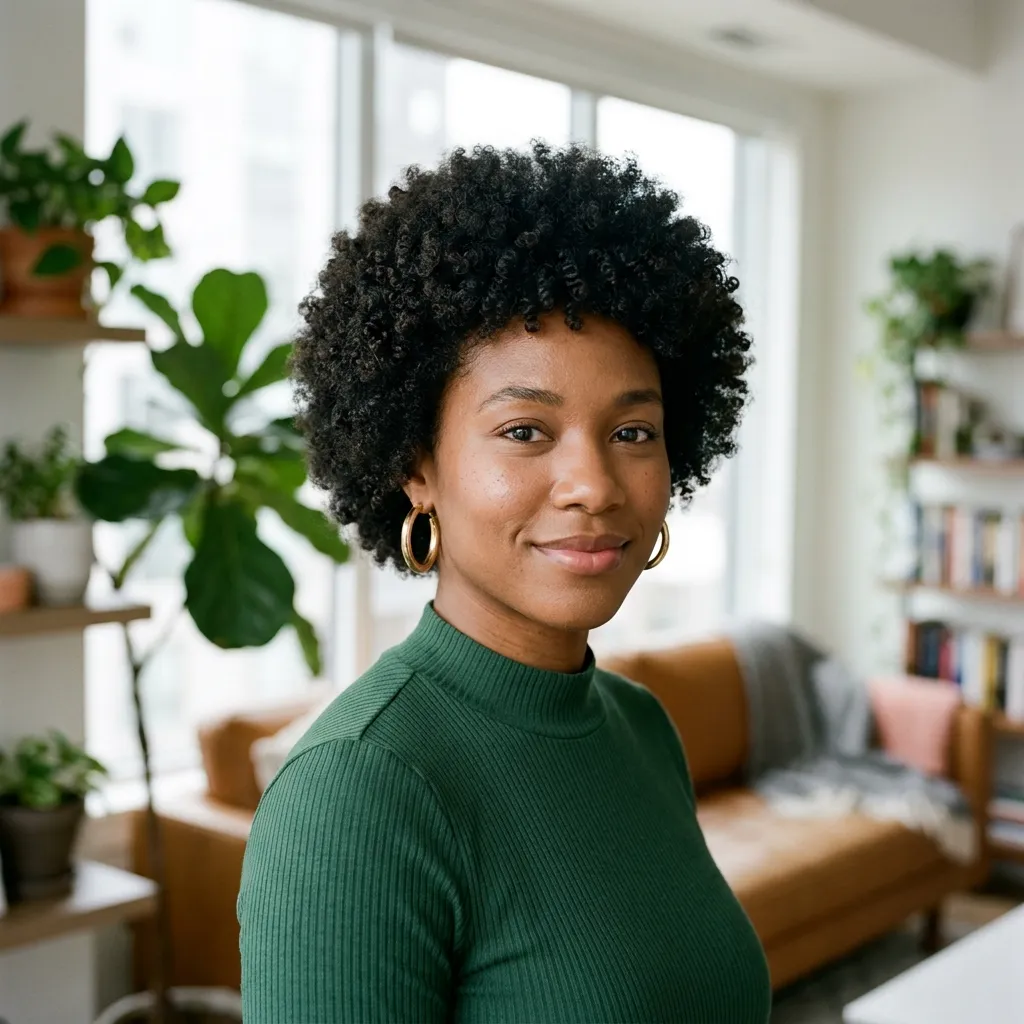
A short rounded afro offers a classic shape that highlights the natural volume and beauty of coily hair. The hair is shaped into a balanced outline, allowing your texture to stand out without requiring every curl to be individually defined. You can keep the shape compact for a neat appearance or leave a little more height for a fuller silhouette.
The daily routine can be simple when the cut works with your natural density. Cleanse your scalp as needed, condition regularly, and use a suitable moisturizer to maintain softness and manageability. When the shape needs a refresh, gently lift the roots with your fingers or a pick rather than pulling through the ends. A stylist experienced with natural coils can help maintain the rounded outline while preserving enough length to keep the style full.
12. Curly Bob With Wispy Bangs

A curly bob with wispy bangs combines the easy shape of a bob with a softer, lighter fringe. Instead of creating a thick line across the forehead, the bangs are cut to let individual curls separate naturally. This gives the hairstyle an airy finish that works beautifully with short ringlets and loose curls.
Because the fringe sits at the front of your face, it may need slightly more attention than the rest of your hair. After washing, guide the bangs into place with your fingers and use a little styling product to encourage definition. If they become flat during the day, lightly mist them with water and allow them to settle again. Ask for a fringe that suits your curl pattern, since very short bangs can require more frequent trims and may spring up more than expected.
13. Classic Wash-and-Go

The classic wash-and-go is less about a specific haircut and more about allowing your curls to develop their natural shape. It works with different short lengths, from compact crops to curls that fall around the jaw. Instead of reshaping your hair with heat or twisting every section individually, the goal is to encourage the curl pattern you already have.
Start with clean, conditioned hair and apply your leave-in conditioner or preferred curl styler while your hair is damp. Distribute the product evenly, scrunch gently, and let your curls dry without repeatedly touching them. If you want extra volume, lift the roots after your hair has dried instead of disturbing the curl lengths. With a little experimentation, you can find a product combination that gives your curls definition without leaving them stiff or heavy.
14. Air-Dry Defined Curls
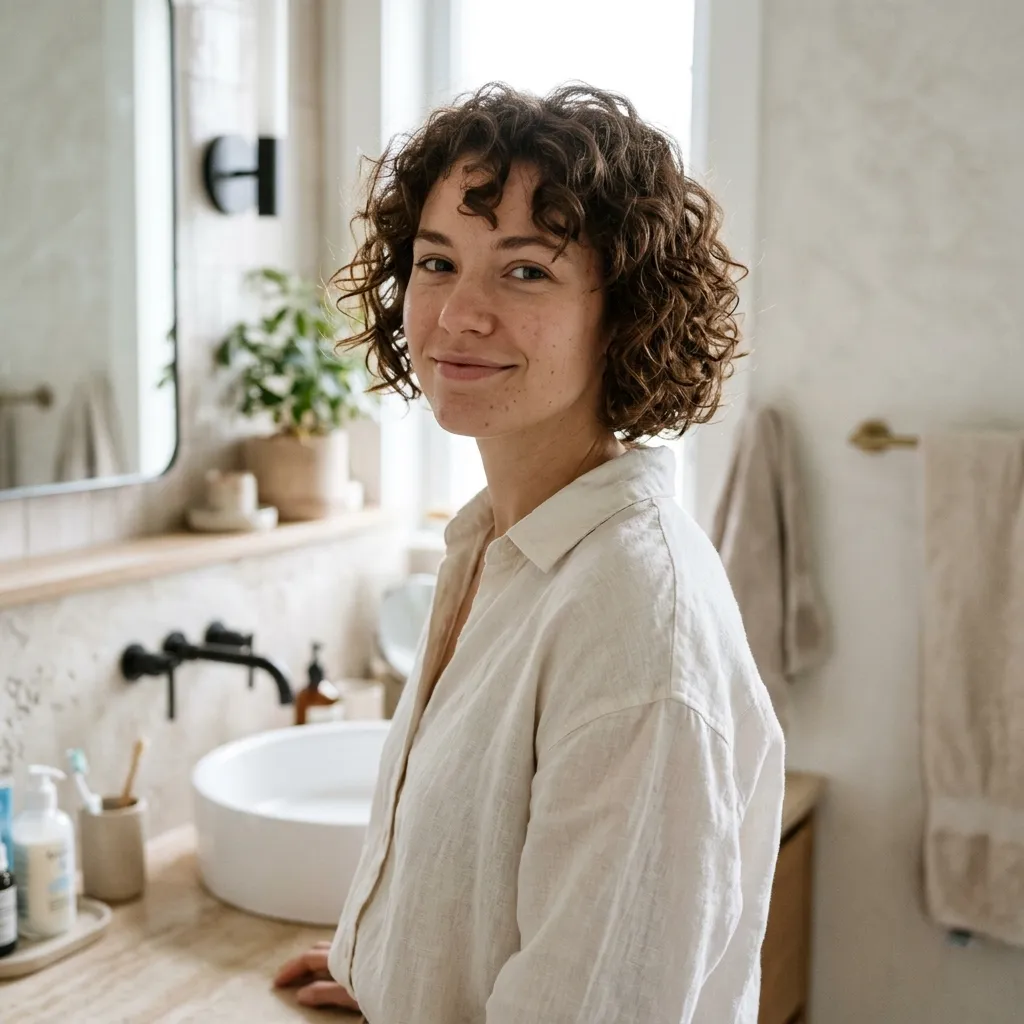
Air-dry defined curls are ideal if you want a natural finish without regularly relying on heat tools. This approach works especially well when your haircut has balanced layers and your curls form a reasonably consistent pattern. The result can look soft, bouncy, and polished without requiring a complicated styling routine.
After washing, gently squeeze excess water from your hair with a microfiber towel or soft cotton T-shirt. Apply a curl cream or gel suited to your texture, then scrunch from the ends upward to encourage curl formation. Allow your hair to dry completely before fluffing or separating the curls, since handling them while wet can increase frizz. If your hair takes a long time to dry, try using less product or gently removing excess water before styling.
15. Diffused Volume
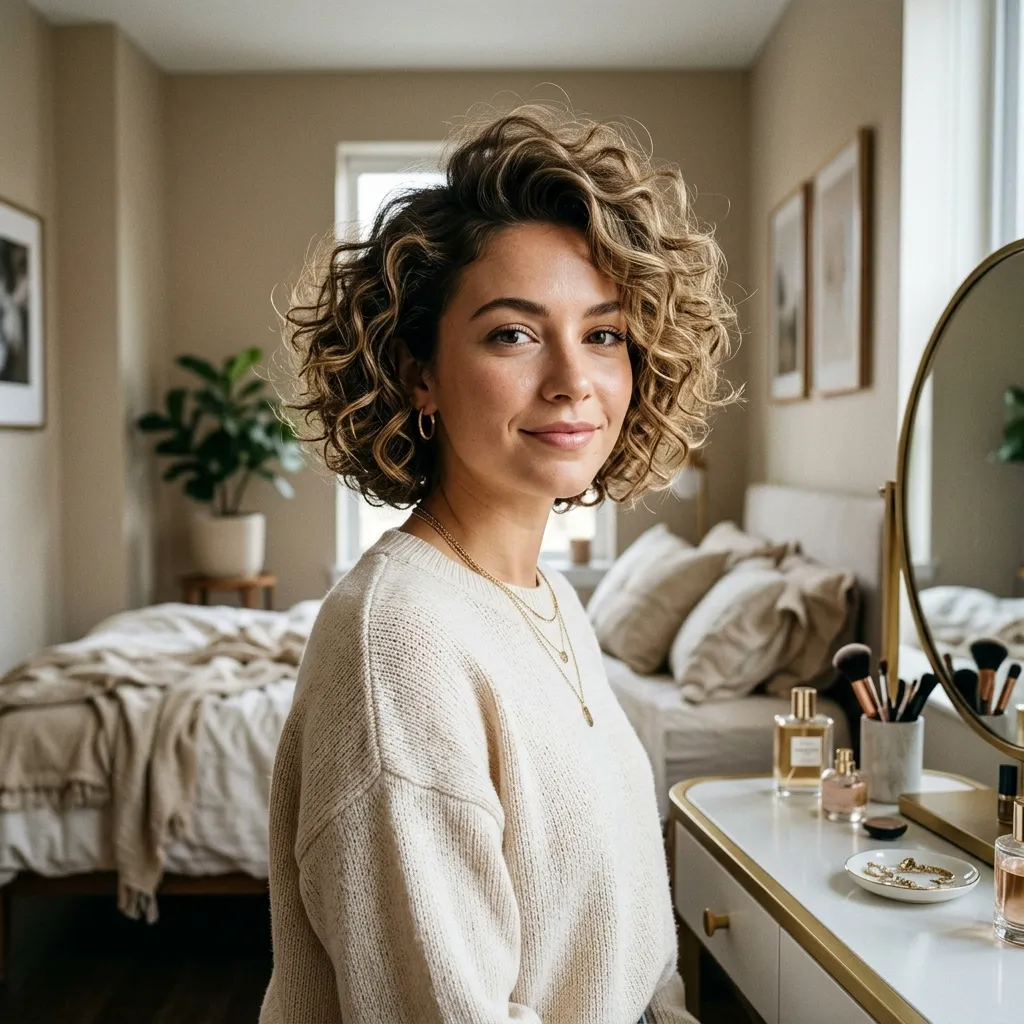
A diffuser can help short curly hair dry with more lift and definition, especially if your roots tend to fall flat. The attachment spreads airflow, making it easier to dry curls while encouraging their natural shape. It’s a useful option for layered crops, curly pixies, and rounded bobs that look their best with a little extra volume at the crown.
Apply your styling product to damp hair and use a diffuser on a low or moderate heat setting. Gently cup sections of curls in the diffuser bowl or hover the attachment near your hair, depending on your preferred result. Avoid constantly moving your hands through your curls while they dry, as this can disturb definition. Once your hair is fully dry, lift the roots gently with your fingertips for a fuller finish.
16. Finger-Coiled Definition

Finger-coiling is a styling technique that encourages individual curls to form more defined ringlets. It can be especially useful when some sections of your hair behave differently from the rest or when you want extra definition around your face. Although the technique takes more time than a basic wash-and-go, you don’t have to coil every strand to get a noticeable improvement.
Begin with damp hair and apply your usual styling product. Wrap a small section around your finger, following the direction in which the curl naturally forms, then release it gently. Concentrate on the front sections or curls that tend to lose their shape rather than working through your entire head. Let your hair dry completely before separating the coils or adding volume at the roots.
17. Second-Day Refresh

A second-day refresh helps you revive your curls without washing your hair every morning. It’s particularly useful for short curly crops, pixies, and bobs that hold their shape reasonably well overnight. Instead of starting from scratch, you can focus on the few areas that have become flattened, stretched, or frizzy.
Start by lightly misting the sections that need attention with water. Smooth a small amount of leave-in conditioner over dry areas if necessary, then scrunch gently to encourage the original curl pattern. Reshape individual pieces with your fingers and allow them to dry before lifting the roots. If your scalp feels uncomfortable or your hair has significant product buildup, washing may be more helpful than repeatedly adding styling products.
18. Pineapple to Extend Wash Days
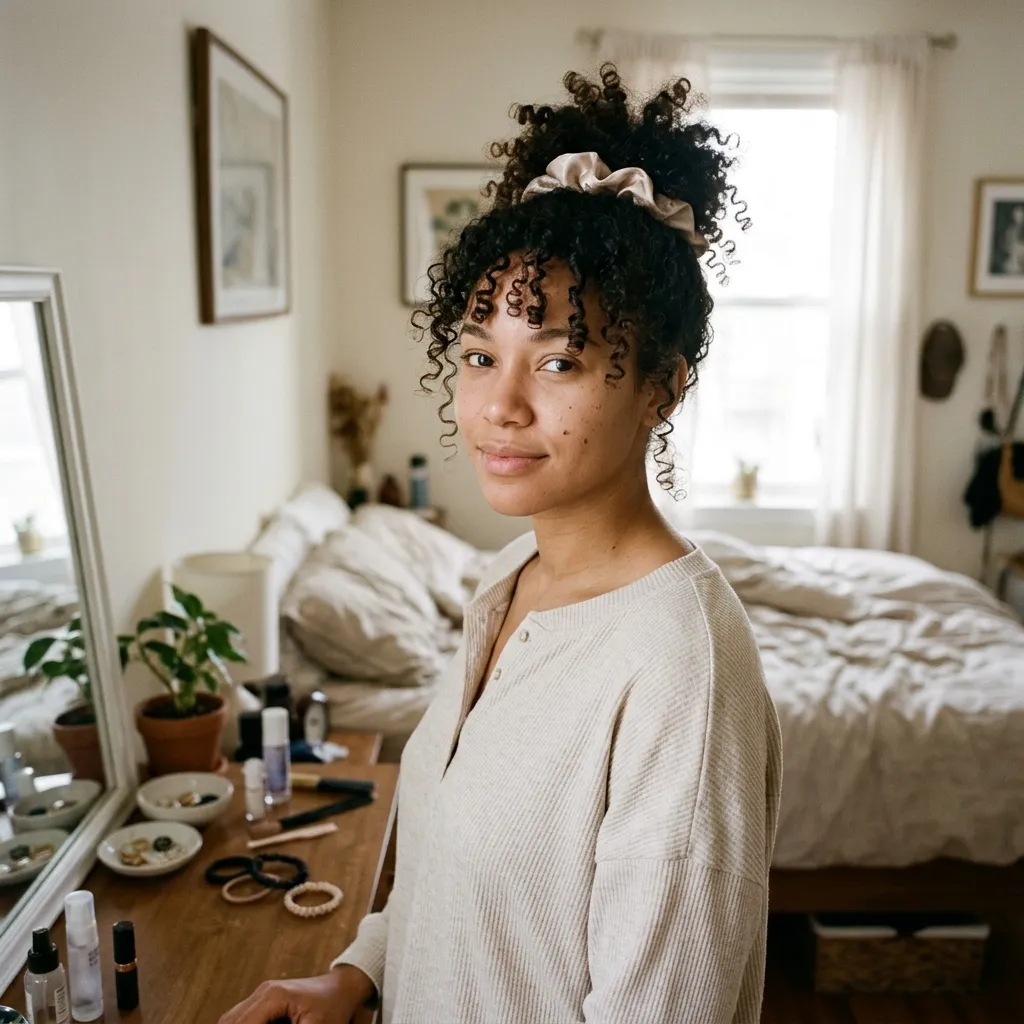
The pineapple method helps preserve curls while you sleep by gathering the hair loosely toward the top of your head. This reduces the amount of hair pressed against your pillow and may help maintain volume and definition overnight. It works best when your short curls have enough length to gather comfortably, although very short pixies may not need this technique.
Use a soft scrunchie and avoid pulling your hair tightly, since tension can flatten curls or stress the hairline. A satin or silk pillowcase can also help reduce friction while you sleep. In the morning, release the hair gently and shake out the roots with your fingertips before refreshing any flattened sections with water. The goal is to preserve enough of your original shape that you don’t need to repeat your entire styling routine.
19. Scrunched Sea-Salt Waves

Scrunched sea-salt waves are a relaxed styling option for women whose short hair naturally forms loose curls or a mixture of waves and ringlets. The technique creates texture and movement without requiring precise curl placement. It works especially well with short layered bobs, shaggy crops, and bixies that already have natural separation.
Apply a lightweight texturizing product to damp hair and scrunch the ends upward to encourage your natural bends. If you use sea-salt spray, start with a small amount because salt-based products can leave some hair types feeling dry or rough. A moisturizing leave-in conditioner underneath may help maintain softness. Let your hair air-dry or use a diffuser, then separate the waves gently with your fingers for a relaxed finish.
20. Deep-Side-Part Air-Dry Curls

Changing your part is one of the easiest ways to give short curly hair a different appearance without getting another haircut. A deep side part creates an asymmetrical silhouette and can make the crown look fuller by shifting the direction in which the curls fall. It works particularly well with curly bobs, bixies, and layered crops that have enough length to move naturally toward one side.
While your hair is damp, create the part with your fingers and gently guide the curls into position. Apply a little curl cream or gel, then allow your hair to air-dry without repeatedly changing the part. If your roots tend to flatten, you can use a lightweight clip to hold them gently in place while they dry. The next morning, refresh only the sections that have shifted rather than washing and styling everything again.
21. Half-Up Claw Clip

A half-up claw clip is an easy solution for days when you want your curls away from your face without hiding the entire hairstyle. Gather a small section from the temples or crown, twist it loosely, and secure it with a clip that suits your hair’s length and thickness. The remaining curls stay loose, creating a relaxed look that works for errands, casual lunches, or everyday activities.
This style is particularly practical for curly bobs and bixies with enough length at the top and sides to gather comfortably. Choose a lightweight clip that holds your hair without creating excessive tension or pulling out defined curls. If your hair is very short, try clipping back just one side rather than forcing both sides into a half-up shape. Leaving a few curls around the face can create a softer finish with very little effort.
22. Curly Headband Day
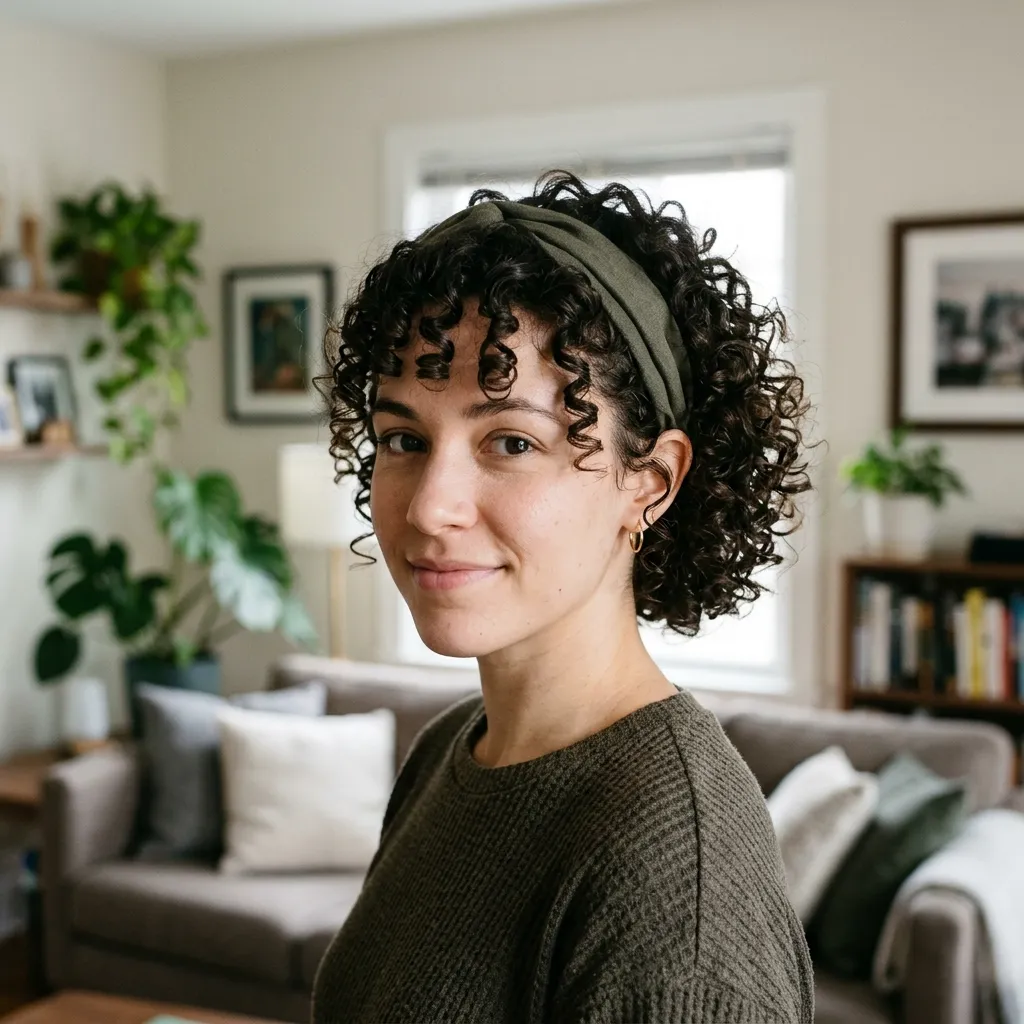
A headband can make short curly hair look intentional on mornings when your curls aren’t cooperating perfectly. It keeps hair away from your forehead while allowing your natural texture to remain the main feature. Depending on the accessory, you can create a sporty, casual, colorful, or more polished appearance without changing your haircut.
Choose a comfortable headband that doesn’t squeeze your temples or pull firmly on your hairline. Position it gently behind the front curls, then use your fingers to lift the roots and arrange any sections that fall forward. If your curls are flattened from sleeping, lightly mist the front and scrunch before adding the accessory. This is a practical option when most of your hairstyle looks good but a few curls around your face need attention.
23. Low-Maintenance Root-Melt Color

A root-melt color technique blends darker roots gradually into lighter lengths, creating a softer transition than a sharply defined color change. On short curly hair, this dimension can help individual curls stand out and add visual interest to the overall shape. Choosing shades close to your natural color can also make the style easier to maintain as your roots grow.
The maintenance advantage comes from the gradual color transition rather than the haircut itself. Because the blend is softer, regrowth may be less noticeable than with a high-contrast color that begins directly at the scalp. You may still need occasional toning or conditioning treatments, depending on your chosen shades and the condition of your hair. Before coloring, discuss your desired upkeep with your stylist and consider how chemical treatments may affect your curls’ softness and manageability.
24. Grown-Out Curly Cut

A grown-out curly cut shows that short hair doesn’t always need to be trimmed as soon as it starts looking different. As a pixie, crop, or short bob gains length, the curls may become softer around the ears and neckline while developing more movement through the top. If you enjoy a relaxed, slightly undone appearance, this in-between stage can become an attractive hairstyle of its own.
To keep the look manageable, focus on moisture, gentle detangling, and refreshing curls that have lost their shape. You can tuck longer sides behind your ears, change your part, or use a small claw clip to keep front sections away from your face. If the hair starts feeling heavy or the silhouette becomes difficult to style, ask your stylist for a light reshaping instead of automatically returning to the original length. A thoughtful trim can preserve the grown-out look while making it easier to maintain.
Frequently Asked Questions
What Is the Easiest Short Haircut for Naturally Curly Hair?
A wash-and-go curly pixie, tapered natural cut, or short rounded bob can be relatively easy to maintain because each works with your natural curl pattern instead of requiring daily heat styling. The best option depends on your hair’s density, curl type, and preferred length. If you want to spend very little time styling, ask your stylist for a shape that looks balanced when air-dried.
Are Short Curly Hairstyles Good for Fine Hair?
Yes, short curly hairstyles can work beautifully for fine hair when the cut preserves enough fullness and avoids removing too much density. A softly layered bob, curly bixie, or compact crop may help curls look more lifted and defined. However, heavy layering can sometimes make fine hair appear thinner, so discuss your concerns with your stylist before deciding how much texture to add.
How Can I Make Short Curly Hair Look Good Without Heat?
Start with a haircut that suits your natural texture, then use a leave-in conditioner and a curl-defining product that work well for your hair. Scrunching damp curls and allowing them to air-dry can encourage definition without a curling iron or flat iron. If you need extra lift, gently arrange the roots while your hair dries or use a diffuser on a low-heat setting when you want faster drying.
How Often Should Short Curly Hair Be Trimmed?
The ideal trimming schedule depends on your haircut, how quickly your hair grows, and how defined you want the shape to remain. A closely tapered pixie may need more frequent shaping than a grown-out curly bob because small changes in length can be more noticeable around the sides and neckline. Arrange a trim when the shape becomes difficult to manage or the ends no longer fall the way you like.
How Do I Reduce Frizz in Short Curly Hairstyles?
Frizz can be influenced by dryness, friction, humidity, product buildup, and handling curls before they’re fully dry. Use a conditioner suited to your hair, apply styling products evenly to damp curls, and avoid rubbing your hair vigorously with a regular towel. Once your curls begin drying, try not to keep touching or separating them, and refresh flattened sections with a little water instead of brushing through the entire hairstyle.
Can I Wear Short Curly Hair Without Washing It Every Day?
Many people with curly hair can comfortably go between wash days, although the ideal frequency depends on scalp needs, activity levels, and product use. A second-day refresh with water and a small amount of suitable styling product may restore the shape without requiring a full wash. If your scalp becomes itchy, uncomfortable, or noticeably coated with product, adjust your washing routine rather than extending it simply to preserve your curls.
Which Short Curly Hairstyles Work Best for Women Over 50?
Women over 50 can enjoy any short curly style that suits their texture, preferences, and lifestyle, including curly pixies, rounded bobs, tapered cuts, and soft curly shags. Face-framing layers can create movement, while a well-shaped crop can reduce the amount of hair that needs daily arranging. There’s no need to choose a particular haircut based on age alone; comfort, personal style, and the way your curls naturally fall are more useful considerations.
What Products Do I Need for an Easy Curly Hair Routine?
You can often start with a gentle cleanser, a conditioner, and one styling product, such as a leave-in conditioner, curl cream, or gel. The right choice depends on your hair’s thickness, porosity, curl pattern, and how much definition you want. Fine curls may respond better to lightweight formulas, while thicker or tighter coils may benefit from richer moisture, so introduce products gradually and pay attention to how your hair feels.
Conclusion
The best Low Maintenance Short Curly Hairstyles are the ones that make you feel good about your natural texture while keeping your daily routine realistic. Whether you prefer a cropped pixie, a soft curly bob, a rounded afro, or an effortless wash-and-go, a suitable haircut can help your curls fall into place with less effort. You don’t need every curl to look identical or every morning to involve a complete styling routine to enjoy beautiful hair.
Start by considering how much time you want to spend styling, how often you’re comfortable visiting the salon, and what your curls naturally do after washing. Share those preferences with a stylist who understands curly hair, and ask for a shape that works with your texture rather than against it. With the right cut, a simple care routine, and a few easy refresh techniques, short curly hair can feel manageable, versatile, and genuinely enjoyable every day.