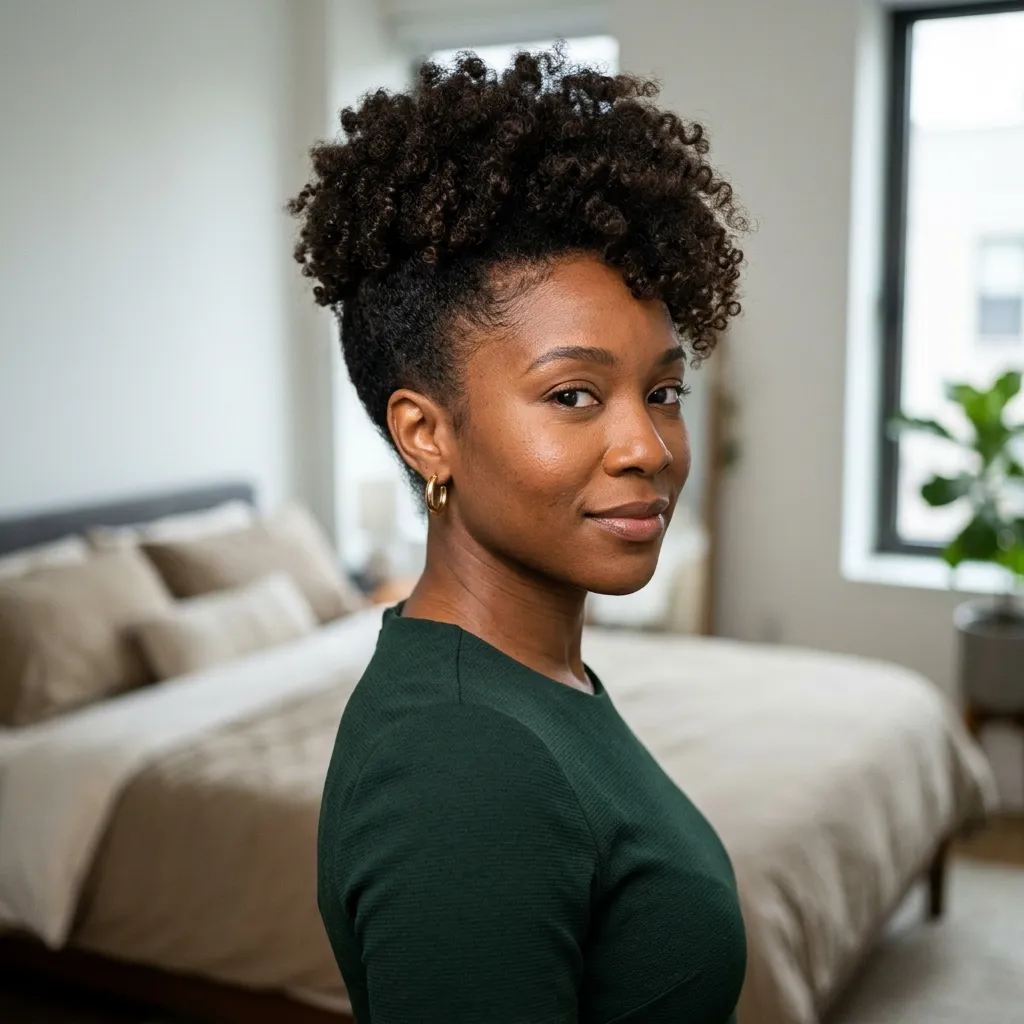
Looking for a haircut that feels bold, stylish, and easy to maintain without sacrificing the beauty of your natural hair? A taper fade might be exactly what you need. With shorter hair around the temples, sideburns, and neckline and more length left on top, this haircut creates a clean silhouette while giving your curls, coils, and creative styling plenty of room to shine.
Taper Fade Haircuts for Black Women offer an impressive range of possibilities, whether you prefer a close-cropped natural look, defined coils, intricate braids, or a pop of color. You can keep the fade subtle for an understated finish or choose a more dramatic shape that makes your natural texture the star of the show. The style can also be tailored to your preferred level of upkeep, making it suitable for women who want a polished everyday haircut without an overly complicated routine.
The best part is that a tapered cut doesn’t have to look the same on everyone. Your curl pattern, hair density, face shape, and personal style can all influence the final result. From classic low tapers to artistic designs and warm blonde shades, these 22 ideas will help you find a look worth discussing with your barber or natural-hair stylist.
1. Low Taper Fade
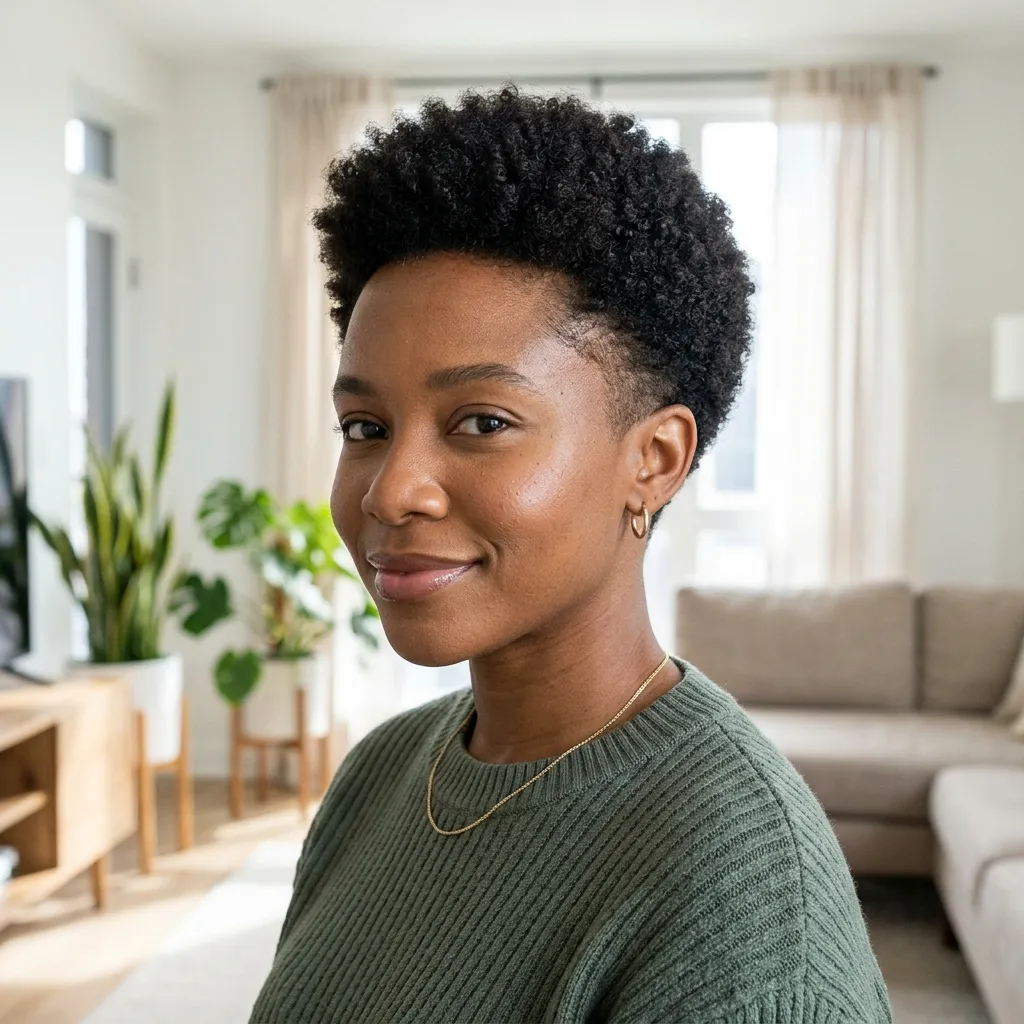
A low taper fade is a great starting point if you want a clean haircut that still feels soft and natural. The hair gradually gets shorter around the temples, sideburns, and neckline while most of the length on top remains untouched. This subtle transition creates a neat outline without dramatically changing the overall shape of your natural hair.
This cut works beautifully with tight coils, short curls, and longer textured tops. You can wear it with a wash-and-go, a small afro, or a few defined twists, depending on your mood and routine. Because the fade is concentrated around the edges, you can enjoy the benefits of a tapered silhouette while keeping plenty of styling flexibility. Ask your stylist for a gentle blend if you prefer a softer finish that grows out naturally between appointments.
2. Mid Taper Fade
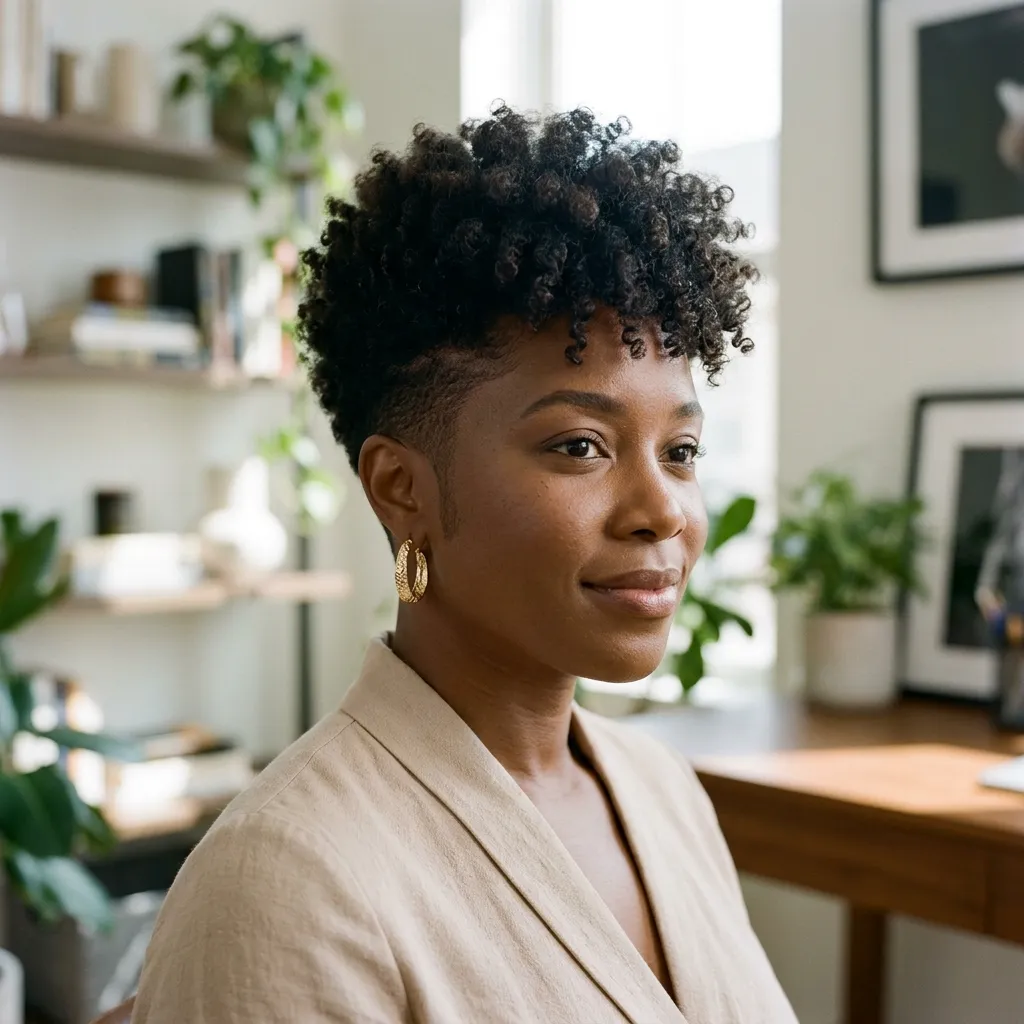
A mid taper fade offers a little more contrast than a low taper while maintaining a balanced, versatile shape. The shorter section begins higher around the temples and sideburns, creating a more noticeable transition between the sides and the hair on top. This added definition can make curls appear fuller and give a natural haircut a more structured finish.
It’s a good option if you want something modern without committing to a very high fade. You can pair it with sponge coils, finger coils, a twist-out, or a textured crop for a look that highlights your natural pattern. A mid taper can also complement earrings and other accessories because it keeps the area around the ears neat. For the best result, ask your stylist to blend the shorter sections smoothly into the longer hair rather than creating an abrupt change in length.
3. High Taper Fade
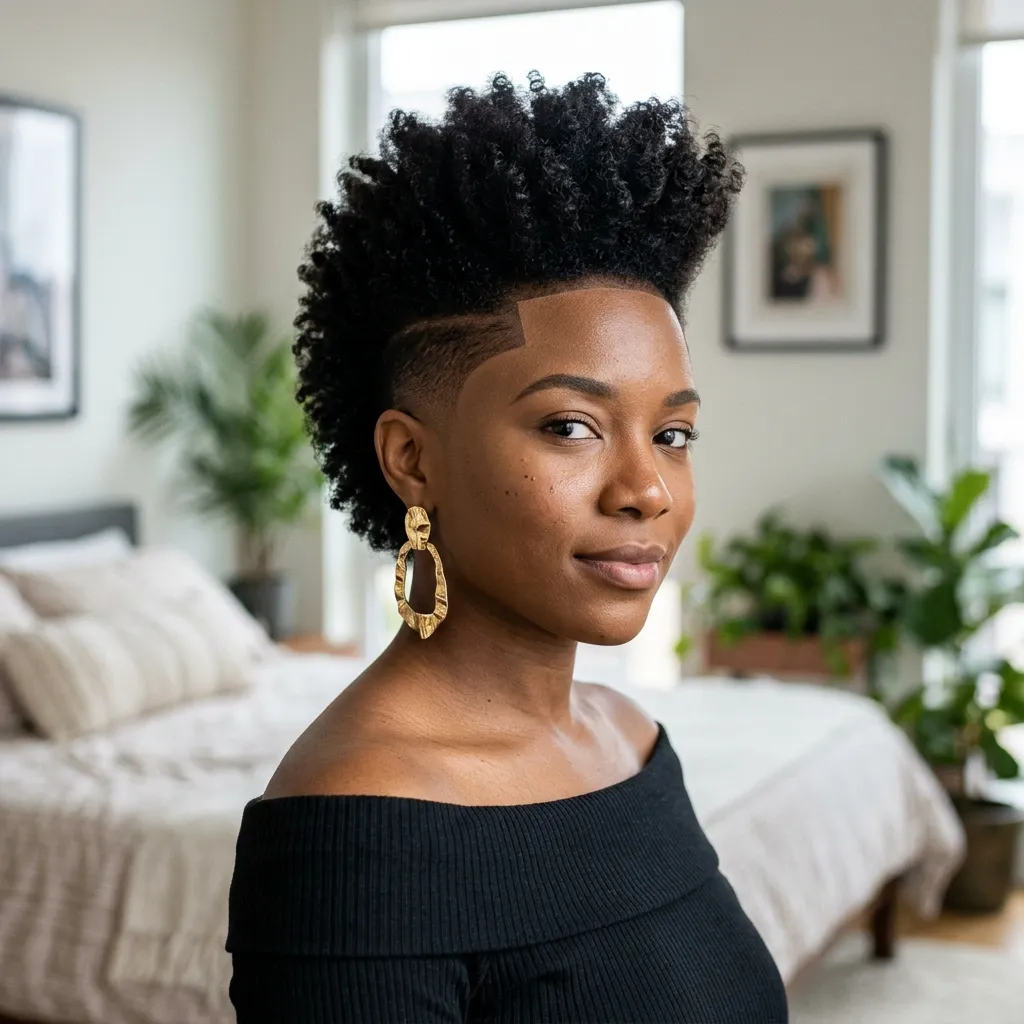
A high taper fade creates a bolder silhouette by taking the shorter sections farther up the sides while retaining length through the top. The result is a striking contrast that draws attention to your curls, coils, and overall haircut shape. If you enjoy hairstyles with a little attitude, this version can make even a simple natural crop feel distinctive.
The high taper pairs especially well with a defined curly top, a short afro, or a textured frohawk. It can also reduce the amount of hair you need to manage around the sides, although the shorter sections may need more frequent trimming to maintain a crisp appearance. When booking your appointment, explain how much height you want to preserve and whether you prefer a dramatic or gradual blend. A good stylist will shape the fade around your head rather than simply following a standard template.
4. Drop Fade
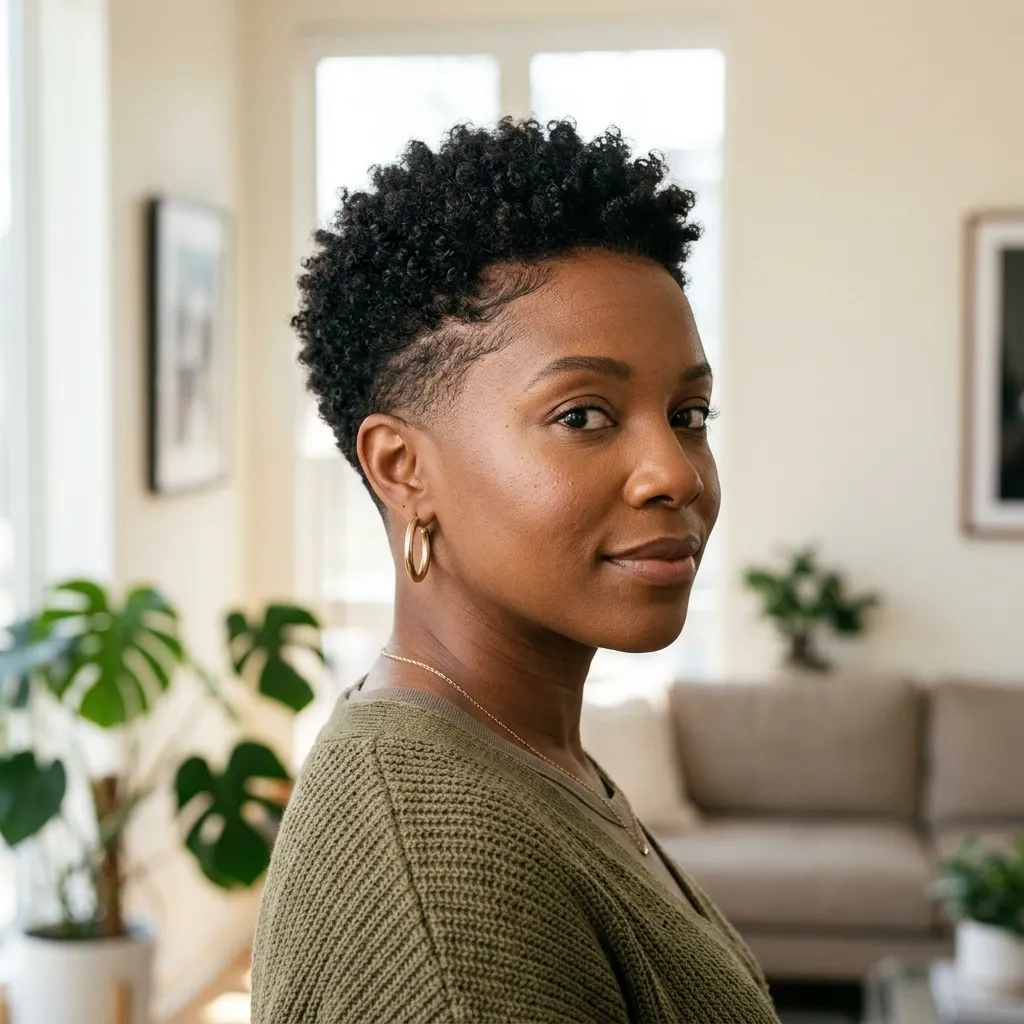
A drop fade follows the natural curve of the head, dipping lower behind the ears as it moves toward the back of the neck. This curved outline creates a distinctive shape that looks especially attractive with textured hair on top. Compared with a more uniform taper, the drop fade adds a little extra detail while keeping the haircut clean around the edges.
You can combine it with a compact afro, defined coils, or a short curly crop, depending on how much length you want to maintain. The curved fade can help frame the top of the haircut and create a balanced profile from different angles. For a softer look, choose a gradual blend with minimal contrast; for a sharper finish, ask for more definition around the temples and neckline. Regular edge maintenance will help preserve the curve as your hair grows.
5. Burst Fade
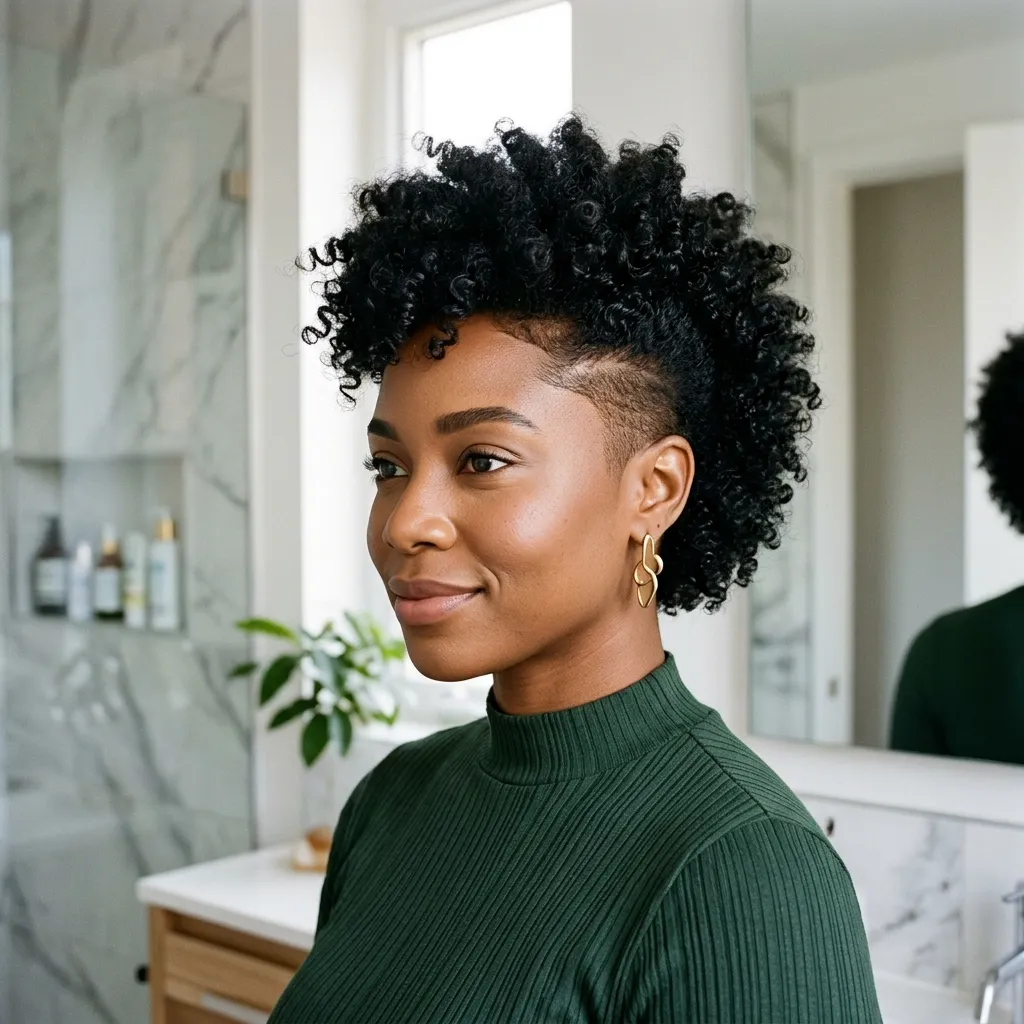
A burst fade creates a rounded fade around the ear, leaving more length toward the back and top of the head. This curved pattern gives the haircut a sense of movement and works particularly well with styles that have extra height or a mohawk-inspired shape. It’s a fun choice if you want something more expressive than a traditional taper but still want to keep your natural texture front and center.
For Black women with curls or coils, a burst fade can look striking with a curly frohawk or a voluminous natural top. The hair around the ear stays short while the curls above and behind it retain their shape. You can wear the top defined for a more polished appearance or slightly tousled for a relaxed finish. Because the burst shape relies on precise blending, bring a reference photo to your appointment and choose a stylist experienced with textured hair.
6. Taper Fade With an Etched Design
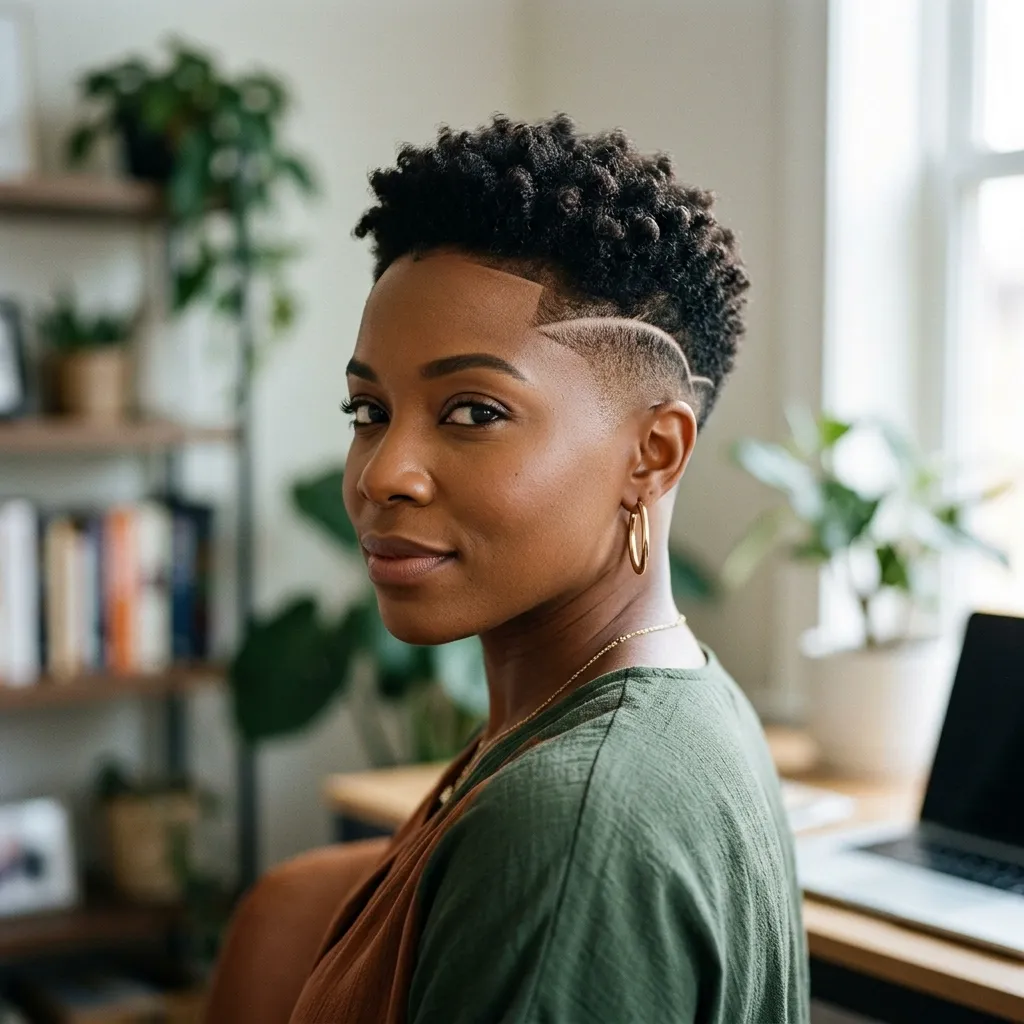
A taper fade with an etched design adds a creative detail to a classic haircut. The shorter section around the temple or neckline becomes a canvas for a curved line, geometric shape, or subtle pattern. This small feature can make a simple natural cut feel personalized without requiring you to change the length or styling of your hair on top.
The design can be minimal if you prefer something understated, or more noticeable if you enjoy an artistic finish. Pair it with short coils, a tapered afro, or a curly crop to keep the overall haircut balanced. Remember that etched lines become less distinct as the hair grows, so maintaining the design may require more frequent touch-ups than a plain taper. Ask your stylist to recommend a pattern that complements your haircut and can be maintained comfortably.
7. Taper Fade With a Hard Part
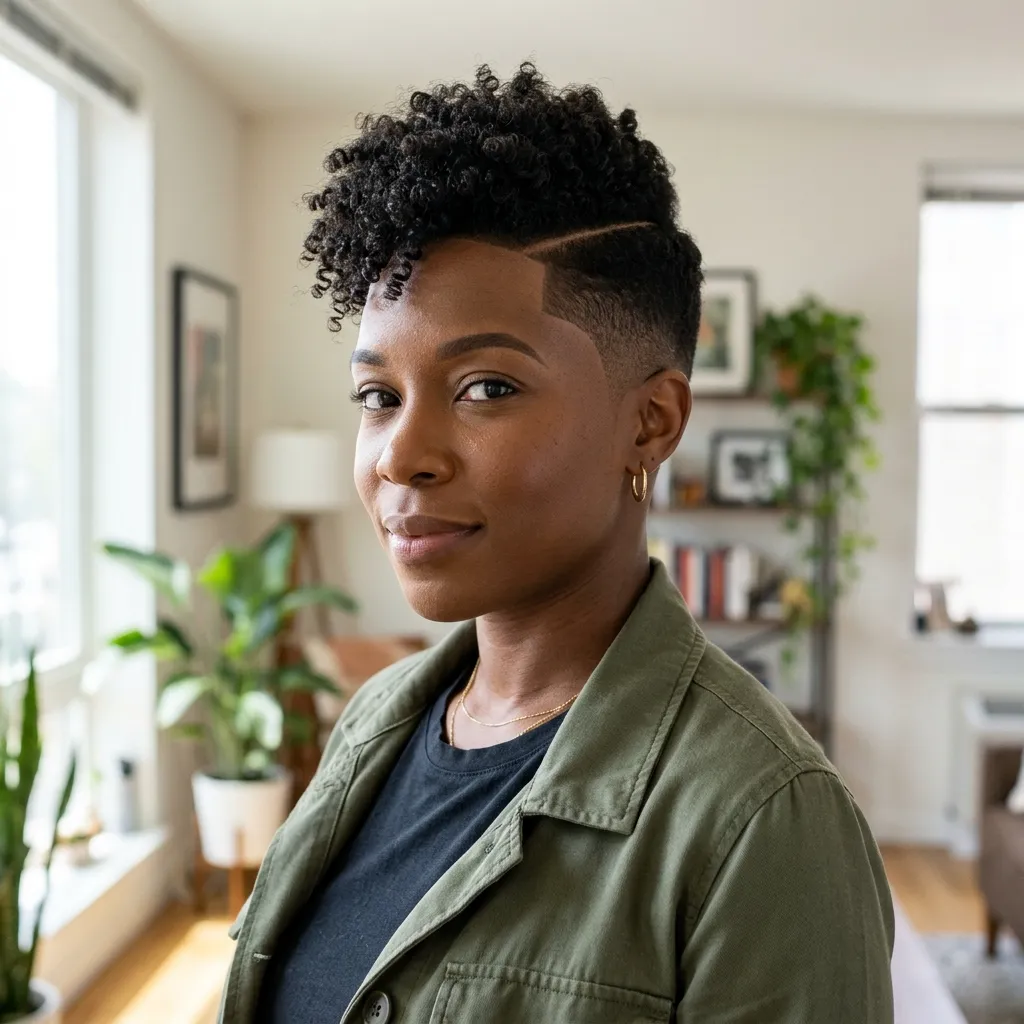
A taper fade with a hard part combines a clean fade with a defined line shaved into the hair to create the appearance of a distinct part. The line adds structure and contrast, especially when the top is styled with curls, twists, or a short natural crop. It’s a great option if you like haircuts that look precise without needing a complicated styling routine.
The hard part can be placed along the side of the head or adjusted to suit the direction of your hairstyle. You can keep the top short and textured or leave more length for extra volume and styling choices. Because the part is shaved rather than created by simply separating the hair, it becomes less visible as it grows out. Discuss the placement with your stylist so the line complements your natural hairline and the overall shape of the fade.
8. Tapered TWA
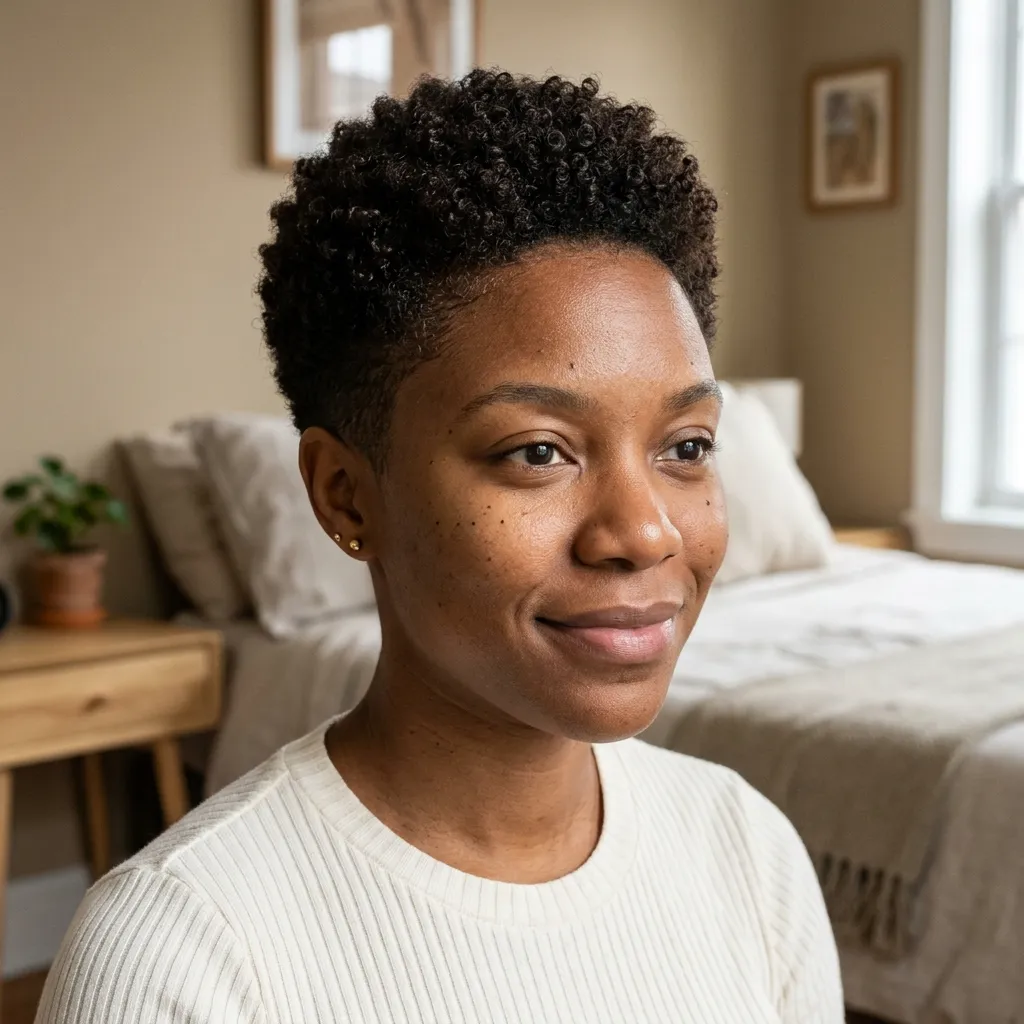
A tapered TWA, or teeny weeny afro, is ideal if you want to embrace your natural coils at a short, manageable length. The sides and neckline are shaped closely while the top retains enough length to show off your texture. This creates a soft, rounded silhouette that feels modern without relying on elaborate styling.
The tapered TWA can be especially appealing during a natural hair journey or when you’re ready to try a shorter cut. Its compact shape makes daily styling relatively simple, and you can use a little moisturizer to keep your coils feeling soft and comfortable. A small amount of curl cream may help define the top when you want more separation. You can also change the appearance with a subtle side part or a slightly fuller crown without losing the ease of the cut.
9. Tapered Afro
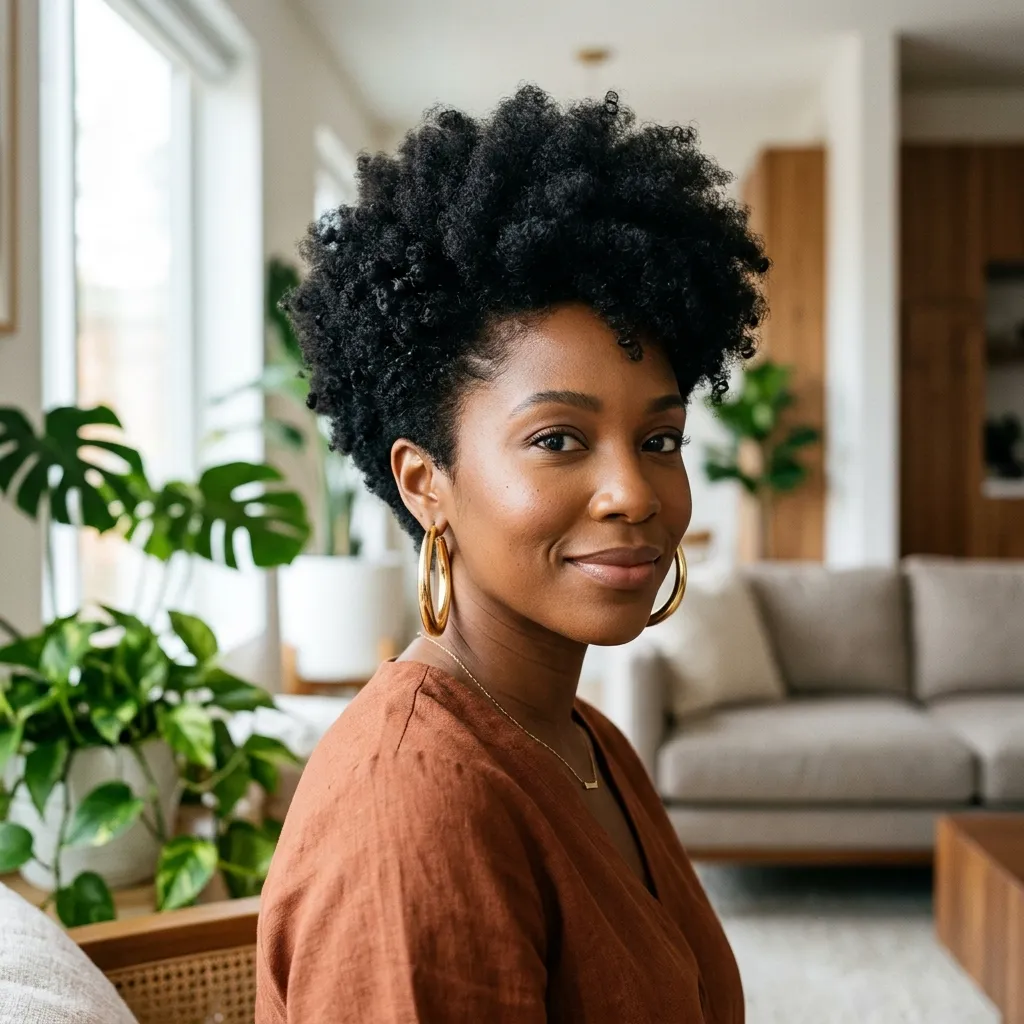
A tapered afro combines the fullness of a natural afro with shorter, neatly shaped sides and a defined neckline. The extra volume on top allows your coils to create a rounded or slightly elongated silhouette, depending on your preferred shape. It’s an excellent choice if you love the presence of an afro but want a more structured outline around the sides.
This haircut works with a range of coil patterns and can be adjusted to suit your preferred amount of height. For daily care, focus on gentle moisture and avoid excessive manipulation that can disturb your natural texture. Use your fingers or a suitable pick to lift the roots when you want more volume, keeping the ends protected from unnecessary pulling. Ask your stylist to shape the top according to how your hair naturally grows so the afro maintains a balanced appearance as it gets longer.
10. Sponge Coils on Top
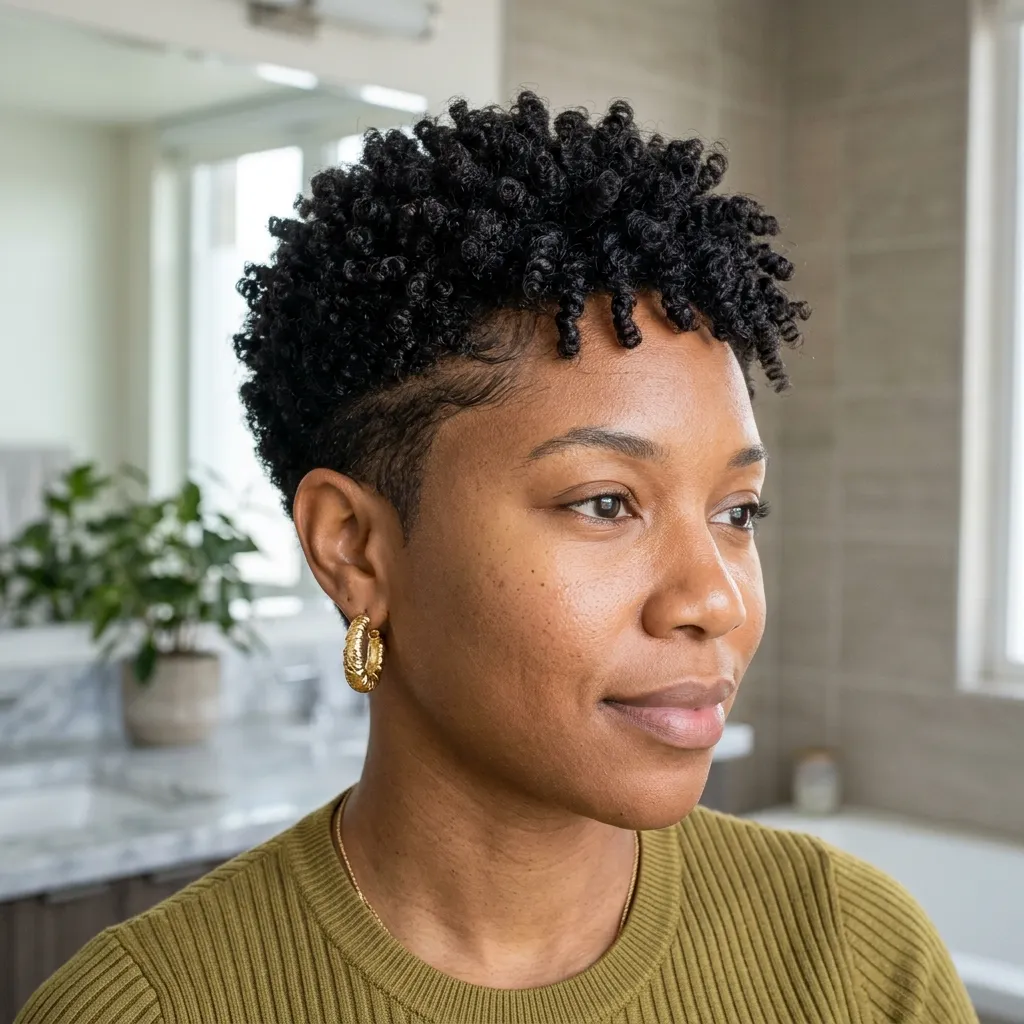
Sponge coils on top create a defined, textured finish that pairs beautifully with tapered sides. A curl sponge can help encourage small coils when used with suitable damp or moisturized hair, making this a popular styling choice for shorter natural cuts. The result is a lively, dimensional texture that contrasts with the cleaner outline around the temples and neckline.
To create the look, work with a suitable styling product and move the sponge gently in circular motions without applying excessive pressure. The exact technique and results depend on your hair length, curl pattern, and the sponge you use. Avoid rubbing too aggressively, as repeated friction can cause tangling or breakage. Once your coils form, maintain the style with light moisture and gentle nighttime protection rather than repeatedly recreating the coils every morning.
11. Finger Coils on Top
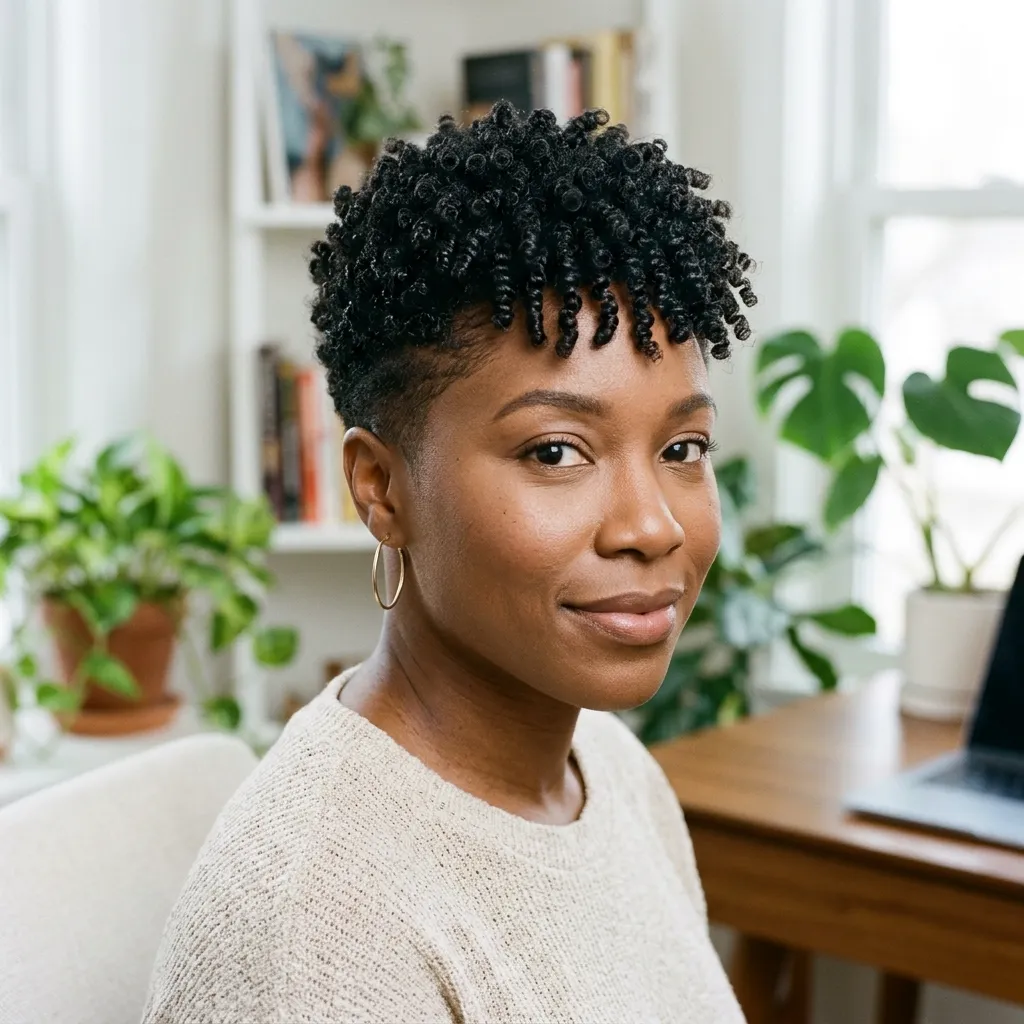
Finger coils offer a more controlled way to define individual curls while keeping the sides and neckline tapered. This technique involves wrapping small sections of damp hair around your finger to encourage them to form neat, springy coils. It works well when you want a polished natural style that highlights your curl pattern without adding extensions or complicated accessories.
Start with freshly washed, conditioned hair and apply a styling product that suits your texture. Coil small sections gently in the direction your curls naturally form, then allow them to dry completely before separating or fluffing the roots. The process can take some time if you coil every section, so concentrate on the top or the most visible areas if you prefer a simpler routine. With gentle care, the defined coils can create a beautiful contrast against the closely tapered sides.
12. Wash-and-Go on Top
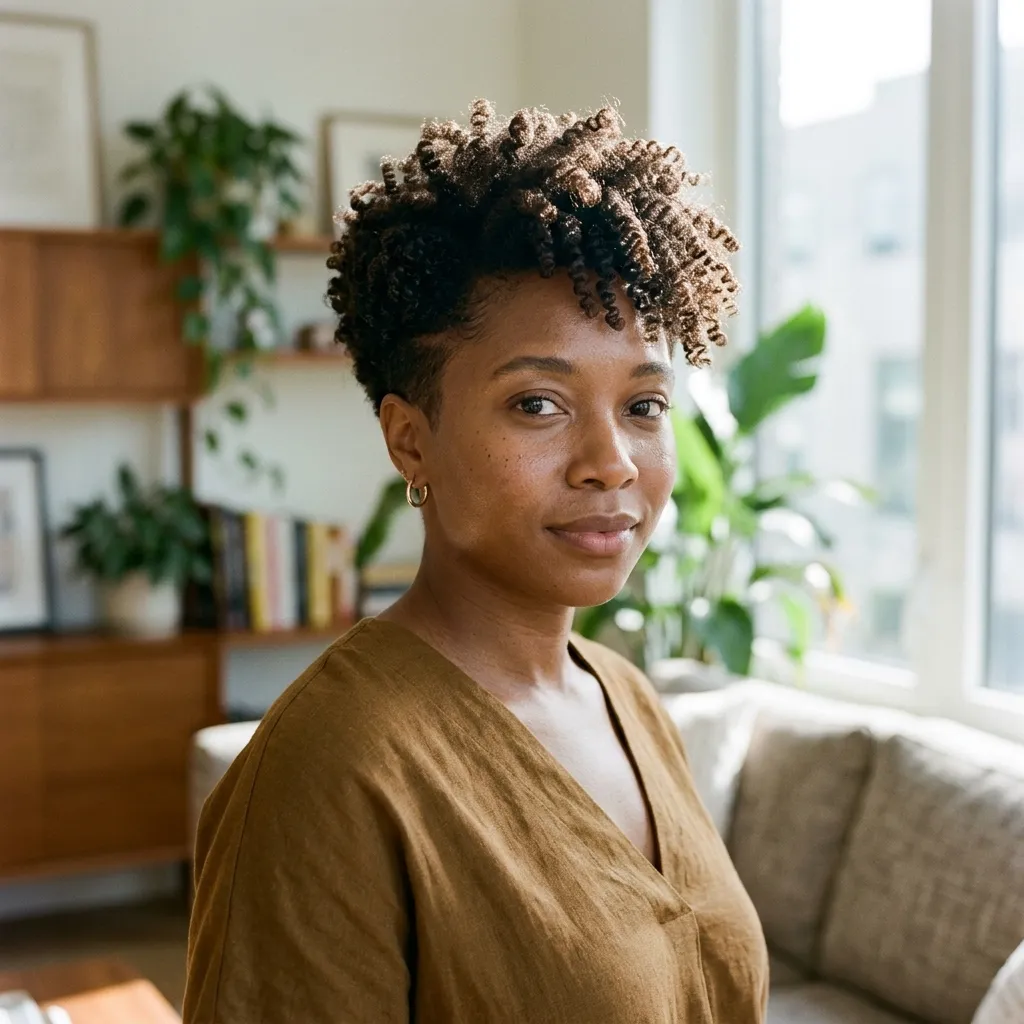
A wash-and-go on top is one of the easiest ways to style a taper fade if you enjoy your natural curl pattern. The sides remain neatly tapered while the curls on top are encouraged to form naturally after washing. This creates a relaxed, textured appearance that can look polished without requiring each curl to be individually shaped.
After cleansing and conditioning, apply a leave-in product or curl styler while your hair is damp. Scrunch gently to encourage curl formation and allow the top to air-dry, or use a diffuser if you need faster drying. Try not to touch the curls repeatedly while they dry, since that can disturb definition and contribute to frizz. The amount of volume and definition you get will depend on your natural texture, so experiment with product amounts until you find a routine that feels easy to repeat.
13. Twist-Out on Top

A twist-out creates soft, defined texture by allowing two-strand twists to set before being unraveled. Paired with a taper fade, the style combines a neat outline around the sides with extra movement and volume through the top. It’s a lovely option if you want your natural hair to look fuller and more defined without relying on heat styling.
To prepare the style, divide damp or lightly moisturized hair into sections and twist each section using a suitable leave-in conditioner or styling cream. Allow the twists to dry completely before gently unraveling them, using a small amount of oil on your fingertips if appropriate for your hair. Separate the curls carefully to preserve definition while adding volume. You can wear the twist-out compact for a neat appearance or fluff the roots for a fuller finish.
14. Braid-Out on Top

A braid-out offers another way to create definition and stretch in natural hair while keeping the sides neatly tapered. Instead of twisting the hair, you create braids and allow them to set before unraveling them to reveal a textured pattern. Depending on your braid size and curl type, the result can range from soft waves to a more stretched, defined natural texture.
This style is useful if you want to change the appearance of your curls without using heat. Apply a suitable styling product to damp hair, braid in sections, and make sure the hair dries fully before taking the braids down. Unravel them gently and separate the sections only as much as you like. A braid-out can last beyond one day with appropriate nighttime protection, although the results will depend on your hair’s texture and how well the style sets.
15. Flat Twists on Top

Flat twists offer a stylish way to keep the top of your hair organized while highlighting the clean shape of a taper fade. The hair is twisted close to the scalp in rows, creating a pattern that can be simple, curved, or more intricate. This look is especially useful if you enjoy protective styling but still want to show off the tapered sides and neckline.
You can direct the flat twists toward the back, angle them toward one side, or create a design that follows the shape of your head. Keep the tension comfortable, especially around the hairline, and avoid twisting too tightly. The style can make daily maintenance easier because the top stays arranged for several days, depending on your hair and routine. When removing the twists, take your time and gently separate the hair to minimize tangling.
16. Cornrows on Top With Tapered Sides
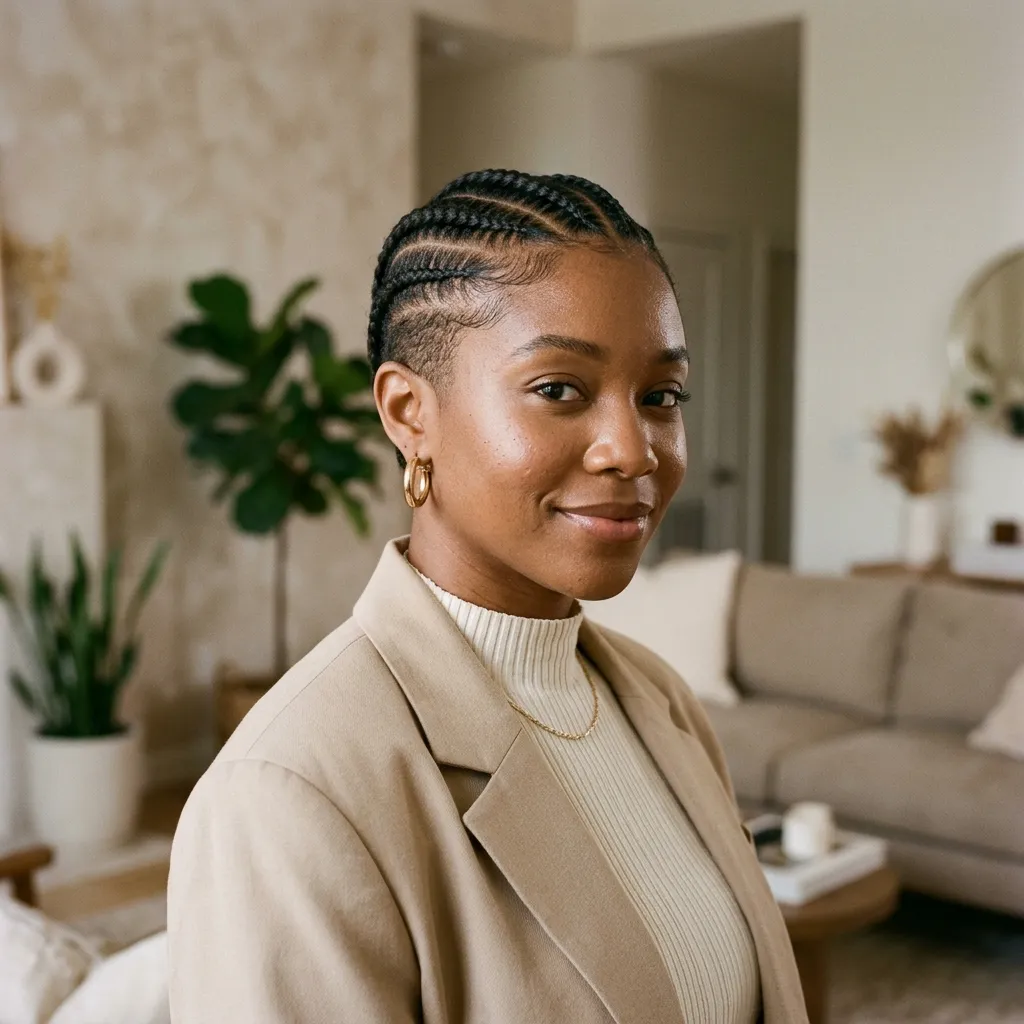
Cornrows on top with tapered sides create a striking combination of structured braids and a clean, closely shaped outline. The braids can run straight back, follow curved paths, or form a more detailed pattern, depending on your preferences and your stylist’s skills. This combination offers a polished look while keeping the sides and neckline neat.
Cornrows can be practical when you want a style that stays arranged for several days or longer with suitable care. However, the braids should never feel painfully tight, particularly around the temples and edges. Ask your braider to use comfortable tension and discuss a pattern that suits your hair density and desired maintenance. Protect the style at night with a satin or silk scarf, and keep your scalp clean and comfortable throughout the wear period.
17. Two-Strand Twists on Top
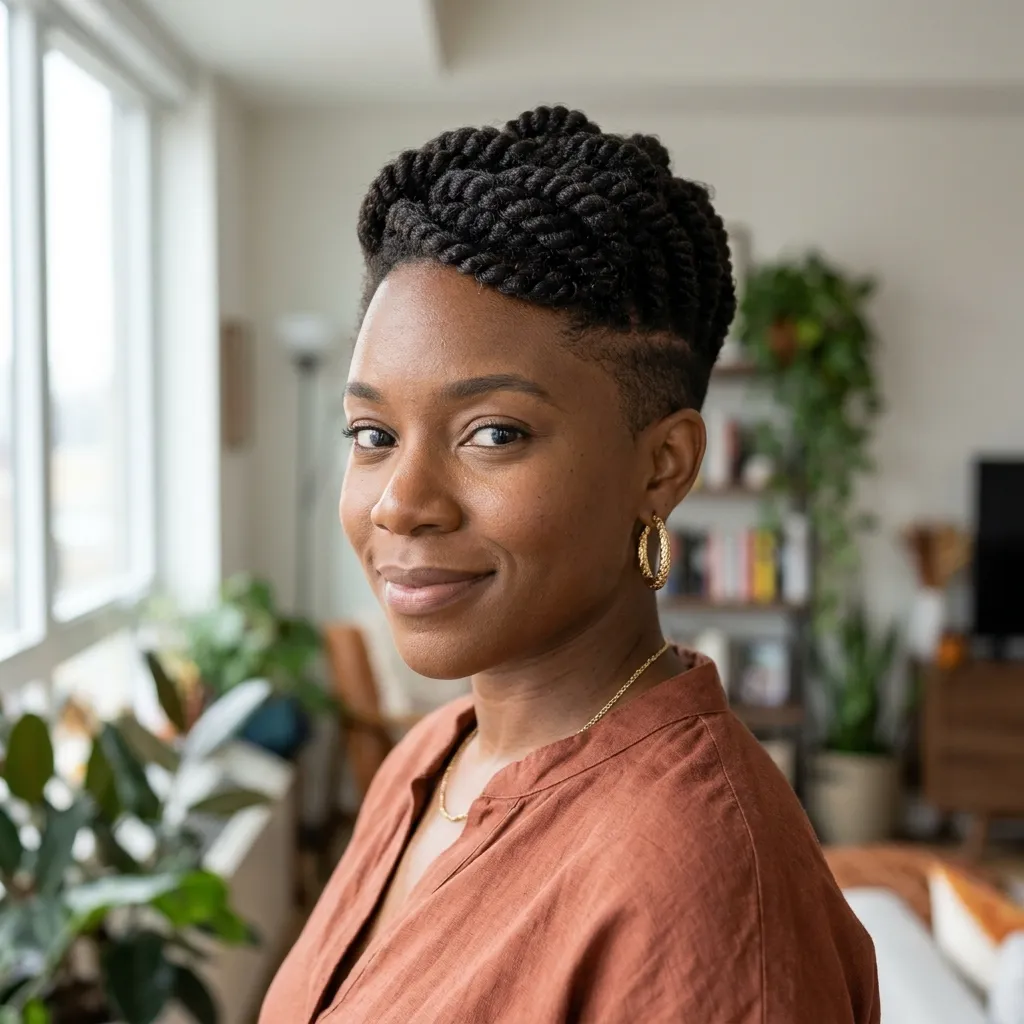
Two-strand twists on top are a versatile choice for anyone who wants a defined natural hairstyle with a tapered outline. The twists create texture and visual interest while the shorter sides keep the overall silhouette clean. Depending on the size and direction of the twists, the style can feel casual and understated or more sculpted and distinctive.
For a simple twist style, divide damp or moisturized hair into sections and twist two strands around each other, using a product that provides the right amount of hold. You can leave the twists hanging naturally, direct them forward, or arrange them toward the crown. Keep your scalp moisturized as needed, and avoid creating excessive tension at the roots. When the twists begin to loosen, you can refresh selected sections rather than redo the entire style.
18. Curly Frohawk With a Taper
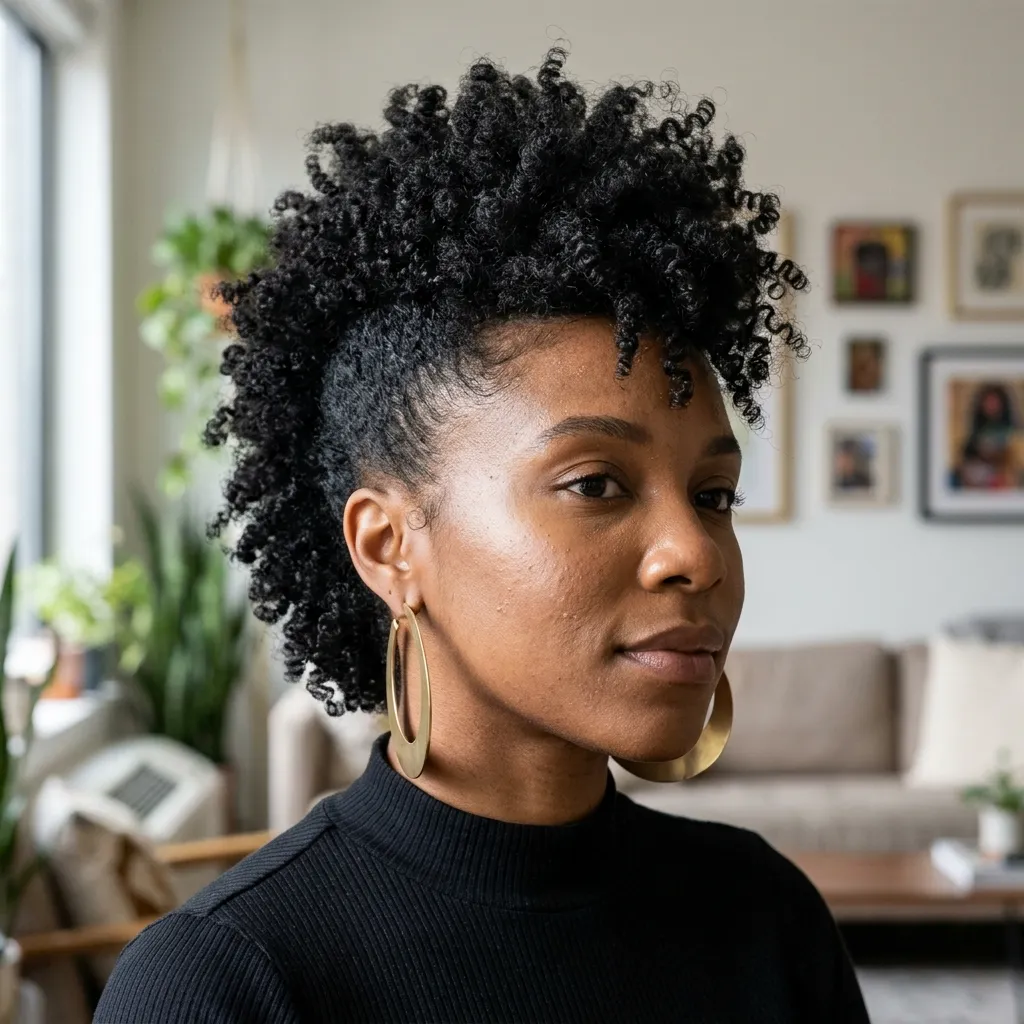
A curly frohawk creates a bold silhouette by keeping the sides short while allowing curls to form a fuller strip through the center of the head. Pairing it with a taper gives the haircut a cleaner outline without requiring the sides to be shaved completely. The result is expressive, modern, and full of natural texture.
You can keep the curls compact for a subtle frohawk or leave extra length through the middle for a more dramatic profile. A curl cream or gel can help define the top, while gentle root lifting adds height when you want a fuller appearance. Because the shape relies on contrast between the sides and center, ask your stylist to plan the proportions according to your curl pattern. This helps the finished style look intentional rather than simply overgrown at the top.
19. Curly Fringe With a Taper

A curly fringe with a taper combines short sides with curls that fall forward across the forehead. The fringe adds softness and movement, while the tapered temples and neckline keep the haircut from feeling too heavy. It’s a great choice if you want a natural style with a face-framing detail that doesn’t require a separate bang-styling routine.
The front curls can be worn loosely for a relaxed finish or defined with a small amount of styling product. If your hair shrinks significantly when dry, ask your stylist to account for that before deciding on the fringe length. A longer fringe may offer more flexibility, while a shorter one can create a bolder, more compact silhouette. On busy mornings, lightly dampen the front section and reshape a few curls instead of refreshing the entire head.
20. Curly Blowout on Top

A curly blowout on top creates a fuller, stretched appearance while keeping the sides and neckline neatly tapered. The technique uses a blow-dryer to stretch the hair and add volume, allowing the natural texture to remain visible without being as compact as a wash-and-go. It’s a useful option if you want extra height or a slightly different silhouette for a special occasion or everyday wear.
Because blow-drying involves heat, use a heat protectant and avoid excessive temperatures or repeated passes. A stylist familiar with natural hair can help you achieve the desired volume while taking your hair’s condition into account. Once the top is shaped, you can maintain the style by protecting it at night and limiting unnecessary manipulation. If you prefer to avoid heat, a stretched twist-out or braid-out can offer a different route to extra volume.
21. Copper Tapered Cut
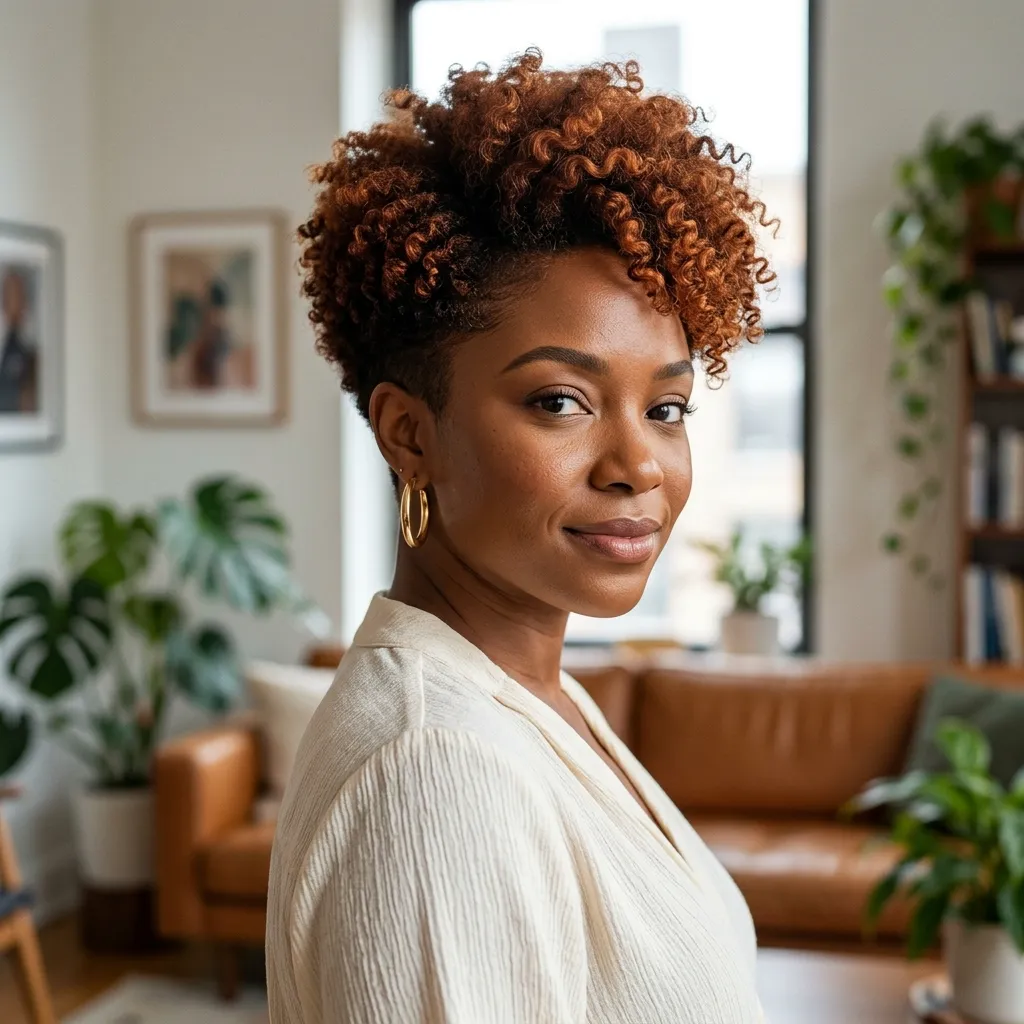
A copper tapered cut adds warmth and personality to a short natural hairstyle. The tapered sides create a clean silhouette, while copper tones bring out the texture and dimension of curls on top. Depending on your preferences, the color can lean toward soft auburn, rich cinnamon, or a brighter copper shade that creates more contrast against your natural roots.
Before choosing a copper color, discuss your hair’s current condition and color history with your stylist. Some shades may require lightening, which can affect the strength and feel of natural hair, particularly if it has already undergone chemical treatments. A color-safe conditioning routine can help maintain softness, while occasional salon toning may be needed to keep the shade looking fresh. If you prefer a lower-maintenance result, consider a more subtle copper tone that blends naturally with your base color.
22. Honey-Blonde Tapered Cut

A honey-blonde tapered cut combines warm, golden color with the clean shape of a natural fade. The lighter top draws attention to the curls and coils, while the tapered sides create a balanced, defined outline. It’s a beautiful option if you want to refresh your appearance with color without changing the overall structure of your haircut.
Honey-blonde shades can vary from deeper golden brown to lighter caramel-blonde tones, so choose a color that suits your preferences and maintenance comfort. Because achieving lighter shades may involve bleaching, professional guidance is especially important if you want to preserve your curl pattern and hair strength. Use products designed for color-treated hair and follow your stylist’s recommendations for conditioning and touch-ups. For a softer grow-out, you can keep your roots closer to their natural shade and blend the lighter color through the top.
Frequently Asked Questions
Are Taper Fade Haircuts Good for Natural Black Hair?
Yes, taper fades work beautifully with natural Black hair because they combine a clean outline with the texture and volume of curls or coils. You can wear the top in a TWA, afro, wash-and-go, twist-out, or another natural style. The most important factor is choosing a shape that complements your curl pattern and maintaining healthy hair and scalp care.
What Is the Difference Between a Taper and a Fade?
A taper usually focuses on gradually shortening the hair around specific areas, particularly the temples, sideburns, and neckline. A fade generally creates a broader transition from longer hair to very short hair, often extending farther up the sides or back. The terms can overlap in salon conversations, so bring a reference photo to show your stylist exactly how high or low you want the shorter sections to sit.
How Often Should I Maintain a Taper Fade?
The ideal schedule depends on how quickly your hair grows and how sharp you want the outline to remain. A close taper or etched design may need more frequent touch-ups than a softer, low taper that can grow out naturally. If you prefer a relaxed style, you can wait until the outline loses its shape or the shorter sections become difficult to manage.
Can I Get a Taper Fade With Short Natural Hair?
Absolutely. A taper fade works well with short natural hair, including teeny weeny afros, compact coils, finger coils, and closely cropped styles. Your stylist can keep the top short and subtle or leave extra length for more texture and volume. Even a small amount of length can create a noticeable contrast with the tapered sides.
Do Taper Fade Haircuts Require a Lot of Styling?
Not necessarily. Many taper fades are relatively easy to style because the shorter sides reduce the amount of hair that needs arranging. A simple wash-and-go, light moisturizing routine, or occasional twist-out may be enough, depending on the top style you choose. However, designs and very crisp fades can require more frequent barber visits if you want to maintain their original definition.
Can I Combine a Taper Fade With Protective Styles?
Yes, a taper fade can be paired with flat twists, cornrows, and two-strand twists on top. This combination allows you to enjoy a neat outline while keeping the longer hair arranged for several days or longer, depending on the style and your care routine. Make sure the braids or twists aren’t too tight, especially around the temples and hairline, to avoid unnecessary tension.
Which Taper Fade Is Best for a First-Time Short Haircut?
A low taper fade is often a comfortable starting point if you want a subtle change without removing too much hair from the sides. It preserves more of your overall silhouette while introducing a clean, shaped outline around the temples and neckline. If you want a more dramatic result, a mid taper may be worth considering, but discussing your comfort level with your stylist can help you choose the right transition.
Can I Color a Tapered Natural Hairstyle?
Yes, you can add copper, honey-blonde, or other colors to a tapered natural hairstyle. However, some shades require lightening, which can affect the strength and curl pattern of your hair. Consult a professional colorist, especially if your hair has been chemically treated before, and choose a maintenance routine that supports the condition of your curls.
Conclusion
Taper Fade Haircuts for Black Women offer a versatile way to celebrate natural texture while enjoying a clean, modern silhouette. From subtle low tapers and rounded afros to curly frohawks, protective styles, and warm color combinations, there is an option for almost every personal style and maintenance preference. The right haircut should complement your curls, fit comfortably into your routine, and make you feel confident wearing your natural hair.
Before booking your appointment, think about how much length you want to keep on top, how dramatic you want the fade to look, and whether you prefer a natural finish, a defined style, or a pop of color. Bring a reference photo and explain your everyday styling habits so your barber or stylist can tailor the cut to your needs. With a well-planned taper and a simple care routine, you can enjoy a hairstyle that feels fresh, expressive, and easy to make your own.