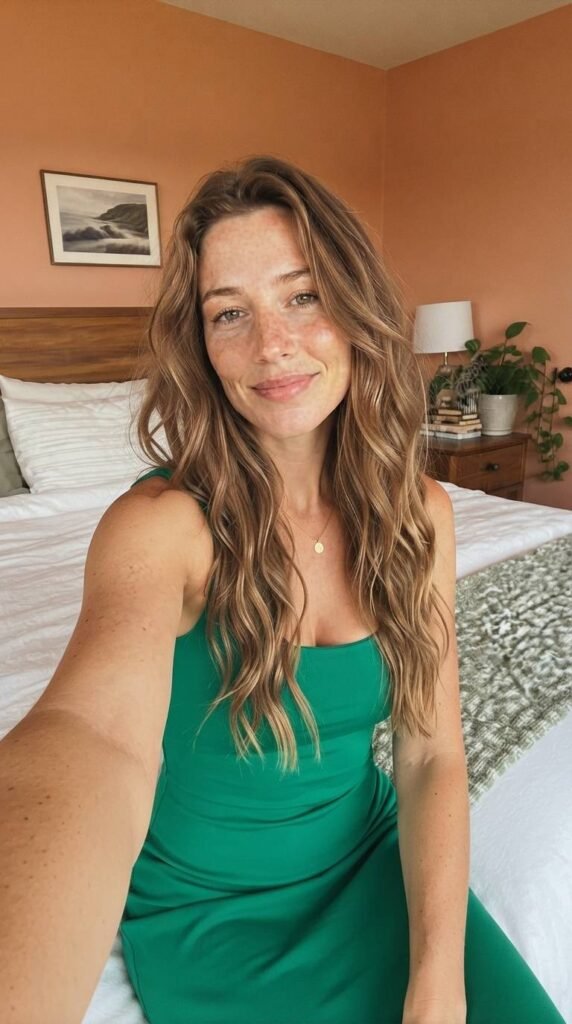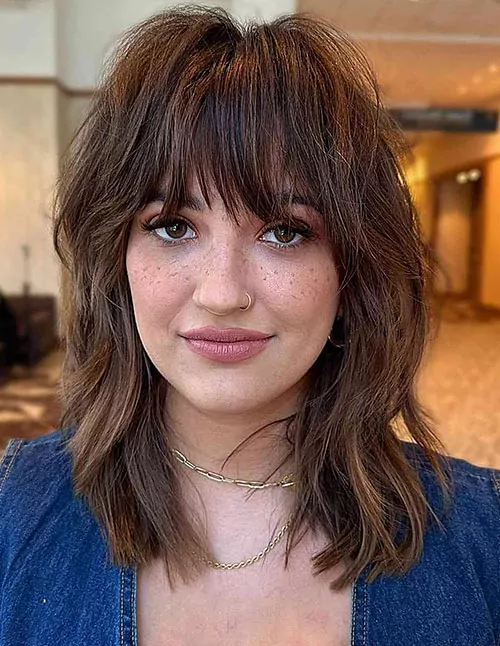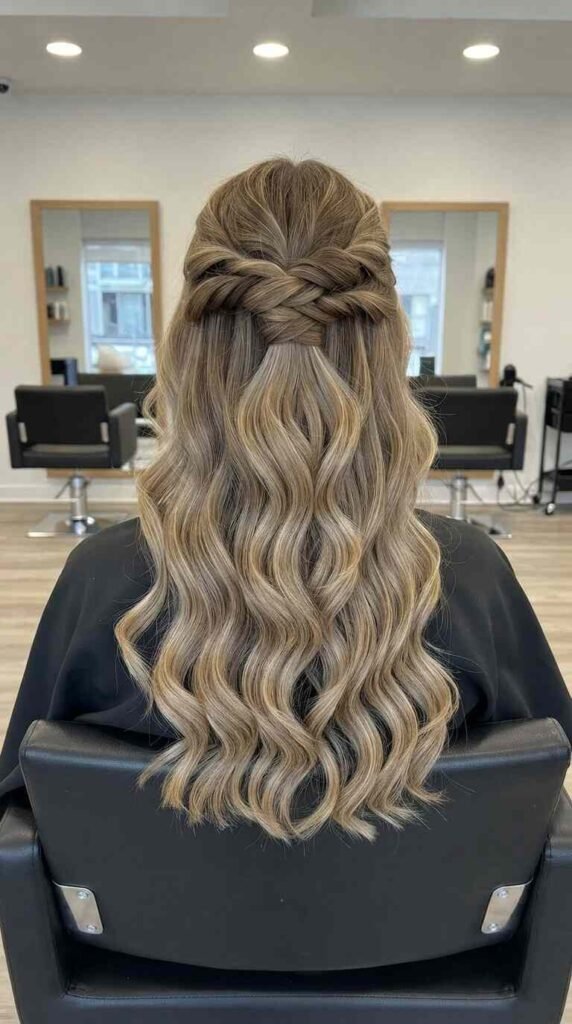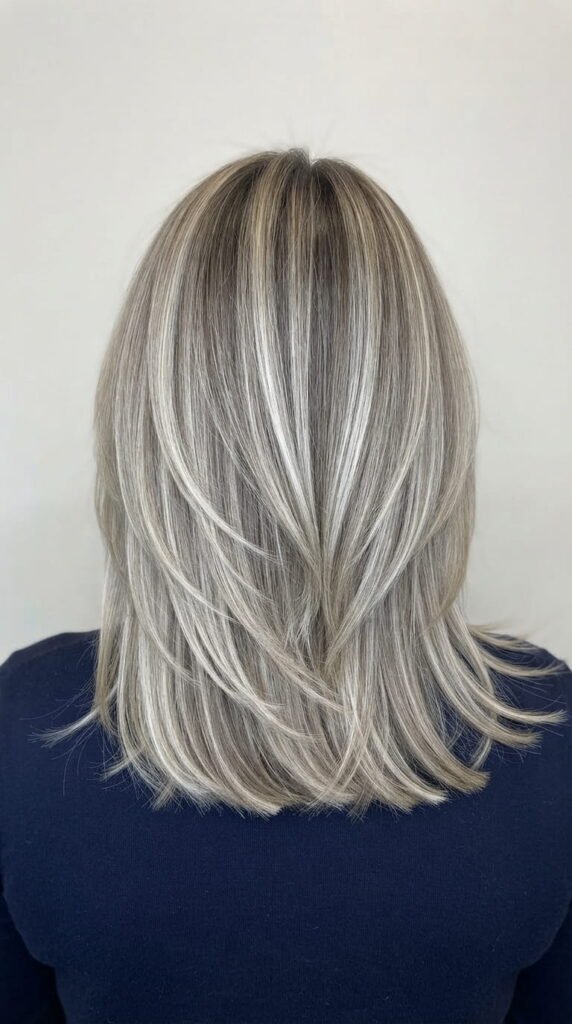
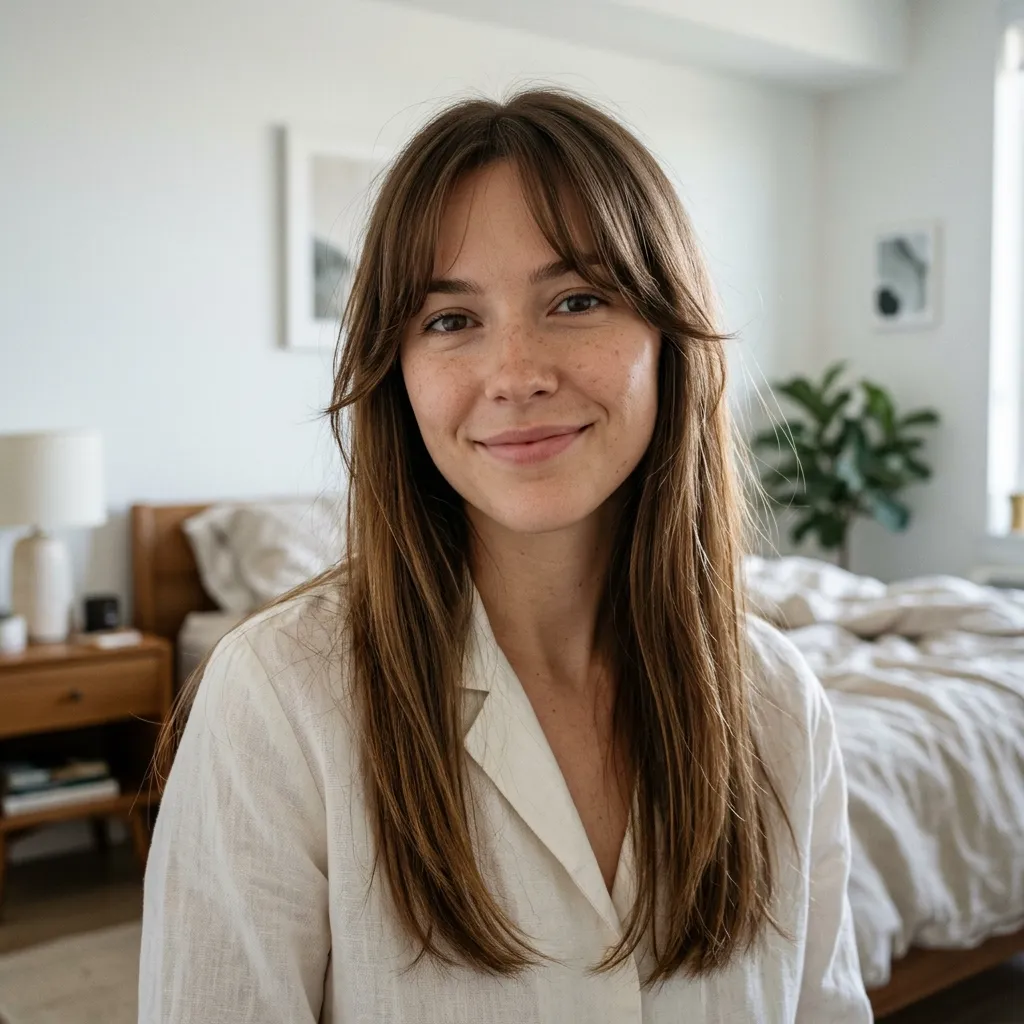
Does your hair seem to fall flat just minutes after styling, or do you wish your ends looked a little thicker? Finding the right haircut can make a noticeable difference when your hair is naturally fine or very thin. The secret is choosing a shape that creates the appearance of density, adds movement where you need it, and works with your everyday routine.
The best haircuts for very thin hair do not necessarily involve dramatic layers or lots of length. In many cases, a clean, blunt edge creates a fuller-looking outline, while a shorter cut can make fine strands appear more lifted and manageable. Small details, such as a side part, soft fringe, or carefully placed layers, can also change how your hair frames your face.
Whether you prefer a polished bob, a low-maintenance pixie, or longer hair that still feels feminine, there are plenty of flattering options to consider. These 23 haircut ideas will help you find a style that suits your hair texture, face shape, personal taste, and styling habits.
1. Blunt Bob
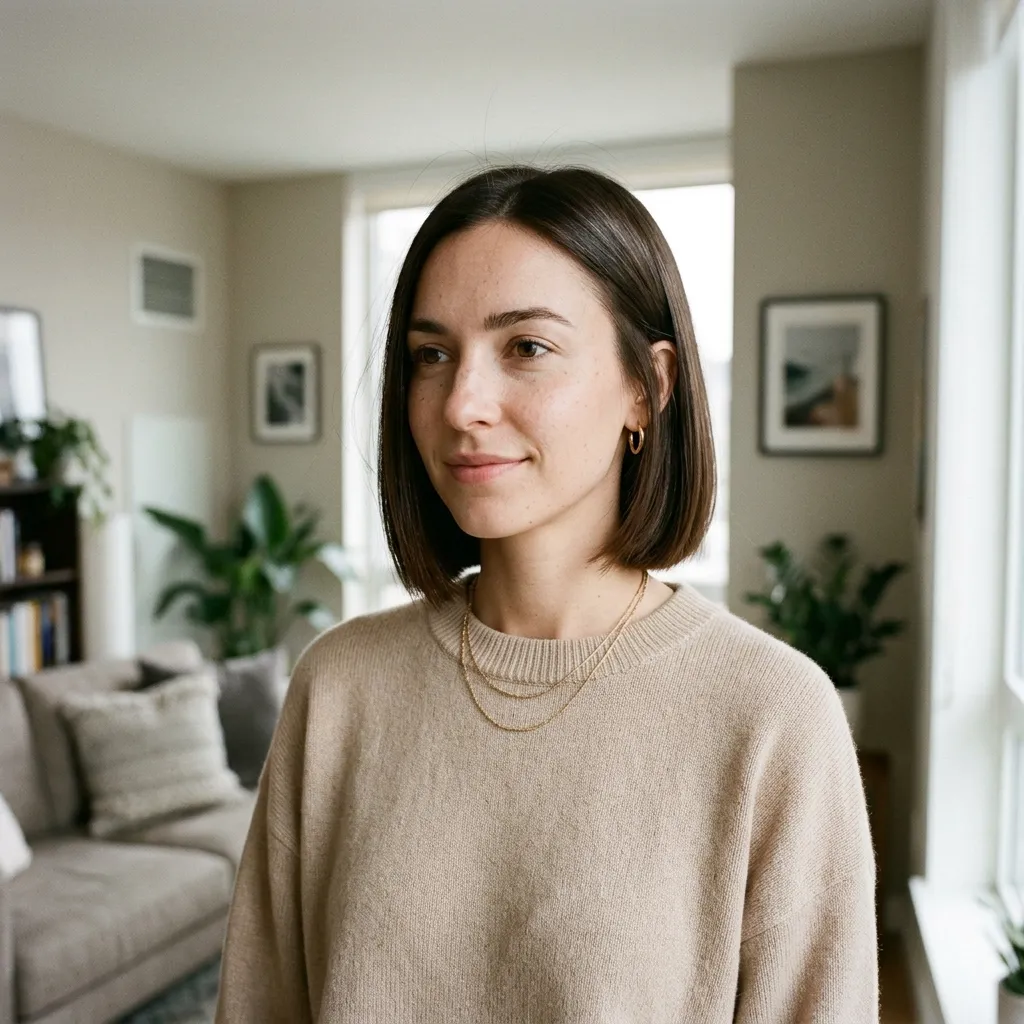
A blunt bob is one of the most reliable haircuts for very thin hair because it creates a strong, even line at the ends. Instead of removing too much weight with layers, the stylist cuts the hair to a consistent length, helping the perimeter look thicker and more substantial. A chin-length or slightly longer version works particularly well if your ends tend to look wispy or uneven.
You can wear this haircut sleek and straight for a sophisticated finish or add a little bend for softness. A lightweight volumizing mousse at the roots can help prevent the style from sitting too close to your scalp. If you prefer a simple morning routine, a blunt bob is also easy to maintain because its shape does much of the work for you.
2. Box Bob
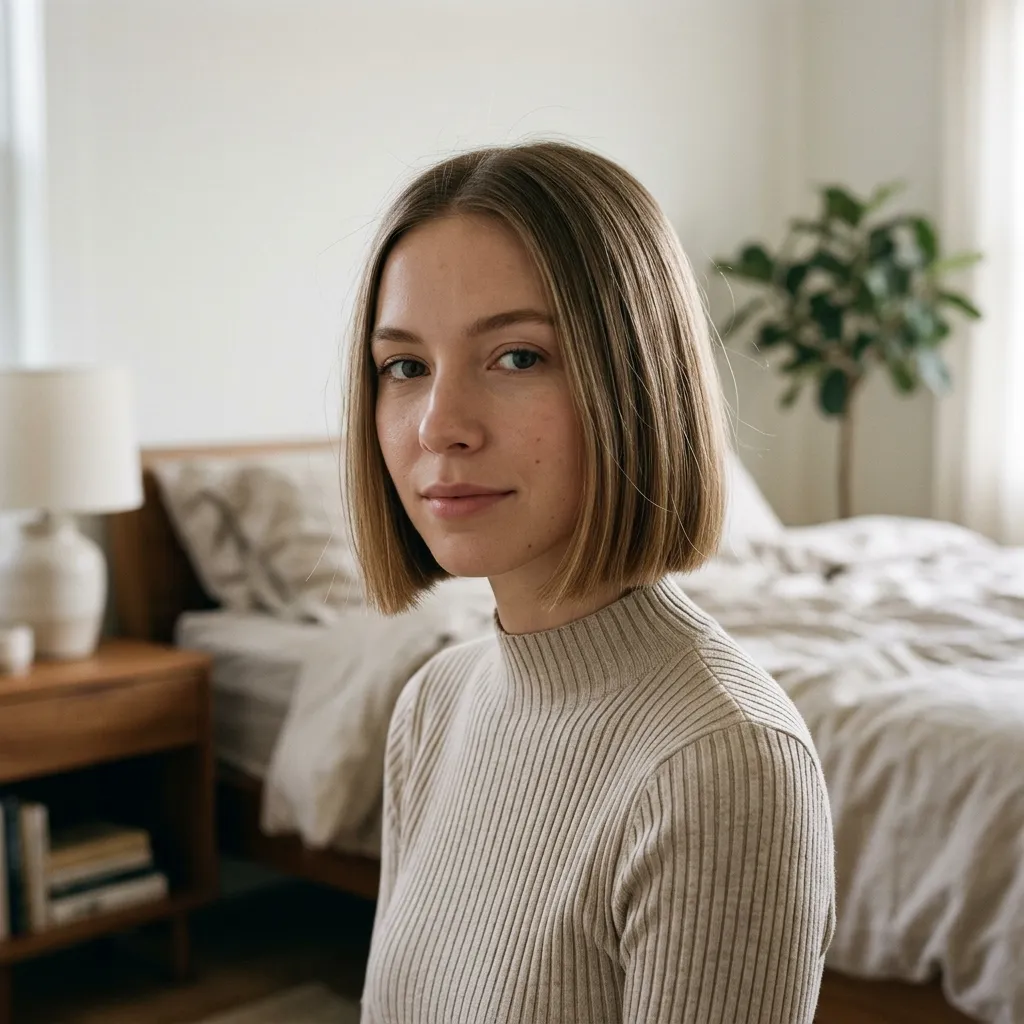
The box bob has a squared-off silhouette that gives fine hair a structured, fuller appearance. Its relatively straight outline creates the impression of more density through the sides and ends, making it a great choice if your hair lacks natural body. Depending on your preference, the cut can sit around the jawline or slightly below the chin.
This style looks especially striking with a smooth finish, although a few loose waves can soften its geometric shape. Ask your stylist to keep the layering minimal so the ends retain their visual weight. If your hair is extremely fine, a box bob that avoids excessive thinning can help you achieve that thick-looking finish without relying on heavy styling products.
3. French Bob

A French bob offers a relaxed, chic look with a shorter length that often falls around the cheekbones or jaw. It is commonly paired with bangs, creating a face-framing shape that draws attention to the eyes and cheekbones. For thin hair, the shorter length can make strands feel lighter and easier to lift at the roots.
You can choose a crisp, blunt version or a softer variation with subtle texture. If you like an effortless appearance, allow your natural texture to show rather than trying to make every strand perfectly smooth. A small amount of lightweight styling cream can define the shape without weighing it down, while a quick blow-dry with a round brush can create extra lift around the crown.
4. A-Line Bob

An A-line bob is shorter at the back and gradually becomes longer toward the front. This angled shape creates a little extra structure around the face while keeping the back neat and manageable. It can be particularly flattering for fine hair because the carefully shaped outline provides dimension without requiring lots of internal layers.
A subtle angle usually looks natural and works well for everyday wear, while a more dramatic version creates a sharper, modern finish. If you have a round face, slightly longer front pieces can help create a more elongated visual line. Ask your stylist to consider your hair’s natural growth pattern so the back sits smoothly without needing extensive heat styling.
5. Stacked Bob
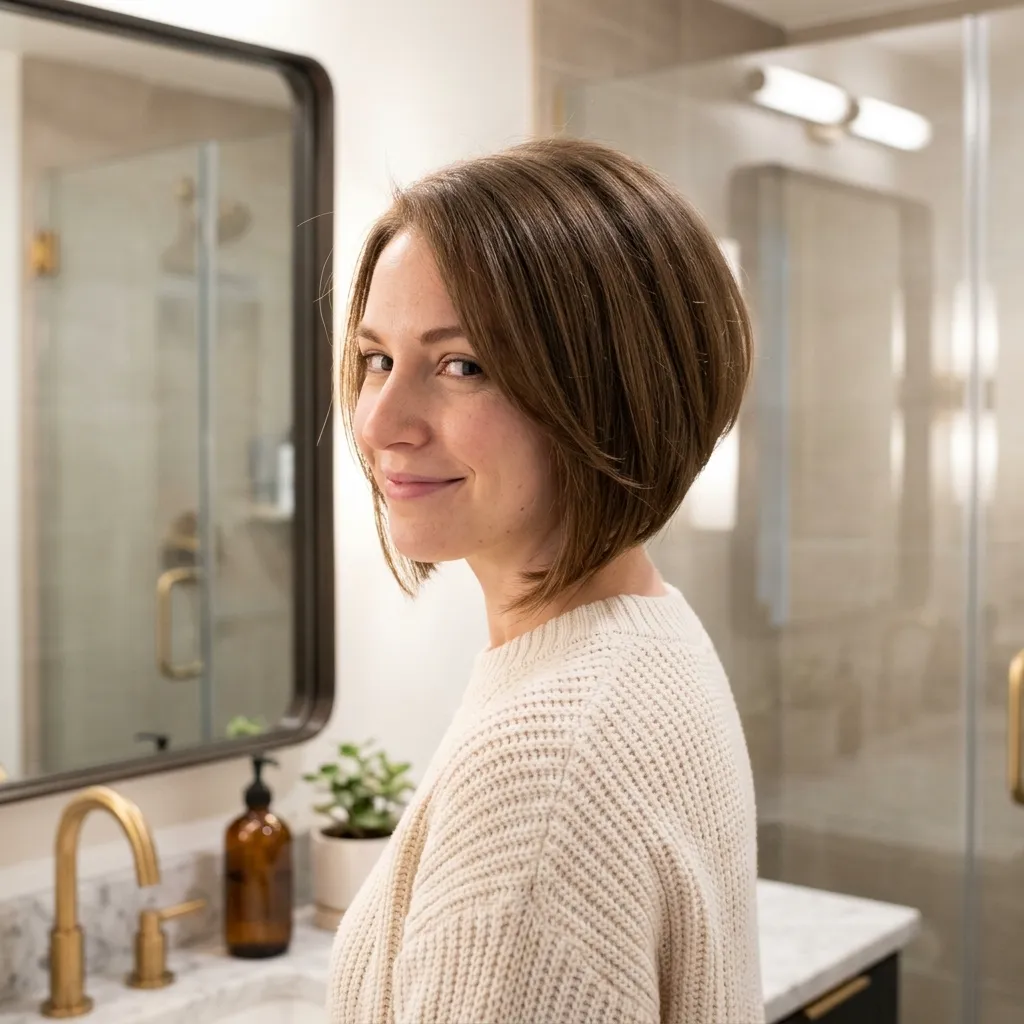
A stacked bob uses shorter layers at the back to create a rounded, lifted shape. This can be helpful when fine hair tends to lie flat against the head, particularly around the crown and nape. The graduated back adds structure while the longer front sections keep the style feminine and versatile.
The key is to keep the stacking appropriate for your hair density. Too many short layers may expose areas where the hair is especially sparse, so a softer graduation can be a better option for very thin hair. A blow-dryer and small round brush can help lift the back, but you should still be able to wear the cut comfortably on days when you prefer minimal styling.
6. Inverted Bob
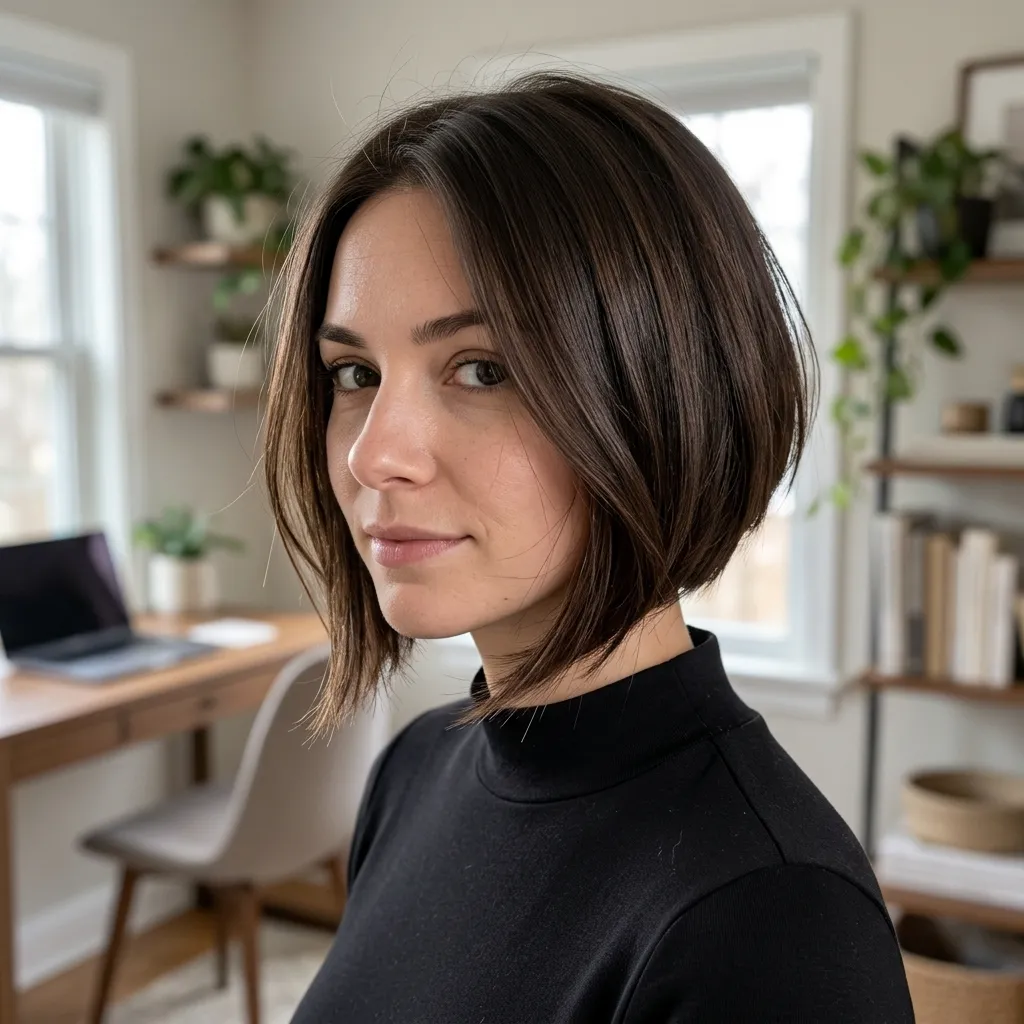
An inverted bob features a shorter back and longer front sections, creating a forward-angled silhouette. It offers a little more drama than a traditional bob while giving the hair a defined shape. For fine strands, this structure can make the haircut appear fuller because the ends are arranged into a deliberate, noticeable outline.
You can keep the angle subtle for a classic look or make it more pronounced for a contemporary style. The longer front pieces can be worn straight to emphasize the cut or gently curled away from the face for movement. If your hair is thin around the back of your head, ask for restrained graduation rather than heavy stacking to avoid making the ends appear too sparse.
7. Rounded Bob
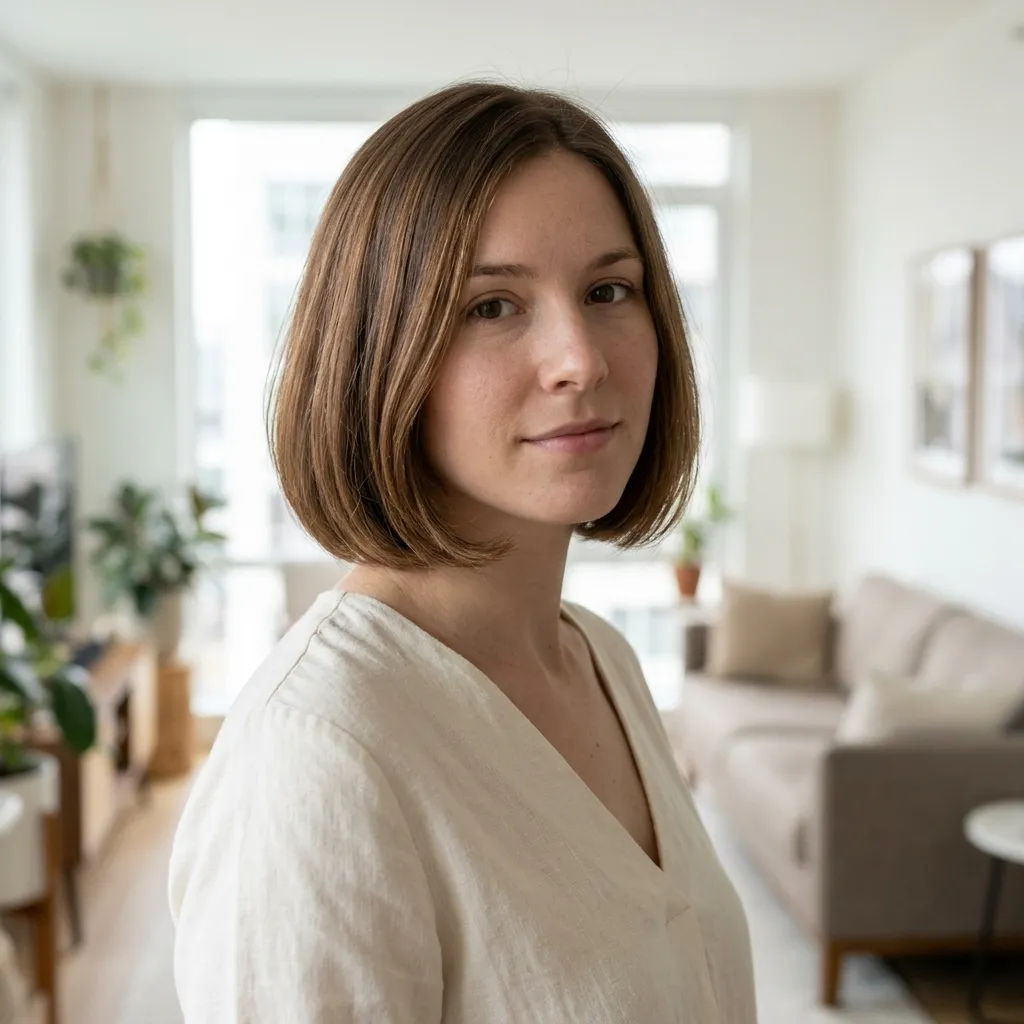
A rounded bob curves softly around the head, creating a smooth silhouette that can make fine hair look more cohesive. Unlike a sharply angled cut, this style focuses on a balanced shape with gently tucked ends. It is a lovely option if you want a polished haircut that feels timeless rather than overly trendy.
The length can sit near the jaw or extend toward the neck, depending on how much coverage you prefer. A light blow-dry with a round brush helps encourage the curved finish, while a flexible-hold spray can keep the shape in place without making the hair stiff. For the fullest appearance, ask your stylist to preserve enough weight at the ends instead of removing too much bulk through thinning techniques.
8. Micro Bob
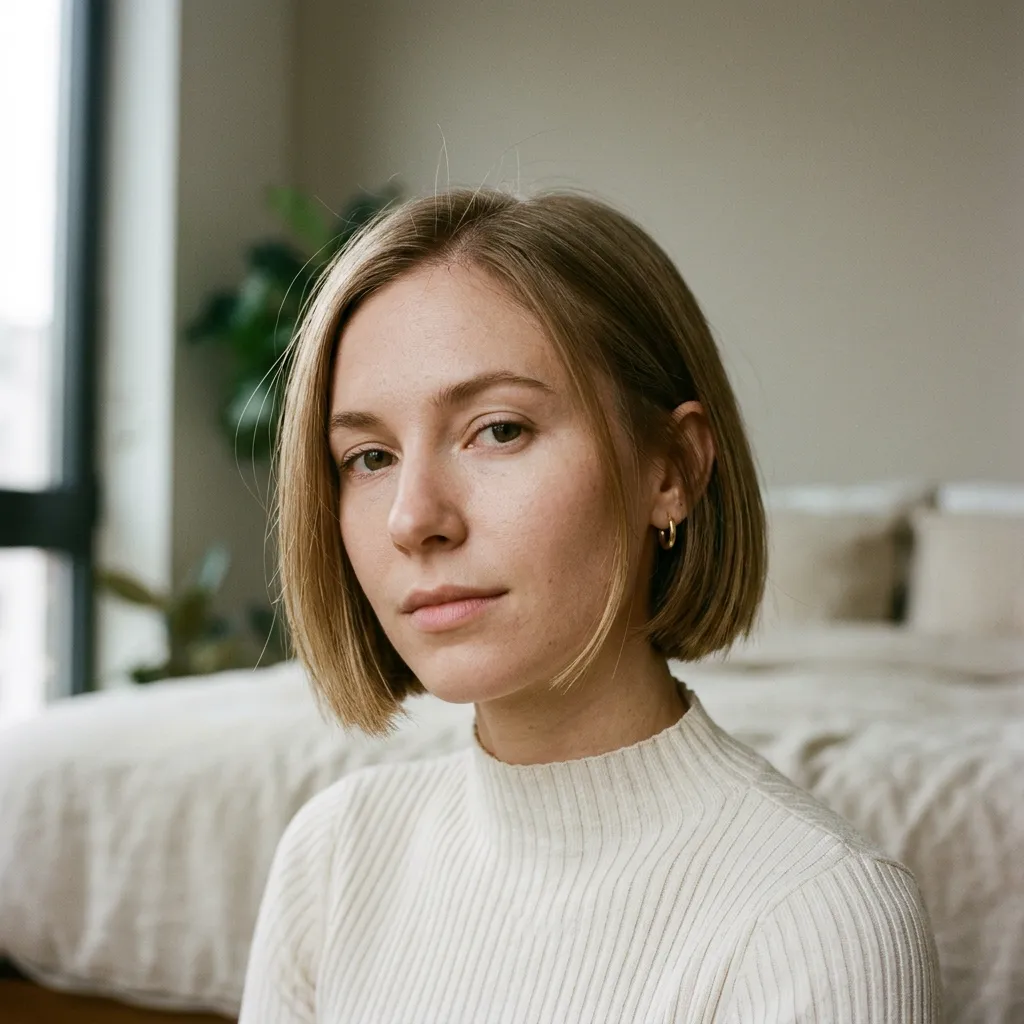
A micro bob is a very short bob that generally sits around the ears, cheekbones, or jawline, depending on the specific design. Because the hair is cut much shorter than a traditional bob, it can feel lighter and easier to style. The reduced length may also make fine strands appear more buoyant, especially if your hair is weighed down by longer ends.
This haircut works well if you enjoy a bold, fashion-forward look and do not mind regular trims to maintain its shape. A side part can add a little asymmetry, while a center part gives the cut a clean, modern appearance. If you are unsure about going very short, ask your stylist to start with a slightly longer bob that can be shortened gradually.
9. Blunt Lob
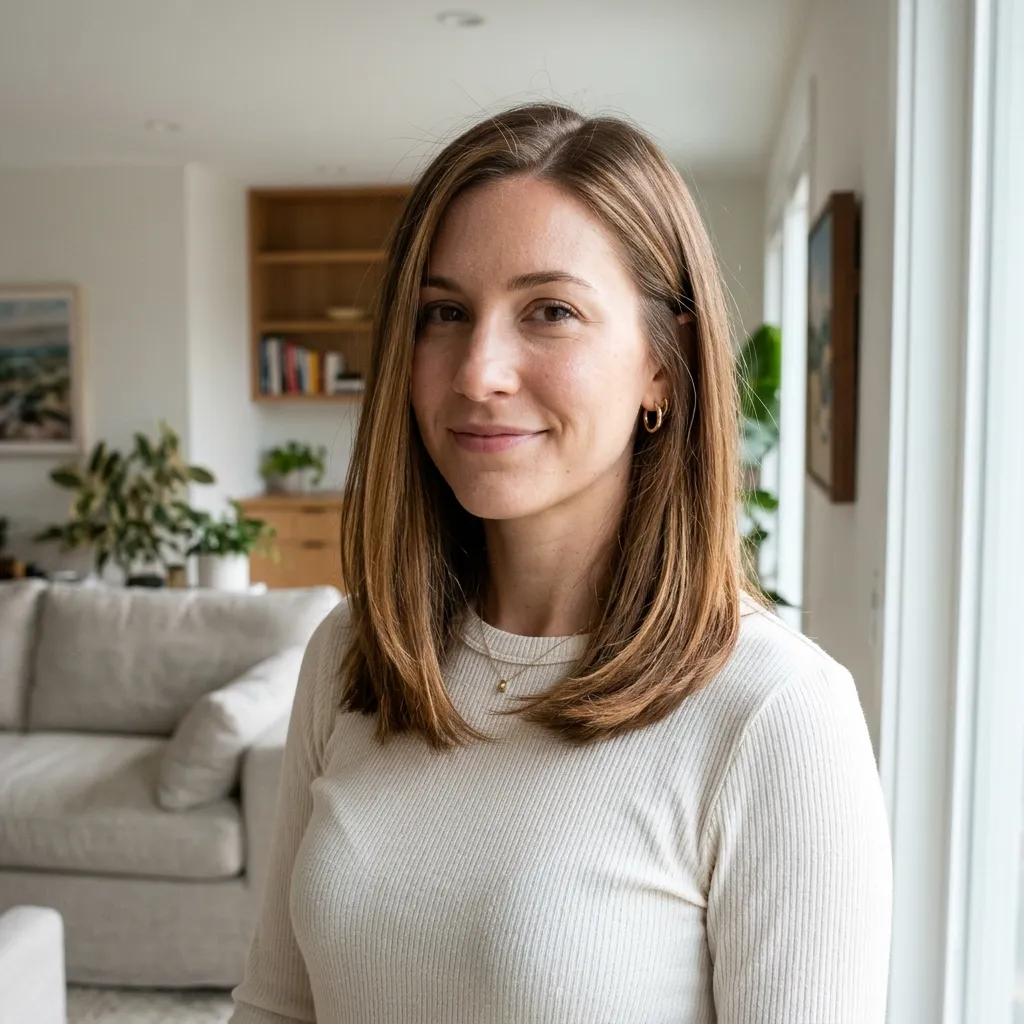
A blunt lob, or long bob, offers the fullness of a strong perimeter without requiring you to commit to short hair. Usually falling between the chin and collarbone, this cut gives you enough length to tuck your hair behind your ears, wear it half-up, or create loose waves. Its even ends help reduce the wispy appearance that can occur when fine hair grows long.
For a naturally fuller-looking result, ask for a mostly one-length cut with minimal internal layering. You can style it straight for a sleek finish or use a large-barrel curling iron to create loose bends through the middle and ends. Keep styling products lightweight, since heavy oils and creams can make the roots look flatter and reduce the movement that makes a lob appealing.
10. Collarbone Blunt Cut
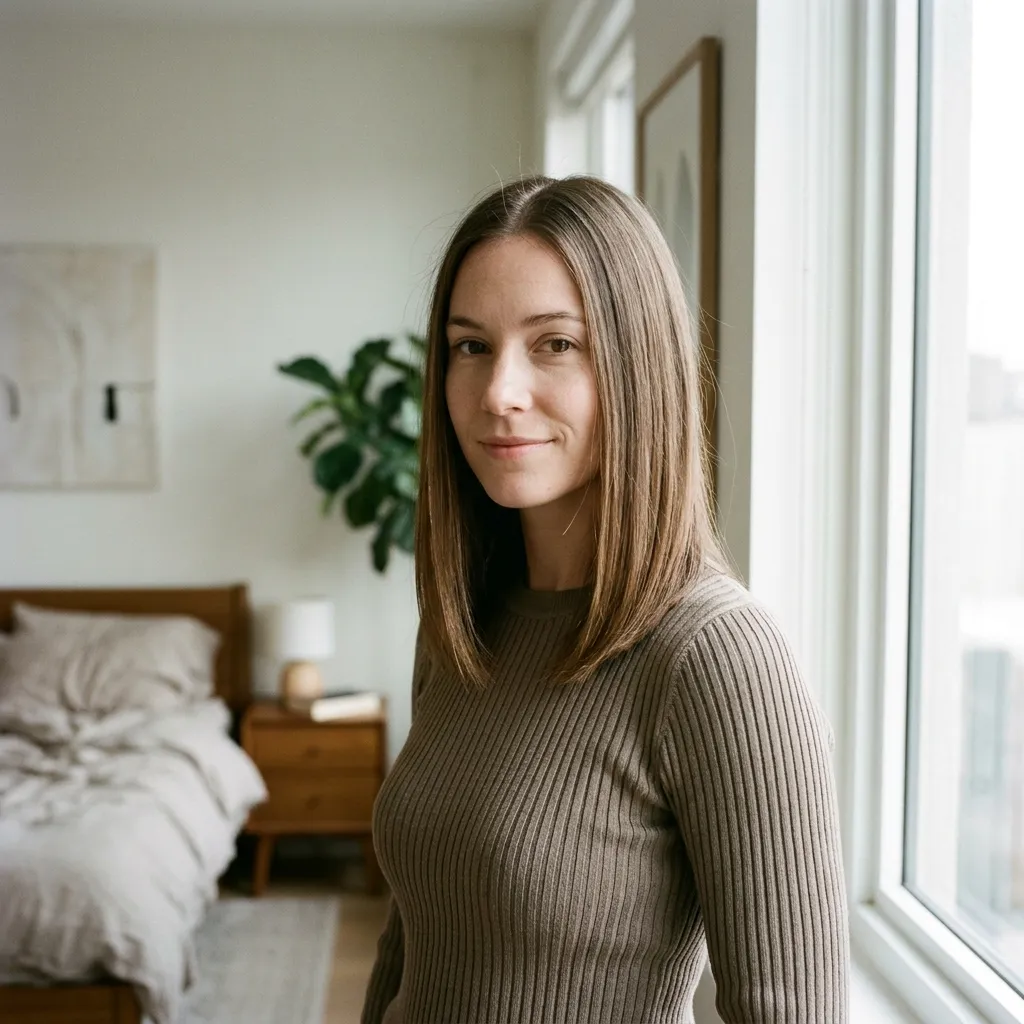
If you love medium-length hair, a collarbone blunt cut gives you a useful balance between length and fullness. The ends sit around the collarbone, creating a clean line that makes fine hair look more substantial without feeling too short. It is also versatile enough for ponytails, casual waves, and simple everyday blowouts.
This haircut is particularly worth considering if your hair looks thinner toward the bottom. Removing damaged ends and keeping the perimeter even can make the overall shape appear healthier and denser. Ask your stylist to assess how the hair falls naturally before deciding on the exact length, because even a small adjustment can affect how full the ends look when the hair is worn loose.
11. One-Length Long Cut
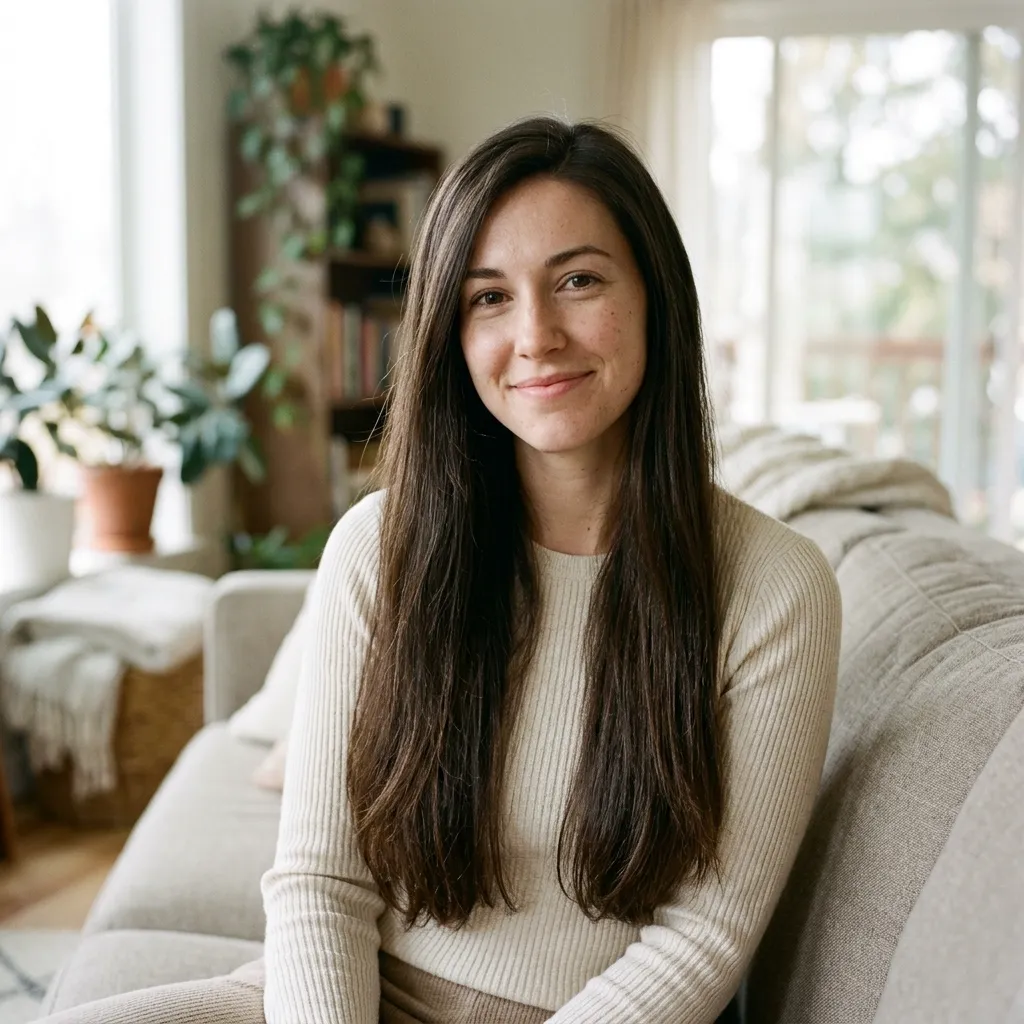
You do not have to cut your hair short to make it look fuller. A one-length long cut preserves the length you love while keeping the ends relatively even, which can help prevent the bottom of your hair from appearing too thin. It is often a better choice for fine hair than a heavily layered cut that removes too much visual weight.
The main consideration is whether your hair has enough density to support the length. If the ends become transparent or stringy, trimming them slightly shorter may create a healthier-looking outline. You can also add volume with a side part, a gentle root lift, or loose waves, while avoiding heavy products that pull the hair downward.
12. Classic Pixie
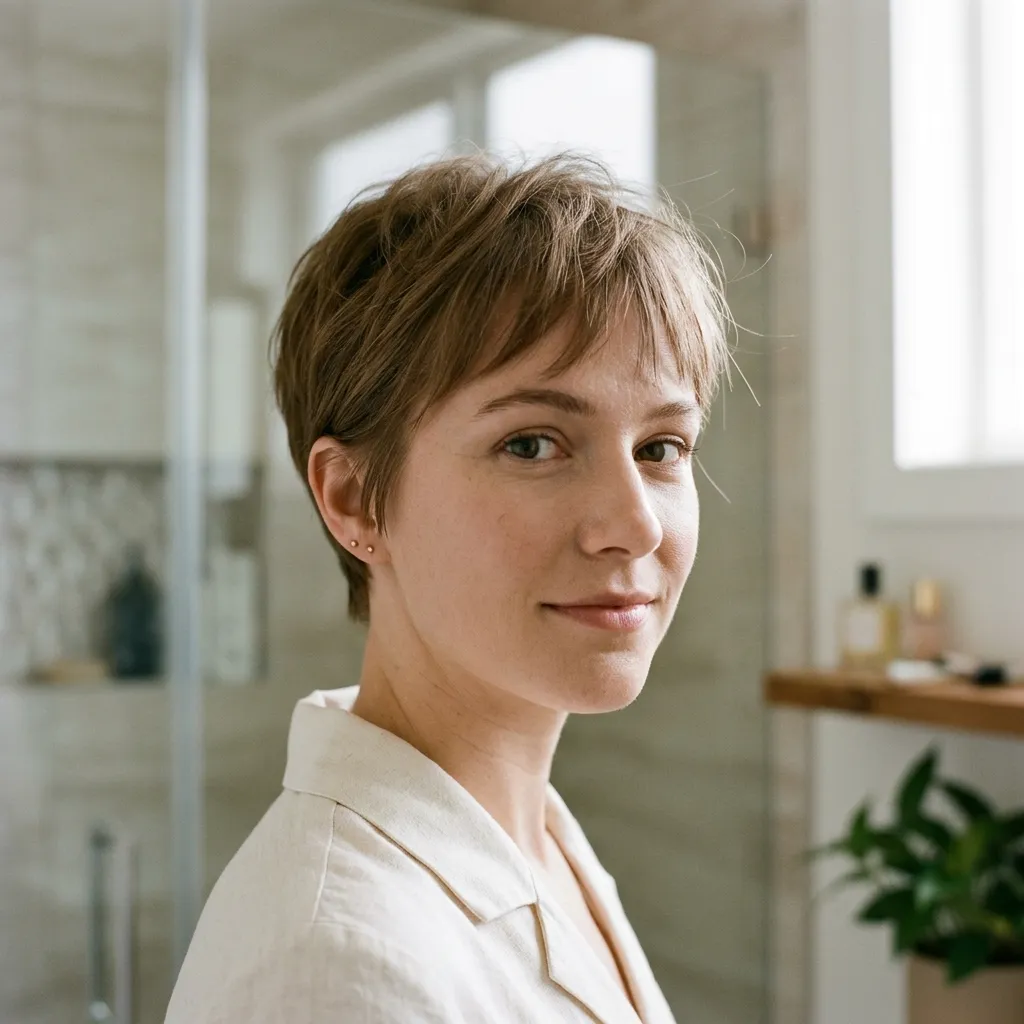
A classic pixie is a short, elegant haircut with close sides and a little length on top. Its compact shape can be easier to manage when thin hair struggles to hold volume at longer lengths. By removing excess length, the haircut may allow the top sections to stand away from the scalp more easily.
You can choose a neat, softly tapered pixie or a version with slightly longer fringe for extra styling flexibility. A small amount of root-lifting mousse can add height, while a light styling paste can help define the top without creating a greasy finish. Before choosing a very short pixie, talk with your stylist about your hairline, crown density, and natural growth direction so the cut works with your hair rather than against it.
13. Textured Pixie

A textured pixie adds soft separation and movement to a traditional short cut. Instead of looking perfectly smooth and uniform, the hair has lightly defined pieces that create dimension. This can be useful for very thin hair because the texture helps disguise a flat, overly neat finish without depending on dramatic volume.
The most flattering version uses texture strategically rather than thinning every section. If your hair is sparse in certain areas, too much razor work or aggressive point cutting can make those spots more noticeable. Ask for soft, controlled texture that leaves enough hair in place to maintain coverage, then use a pea-sized amount of lightweight styling paste to shape the top and fringe.
14. Bixie
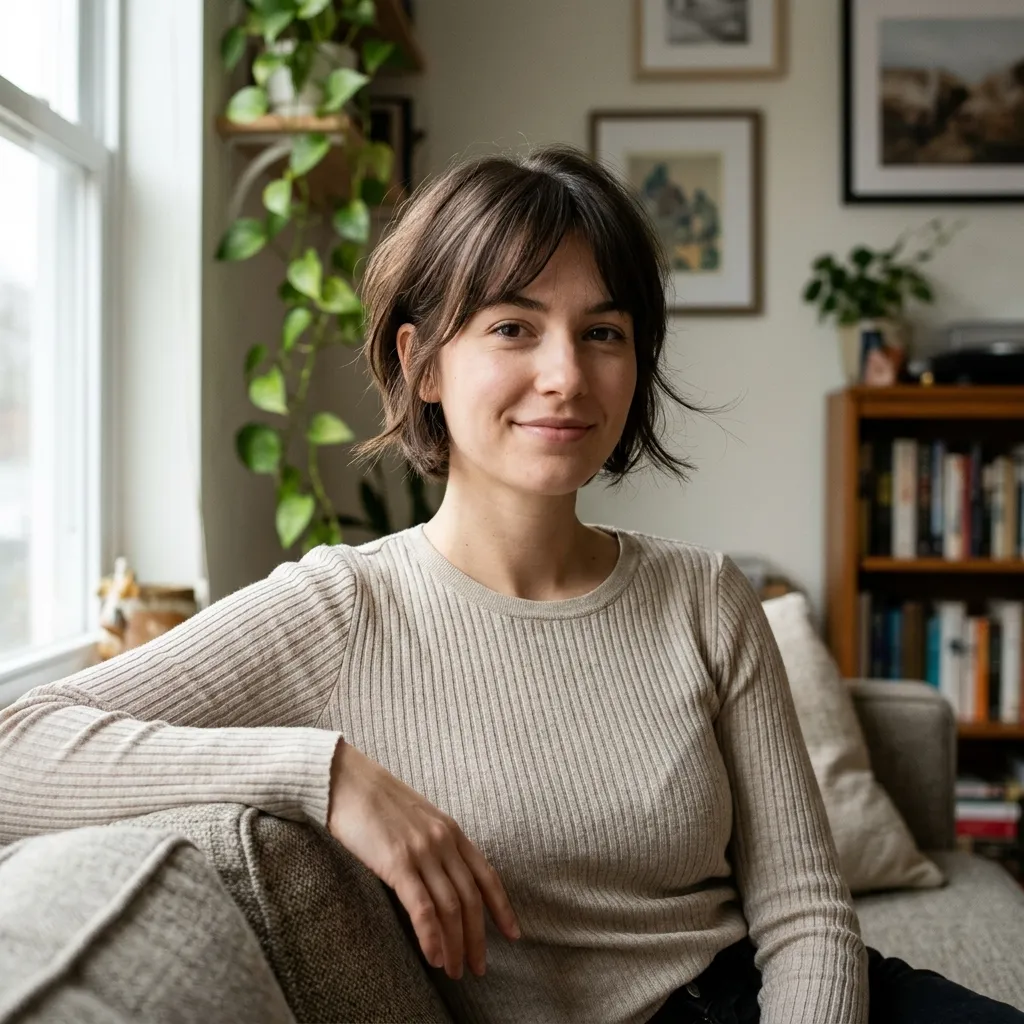
The bixie combines elements of a bob and a pixie, giving you a short haircut with a little extra length around the ears, nape, and face. It is a great middle ground if you want the lightness of a pixie but are not ready for a very short crop. The layered shape adds movement, while the longer pieces provide styling flexibility.
For thin hair, a bixie can be tailored to keep the sides soft and the crown lifted without making the overall silhouette too choppy. You might wear it tucked behind one ear for a neat appearance or sweep the fringe sideways for a relaxed finish. Since this haircut depends on its shape, regular trims can help maintain the balance between the shorter back and the longer front.
15. Textured Crop
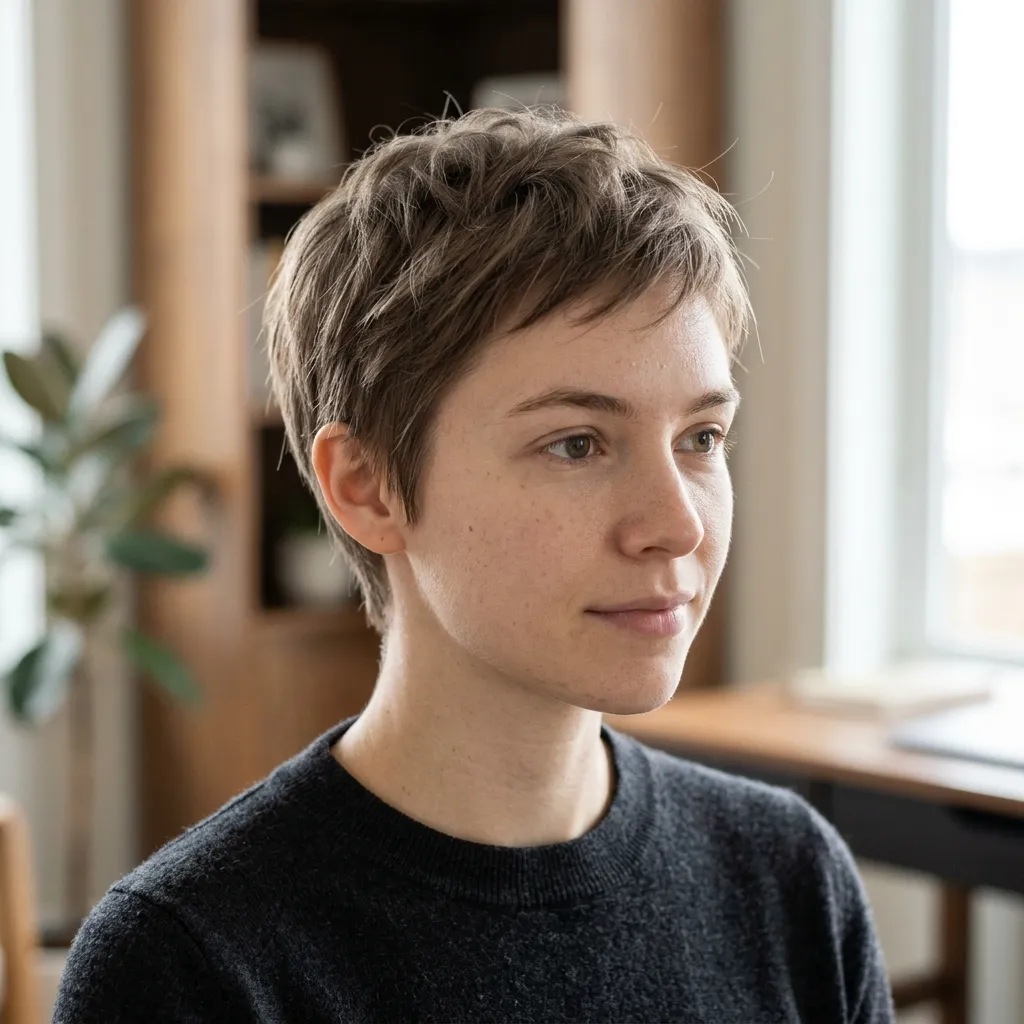
A textured crop keeps the hair short while using carefully placed layers to create a slightly tousled finish. It can be a smart choice if your hair tends to fall flat because there is less length pulling on the roots. The result looks modern, practical, and easy to personalize according to your preferred level of softness.
Ask your stylist to focus the texture where your hair has enough density to support it. A little separation around the top can create visual movement, but excessive thinning may leave the ends looking uneven or expose sparse areas. For styling, work a small amount of lightweight product through dry or nearly dry hair, lifting the roots with your fingers rather than pressing the strands against your scalp.
16. Curtain Bangs
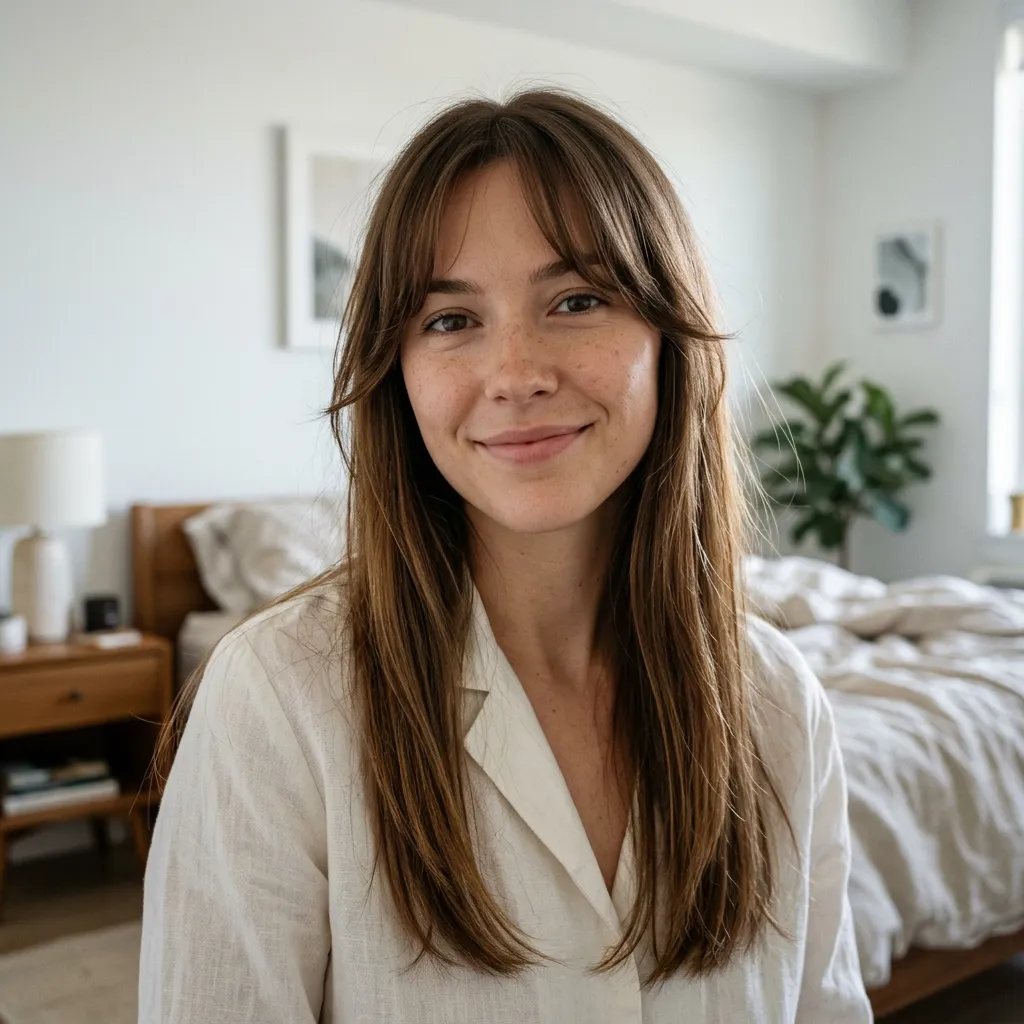
Curtain bangs part near the center and sweep outward, softly framing both sides of the face. They can add shape to a haircut without requiring you to lose much length, making them an appealing option if you want a change without a dramatic cut. For fine hair, the best version is usually light and carefully proportioned so the fringe does not take too much hair away from the rest of the style.
Curtain bangs pair nicely with a blunt lob, collarbone cut, or long one-length hairstyle. Blow-dry them with a small round brush, directing the hair away from the face to create a soft curve. If your hair is very thin around the front, ask your stylist to assess the amount of hair available before cutting a full fringe, since a smaller section may preserve more fullness through the sides.
17. Wispy Fringe

A wispy fringe consists of fine, softly separated bangs rather than a thick, solid line across the forehead. It can bring attention to your eyes and add a delicate detail to a bob, pixie, or longer haircut. Because the fringe is light, it may feel less overwhelming than a dense set of bangs, especially if you prefer a soft and airy appearance.
The important thing is to keep the fringe from becoming too sparse or stringy. Your stylist can adjust its length and placement to suit your hairline and the amount of hair available at the front. A quick blow-dry using a small brush can help the bangs sit neatly, while a touch of lightweight styling spray can control flyaways without making the strands clump together.
18. Side-Swept Bangs

Side-swept bangs create an angled line across the forehead, adding movement and directing attention toward the eyes. They can also soften a haircut with a strong outline, such as a blunt bob or one-length lob. For fine hair, this option may be easier to wear than a thick, straight fringe because it blends into the rest of the cut.
You can keep the bangs long enough to tuck behind your ear or choose a shorter version that creates more noticeable face-framing detail. Blow-dry them in the direction you want them to fall, lifting gently at the roots to prevent a flat appearance. If your hair naturally parts in a particular direction, working with that pattern will generally make the fringe easier to manage.
19. Invisible Layers
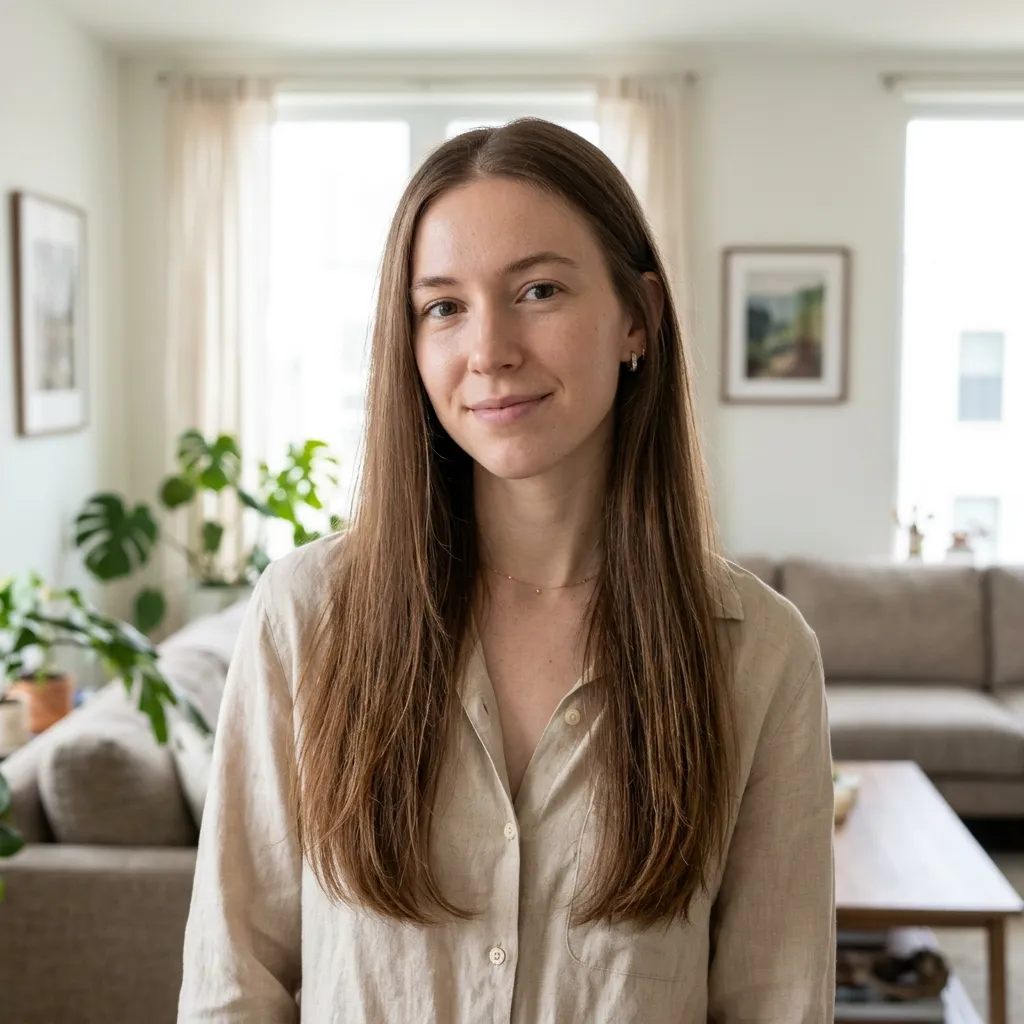
Invisible layers are subtle, blended layers designed to create movement without making the haircut look obviously layered. They can help fine hair move more naturally while preserving the appearance of a fuller perimeter. This makes them worth considering if you like your current length but find that your hair looks flat or too uniform.
The success of this cut depends on restraint and placement. Too many layers can remove the weight that makes thin hair look dense, so your stylist should assess your hair’s natural thickness and how it falls when dry. Invisible layers are often most effective when used selectively around areas that need movement, while the ends remain substantial enough to maintain a healthy-looking outline.
20. Face-Framing Layers
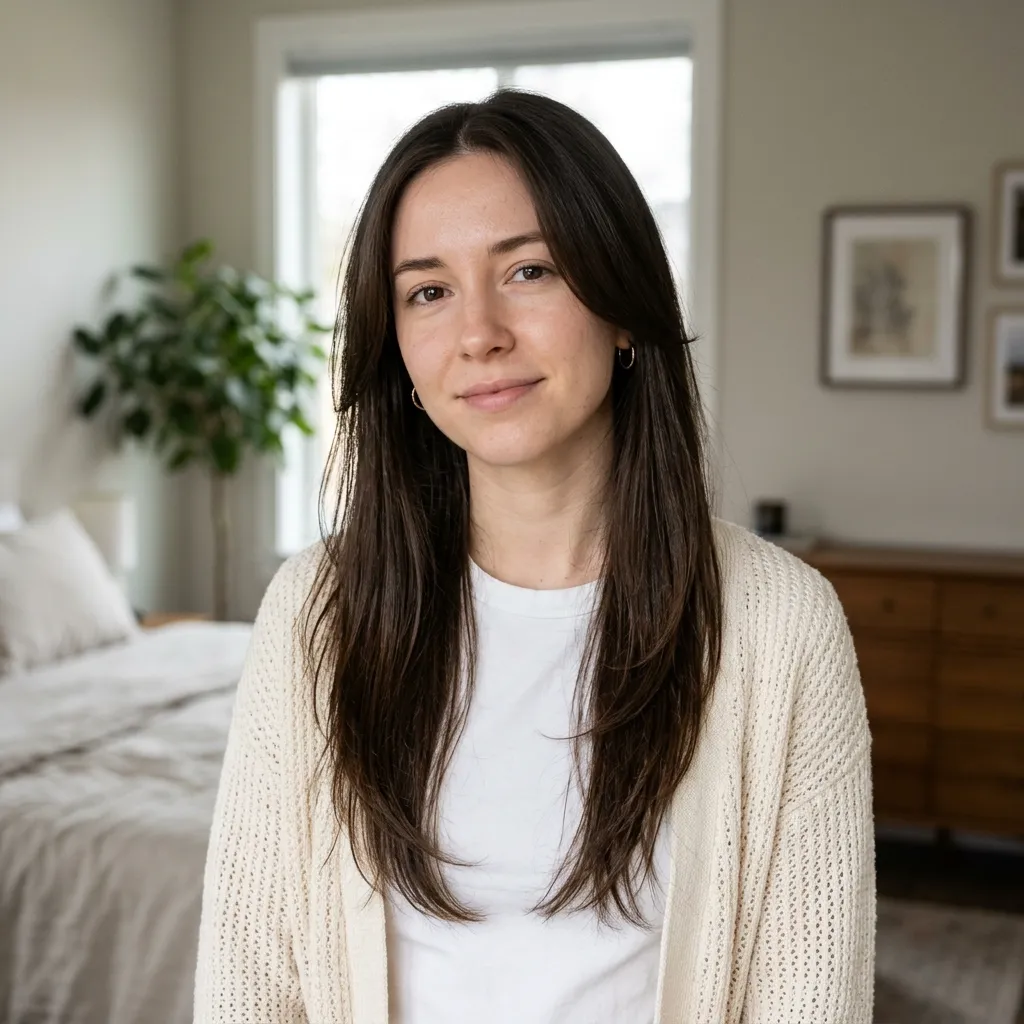
Face-framing layers are shorter pieces around the front of the hair that gradually blend into the remaining length. They can brighten up a long haircut and make the overall shape feel more customized. For thin hair, the goal is to create softness near the face without taking away too much fullness from the ends.
These layers can begin around the cheekbones, jawline, or chin, depending on your face shape and preferred style. If your hair is especially fine, ask for a gentle transition rather than dramatic, short layers that leave the sides looking thin. A round brush or a few loose bends from a curling iron can help the front pieces fall neatly while keeping the rest of your hair relatively simple.
21. Wavy Bob

A wavy bob combines a shorter, manageable length with soft bends that create dimension. The waves reflect light from different angles and break up the outline of the hair, which can make a fine texture look fuller. This is an especially appealing choice if your hair has a natural wave pattern or you enjoy a relaxed, slightly tousled finish.
The best length depends on how your hair behaves when it dries. Natural waves can shrink as they form, so your stylist should account for that movement when shaping the cut. To style it, apply a lightweight mousse or wave-enhancing product to damp hair, then let it air-dry or use a diffuser on a gentle setting. Avoid heavy creams that can weigh down the roots and flatten the waves.
22. Deep Side Part

A deep side part is a simple styling change that can make thin hair look noticeably different without requiring a haircut. By shifting the part away from its usual position, you create a new direction for the roots and add height to one side. It can work with a bob, lob, pixie, or long hairstyle, making it one of the easiest options to try at home.
For a fuller-looking finish, create the part while your hair is damp and blow-dry the roots in the opposite direction before letting them fall into place. You can also use a lightweight volumizing spray near the roots for extra support. If your scalp is more visible along your usual part, changing the direction may help visually redistribute the hair, although it will not change the underlying density.
23. Volumizing Body Perm
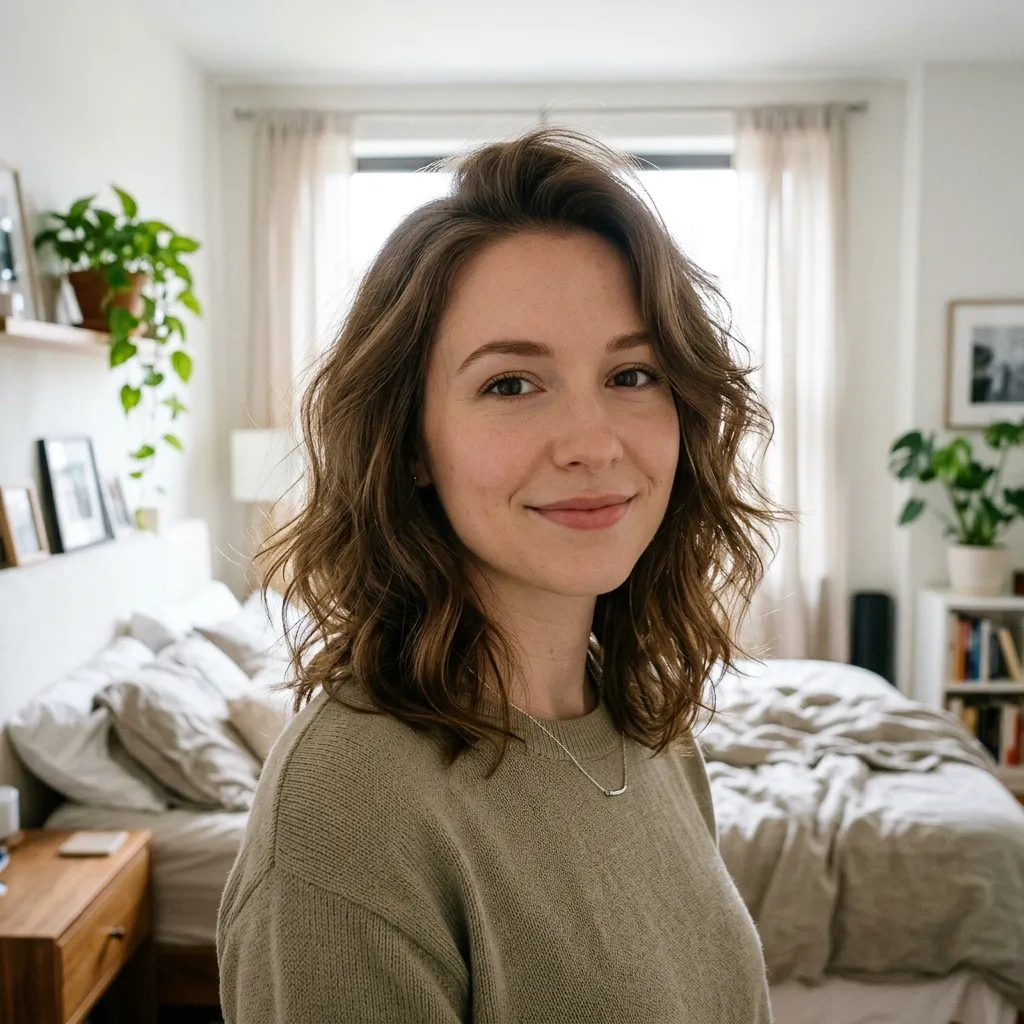
A volumizing body perm uses a chemical treatment to create lasting bend or wave rather than tight, defined curls. For very thin hair that struggles to hold a style, this can provide texture and make the overall shape appear fuller. The result depends on your natural hair condition, the size of the rods used, and the stylist’s technique.
A body perm is not suitable for every hair type, especially if your strands are fragile, heavily bleached, or already damaged. Chemical processing can weaken the hair, so an experienced stylist should assess its condition before recommending the treatment. If you decide to try it, discuss a soft, natural-looking result and follow the recommended aftercare to help maintain the texture while minimizing unnecessary stress on your hair.
Frequently Asked Questions
What is the best haircut for very thin hair?
A blunt bob is often a strong starting point because its even ends create the appearance of greater density. However, the best haircut depends on where your hair is thinnest, how much length you want to keep, and how you prefer to style it. A textured pixie may suit someone who wants lift and easy maintenance, while a blunt lob may be better for someone who prefers medium-length hair.
Should very thin hair be cut short or kept long?
Both short and long hair can look attractive when the shape suits the hair’s natural density. Shorter cuts can feel lighter and may be easier to lift at the roots, while longer one-length styles preserve length and can maintain a substantial outline. If your ends look wispy, removing a little length may create a fuller appearance, but there is no single rule that applies to everyone.
Are layers good for very thin hair?
Layers can help create movement, but they need to be placed carefully. Too many short or heavily thinned layers may remove the visual weight that makes fine hair look fuller, especially around the ends. Subtle, blended layers or carefully positioned face-framing pieces are often a better starting point than an aggressively layered cut.
Do bangs make thin hair look thicker?
Bangs can add interest around the face, but they do not automatically make the rest of the hair appear thicker. A light curtain fringe, wispy fringe, or side-swept bang can create a flattering frame without taking too much hair from the sides. If your hair is very sparse at the front, discuss the available density with your stylist before choosing a fringe.
How can I make very thin hair look fuller after a haircut?
Start with lightweight products designed to add volume without leaving a heavy coating. Apply volumizing mousse or root-lifting spray near the roots, then blow-dry while lifting the hair away from the scalp. A different part, gentle waves, and regular trims can also help create a fuller-looking finish, while heavy oils and styling creams are best used sparingly.
How often should I trim very thin hair?
The right trimming schedule depends on the haircut and how quickly its shape grows out. Short pixies and sharply defined bobs often need more frequent trims to keep their silhouette neat, while longer one-length cuts can usually go longer between appointments. Rather than following a rigid schedule, ask your stylist how often your particular cut needs refreshing to maintain its shape and healthy-looking ends.
Can a haircut fix thinning hair?
A haircut can change how your hair looks, but it cannot correct the underlying cause of hair thinning or increase the number of hair follicles. The right shape may make the hair appear fuller by improving its outline, adding movement, or reducing the weight that pulls it flat. If you notice sudden, persistent, or unexplained hair loss, consider speaking with a healthcare professional or dermatologist to understand possible causes and appropriate treatment options.
Conclusion
Finding the right haircut can make styling very thin hair feel much less frustrating. The most flattering haircuts for very thin hair often focus on a strong outline, thoughtful shaping, and just enough texture to create movement without sacrificing the appearance of density. From a classic blunt bob to a textured pixie or a collarbone-length cut, the best option is the one that works with your natural hair rather than forcing it into a shape that is difficult to maintain.
Before your next salon appointment, think about where your hair tends to look thinnest, how much time you want to spend styling it, and whether you feel most comfortable with short, medium, or long hair. Bring a few reference photos and ask your stylist how each shape could be adapted to your texture and density. With the right cut and a simple styling routine, you can enjoy hair that looks more polished, feels easier to manage, and suits your personal style.