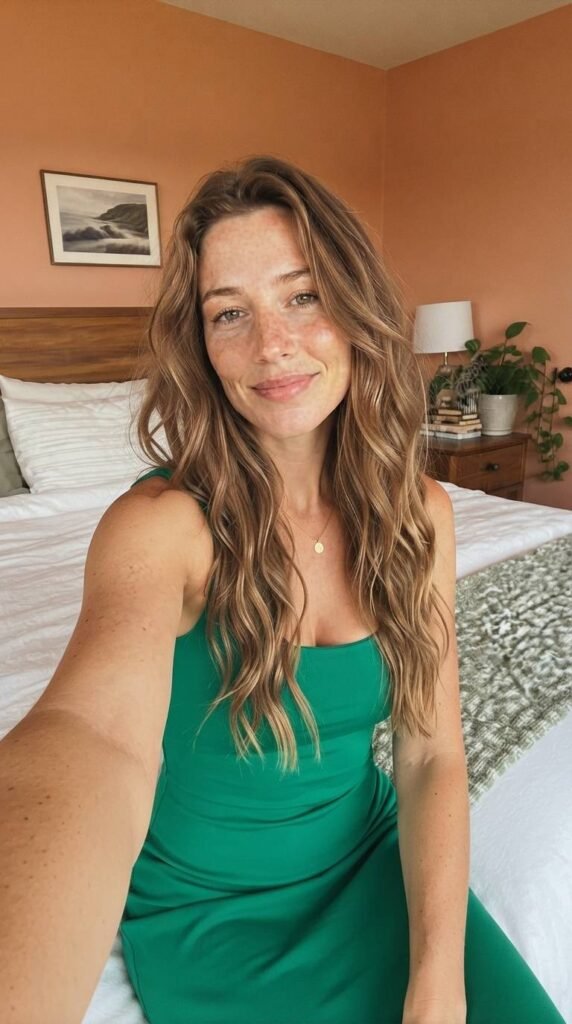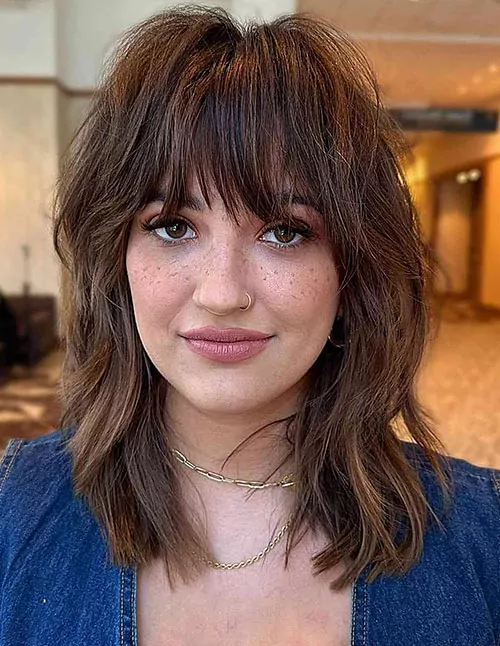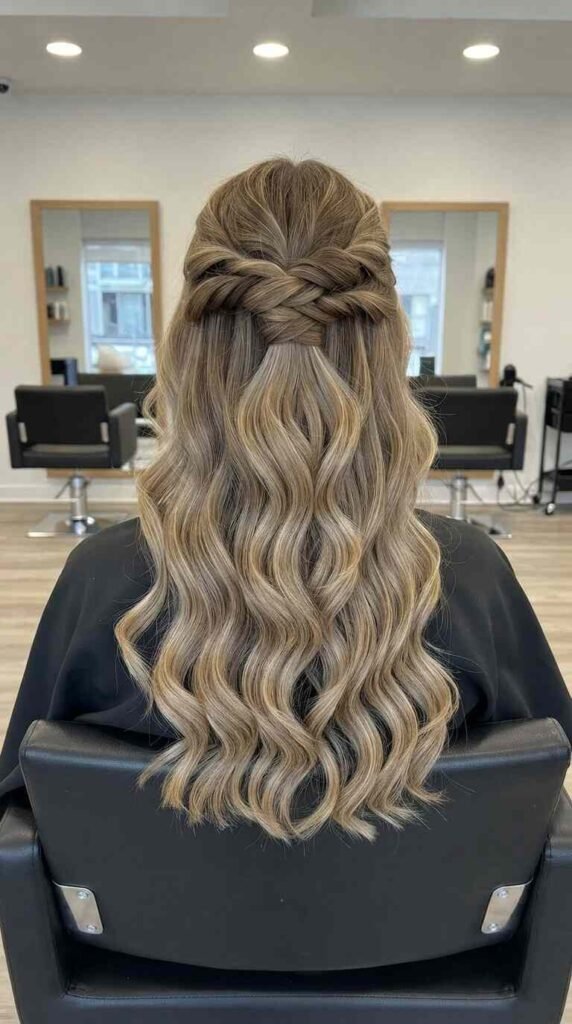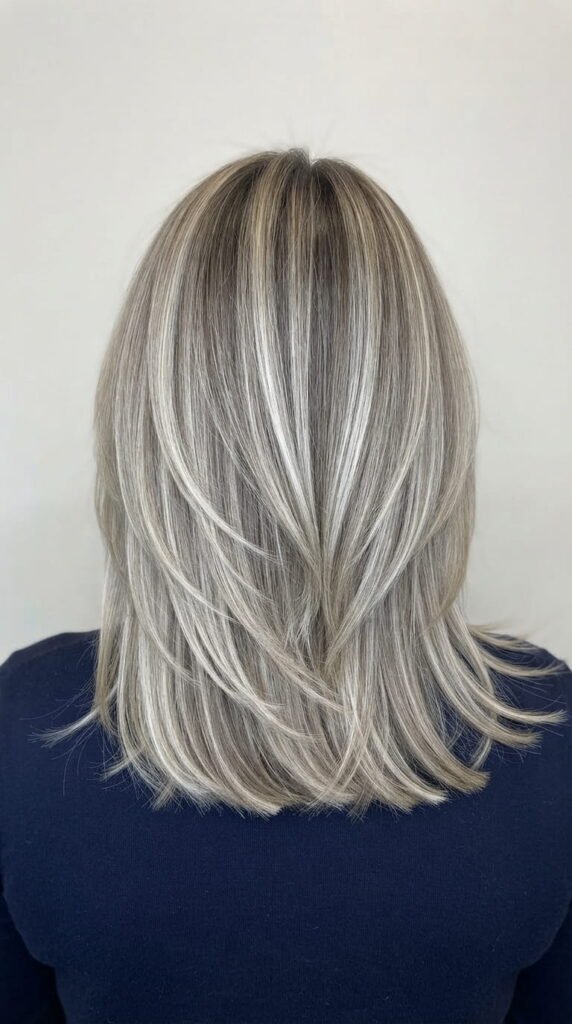
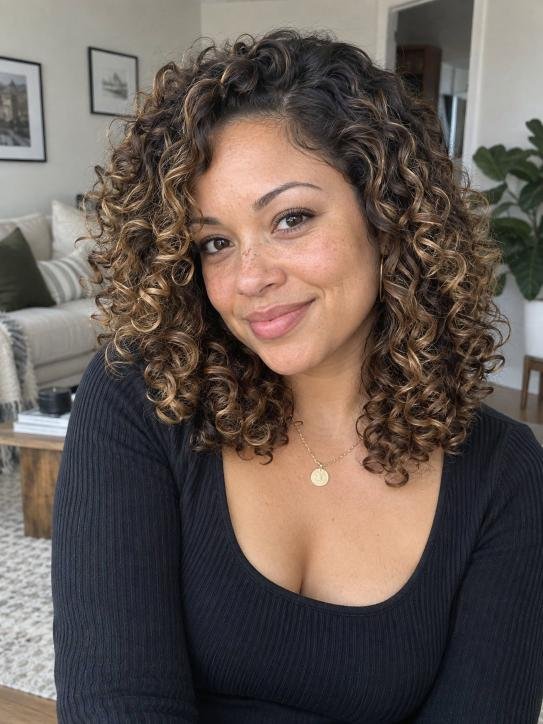
Shoulder-length curls have a way of looking effortlessly stylish, but finding a cut or hairstyle that works with your natural texture can take a little experimenting. Maybe your curls feel too bulky around the sides, your layers never seem to sit quite right, or you want a fresh look without losing too much length. The good news is that shoulder length curly hairstyles offer plenty of options, whether you have loose waves, springy ringlets, or tight natural coils.
This length gives you enough hair to experiment with buns, half-up styles, braids, and defined curls while keeping your routine relatively manageable. The right combination of layers, styling products, and techniques can also help your curls look more balanced and intentional. From low-maintenance wash-and-go looks to trendy cuts with curtain bangs, these ideas will help you find a style that suits your curl pattern, personal taste, and everyday routine.
Curly Shag
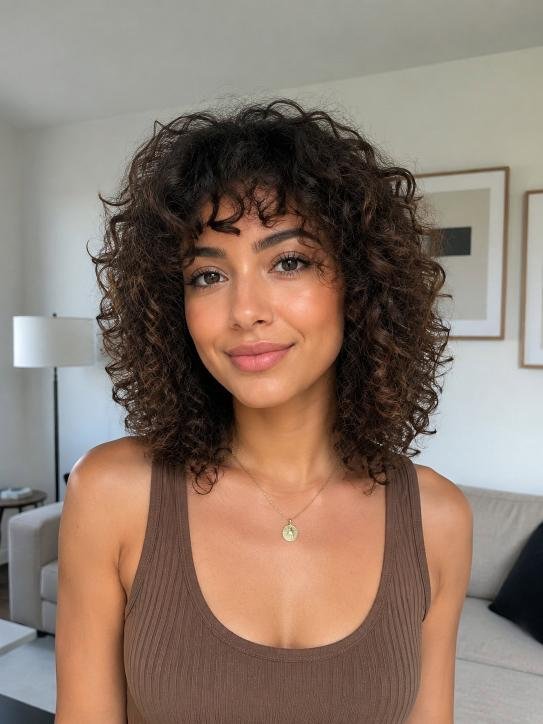
A curly shag is a great choice if you love volume, texture, and a slightly undone finish. This haircut features shorter layers around the crown and longer pieces through the sides and back, giving curls room to move without creating a heavy, triangular shape. At shoulder length, the shag feels modern and relaxed while keeping enough length for different styling options.
This cut works particularly well for people who want their curls to have more shape instead of falling into one solid mass. Ask your stylist to tailor the layers to your natural shrinkage and curl pattern, especially if your hair looks considerably shorter when dry. A little curl cream or lightweight mousse can help define the shape while preserving the airy, textured finish that makes a curly shag so appealing.
Curly Bob
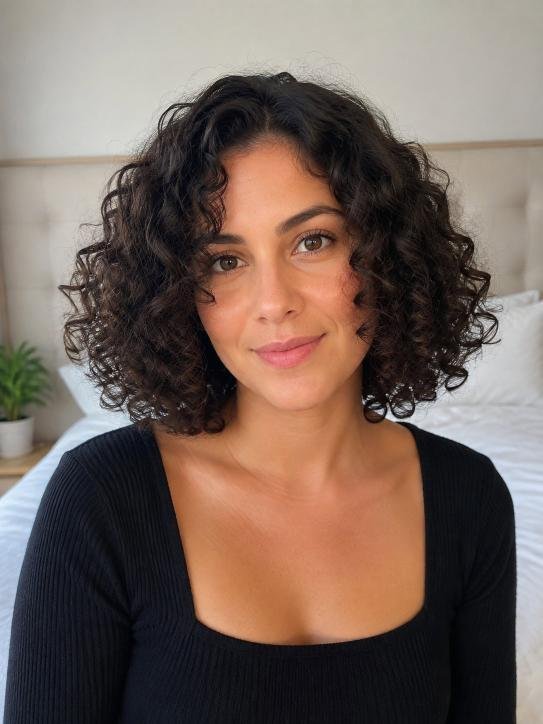
A shoulder-length curly bob offers a polished shape without requiring a dramatic chop. Depending on how it is cut, the bob can sit right at the shoulders or slightly above them, with rounded ends that make the curls look full and lively. It is a versatile option for anyone who wants a defined silhouette that still feels soft and feminine.
The secret to a flattering curly bob is getting the shape right for your particular texture. Fine curls may benefit from a more compact outline that creates the appearance of fullness, while thick curls may need carefully placed layers to reduce bulk. You can wear your bob with a middle part for a balanced look or switch to a side part when you want more volume on one side.
Long-Layered Curls
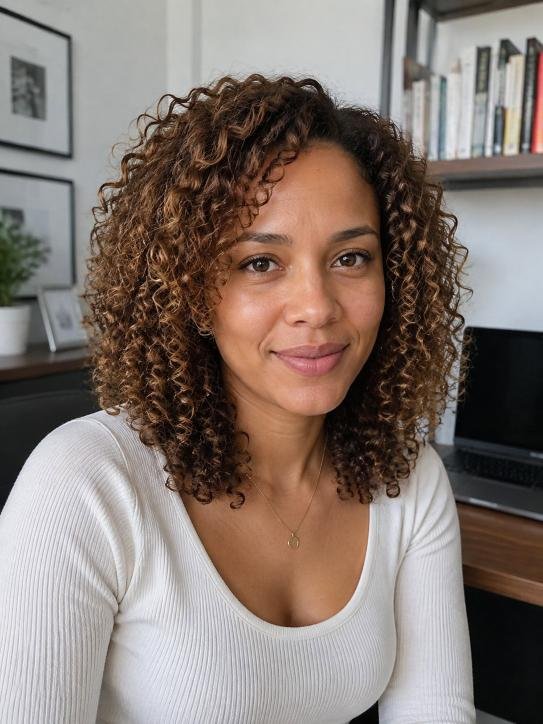
Long layers are ideal when you want to keep your shoulder-length curls from looking too heavy at the bottom. Rather than cutting all the hair to one blunt length, your stylist creates gradual layers that help curls stack naturally and move around your face. The result can feel lighter, bouncier, and easier to shape.
This haircut is especially useful for thick or dense curly hair that tends to form a wide triangle as it grows. Layers can distribute the volume more evenly while helping individual curl groups stand out. If you prefer a softer finish, ask for blended layers that preserve fullness at the ends instead of removing too much weight from the overall shape.
Curly Cut With Curtain Bangs
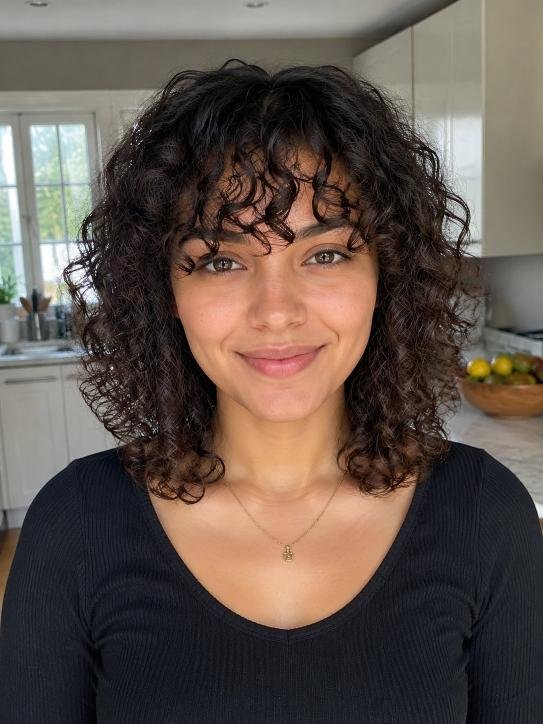
Curtain bangs give shoulder-length curls a face-framing detail without requiring a full fringe across the forehead. The bangs usually part near the center and gradually become longer toward the temples, blending into the rest of the haircut. When styled with natural curls, they create a soft, relaxed appearance that feels current without looking overly structured.
Curly curtain bangs need to be shaped with shrinkage in mind because curls can spring up more than expected after drying. A stylist experienced with curly hair can help determine the right length and placement for your curl pattern. On styling days, use a small amount of curl cream and encourage the front sections to fall away from your face, allowing the bangs to blend naturally with your layers.
Curly Wolf Cut
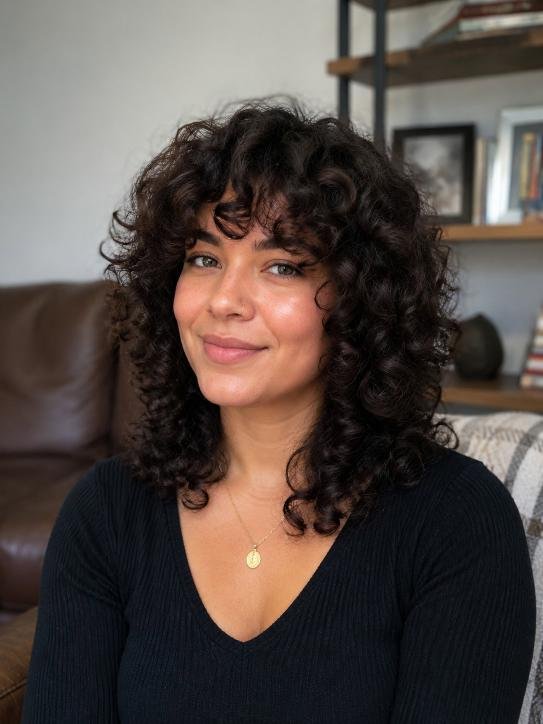
The curly wolf cut combines the volume of a shag with a more pronounced difference between the shorter crown layers and longer sections underneath. This creates a playful, slightly edgy silhouette that works beautifully with natural texture. On shoulder-length hair, the cut can look bold and expressive without requiring extremely long hair.
This style is worth considering if your curls tend to flatten at the roots but expand through the sides and ends. The shorter layers can encourage a fuller crown, while the longer sections maintain enough length to frame your neck and shoulders. Because the wolf cut relies on shape, ask your stylist how the layers will look when your curls are dry, and discuss how much daily styling you are comfortable doing.
Wash-and-Go
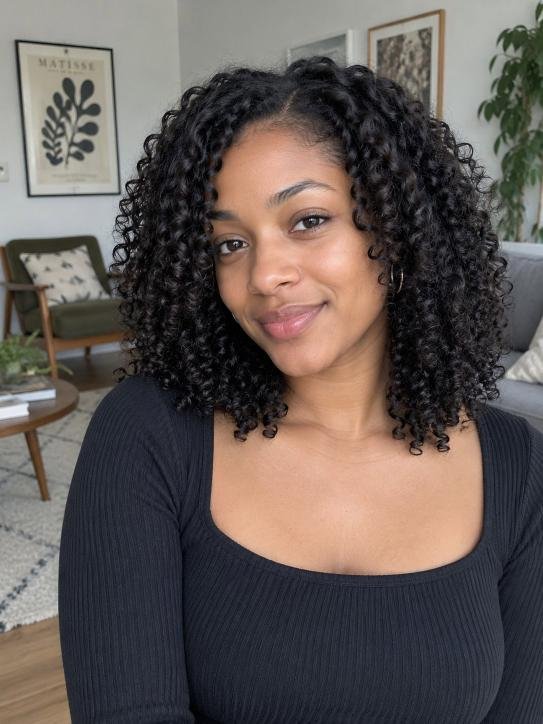
A wash-and-go is one of the simplest ways to wear shoulder-length curls in their natural pattern. The idea is to cleanse and condition your hair, apply styling products, and let the curls dry without creating a separate hairstyle through braiding or twisting. When your routine suits your texture, this approach can bring out your natural curl definition with relatively little manipulation.
Start with wet or very damp hair and distribute a leave-in conditioner or curl styler evenly, working in sections if your hair is dense. Use your fingers or a suitable styling brush to encourage curl clumps, then gently scrunch to support their natural shape. Air-drying can work well when you have time, while a diffuser can speed things up and help maintain volume; avoid touching your curls repeatedly as they dry if frizz is a concern.
Twist-Out
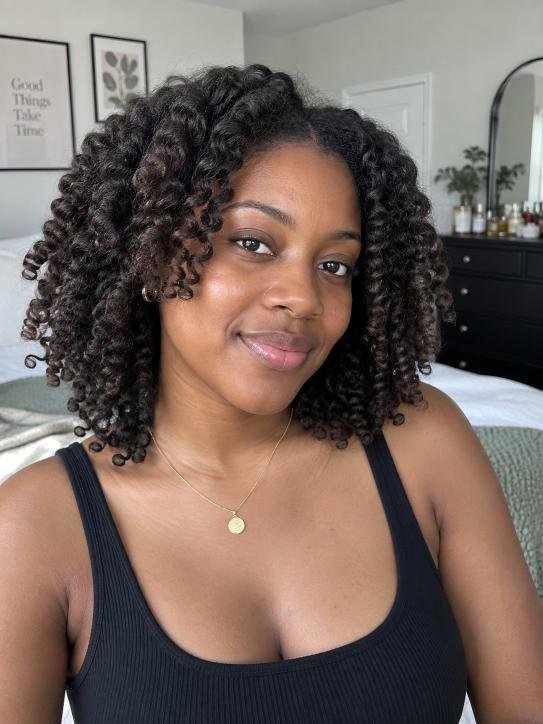
A twist-out creates defined, elongated curls or waves by setting damp hair in two-strand twists and unraveling them once the hair is completely dry. On shoulder-length hair, the result can provide beautiful volume and a more uniform pattern, especially for natural curls and coils. You can make the twists larger for a fuller, softer finish or smaller for more detailed definition.
Begin with moisturized hair and divide it into manageable sections before twisting each section from root to end. A leave-in conditioner and a styling cream or gel can help the twists hold their shape, depending on your hair’s needs. Once dry, apply a little lightweight oil to your fingertips if desired, then carefully separate the twists to create volume without disturbing the definition too much.
Braid-Out
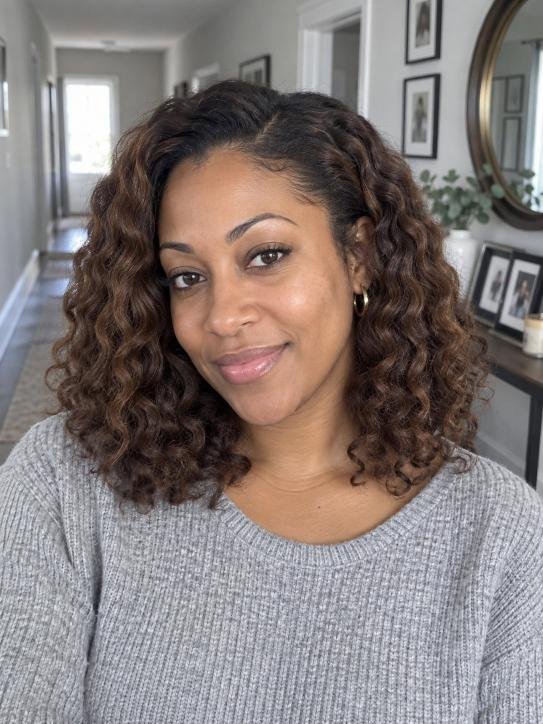
A braid-out is another useful styling method for natural hair, creating a stretched, textured finish with a wave pattern influenced by the size and number of braids. It can be especially helpful when you want your shoulder-length curls to look a little longer or fuller without using heat. The final result may range from soft waves to a more defined crimp-like texture, depending on your hair and braiding technique.
For a smooth result, begin with damp, detangled hair and apply a suitable leave-in product before creating several braids. Smaller braids generally create a more detailed pattern, while larger braids produce broader waves and less definition. Allow your hair to dry completely before unraveling, and separate the braids gently to keep the finished style from becoming frizzy.
Flat-Twist-Out
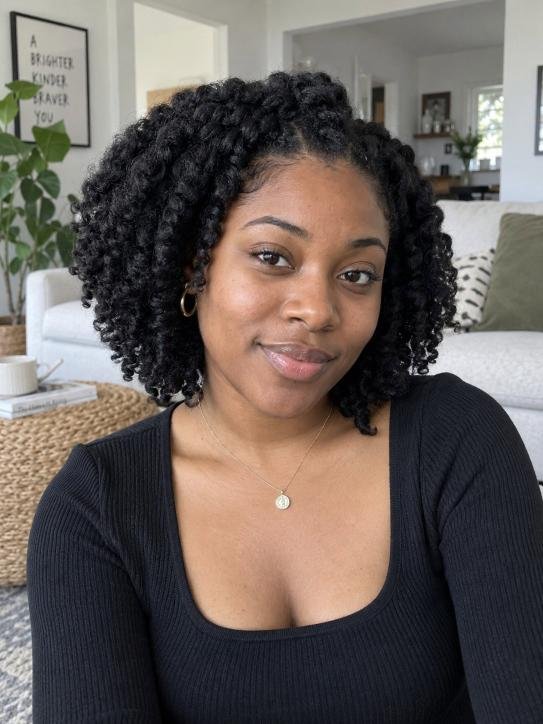
A flat-twist-out combines the definition of a twist-out with twists that lie close to the scalp. This technique can create a more intentional direction at the roots, making it easier to control volume around the crown and shape the front sections. When the twists are released, the result can look full and defined while retaining a natural, touchable finish.
Start by parting damp hair into sections and flat-twisting each section along the scalp before continuing the twist through the ends. You can direct the twists away from your face or toward one side, depending on the style you want to achieve. Once the hair is fully dry, unravel each twist carefully and fluff the roots lightly to add lift without sacrificing too much definition.
Bantu-Knot-Out
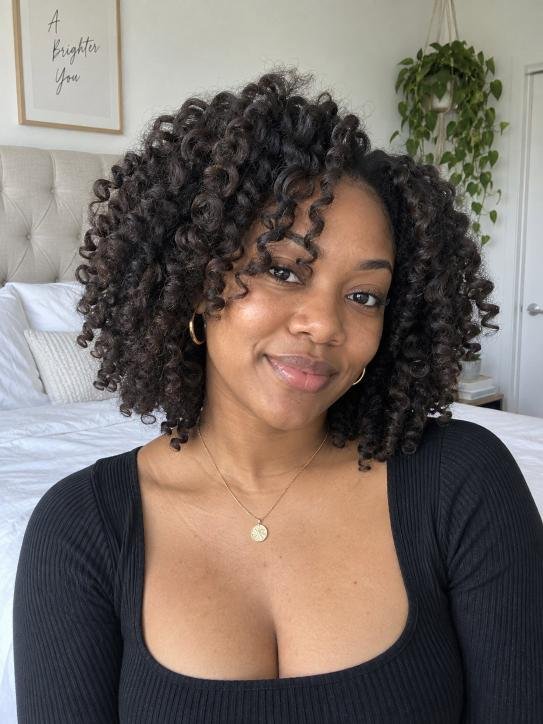
A Bantu-knot-out gives shoulder-length natural hair a distinctive curl pattern with plenty of body. The style is created by wrapping small sections of hair around themselves into compact knots, allowing the hair to set before the knots are released. The resulting curls can look springy and sculpted, making this a lovely option for a defined style with a little extra drama.
Apply your preferred moisturizing and styling products to freshly washed, detangled hair before sectioning it evenly. Twist each section and wrap it into a secure knot, keeping the tension comfortable rather than pulling tightly at the roots. Wait until every section is completely dry before unraveling, then separate the curls gradually to achieve your preferred balance of definition and fullness.
Voluminous Diffused Curls
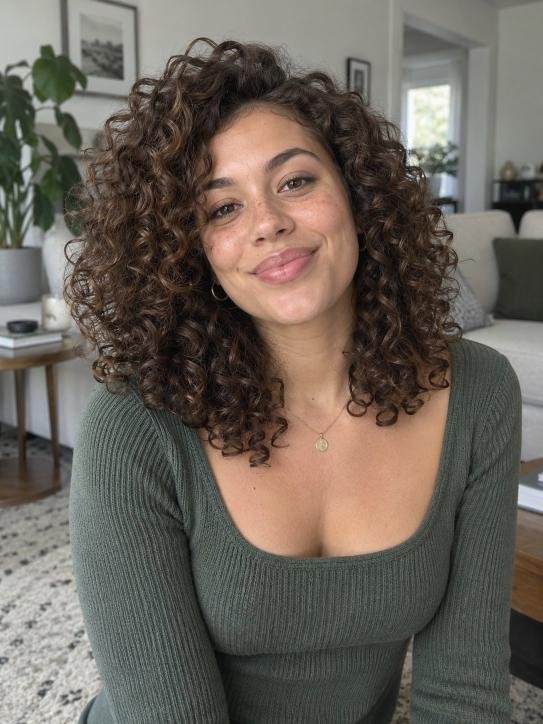
If you love big, bouncy curls, using a diffuser can help you build volume while drying your hair. The attachment disperses airflow more gently than a concentrated stream from a regular blow-dryer, allowing you to dry curls with less direct disturbance. On shoulder-length hair, this technique can lift the roots and emphasize the natural shape of layered curls.
Begin with a curl-defining product suited to your hair, then use a microfiber towel or cotton T-shirt to remove excess water without rough rubbing. Attach a diffuser and use a low or medium heat setting, gently cupping sections of curls as you dry. For additional root lift, tilt your head to different sides during the process, and stop handling the hair once it is dry to help preserve the finished shape.
Beachy Loose Curls
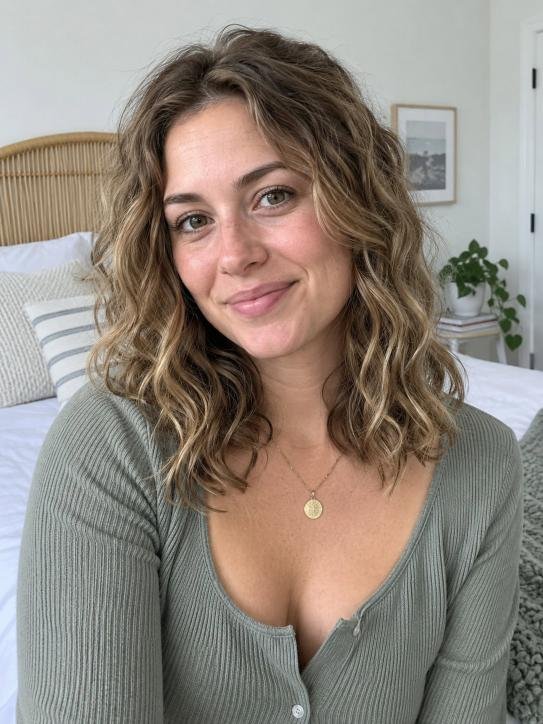
Beachy loose curls create a relaxed, slightly tousled look that feels equally appropriate for weekend plans, vacations, and casual days out. The curls are generally softer and less uniform than tightly defined ringlets, with movement through the mid-lengths and ends. On shoulder-length hair, this style adds texture without making the overall shape feel too formal.
If your natural curls are already loose, a lightweight mousse or flexible-hold styler may be enough to bring out their movement. For tighter textures, you can create a softer appearance through a braid-out or twist-out rather than forcing the hair into a pattern that does not suit it. Finish by gently separating a few sections with your fingers, keeping enough definition to make the style look intentional rather than messy.
Curly Half-Up Half-Down
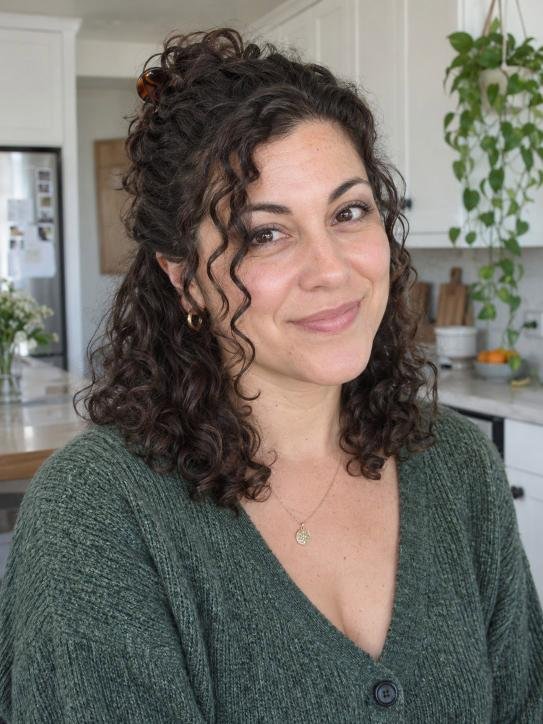
The half-up half-down hairstyle gives you the best of both worlds: your curls remain visible, but the front sections are kept away from your face. It works well on shoulder-length hair because the gathered section adds height while the remaining curls frame your shoulders. You can make it sleek at the crown or leave the roots softer for a more relaxed finish.
Gather the hair from your temples and crown, then secure it with a small elastic, clip, or decorative barrette. Avoid pulling the gathered section too tightly, particularly if you wear this style often, and allow some curls to remain loose around your face. A small amount of styling gel can smooth flyaways, while a little curl cream on the loose sections helps keep the overall texture consistent.
High Puff
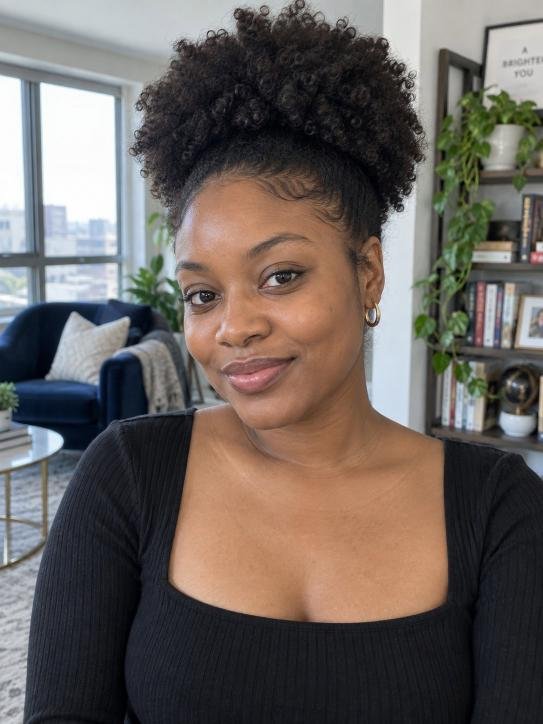
A high puff is a classic option for natural curls and coils, especially when you want to show off your texture while keeping your hair off your neck. The style gathers the hair near the crown, creating a rounded silhouette that can look full and elegant on shoulder-length hair. It is also a practical choice for warm weather, workouts, or days when you want a quick style without completely restyling your curls.
Use a satin-friendly elastic, adjustable puff band, or another gentle method to gather your hair without excessive tension. Smooth the perimeter with a small amount of styling gel if you like a neater finish, but avoid pulling so tightly that your scalp feels uncomfortable. Fluff the puff with your fingers to distribute the volume, and consider wearing a satin scarf around the hairline briefly to help the edges settle.
Pineapple Refresh
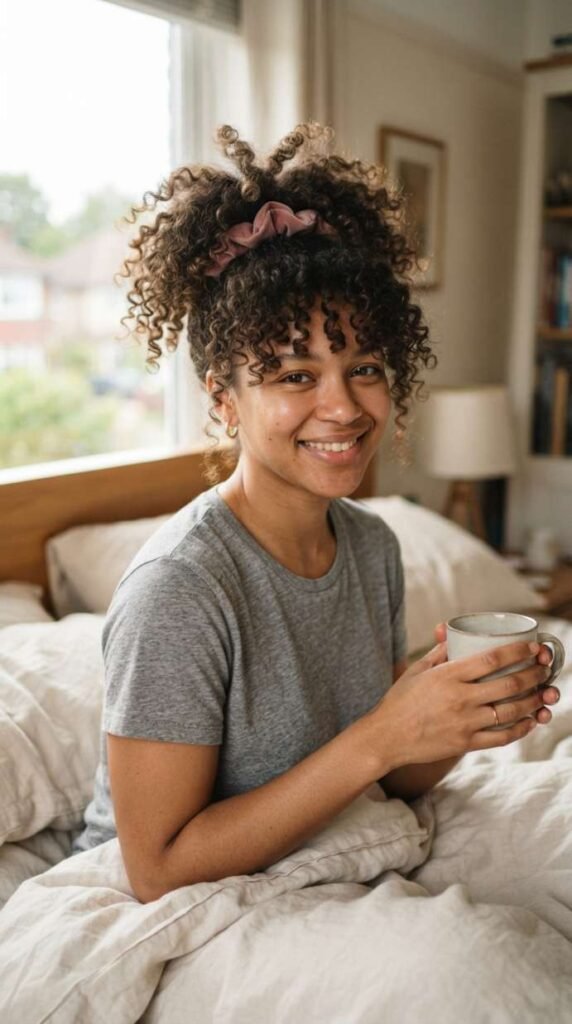
The pineapple is commonly used to protect curls overnight, but it can also help refresh shoulder-length curly hair the next morning. Hair is loosely gathered high on the head so the curls are less compressed while you sleep. After taking the hair down, you can revive flattened sections and restore volume without starting your wash-day routine from scratch.
Use a loose scrunchie or soft fabric hair tie to gather your curls, leaving enough room to avoid creating a tight crease. In the morning, release the hair and shake gently at the roots, then mist dry areas lightly with water or a curl-refreshing spray. Reshape individual curls with your fingers and allow them to settle before adding more product, since too much layering can leave the hair heavy or sticky.
Curly Low Bun
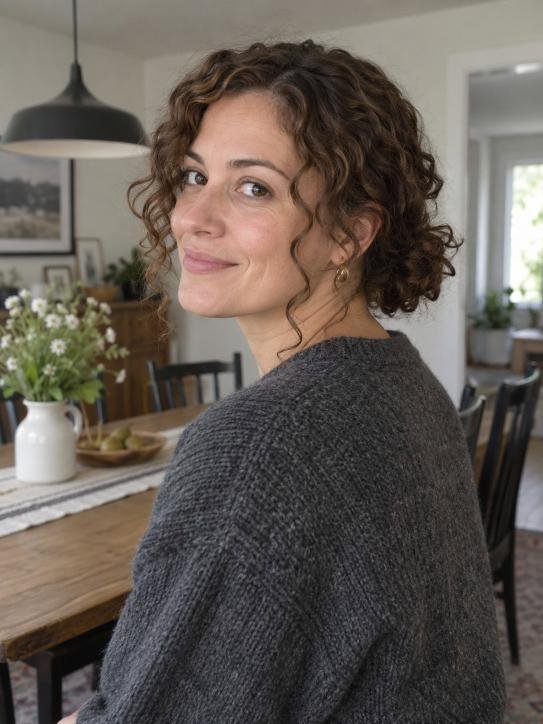
A curly low bun is a simple way to make shoulder-length curls look polished for work, dinner, or special occasions. Because the bun sits near the nape of the neck, it creates an understated silhouette while allowing natural texture to add interest. Loose tendrils around the face can make the style feel softer, while a smoother hairline gives it a more formal appearance.
Gather your curls loosely at the nape and secure them with a hair tie, then wrap or tuck the length into a bun using bobby pins. If your hair is too short to wrap neatly, pin smaller sections into place instead of forcing everything into one tight coil. A light-hold styling product can control flyaways, and decorative pins or small clips can turn this everyday hairstyle into something suitable for an event.
Curly Space Buns
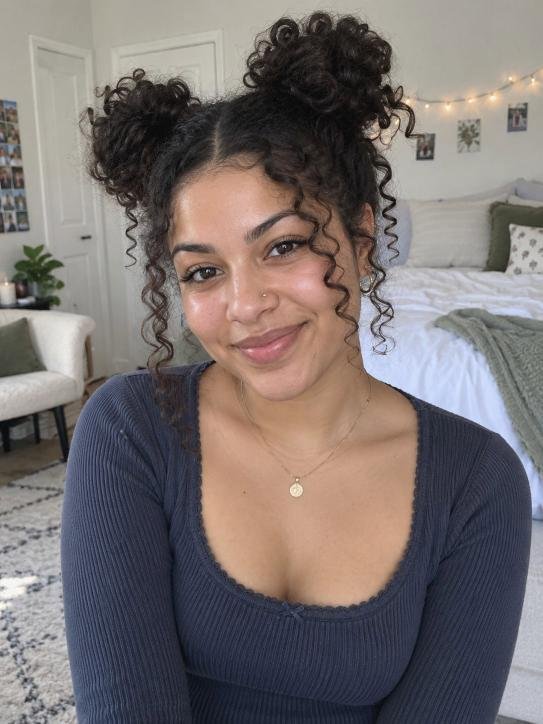
Curly space buns are playful, youthful, and surprisingly versatile on shoulder-length hair. The style divides the hair into two sections and secures each section into a bun on either side of the head. Your natural curls add texture and volume, so the buns do not need to look perfectly smooth or symmetrical to be attractive.
Create a center part, then gather each side at the height you prefer before securing the hair into small buns. If your curls are short or springy, leave some ends loose or pin them around the base instead of trying to hide every strand. You can wear the style with a few face-framing curls for a relaxed weekend look or keep the front sections neater for a more deliberate finish.
Half-Up With a Claw Clip
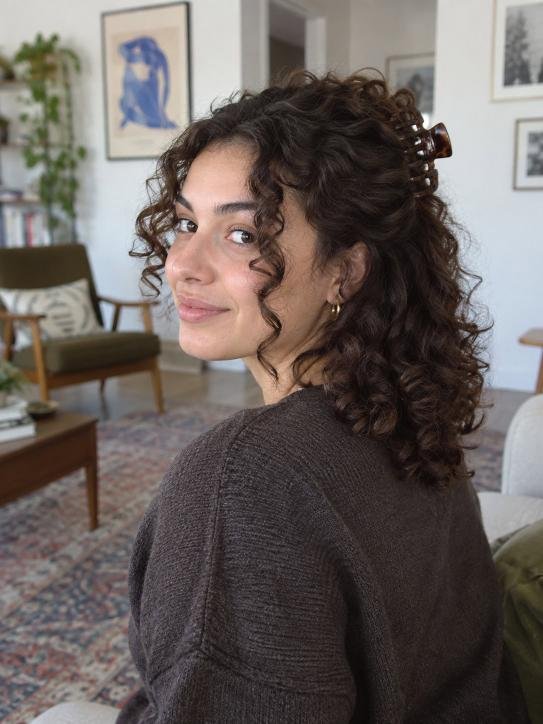
A claw clip is an easy styling tool for shoulder-length curls because it can secure the top section without requiring tight elastics. This half-up look keeps hair away from your eyes while allowing the rest of your curls to fall naturally. It is especially useful when you want a quick hairstyle that still shows off your haircut and texture.
Gather the hair from the upper sides and crown, twist it gently, and secure it with a claw clip that comfortably holds your hair’s thickness. Larger curls may need a stronger clip with enough space to grip the section without crushing it, while finer hair may hold with a smaller design. Let the ends spill out above the clip, or tuck them under for a neater shape, and avoid twisting so tightly that the clip pulls at your scalp.
Curly Side-Swept
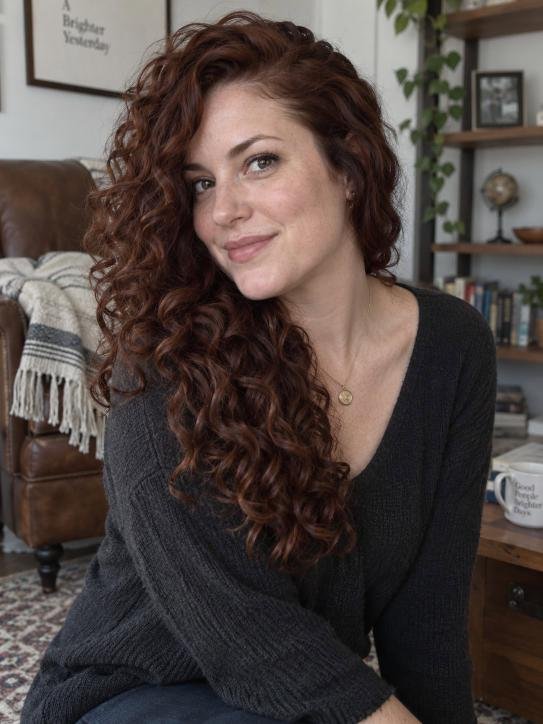
A side-swept curly hairstyle adds asymmetry and movement without requiring a major change in length. Sweeping most of your curls toward one shoulder creates a fuller appearance on one side and highlights the natural volume of your texture. This look can feel romantic and soft for everyday wear, yet it is polished enough for parties and evening events.
Start with your preferred curl definition, then create a deep or moderate side part while the hair is damp or freshly refreshed. Allow the curls to fall naturally across one side, using a few discreet pins behind the opposite ear if you want the shape to stay in place. A flexible-hold product can help maintain the direction without making the curls stiff, and a pair of statement earrings can complement the exposed side of your face.
Deep-Side-Part Defined Curls
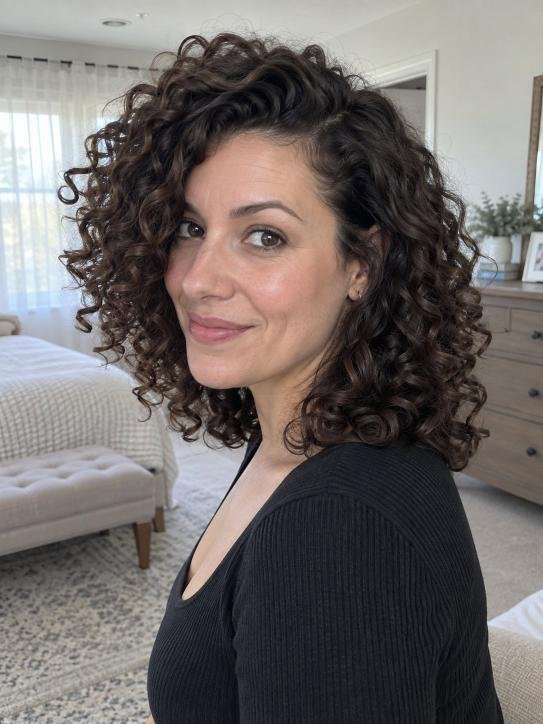
A deep side part can completely change the appearance of shoulder-length curls by shifting volume to one side and creating a more dramatic outline. When the curls are well defined, the style looks intentional and polished while still celebrating natural texture. It works with loose ringlets as well as tighter curl patterns, although the finished shape will vary with density and shrinkage.
Create the part while your hair is wet or damp, then apply your usual curl cream or gel in sections to encourage consistent definition. Use your fingers or a styling brush suited to your texture to shape the curl clumps, and diffuse or air-dry without repeatedly disturbing them. Once dry, lift the roots gently on the fuller side if you want extra volume, keeping the part visible for a balanced, finished look.
Curly With a Headband
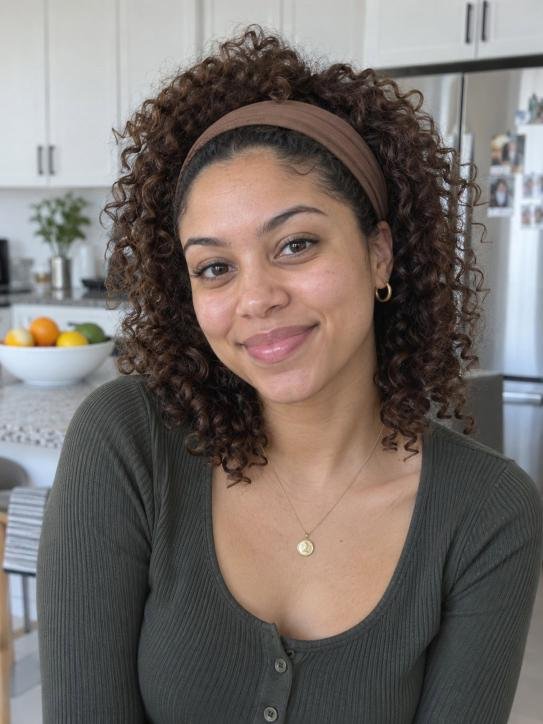
A headband is one of the easiest ways to change the look of shoulder-length curls without using heat or committing to a complicated updo. It can push the front sections away from your face while allowing the curls at the back and sides to retain their natural volume. Depending on the accessory, the hairstyle can look sporty, casual, romantic, or dressy.
Choose a soft fabric or smooth-edged headband that fits comfortably and does not press too firmly against your hairline. Place it just behind the front hairline, then gently pull a few curls forward if you prefer a softer frame around your face. Wide headbands can be useful on second-day hair because they conceal flattened roots, while a slim decorative band can add a subtle accent to freshly styled curls.
Curly Middle Part With Laid Edges

A middle part with defined curls creates a balanced, symmetrical look that works well across many curl patterns. For natural hair, carefully styled edges can add a neat finish around the hairline while the rest of the curls remain full and textured. This combination is particularly striking on shoulder-length coils because it contrasts a clean front section with a rounded, voluminous shape.
Create a middle part and apply your curl products evenly, paying attention to the sections around your face. If you choose to style your edges, use a small amount of edge-control product and a soft brush, keeping the manipulation gentle and occasional to avoid unnecessary tension. The rest of the hair can be worn loose, defined with a wash-and-go routine, or refreshed with a light mist of water to restore its shape.
Curly Pinned Updo

A curly pinned updo makes shoulder-length hair feel special without requiring long lengths or perfectly uniform curls. The idea is to arrange curls into a loose shape and secure them with pins, allowing the natural texture to create dimension and softness. It can be an excellent choice for weddings, celebrations, formal dinners, or any occasion when you want your curls away from your neck.
Begin with defined curls or a refreshed wash-and-go, then gather small sections toward the back of your head. Pin each section in place, tucking shorter ends into the shape and leaving a few curls loose around the face if you prefer a softer finish. Use enough pins to support the style without crushing the curl pattern, and finish with a light-hold spray if needed to help the updo last.
Dimensional Color on Curls
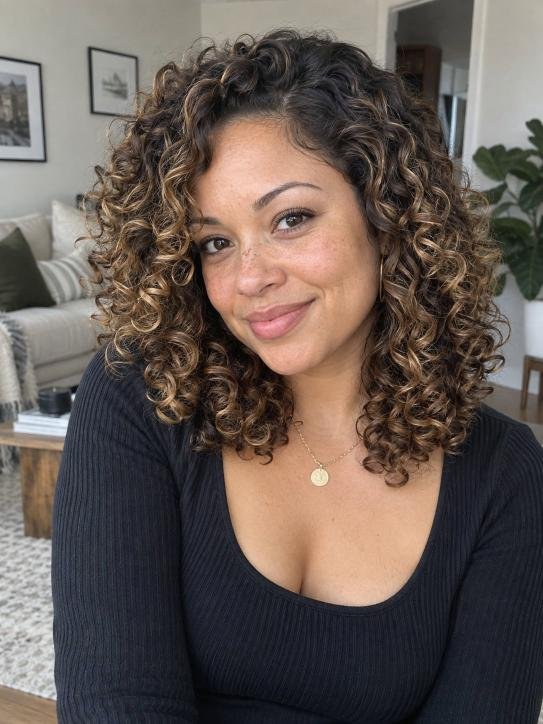
Dimensional color can make shoulder-length curls look even more textured by adding subtle differences in tone throughout the hair. Caramel ribbons on brunette curls, honey highlights on dark blonde hair, or deeper lowlights in a lighter base can create visual depth without changing the haircut itself. Because curls reflect light at different angles, carefully placed color can emphasize their shape and movement.
Balayage and other blended highlighting techniques can create a softer grow-out than a strongly defined root-to-end color contrast. Your stylist should consider your curl pattern, hair condition, and maintenance preferences before recommending a color plan, especially if lightening is involved. To help preserve the appearance of colored curls, use products suitable for color-treated hair and maintain a conditioning routine that keeps the strands feeling flexible and healthy.
Frequently Asked Questions
Are shoulder length curly hairstyles easy to maintain?
Shoulder-length curly hairstyles can be manageable when the haircut and styling routine suit your natural texture. You may find that a wash-and-go, twist-out, or simple half-up style requires less daily effort than a heavily layered look that needs frequent reshaping. The key is to choose a style that works with your curl pattern instead of relying on daily heat styling or extensive manipulation.
Which shoulder-length haircut is best for naturally curly hair?
There is no single best haircut for every curl type because curl diameter, density, shrinkage, and personal preferences all affect the result. A curly bob can provide a defined shape, while long layers can help distribute the weight of thicker hair. A curly shag or wolf cut may suit someone who wants more crown volume and texture, so it helps to bring reference photos to a stylist who understands curly hair.
Do layers make shoulder-length curls look fuller?
Layers can create the appearance of more volume by removing some weight and allowing curls to lift and separate. However, too many short layers may make very dense hair feel wider than you want, while removing too much length from fine curls can make the ends look sparse. Ask your stylist to balance the layers according to your hair’s density and the shape you want when your curls are dry.
How can I keep shoulder-length curls defined without frizz?
Start with enough conditioning for your hair’s needs and apply a curl-defining product evenly while the hair is wet or damp. Try to keep your hands out of your hair while it dries, since repeated touching can disrupt curl clumps and increase frizz. At night, a satin bonnet or pillowcase can help reduce friction, and a light refresh with water or a curl spray may revive the shape the following day.
How do I make shoulder-length curly hair look longer?
Stretching techniques such as braid-outs, twist-outs, and carefully arranged styles can make curls appear longer without using high heat. A cut with longer blended layers may also create a more elongated silhouette than a very rounded shape with short crown layers. Keep in mind that natural shrinkage is part of many curl patterns, so the length you see when your hair is wet may differ from its dry appearance.
Can I wear shoulder-length curly hairstyles for formal occasions?
Absolutely. A curly pinned updo, low bun, deep-side-part curls, or a half-up style with a decorative clip can all work for formal events. Starting with well-defined curls often makes the finished style look more intentional, while a few loose tendrils can soften the overall shape. Choose an option that feels secure and comfortable so you can enjoy the occasion without constantly adjusting your hair.
Conclusion
The best shoulder length curly hairstyles are the ones that work with your natural texture, suit your routine, and make you feel comfortable wearing your hair your way. A curly shag or layered bob can refresh your shape, while twist-outs, wash-and-go styles, and simple updos give you plenty of ways to change your look without cutting your hair. You can also experiment with curtain bangs, headbands, claw clips, or dimensional color when you want something different.
If you are unsure where to start, choose one haircut or styling method that addresses your biggest concern, whether that is extra volume, better definition, less bulk, or a quicker morning routine. Save a few reference photos that resemble your curl pattern and discuss them with a stylist who has experience cutting curly hair. With the right shape and a routine that fits your lifestyle, shoulder-length curls can be versatile, expressive, and easy to make your own.