Ready for a haircut that feels a little more exciting than your usual trim? A pixie can be short, stylish, and full of personality, whether you love a tousled finish, a sharp undercut, or a beautiful silver shade. The best Sassy Pixie Haircuts for Women Over 50 are not about trying to look younger or following age-related rules. They are about finding a cut that makes you feel confident, suits your hair, and fits the way you actually live.
One of the best things about a pixie is how many different looks you can create with a relatively small amount of hair. Choppy layers add movement, longer bangs soften the forehead, and tapered sides create a clean silhouette. Color can also make a difference, from natural silver and warm copper to bold two-tone combinations.
Whether you are considering your first pixie or looking for a fresh update to your current cut, these 18 ideas offer inspiration for different textures, face shapes, and styling preferences. You will also find practical tips to help you decide which style to discuss with your hairstylist.
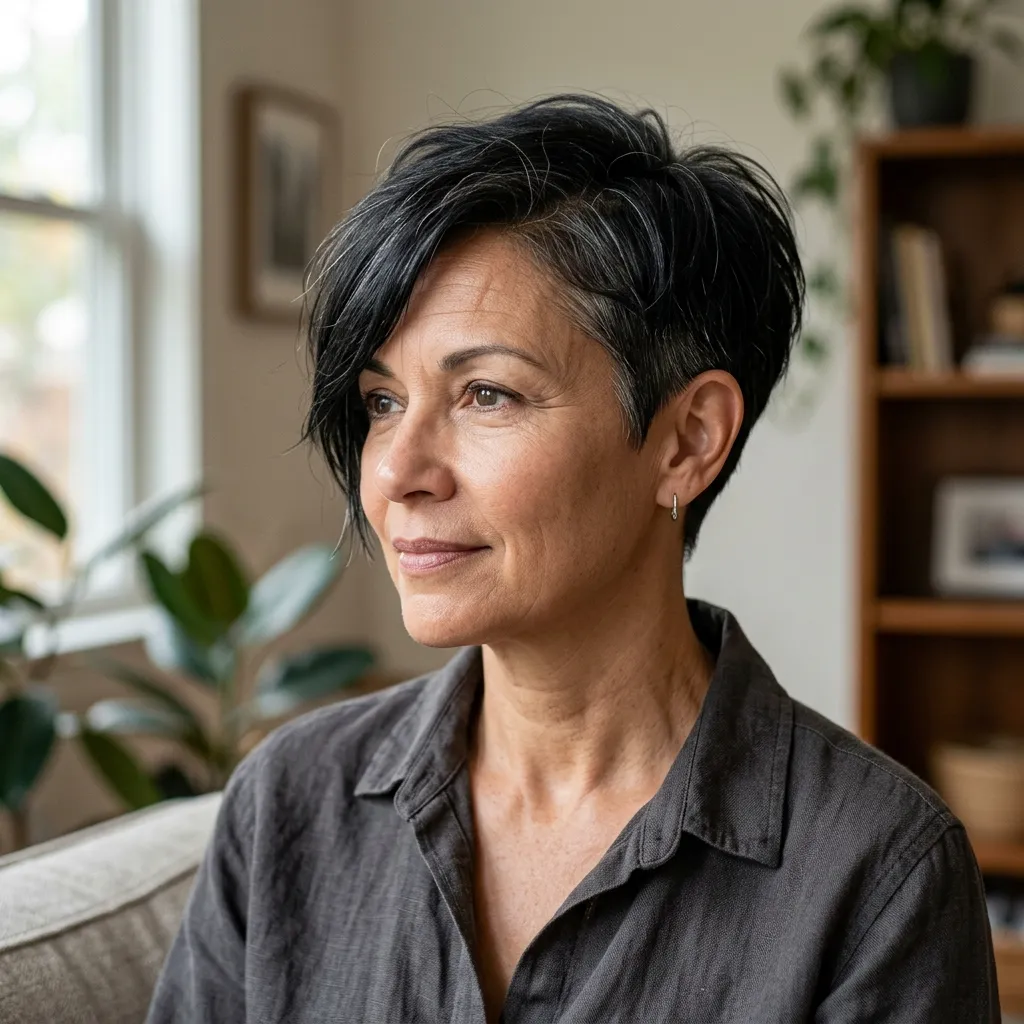
1. Spiky Pixie

A spiky pixie is a fun choice if you want your short hair to look energetic and modern. The cut usually features short, textured layers that can be lifted at the crown or directed in different directions for a playful finish. It is a great way to add definition without needing a complicated styling routine.
To create the look, work a small amount of matte styling paste through dry hair and use your fingertips to separate the ends. You can keep the spikes soft for everyday wear or make them more pronounced when you want a stronger statement. If your hair is fine, choose a lightweight product so the roots do not become weighed down.
2. Undercut Pixie
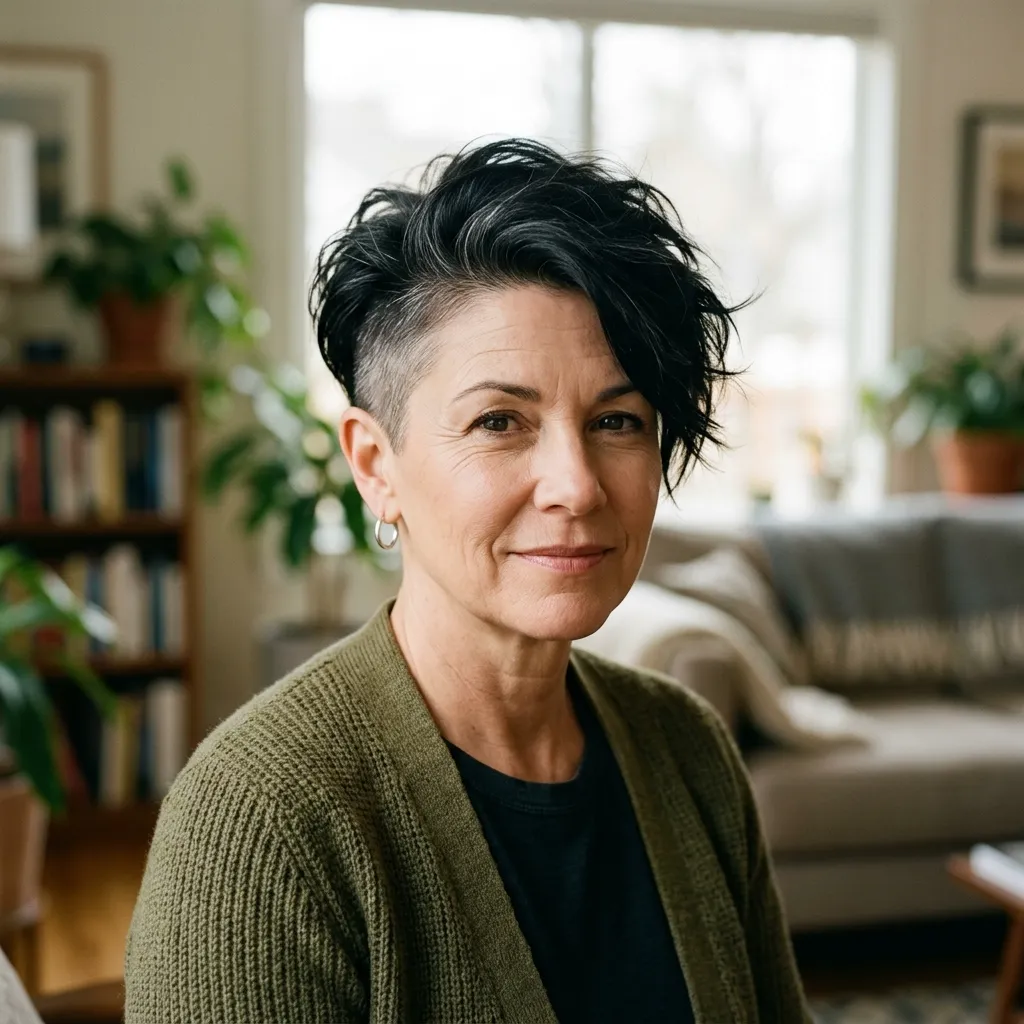
An undercut pixie combines closely clipped sides or a short nape with a longer top. The contrast gives the haircut a distinctive edge while leaving enough length for a side sweep, textured fringe, or lifted crown. It is especially appealing if you want something bold but still versatile enough to style differently for work and weekends.
Ask your stylist how much of the undercut you want visible. A subtle version can stay hidden beneath the top layers, while a more dramatic cut makes the contrast a central feature. For daily styling, use a small amount of texturizing cream to define the longer sections, and plan for occasional trims if you want to keep the sides crisp.
3. Shaved-Design Pixie
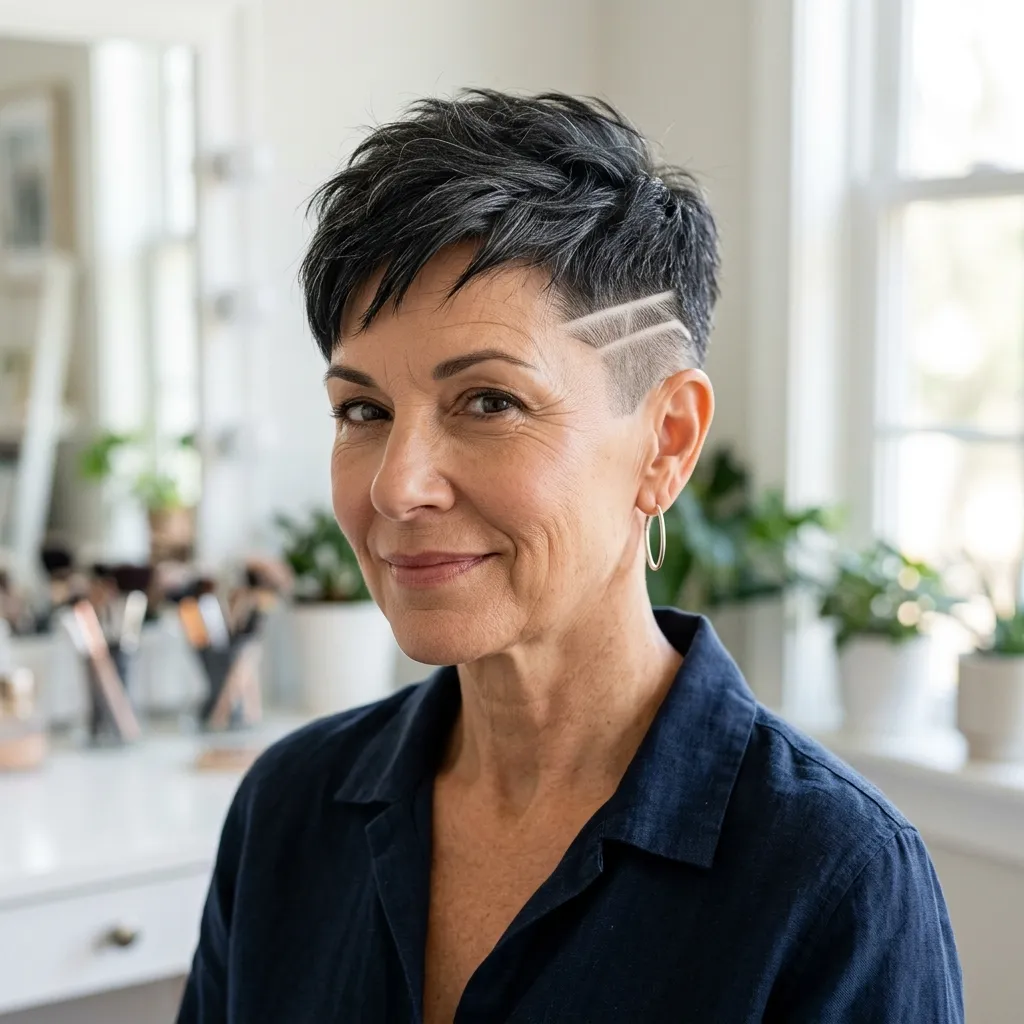
A shaved-design pixie takes the undercut a step further by adding a pattern to the closely clipped section. Simple lines, curved shapes, or geometric details can make the haircut feel personal without changing the overall pixie silhouette. This is an excellent option if you enjoy creative details and want a style that stands out even when the top is kept simple.
The design is usually placed near the temple or along the nape, depending on how you wear your hair. Your stylist or barber can help you choose a pattern that works with your haircut and the amount of visibility you prefer. Keep in mind that shaved designs grow out relatively quickly, so you may need regular maintenance to keep the lines defined.
4. Asymmetrical Pixie
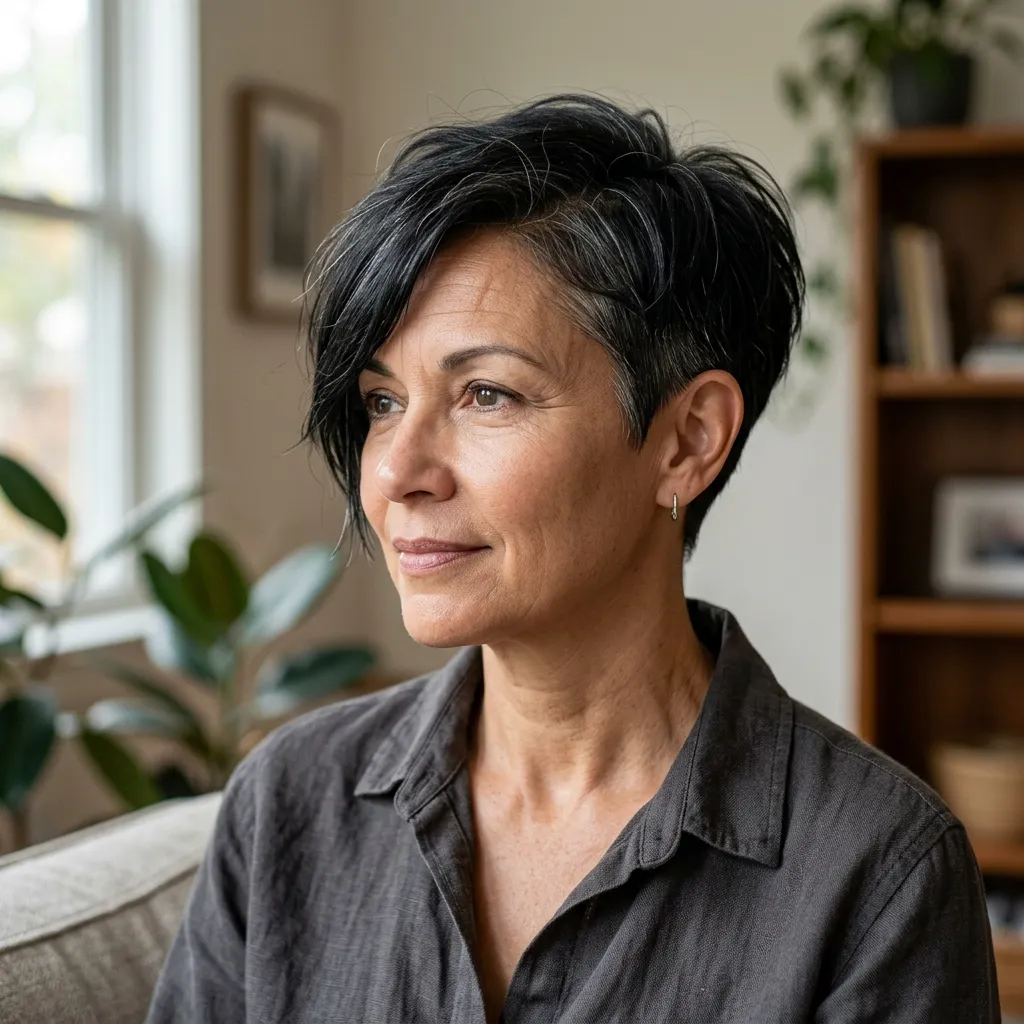
An asymmetrical pixie features different lengths on each side, often with a longer fringe sweeping across the forehead. The uneven shape creates movement and gives a traditional short cut a more contemporary feel. It can also offer extra styling flexibility because the longer side can be tucked behind the ear, brushed forward, or worn across the face.
For a polished finish, blow-dry the longer section in the direction you want it to fall and smooth the ends with a lightweight cream. If you prefer a more relaxed look, add a little texture and allow the fringe to separate naturally. Ask your stylist to consider your natural part and hair growth pattern so the asymmetry works with your hair rather than requiring constant adjustment.
5. Disconnected Pixie
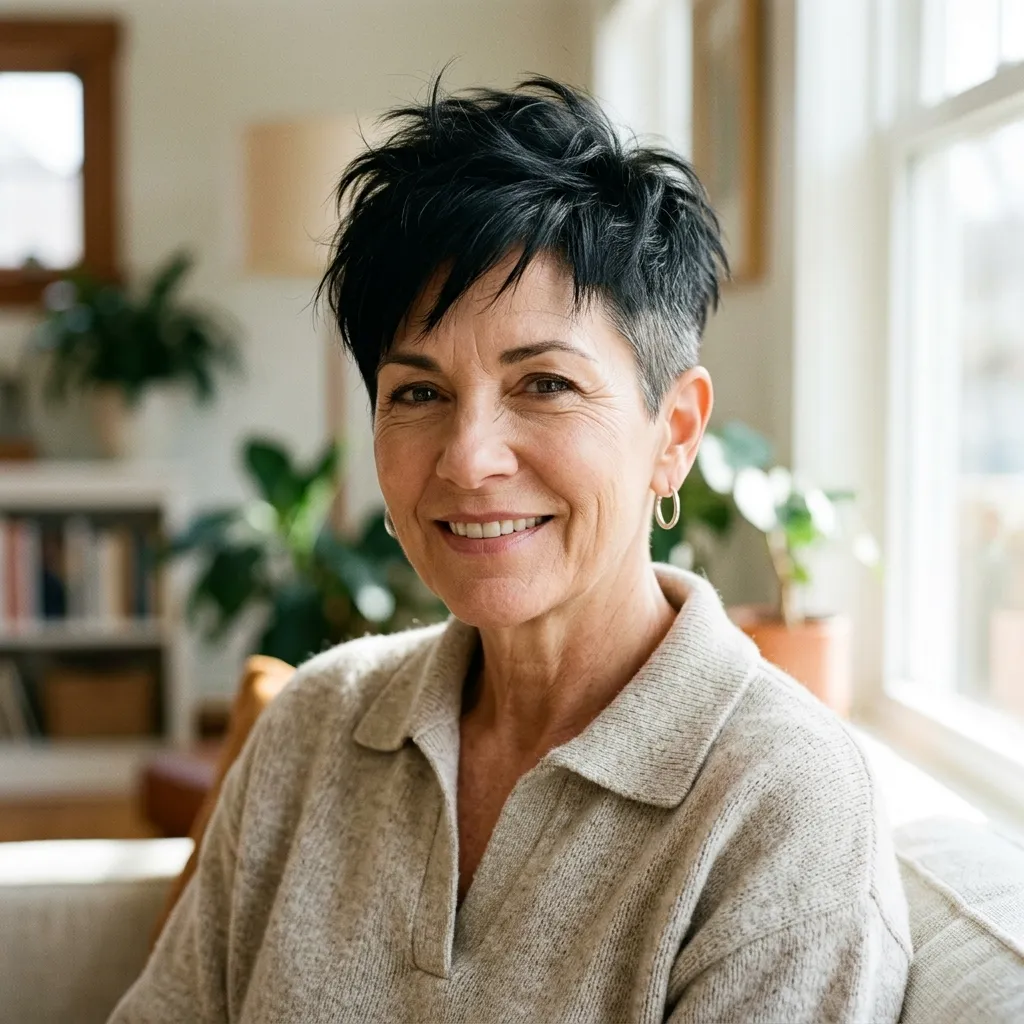
A disconnected pixie uses a noticeable difference in length between sections instead of blending everything smoothly together. The top may be longer and choppier, while the sides and back remain much shorter. This contrast gives the haircut an edgy appearance and allows you to experiment with volume, texture, and direction.
The style works particularly well if you like a slightly undone finish. Apply a small amount of texturizing paste and shape the top with your fingers, emphasizing the difference between the longer and shorter areas. If you have thick hair, your stylist can remove some bulk while preserving the distinct silhouette, whereas fine hair may benefit from more controlled layering.
6. Pixie Mullet
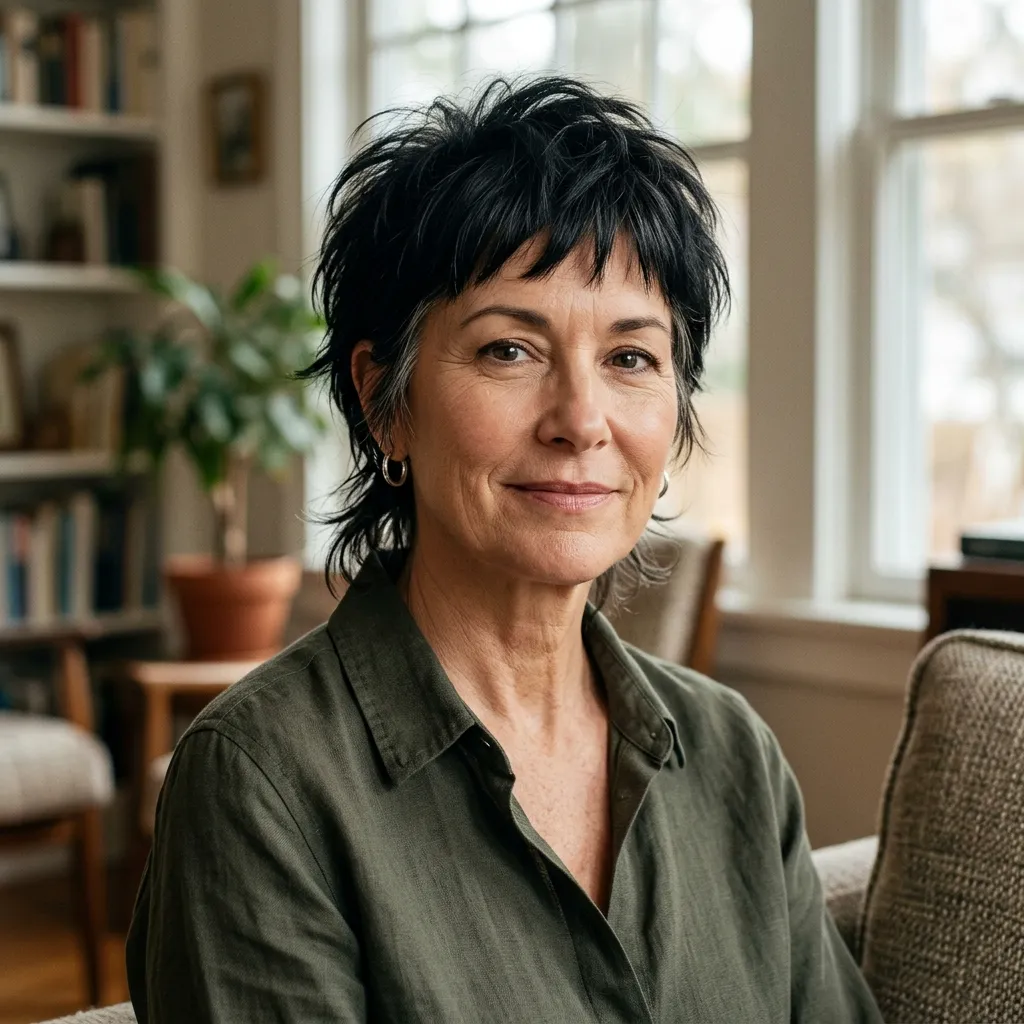
A pixie mullet combines the short, lightweight shape of a pixie with slightly longer pieces at the nape. The crown and sides usually have plenty of texture, creating a playful silhouette that feels modern rather than overly polished. It is a good choice if you want an alternative haircut that is expressive without needing bright color or a shaved design.
For styling, add a little cream or matte paste through the crown and let the longer back pieces fall naturally. You can make the shape more dramatic by emphasizing the texture at the top or keep it softer for everyday wear. Regular shaping helps preserve the balance between the short crown and longer nape, particularly if you want the mullet detail to remain noticeable.
7. Quiff Pixie
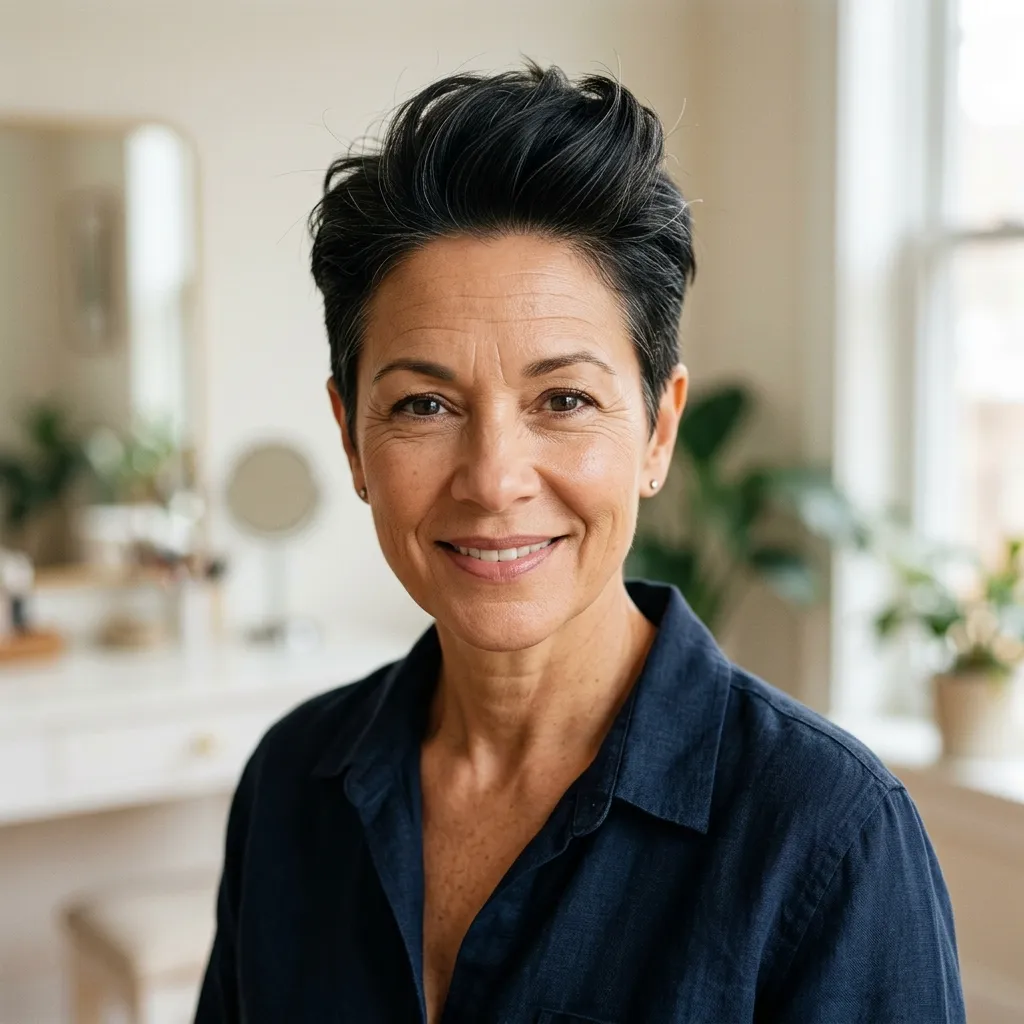
A quiff pixie adds height at the front, creating a lifted shape that draws attention to the eyes and upper face. The sides are generally shorter, while the top retains enough length to sweep upward and slightly backward. This gives the haircut a confident, polished look that can be styled dramatically or kept relatively subtle.
Begin with a root-lifting product on damp hair, then blow-dry the front upward using your fingers or a small brush. Once the hair is dry, use a little styling paste to shape the quiff and keep the ends defined. If you prefer a softer silhouette, create moderate height and sweep the front slightly to one side rather than pushing it straight up.
8. Slicked-Back Pixie
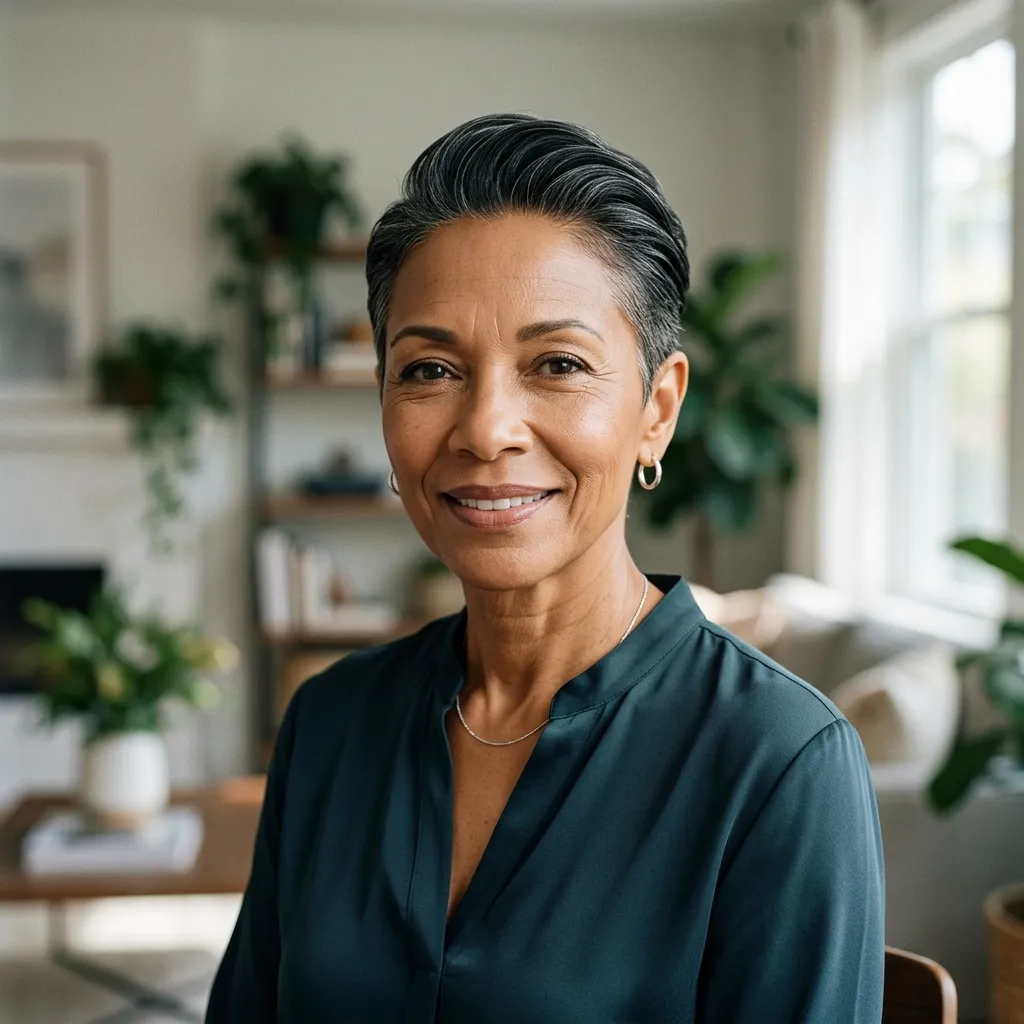
A slicked-back pixie offers a sleek, sophisticated finish that works beautifully for evenings, special occasions, or days when you want your hair to look especially polished. The top is directed away from the face, allowing your facial features and haircut to take center stage. Depending on the product you use, the result can look glossy and dramatic or smooth with a more natural finish.
Apply a small amount of styling cream or gel to damp hair and comb the longer sections backward. Use a light hand if your hair is fine, since too much product can make the scalp more visible and flatten the shape. For a softer alternative, leave a little lift at the roots and guide the top backward without pressing it completely flat.
9. Wet-Look Textured Pixie
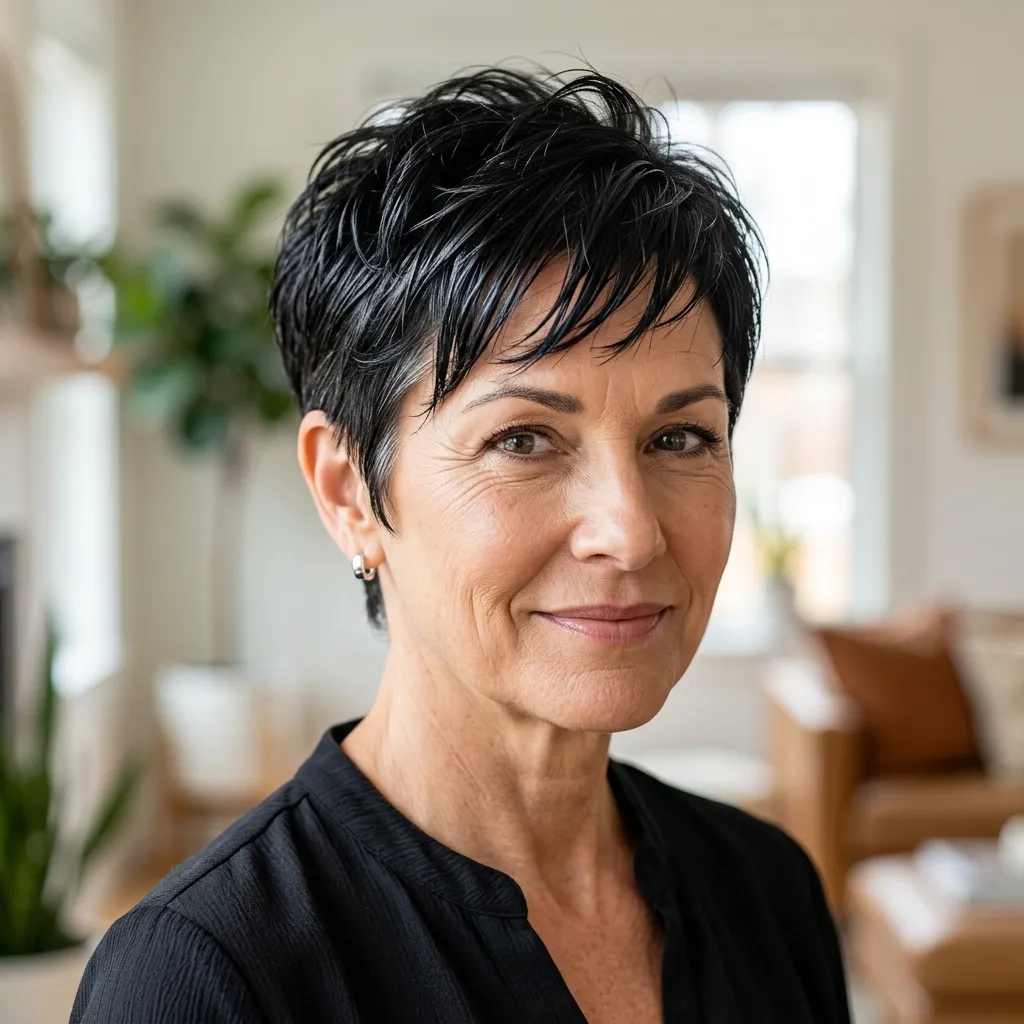
The wet-look textured pixie combines a glossy finish with separated, defined pieces. Rather than making the hair appear uniformly slick, the texture creates movement and prevents the style from looking too flat. It is an eye-catching option for a dinner, party, or special event, but a more subtle version can also work for everyday styling.
Use a small amount of gel or a shine-enhancing styling cream and distribute it evenly through damp or lightly misted hair. Shape the fringe and crown with your fingers, creating distinct sections without coating the hair in too much product. If you want the style to remain flexible, choose a product that offers definition without an excessively stiff finish.
10. Faux Hawk Pixie

A faux hawk pixie creates a mohawk-inspired shape while leaving the sides shorter rather than completely shaved. The longer hair through the center is styled upward, giving the haircut height and a bold outline. It is ideal if you enjoy edgy hairstyles but want a shape that can be softened when you prefer a less dramatic look.
Blow-dry the center section upward and slightly inward, then use a styling paste to create lift and definition. You can shape the middle into a pronounced ridge for a statement look or keep it lower and more textured for everyday wear. The cut works best when the top has enough length to hold its shape, so discuss your preferred height with your stylist before cutting.
11. Micro Fringe Pixie
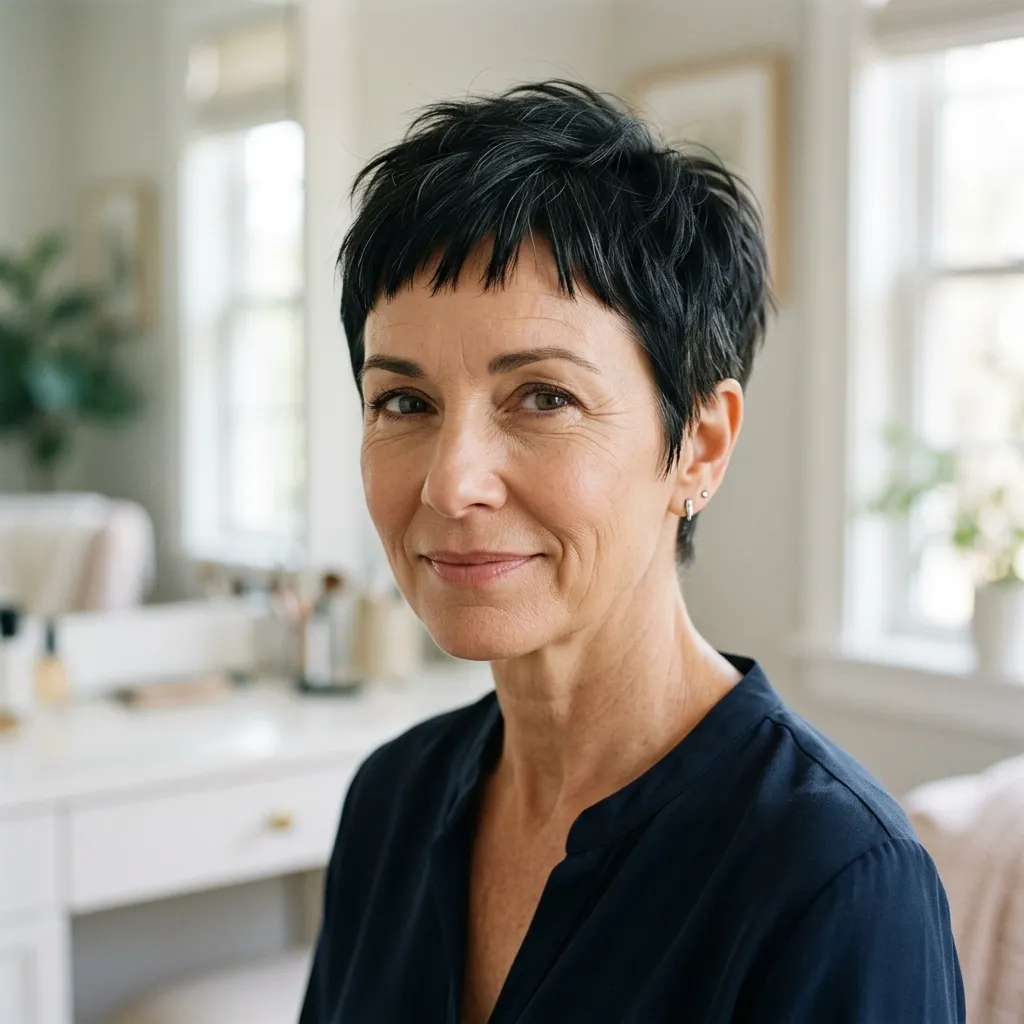
A micro fringe pixie pairs a short, cropped haircut with very short bangs across the forehead. The fringe creates a strong focal point and gives the style a modern, fashion-forward character. It can look especially striking with a textured crown, closely tapered sides, or a clean, minimalist silhouette.
Because micro bangs are so short, their shape is highly visible and may need frequent trimming. Ask your stylist to consider your forehead, hairline, and natural growth direction before deciding how short the fringe should be. For styling, keep the bangs smooth or slightly piecey and use a lightweight product so the short sections do not become stiff.
12. Long Side-Swept Fringe Pixie

If you want a pixie with a softer feel, a long side-swept fringe is a lovely option. The longer front section moves diagonally across the forehead, balancing the shorter sides and back. This creates a versatile look that can feel polished for professional settings or relaxed when styled with a little texture.
Blow-dry the fringe across your forehead using a small brush, directing the roots toward the side where you want the hair to sit. A light styling cream can help control flyaways while keeping the ends flexible. This cut is particularly useful if you want a short hairstyle but still enjoy having enough length around the face to change your look from day to day.
13. Two-Tone Pixie
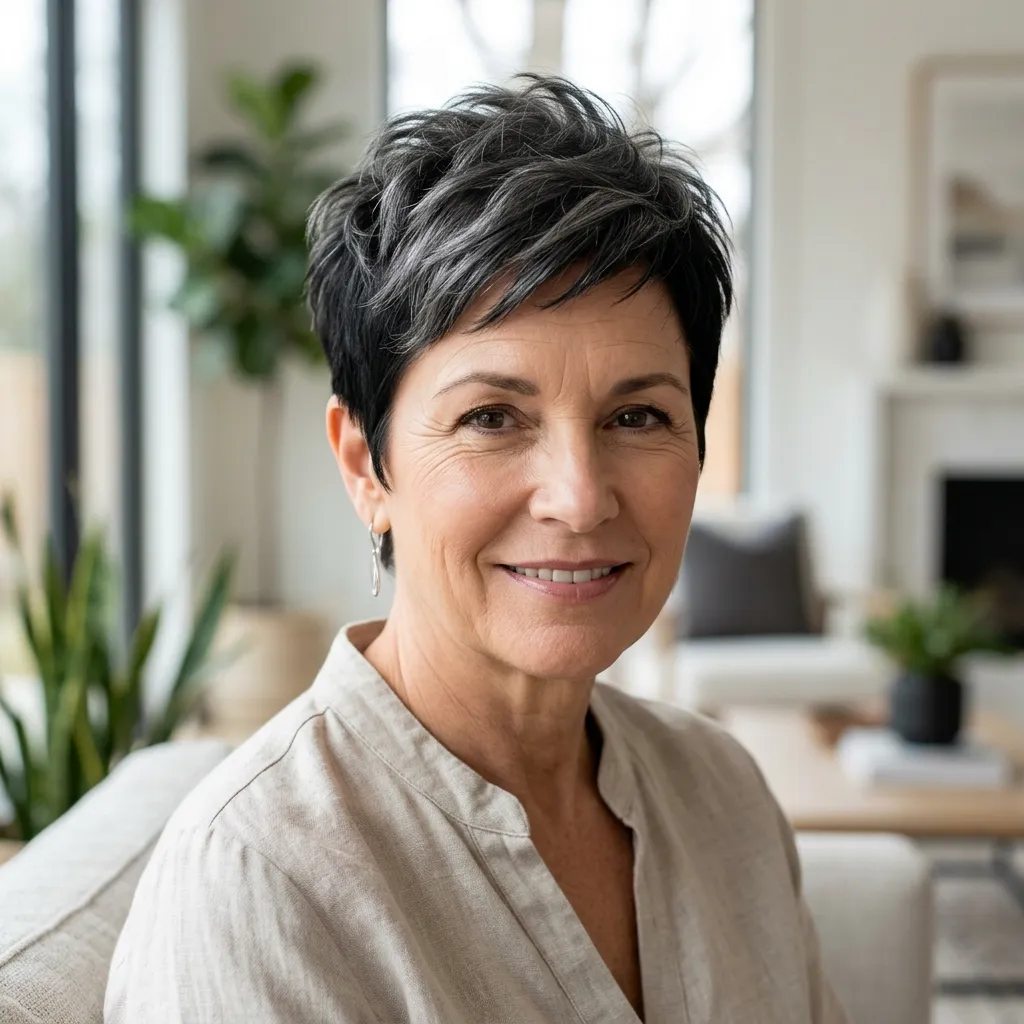
A two-tone pixie uses two complementary or contrasting colors to make the haircut more distinctive. You might pair a darker base with a lighter crown, add a contrasting fringe, or choose a vivid accent shade alongside your natural color. The placement can be subtle or dramatic, depending on how much contrast you want.
Ask your colorist to plan the shades around the shape of your cut so the color emphasizes the layers rather than competing with them. A darker base with lighter top sections can create visual dimension, while contrasting colors make a stronger statement. Your maintenance routine will depend on the shades used, especially if the lighter sections require bleaching or frequent toning.
14. Platinum Pixie
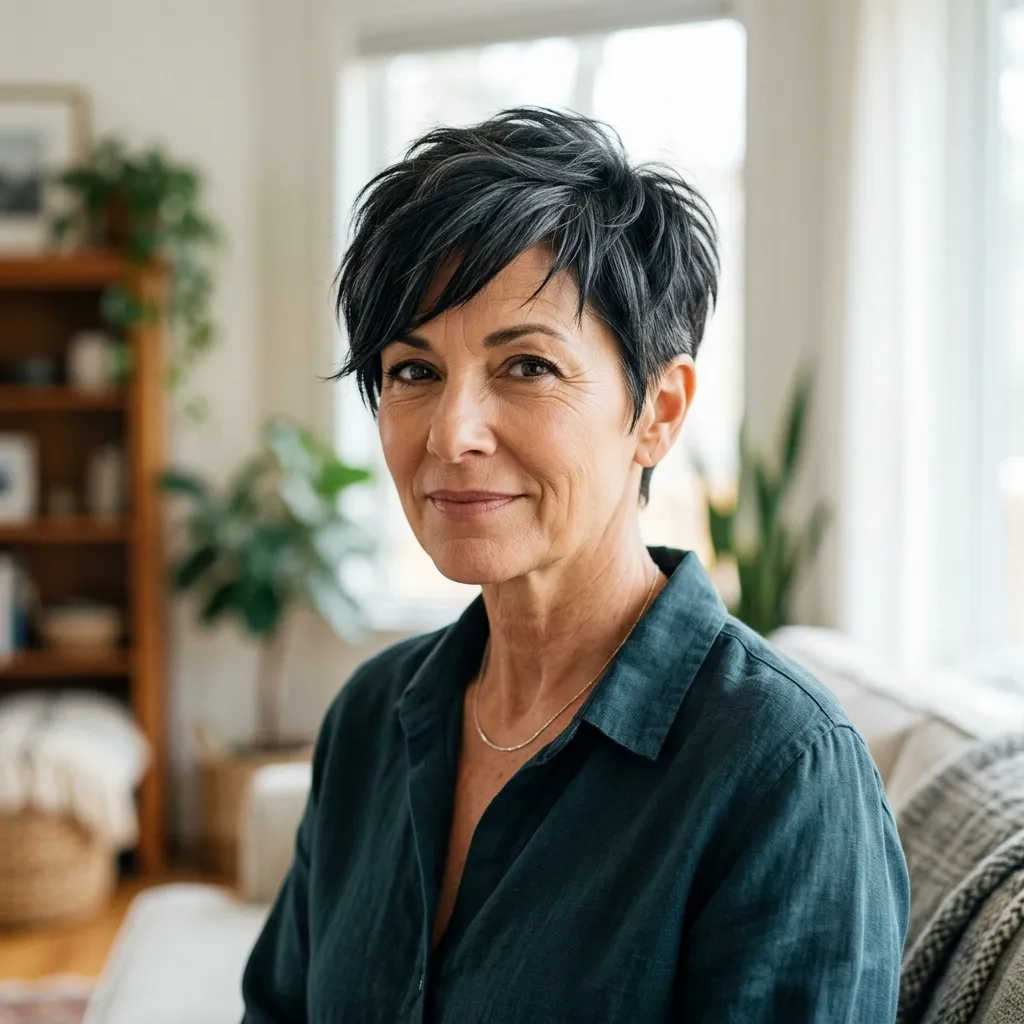
A platinum pixie is a bold, bright look that gives a short haircut a crisp, modern finish. The light shade can emphasize the texture of choppy layers and make the shape of the cut more noticeable. It can also be a striking option if you enjoy cool-toned hair and are comfortable with the upkeep that comes with very light color.
The process needed to reach platinum depends on your natural hair color and its condition, so consult a professional colorist before making the change. Lightening can be demanding on the hair, particularly when several sessions are needed to reach the desired shade. Use suitable conditioning products and heat protection, and ask how often your roots and tone may need refreshing.
15. Copper Pixie

A copper pixie brings warmth and richness to a short, textured haircut. Copper shades can range from soft, golden tones to vibrant reddish hues, allowing you to choose a version that feels natural or more daring. The color looks especially beautiful when the cut has choppy layers that catch the light and create subtle variation.
For styling, use a small amount of texturizing cream to define the top and show off the haircut’s shape. If you prefer a smoother finish, blow-dry the hair neatly and let the color provide the visual interest. Copper shades can fade with repeated washing, so color-safe shampoo and a care routine recommended by your colorist can help preserve the tone.
16. Silver Pixie
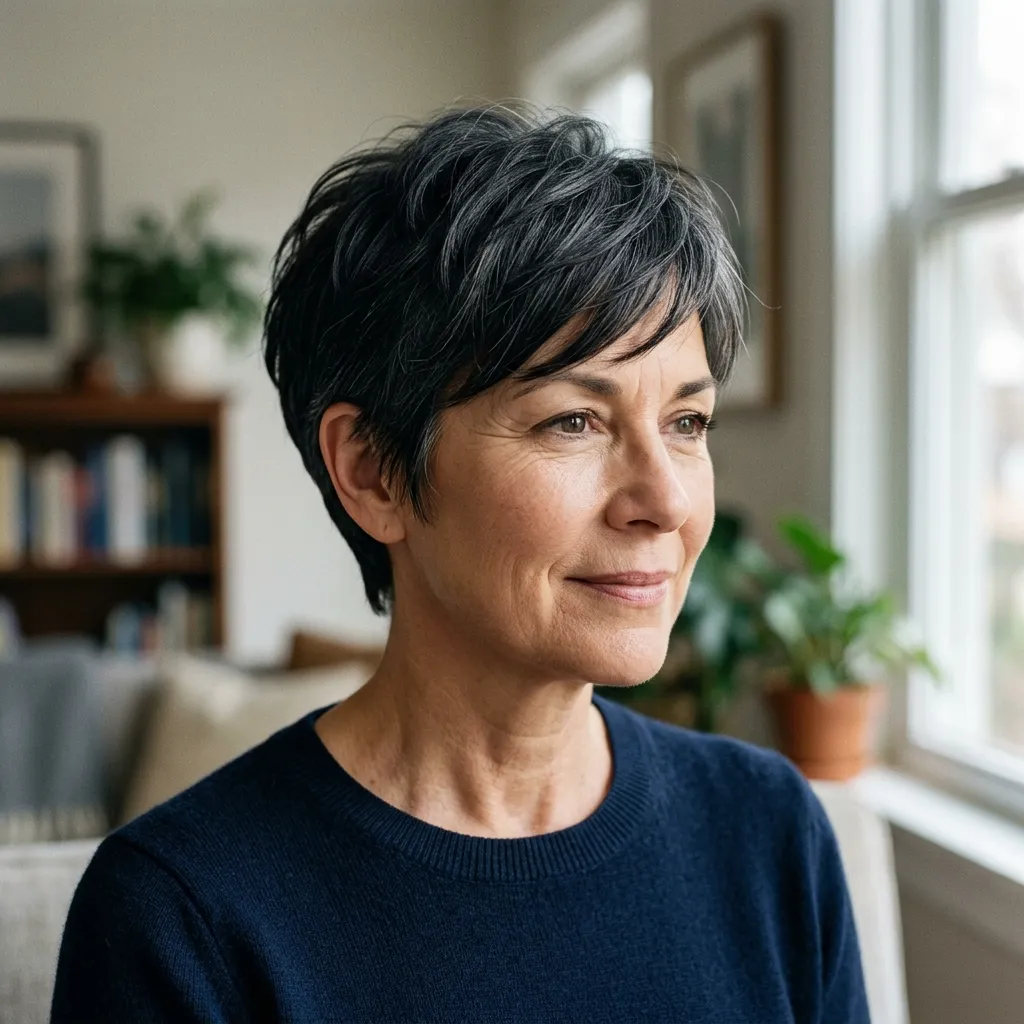
A silver pixie celebrates gray hair with a clean, modern shape. Whether your silver is naturally grown in or professionally colored, a short pixie can highlight its different tones while keeping the overall look light and defined. Soft layers, a side-swept fringe, or a textured crown can prevent the haircut from feeling too uniform.
If you are transitioning to natural gray, ask your stylist about a cut that works with the current mix of colors and your desired final length. A suitable purple shampoo may help reduce unwanted yellow tones in some silver hair, but it is not necessary for everyone and should be used according to the product instructions. Finish with a lightweight cream to define the layers without hiding the natural dimension of your color.
17. Money-Piece Pixie
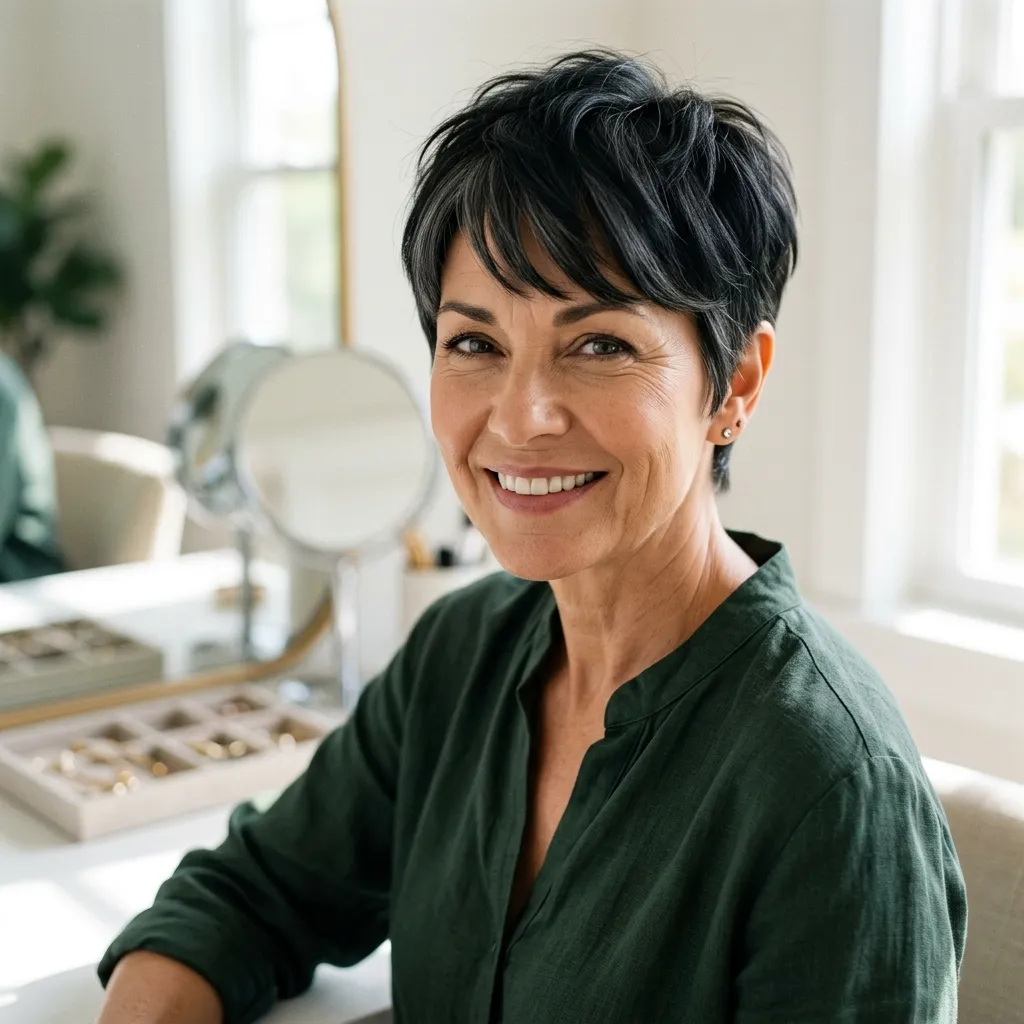
A money-piece pixie features lighter sections around the front of the face, creating contrast against the rest of the hair. The technique can brighten the appearance of a short cut and draw attention to the fringe and cheekbone area. It works with a variety of base colors, from brunette and dark blonde to silver-blended shades.
The placement should suit the way you wear your fringe and part your hair. If you prefer a subtle effect, choose a soft highlight that blends into the base, while a stronger contrast creates a bolder look. Ask your colorist how the face-framing pieces will grow out and whether they need separate toning or touch-ups.
18. Tapered Natural Pixie with an Edge-Up
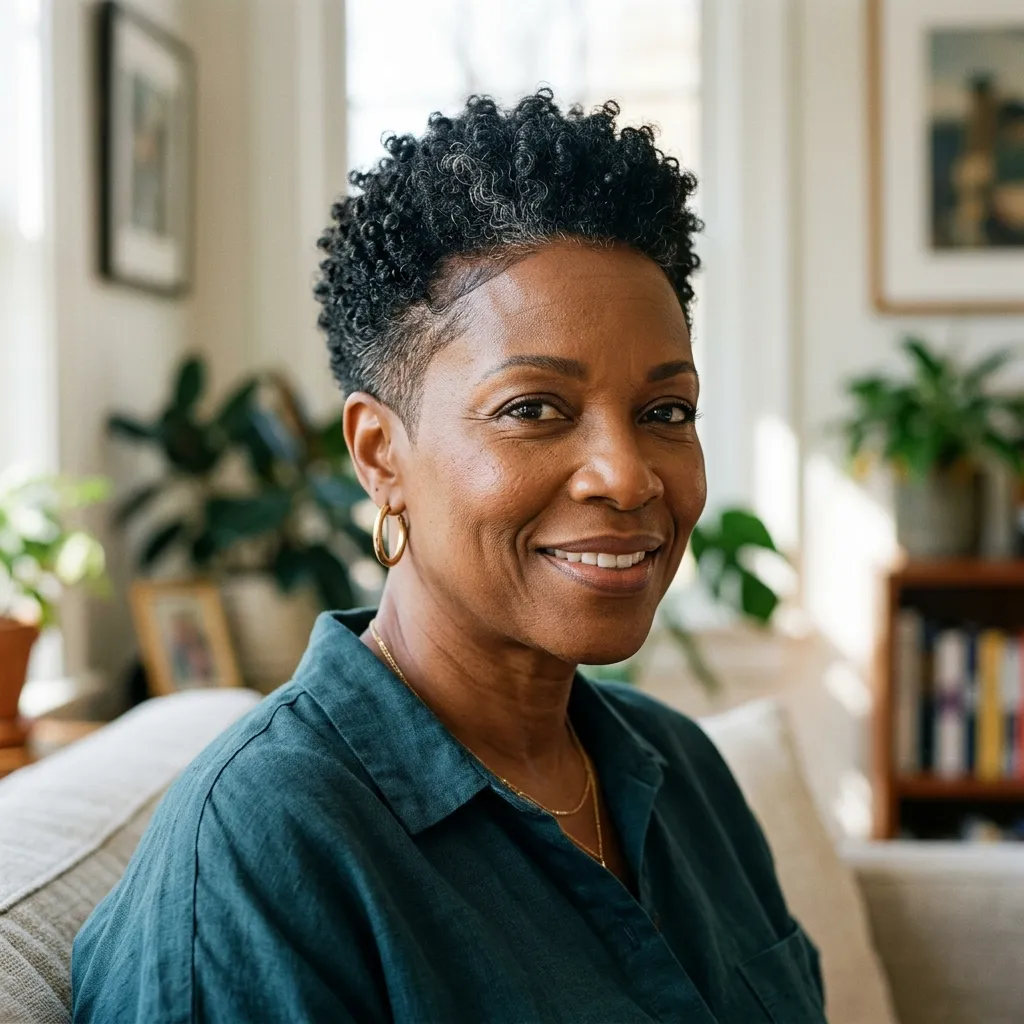
A tapered natural pixie with an edge-up celebrates natural curls or coils while keeping the sides and neckline neatly shaped. The hair gradually gets shorter around the temples and nape, while the top retains enough length to show off your natural texture. A clean edge-up adds definition around the hairline and gives the haircut a polished finish.
To maintain the look, use a leave-in conditioner or curl cream that suits your hair texture and helps keep the top defined. Avoid choosing a shape that requires excessive manipulation to make your curls sit correctly; a good cut should work with your natural pattern. Regular trims can keep the taper neat, while gentle nighttime protection may help reduce friction and preserve your style between wash days.
Frequently Asked Questions
Are sassy pixie haircuts suitable for women over 50?
Absolutely. Sassy pixie haircuts can suit women over 50 who want a fresh, expressive style, whether they prefer a subtle textured crop or a dramatic undercut. The most important considerations are your hair texture, density, face shape, lifestyle, and the look you personally enjoy rather than your age.
Which pixie haircut is best for fine hair?
A textured pixie, long side-swept fringe pixie, or carefully shaped classic crop can work well for fine hair. The right choice depends on where your hair has the most density and whether you prefer volume, coverage, or a sleek finish. Ask your stylist to preserve enough fullness and avoid removing too much weight through excessive layering.
Do pixie haircuts make you look younger?
A pixie does not automatically make someone look younger, and it does not need to. A well-shaped cut can emphasize your features, add movement, and create a polished appearance that reflects your personal style. Choose the fringe, length, and texture that make you feel most confident instead of focusing on an age-related expectation.
How often should a pixie haircut be trimmed?
The timing depends on the cut and how closely you want to maintain its shape. Undercuts, shaved designs, tapered sides, and micro fringes often need more frequent maintenance than softer, longer pixies. Your stylist can recommend a schedule based on how quickly your hair grows and how much definition you want to preserve.
Can I wear a pixie if my hair is naturally curly?
Yes, curly and coily hair can look beautiful in a pixie. A tapered natural pixie can showcase your curl pattern, while a longer pixie gives you more length to shape around the forehead and crown. Make sure your stylist understands how your curls shrink when dry so the final cut has the proportions you want.
What products are useful for styling a sassy pixie?
The best product depends on your preferred finish. Matte paste or texturizing cream can define choppy layers, root-lifting products can support a quiff or faux hawk, and lightweight gel can create a slicked-back or wet-look style. Start with a small amount and add more only if needed, since short hair can become weighed down quickly.
Conclusion
The best Sassy Pixie Haircuts for Women Over 50 combine a shape you love with styling that feels manageable in everyday life. From a spiky pixie or dramatic undercut to a silver crop, copper color, or tapered natural cut, there are plenty of ways to make short hair feel fresh and individual. You can embrace a bold change or choose a softer version that adds just enough texture and personality.
Before your next salon appointment, save a few inspiration photos and think about the details that appeal to you most, such as a lifted crown, side-swept fringe, vivid color, or clean tapered neckline. Ask your stylist to adapt those features to your hair’s natural texture and your preferred level of maintenance. The right pixie should feel like you, only with a fresh shape that makes getting ready more enjoyable.