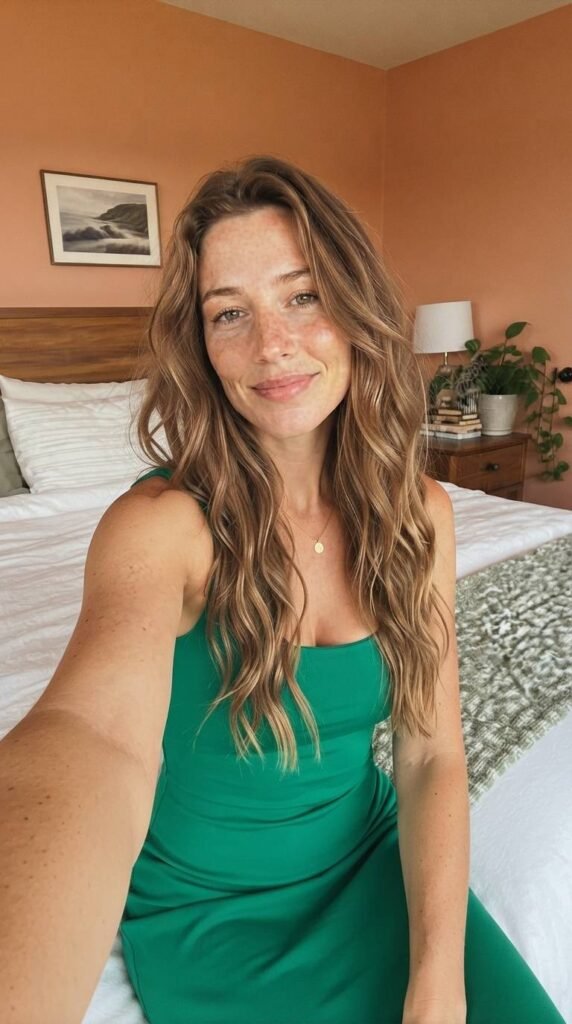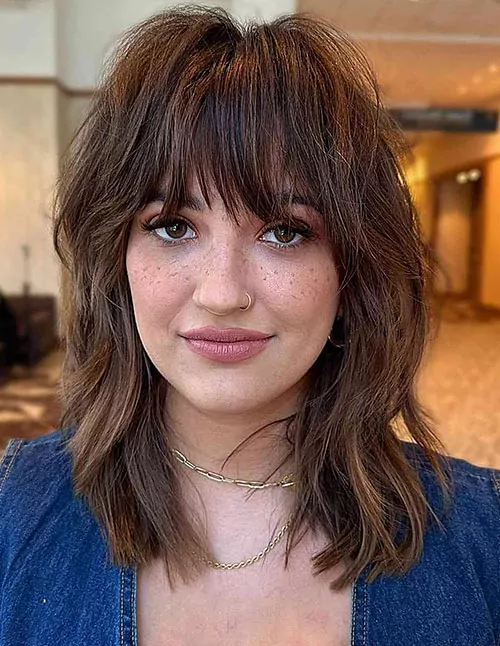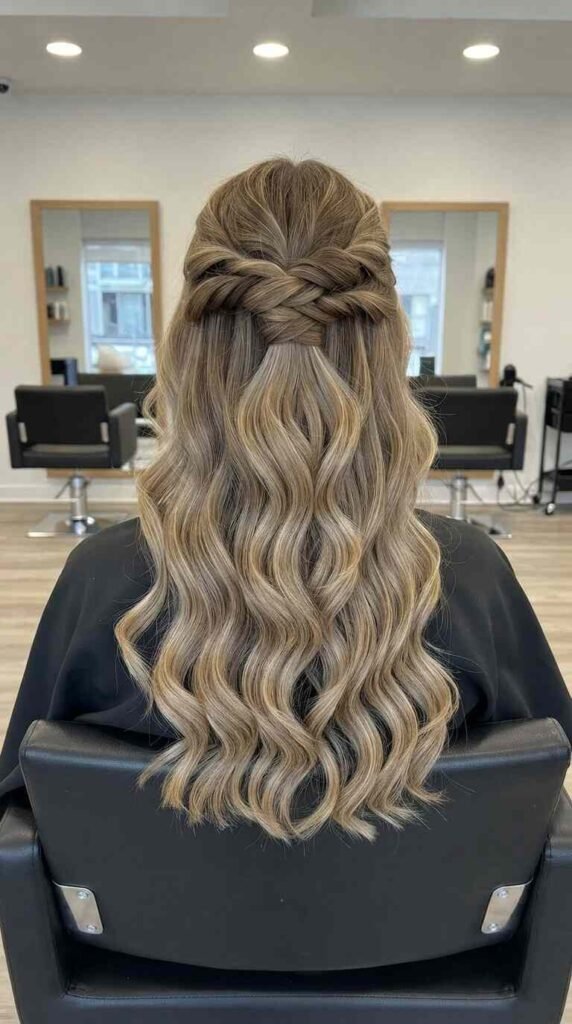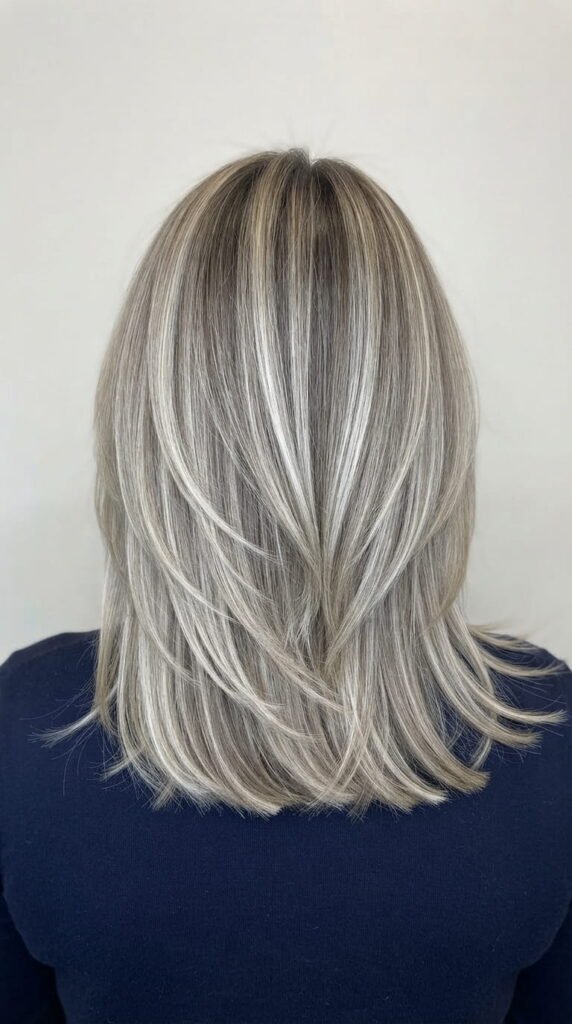
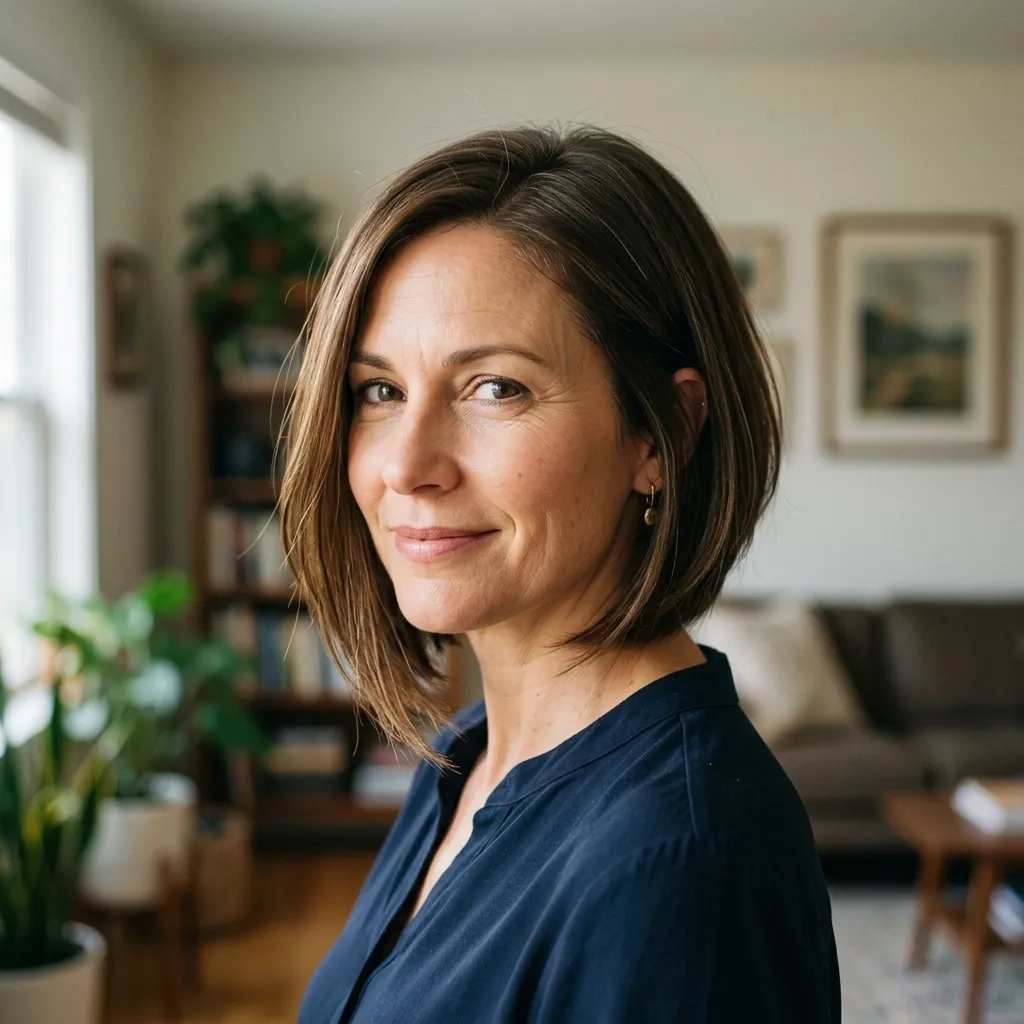
Finding a short haircut you love after 40 should be exciting, not limiting. Maybe you want something easier to style in the morning, a cut that gives fine hair more movement, or a fresh look that feels polished without requiring a salon-level blowout every day. The good news is that Short Hairstyles for Women Over 40 offer plenty of options beyond the same familiar bob, from textured pixies to French-inspired cuts and modern shapes with flattering bangs.
Your forties and beyond are a great time to experiment with your personal style. You might prefer a sleek, professional haircut, a softly layered look, or something a little bolder that highlights your cheekbones and eyes. The most flattering choice depends less on your age and more on your hair texture, density, face shape, styling habits, and the amount of maintenance you enjoy.
Ahead, you will find 22 short haircut ideas to take to your next salon appointment. Each one offers a different way to refresh your look, whether you have straight, wavy, fine, thick, or naturally curly hair.
1. Classic Pixie Cut

The classic pixie cut is a timeless option for women who want a short hairstyle that looks confident and effortless. It features closely shaped sides and back with a little extra length on top, creating a clean silhouette that can be styled smooth or slightly tousled. Because the cut removes much of the weight from longer hair, it can also feel refreshing if you are tired of spending time managing your length.
For everyday styling, work a small amount of lightweight cream or texturizing paste through the top using your fingers. You can keep the shape neat for work or add a little lift for a more relaxed weekend look. Ask your stylist to customize the fringe and side length to suit your features rather than copying a pixie designed for a different hair texture.
2. Long Pixie Cut
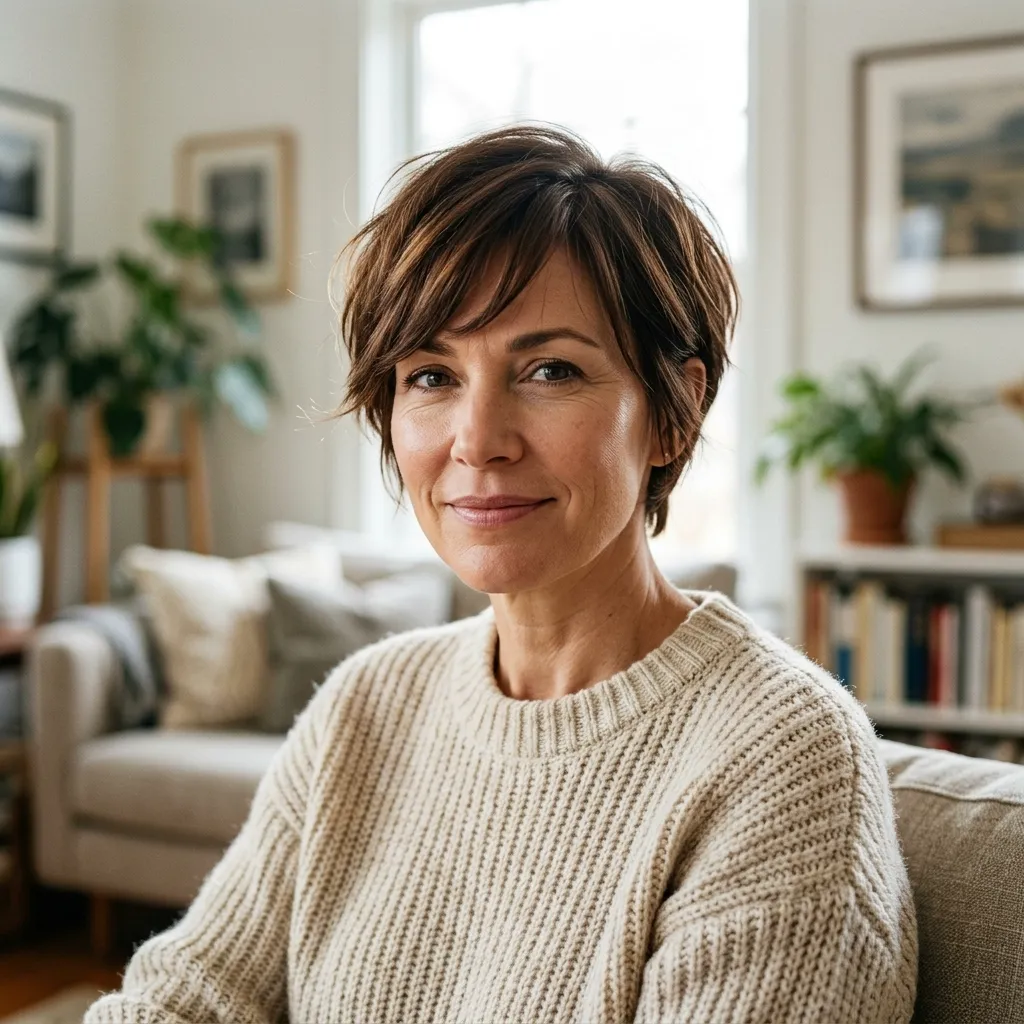
A long pixie is an excellent middle ground if you like the idea of short hair but are not ready for a very cropped style. It leaves extra length through the crown and front, allowing you to sweep the hair to one side, create soft texture, or tuck sections behind your ears. This versatility makes it a practical choice when you want a noticeable change without losing every styling option.
The longer top can be particularly helpful for fine hair because it allows your stylist to create movement without removing too much density. For a casual finish, use a blow-dryer and your fingers to lift the roots, then add a touch of styling cream to define the ends. A long pixie generally needs regular trims to maintain its shape, but the exact schedule depends on how quickly your hair grows and how structured you want the cut to look.
3. French Bob

The French bob brings a relaxed, sophisticated feel to short hair. It usually sits around the jaw or cheekbones and often features a fringe, slightly imperfect texture, or softly curved ends. Unlike a very polished bob, this style looks lovely when it retains a little natural movement instead of appearing perfectly sculpted.
If your hair is naturally wavy, the French bob can enhance your texture with minimal effort. Straight-haired women can create a similar finish by adding a slight bend through the ends and allowing a few pieces to fall naturally around the face. Before choosing this cut, discuss the length carefully with your stylist because a bob that ends at the cheekbones creates a different effect from one that rests at the jawline.
4. Classic Chin Bob
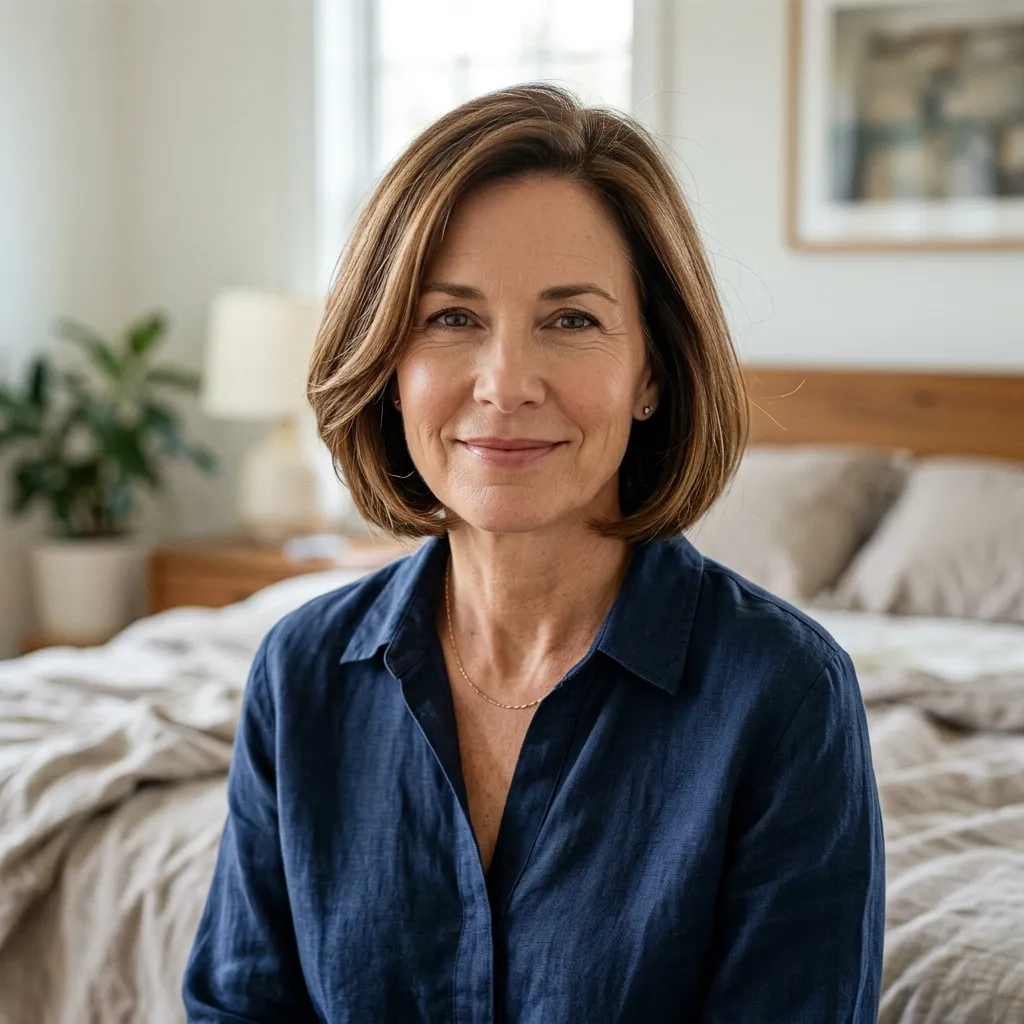
The classic chin bob is a clean, balanced haircut that never feels out of place. Its length typically falls around the chin, framing the lower face and creating a defined outline. It works beautifully on straight hair, but it can also look soft and airy on wavy strands when the ends are styled with a little movement.
For a smooth finish, use a round brush while blow-drying and direct the ends slightly inward if that suits your preference. If you want a more casual look, let your hair air-dry with a lightweight styling product that supports its natural texture. Women with thick hair may benefit from carefully placed internal layers, while fine hair often looks fuller when the perimeter remains relatively solid.
5. Jaw-Length Blunt Bob

A jaw-length blunt bob is a strong choice if you love a sharp, modern haircut. The ends are cut to create a fairly even line, which can make fine or low-density hair appear more substantial. Its simple shape also gives the hairstyle a polished finish without needing elaborate layers or styling techniques.
This cut looks particularly striking when worn straight with a center or side part. You can soften the appearance by adding a slight bend to the ends or tucking one side behind your ear. If your hair is naturally thick or expands with humidity, ask your stylist how the cut will sit when dry so the finished shape does not become wider than you want.
6. Inverted Bob

The inverted bob is shorter at the back and gradually becomes longer toward the front. This angled shape creates dimension around the face and gives the haircut a defined profile, making it a good option if you want something more structured than a traditional bob. Depending on how dramatic the angle is, the look can feel subtle and professional or bold and fashion-forward.
The cut can work well for straight and slightly wavy hair because the angled perimeter remains visible. Styling with a round brush can help lift the back while directing the longer front sections toward the face. If you have very thick hair, discuss how your stylist will manage bulk at the nape so the back keeps its shape without becoming too heavy.
7. A-Line Bob

An A-line bob has a shorter back and a front that gradually extends toward the chin, creating a gentle angled outline. It is often less dramatically stacked than an inverted bob, making it a useful choice if you prefer a modern cut that still feels understated. The longer front pieces can frame your face while the shorter back helps keep the overall shape light.
This style is especially easy to wear with a side part, although a center part can give it a more symmetrical finish. Straight hair shows off the angle clearly, while loose waves soften the outline and make the cut feel less formal. Ask your stylist whether a subtle or pronounced angle will work better with your hair density and the amount of daily styling you want to do.
8. Pixie with Curtain Micro Bangs
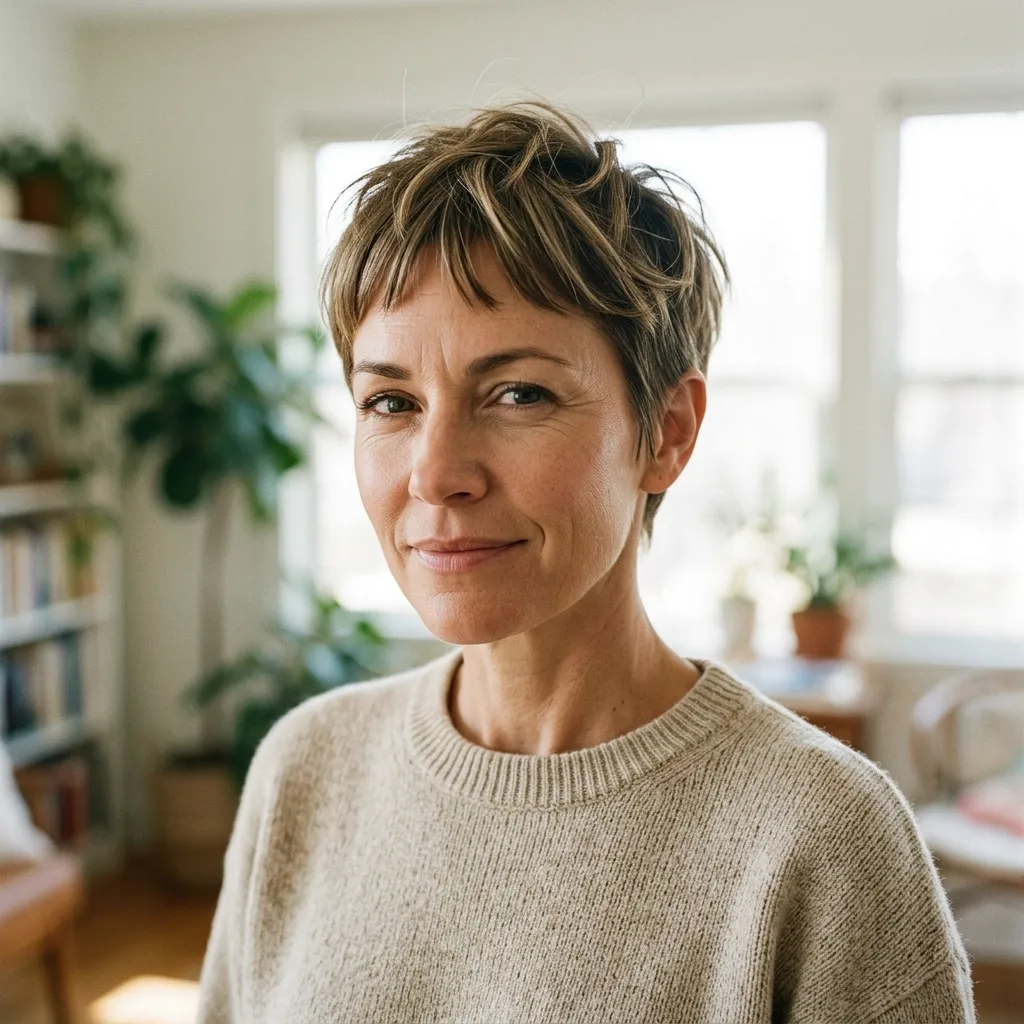
A pixie with curtain micro bangs adds a distinctive detail to a short haircut. The fringe is very short compared with traditional curtain bangs, with a slight separation or opening near the center of the forehead. It creates a playful, editorial look that can be especially appealing if you enjoy hairstyles with a little personality.
Because micro bangs draw attention to the forehead and eyes, the placement should be customized to your facial proportions and preferred styling. The rest of the pixie can remain softly textured to balance the shorter fringe. Keep in mind that very short bangs require frequent shaping if you want to maintain their exact length, so discuss upkeep before making the cut.
9. Pixie with Side-Swept Fringe
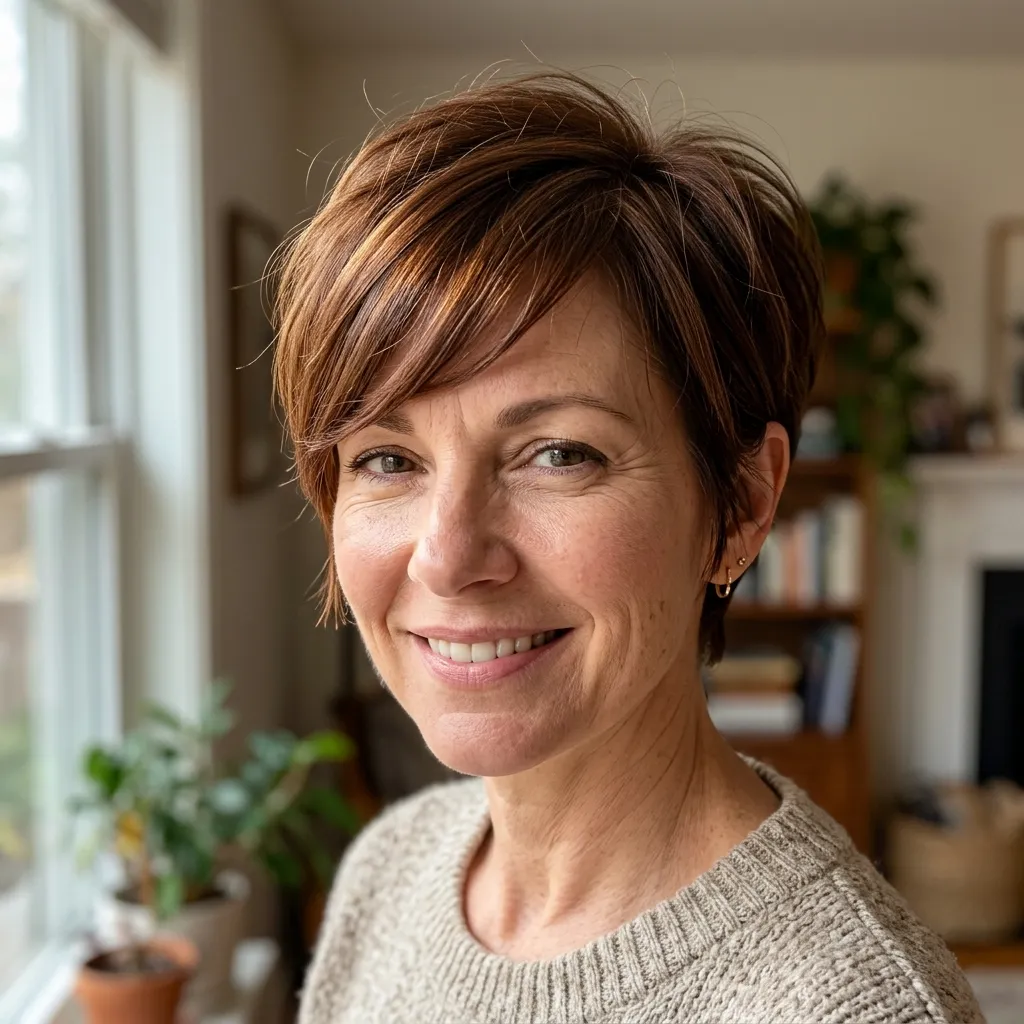
A pixie with a side-swept fringe is a softer alternative to a very short, uniform cut. The longer front section falls diagonally across the forehead, adding movement and creating an attractive frame around the eyes. It is a versatile choice if you want short hair that can look polished for professional settings but still feel relaxed on weekends.
To style it, direct the fringe across your forehead while blow-drying with a small brush. A lightweight cream can help separate the ends without making the hair look greasy or flat. This shape can work with straight, wavy, or slightly textured hair, although your stylist may need to adjust the fringe length to prevent it from separating awkwardly.
10. Asymmetrical Bob
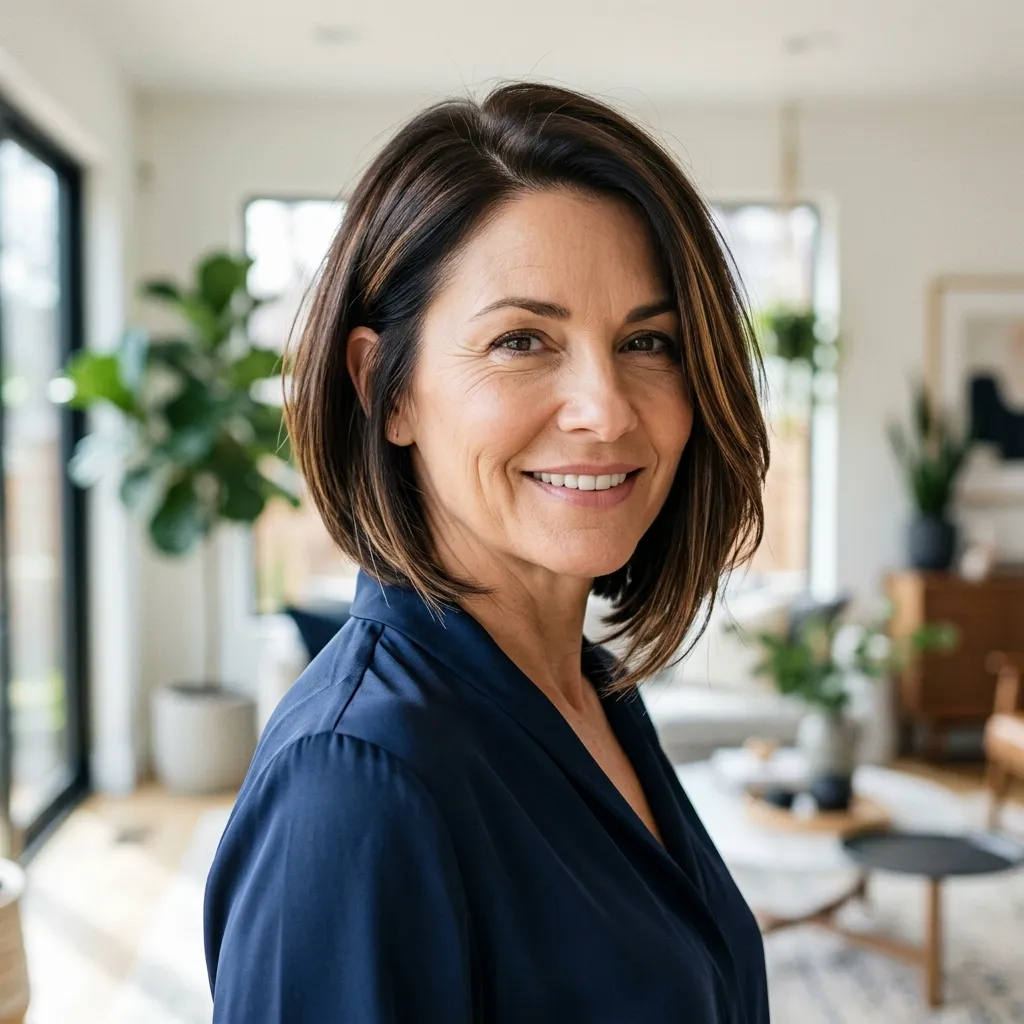
An asymmetrical bob features one side that is longer than the other, giving a familiar haircut a modern twist. The difference can be subtle, with just a small variation in length, or more dramatic for a stronger statement. This shape is a lovely option if you like classic short hair but want a design detail that makes it feel more individual.
A smooth blowout emphasizes the angled lines, while soft waves make the contrast between the sides feel more relaxed. If your hair is fine, keeping the ends relatively full can help the longer section look substantial. Bring reference photos to your appointment and discuss how the cut will look with your usual part, since that can affect the way the asymmetry sits.
11. Textured Pixie
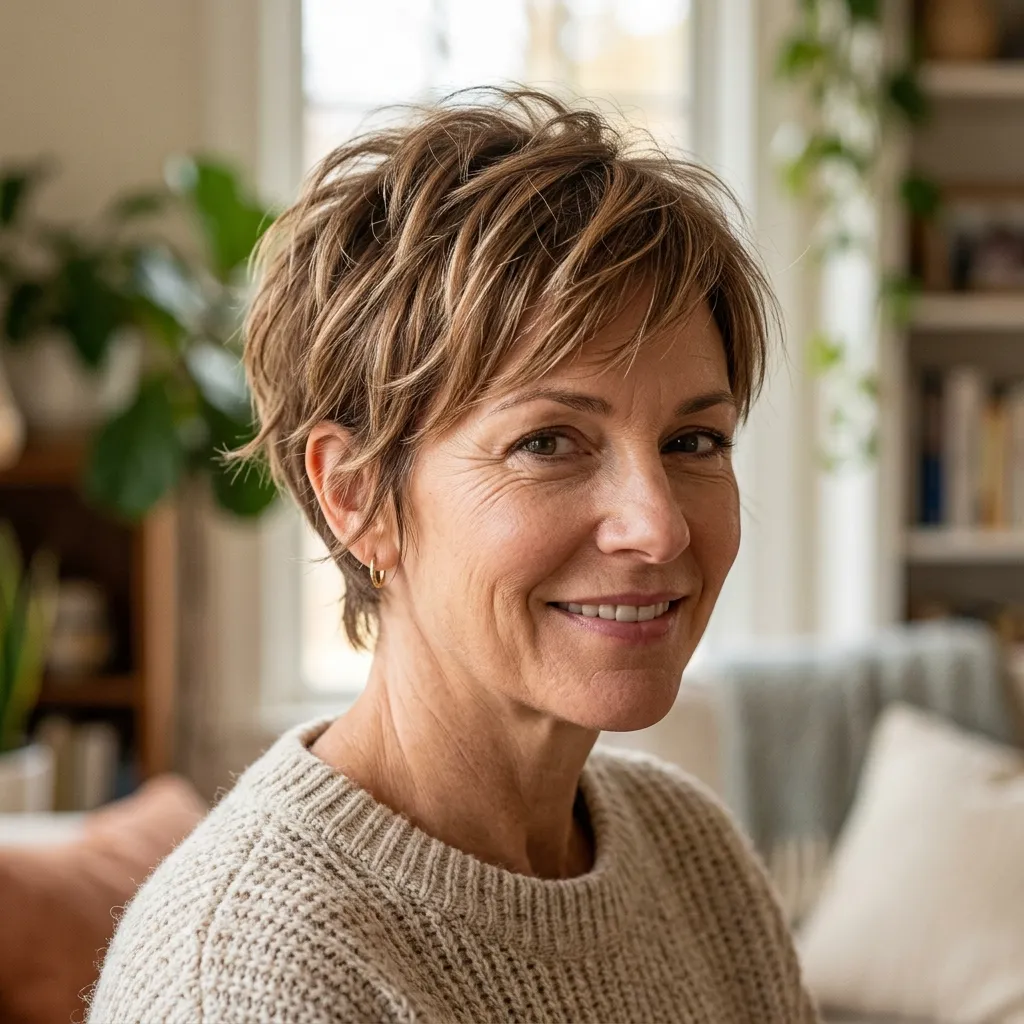
The textured pixie is all about movement rather than a perfectly smooth finish. Choppy layers create separation through the top, allowing the hair to look playful, modern, and slightly undone. It can be particularly useful for women who prefer a haircut that looks good with minimal styling rather than one that requires every strand to sit in place.
Work a small amount of texturizing paste between your fingertips and lightly shape individual sections. If you have fine hair, choose a lightweight product that adds definition without weighing down the roots. For thick hair, your stylist can use thoughtful layering to reduce excess bulk while preserving enough shape for the pixie to look intentional.
12. Bob with Curtain Bangs
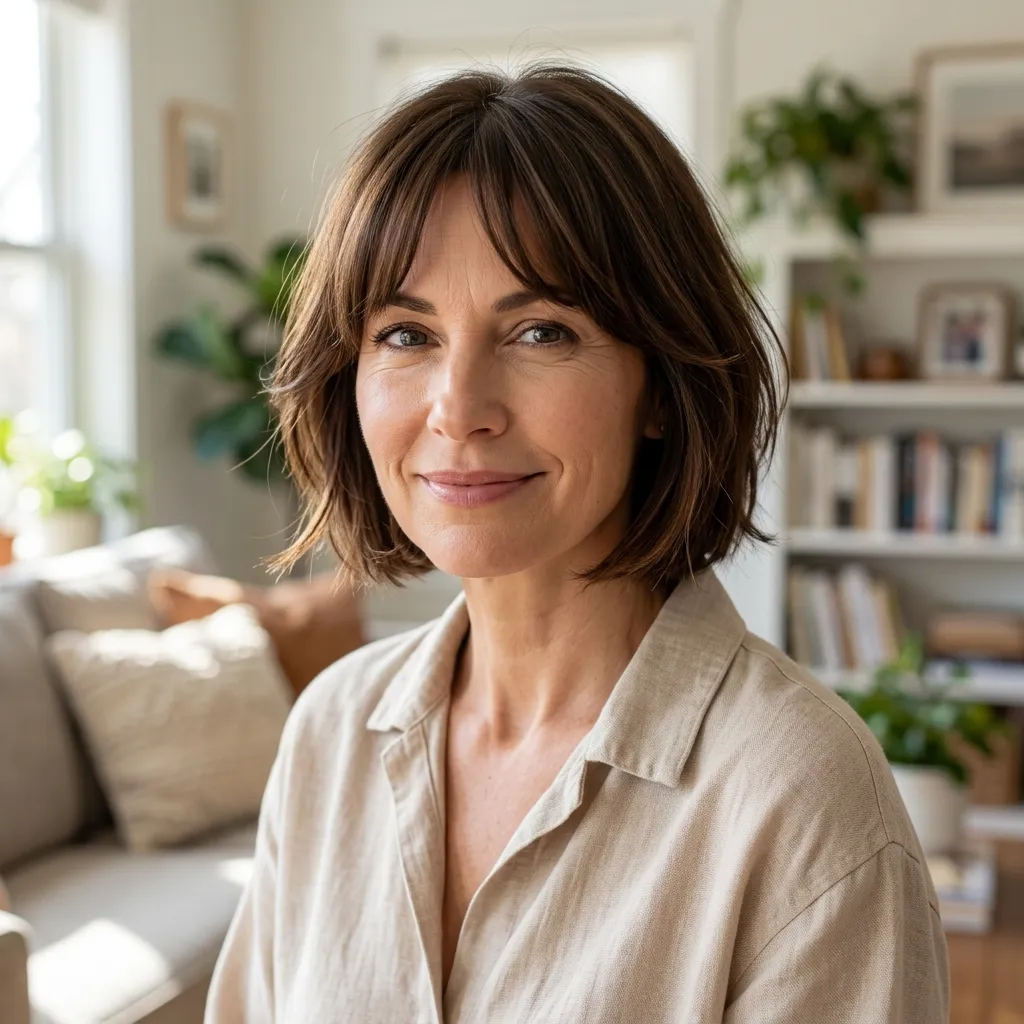
A bob with curtain bangs combines a familiar short haircut with a fringe that opens around the face. The bangs are typically shorter near the center and gradually become longer toward the sides, blending into the rest of the cut. This creates a soft frame that works beautifully with a chin-length or slightly longer bob.
Curtain bangs can be styled with a round brush, directing each side away from the center to create a gentle sweep. They also look lovely with natural waves when you prefer a less polished finish. If your hair tends to fall flat at the front, ask your stylist to choose a fringe length and layering pattern that will work with your natural growth direction.
13. Pixie with Volume on Top

A pixie with volume on top creates height through the crown while keeping the sides and back relatively close to the head. This difference in proportions gives the haircut a lifted, lively appearance without requiring long hair. It can be a particularly appealing option if your hair has become finer or you simply prefer a style with more visible shape.
To create volume, blow-dry the top in the opposite direction from where you want it to sit, then gently guide it into place. A root-lifting product can help, but use it sparingly so the hair remains touchable. If you prefer a softer finish, allow the top to fall naturally to one side rather than forcing it into a tall, sharply defined shape.
14. Tapered Pixie

The tapered pixie features closely shaped sides and a nape that gradually blend into a longer top. The result is neat and lightweight, with enough length at the crown to create texture or lift. This cut can be particularly comfortable if you dislike hair resting against your neck or want a style that feels tidy after a quick morning routine.
Tapering can complement straight, wavy, and naturally curly hair, although the finishing technique should suit your texture. Curly hair may need a slightly different shape to account for shrinkage, while straight hair can show off the clean outline. Regular trims help maintain the tapered silhouette, especially around the ears and neckline where the shape may become less defined as your hair grows.
15. Razored Pixie
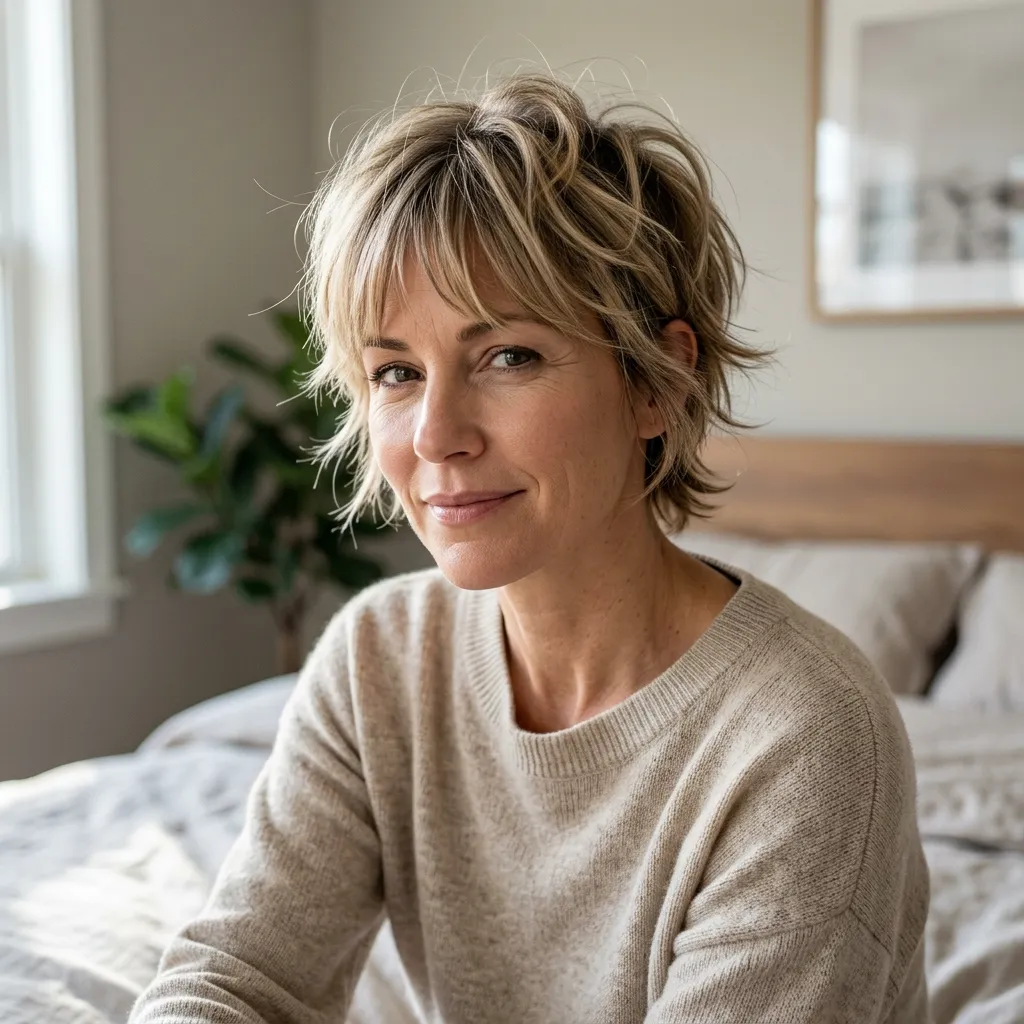
A razored pixie uses a razor technique to create soft, feathered edges and airy movement. Instead of looking sharply blunt, the ends can appear more separated, giving the haircut a relaxed and contemporary feel. This style can be attractive if you enjoy a slightly edgy look that still works with everyday clothing and professional outfits.
The technique is not ideal for every hair type, so ask your stylist whether your strands will respond well to razor cutting. Hair that is very fragile or prone to fraying may benefit from a different approach, while suitable hair textures can look beautifully piecey with the right finish. A lightweight styling cream helps define the ends without making the cut appear stiff or overly styled.
16. Layered Pixie
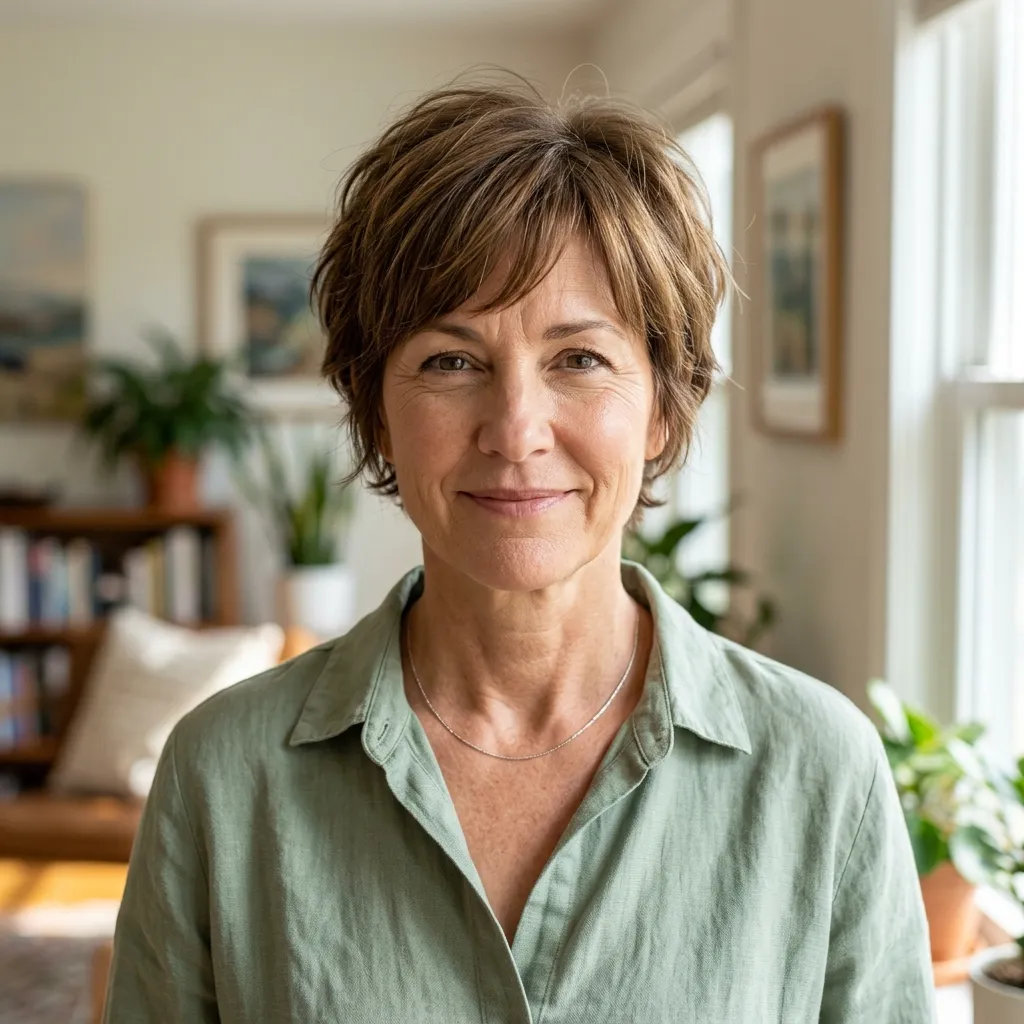
A layered pixie uses different lengths to create movement, shape, and flexibility. The layers can be subtle for a soft finish or more noticeable if you want a choppy, textured look. This makes the style adaptable for women with different hair densities and personal preferences.
If your hair is thick, carefully placed layers can help remove excess weight while keeping the overall silhouette balanced. Fine hair often benefits from a more controlled layering approach that preserves fullness around the perimeter and avoids making the top look sparse. For everyday styling, use your fingers and a small amount of product to lift or separate the layers instead of trying to make every piece sit perfectly.
17. Bob with Heavy Blunt Bangs
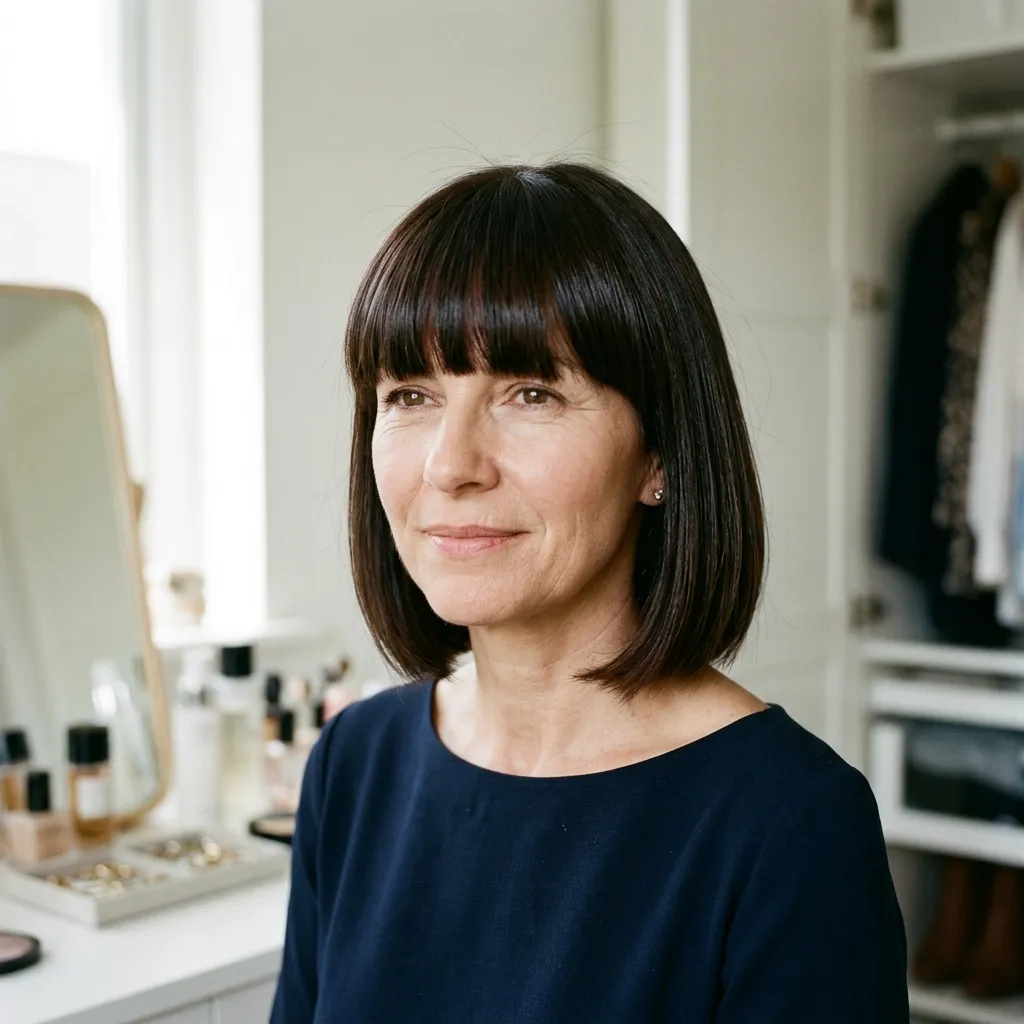
A bob with heavy blunt bangs has a strong, fashion-forward appearance. The fringe sits in a relatively straight line across the forehead, while the bob creates a defined shape around the jaw or chin. This combination can look striking on straight hair and gives a simple cut a clear focal point.
The key is choosing a fringe thickness and length that feel comfortable with your natural hair growth. Thick bangs may require more styling if your hair tends to split at the front or has a strong cowlick. A round brush and a gentle blow-dry can help the fringe sit smoothly, but avoid excessive heat and use a heat protectant when styling regularly.
18. Pixie with Forward Styling
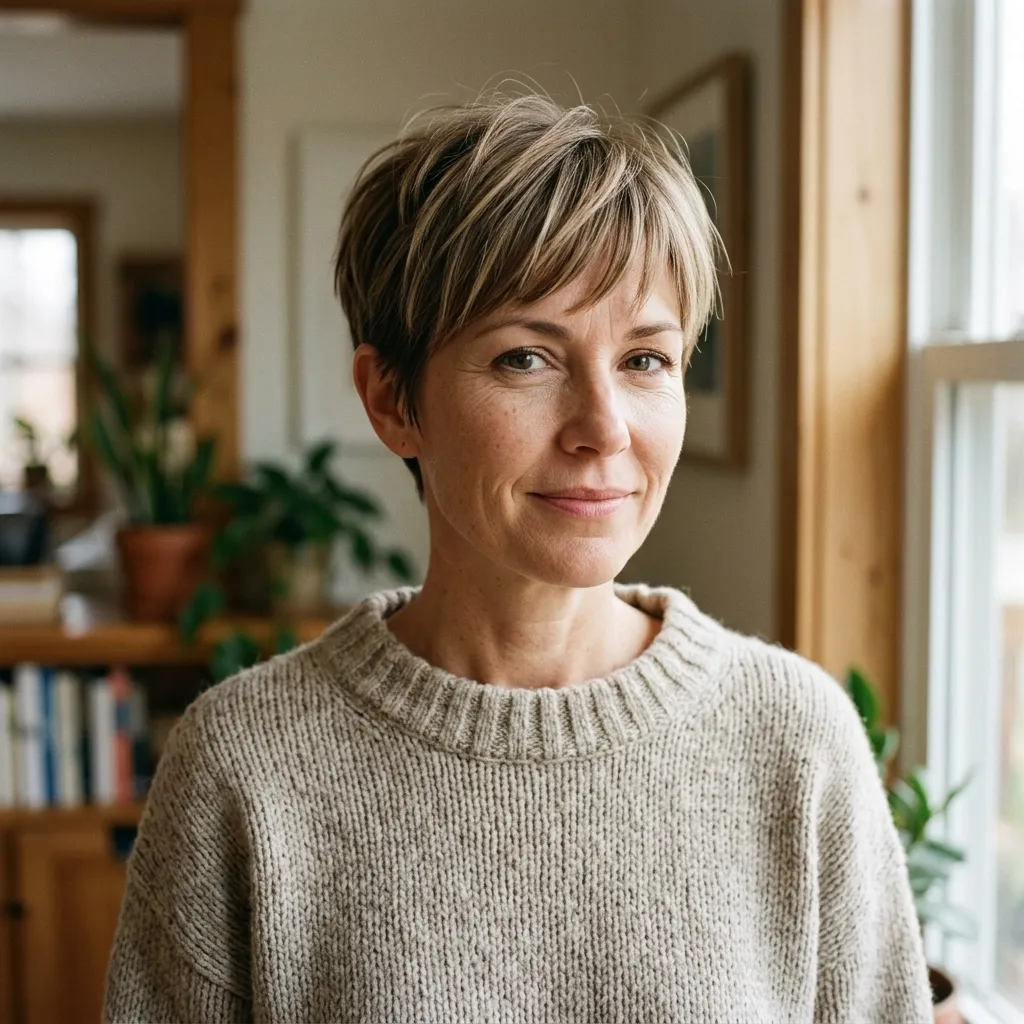
A pixie with forward styling directs the longer hair at the crown toward the forehead instead of sweeping it backward. This creates a modern, slightly piecey fringe and can make a short haircut feel softer around the face. It is a useful option if you like the convenience of a pixie but want more coverage at the front.
After washing, apply a small amount of lightweight styling product and guide the top forward as you blow-dry. You can keep the fringe smooth or separate the ends for a textured finish. The cut is especially adaptable when your stylist leaves enough length on top to change the direction of the hair, giving you more than one styling option between appointments.
19. Side-Parted Short Cut

A side-parted short cut is a simple way to refresh your look without choosing a dramatic haircut. The part shifts the visual balance of the style and can create natural-looking lift at the roots. It works with pixies, short layered cuts, and bobs, making it an easy styling choice even if you are not ready to change your length.
Try moving your part slightly to one side after washing, then blow-dry the roots in the direction you want them to fall. A deep side part can look sleek and dramatic, while a softer side part feels relaxed and everyday-friendly. If your hair always returns to its usual part, ask your stylist how to work with your natural growth pattern rather than fighting it every morning.
20. Pixie with Bottleneck Bangs
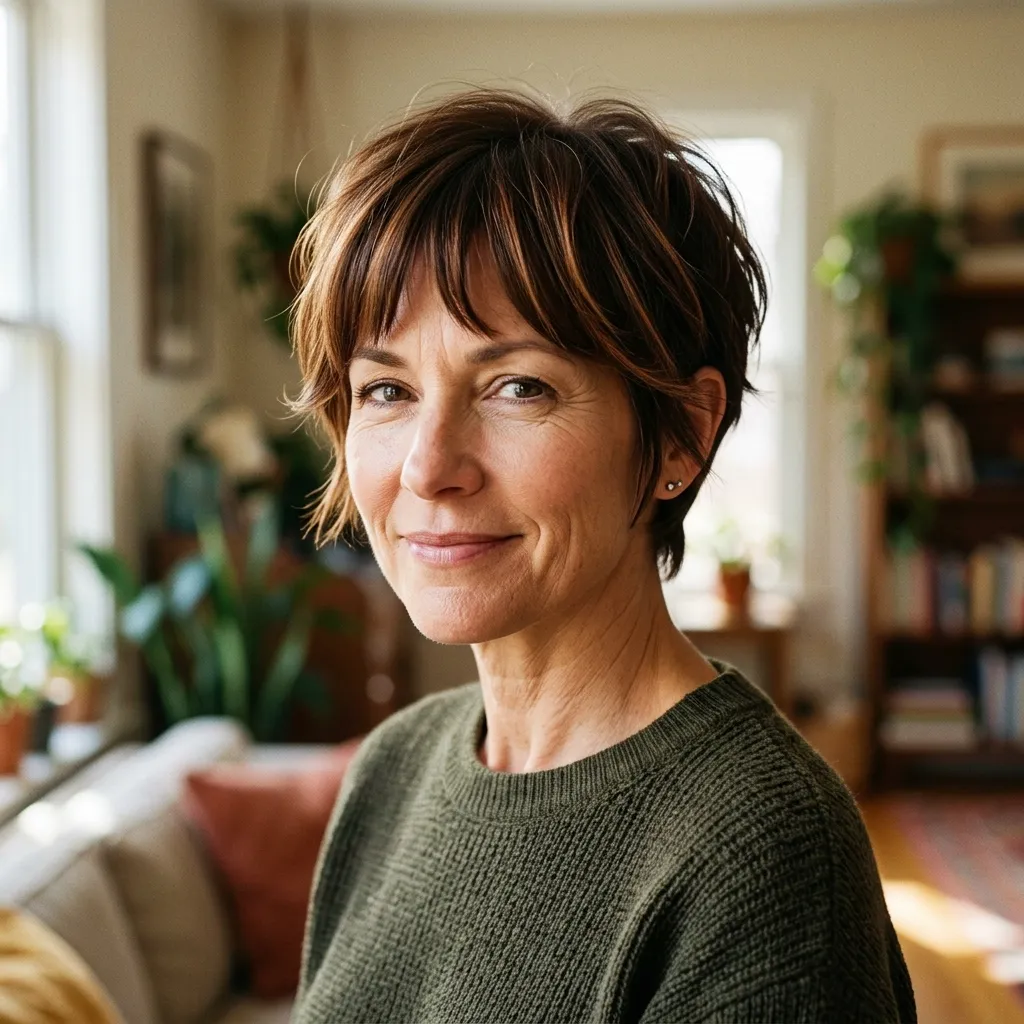
Bottleneck bangs are shorter through the center and gradually widen into longer pieces that frame the sides of the face. On a pixie, they create a soft, curved fringe that feels more relaxed than a blunt line. This detail can add personality to a short haircut while preserving movement around the forehead and temples.
The best version of this style depends on how much length you have at the front and how your hair naturally falls. Your stylist can blend the longer outer pieces into the sides of the pixie so the fringe does not appear disconnected. For styling, use a small round brush to shape the center and sweep the longer pieces outward, keeping the finish light rather than overly curled.
21. Pixie with Highlights
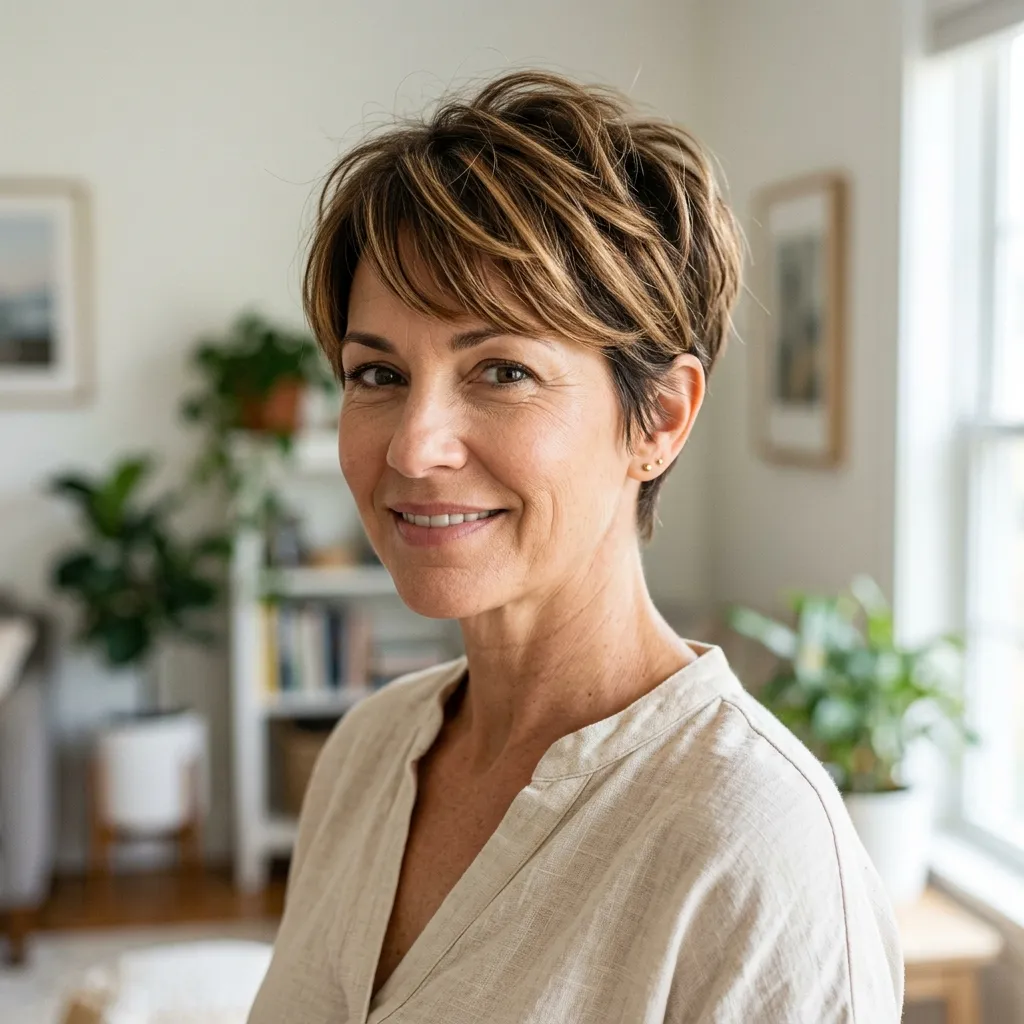
A pixie with highlights adds dimension to a short haircut by creating subtle contrast between different sections of hair. Fine ribbons of color can emphasize layers, while brighter pieces around the face can make the overall style feel more defined. You can choose soft caramel, beige blonde, cool-toned accents, or another shade that complements your natural base color.
Highlights are especially effective when they follow the haircut’s shape rather than appearing randomly placed. Ask your colorist to consider your skin tone, natural hair color, and the amount of contrast you want to maintain. Since short hair may show regrowth more quickly around the part or hairline, discuss a color placement that will remain attractive as it grows out.
22. Curly Short Cut

A curly short cut celebrates your natural texture instead of trying to smooth every curl into place. It might be a rounded curly pixie, a short layered crop, or a compact shape that keeps the curls balanced around your head. The right cut can make your morning routine simpler while allowing your curl pattern to become the main feature of your hairstyle.
Ask your stylist to consider how your curls shrink as they dry and where you want the most volume. A curl-friendly cut should support the natural pattern without leaving the sides too bulky or the crown too flat. At home, apply a leave-in conditioner or curl cream to damp hair, gently shape the curls, and let them air-dry or use a diffuser on a suitable setting.
Frequently Asked Questions
What are the most flattering short hairstyles for women over 40?
The most flattering short hairstyle depends on your hair texture, face shape, density, and preferred level of maintenance. A long pixie, layered pixie, chin-length bob, or bob with curtain bangs can be a good starting point because each offers room for customization. Rather than choosing a cut simply because it is recommended for your age, look for a shape that complements your features and fits your everyday routine.
Do short hairstyles make women over 40 look younger?
A short haircut does not automatically make someone look younger, and it does not need to. The right style can make your features feel more defined, give your hair a fresh shape, and help you feel confident and put together. Soft layers, a flattering fringe, or a well-shaped bob can create a modern appearance without trying to hide your age.
Which short haircut is best for fine or thinning hair?
A blunt bob can help fine hair appear fuller because the ends create a stronger outline. A carefully shaped pixie can also work well when it preserves enough density while adding movement through the top. If your hair is thinning, tell your stylist what concerns you most so they can avoid excessive layering or a shape that makes sparse areas more noticeable.
How often should I trim short hair?
Short hair usually needs more frequent shaping than longer hair because small changes in length can affect the overall silhouette. A pixie may need trims more often than a bob, especially if you want to maintain a close taper or a precise fringe. Your ideal schedule depends on your growth rate, haircut, and how polished you prefer the shape to look.
Can I have short hair if my hair is naturally curly?
Yes, short hair can work beautifully with natural curls. The most important factor is choosing a cut that accounts for your curl pattern, shrinkage, density, and preferred amount of volume. A curly pixie or rounded crop can emphasize texture, while a short bob offers more length around the face if you prefer a slightly fuller shape.
Are short hairstyles easy to maintain?
Many short hairstyles are quick to style once you find a cut that works with your natural texture. A pixie may require only a little product and finger styling, while a sleek bob may need more regular blow-drying to maintain its shape. Remember that low daily styling time does not always mean fewer salon visits, so ask about both maintenance and styling before