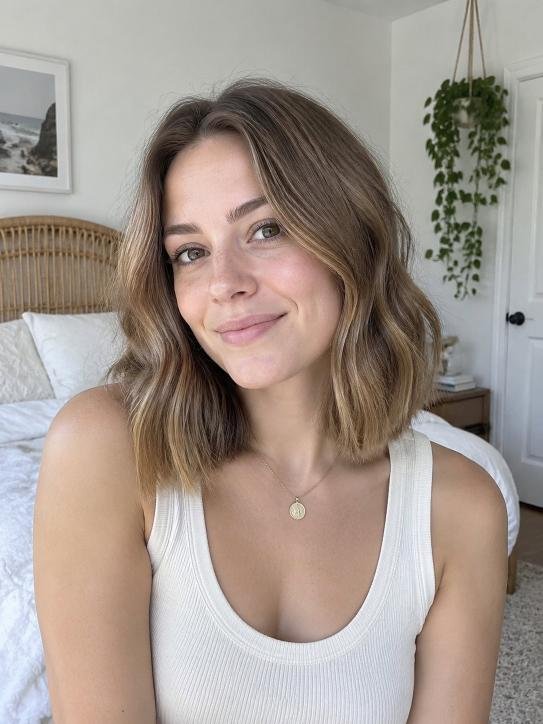
If your hair tends to fall flat, lose its shape, or look thinner than you would like, the right haircut can make your daily routine much easier. Shoulder length haircuts offer a practical balance between short and long hair, giving you enough length to create waves, ponytails, and elegant updos without dealing with excessive styling. The secret is choosing a shape that works with your natural texture instead of fighting against it.
For women with fine or thin hair, blunt ends, carefully placed layers, and subtle changes in shape can create the appearance of fuller, healthier-looking strands. You do not necessarily need a complicated cut or an elaborate styling routine to get a flattering result. Sometimes, a simple shoulder-length bob with the right parting makes all the difference.
Whether you prefer a polished salon finish, relaxed beachy waves, or a wash-and-go hairstyle, there are plenty of options to consider. These 22 shoulder length haircuts offer ideas for different face shapes, hair textures, and personal styles, with a focus on cuts that look beautiful without requiring constant maintenance.
Blunt One-Length Lob
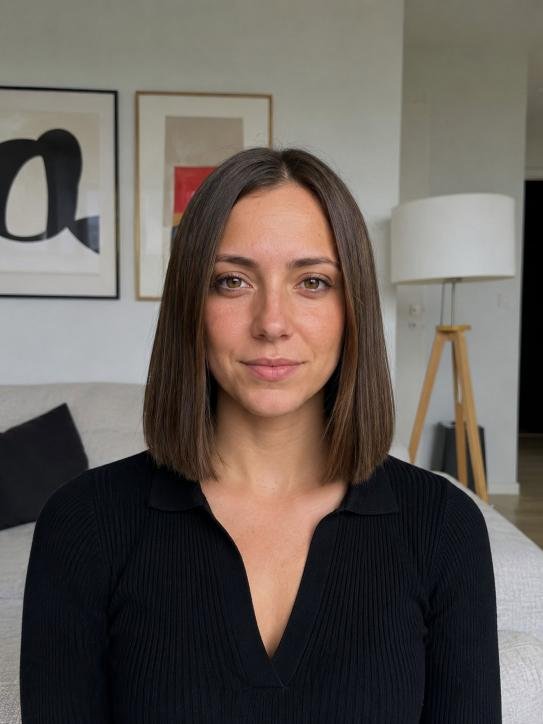
A blunt one-length lob is one of the most reliable shoulder length haircuts for women who want their fine hair to appear thicker. The hair is cut to a consistent length, usually around the shoulders or slightly above them, creating a clean perimeter that makes the ends look denser. Because there are no heavily layered sections removing weight, the overall shape can look fuller even when individual strands are delicate.
One of the best things about this haircut is its versatility. You can wear it straight for a sleek, minimalist appearance or add loose waves when you want more movement. A lightweight volumizing mousse at the roots and a quick blow-dry with a round brush are often enough to create a salon-inspired finish without spending too much time styling.
This cut is particularly appealing if you prefer a predictable shape that grows out gracefully. Ask your stylist to keep the ends blunt and avoid excessive texturizing, which can make fine hair look sparse at the bottom. A middle part creates a balanced appearance, while a soft side part can provide extra lift at the roots.
Blunt Shoulder Bob
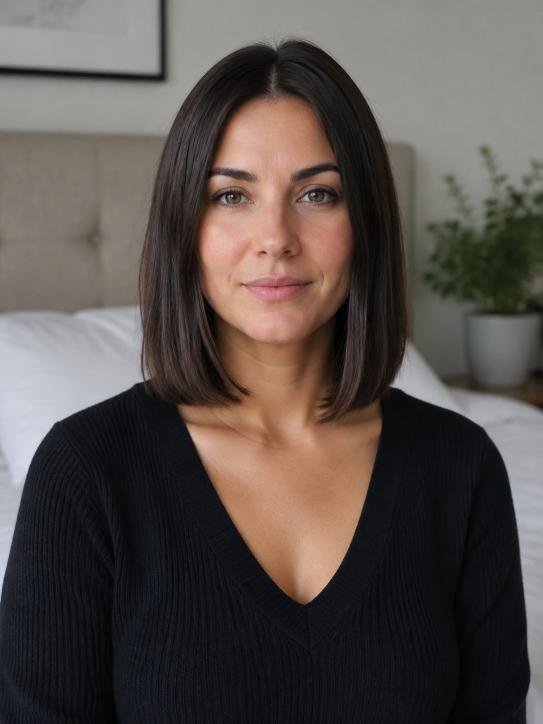
A blunt shoulder bob offers the classic appeal of a bob with a little more length than traditional chin-length versions. The ends sit around the shoulders, creating a defined outline that complements fine hair and gives it a fuller-looking finish. It is an excellent option if you want a haircut that feels polished enough for work but relaxed enough for everyday activities.
Unlike a heavily layered bob, this style relies on its shape rather than multiple shorter sections. The result is a clean silhouette that works well with straight, slightly wavy, and naturally textured hair. If your hair becomes limp easily, keeping the perimeter solid can help the style retain its visual density between salon visits.
Styling can be as simple as smoothing the ends with a blow-dryer or using a flat iron for a straighter finish. For a softer appearance, bend a few sections away from your face with a curling iron. The shoulder-length shape also gives you enough flexibility to tuck the hair behind your ears or gather it into a low ponytail.
A-Line Lob
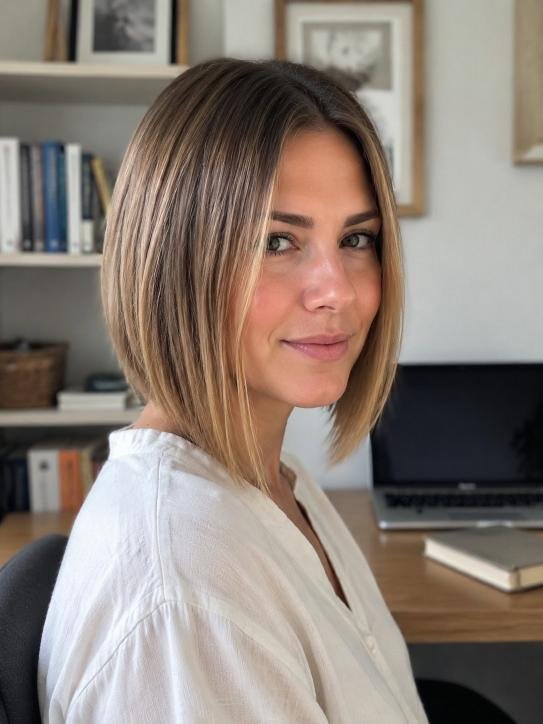
An A-line lob is shorter in the back and gradually longer toward the front, creating an angled shape that frames the face beautifully. This slight difference in length adds structure without relying on layers throughout the haircut. For women with fine hair, the clean outline can help the style appear substantial while the longer front pieces provide a flattering, face-framing effect.
The angle can be subtle or more noticeable, depending on your preference. A gentle A-line shape is ideal if you want a natural, understated haircut, while a sharper angle gives the look a more contemporary edge. Either version can work with straight hair, although a smoother finish makes the silhouette especially easy to see.
Maintenance depends on how dramatic the angle is and how precisely you want it to sit. A soft version usually grows out more naturally than a sharply defined cut. Ask your stylist to preserve fullness at the ends rather than thinning the front pieces too aggressively, particularly if your hair is naturally fine.
Stacked Graduated Bob
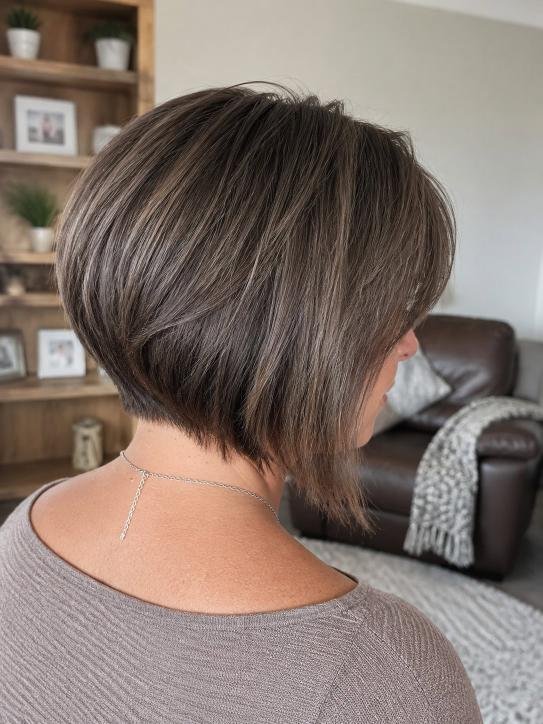
A stacked graduated bob features shorter layers at the back that gradually build into longer sections near the front. These layers create a rounded shape and can help the crown and back of the head appear more lifted. If your hair tends to sit flat against your scalp, this haircut offers a little extra structure without requiring elaborate daily styling.
The key is finding the right amount of graduation for your hair density. Fine hair can benefit from a gentle, carefully shaped stack, but too many short layers may expose the scalp or make the ends appear thin. A skilled stylist can create a fuller-looking outline while keeping the haircut soft and balanced.
For everyday wear, a round brush can help lift the back while directing the front pieces into place. You can also let the hair dry naturally if it already has a slight bend or wave. Keep in mind that a more sculpted stacked bob may need regular trims to maintain its shape, so it is best for women who do not mind occasional salon visits.
French Bob to Shoulder
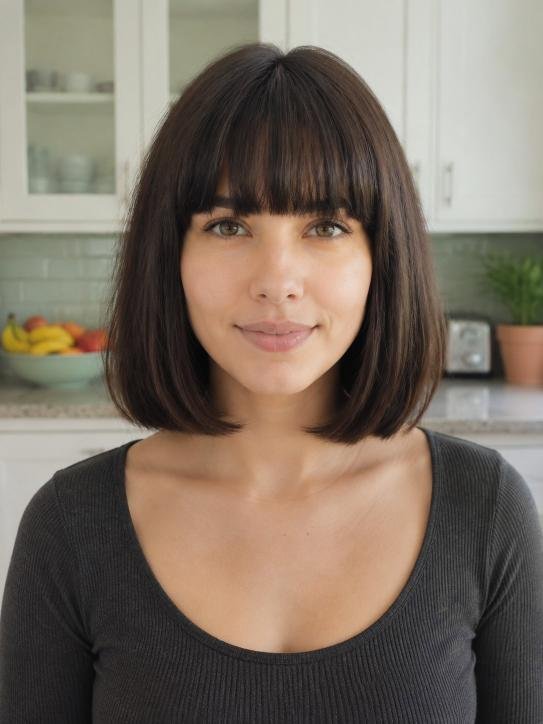
A French-inspired bob that reaches the shoulders takes the relaxed charm of a classic French haircut and adapts it to a longer, more versatile length. It often features soft movement, a natural finish, and optional bangs that frame the face without looking overly structured. This variation is especially appealing if you love effortless-looking hair but do not want to commit to a very short bob.
For fine hair, the most flattering version usually maintains enough weight at the ends to prevent the haircut from looking wispy. Light shaping around the face can add softness, while subtle bends create the impression of movement and texture. The result feels casual and slightly undone rather than perfectly straight or heavily styled.
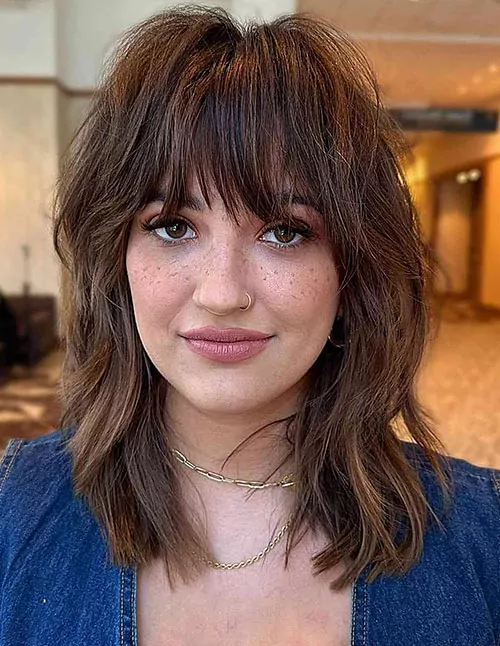
You can wear this haircut with a natural middle part, a loose side part, or soft curtain bangs. A small amount of styling cream can define the ends and control flyaways without weighing the hair down. If your hair has a natural wave, air-drying with a lightweight product may be all you need to achieve its characteristic relaxed finish.
Beach-Wave Lob
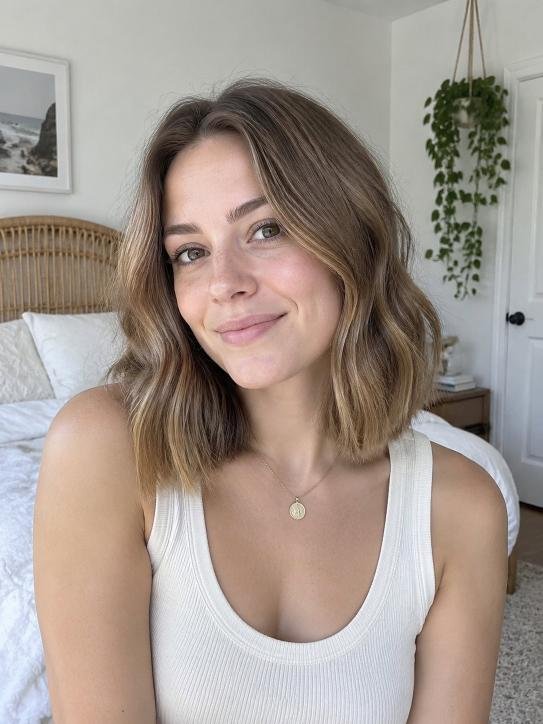
A beach-wave lob is a shoulder-length haircut styled with loose, irregular waves that give the hair a relaxed, airy appearance. The waves create visual movement and can make fine hair appear more voluminous than a completely flat finish. Because the length is manageable, you can create this look with a curling wand, heatless rollers, or your natural texture.
The haircut itself should support the waves rather than depend on them. A mostly blunt perimeter with a small amount of internal shaping often works well for fine hair because it preserves fullness while allowing the strands to move naturally. Too many short layers may create separation at the ends, so discuss your hair density with your stylist before adding significant texture.
For an easy everyday routine, apply a lightweight texturizing product to damp hair and encourage a loose wave as it dries. If you use heat, alternate the direction of the curls and leave the ends slightly straighter for a casual finish. A beach-wave lob is particularly useful when you want a style that looks intentional without needing every strand to fall perfectly into place.
Blunt Lob With Crown Layers
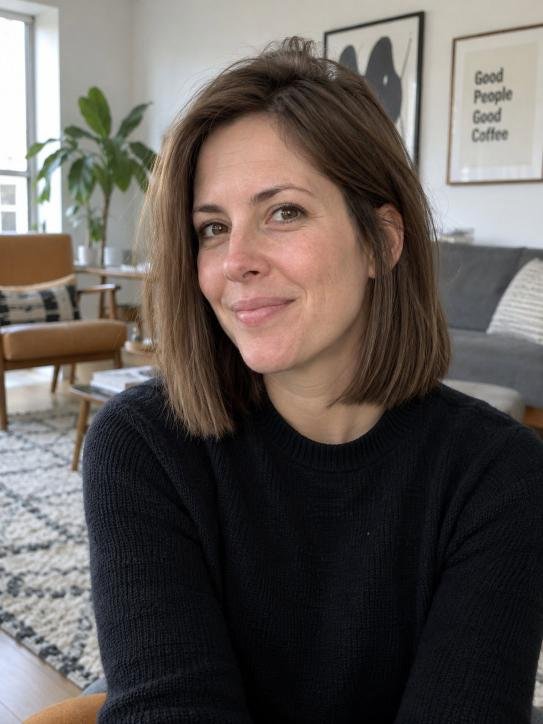
A blunt lob with crown layers combines a full-looking outline with shorter sections near the top of the head. These carefully placed layers can provide movement and help create the appearance of lift around the crown, especially when fine hair tends to collapse after styling. The contrast between the layered upper section and the fuller ends keeps the haircut from looking too flat or uniform.
Placement matters more than the number of layers. If the layers begin too low or are cut too heavily, the hairstyle may lose the density that makes a blunt lob flattering for thin hair. A stylist who understands fine hair can introduce subtle elevation while keeping the ends looking healthy and substantial.
To style this cut, focus your blow-dryer at the roots and use a round brush to direct the crown upward. You do not need to curl the entire length; a little lift at the top can be enough to change the overall shape. This option suits women who enjoy a softly styled finish and do not mind spending a few extra minutes creating volume.
Blunt Lob With Face-Framing
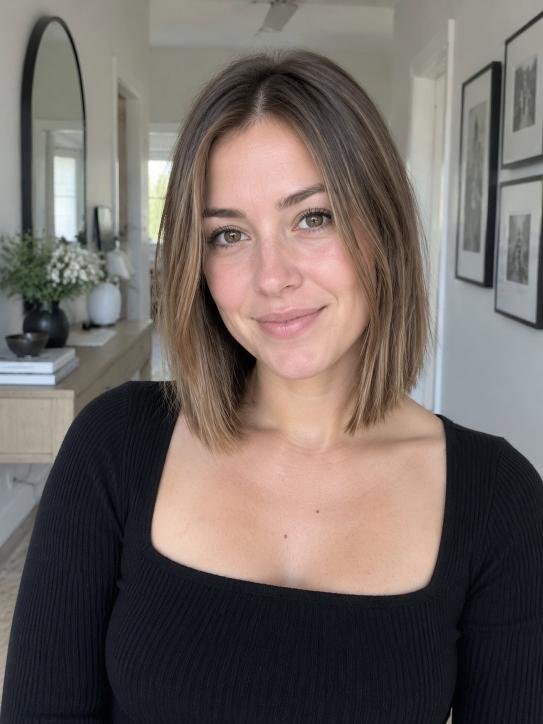
A blunt lob with face-framing pieces keeps the main length strong and even while introducing shorter sections around the face. These pieces soften the outline and draw attention toward your eyes, cheekbones, and jawline. For women who want a fuller-looking haircut without a completely uniform shape, this is a practical compromise.
The face-framing sections can begin around the cheekbones, jaw, or chin, depending on your preferred look and how the hair naturally falls. Subtle shaping creates a gentle transition, while more noticeable pieces add movement and definition. If your hair is particularly fine, ask your stylist to keep the framing sections connected to the overall shape rather than removing too much weight from the front.
This haircut works well with both straight and wavy styling. You can bend the front pieces away from your face for a soft, open appearance or leave them natural for a more relaxed result. Because the main length remains relatively simple, the cut is easy to maintain and does not require elaborate styling every morning.
Rounded Cloud Lob
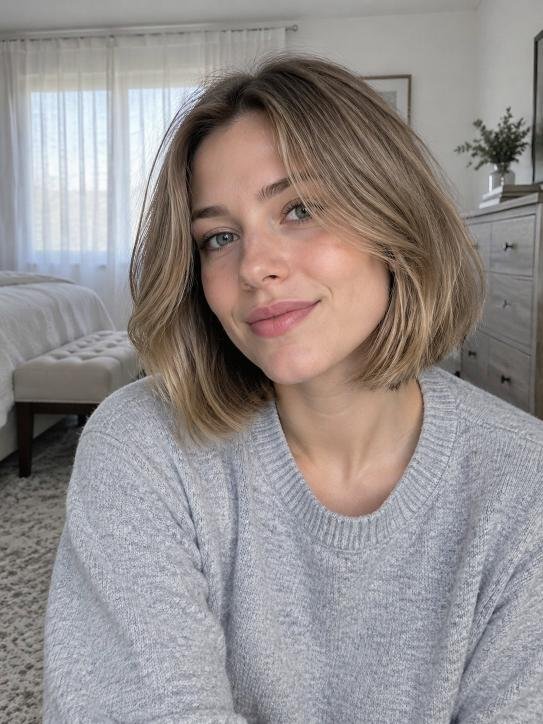
The rounded cloud lob features a soft, curved silhouette that gives shoulder-length hair an airy, rounded appearance. Rather than falling in a perfectly straight line, the ends turn gently inward or outward, creating a shape that feels light and bouncy. This finish can make fine hair look more animated without relying on dramatic layers or excessive texture.
The haircut is generally most effective when the outline remains balanced and the ends retain enough density. Subtle shaping helps the hair curve naturally around the head, while a little root lift keeps the crown from looking flat. If your hair is extremely fine, ask your stylist to avoid removing too much weight through the lower sections.
A round brush is useful for creating the characteristic curve, but you can also use a large-barrel curling iron to bend the ends slightly. Finish with a flexible-hold product rather than a heavy wax or oil that could flatten the shape. The rounded cloud lob is a lovely choice if you prefer soft, feminine hairstyles with a little movement.
Beveled Blunt Lob
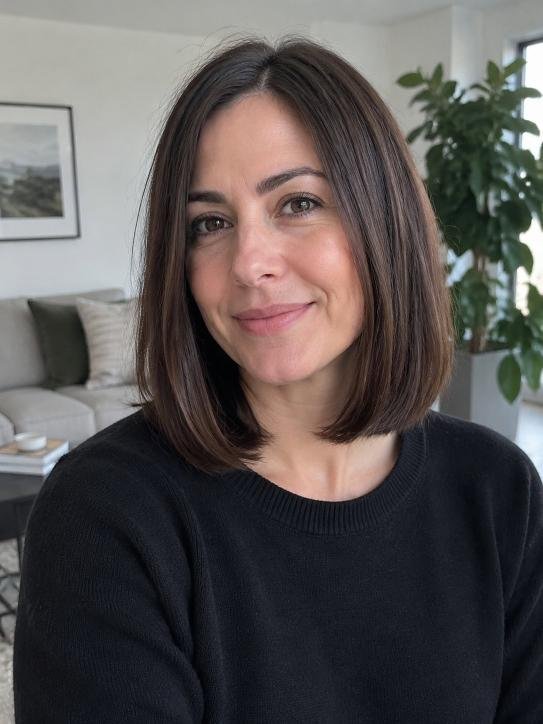
A beveled blunt lob combines a solid, even perimeter with ends that are gently curved under or outward. The haircut maintains the visual fullness of a blunt shape while the beveled finish gives it a smoother, more polished appearance. It is a good option for women who want their shoulder length haircuts to look refined without needing complicated layers.
The defining feature is the way the ends bend rather than hang completely straight. This small detail can help the haircut follow the jawline and shoulders more naturally, creating a finished appearance even when the rest of the hair is simple. Fine hair often benefits from this approach because the shape provides interest without removing much of the overall density.
You can create the bevel with a round brush during blow-drying or use a flat iron to curve the last inch of hair. A heat protectant is helpful whenever you use hot tools, especially if you regularly style your hair. For an everyday version, keep the bend soft and avoid making the ends look too stiff or overly curled.
Blunt Bob With Blunt Bangs

A blunt bob with blunt bangs creates a striking, structured hairstyle with a strong horizontal fringe and a full-looking perimeter. The bangs bring attention to the eyes, while the even ends give the haircut a clean and deliberate shape. Although this look can be worn at several lengths, keeping the bob around the shoulders provides more styling flexibility than a traditional short version.
For fine hair, the fringe should be designed around your natural density and growth pattern. Thick, heavy bangs may require more hair than you comfortably have available, so a moderate fringe can be a better starting point. Your stylist can also adjust the width and length to complement your forehead, brows, and face shape.
The main consideration is maintenance. Blunt bangs may need trimming more often than the rest of the haircut because even a small amount of growth can change how they sit. If you like a polished appearance and do not mind occasional fringe touch-ups, this hairstyle offers a bold alternative to softer shoulder-length cuts.
Blunt Lob With Wispy Bangs
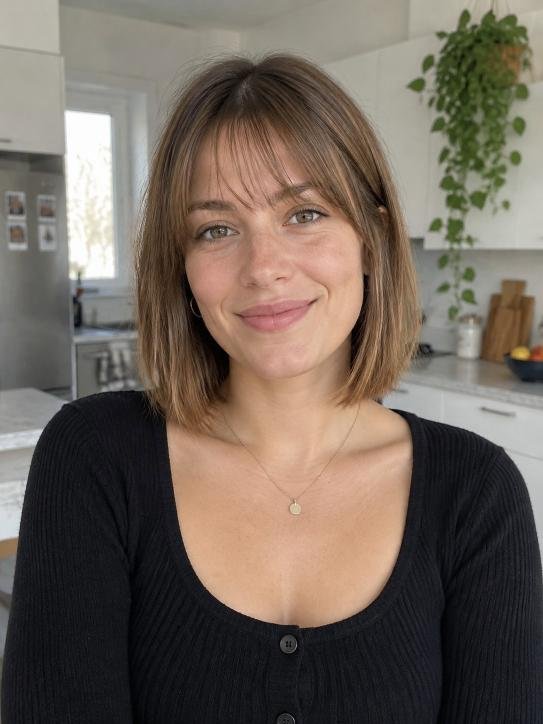
A blunt lob with wispy bangs offers a softer alternative to a full, straight fringe. The bangs are lightly separated and feathered, allowing a little forehead to show through while the main length retains its dense outline. This combination can be especially flattering if you want to change your look without committing to thick bangs.
Wispy fringe can blend naturally with fine hair because it does not rely on a heavy section across the forehead. It also creates a delicate frame around the eyes without making the haircut feel overly formal. The blunt length below balances the softer texture at the front, giving the overall style a pleasing mix of structure and movement.
Styling is relatively simple when the bangs follow their natural direction. Use a small round brush to guide them into place, then allow the rest of your hair to air-dry or smooth it with a blow-dryer. If your fringe separates too much, a tiny amount of lightweight styling cream may help, but avoid applying heavy products near the roots.
Blunt Lob With Curtain Bangs
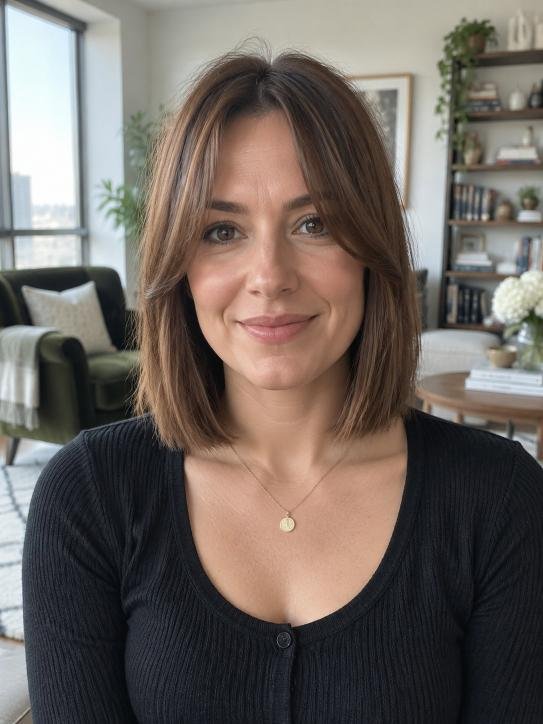
Curtain bangs part near the middle and sweep outward on both sides, creating a soft frame that blends into the rest of the haircut. When paired with a blunt shoulder-length lob, they add movement around the face while allowing the ends to remain full. This is one of the more versatile shoulder length haircuts for women who want a noticeable update without sacrificing length.
The bangs can be shorter around the brows and gradually longer toward the cheekbones, or they can begin at a longer point for a more subtle effect. The best length depends on your face shape, hair texture, and how much time you want to spend styling. For very fine hair, a lighter curtain fringe may preserve more fullness throughout the main haircut.
To style curtain bangs, direct the roots away from the center part with a round brush or blow-dryer. Let the ends curve outward naturally rather than forcing them into a dramatic swoop. Once the fringe is in place, the rest of the lob can remain straight, softly waved, or air-dried for a relaxed finish.
Deep-Side-Part Blunt Lob
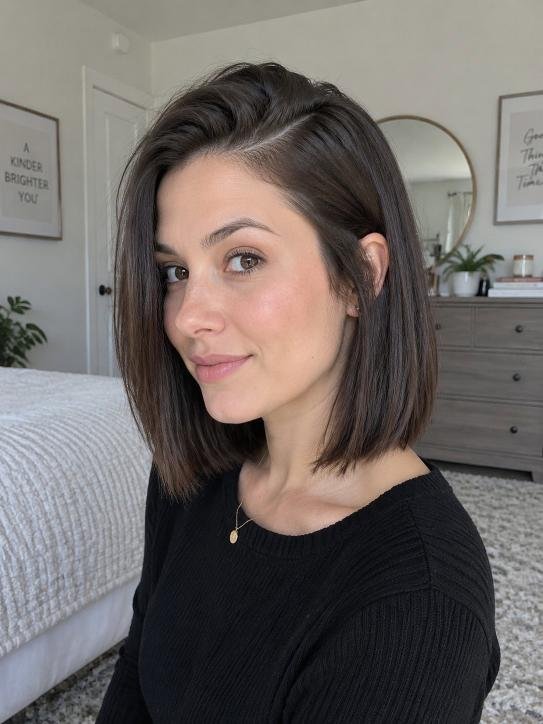
A deep-side-part blunt lob creates instant visual asymmetry by moving the part away from the center of the head. The extra sweep across the top can give fine hair the appearance of more lift and fullness, especially when the roots usually lie flat. Meanwhile, the blunt ends preserve a defined shape that prevents the overall haircut from looking too wispy.
This style is easy to personalize because you can adjust the depth of the part to suit your features. A moderate side part feels natural for daily wear, while a deeper part creates a more dramatic, evening-ready appearance. It is also a useful option if you want to change your hairstyle without cutting bangs or adding layers.
For the best result, create the part while your hair is damp and direct the roots in the desired direction as you dry them. A lightweight root-lifting spray can help the shape last longer, although you may not need one if your hair responds well to a simple blow-dry. The haircut itself remains low maintenance because the length and outline are straightforward.
Middle-Part Sleek Blunt Lob
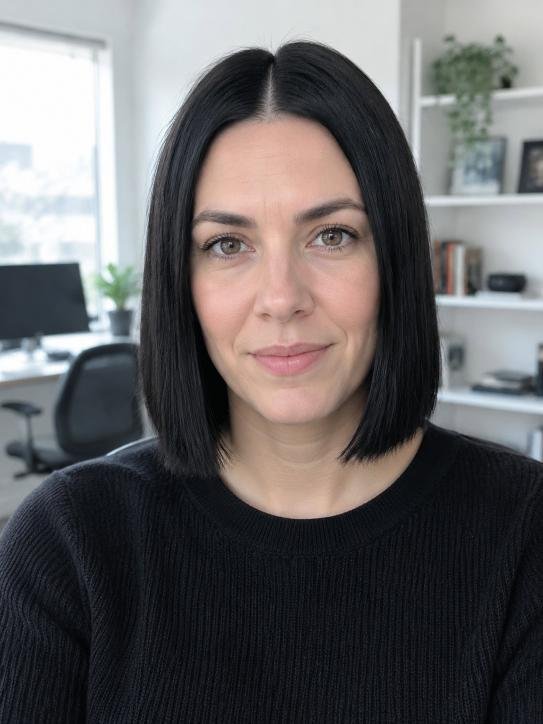
A middle-part sleek blunt lob is a minimalist hairstyle built around smooth strands, a balanced center part, and sharply defined ends. The symmetrical shape gives the haircut a modern, polished appearance that works for casual outfits, professional settings, and dressier occasions. Because the ends are kept even, the style can help fine hair appear denser along the bottom.
The simplicity of this haircut makes the condition of your ends particularly noticeable. Regular trims and gentle hair care can help maintain a clean outline, while excessive heat or overprocessing may leave the ends looking rough. If your hair naturally has some wave, you can still wear this style without straightening it every day; a smoother finish is an option rather than a requirement.
For a sleek result, apply heat protectant and use a blow-dryer with a nozzle to direct the airflow downward. A flat iron can refine the finish if needed, but use the lowest effective temperature for your hair. Finish with a small amount of lightweight serum on the ends instead of coating the roots, which can quickly make fine hair look flat.
Dimensional Babylight Lob
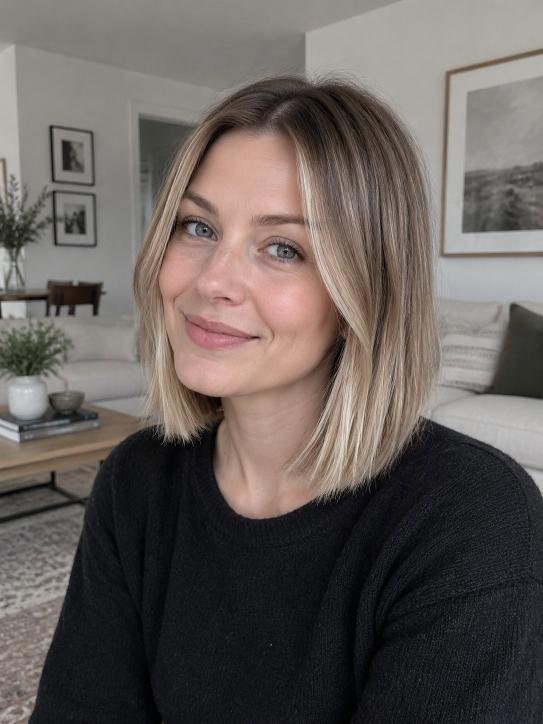
A dimensional babylight lob combines a shoulder-length haircut with very fine highlights that create subtle differences in color. Babylights are generally designed to look delicate and blended, giving the hair a sun-kissed effect rather than a dramatic striped appearance. On a blunt or softly shaped lob, these variations can make the hairstyle look more dynamic as the hair moves.
Color dimension does not physically increase hair density, but the interplay of light and darker tones can create a visual sense of depth. This may be appealing if your hair looks flat in a single, uniform shade. A carefully chosen color combination can brighten your complexion while maintaining a natural-looking finish that works throughout the year.
The main consideration is keeping the hair healthy, particularly if lightener is used. Ask your colorist to assess your hair condition and choose a placement and processing approach that suits your needs. With a blended color pattern, visible regrowth may be less noticeable than with a high-contrast root-to-end color, although maintenance will still depend on your natural shade and chosen result.
Money-Piece Lob
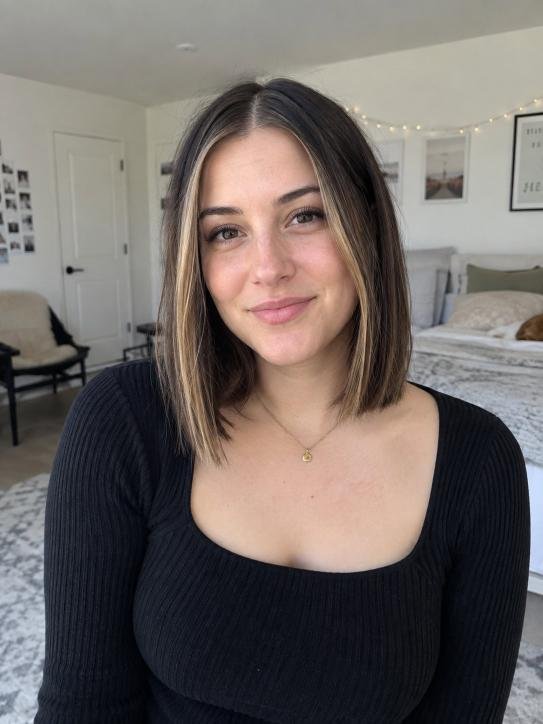
A money-piece lob features brighter face-framing sections around the front of the hair, paired with a shoulder-length cut. These lighter strands create contrast near the face and can make a simple blunt lob feel more customized. It is a good choice if you want a noticeable color change without highlighting the entire head.
The face-framing color can be subtle and close to your natural shade or noticeably brighter for a bolder effect. On fine hair, keeping the main body of the haircut relatively solid helps maintain a fuller-looking outline. Your stylist can also blend the lighter sections into the surrounding color so they complement your complexion rather than appearing disconnected.
Because the lightest pieces are positioned around the face, they can become a focal point even when you wear your hair in a simple style. A center part emphasizes symmetry, while a side part creates a more sweeping effect. Use color-safe hair care if appropriate for your treatment, and discuss how often the face-framing sections may need refreshing before choosing a high-contrast look.
Wavy Air-Dry Blunt Lob
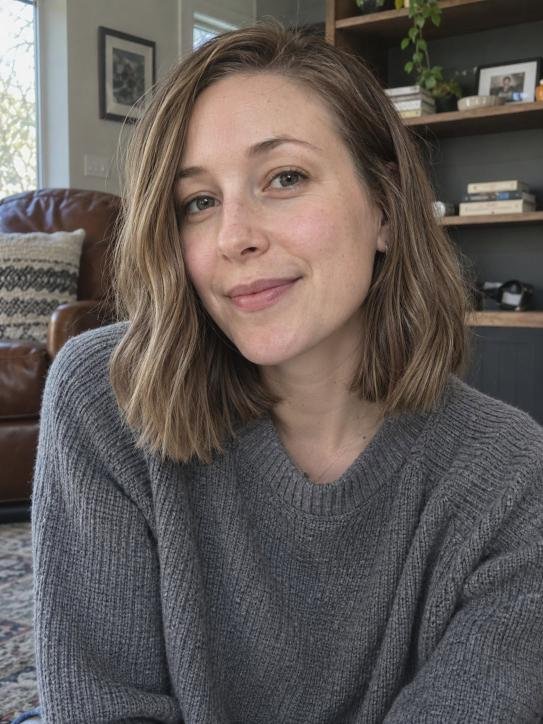
A wavy air-dry blunt lob is designed for women who prefer to work with their natural texture instead of spending time with hot tools. The length usually sits near the shoulders, while the ends remain relatively solid to help fine hair look fuller. Natural waves provide movement through the middle of the hair without requiring heavily layered sections.
This style is particularly convenient if your hair already forms loose bends when it dries. After washing, gently remove excess water with a soft towel, apply a lightweight leave-in product if needed, and allow your hair to dry without excessive touching. Scrunching the hair lightly can encourage the natural wave pattern, but the best technique depends on whether your texture is loose, irregular, or more defined.
If your hair dries very straight, you may need a little extra help from a heatless styling method to create visible waves. The goal is not to force every strand into a perfect pattern but to create a soft, natural finish. A low-maintenance lob works best when the cut supports your usual texture rather than demanding a completely different styling routine.
Blunt Lob on Fine Natural Curls
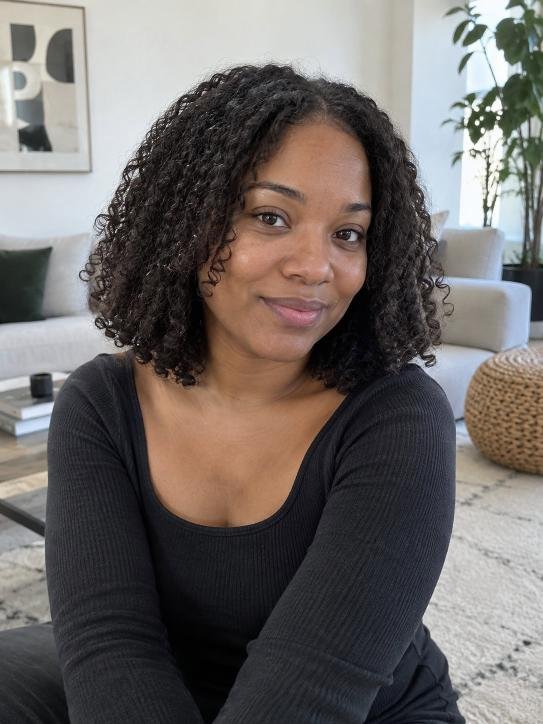
A blunt lob on fine natural curls offers a shoulder-length option for women whose strands are delicate but naturally curly. The key is shaping the hair so the curls form a balanced outline while retaining enough length to prevent the ends from looking sparse. Depending on the curl pattern, the stylist may need to account for shrinkage so the finished cut does not become much shorter than expected.
Although a blunt perimeter can provide visual fullness, curly hair often needs some internal shaping to prevent a triangular silhouette. The goal is to preserve the appearance of density while allowing curls to sit comfortably and move naturally. A stylist experienced with your curl type can determine where a little shaping will improve the silhouette without taking away too much weight.
For daily care, use a moisturizing product that suits fine curls without leaving them coated or heavy. Detangle gently when the hair is wet and conditioned, then allow the curls to dry with minimal disturbance. If you use a diffuser, choose a comfortable heat setting and avoid handling the hair too much while it dries to help maintain definition.
Silk-Press Blunt Lob
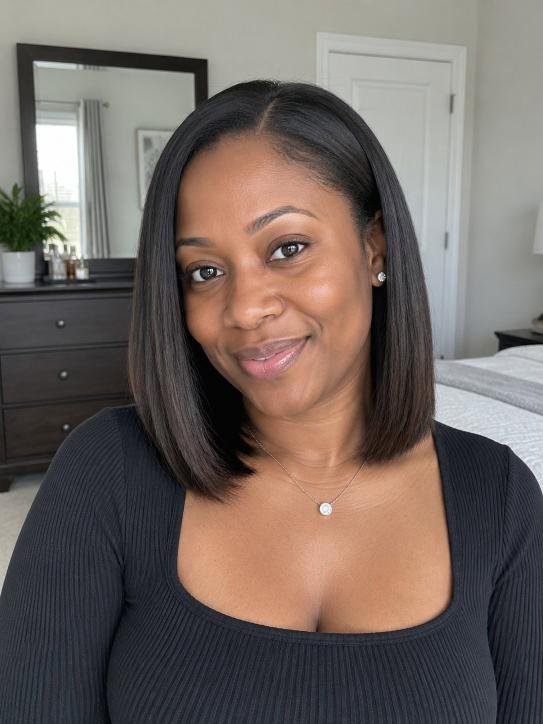
A silk-press blunt lob is a smooth, straightened version of a shoulder-length blunt haircut, often worn by women with naturally textured or coily hair. The haircut’s clean outline creates a sleek finish, while the length gives you room to shape the ends inward or leave them straight. It is an elegant choice when you want a polished style that emphasizes movement and shine.
The haircut and the silk-press technique are separate considerations. The cut determines the shape, while the styling process temporarily straightens the hair using heat. If you have fine strands, the stylist should take your hair’s condition and heat tolerance into account rather than relying on repeated high-temperature passes to achieve a sleek result.
To preserve the finish, many women choose to limit moisture exposure and protect their hair while sleeping. However, natural texture, humidity, and personal hair-care needs will influence how long the straightened look lasts. When the style grows out, the blunt shoulder-length shape can transition into other looks without requiring an immediate major haircut.
Minimalist Grow-Out Lob

A minimalist grow-out lob is designed to remain attractive as it gains length between salon appointments. Instead of relying on a sharply angled shape or a highly layered silhouette, it uses a simple perimeter and restrained shaping that can transition smoothly from shoulder length to a slightly longer cut. This makes it a practical option for women who prefer fewer salon visits.
For fine hair, a relatively even outline can continue to look full as the hair grows. Soft face-framing pieces may be included, but the cut should avoid dramatic differences in length that become difficult to maintain. If you are trying to grow your hair longer, explain that goal to your stylist so the haircut can be designed around your future length as well as its current shape.
Styling remains flexible throughout the grow-out period. You can wear the hair straight, add loose waves, or tie it back when the length becomes more comfortable for ponytails. Although every haircut benefits from occasional attention to damaged ends, a minimalist lob can give you more freedom to schedule trims according to your hair’s condition and preferred appearance.
Point-Cut-Ends Blunt Lob

A point-cut-ends blunt lob combines the fullness of a blunt haircut with a slightly softened finish at the very ends. Instead of leaving every strand in a perfectly straight line, the stylist uses point cutting to create subtle variation along the perimeter. When performed lightly, this technique can make the shape feel less rigid without sacrificing too much visual density.
This haircut is a useful middle ground if you find a completely blunt bob too severe but do not want the thinner appearance that can sometimes result from heavy layering. The ends retain their general weight while gaining a softer, more natural edge. The amount of point cutting matters, especially for fine hair, because excessive texturizing can create a wispy outline.
You can wear this lob straight to show off the subtle edge or add loose waves for a more relaxed finish. It also grows out relatively naturally because the perimeter is not dependent on a highly precise angle. Ask your stylist for restrained point cutting that softens the ends while keeping the overall haircut looking full.
Frequently Asked Questions
Which shoulder length haircuts are best for thin hair?
Blunt one-length lobs, blunt shoulder bobs, and softly beveled lobs are excellent starting points for thin or fine hair because they preserve a strong outline. The even ends can make the hair look denser, while subtle shaping provides movement without removing too much weight. The best choice still depends on your natural texture, face shape, and how much time you want to spend styling.
Do layers make shoulder-length hair look thinner?
Layers do not automatically make hair look thinner, but their placement and amount can change the overall appearance. Heavy layers may remove too much weight from the ends of fine hair, making the perimeter look sparse. Carefully placed crown layers or light face-framing sections can create movement while preserving fullness where it matters most.
Are shoulder length haircuts easy to maintain?
Many shoulder length haircuts are relatively easy to maintain because they offer enough length for different styling options without the weight of very long hair. Blunt lobs and minimalist grow-out cuts are particularly convenient if you prefer simple routines. However, bangs, sharp angles, and heavily sculpted shapes may require more frequent trims to retain their intended appearance.
What is the difference between fine hair and thin hair?
Fine hair describes the thickness of individual strands, while thin hair generally refers to lower overall hair density. Someone can have fine strands and plenty of hair, or thicker strands with less overall density. Understanding the difference helps your stylist choose a cut that suits your actual hair characteristics rather than relying on a single category.
Can shoulder length haircuts make thin hair look thicker?
The right haircut can create the appearance of fuller hair, although it cannot change the actual number or thickness of your strands. Blunt ends, balanced proportions, and limited texturizing often help fine hair look more substantial. A suitable parting, gentle root lift, and a lightweight styling product can further enhance the result.
Which shoulder-length haircut requires the least styling?
A blunt lob with a shape suited to your natural texture is often among the easiest options. If your hair is naturally wavy, an air-dry lob may need very little effort, while naturally straight hair may fall neatly into a blunt one-length cut. Your routine will be simplest when you choose a haircut that works with your hair’s natural behavior.
Are shoulder-length hairstyles suitable for round faces?
Yes, shoulder-length hairstyles can suit round faces, especially when the proportions are customized to your features. An A-line lob, a side-parted blunt lob, or a style with longer face-framing sections can create a more elongated visual effect. The ideal length and parting depend on your individual face shape, hairline, and personal preferences.
How often should I trim a shoulder-length haircut?
The ideal trimming schedule depends on the haircut, your hair’s condition, and how precise you want the shape to remain. Blunt bobs and bangs may need more frequent attention than softer grow-out styles. If your priority is maintaining length, ask your stylist how to keep the ends healthy while removing as little length as practical.
Conclusion
The best shoulder length haircuts are the ones that make your hair easier to manage while giving you a shape you genuinely enjoy wearing. If your hair is fine or thin, start by considering a blunt one-length lob, a softly angled bob, or a simple air-dry style that works with your natural texture. These options can create the appearance of fuller ends without requiring a complicated daily routine.
Think about your lifestyle before choosing a cut. If you enjoy blow-drying, a beveled lob or rounded bob may be worth considering, while a minimalist grow-out lob can be more suitable if you prefer fewer styling steps and salon appointments. Bring a few reference photos to your stylist and explain how your hair behaves on an ordinary day, not just how you want it to look after a professional blowout.
You do not need dramatic layers, frequent styling, or a completely new hair color to refresh your appearance. The right length, a well-shaped perimeter, and a few thoughtful details can make a noticeable difference. Choose the shoulder-length style that fits your hair type and routine, and you will have a flattering haircut that feels just as good on an ordinary morning as it does on a special occasion.