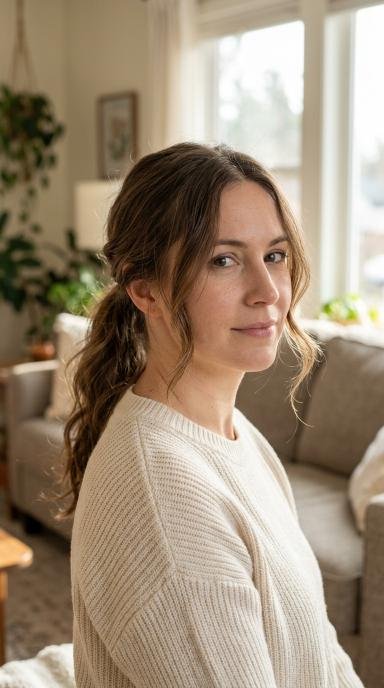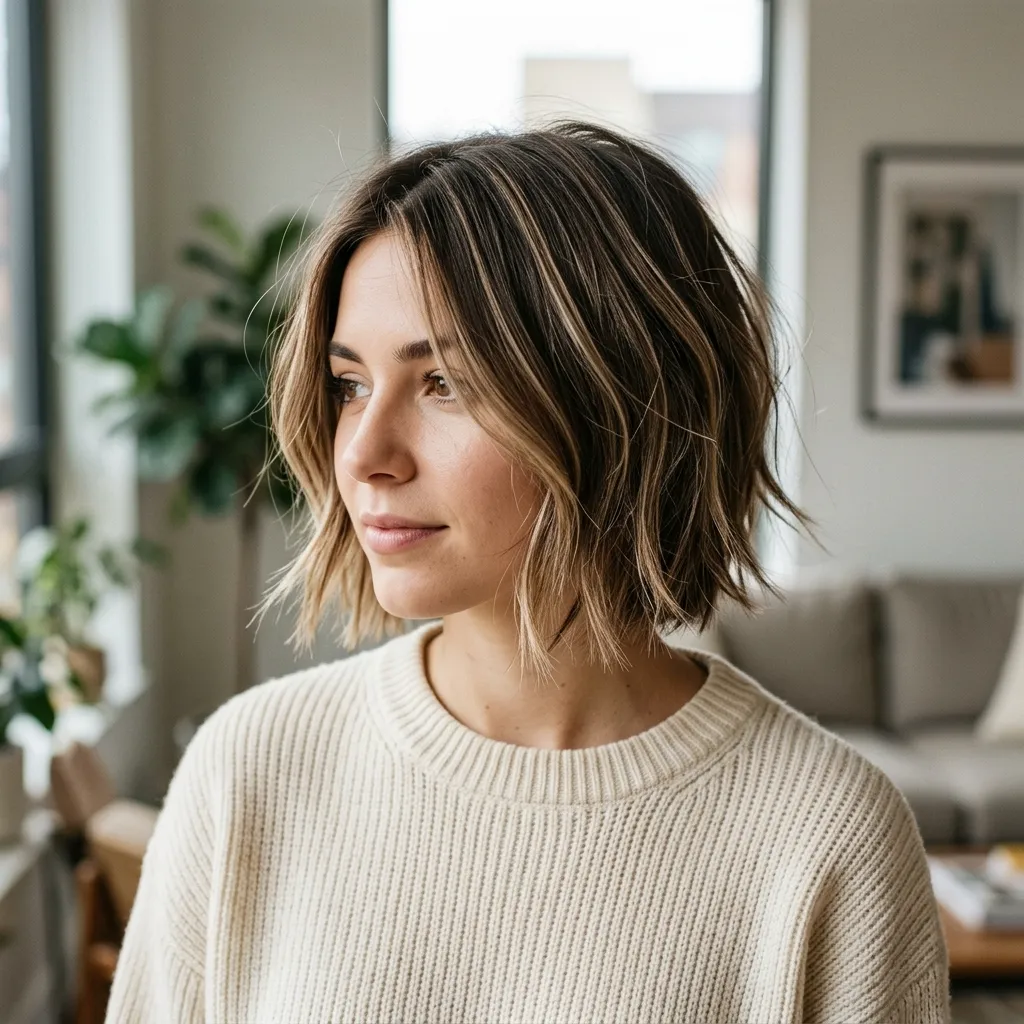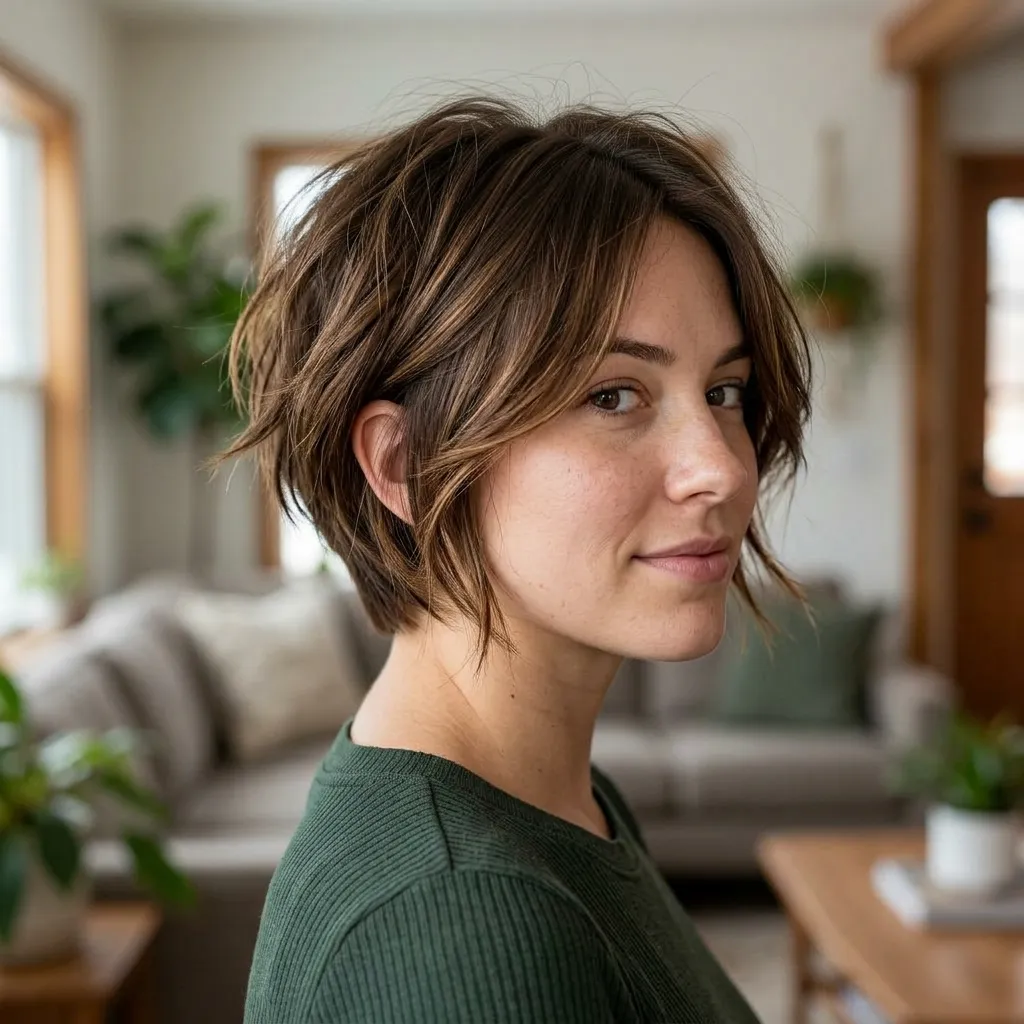
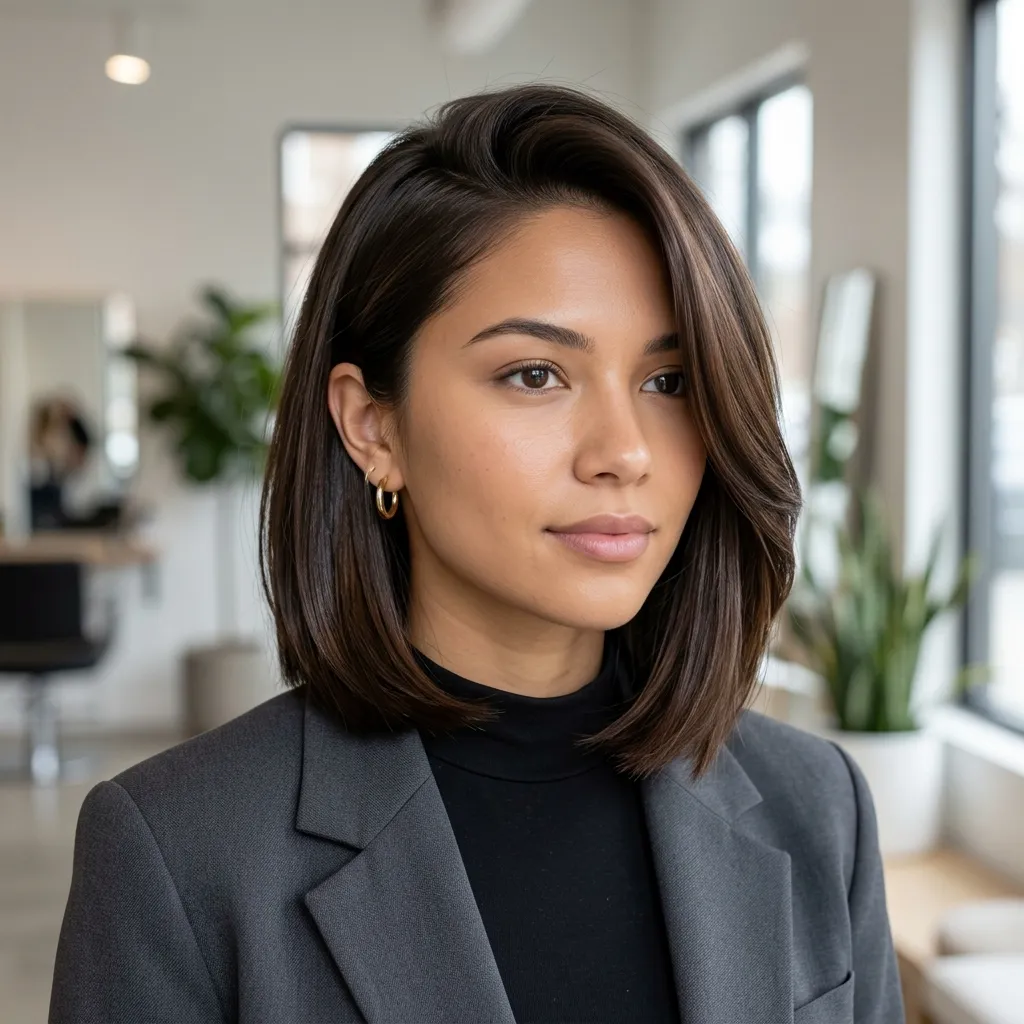
Does your hair tend to fall flat, lose its shape by lunchtime, or look thinner at the ends than you would like? The right haircut can make a noticeable difference without requiring a complicated styling routine. Short Bob Hairstyles are especially appealing for women with fine or thin hair because the right length, shape, and texture can create the appearance of fuller, more balanced hair.
The secret is choosing a bob that works with your natural hair rather than fighting against it. A blunt perimeter can make the ends look denser, while carefully placed layers add movement without removing too much volume. Bangs, subtle highlights, and a flattering part can also change the way your haircut frames your face. Whether you prefer a polished salon finish or an easygoing style you can manage at home, these bob haircut ideas offer plenty of inspiration for your next appointment.
1. Blunt Bob
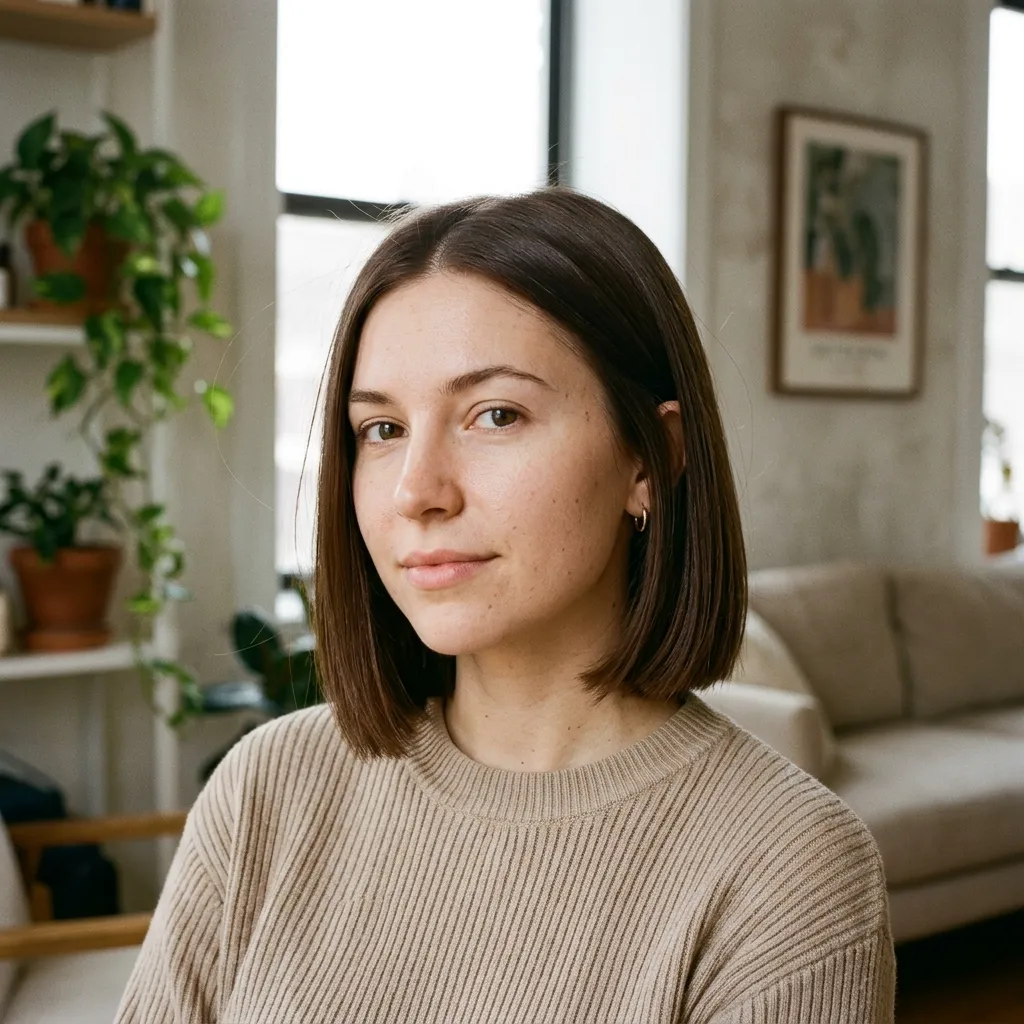
A blunt bob is one of the most reliable choices when you want fine hair to look thicker at the ends. The hair is cut to a relatively even length, creating a clean outline that gives the style a fuller appearance. You can wear it around chin length for a classic shape or slightly below the jaw for a softer, more versatile finish.
For fine hair, the key is keeping the perimeter strong instead of adding too many layers throughout the cut. A lightweight blow-dry with a round brush can lift the roots while keeping the ends smooth and substantial. If your hair naturally sits straight, this style can look polished with very little effort. Ask your stylist to customize the length around your jawline and neck so the shape complements your features.
2. French Bob
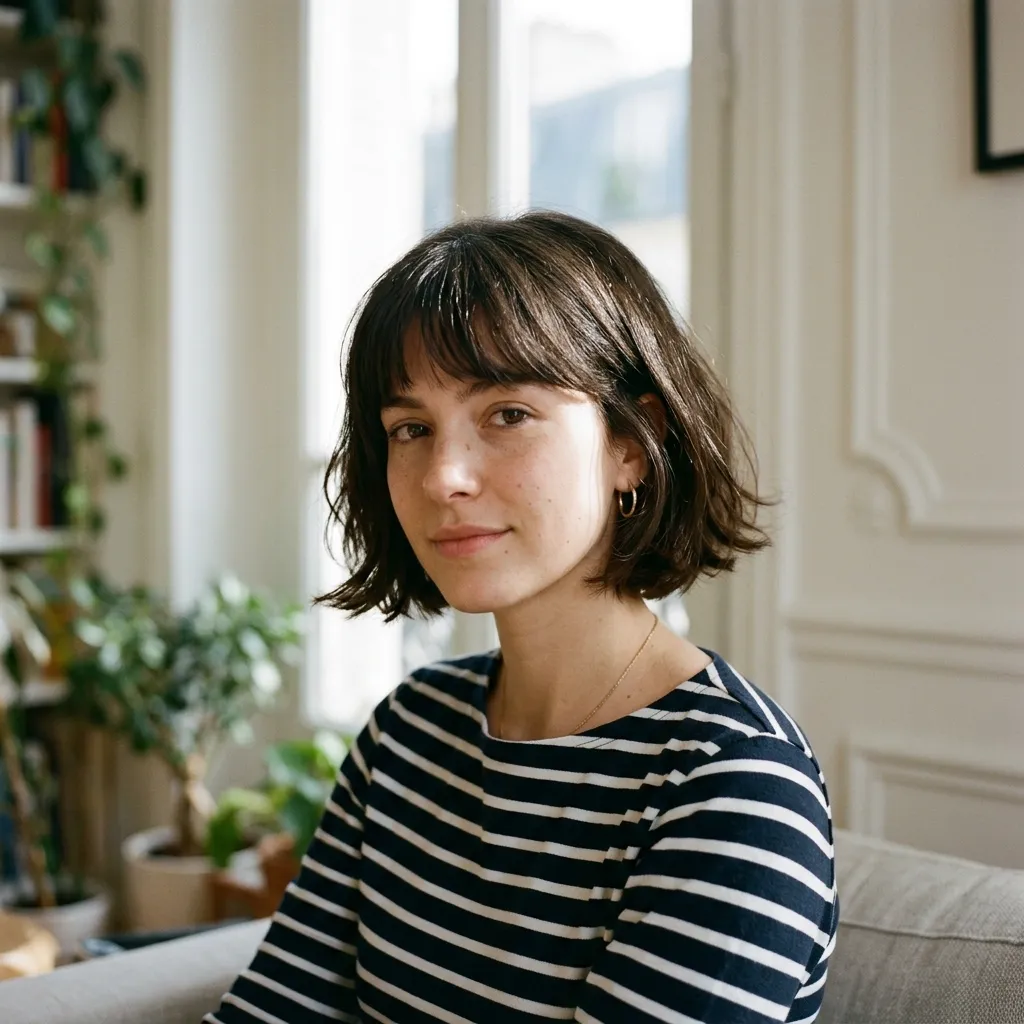
The French bob brings a relaxed, slightly undone feeling to a short haircut. It typically sits around the jaw or cheekbones and often features bangs that give the style its recognizable Parisian character. On fine hair, this shorter length can make the ends appear more substantial while drawing attention to the eyes and cheekbones.
You do not need perfectly styled hair to make this look work. A small amount of lightweight styling cream or texturizing product can help create natural movement without weighing down the strands. Soft bends and a slightly imperfect finish often suit the cut better than stiff, overly controlled styling. If you like a fashionable haircut that still feels casual enough for everyday errands, the French bob is worth considering.
3. Textured Choppy Bob

A textured choppy bob is ideal if your fine hair looks flat when it falls in one solid shape. This cut uses carefully placed layers and piecey ends to create separation and movement, making the hairstyle feel more dynamic. It can look especially attractive on women who prefer a modern, slightly edgy finish instead of a perfectly smooth bob.
The important detail is how the stylist distributes the texture. Too much thinning or aggressive layering can make fine hair look sparse, particularly around the ends. Ask for subtle, controlled texture that adds movement while preserving enough density through the perimeter. For styling, use a small amount of lightweight mousse at the roots and gently tousle the ends with your fingers for an effortless finish.
4. Stacked Bob

A stacked bob features shorter layers at the back that gradually build shape and volume toward the crown. The front usually remains slightly longer, creating a flattering silhouette that feels structured without being overly severe. This shape can be particularly useful if your hair lies flat at the back of your head or looks limp around the nape.
Because the cut relies on its shape, regular trims help maintain the stacked layers and keep the back from losing definition. Fine hair often responds well to a gentle blow-dry that lifts the roots and directs the hair into the intended curve. You can keep the front sleek for a professional appearance or add a little movement around the face for a softer effect. Before choosing this style, discuss how much layering your hair can support without making the ends look thin.
5. A-Line Bob
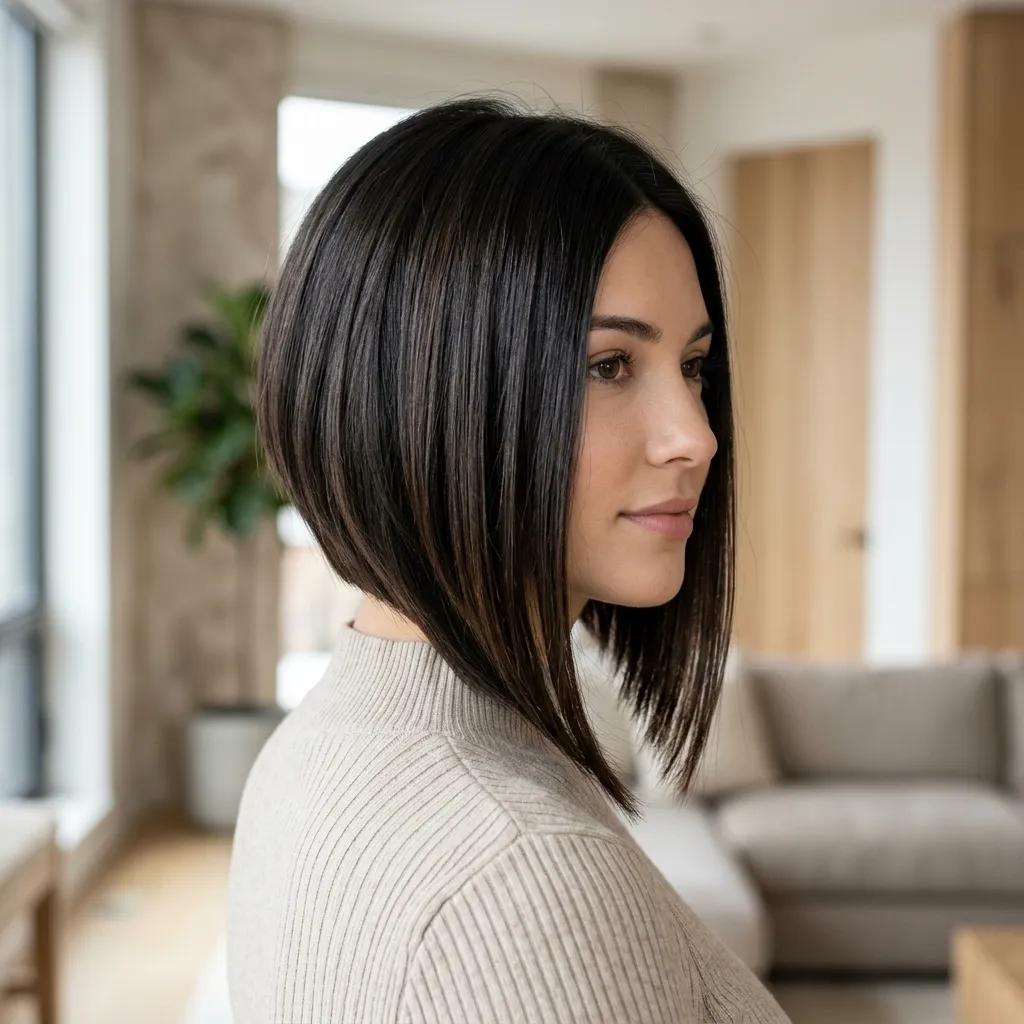
An A-line bob is shorter at the back and gradually becomes longer toward the front. The angled outline gives the haircut a clean, contemporary appearance while adding visual structure around the jawline. For fine hair, this shape can create the impression of a fuller front section without requiring extensive layering.
A subtle angle is often the easiest version to maintain, especially if you want a haircut that works for both casual and professional settings. You can wear it straight to emphasize the precise outline or add a slight bend to soften the edges. If your hair is very fine, ask your stylist to keep the ends relatively solid rather than tapering them too heavily. The result is a polished bob that looks intentional even when your styling routine is simple.
6. Rounded Bob
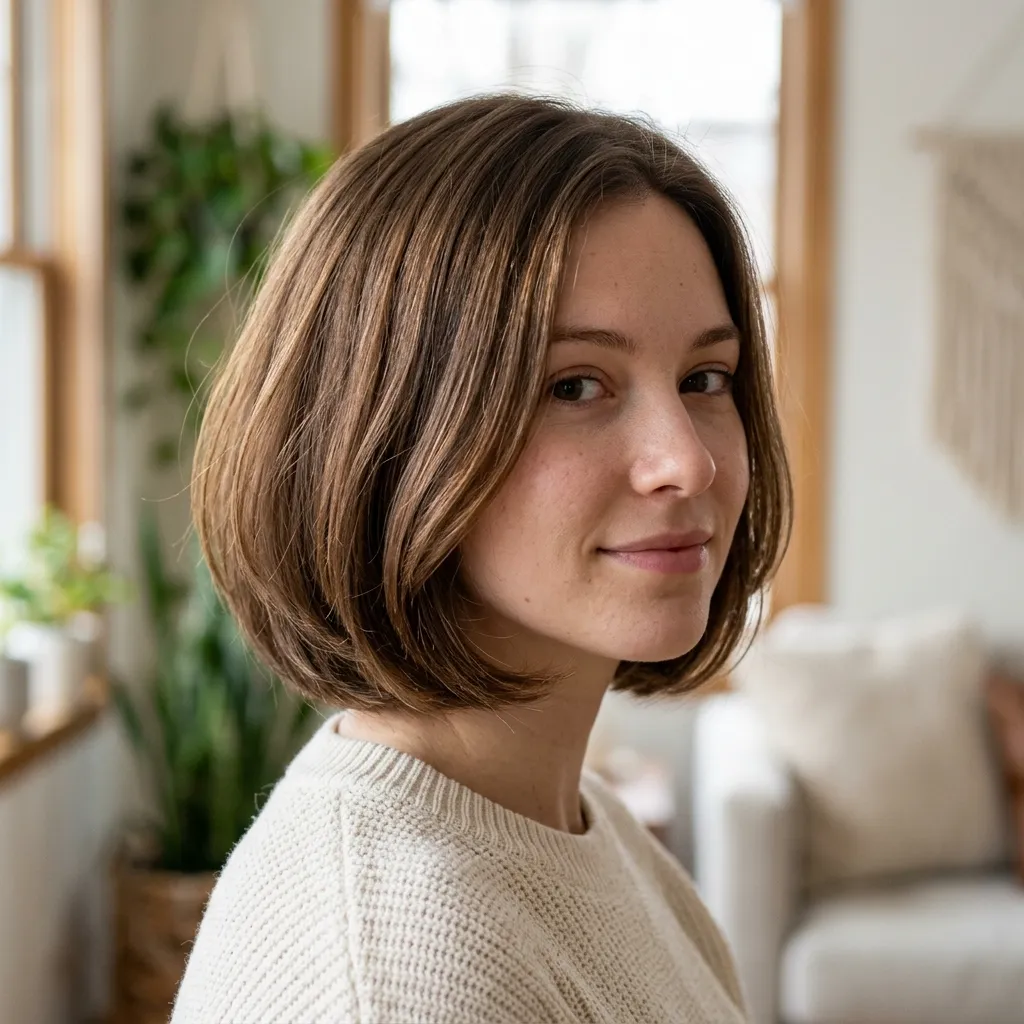
A rounded bob has a softly curved silhouette that follows the shape of the head and creates a smooth, balanced finish. The cut can be slightly shorter at the back, with the sides curving gently toward the chin. This rounded shape is a good option for fine hair because it can create the appearance of body without depending on dramatic layers.
The best version should feel light and natural rather than overly helmet-like. Your stylist can adjust the graduation and length according to your hair density, natural growth pattern, and face shape. For styling, use a round brush to direct the hair inward and lift the roots as you dry. A light finishing cream can smooth flyaways, but avoid applying too much product near the scalp, where it may make your hair appear flatter.
7. Box Bob
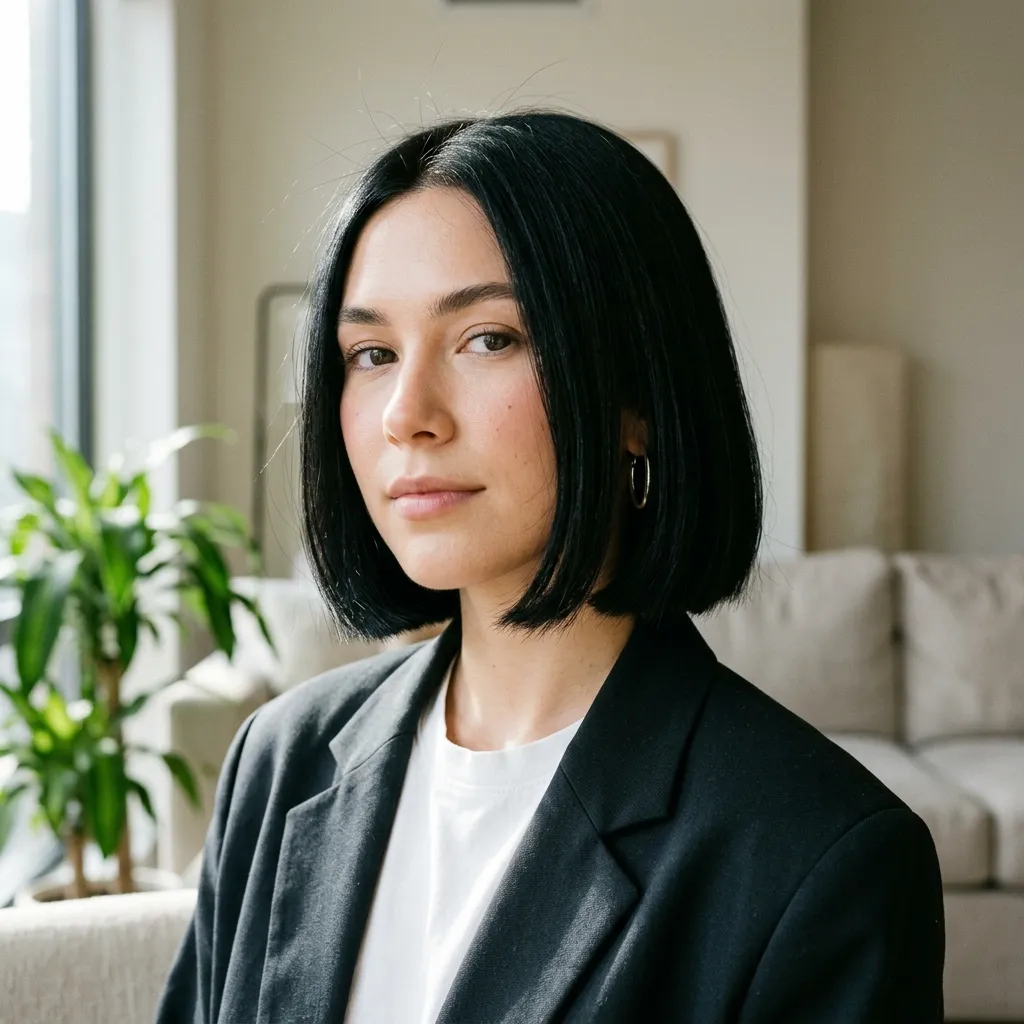
The box bob is defined by its strong, squared-off shape and relatively blunt ends. Instead of relying on lots of layers, it uses a clean outline to give the haircut a fuller, more substantial appearance. This makes it an interesting option for women with fine hair who want a modern cut that feels bold but remains easy to wear.
A chin-length box bob can emphasize the jawline, while a slightly longer version offers more room to customize the shape around the face. The style often looks best when the ends appear crisp and the overall silhouette remains balanced. If your hair has a natural wave, you can let that texture soften the squared shape rather than trying to make every strand perfectly straight. A simple blow-dry and a small amount of smoothing product are usually enough to bring out its clean lines.
8. Micro Bob
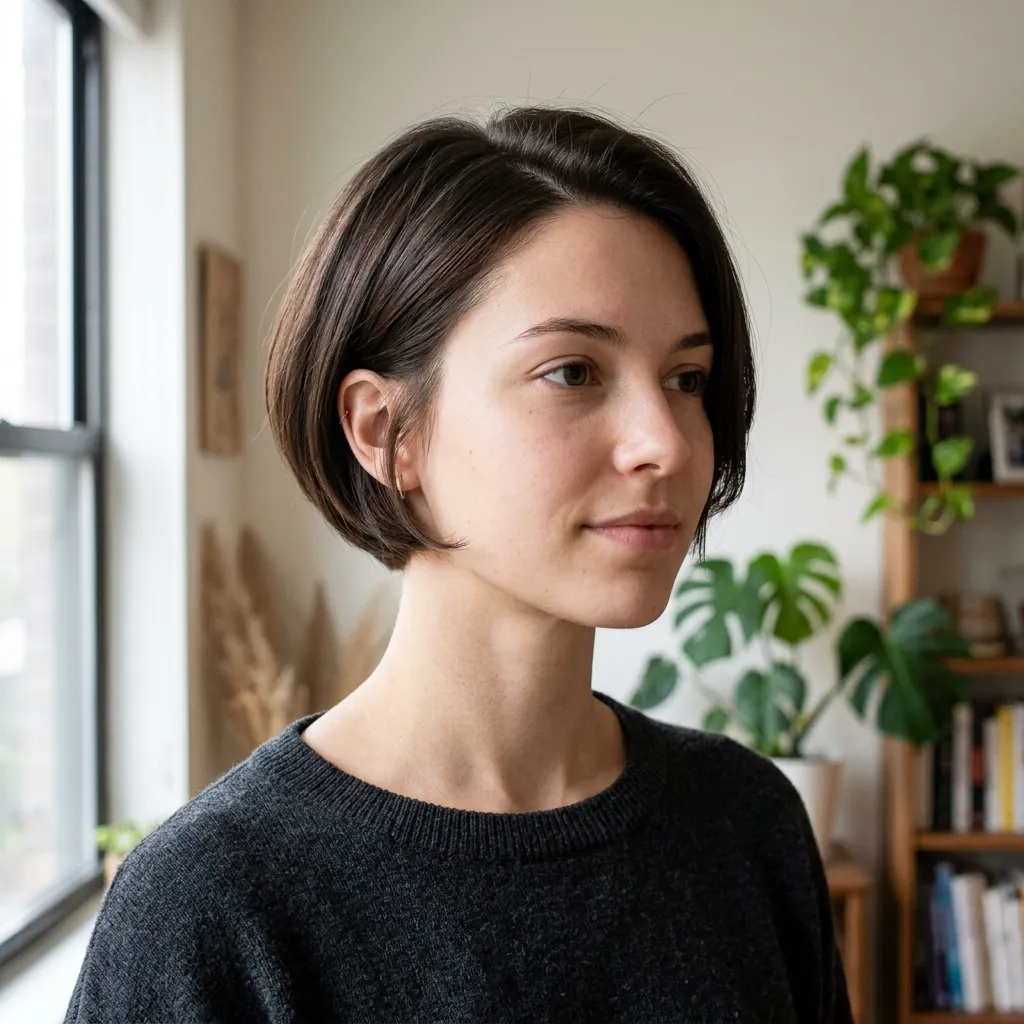
A micro bob is an extra-short bob that usually sits above the jawline, sometimes close to the cheekbones or ears depending on the cut. Its compact length can make fine hair feel lighter and easier to manage, while the shorter outline creates a distinctive, fashion-forward look. Because the hair does not have much length to pull it down, some women also find it easier to maintain lift at the roots.
This cut is especially appealing if you enjoy showing off your facial features and prefer a hairstyle that does not require much daily styling. However, the exact length matters because a very short bob can emphasize the cheeks or jaw more than a longer version. Ask your stylist to consider your face shape, hairline, and natural part before removing significant length. A tiny amount of lightweight styling paste can define the ends without making the hair look greasy or stiff.
9. Italian Bob
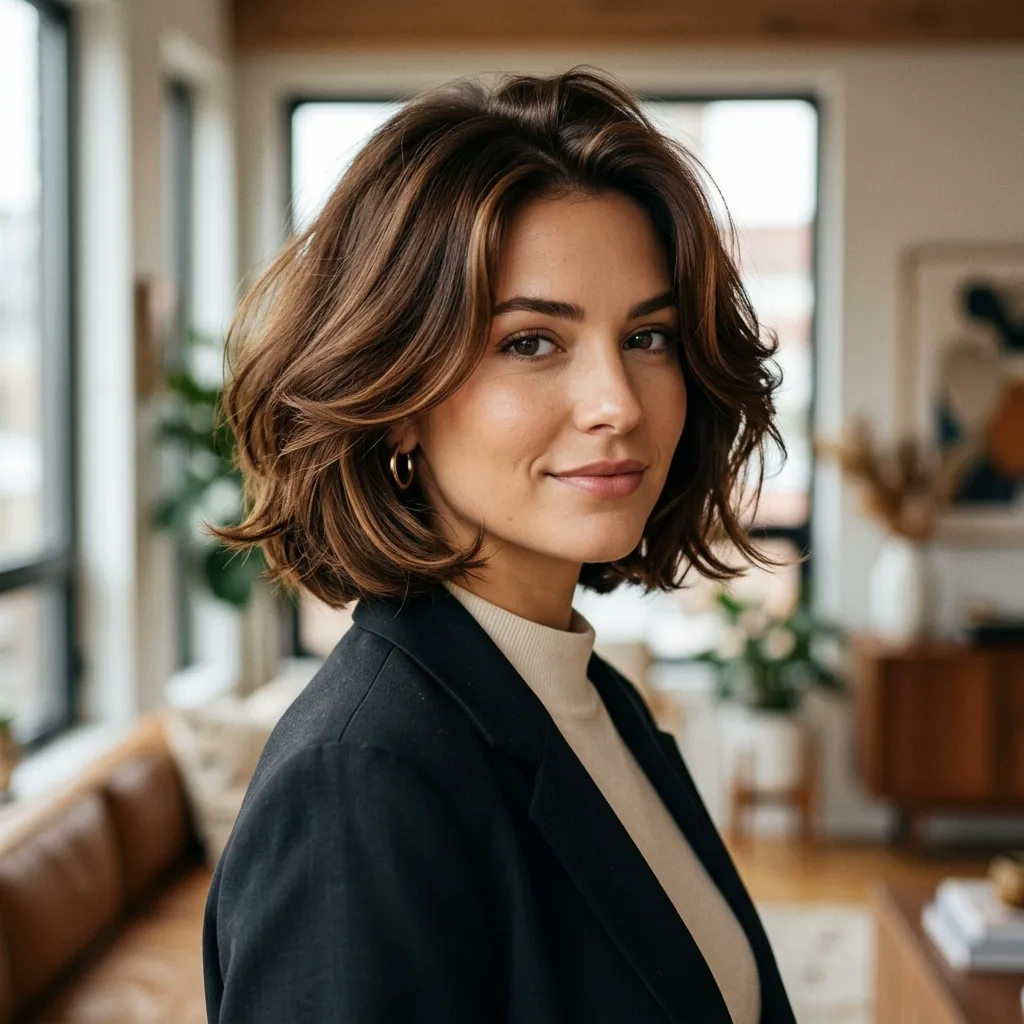
The Italian bob is known for its fuller shape, soft movement, and slightly glamorous finish. It often sits around the chin or just below it, with enough length to create a bouncy, brushed-out appearance. For fine hair, this balance can be appealing because it offers movement without making the haircut depend on lots of visible layers.
A gentle blowout can help create the rounded body associated with this style. Use a round brush to lift the roots and curve the ends, then allow the hair to cool before brushing through it lightly. If your hair is naturally straight and fine, a small amount of volumizing mousse can help the shape last longer. The Italian bob is a lovely choice if you want something polished for work or dinner but still wearable on ordinary days.
10. C-Curl Bob
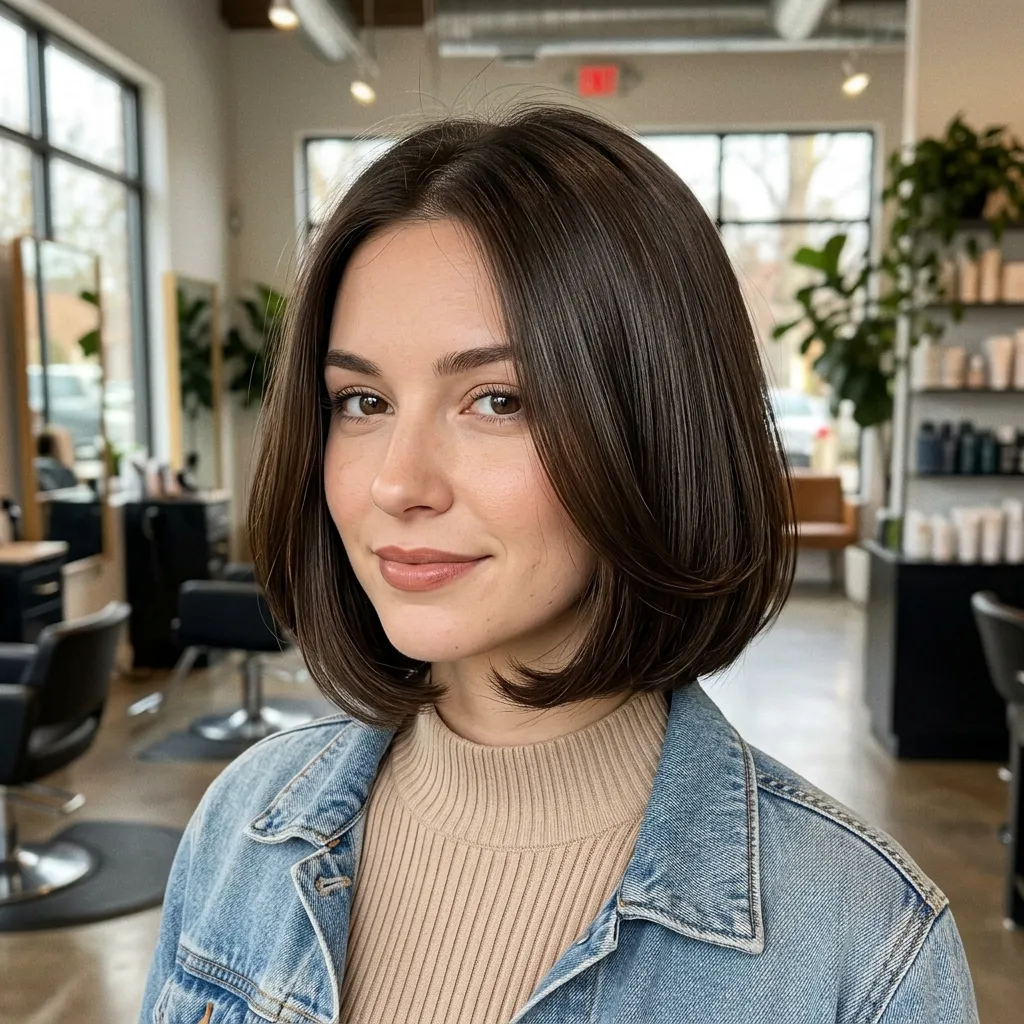
A C-curl bob features ends that curve inward or outward in a soft, rounded shape, creating a smooth finish that resembles the curve of the letter C. The cut is often worn around the chin or slightly below it, where the curved ends frame the face. On fine hair, this styling technique can make a simple bob look more finished without requiring additional layers.
The direction of the curl changes the overall effect. Inward-curving ends create a classic, neat appearance, while a slight outward flick can feel more playful and contemporary. You can achieve the shape with a round brush, a blow-dry brush, or a suitable heat-styling tool. Keep the styling product lightweight so the ends remain bouncy instead of dropping flat shortly after you finish.
11. Wavy Bob
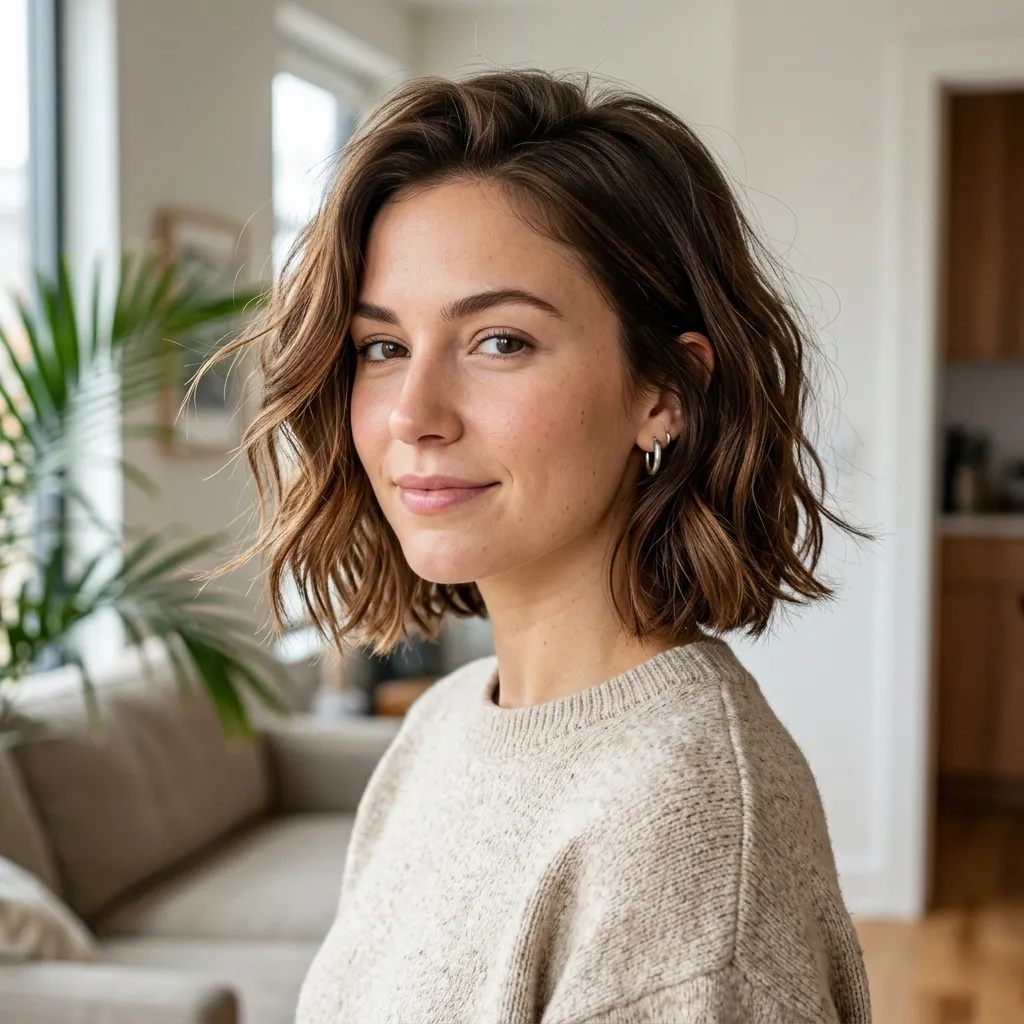
A wavy bob adds soft bends and natural movement to a short haircut, making it a good choice if your fine hair looks too flat when worn completely straight. The waves create visual dimension, allowing light to catch different sections of the hair. Depending on your preference, the cut can sit at the jaw, chin, or just above the shoulders.
The most flattering version usually has waves that look flexible rather than stiff or overly defined. If your hair has a natural wave, apply a lightweight leave-in product and let it air-dry or use a diffuser on a gentle setting. For naturally straight hair, a curling wand can create loose bends, but leaving the ends slightly straighter often keeps the style modern. Avoid heavy oils and thick creams, which can reduce movement and make fine strands look separated.
12. Bob with Soft Face-Framing Layers

Soft face-framing layers add gentle movement around the cheeks, jawline, and chin without dramatically changing the overall bob shape. They can help the haircut feel less rigid and create a smoother transition between the front sections and the rest of the hair. This is a useful option if you want a little dimension but do not want to sacrifice the appearance of fullness.
For fine hair, face-framing layers should be tailored carefully. Short, excessive layers around the front can sometimes leave the ends looking wispy, especially if your hair is already thin. Ask for subtle shaping that blends into the rest of the cut and preserves enough weight around the bottom. You can style the front pieces away from your face for a lifted look or let them fall naturally for a softer, everyday finish.
13. Bob with Curtain Bangs

Curtain bangs split near the middle and sweep gently toward each side of the face. When paired with a bob, they create a flattering frame that can soften the forehead and highlight the eyes. The longer edges blend into the sides of the haircut, making them a flexible choice if you want bangs without committing to a heavy, straight fringe.
For fine hair, the bangs should not be cut so thick that they remove too much fullness from the rest of the style. A lighter, blended version can provide movement while keeping the front from looking overly dense compared with the sides. You may need a quick blow-dry to direct the bangs away from the face, especially if your hair has a strong natural part. Once styled, curtain bangs can make a simple bob feel more customized and current.
14. Bob with Side-Swept Bangs

Side-swept bangs create a diagonal line across the forehead, adding softness and movement to a short bob. They can help balance the face and blend naturally into the longer sections around the temples. If you prefer a hairstyle that feels classic rather than dramatic, this fringe is an easy way to update your haircut without changing its entire silhouette.
This style can work well for fine hair because the bangs can be kept relatively light and directed to one side for natural lift. A small round brush or a blow-dry brush helps guide the fringe into place, while a little root-lifting product can prevent it from lying flat. You can pair side-swept bangs with a blunt bob for a clean finish or a subtly layered bob for more movement. The key is making sure the fringe blends smoothly into the sides rather than appearing disconnected.
15. Bob with Wispy Bangs

Wispy bangs are soft, lightweight, and slightly separated rather than thick and solid. They add detail around the forehead while allowing some skin to show through, creating an airy finish that works beautifully with short bobs. This can be a particularly appealing option if you want bangs but worry that a heavy fringe might overwhelm your features.
Because the strands are fine, the bangs need careful shaping to avoid looking uneven or sparse. Your stylist can create a soft fringe that follows your natural hairline and blends into the rest of the cut. For daily styling, a quick blow-dry with a small brush may be enough to keep the fringe from splitting in unwanted places. Use very little product near the forehead, since excess styling cream can separate the strands too much and make the bangs appear greasy.
16. Deep Side Part Bob
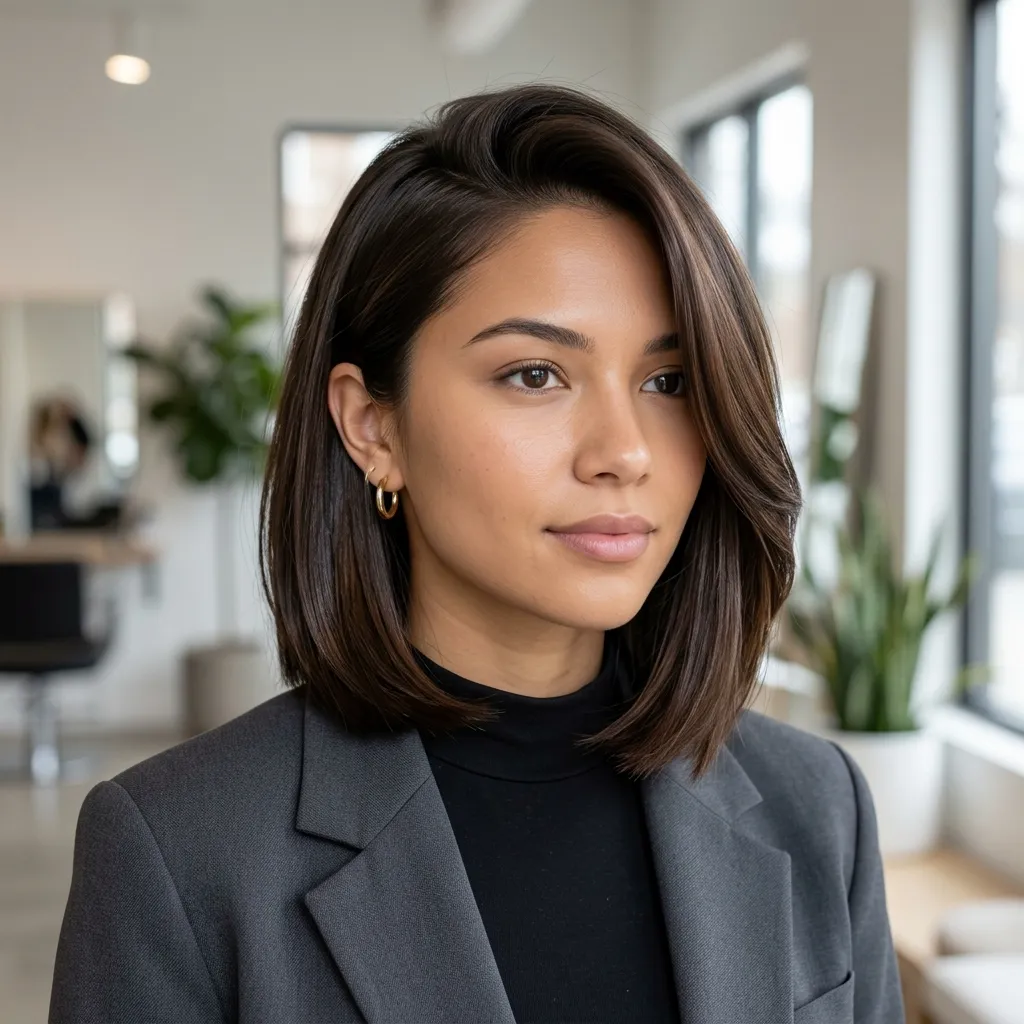
A deep side part changes the balance of a bob by moving the parting noticeably away from the center. This creates a sweeping section of hair across the forehead and can give the roots an immediate lift. For fine hair that tends to sit close to the scalp, changing the part is a simple way to create the appearance of added volume without cutting extra layers.
The style can look sleek and professional when paired with a blunt bob, or more relaxed when worn with a wavy or textured cut. To keep the roots lifted, dry the hair in the opposite direction first and then sweep it into the desired part. You can also use a lightweight mousse before blow-drying if your hair struggles to hold shape. If your natural part repeatedly returns to its usual position, work with your stylist to find a side placement that feels comfortable and stays manageable.
17. Babylights Bob
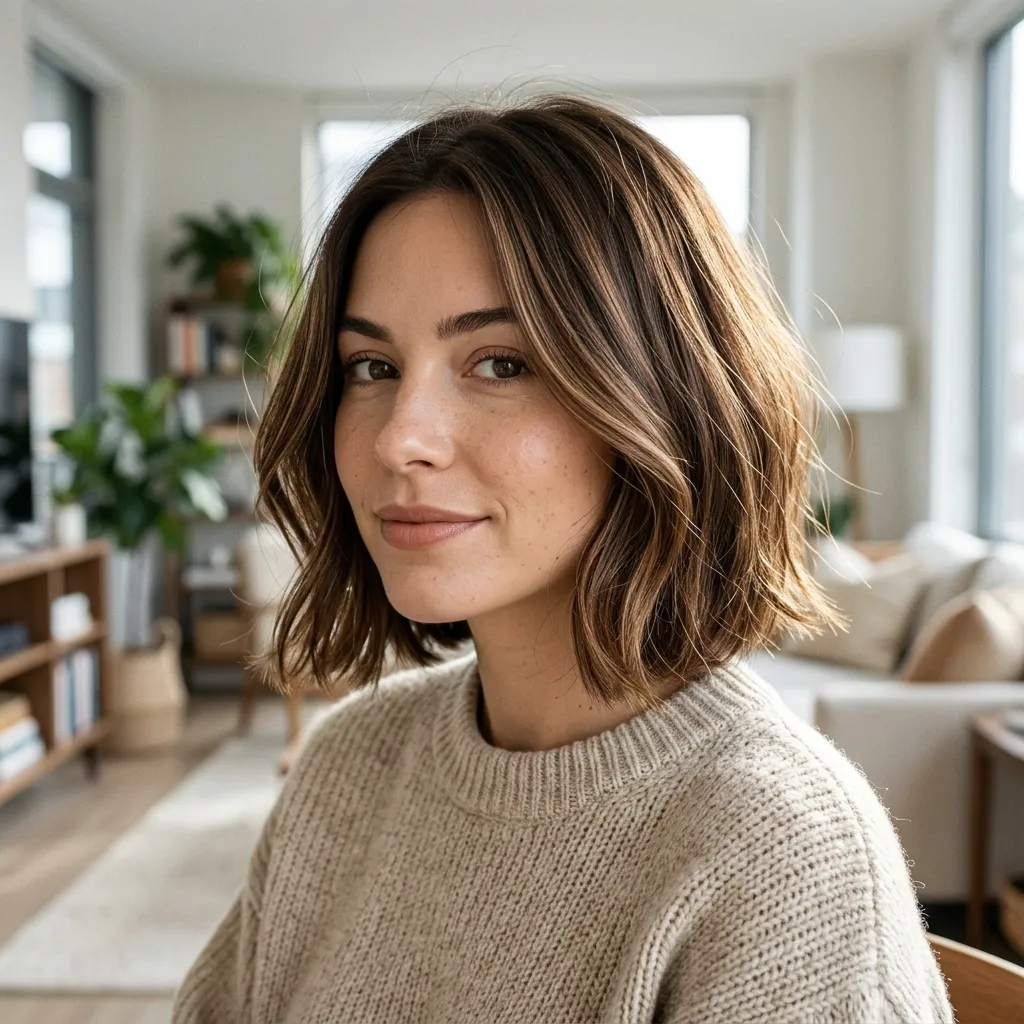
Babylights are very fine highlights designed to create subtle dimension throughout the hair. When added to a bob, they can make the cut look more detailed by introducing delicate shifts in color that catch the light. For fine hair, this soft variation can help the hairstyle appear more dimensional, especially when the base color and highlights are chosen to complement each other.
The goal is a natural-looking blend rather than strong stripes or dramatic contrast. Your stylist can place lighter pieces around the face and through selected sections to enhance the haircut’s shape. Keep in mind that lightening treatments can affect hair condition, so it is worth discussing your hair’s strength and maintenance needs before coloring. A gloss or suitable color-care routine can help maintain shine and keep the finished bob looking healthy.
18. Shadow Root Bob
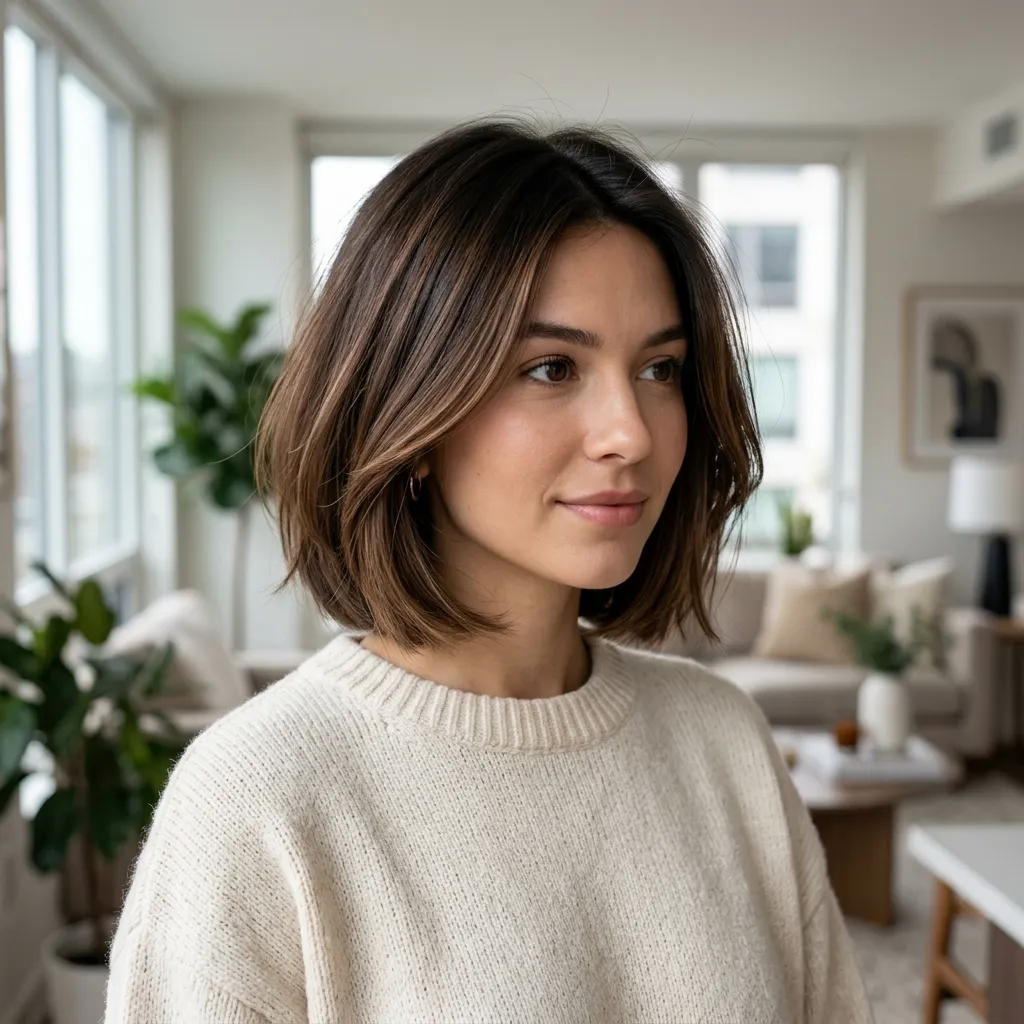
A shadow root bob combines a slightly darker root area with lighter lengths or ends. The gradual contrast creates depth near the scalp and gives the color a softer, more blended appearance as it moves through the haircut. It can also be practical for women who want a dimensional color without needing their roots to look perfectly matched as their hair grows.
This technique works with many bob shapes, including blunt, wavy, and softly layered versions. On fine hair, a shadow root can create the visual impression of depth, while lighter sections add movement around the face. The exact color placement should depend on your natural shade, skin tone, and preferred maintenance level. Ask your colorist to avoid excessive lightening if your hair is delicate, and choose a finish that leaves the strands shiny rather than dry.
19. Money-Piece Bob
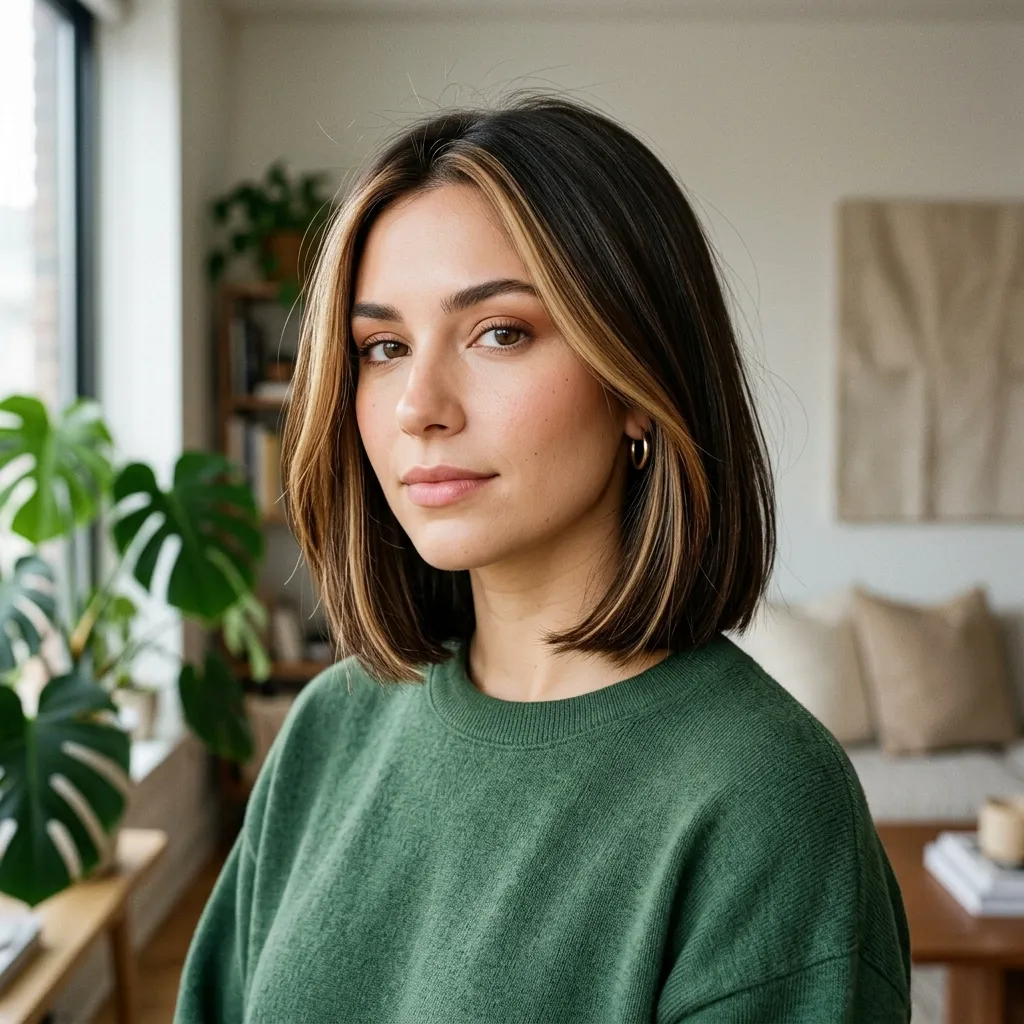
A money-piece bob features lighter sections at the front that frame the face and contrast with the rest of the hair. These brighter pieces can make the eyes and cheekbones stand out while giving a short haircut a more noticeable color detail. Because the bob is relatively compact, even a small amount of face-framing color can have a strong visual effect.
For a subtle result, choose front highlights that are only a few shades lighter than your base color. If you enjoy a bolder look, a higher contrast can create a more striking finish, especially on a dark brunette base. Fine hair can benefit from this kind of dimension, but the color should be planned carefully to avoid making the front sections appear dry or fragile. A color-safe shampoo and regular conditioning can help preserve the shine that makes this style look fresh.
20. Silver Bob
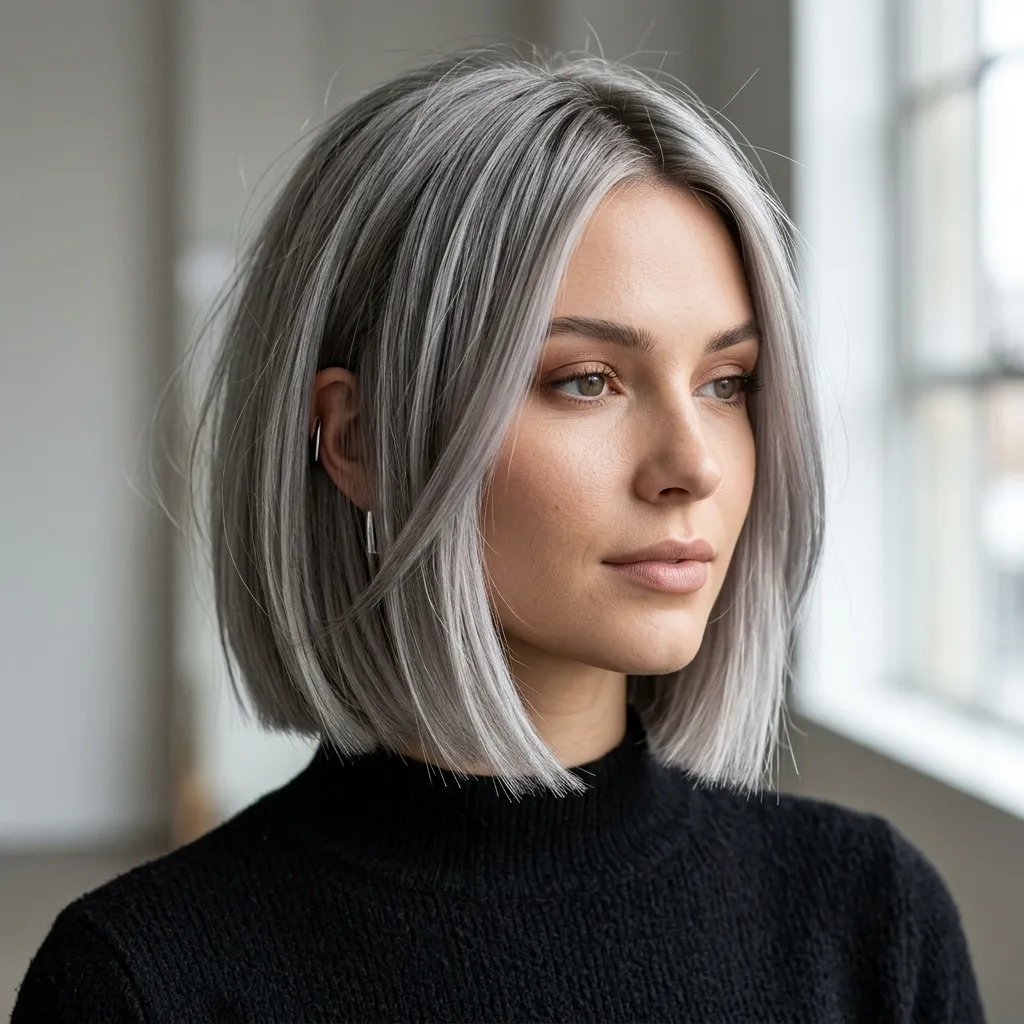
A silver bob offers a sophisticated way to wear gray or silver tones in a short, structured haircut. It can look sleek and modern in a blunt shape or softer and more relaxed with a little movement around the face. Women who are embracing their natural gray can also use a bob to give their hair a deliberate, well-shaped outline.
Silver color can require careful upkeep, particularly when achieving a cool, bright shade from darker hair. Your stylist can explain whether lightening or toning is appropriate for your hair’s condition and how often the color may need refreshing. For naturally gray hair, a gentle purple shampoo used as directed may help reduce unwanted yellow tones, although it is not necessary for everyone. A smoothing conditioner or lightweight shine product can make the haircut look polished without weighing the roots down.
21. Feathered Bob
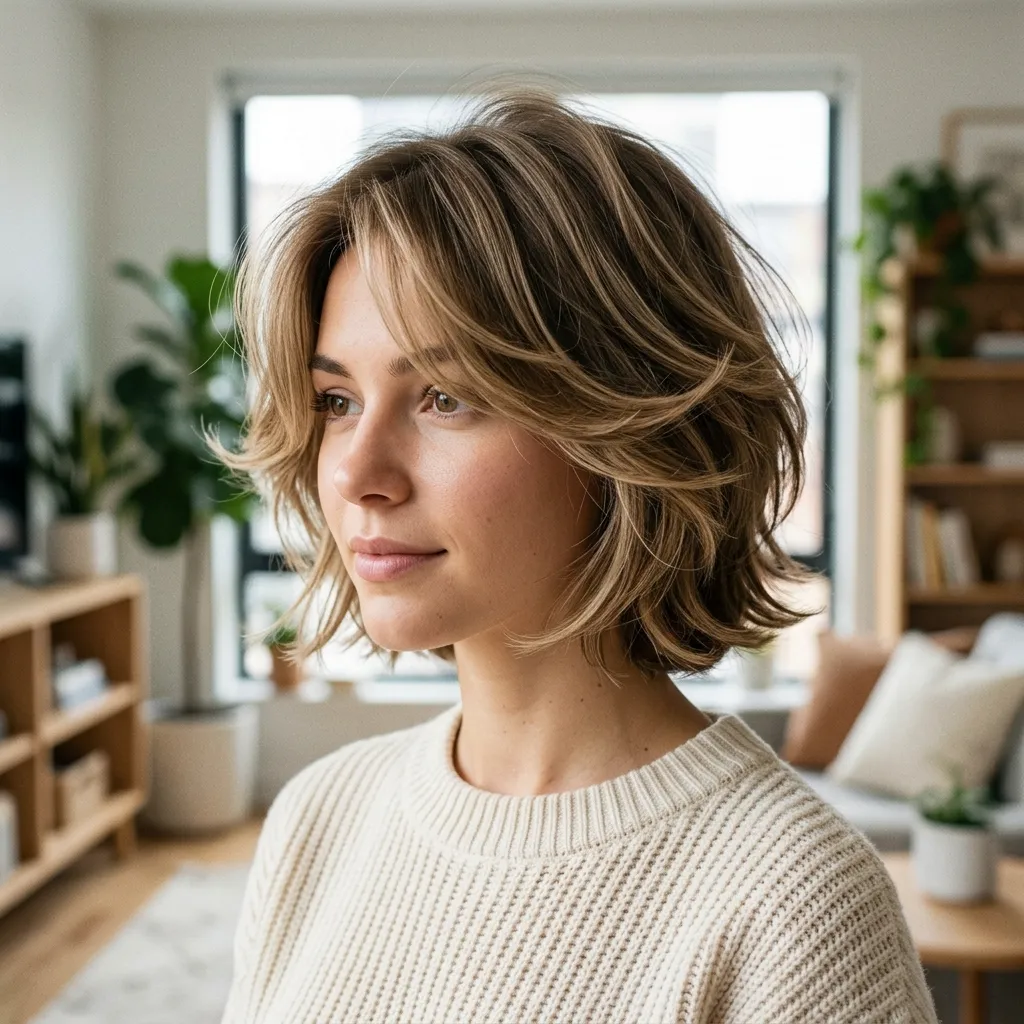
A feathered bob uses soft, tapered sections to create movement around the face and through the ends. Rather than looking sharply cut, the hair appears light and flowing, with pieces that gently curve away from or toward the face. This style can be especially attractive if you want a softer finish than a blunt bob but still want to keep your hair short.
With fine hair, feathering should be subtle enough to preserve the overall density of the cut. Too much thinning at the ends can make the hairstyle look wispy, so ask your stylist to create movement without removing unnecessary weight. A round brush can lift the front sections and encourage the feathered pieces to fall into place. If you prefer a more casual finish, a little lightweight mousse and finger styling can create soft separation without making the hair look overly styled.
22. Silk-Press Blunt Bob
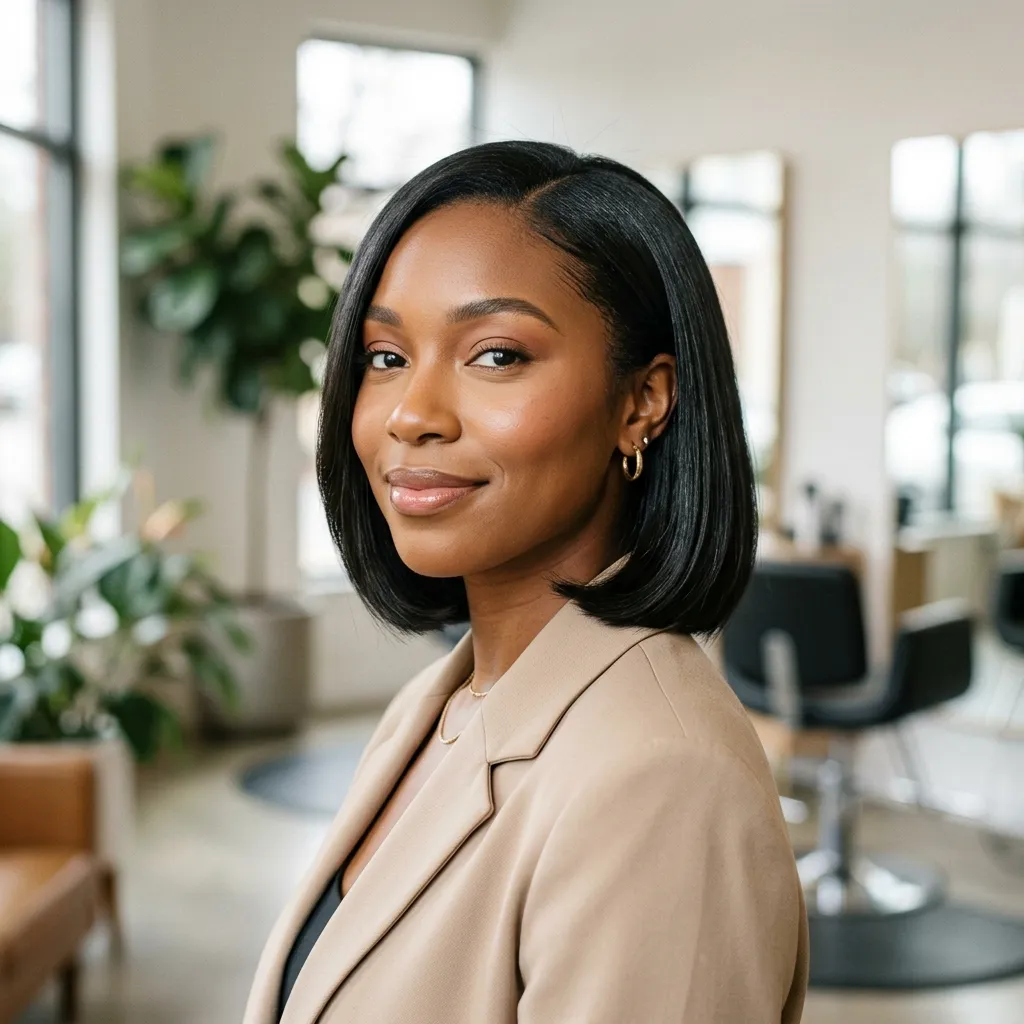
A silk-press blunt bob pairs the clean outline of a blunt haircut with the smooth, flowing finish of a silk press. It is a striking option for Black women who enjoy wearing their natural hair temporarily straight while maintaining a precise bob shape. The even ends can make fine strands appear more substantial, while the smooth finish highlights the haircut’s geometry.
Heat protection and careful technique are especially important when styling textured hair with heat. A professional stylist can assess your hair’s condition, choose an appropriate approach, and help reduce unnecessary heat exposure. At home, avoid repeatedly passing hot tools over the same section or using excessive heat to force the hair into place. The finished look should feel soft and movable rather than stiff, with a clean perimeter that complements your face.
Frequently Asked Questions
Which short bob hairstyle makes fine hair look thicker?
A blunt bob is often a strong choice because its even perimeter creates the appearance of denser ends. A box bob or a softly rounded bob can offer a similar effect when the shape is tailored to your hair. The best option depends on your natural texture, hairline, and how much styling you want to do each day.
Are short bob hairstyles good for thin hair?
Yes, short bob hairstyles can work well for thin hair because removing excess length may make the hair easier to style and help it retain shape. However, the cut should be designed around your actual density rather than a trend alone. Keeping the ends relatively full and avoiding excessive thinning can help the hair look more substantial.
Should women with fine hair choose layers or a blunt bob?
A blunt bob is a useful starting point if your main goal is to make the ends look fuller. Soft layers can add movement, especially around the face, but too many layers may reduce the appearance of density. Your stylist can combine a strong perimeter with a small amount of carefully placed layering to achieve both fullness and movement.
What bob length is best for fine hair?
Chin-length and jaw-length bobs are popular options because they balance manageability with enough length to frame the face. A shorter micro bob can feel light and modern, while a longer bob may offer more styling flexibility. The ideal length depends on your face shape, neck length, natural texture, and whether you prefer a sleek or voluminous finish.
How can I style a short bob to add volume?
Start with a lightweight volumizing mousse or root-lifting product, then blow-dry the roots while directing them away from their usual position. A round brush can create lift and gently shape the ends without making the haircut look stiff. Try changing your part occasionally, and avoid applying heavy oils or creams close to the scalp if your hair tends to fall flat.
Do bangs work with fine hair and a short bob?
Yes, bangs can complement fine hair when their thickness and shape are chosen carefully. Curtain bangs, side-swept bangs, and wispy bangs can frame the face without requiring a very dense fringe. If your hair is especially thin around the front, discuss the amount of hair needed for bangs before committing to a cut.
How often should a short bob be trimmed?
The timing depends on the exact cut and how quickly your hair grows. A precise blunt or stacked bob may need more frequent trims to preserve its outline, while a relaxed textured bob can sometimes grow out more softly. Your stylist can recommend a schedule based on the shape you choose and how much definition you want to maintain.
Can a bob look good without daily heat styling?
Absolutely. A bob can be tailored to your natural wave, curl pattern, or straight texture so it looks attractive with minimal styling. A suitable haircut, a lightweight leave-in product, and gentle air-drying can be enough for many women. Choosing a style that works with your natural hair makes it easier to maintain between salon visits.
Conclusion
The best Short Bob Hairstyles are the ones that make your hair feel easier to manage while giving you a shape you genuinely enjoy wearing. If your fine hair needs a fuller-looking outline, consider a blunt, box, or rounded bob; if you prefer more movement, a textured choppy cut, wavy bob, or feathered style may be a better fit. Bangs, a deep side part, and subtle color techniques can personalize the result without requiring a completely different haircut.
Before your next salon appointment, think about how much time you want to spend styling your hair, whether you prefer a sharp or relaxed finish, and which features you would like to highlight. Bring a few reference photos and explain what your hair naturally does on an ordinary day. With the right length and a shape designed around your hair’s density, you can find a short bob that feels flattering, practical, and distinctly your own.