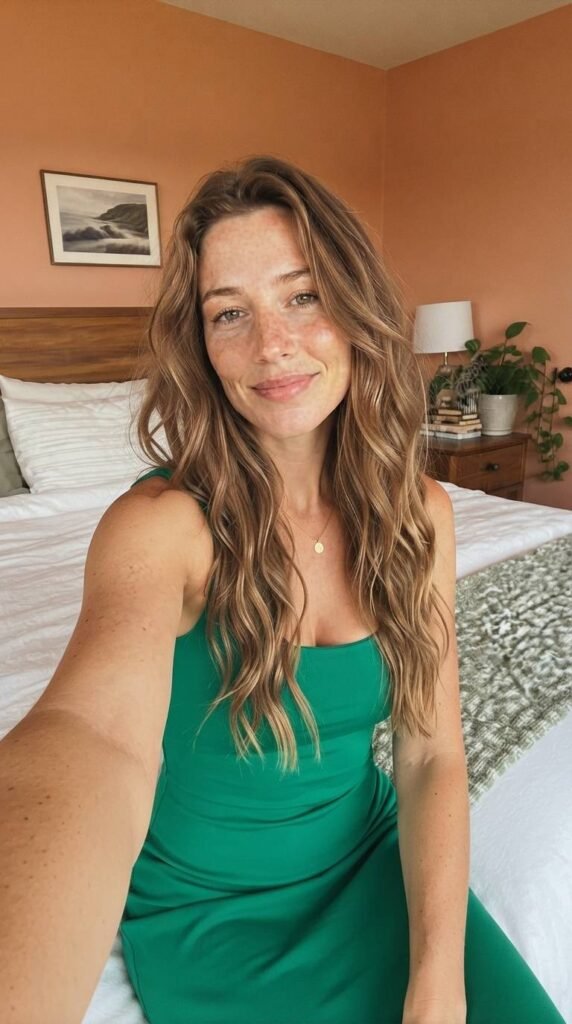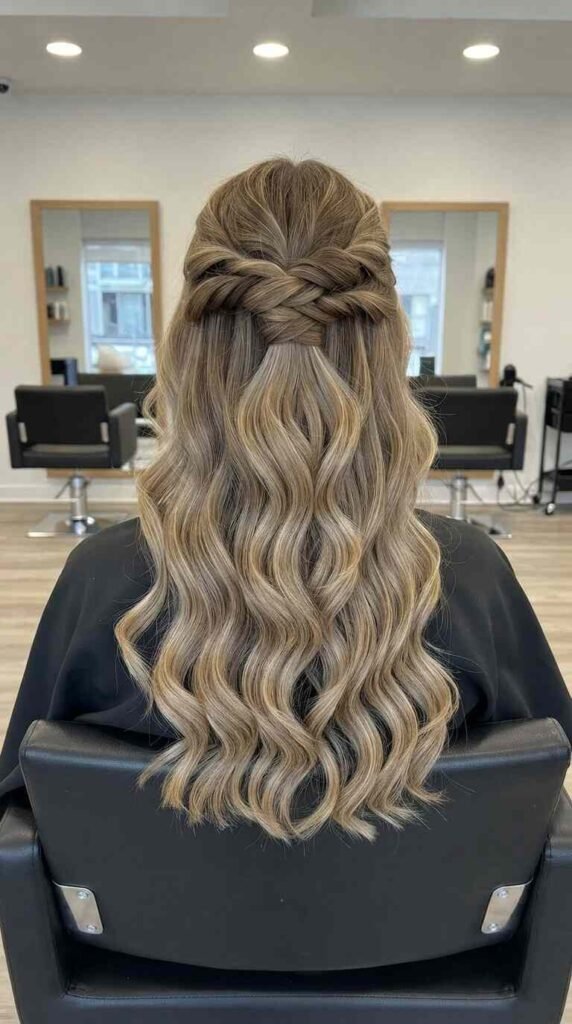
Have you ever left the salon feeling great, only to watch your hair go flat by lunchtime? If your hair is thin and fine, you know the frustration. It lies down when you want it to lift, and it tangles when you want it to flow. Somewhere around your fifties, hormonal shifts and natural aging can make strands finer and the scalp more visible, and the styles that worked in your thirties stop cooperating.
The good news is that the right cut does a surprising amount of the work for you. Hairstyles for thin fine hair over 50 succeed because they build the look of thickness through smart shape, strategic layers, and clever color placement, not because you wrestle your hair into submission every morning. A cut that is too long drags fine strands down, while one that is too heavily layered can leave the ends see-through. The sweet spot is a shape that keeps weight where it helps and movement where it flatters.
Below are 25 cuts and styles worth bringing to your stylist, from blunt bobs to feathery shags to short, confident pixies. Each one comes with a plain-English explanation of why it suits fine hair and how to wear it. Read through, save the ones that make you curious, and use them as conversation starters at your next appointment.
1. Blunt Collarbone Bob
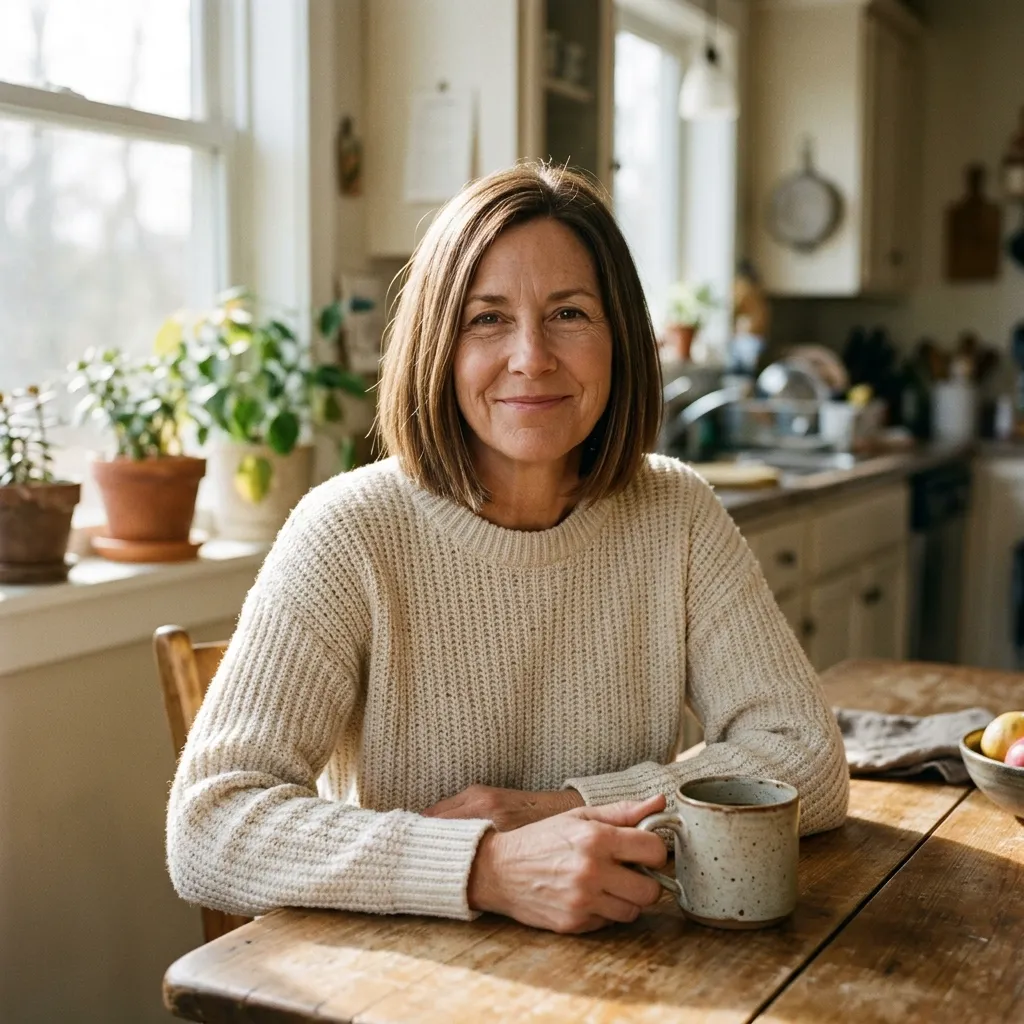
A blunt collarbone bob is one of the best hairstyles for thin fine hair over 50 because the hem is cut in a clean, straight line. That sharp edge makes the ends look dense and healthy, which is exactly the illusion fine hair needs. Think of it like a crisp hem on a skirt: when the bottom edge is clean, the whole piece looks more substantial.
This length grazes the collarbone, so it has enough movement to feel feminine without the stringy look that very long hair can take on. Ask your stylist to skip heavy thinning shears and keep layers minimal, or hidden underneath. A light smoothing cream and a round brush at the roots will give you a polished finish in about ten minutes.
2. Chin-Length French Bob
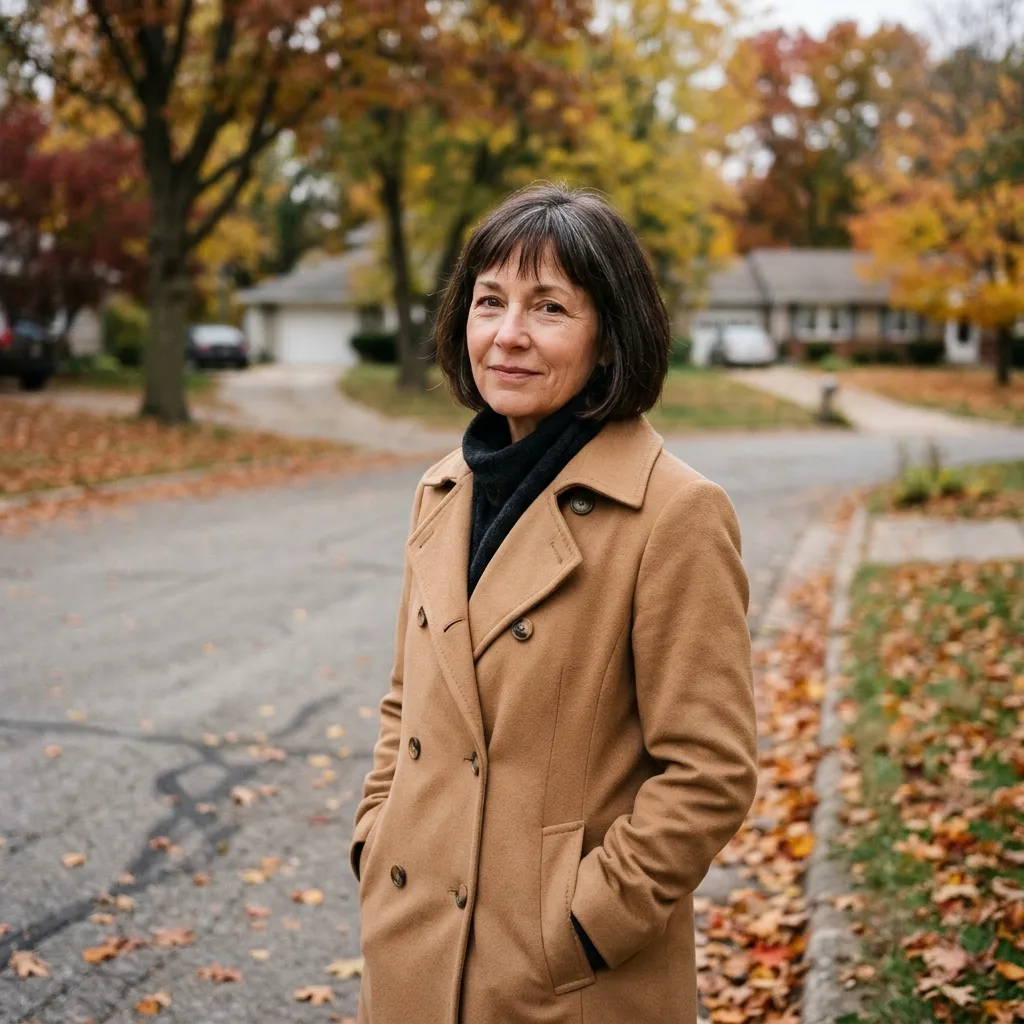
The French bob sits right around the chin, often paired with a short fringe, and it has a casual, effortless charm that suits fine hair beautifully. Because the cut is so short, there is less length for gravity to pull on, so the hair holds volume at the crown and temples. It also frames the face in a way that feels youthful without trying too hard.
For styling, let the hair air-dry about eighty percent of the way, then lift the roots with your fingers and a little volumizing mousse. A slight bend at the ends, rather than a perfectly flat finish, gives it that Parisian look. If you have a high forehead or deeper lines you would rather soften, a wispy fringe can do lovely things.
3. Layered Shoulder-Skimming Lob
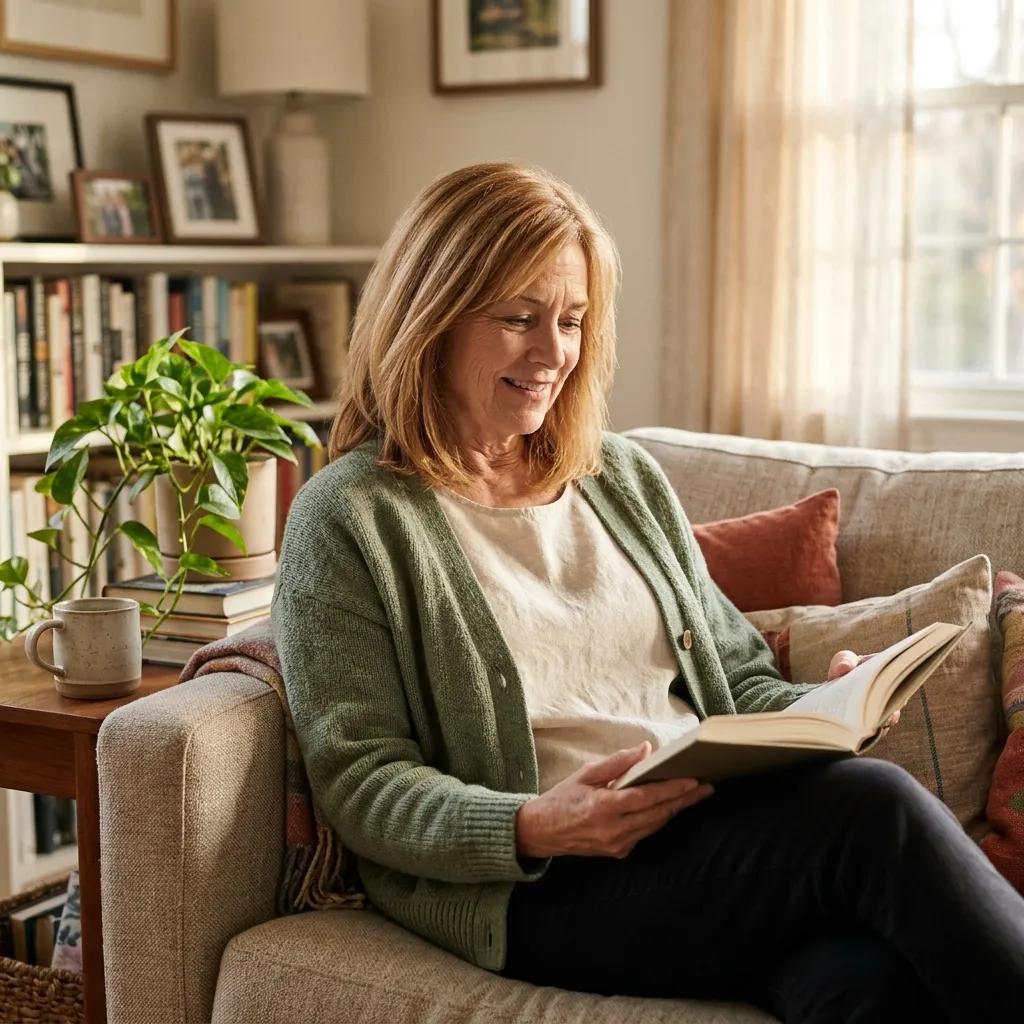
If you are not ready to go short, a shoulder-skimming lob with soft layers is a comfortable middle ground. The length is long enough to tuck behind your ears or pull into a small ponytail, but short enough to keep fine hair from looking flat. The trick is keeping the layers long and subtle so they add lift around the face without thinning out the bottom.
Ask for the shortest layers to begin around the cheekbone or chin, not higher. That way you get bounce where you want it and fullness where you need it. A blow-dry with a medium round brush, finished with a cool shot of air, helps the shape hold through the day.
4. Soft Curtain Bangs with a Mid-Length Cut
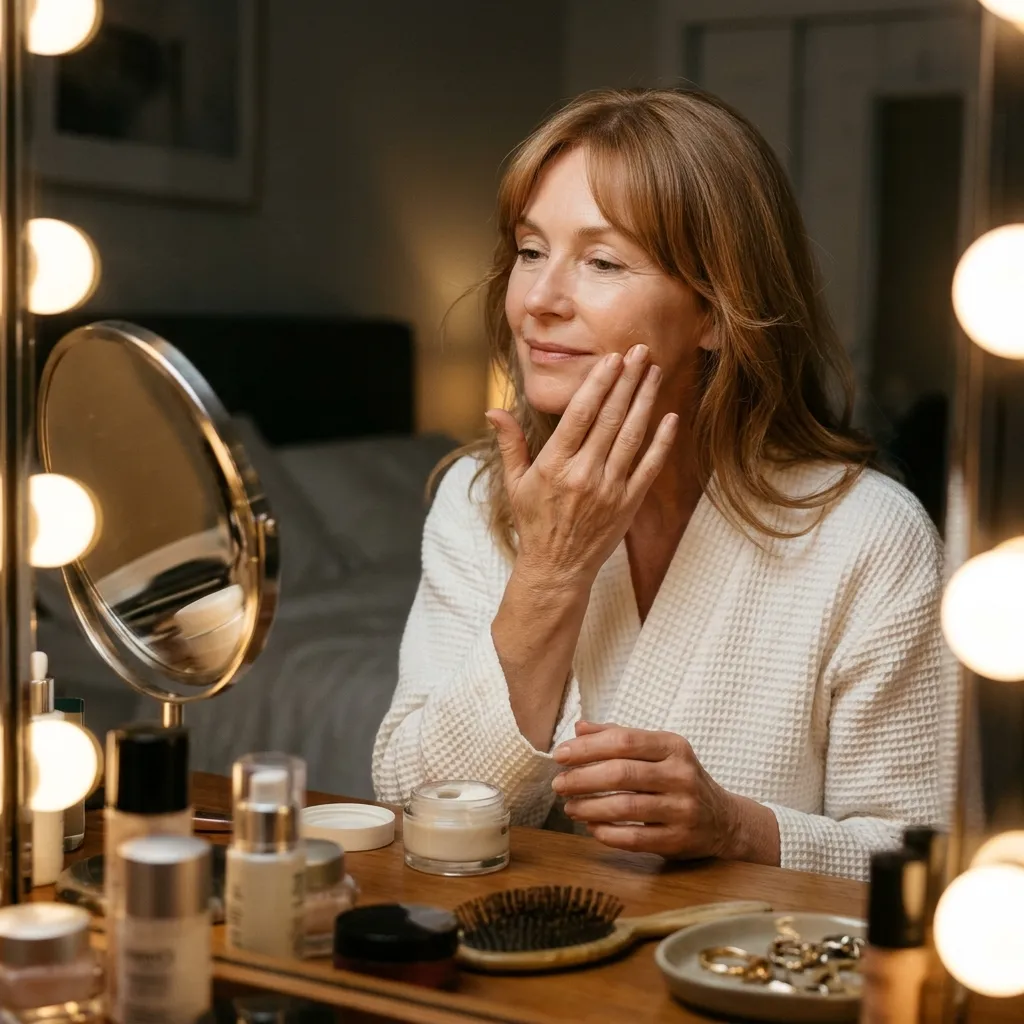
Curtain bangs are the gentle cousin of the traditional fringe, parting in the middle and sweeping off to each side. Paired with a mid-length cut, they borrow a little hair from the crown to create a frame that makes the face look lifted and bright. They are also forgiving, since they blend into the sides rather than sitting in a heavy line across the forehead.
With fine hair, keep the bangs on the longer, wispier side so they do not look sparse. A quick blast of dry shampoo at the roots keeps them from separating or looking oily by midday. If your hair is very thin at the hairline, tell your stylist so they can cut the bangs conservatively and adjust later.
5. Tousled Pixie with Volume on Top

A pixie can feel like a bold move, but on fine hair it is often a relief. When the sides and back are cut close and the top is left a bit longer, all the volume gathers where you can see it. Tousled texture on top gives the impression of density even if each strand is delicate.
The tousled finish matters more than perfection. Work a small amount of texturizing paste or light styling cream between your fingers, then push the hair up and slightly forward. It takes about two minutes, and you will find that a short cut leaves more time for coffee and fewer battles with the blow dryer.
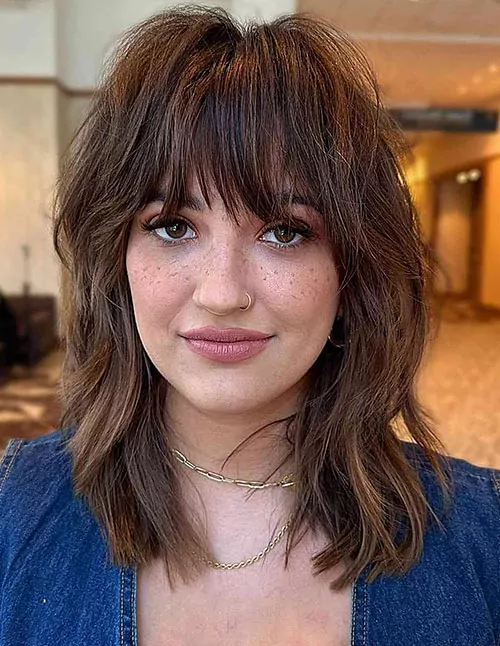
6. Layered Shag with Wispy Bangs
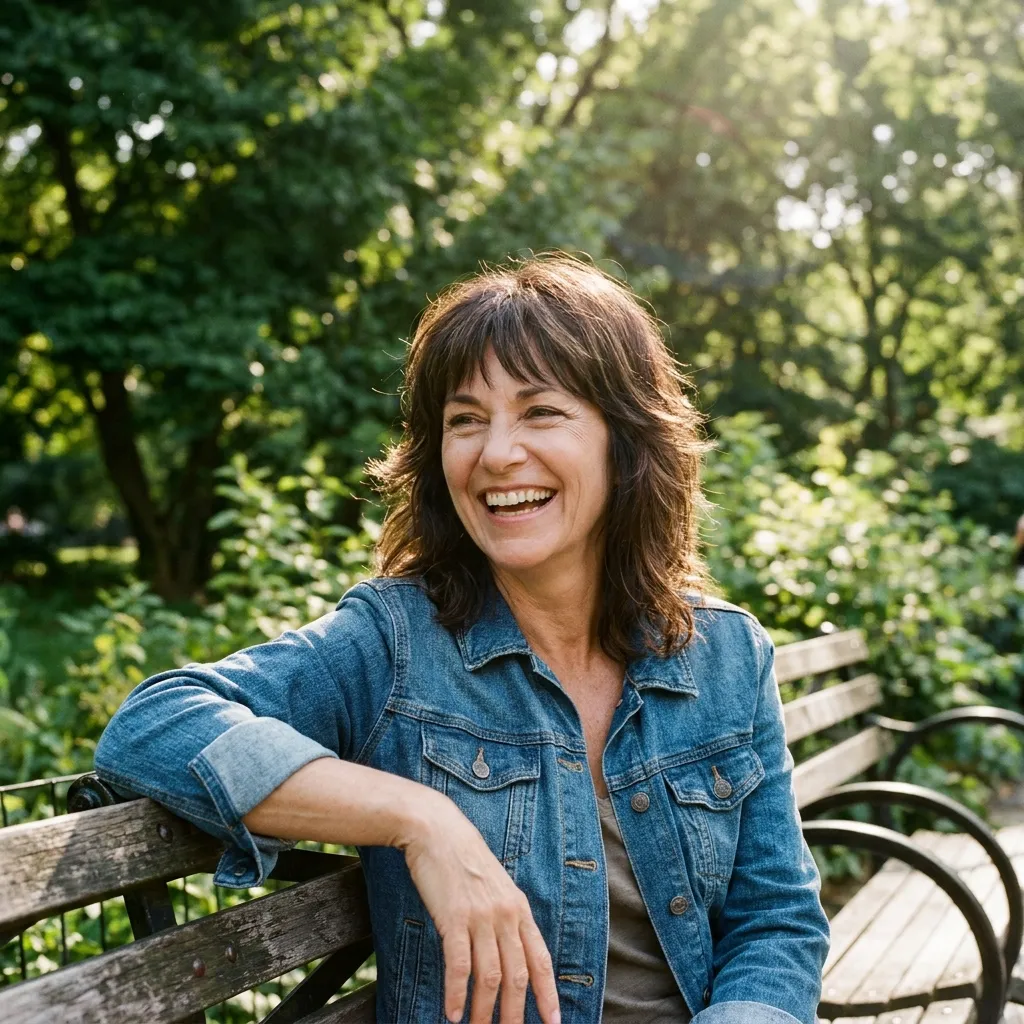
The shag has had a big comeback, and it is more wearable on fine hair than you might expect. The key is choosing a softer, more modern version with feathered layers rather than the choppy, heavily thinned versions of decades past. Layers create movement and make the hair look like it has body, and wispy bangs add to that airy, lived-in feel.
Fine hair can look weighed down by too much product, so go light. A sea salt spray at damp hair, followed by a gentle scrunch, builds texture without crunch. If your hair is straight and stubborn, a loose wave with a large-barrel curling iron on the mid-lengths will help the layers show up.
7. Sleek Chin-Length Bob with Side Part
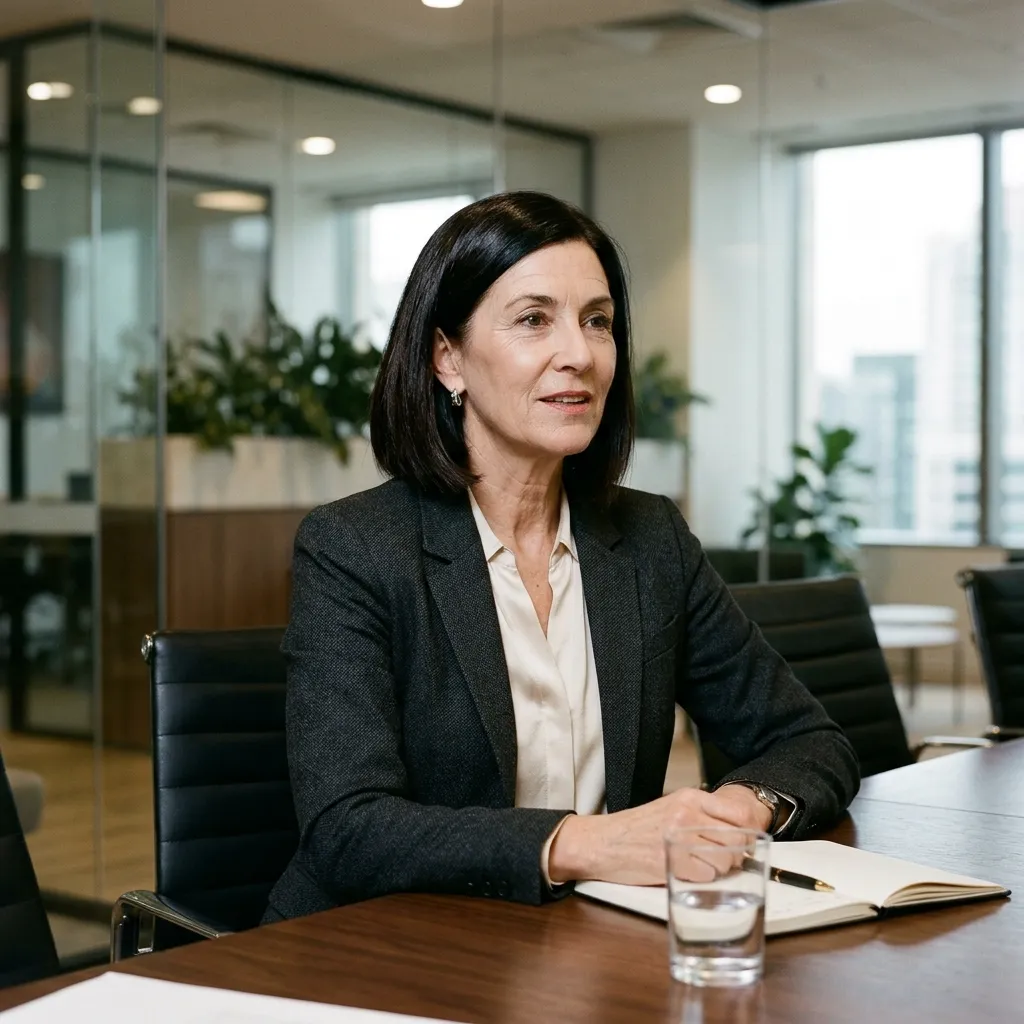
A sleek chin-length bob with a deep side part is polished, professional, and surprisingly effective for fine hair. The deep part lifts the hair at the root on the heavier side, creating instant height. A smooth finish also reflects light, and shiny hair always looks healthier and fuller.
To keep it sleek without flattening it, blow-dry the roots in the opposite direction of your part, then flip them back into place. A lightweight shine serum on the ends is enough. Avoid heavy oils or balms, which can make fine hair cling together and look thinner.
8. Feathered ’70s-Inspired Cut

Feathered layers around the face have a warm, nostalgic glow, and they are easy to love on fine hair. The soft, swept-back sides open up the face while the layers lend a gentle lift to the crown. Done in moderation, the cut gives the impression of volume without needing a lot of hair to begin with.
You do not need to commit to a full retro look. A modern version keeps the feathering light and the length around the shoulders or just above them. Use a round brush and a bit of heat to flip the ends away from your face, and finish with a flexible-hold hairspray so the shape stays soft instead of stiff.
9. Choppy Bob with Babylights
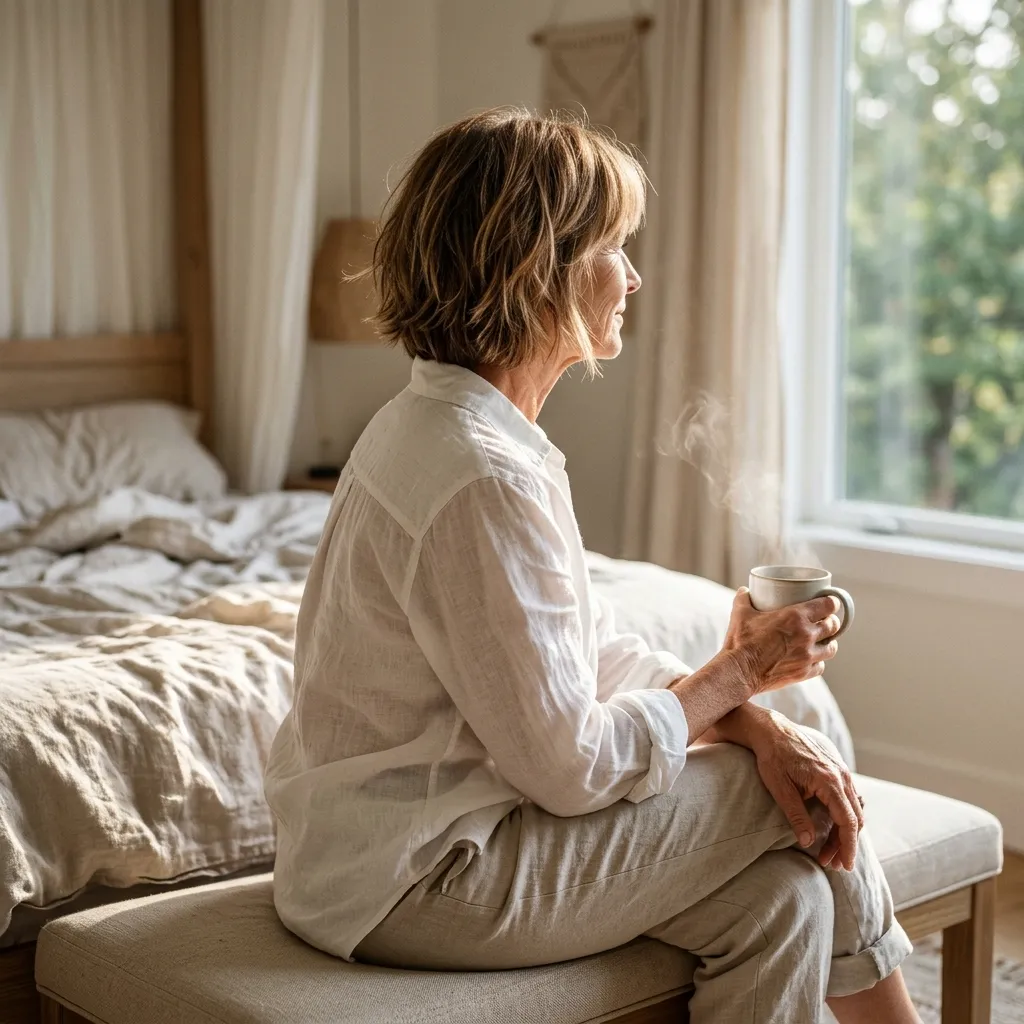
A choppy bob is cut with slightly uneven, textured ends that create a lively, piece-y look. On fine hair, that texture is a gift, because the staggered ends overlap one another and make the whole shape look thicker. Add babylights, those ultra-fine highlights placed close together, and you get depth and dimension that photographs well and looks natural in daylight.
Babylights work well over fifty because they blend in grays gently rather than drawing a harsh line. They also add visual dimension, which tricks the eye into seeing more hair. Talk with your colorist about a tone that complements your skin, and ask for a gloss between visits to keep the shine going.
10. Soft Wavy Lob with Money Piece
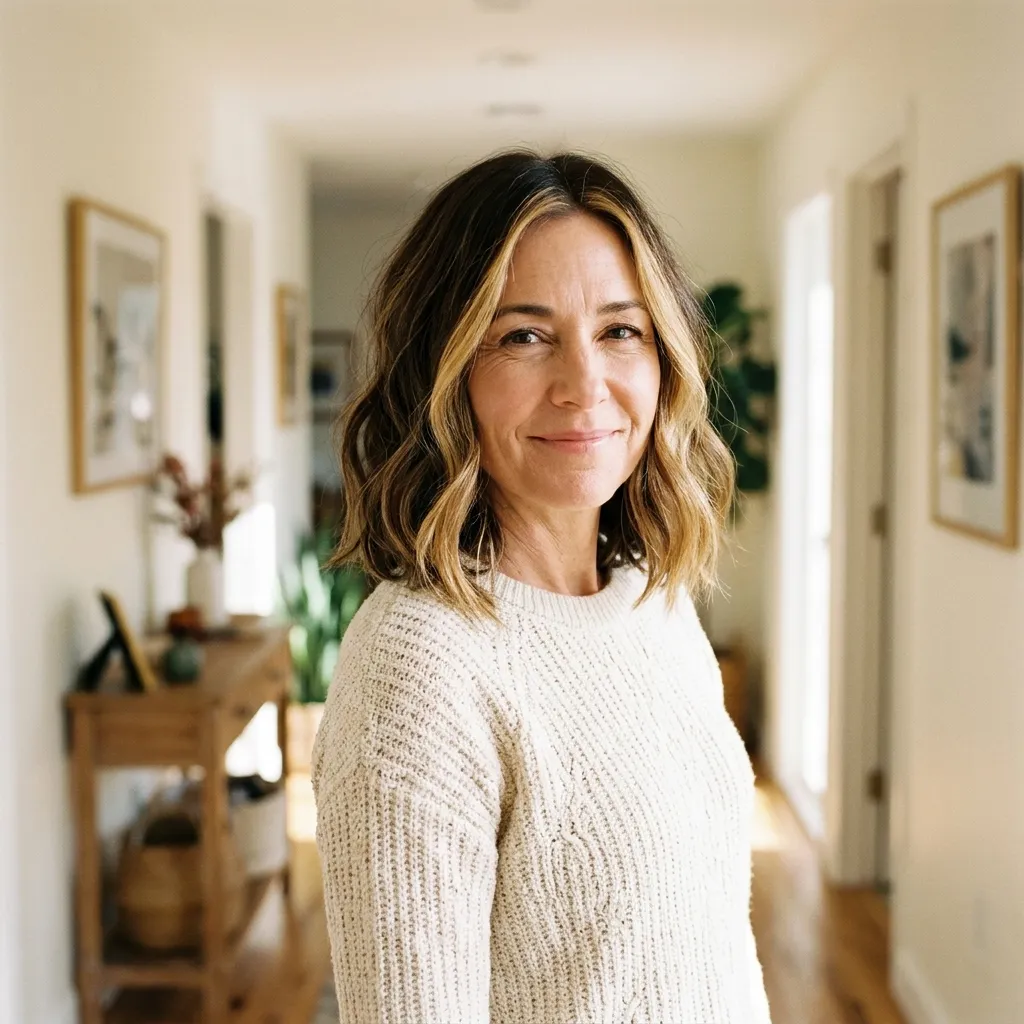
A soft wavy lob has a relaxed, beachy feel, and waves are a natural friend to fine hair because they create bulk. Straight, thin hair can look sleek and flat, while a gentle bend makes the same strands look more abundant. Keep the waves loose and uneven for the most believable effect.
The money piece, a bright pair of face-framing highlights, adds a finishing touch of light right where people look first. It brightens the complexion and draws attention to your best features. A little goes a long way, and since it frames the face rather than covering the whole head, it is gentler on delicate hair than all-over lightening.
11. Bixie Cut
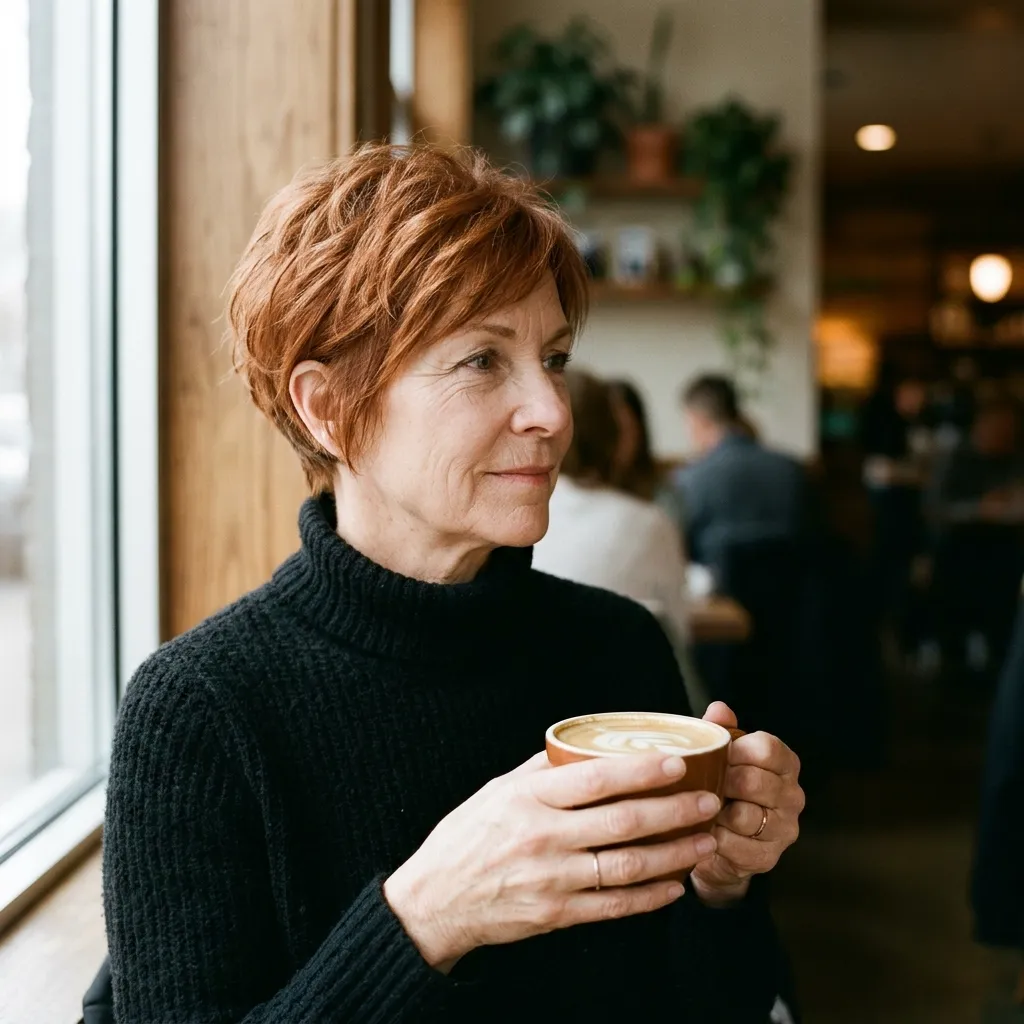
The bixie is a blend of a bob and a pixie, and it is ideal if you are somewhere between the two. It has the short, tapered nape of a pixie with the longer, softer top and sides of a bob. That mix gives you versatility, since you can sweep it to the side, tuck it behind an ear, or tousle it forward.
For fine hair, the shorter layers around the crown add lift, while the longer pieces around the face keep things soft. It is also relatively low maintenance, since the shape grows out gracefully. A trim every six to eight weeks keeps the lines crisp and the volume where it belongs.
12. Shadow Root Bob
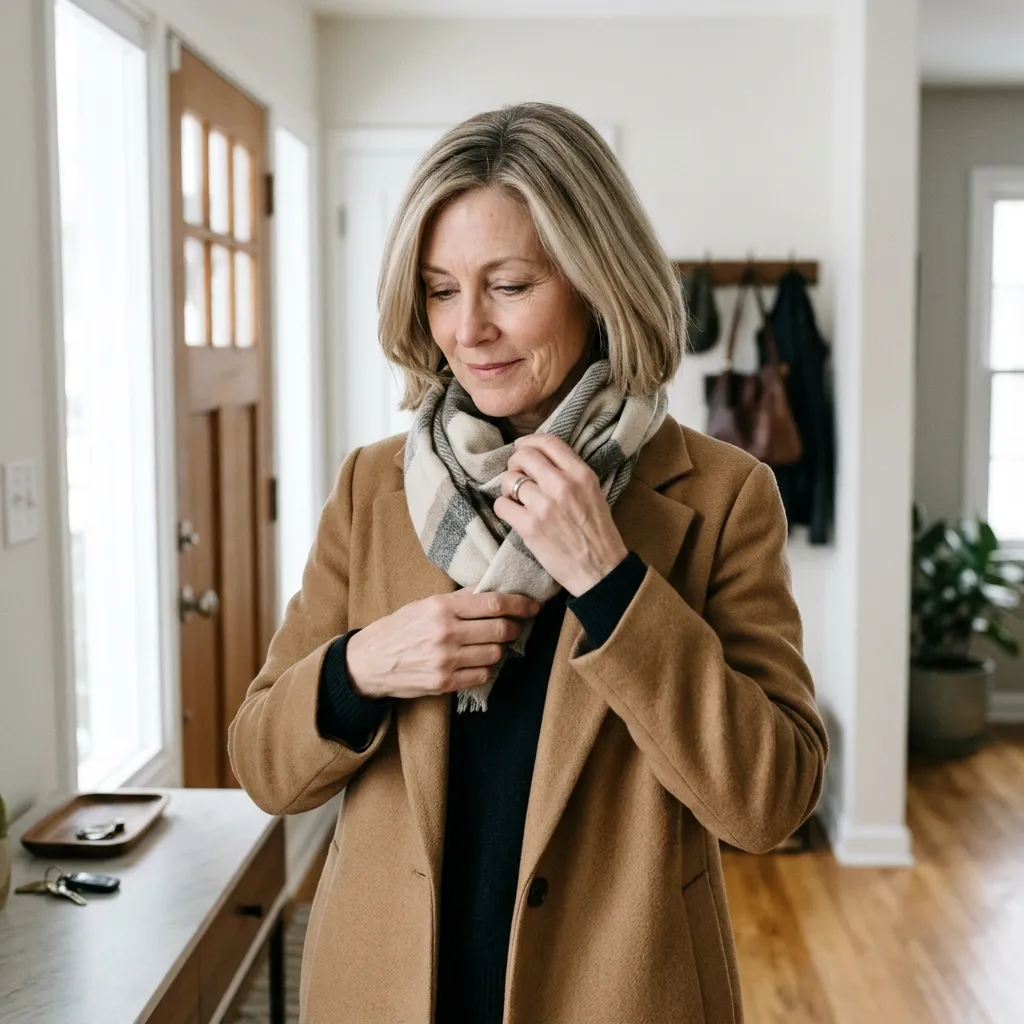
A shadow root bob uses a slightly deeper tone at the roots that melts into a lighter shade farther down. This soft gradient creates the illusion of density at the scalp, which is helpful if your part line or crown shows through. It also means your regrowth looks intentional, so you can stretch the time between color appointments.
The cut itself works best as a classic bob with subtle graduation, meaning the back is stacked a touch shorter than the front. Combined, color and shape build dimension and fullness. If you are covering grays, ask your colorist to choose a root shade that sits close to your natural base so the transition looks seamless.
13. Butterfly Cut
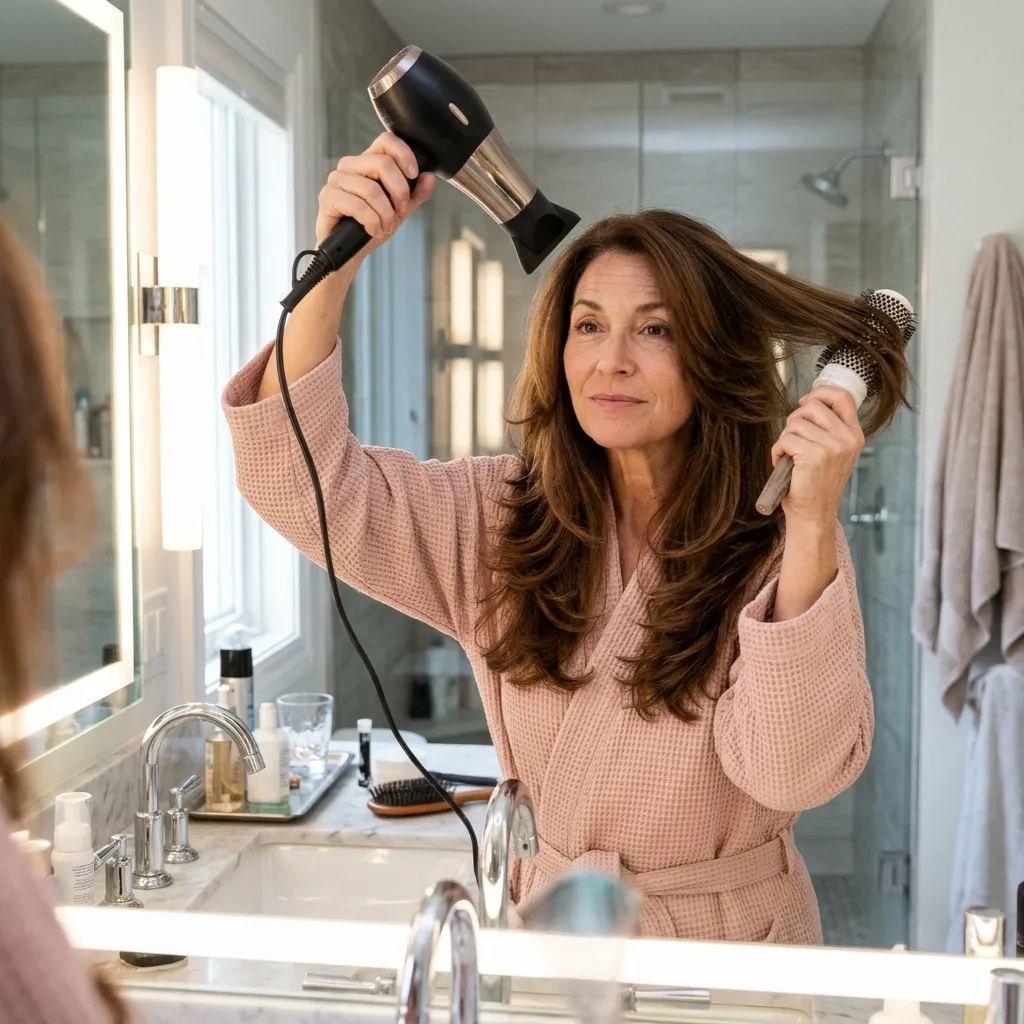
The butterfly cut is made up of short, face-framing layers on top and longer layers underneath, giving a light, airy movement that mimics a pair of wings. It is typically done on medium to long hair, and fine hair can look fuller with it as long as the layers are placed with care. The top layers create lift, while the longer lower layer keeps the length from looking sparse.
If you love your length, this is a good way to keep it while adding body. Ask your stylist to go easy on the shortest layers so they do not look wispy. A bit of volumizing spray at the roots and a loose blow-dry will let the shape show off its bounce.
14. Layered Pixie with Long Side Bangs

A layered pixie with long side bangs is soft and flattering, especially if you want a short cut that still feels feminine. The layers on top create texture and lift, while the long side-swept bangs soften the forehead and frame the eyes. The combination keeps the cut from looking too severe.
To style it, use a small amount of lightweight pomade and sweep the bangs across, then fluff the crown with your fingers. Fine hair tends to look more voluminous when it is not over-styled, so resist the urge to fuss. A trim every five to six weeks will keep the layers fresh and the bangs from growing into your eyes.
15. Italian Bob
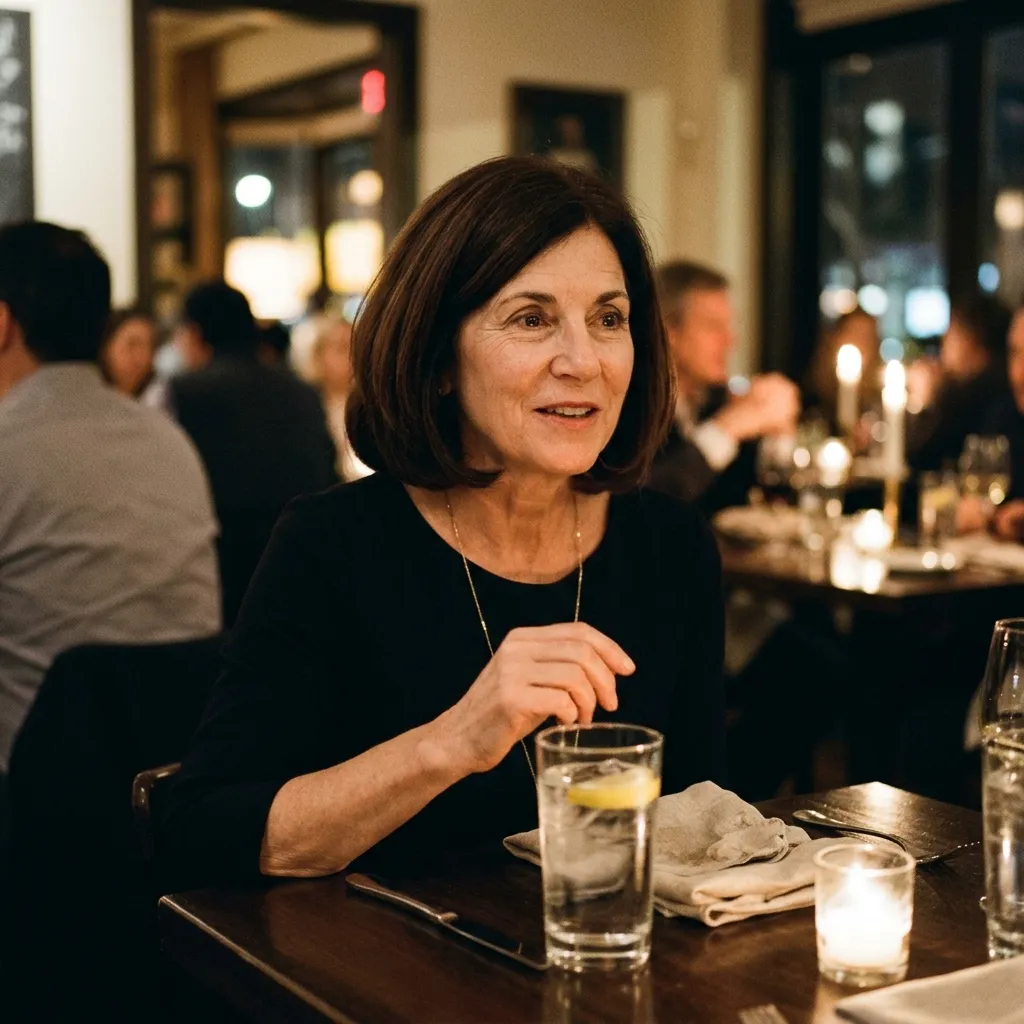
The Italian bob is a bouncy, voluminous cut that typically falls around the jawline or a little lower, with a lot of movement. It is cut with soft, blended layers and styled with plenty of lift, so it looks full and glamorous. It is a lovely choice if you want the look of thick hair and are willing to spend a few minutes with a round brush.
The cut gets its charm from a deliberate blow-dry, with the ends curving gently under or flicking slightly out. Use a volumizing mousse on damp roots and dry with a vent brush for lift. If your hair holds a curl poorly, a few large Velcro rollers while you do your makeup can add body without heat damage.
16. Long Bob with Bottleneck Bangs
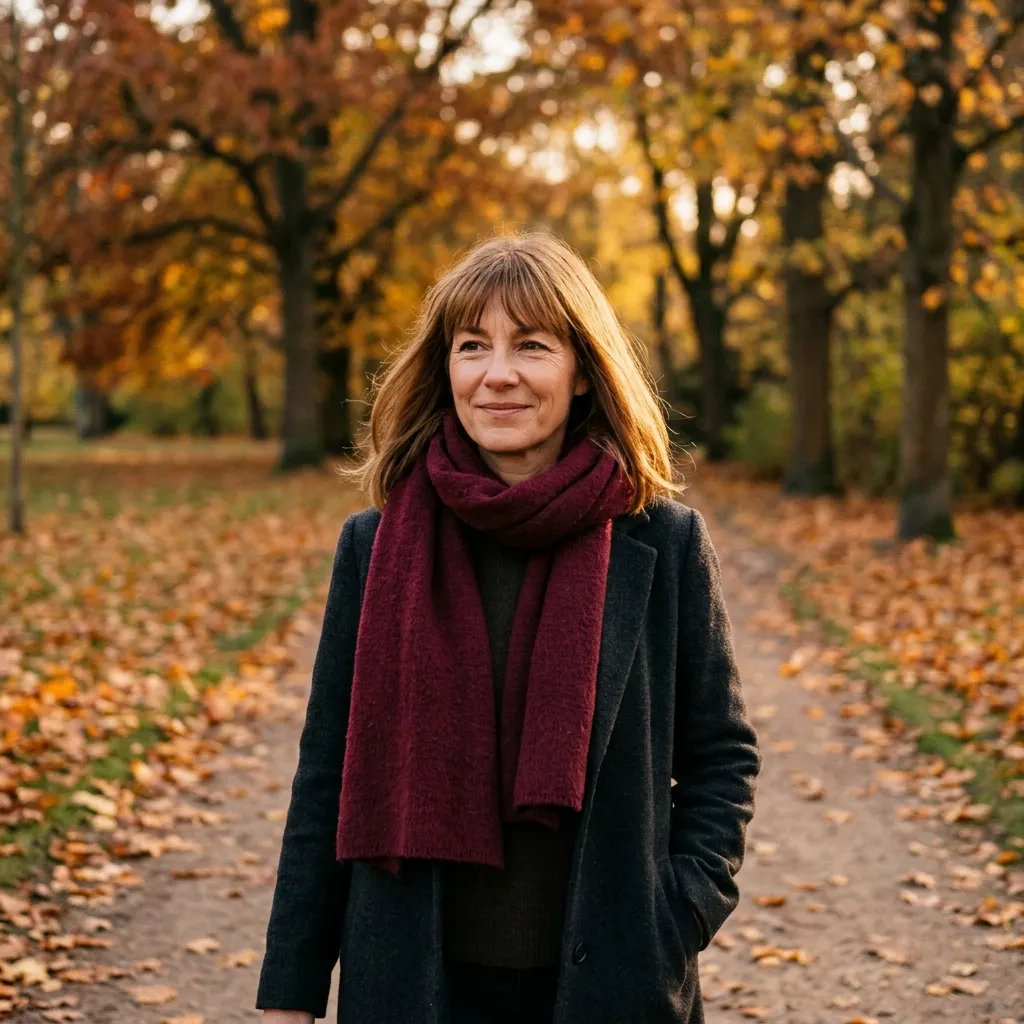
Bottleneck bangs start short at the center and gradually lengthen toward the sides, so they resemble the neck of a bottle. They add softness around the face and work nicely with a long bob that sits at or just above the shoulders. This combination balances the length of the cut with a bit of playful framing.
On fine hair, bangs can look thin if they are cut too short or too sparse, so ask your stylist to build them from a slightly wider section. They should blend into the rest of the hair rather than stand apart. A tiny bit of dry shampoo at the roots will keep them from getting greasy, since bangs touch your forehead all day.
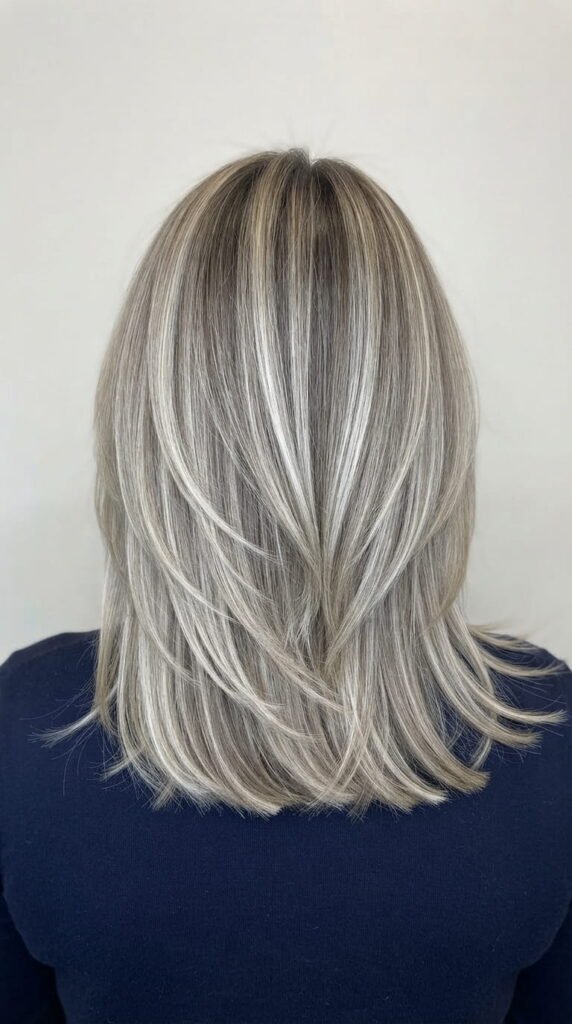
17. Layered Bob with Face-Framing Highlights
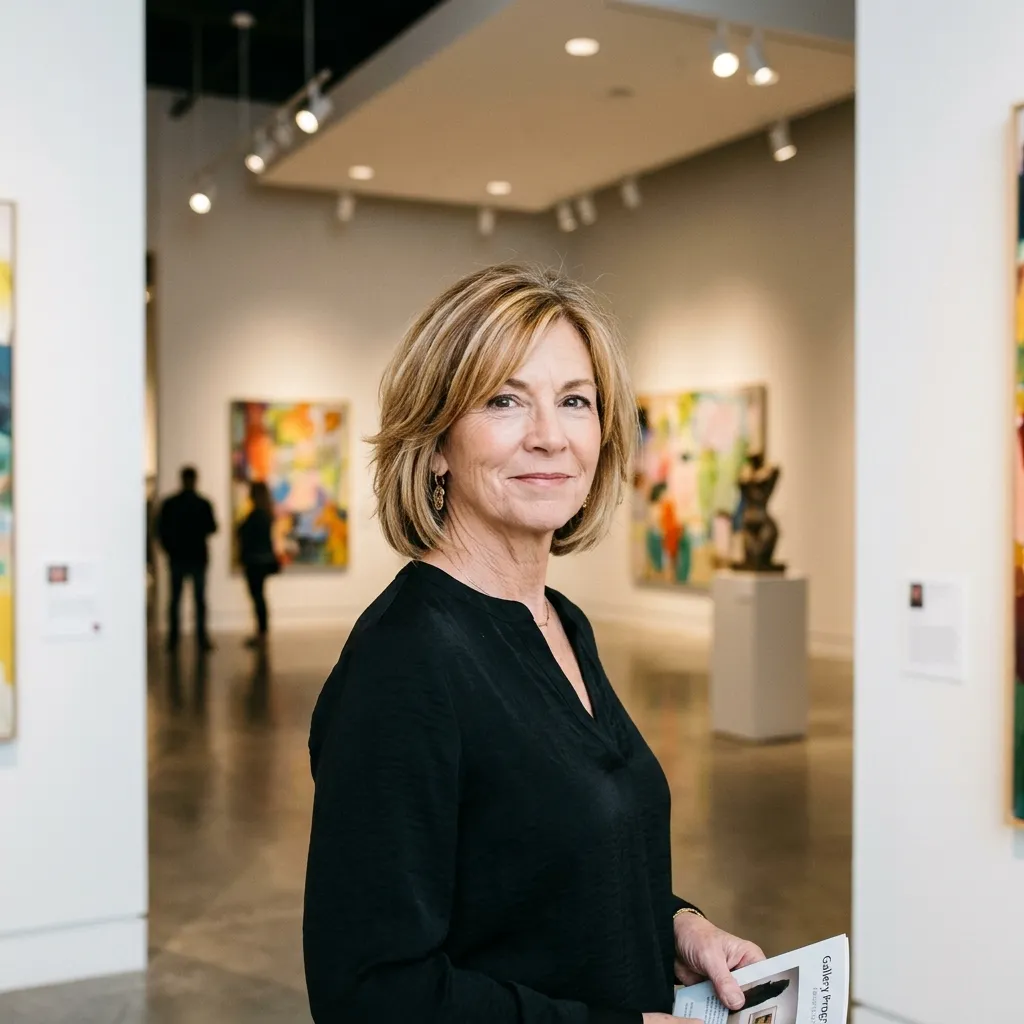
A layered bob with highlights around the face is one of the most reliable styles for adding dimension to fine hair. Soft layers give the shape movement, while the brighter strands near the face draw the eye inward and make hair appear thicker. It is a classic recipe that works across hair colors.
Choose highlights that sit a few shades from your base so they look natural as you grow out. Thin, delicate pieces will give you a subtle glow, while chunkier ones can look dated. Between salon visits, a purple or blue-toned shampoo once a week can keep blondes and silvers from turning brassy.
18. Textured Crop

A textured crop is a short, easy cut with choppy layers that lift away from the scalp. It is a great choice if you have fine, straight hair and want something that requires almost no effort. The texture is cut into the hair, so you are not relying on heavy product to fake it.
Short cuts like this also tend to look fuller because they leave less hair for gravity to flatten. A pinch of styling clay worked through dry hair is all you need. If you have a cowlick or thinning at the crown, your stylist can place the layers to work with it instead of against it.
19. Wispy Lob with Curtain Bangs
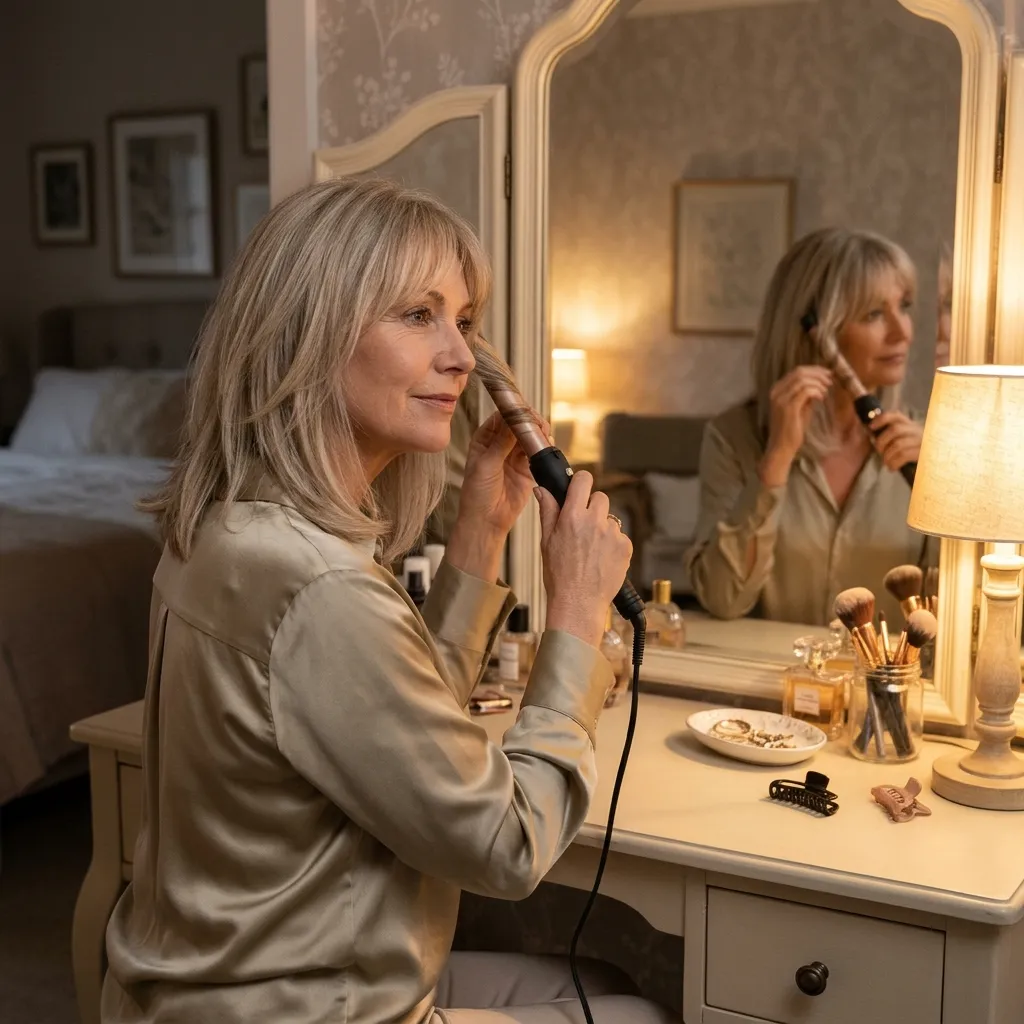
A wispy lob features lightly feathered ends and a tapered, airy feel that moves beautifully. When paired with curtain bangs, the whole look becomes soft and romantic. The wispy ends can work with fine hair as long as the perimeter is not cut so thin that it looks transparent.
Ask your stylist for a balance of texture and weight, so the ends look light but still intentional. A light curl or wave at the ends helps the strands cluster together and look fuller. This is a good style for days you want to look put-together without looking like you tried too hard.
20. Salt-and-Pepper Pixie
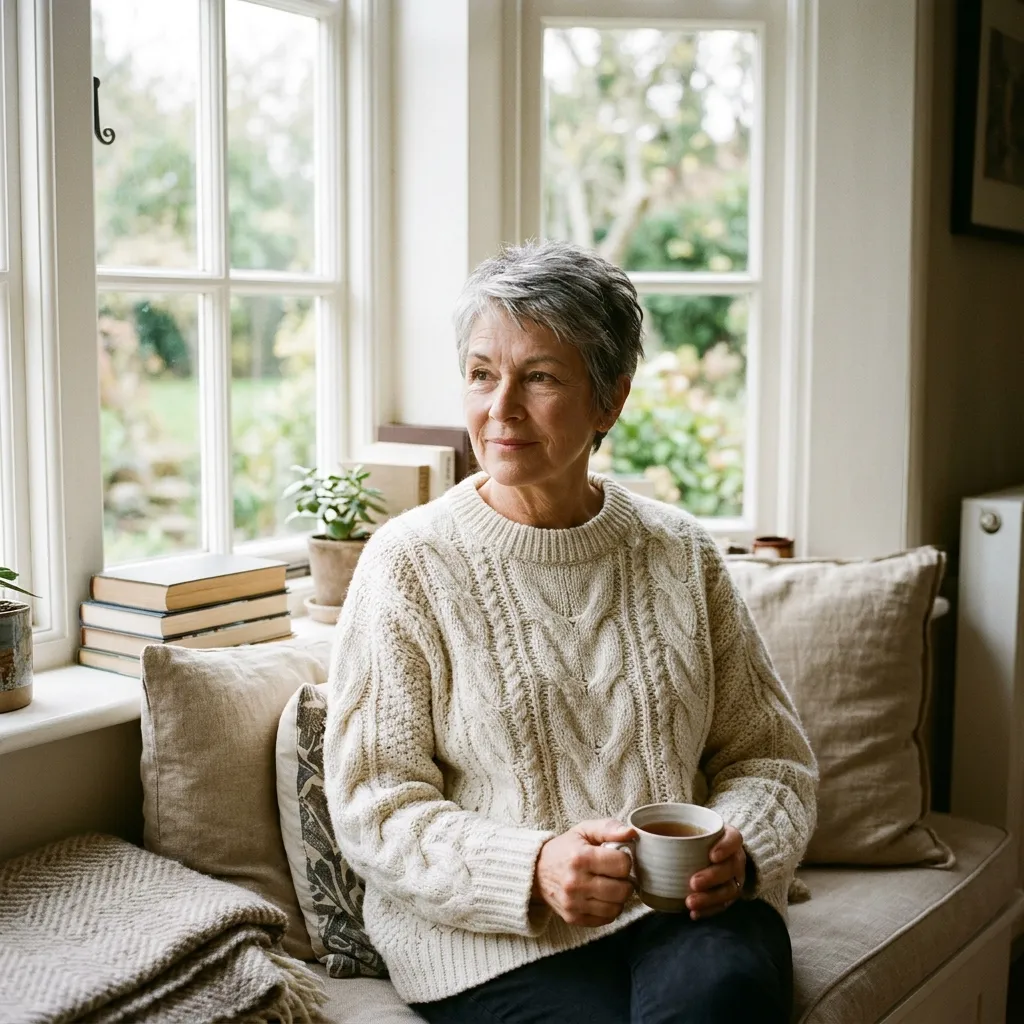
If your hair has turned silver or a mix of gray and dark, a salt-and-pepper pixie is a confident way to wear it. Gray hair often has a different texture than pigmented hair, sometimes coarser or wirier, and a short cut keeps it tidy and shapely. The mix of tones also creates natural dimension that makes thin hair look fuller.
A good pixie cut will shape around your head and keep the top slightly longer for texture. Use a purple shampoo occasionally to keep silver tones bright and free from yellowing. Many women find this style freeing, since there is no color appointment to schedule and the grow-out is barely noticeable.
21. Mid-Length Cut with Tousled Layers

A mid-length cut with tousled layers sits somewhere between the collarbone and the shoulders, offering enough length to style in several ways. The tousled layers add casual movement, which keeps fine hair from falling flat. It also looks effortless, which is the whole point.
Make sure the layers are long and blended, not stacked or choppy, so the bottom still looks substantial. Using a small-barrel curling iron on random sections, then raking your fingers through, gives a natural, undone finish. A texturizing spray at the end will help the waves stay in place without making your hair stiff.
22. Soft A-Line Bob
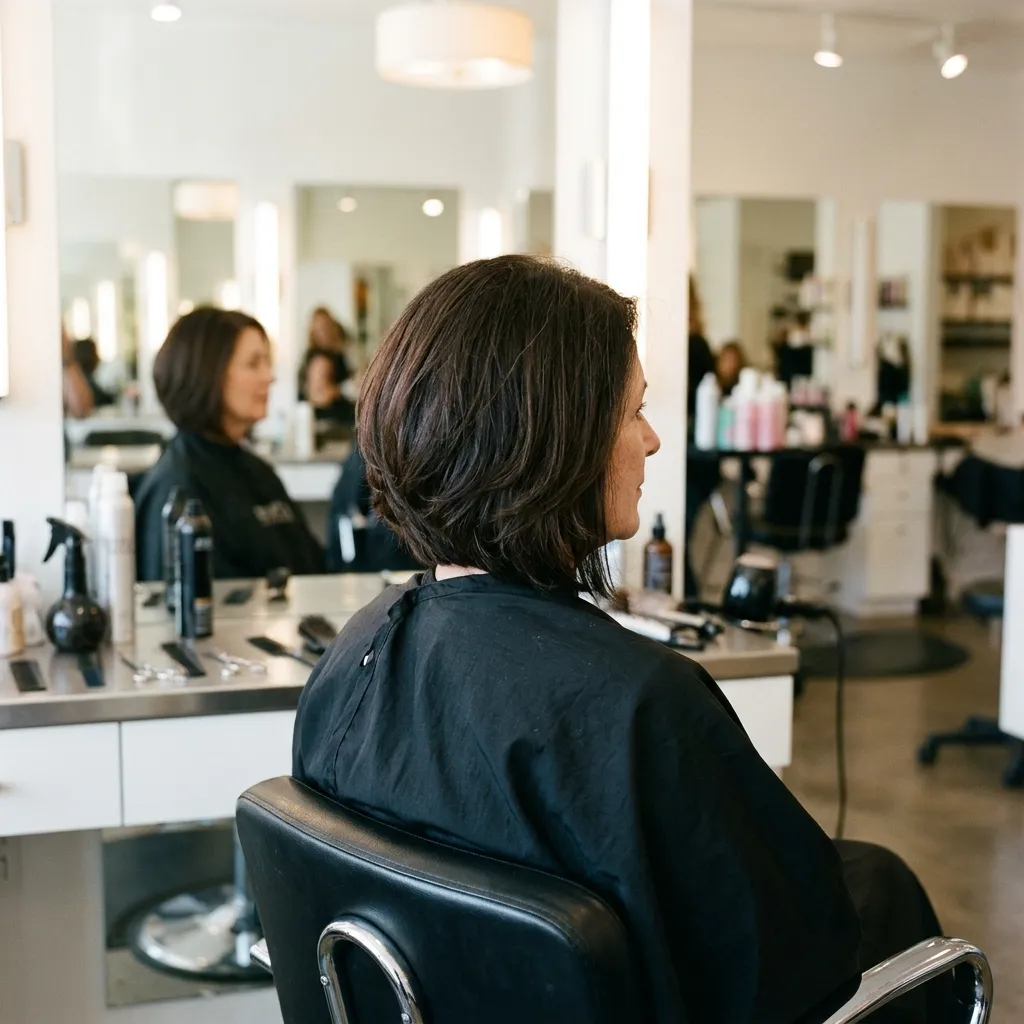
An A-line bob is shorter in the back and longer in the front, forming a gentle angle that slims the face and highlights the jawline. The soft version keeps the angle subtle, so it looks elegant rather than severe. Because the back is stacked slightly, the cut creates built-in volume at the nape.
This shape suits fine hair because the weight line stays dense while the front pieces add drama. Style it smooth with a flat iron, or add a slight bend to the ends for something more relaxed. A light heat protectant is important here, since fine hair can be damaged by high temperatures more easily.
23. Stacked Bob with Crown Volume
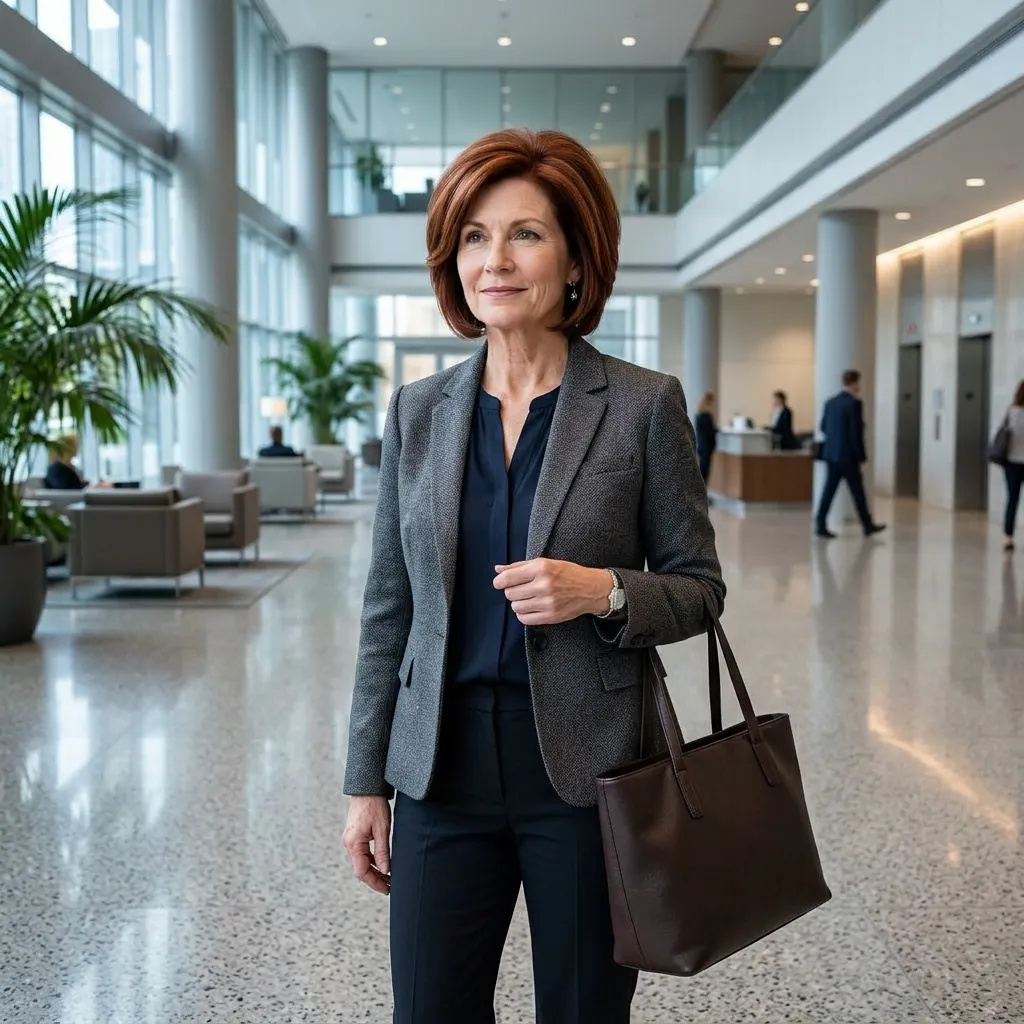
A stacked bob is cut with short, graduated layers in the back that build up into a rounded shape. This creates a natural lift at the crown, which is where many women with fine hair feel the most flat. The effect is like a gentle cushion of hair that holds the style in place.
For styling, blow-dry the back section upward with a round brush, then smooth the front. A volumizing powder sprinkled at the roots can keep the lift going through the afternoon. If you like the idea but feel unsure about short layers, ask for a softer stack and see how it feels.
24. Short Shaggy Bob with Textured Ends

A short shaggy bob blends the bounce of a bob with the rumpled texture of a shag. The ends are cut with soft, irregular texture, which helps fine hair look dimensional and busy in a good way. It is a style with a little attitude, and it grows out gracefully.
Because the layers are short, the hair tends to hold volume without a lot of product. A bit of cream and a quick scrunch with your fingers is plenty. If you tend to get frizz, keep a small amount of lightweight oil on hand to smooth the ends, using only a drop so you do not weigh down the strands.
25. Shoulder-Length Blunt Cut with Subtle Waves

A shoulder-length blunt cut gives your hair a strong, even base, while subtle waves add movement and body. The blunt hem makes the ends look thick, and the waves create the feeling of volume throughout. It is a timeless pairing that suits almost any face shape.
To get the look, use a large-barrel curling iron or a flat iron to bend the hair in alternating directions. Brush through lightly with your fingers, not a brush, to keep the waves soft. Fine hair responds well to this method, as it creates texture without the stiffness of tight curls.
FAQs
What is the best haircut for thin fine hair over 50?
There is no single best option, but blunt bobs, chin-length bobs, and soft layered cuts consistently work well. They keep the weight of the hair concentrated where it makes the ends look dense. Your face shape, lifestyle, and how much time you want to spend styling should guide the final choice.
Should women over 50 with fine hair go short?
Not necessarily, but short and medium cuts often make fine hair look fuller because there is less length pulling it down. If you love your length, a shoulder-skimming lob with subtle layers can offer a similar benefit. The healthiest approach is to try a length that makes you feel comfortable and confident, then adjust as you go.
Do layers make thin hair look thinner?
They can if they are cut too short or too choppy, since that removes the weight that makes ends look thick. Long, soft layers placed around the face and crown usually add movement without sacrificing density. A good stylist will look at your hair type and growth pattern before deciding where layers belong.
What hair color works best for thin fine hair?
Soft dimension tends to work better than one flat shade, because subtle highlights, babylights, or a shadow root add depth and make hair look thicker. Going too light or too dark all over can make the scalp more visible. Talk with your colorist about tones that suit your skin and keep your strands healthy.
How can I make my fine hair look thicker every day?
Start with a lightweight volumizing mousse or root lift spray, and blow-dry the roots upward before smoothing the ends. Use less product overall, since heavy creams and oils can flatten delicate strands. Regular trims every six to eight weeks keep the ends crisp and help your cut hold its shape.
Conclusion
Finding the right hairstyles for thin fine hair over 50 is less about chasing a trend and more about choosing a shape that works with the hair you actually have. Whether you lean toward a blunt bob, a feathery shag, or a sleek pixie, the common thread is smart cutting, flattering color, and a light touch with products. Fine hair is not a flaw to hide; it simply needs a cut designed for it.
Pick two or three styles from this list that catch your eye, save a few photos, and bring them to your next salon visit. Tell your stylist about your daily routine, how much time you want to spend, and any areas where you feel your hair is thinnest. With a good conversation and the right cut, you may find your hair looks fuller, feels lighter, and finally behaves the way you hoped it would.