Ever stared at a photo of a bob and thought, “That’s the one,” only to wonder why it looks different on you than it does on her? The answer is often in the angle. A bob that slopes from short in the back to longer in the front can slim the jaw, lift the face, and make the hair look like it’s in motion even when you’re standing still.
Angled bob haircuts have stayed popular because they flex. They work on straight hair, wavy hair, and curls, and they suit women in their twenties as well as women in their sixties. You can make them edgy with a sharp line or soft with feathery layers, and you can pair them with bangs, color, or nothing at all.
This guide walks through 25 versions, each with advice on who it suits and how to style it. Some are bold and some are barely there, so you’ll likely find one that fits your hair, your schedule, and your comfort level. Screenshot the ones that catch your eye and bring them to your stylist, because a photo is worth a hundred vague descriptions.
1. Classic Angled Bob
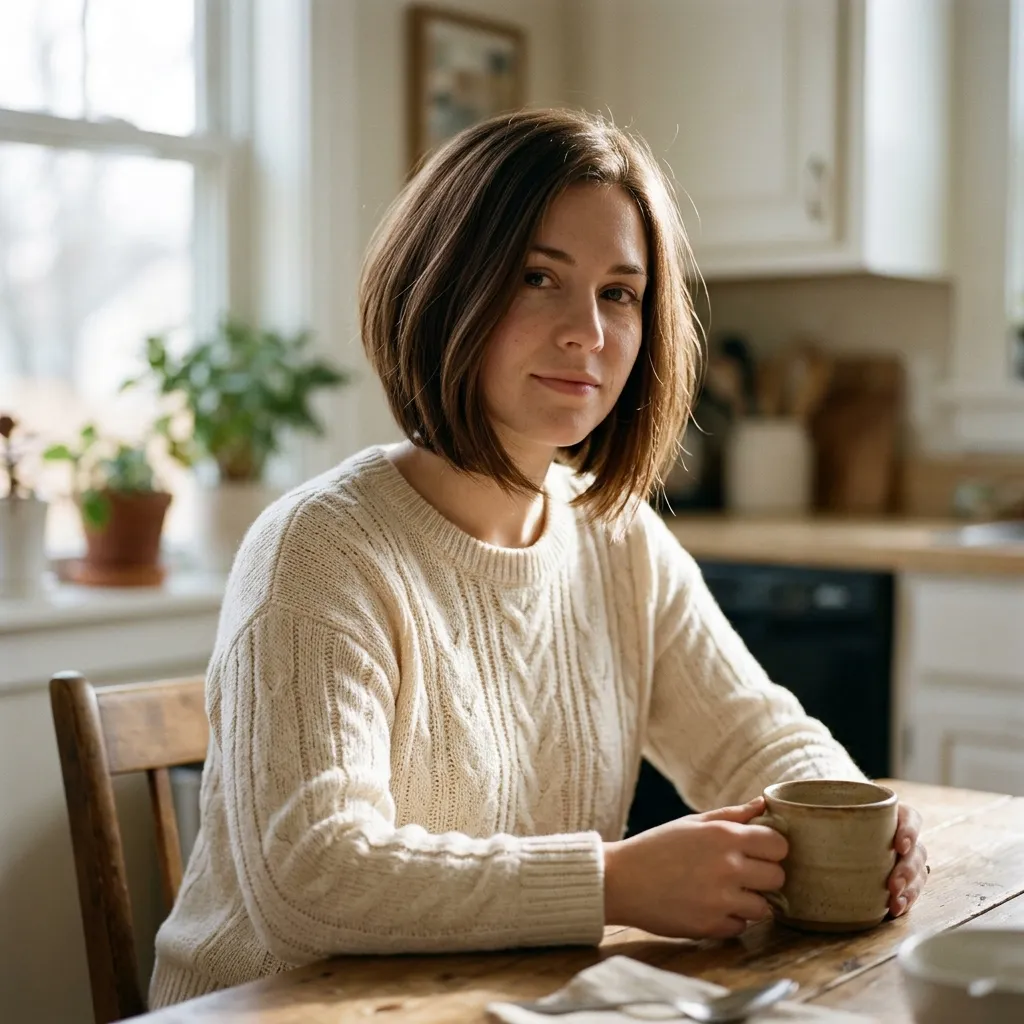
The classic angled bob is the version most people picture when they hear the name. The back sits a little shorter, often around the nape or just below, and the front slides forward to the chin or slightly past it. The line is clean and the shape is balanced, which is why it looks polished on nearly everyone.
If you want a cut that works for the office, brunch, and a wedding, start here. It’s easy to blow-dry smooth with a paddle brush, and it looks just as good air-dried with a touch of smoothing cream. Ask your stylist to adjust the angle to your face, gentler for round faces and a bit more pronounced for those who want extra definition.
2. Steep Angled Bob
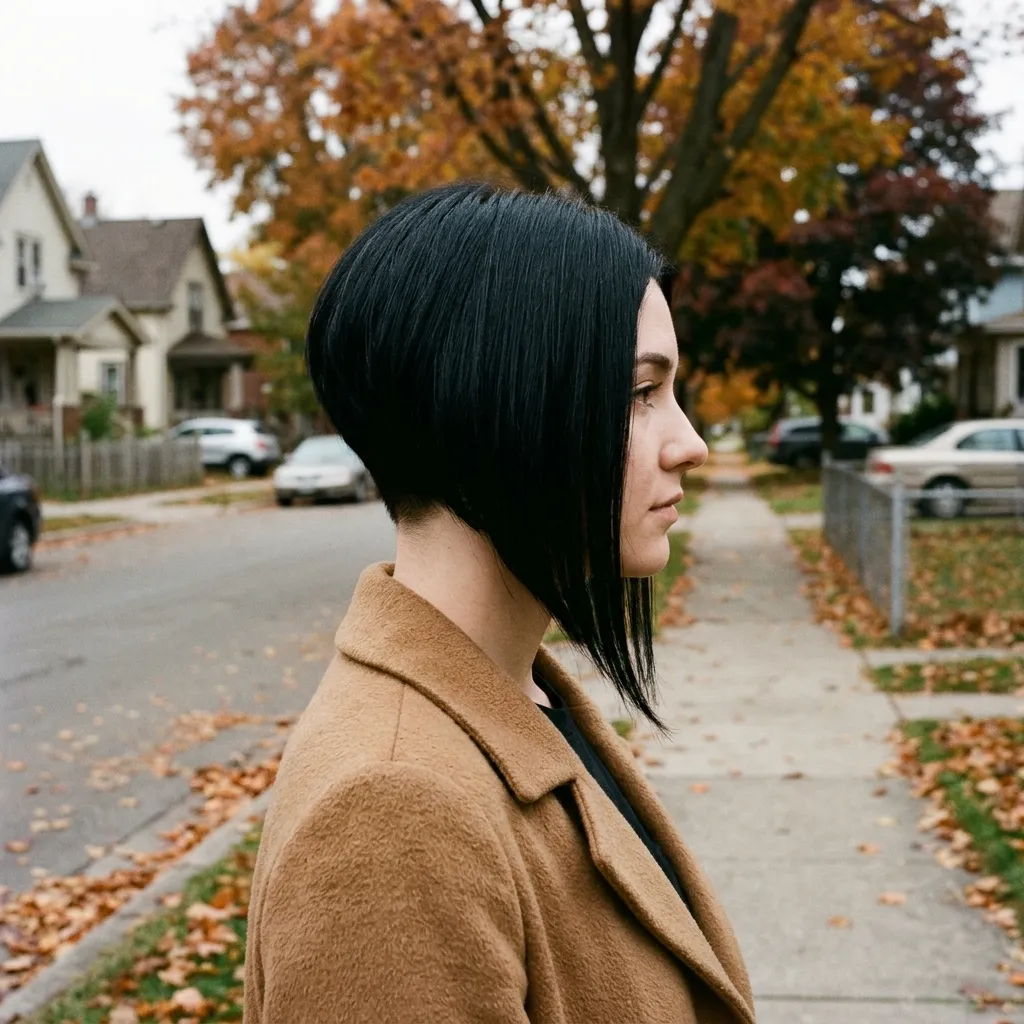
A steep angled bob takes the classic idea and cranks up the slope. The back is cut noticeably short while the front pieces drop well below the chin, creating a dramatic diagonal. It’s a statement cut, and it tends to draw attention to the jawline and neck.
This look rewards confident styling. A flat iron and a heat protectant will give you the glassy finish that makes the angle pop, though a little bend in the ends can soften it. Keep up with trims every five to six weeks, since the steep line loses its punch as it grows out.
3. Subtle Angled Lob

Not everyone wants a dramatic slope, and a subtle angled lob is the gentle option. The hair falls to around the collarbone, with the front just a couple of inches longer than the back. That slight tilt adds shape without feeling like a big change.
It’s an ideal pick if you’re growing out your hair or nervous about going shorter. The length lets you pull it into a ponytail on busy days, and the angle keeps it from looking like a plain one-length cut. Use a light texturizing spray to give the ends a little movement so the shape doesn’t look too stiff.
4. Angled Bob with Bangs
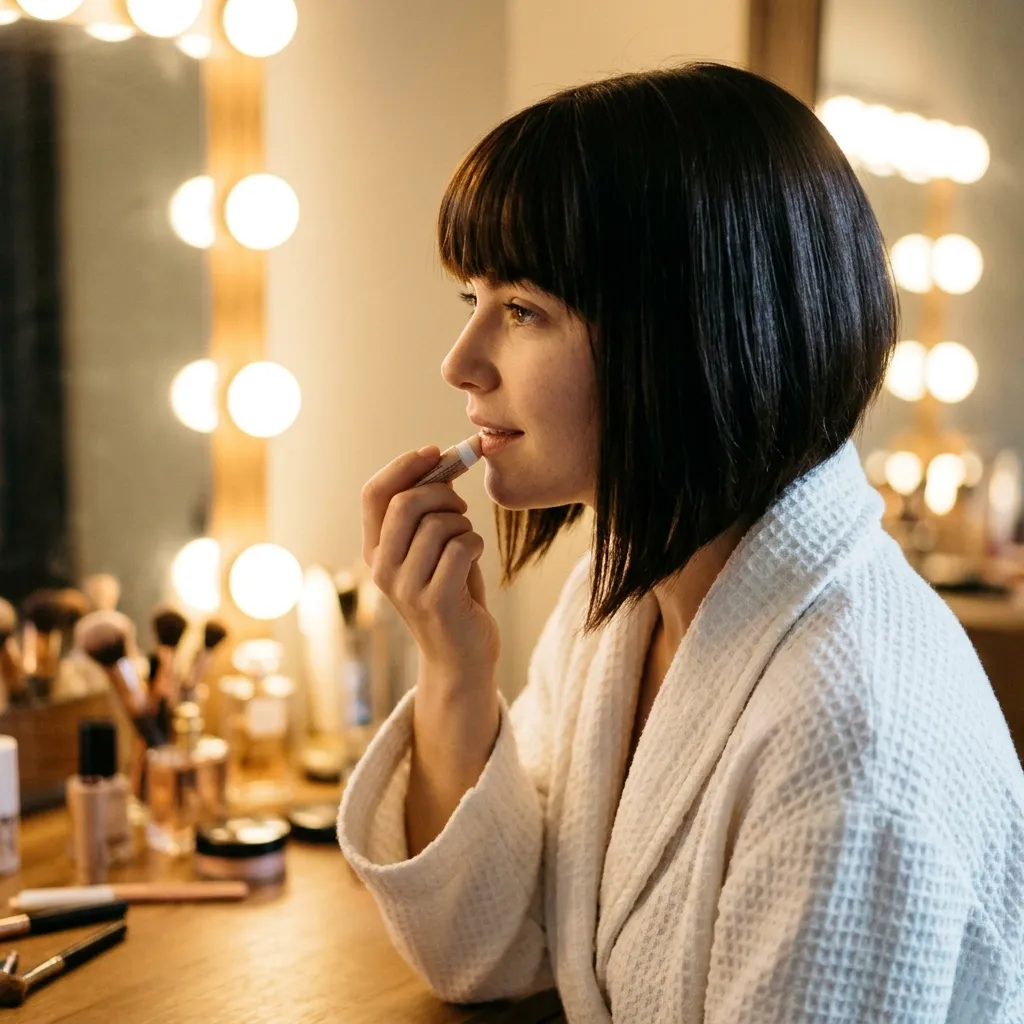
Adding bangs to an angled bob changes the whole feel of the cut. A blunt fringe gives it a retro, graphic quality, while a wispy one makes it feel airy and relaxed. Since the front pieces are already longer, bangs also help tie the face-framing lengths together.
Think about your forehead and hair texture before committing. If your hair is thick and straight, a full fringe holds its shape well, but if you have a cowlick at the hairline, ask your stylist about a softer, side-swept option. Keep a small pair of scissors out of the picture at home, though, and book a quick bang trim at the salon between full cuts.
5. Angled Bob with Side Part

A deep side part and an angled bob are a natural pair. The part sends the hair across the forehead and lets the longer front sections sweep along the cheek, which adds a flattering diagonal line. It’s a quick way to make a straight bob look more intentional.
Switching your part is also a handy trick for adding lift. Blow-dry the roots up and away from the part, then flip the hair back to its natural position so it holds height at the crown. If you like variety, try flipping the part to the other side now and then, since angled cuts often look different depending on which direction the hair falls.
6. Wavy Angled Bob
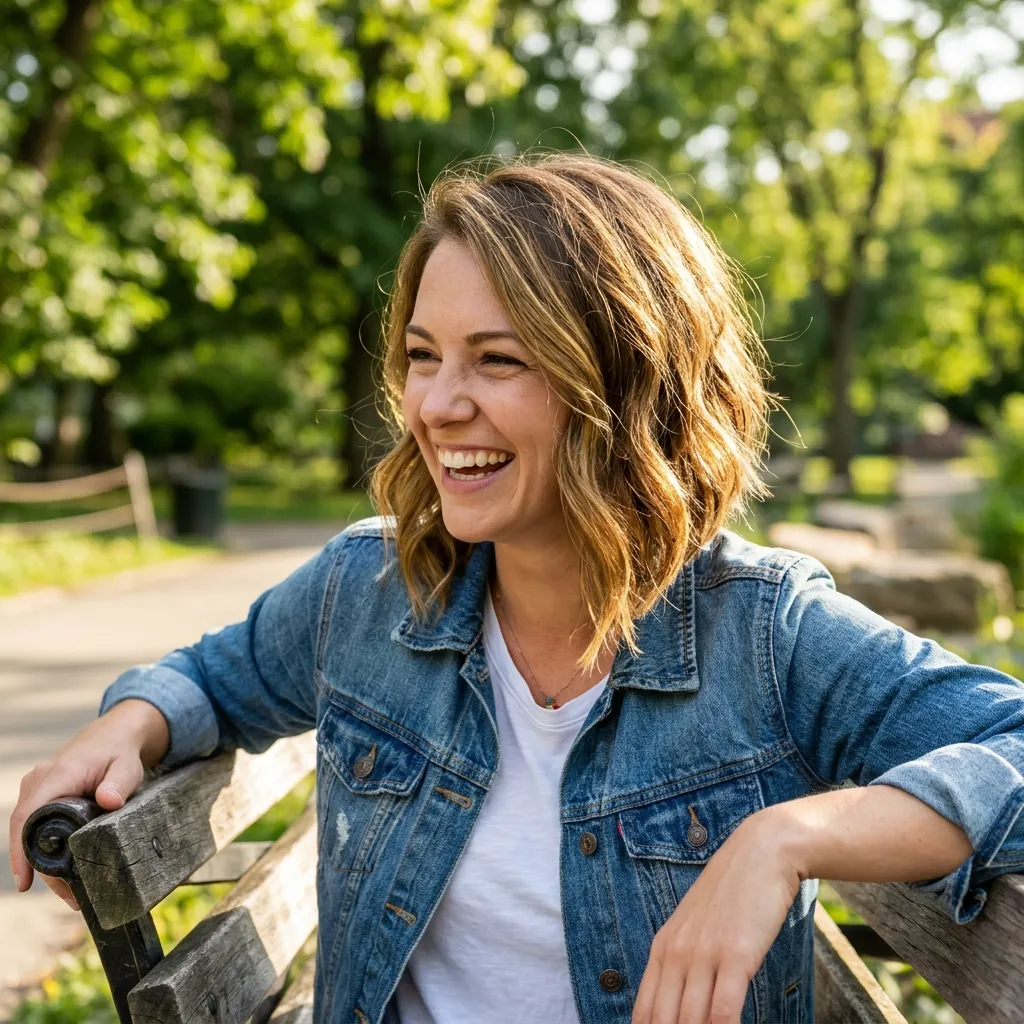
Waves and angles balance each other nicely. The angled shape gives structure, while the waves add softness and movement, so the cut never looks too severe. It’s a pretty combination if you like a relaxed, slightly undone finish.
To get the look, use a large-barrel curling iron and alternate the direction of each curl, then brush through gently with your fingers. A sea salt spray or light styling cream helps the waves keep their form without feeling crunchy. If your hair is naturally wavy, ask your stylist to cut it dry or to account for shrinkage, because wavy hair can jump up an inch or more once it dries.
7. Angled Bob with Curtain Bangs
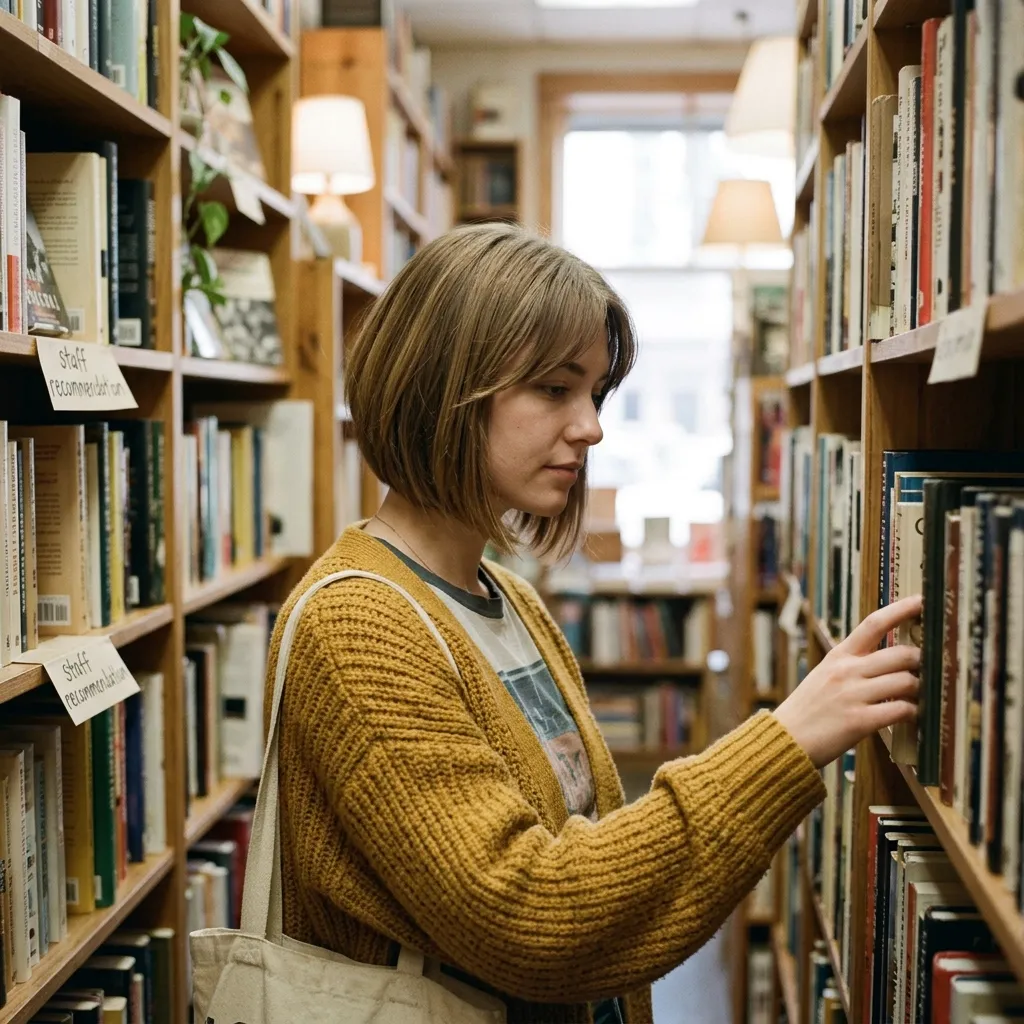
Curtain bangs part in the middle and sweep out to each side, which makes them a softer partner for an angled bob than a blunt fringe. They blend into the longer front pieces and create a frame that opens up the face. The overall effect feels lightweight and very current.
They’re also forgiving as they grow out, since they simply merge with the face-framing layers. Style them with a small round brush, rolling the hair away from your face as you dry it. If your hair gets oily near the forehead, a dusting of dry shampoo at the roots will help the bangs last through the day.
8. Inverted Angled Bob
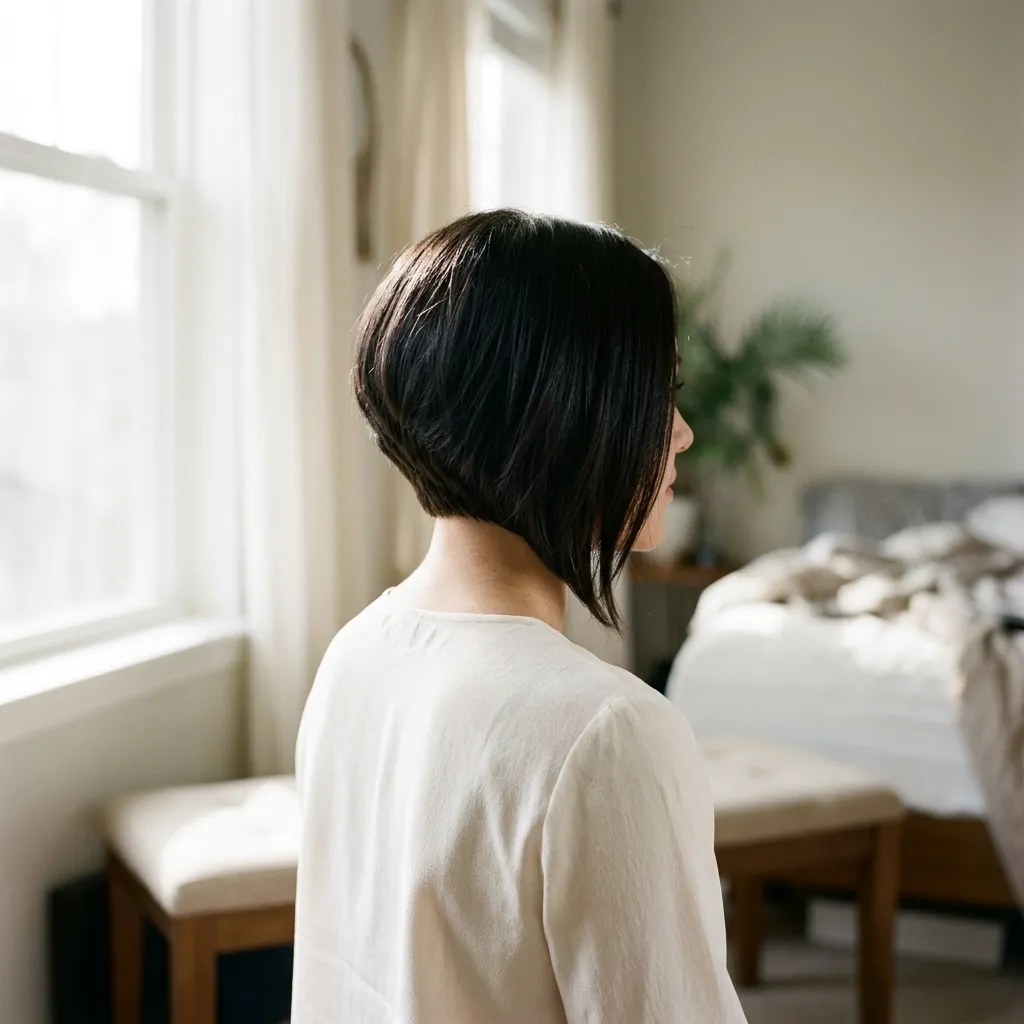
An inverted bob is cut so the back is short and stacked, with the lengths increasing toward the front. Combine that with a pronounced angle and you get a shape that feels sleek and a little theatrical. The shorter back often shows off the neckline, so it’s a good option if you like the look of a neat, defined nape.
Fine or medium hair tends to work best, because very thick hair can feel bulky when stacked. A smoothing blow-dry brings out the sharp lines, and a light shine serum adds polish. Ask your stylist how much stacking to include, since a little goes a long way.
9. Angled Bob with Undercut
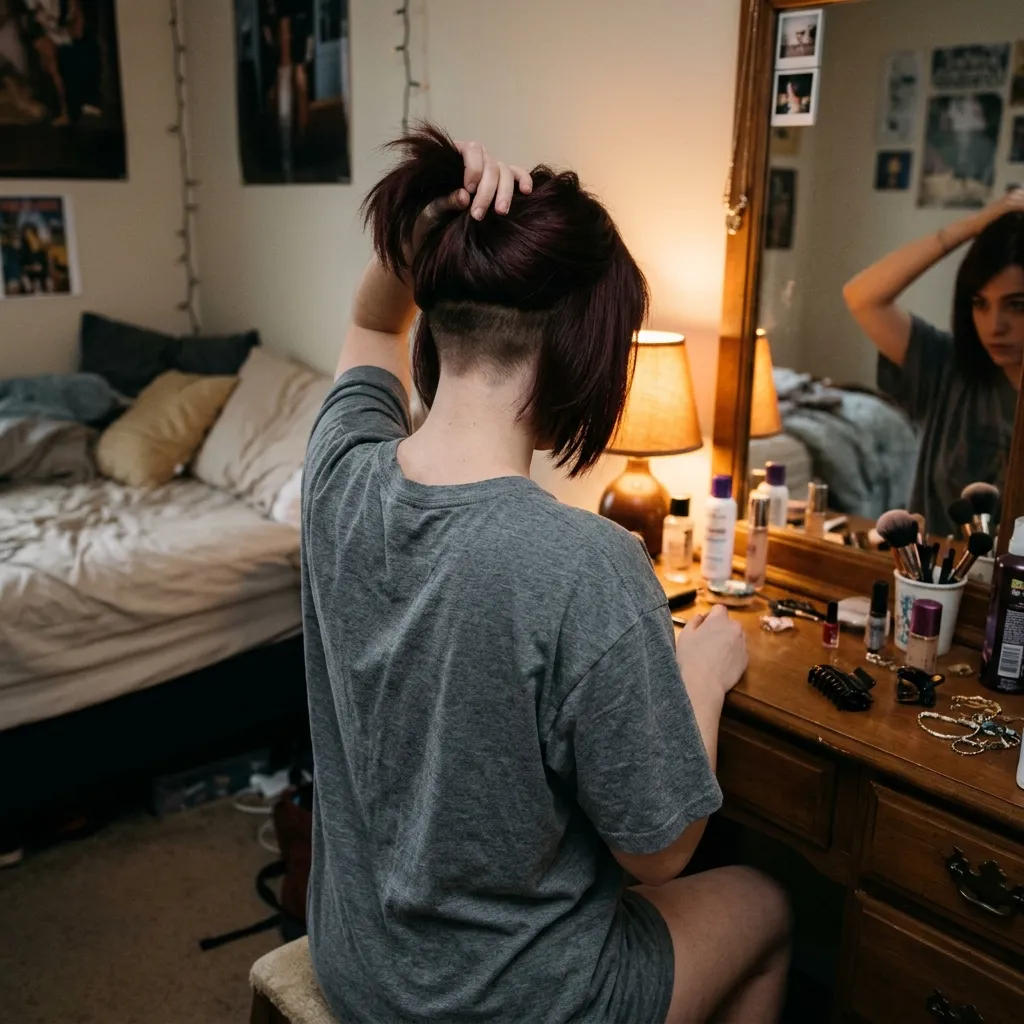
An undercut, where a section at the nape is shaved or cut very short, gives an angled bob a surprise element. The top layers cover it most of the time, so you can show it off or hide it depending on your mood. It’s a great way to get an edgier look without a total transformation.
This style also removes bulk, which helps if your hair is very thick and tends to puff out at the back. The undercut can be a simple clean line or a small design, so talk with your stylist about what you can live with. Be ready for regular upkeep, since the shaved section grows in quickly and needs a refresh every few weeks.
10. Angled Bob with Highlights
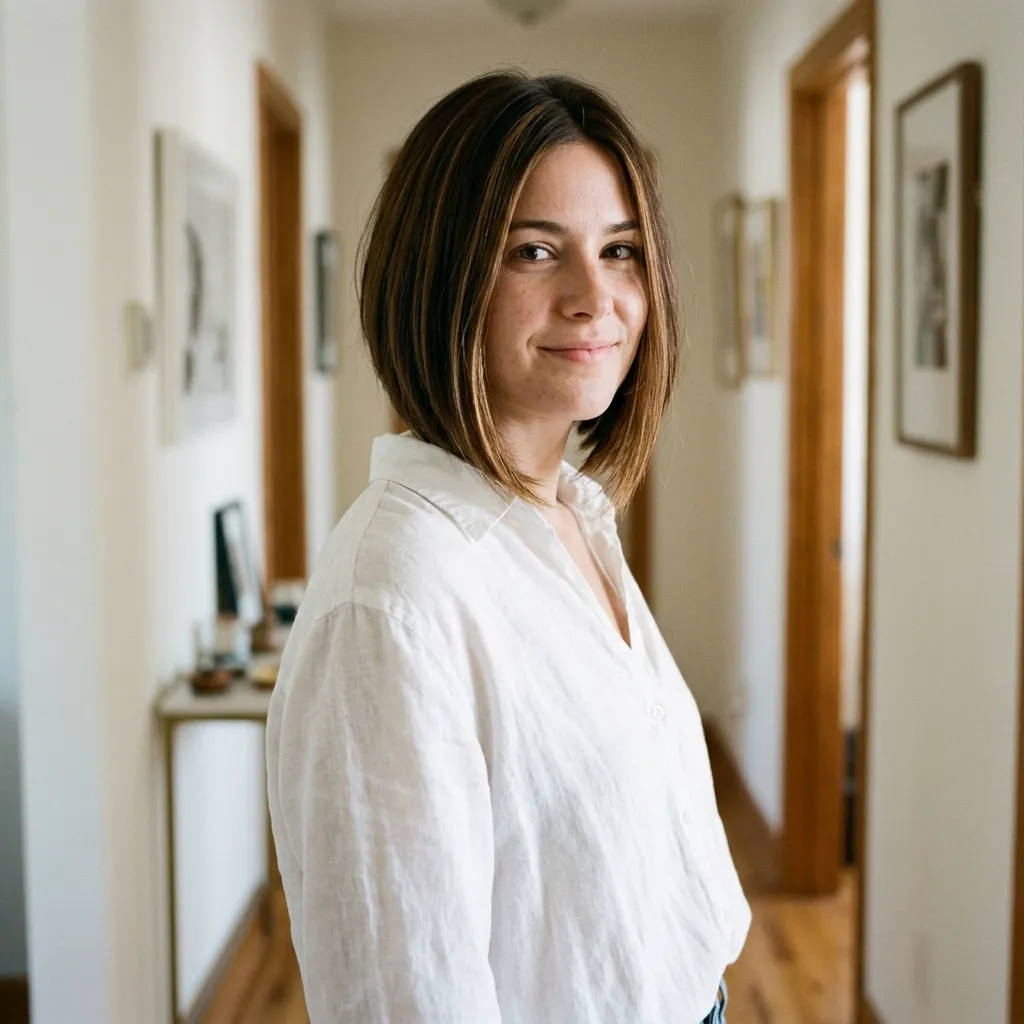
Highlights show off the shape of an angled bob beautifully. The slanted lines catch the light differently, and brighter pieces placed through the front sections emphasize that diagonal. You get dimension and movement, even if you style the cut perfectly straight.
Choose a highlight tone that sits within a few shades of your natural color for a soft, believable look, or go higher contrast if you want drama. Fine, thin highlights usually look more modern than chunky streaks. A gloss treatment between salon visits will keep the color fresh and the hair looking shiny.
11. Chin-Length Angled Bob
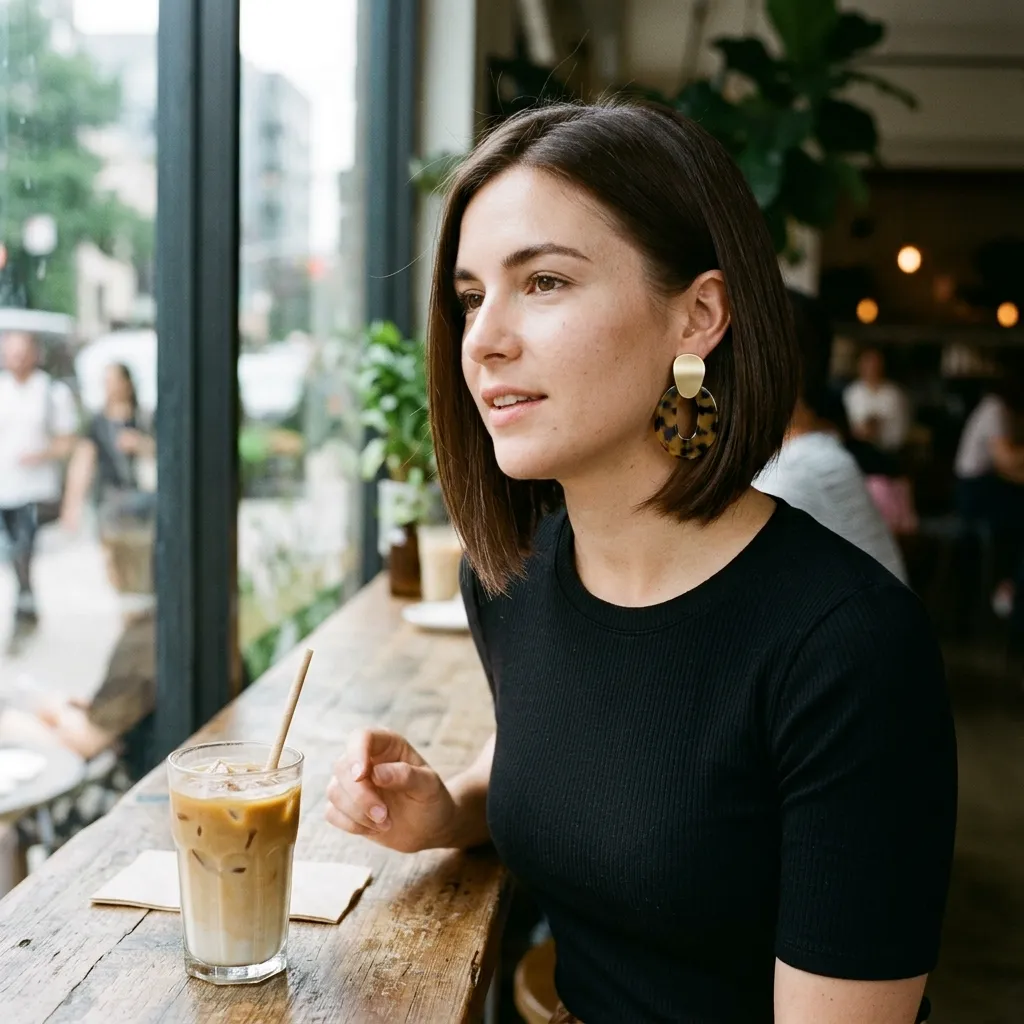
A chin-length angled bob keeps everything compact and neat. The front sits right at the jaw, with the back cut a touch shorter, so the shape feels tidy and light. It’s a great option for warm weather or for anyone who wants to spend less time drying hair.
Short cuts like this show off the face and neck, so they pair well with statement earrings. Because there’s less length to weigh the hair down, volume tends to hold at the crown. Plan on trims every six weeks or so to keep the line crisp, since a few extra inches can quickly change the shape.
12. Angled Bob with Money Piece
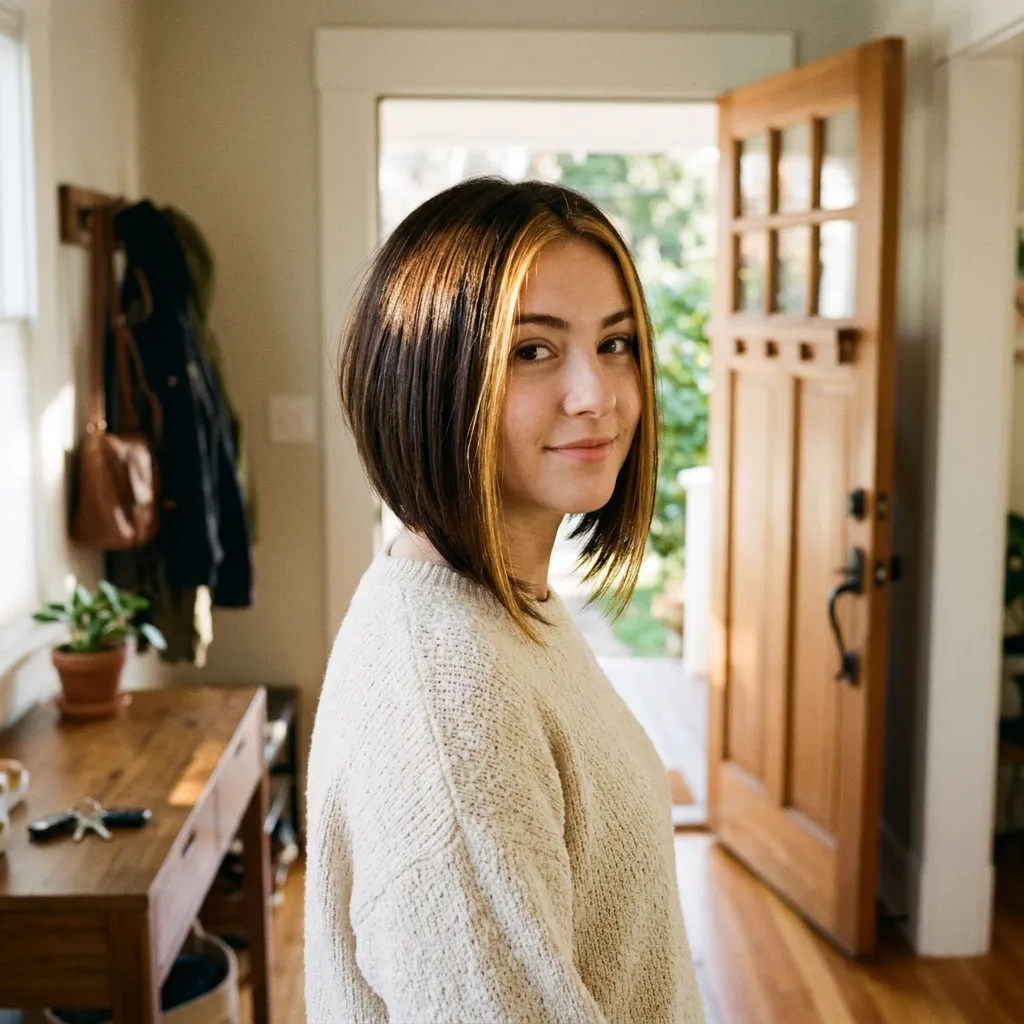
The money piece is a bright section of color right at the front, framing the face. On an angled bob, those face-framing strands are the longest pieces, so the color gets showcased perfectly. It’s a low-commitment way to add brightness, because it only involves a small amount of hair.
It also brightens the complexion, which helps if you feel your skin looks dull. Ask your colorist for a shade that works with your base color, whether that’s honey, copper, or a cool blonde. Between appointments, use a color-safe shampoo to keep the brightness from fading.
13. Long Angled Bob
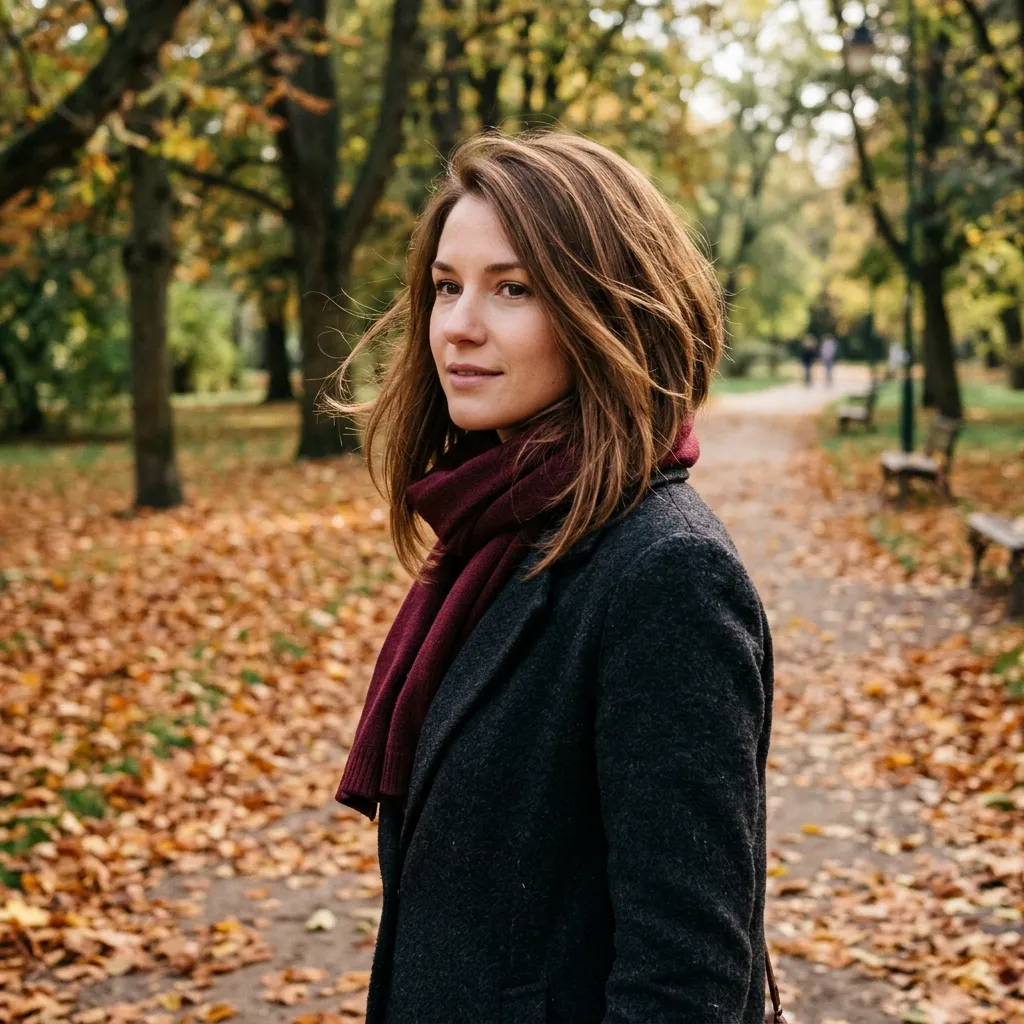
The long angled bob, sometimes called a lob with a slope, sits at or below the collarbone while keeping a gentle front-to-back angle. It’s the bob for people who aren’t quite ready to say goodbye to length. You can wear it down, tuck it behind your ears, or pull it into a low pony.
The longer length also means more styling choices, from loose curls to a sleek, straight finish. Because there’s more hair to weigh it down, a little root-lift spray helps it stay full. Ask your stylist to keep the angle subtle, so the cut still looks intentional and not like it simply grew unevenly.
14. Angled Bob with Side-Swept Bangs
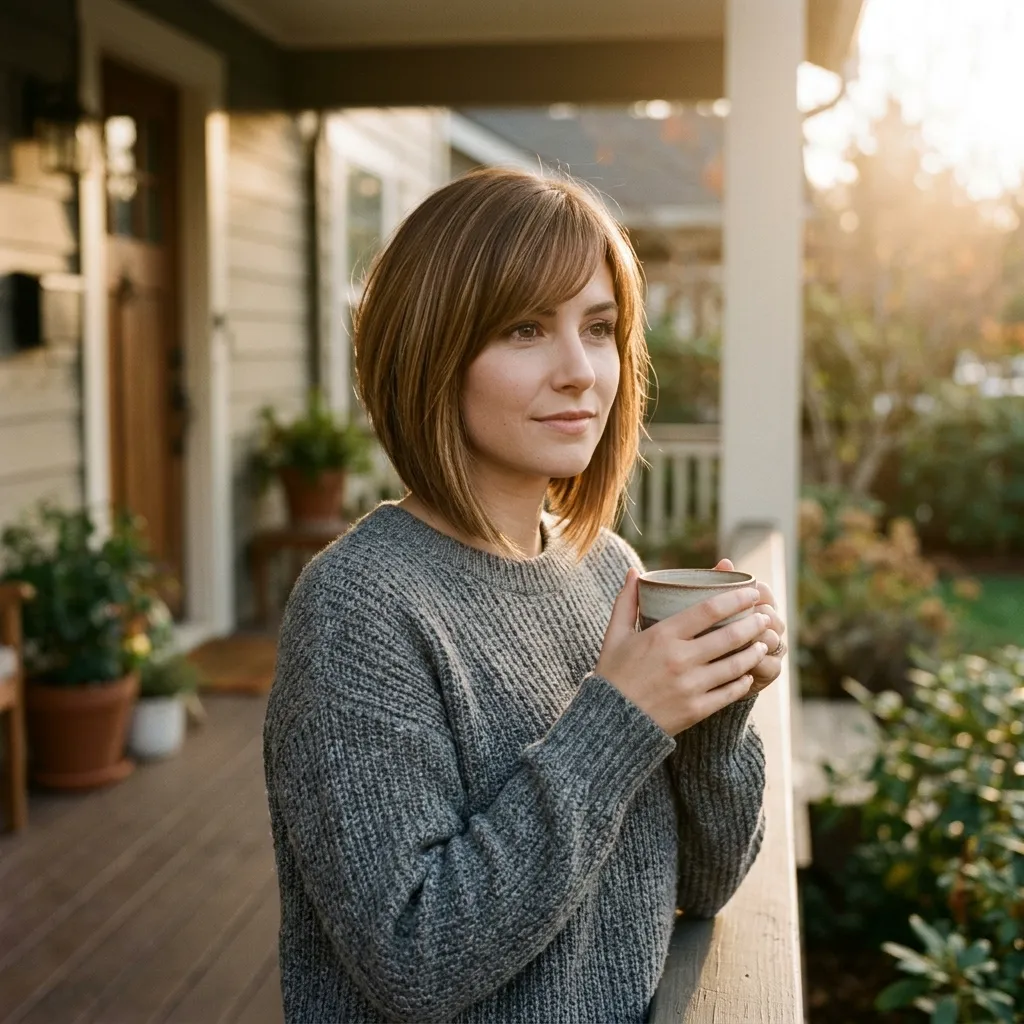
Side-swept bangs are one of the most flexible fringe styles you can choose. They glide across the forehead and blend into the longer front pieces of an angled bob, creating one continuous line. It’s a lovely way to soften the forehead and add a hint of drama to the eyes.
This pairing is also easier to manage than blunt bangs, since it doesn’t require perfect styling every morning. A quick pass with a flat iron or a round brush is usually enough. If your hair is thin at the hairline, tell your stylist so they can take a slightly wider section and avoid a see-through look.
15. Sharp Angled Bob

A sharp angled bob is all about precision. The edges are cut with crisp, clean lines, and the angle is carefully defined, so the shape looks almost architectural. It’s a striking choice for straight, healthy hair that can hold a sleek finish.
Keeping this look sharp takes some effort. Plan on regular trims, a good heat protectant, and a smoothing routine to tame flyaways. It’s worth the work if you love the look of polished lines, and it can make even a simple outfit feel more put-together.
16. Choppy Angled Bob
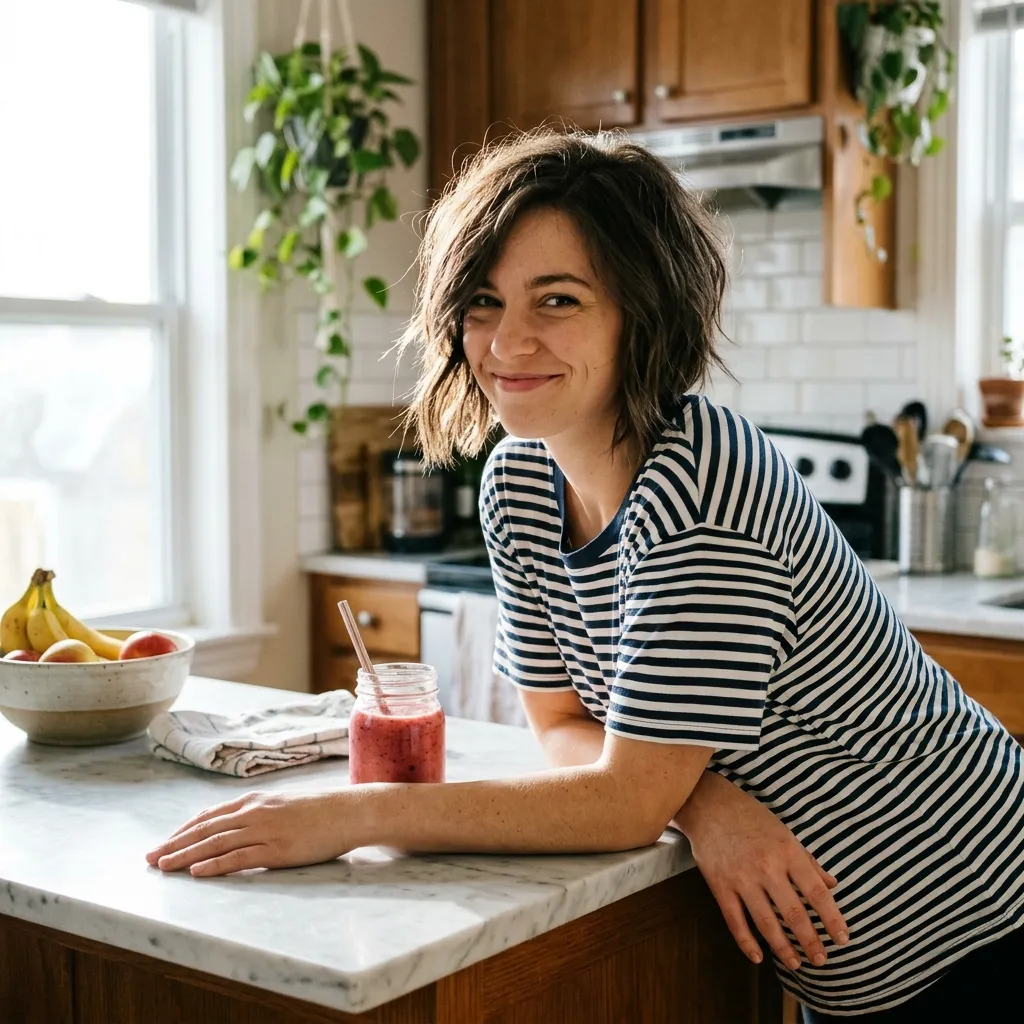
If sharp isn’t your style, a choppy angled bob goes the opposite direction. The ends are cut with uneven, textured pieces that give the shape a playful, lived-in feel. The angle is still there, but it’s less rigid, so the overall look is more relaxed.
This is a good option for fine hair, because the texture helps strands overlap and look fuller. A texturizing paste worked through dry hair will define the pieces without making them stiff. Don’t be afraid of a little mess, since the charm of this cut is that it looks like you didn’t try too hard.
17. Angled Bob with Shadow Root

A shadow root blends a slightly deeper shade at the roots into a lighter color through the lengths. On an angled bob, it gives the hair dimension and makes regrowth much less noticeable. It also creates the look of depth at the scalp, which can make hair seem fuller.
This is a practical choice if you’re tired of frequent root touch-ups. You can stretch the time between color visits because the grow-out looks soft rather than stark. Ask your colorist to keep the root shade close to your natural tone so the blend looks seamless.
18. Asymmetrical Angled Bob
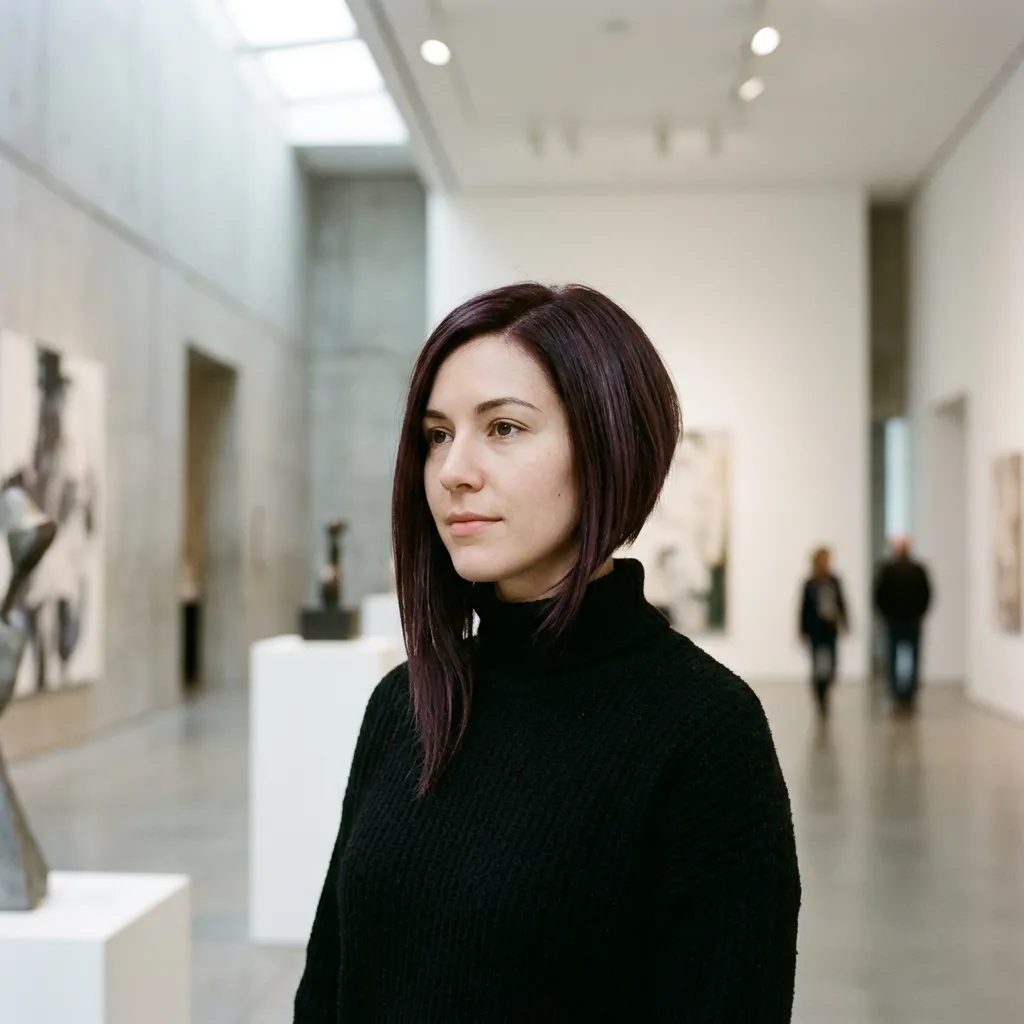
An asymmetrical angled bob takes the slope a step further by making one side noticeably longer than the other. It’s a creative shape that stands out in a crowd, and it works with a side part to highlight the difference. If you like a cut that feels artistic, this one delivers.
Because the two sides are different, getting the balance right matters. Make sure your stylist cuts with your natural head shape and part in mind, and be specific about how much difference you want. A subtle variation can feel chic, while a dramatic one is bold and fashion-forward.
19. Soft Angled Bob with Layers
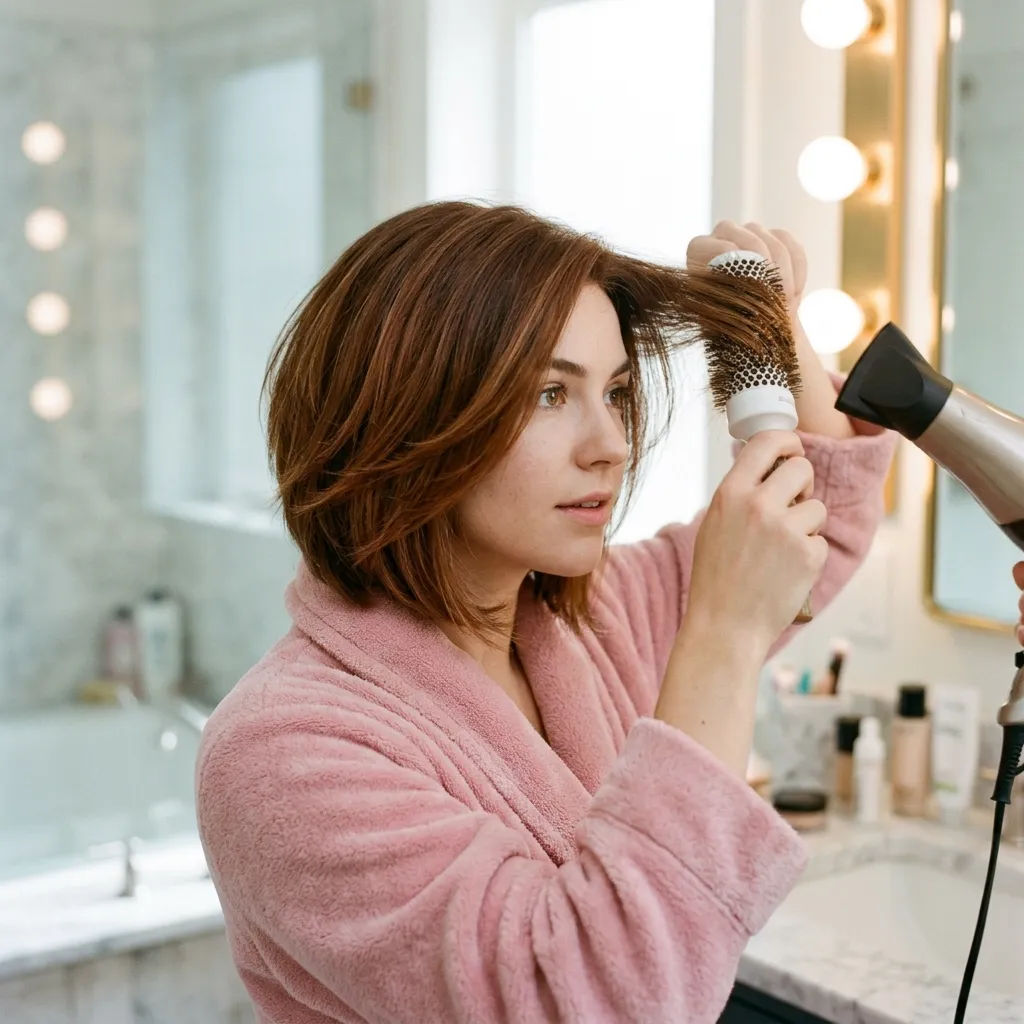
Layers take the edge off an angled bob and give it a gentler look. Soft, blended layers add movement and make the cut feel lighter, especially if your hair is on the thicker side. The angle remains visible but blends in rather than shouting.
This version is easy to wear because it looks good with minimal styling. A round brush and a few minutes of blow-drying will give you smooth bounce. If your hair is fine, ask for longer layers, since very short ones can make the ends look thin.
20. Stacked Angled Bob with Volume at the Crown
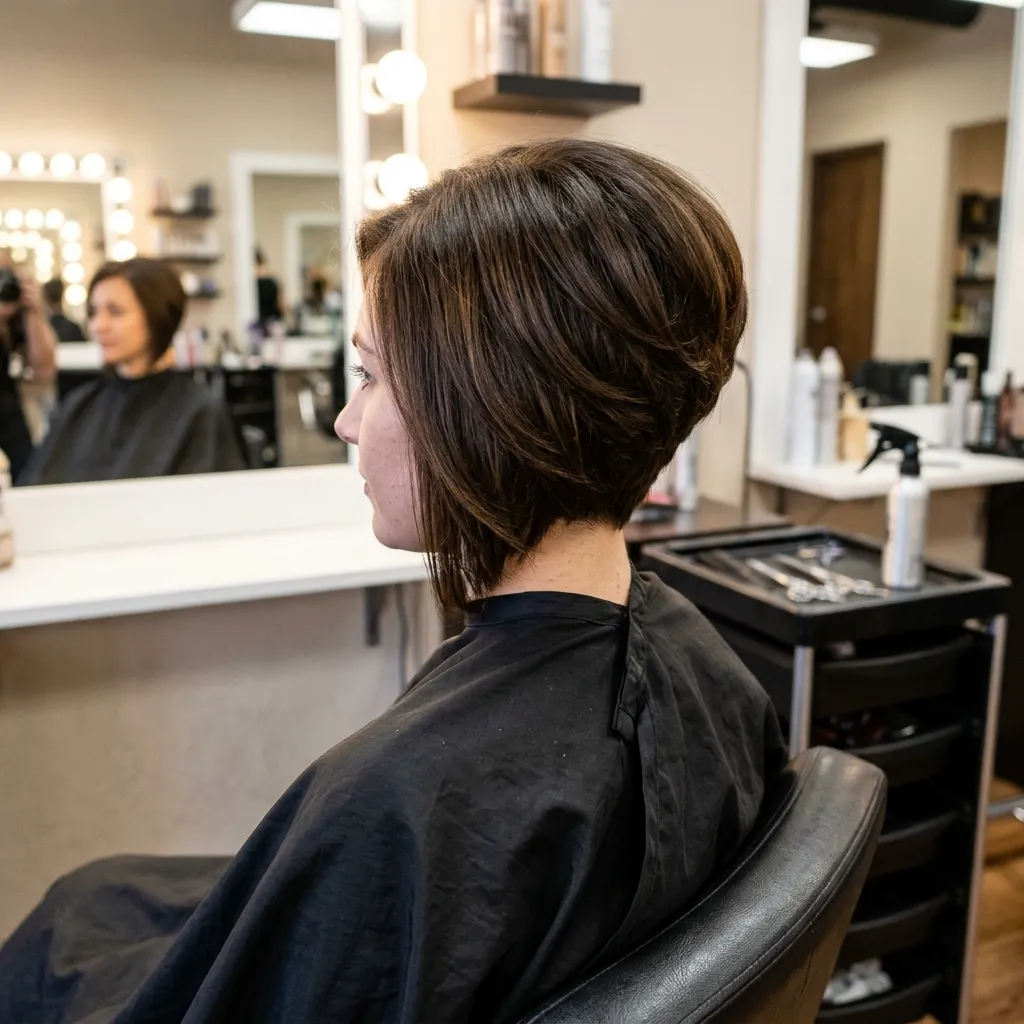
A stacked bob is cut with graduated layers in the back, building up to create height and a rounded shape. When combined with an angle, it gives the back a lifted, curved silhouette while the front stays long and sleek. The crown gets a natural boost, which is a blessing for anyone whose hair tends to go flat on top.
To style it, blow-dry the back section upward with a round brush, then smooth the front. A volumizing powder at the roots will help the lift hold through the day. It’s a flattering pick if you like a polished look with a bit of old-school glamour.
21. Angled Bob with Balayage Highlights

Balayage is a hand-painted color technique that gives a soft, sun-kissed gradient. On an angled bob, it shows up beautifully on the longer front pieces, which catch the light as you move. The result is dimension that looks natural and grows out gently.
Because the color is painted rather than foiled, it tends to be less rigid than traditional highlights. You can choose subtle caramel tones or brighter blonde ribbons, depending on your base. A purple or blue-toned shampoo once a week can keep lighter shades from turning brassy.
22. Textured Angled Bob with Wispy Ends
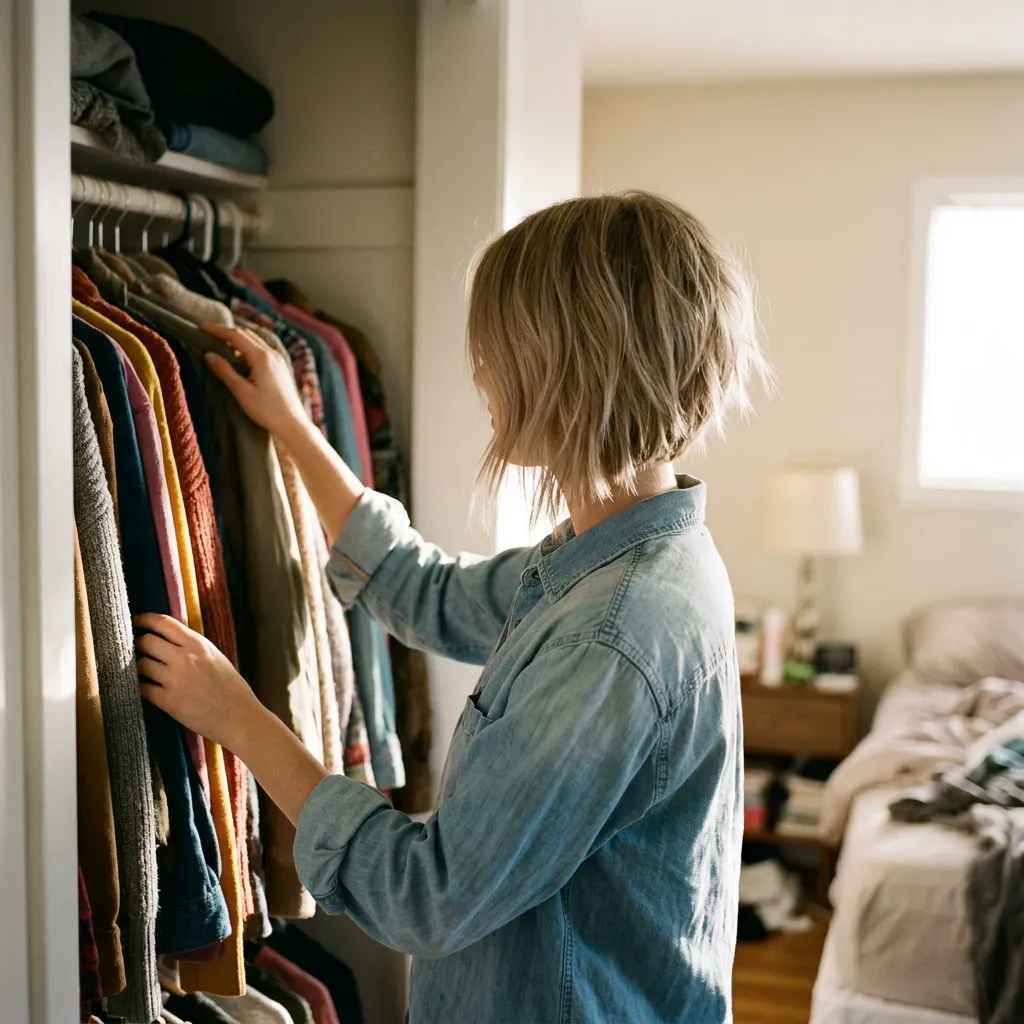
A textured angled bob with wispy ends has a light, feathery finish that moves with you. The ends are softly cut so they don’t look heavy, which gives the shape a youthful, breezy quality. It’s a lovely choice if you want an angle but dislike the severity of a blunt line.
It works especially well on fine to medium hair. Keep styling products lightweight, since heavy creams can weigh down wispy ends. A light spritz of texturizing spray and a quick scrunch usually does the trick.
23. Sleek Angled Bob with Blunt Ends
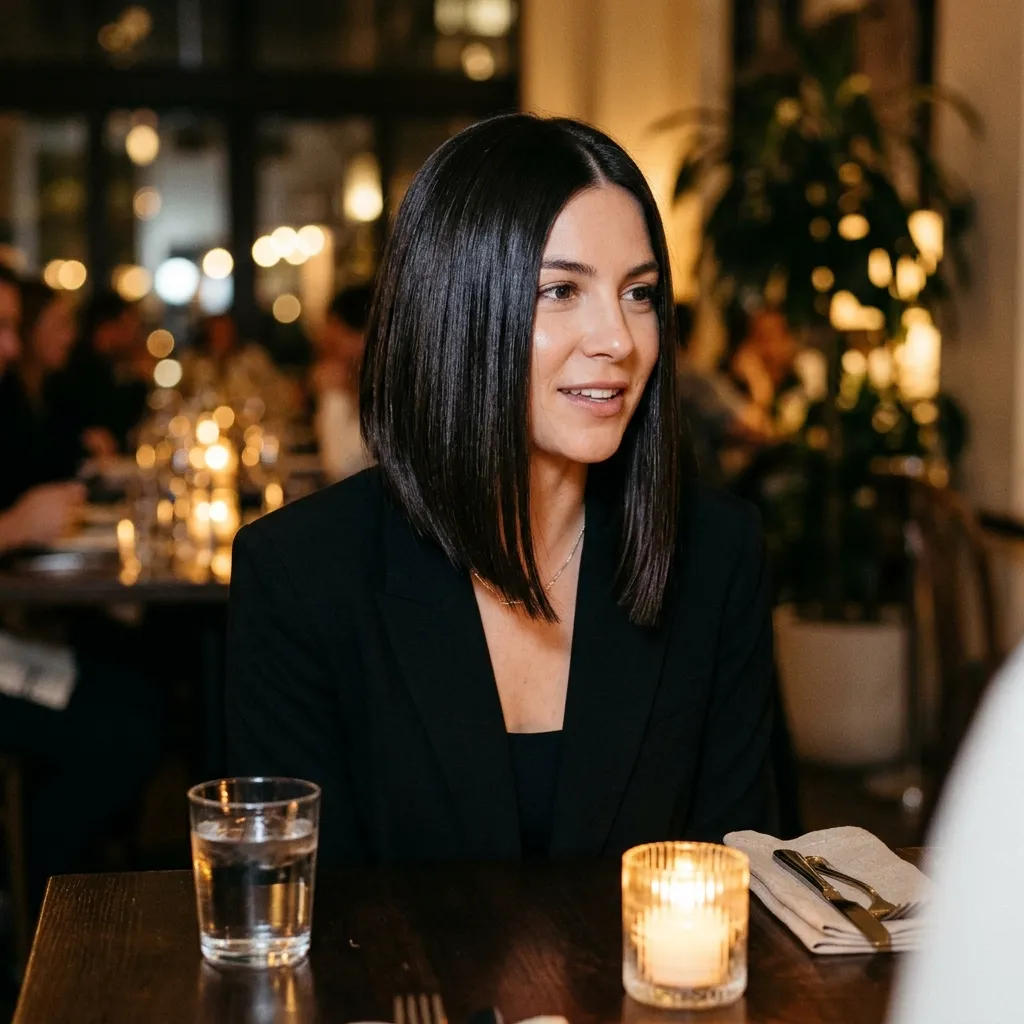
The sleek, blunt version is the opposite of wispy. Every end is cut in a clean, solid line, which makes the hair look dense and glossy. It’s a showpiece for healthy, straight hair, and it makes an excellent canvas for a rich, solid color.
Smooth styling is the whole point here. Use a flat iron or a smoothing blow-dry, then finish with a shine serum for a mirror-like surface. Regular trims keep the hem crisp, since split ends are far more visible on a blunt cut.
24. Curly Angled Bob with Natural Volume

Curly hair and angled bobs are a wonderful match when the cut is done well. The angle creates shape that keeps curls from forming a triangle, and the natural volume gives the cut a lively, bouncy character. It celebrates texture instead of fighting it.
Look for a stylist who has experience cutting curly hair, ideally on dry or lightly damp hair so they can see how each curl behaves. A curl cream or gel applied to wet hair, followed by a diffuser or air-drying, will define the pattern. Keep the front longer than the back to maintain the angle, and remember that curls bounce up once they dry.
25. Angled Bob with Feathered Layers

Feathered layers give an angled bob a soft, flowing quality that recalls classic salon styling. The layers are cut to blend gently into one another, creating movement around the face and ends. It’s a gentle, romantic take on the angle.
To style it, use a round brush and a bit of heat to flip the ends outward or turn them under. A flexible-hold hairspray keeps the shape without leaving it stiff. This cut is a nice option if you want a polished look that still feels warm and approachable.
FAQs
What is an angled bob haircut?
An angled bob is a bob where the length slopes diagonally, usually shorter at the back and longer toward the front. The angle can be subtle or dramatic, depending on how much difference there is between the two lengths. It’s also sometimes called a sloped or A-line bob, and it appears in many variations.
Who looks best with an angled bob?
Angled bobs flatter a wide range of face shapes, because the angle can be adjusted to suit each one. Longer front pieces can slim a round face, while soft layers can balance a more angular jaw. A good stylist will look at your features and hair texture to tailor the slope for you.
How often should I trim an angled bob?
Most people keep the shape crisp by trimming every six to eight weeks, and sharper versions may need it a little more often. As the hair grows, the angle softens and the cut can lose its definition. If you prefer a relaxed look, you can stretch your appointments a bit longer.
Is an angled bob high maintenance?
It depends on the version you choose. A choppy or textured cut is easy to air-dry and tousle, while a sharp, blunt bob needs more regular styling and trims. Be honest with your stylist about how much time you want to spend each morning.
Can I get an angled bob with curly or thick hair?
Yes, and many people love the result. Curly hair benefits from a cut that accounts for shrinkage and shape, while thick hair may need some internal layering or thinning to reduce bulk. Choose a stylist who is comfortable with your hair type so the angle looks right once it’s dry.
Conclusion
Angled bob haircuts offer something for nearly everyone, from the clean lines of a sharp bob to the soft movement of feathered layers and curls. The best choice depends on your hair texture, your face shape, and how much time you want to spend styling. Think about whether you like a polished finish or a lived-in one, and let that guide your decision.
Before your next appointment, save two or three photos that show the angle, length, and finish you like. Tell your stylist how you wear your hair on a typical day, and ask how the cut will behave as it grows out. With that conversation and a good cut, an angled bob can become the easiest, most flattering haircut you’ve ever had.