If you have ever sat in a salon chair after turning fifty and wondered whether a short cut still works for you, you are far from alone. Plenty of women in their fifties, sixties, and beyond are choosing undercut pixie haircuts for over 50 because they want something bold, low-maintenance, and flattering all at once. A pixie already removes a lot of bulk and draws attention to the eyes and cheekbones, and the undercut adds a little edge without making the look feel young for its own sake.
So what exactly is an undercut in this context? The sides and back are shaved, tapered, or cut very short, while the top stays longer and gets shaped into soft layers or textured pieces. That contrast gives the cut structure, so it never looks flat or rounded the way a basic short style sometimes can. For women with fine, thinning, or textured hair, the longer top can be styled to create volume right where it is needed, which is one reason this look shows up so often on older clients in salons.
In the sections below you will find 22 ideas, ranging from crisp, tapered versions to softer, feathered cuts and playful takes with color. Each one comes with a short note on who it tends to suit, how much upkeep to expect, and what to ask your stylist for. We also answer the questions readers ask most before booking, like how often to trim and how a pixie works with gray hair. Treat the list as a menu rather than a rulebook, and bring two or three favorites to your next appointment.
1. Classic Tapered Undercut Pixie
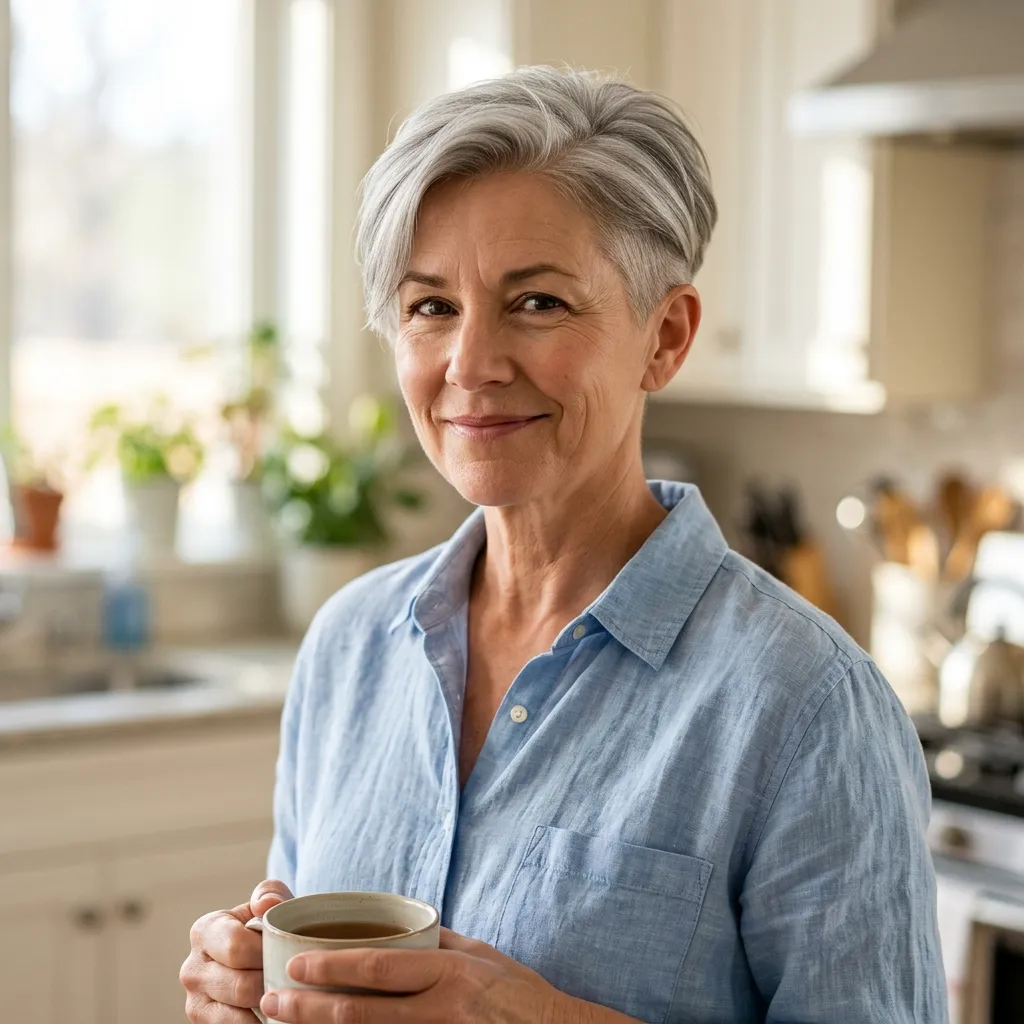
The classic tapered undercut is the version most stylists picture when a client says she wants something short but not severe. The sides and nape are graduated down gradually with clippers, so the shift from longer top to shorter back looks smooth rather than abrupt. Because the taper is gentle, the cut works equally well for someone trying short hair for the first time and for a woman who has worn a pixie for decades.
For women over fifty, this style is especially forgiving around the crown and temples, where hair can thin with age. The top is often kept at a length that allows a little parting, sweeping, or pushing back with a touch of pomade. Plan on a trim every four to six weeks to keep the taper crisp, since regrowth tends to show first at the neckline.
2. Disconnected Undercut Pixie

A disconnected undercut takes the contrast further by leaving a visible line between the shaved section and the longer hair above it. Instead of blending the two, the stylist creates a distinct step, which gives the look a sharper, more graphic feel. Think of it like the difference between a soft hillside and a stone ledge: both are landscapes, but the ledge is what catches your eye.
This version suits women who already enjoy a confident, editorial look and do not mind a bit of definition at the hairline. It can also be a smart choice if you want to show off a well-defined jaw or a graceful neck. Ask your stylist to keep the disconnect subtle at first, since it is easier to add contrast at a later visit than to soften a harsh line.
3. Pixie with Shaved Nape
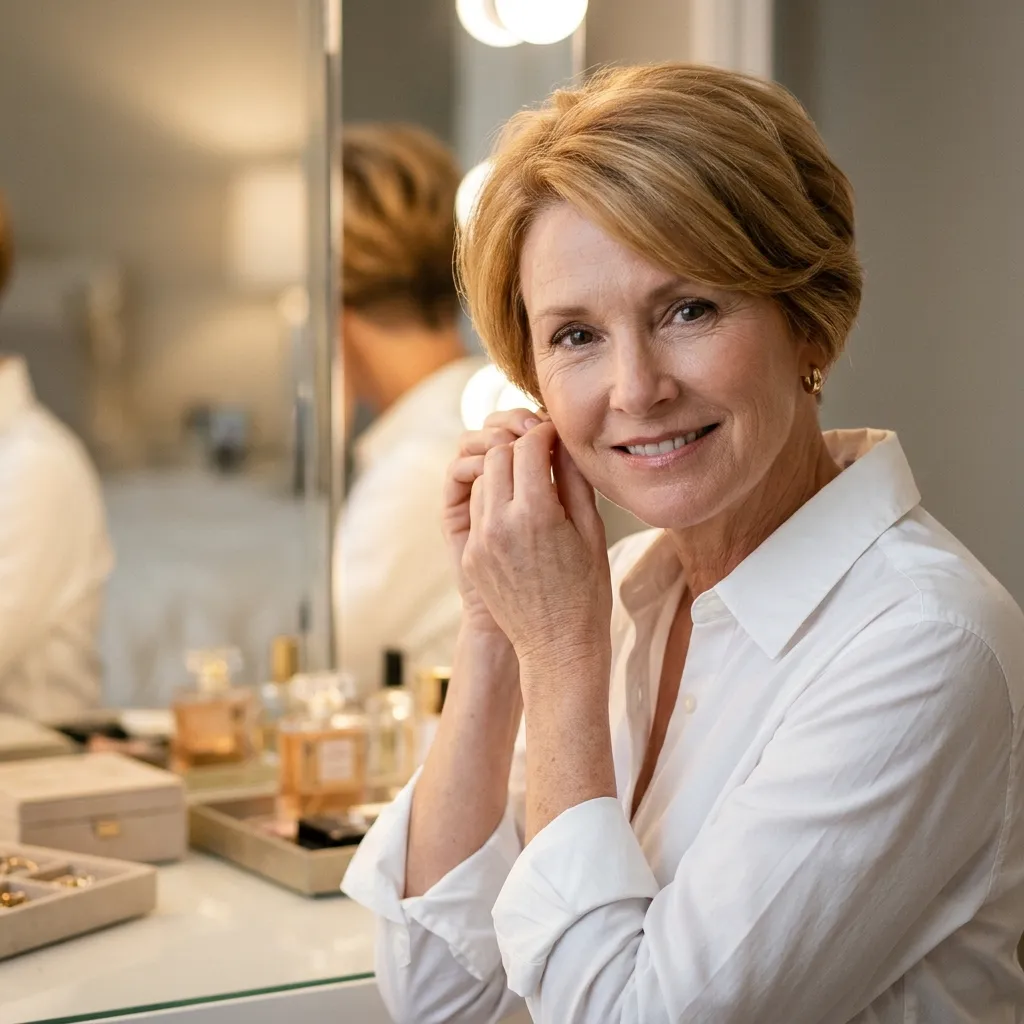
A shaved nape keeps the back of the head very clean while the sides and top retain more softness. Many women choose it as an entry point into shorter styles because it is less dramatic than a full undercut, yet it still gives the cut a modern finish. It is a neat option if you love the look of short hair at the back but want a little more fullness around the ears.
The shaved area is usually kept low at the nape and blended into the rest of the cut with a fine guard or clipper. Because that skin is exposed, many clients find they need a touch-up every three to five weeks to keep the line tidy. Clean, short napes also make necklines and collars look intentional, which many women appreciate with work clothes and evening wear alike.
4. Side-Shaved Pixie
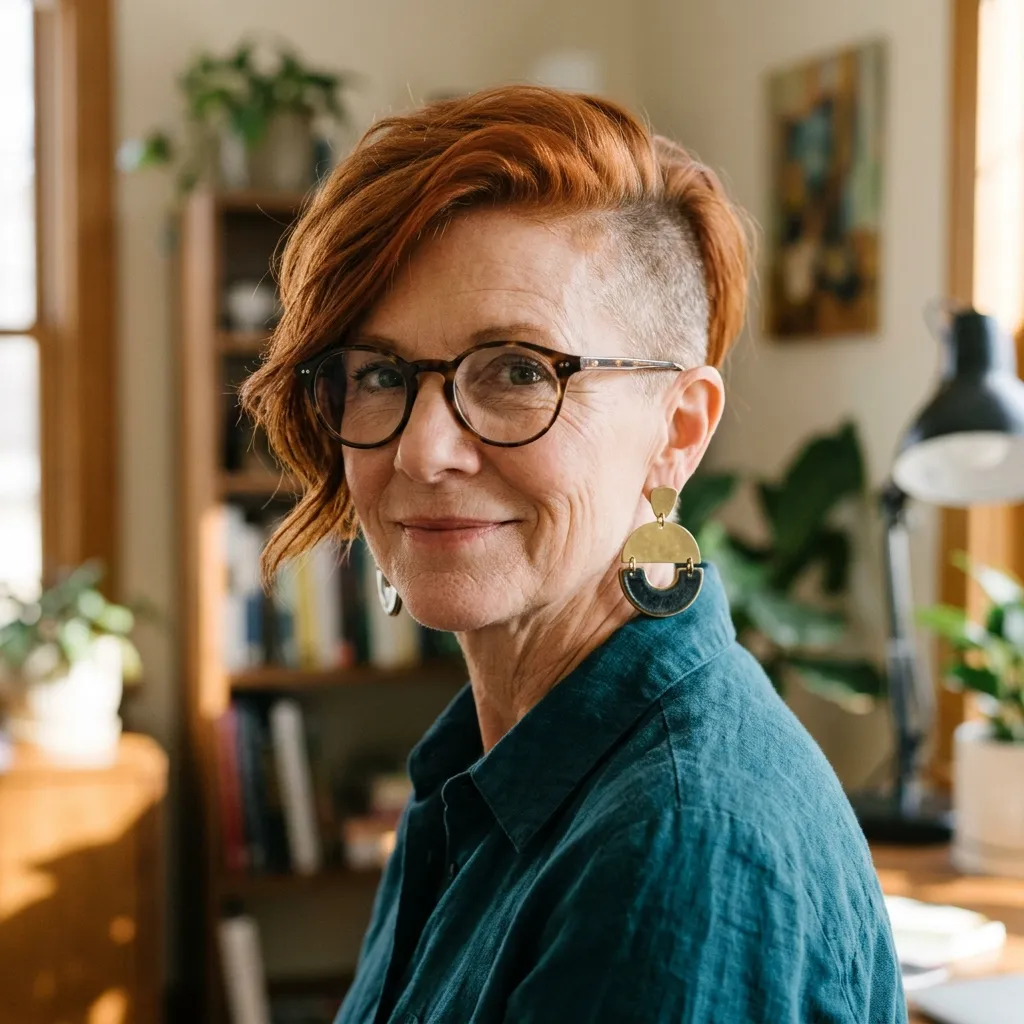
The side-shaved pixie focuses the undercut on one side of the head, while the other side keeps its natural length and softness. This asymmetry can look playful without being loud, and it lets you decide which side to show when you tuck hair behind your ear. It is also a clever option for anyone whose hair has grown unevenly or who wants a subtle statement.
Stylists often pair this cut with a side part or a swept fringe so the longer side falls naturally over the shaved area. If you wear glasses or statement earrings, think about which side you want to highlight before committing. Ask your stylist to show you both sides in the mirror, because your natural crown and any cowlick can change how the cut lies.
5. Pixie with Hidden Undercut
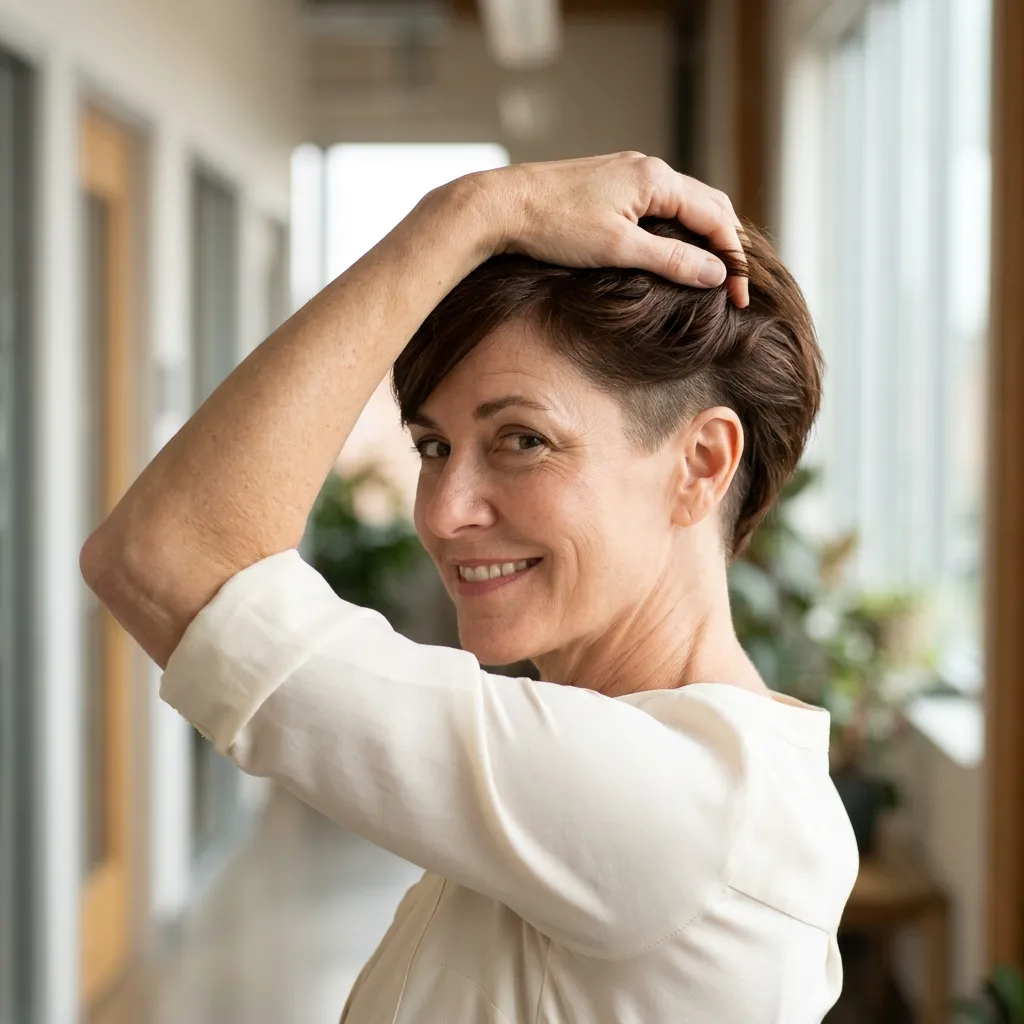
A hidden undercut stays concealed beneath longer hair on the top and sides, so most people only notice it when you tie your hair up or turn your head. It is the most understated way to wear this trend, giving you the lightness and airflow of a short cut with the option of a softer, longer look whenever you want it. Many women who work in conservative offices, or who are not quite ready for a bold cut, find this the ideal compromise.
The shaved section sits at the lower nape and is covered by a layer of longer hair, so trims can be less frequent than with a visible undercut. Keep the surrounding length a little thicker so it hides the shorter layers comfortably. This cut is also useful on busy days, since you can pin it up for a polished look or let it fall for something relaxed.
6. Textured Undercut Pixie
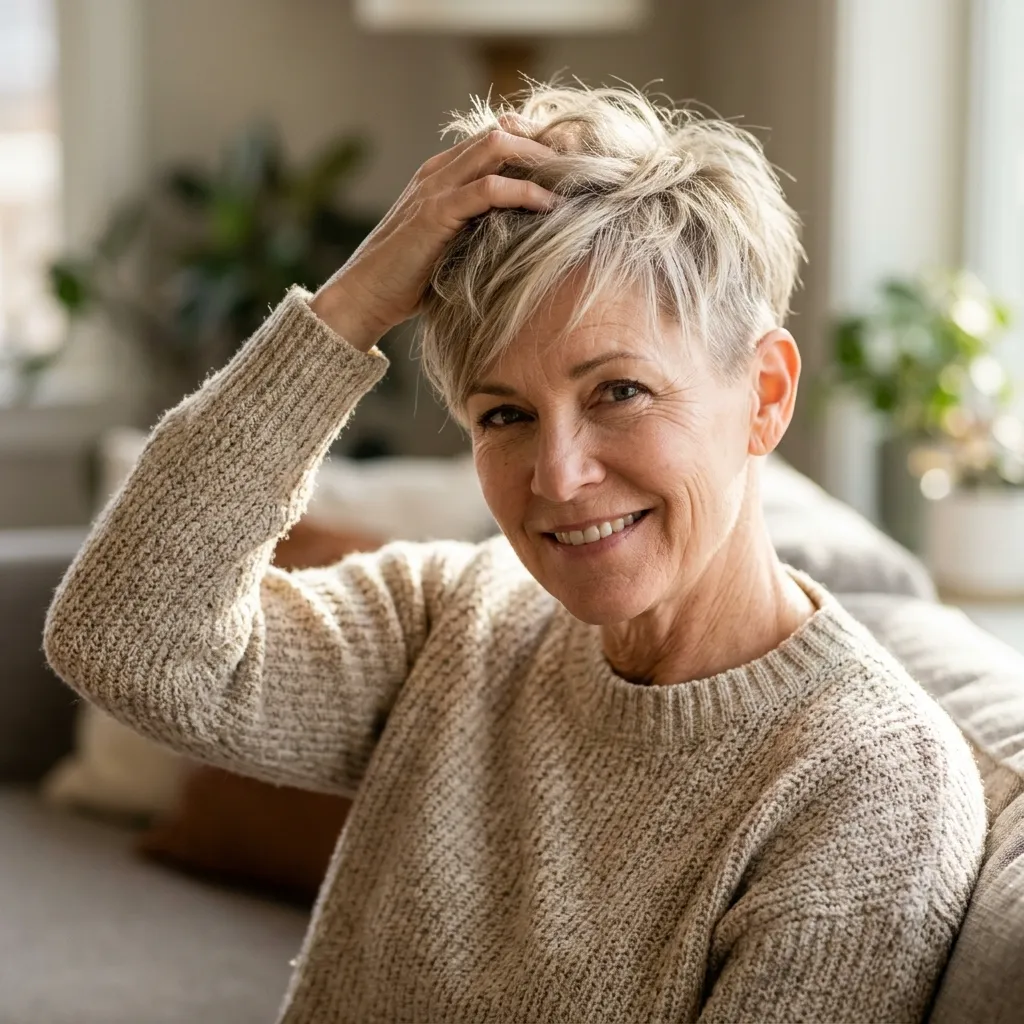
Texture is what gives this version its movement and character, and it is especially useful when hair has lost some of its natural body. The stylist works the top with point-cutting or a light razor technique so the ends look airy instead of blunt. The result reads as relaxed and lived-in rather than overworked.
Texture works beautifully on fine to medium hair because it creates the illusion of fullness without adding weight. Apply a lightweight texturizing cream or sea-salt spray to damp hair, scrunch with your fingertips, and let it air dry for the most natural finish. Plan on a trim every six to eight weeks, since texture can lose its shape faster than a smooth cut.
7. Salt-and-Pepper Undercut Pixie
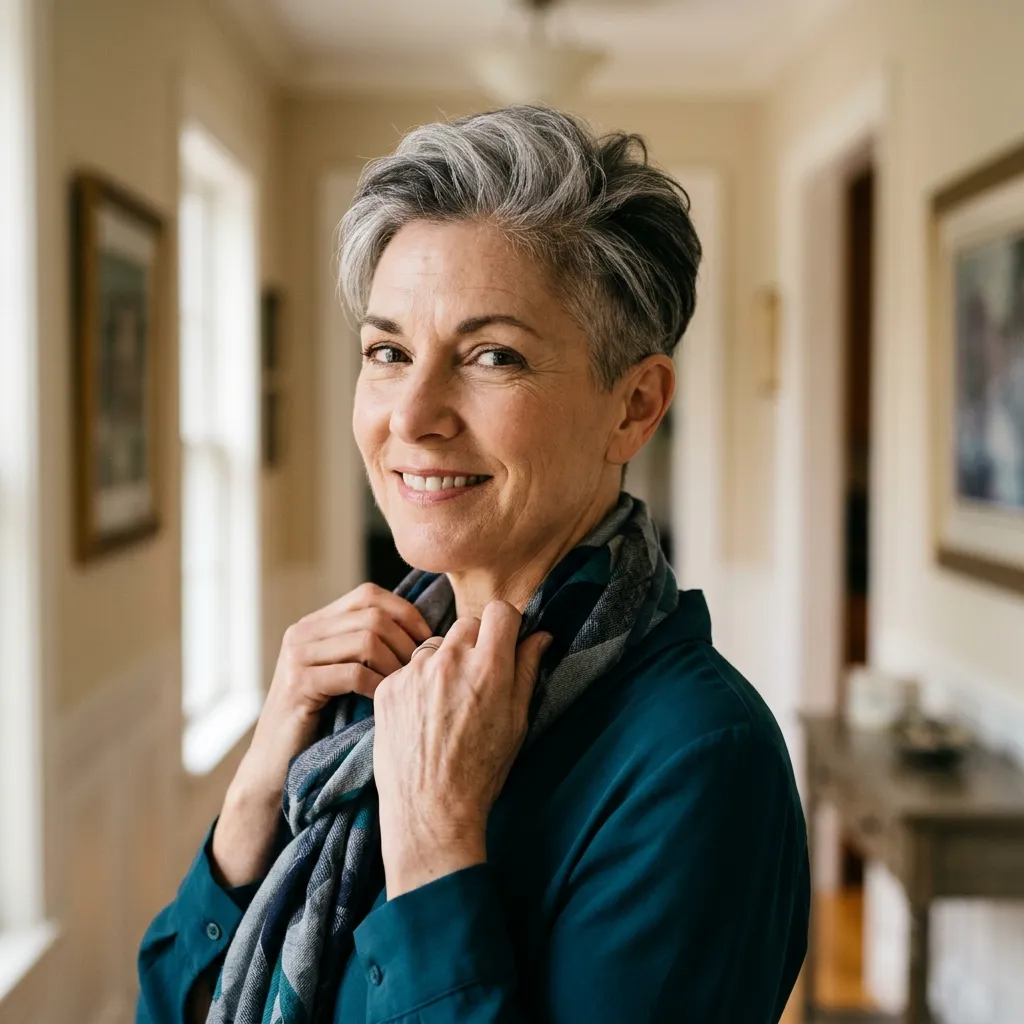
Gray hair is one of the most common reasons women over fifty seek out a new cut, and a salt-and-pepper undercut pixie can look striking when it is shaped with intention. The mix of silver and darker strands shows dimension, and the short sides make the color contrast stand out. Many clients say the cut makes their gray look deliberate and modern rather than something to hide.
Gray strands can feel coarser or drier in some women, so ask your stylist about moisturizing products that keep hair smooth without weighing it down. A purple or blue toning shampoo used once a week can help keep silver tones bright if you notice a yellow cast. Because the color is so visible in a short cut, a consistent conditioning routine is worth the small effort it takes.
8. Pixie with Undercut Design
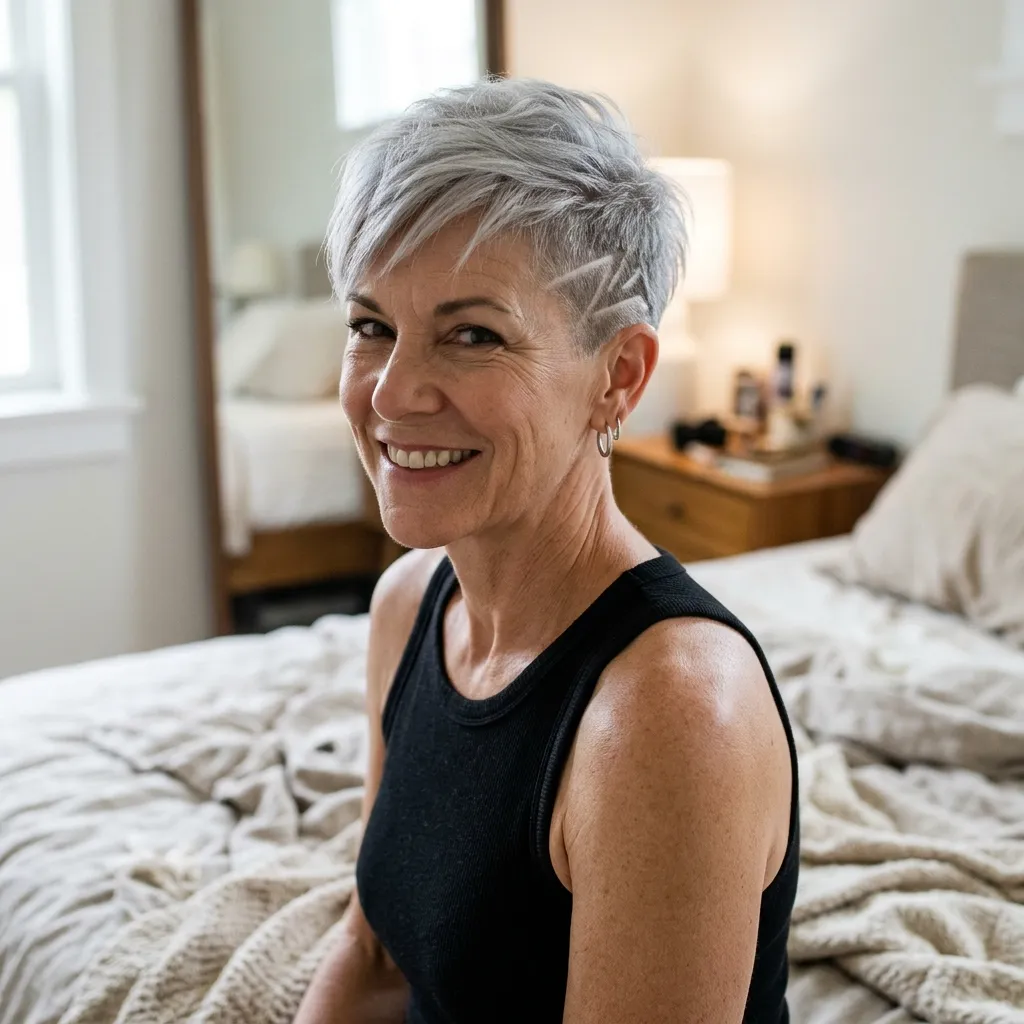
An undercut design turns the shaved area into a canvas, with a small pattern, geometric line, or stylized shape cut into the sides or nape. Designs range from a simple zigzag or stripe to something more intricate, and they can be hidden or left visible depending on your mood. This is a fun option for women who want their hair to reflect their personality and who are comfortable with a little attention.
Modest designs tend to look more elegant than busy ones, so most women over fifty do well with a clean, well-balanced line. Stylists usually cut designs with a fine trimmer or detail blade, so ask to see examples of previous work before you book. Keep in mind that designs need more frequent visits, so a touch-up every few weeks is a realistic expectation.
9. Long-Top Undercut Pixie
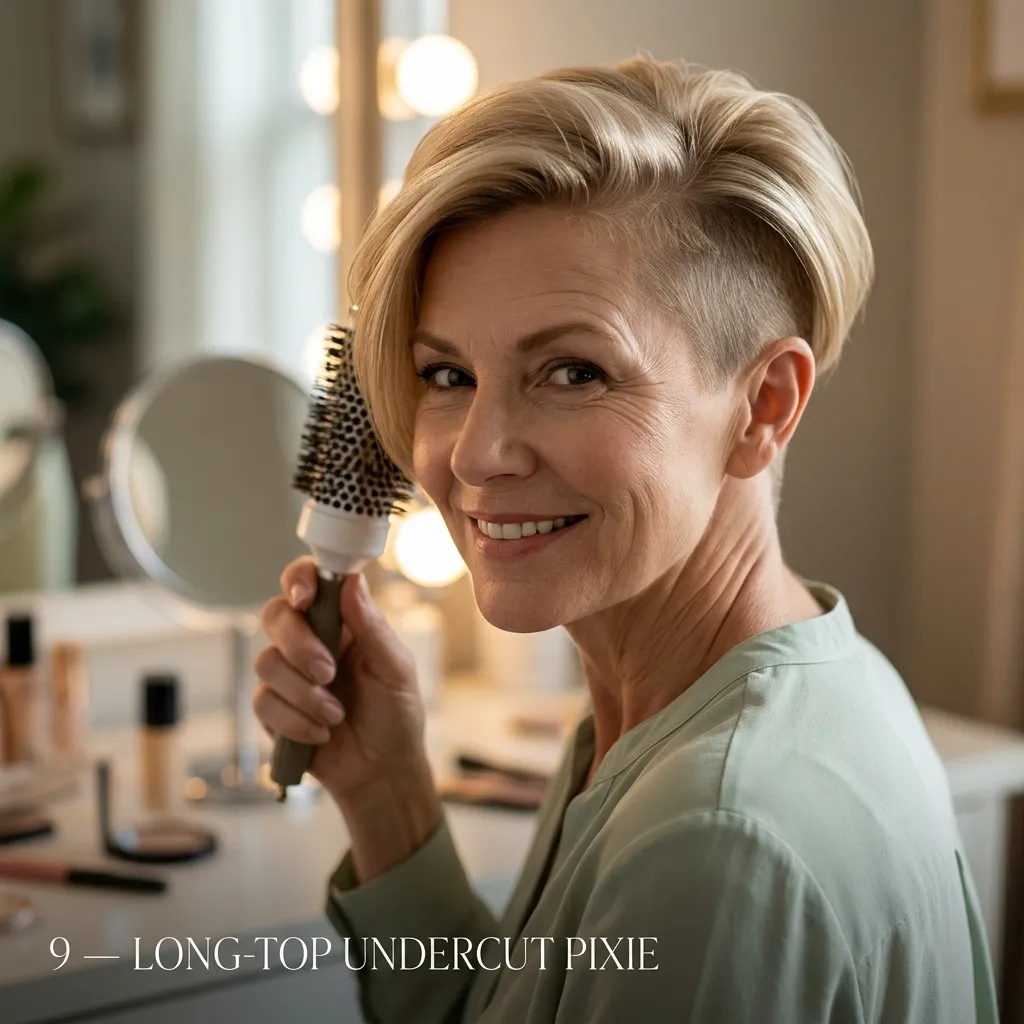
The long-top version keeps noticeably more length on top than a typical pixie, often reaching the brow or longer depending on how you wear it. The shaved undercut underneath provides contrast, so the longer hair reads as intentional rather than unfinished. It suits women who love versatility, since you can sweep it to one side, slick it back, or let it fall loosely around your face.
Longer tops need a bit more styling attention, so expect to spend a few extra minutes with a round brush or flat iron. The added length can help balance proportions for women with longer or oval-shaped faces, though the best length depends on your own features. If you are unsure how long to go, start with a moderate top and grow into the look with guidance from your stylist.
10. Pixie with Tapered Sides Only

Sometimes you want the shape of an undercut without the drama of shaving, and tapering only the sides does exactly that. The stylist graduates the hair above the ears and at the nape while leaving the top and crown untouched in length. The look feels softer and more wearable, especially for clients who prefer their hair to lie smoothly at the back.
Because nothing is fully shaved, this cut grows out more gracefully than a true undercut. A trim every five to seven weeks is usually enough to keep the taper neat. It is an excellent first step if you are curious about shorter styles but not quite ready to show bare skin at the neckline.
11. Choppy Undercut Pixie
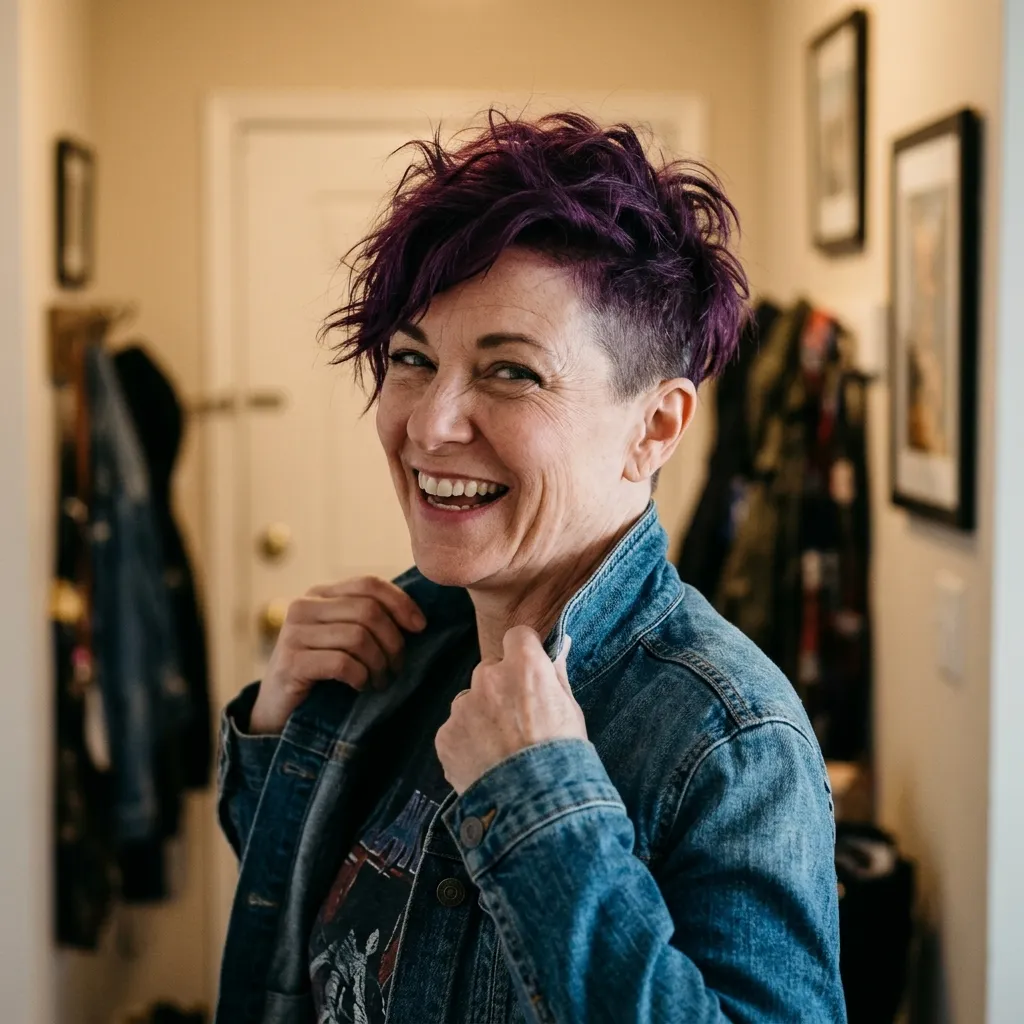
A choppy cut uses uneven, layered pieces across the top to create a lively, tousled effect. Paired with an undercut, the contrast between the rough top and the clean back looks energetic and modern. It works well for women with busy schedules who want hair that looks effortless even on a rushed morning.
Choppiness can look messy if it is not planned, so describe clearly how much movement you want. Ask for longer pieces around the face to frame your features and shorter ones at the crown for lift. A small amount of matte paste worked through the ends is usually all you need on most days.
12. Pixie with Undercut and Curtain Fringe
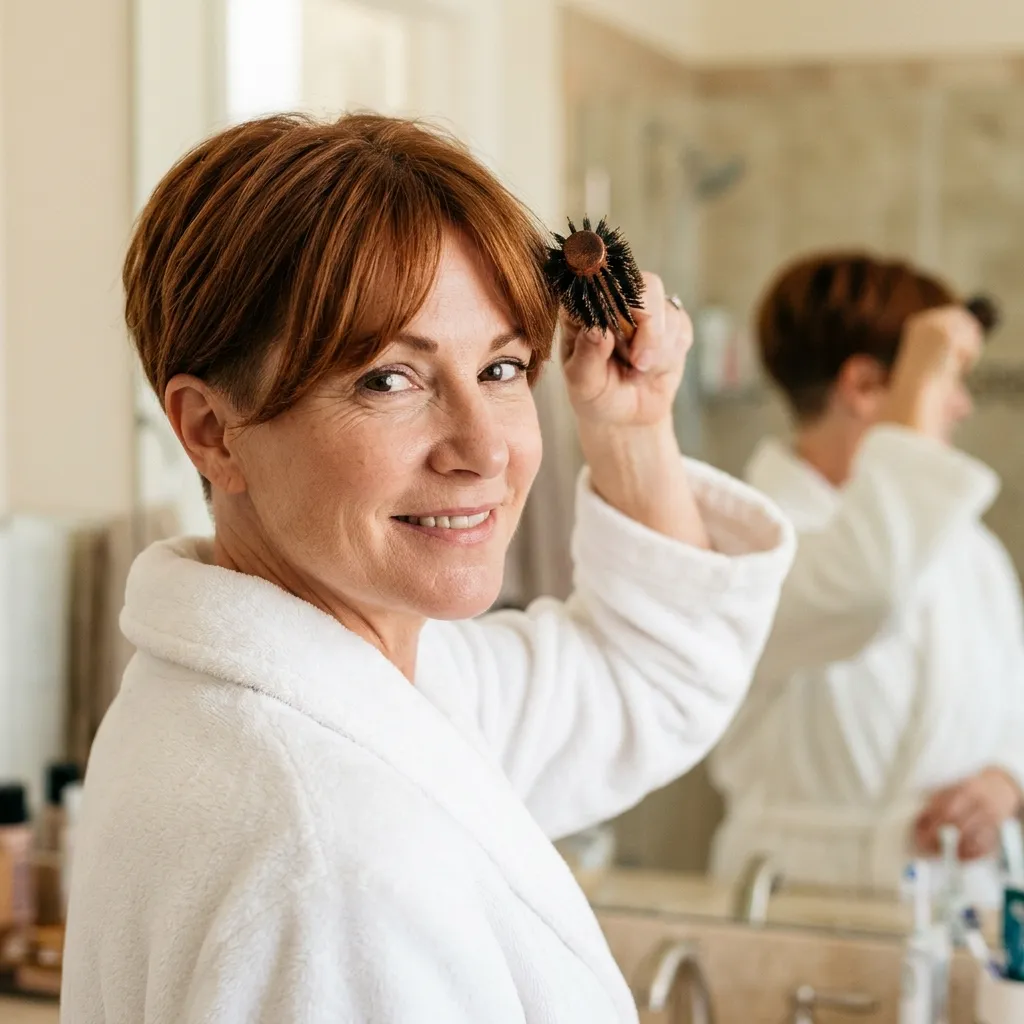
A curtain fringe is parted in the middle and sweeps to each side of the face, and it pairs beautifully with an undercut pixie. The fringe softens the forehead and frames the eyes, which many women find especially helpful as their features change over time. The shaved sides keep the overall look sleek, so the fringe becomes the star of the show.
Fringes can be trimmed quite short, so start with a length that sits just above the brows and adjust at your next visit if you want more coverage. If you have a cowlick at the hairline, ask your stylist to work with it rather than against it. A round brush used on the fringe while blow-drying gives a soft, bouncy finish that lasts through the day.
13. Buzzed Sides Pixie
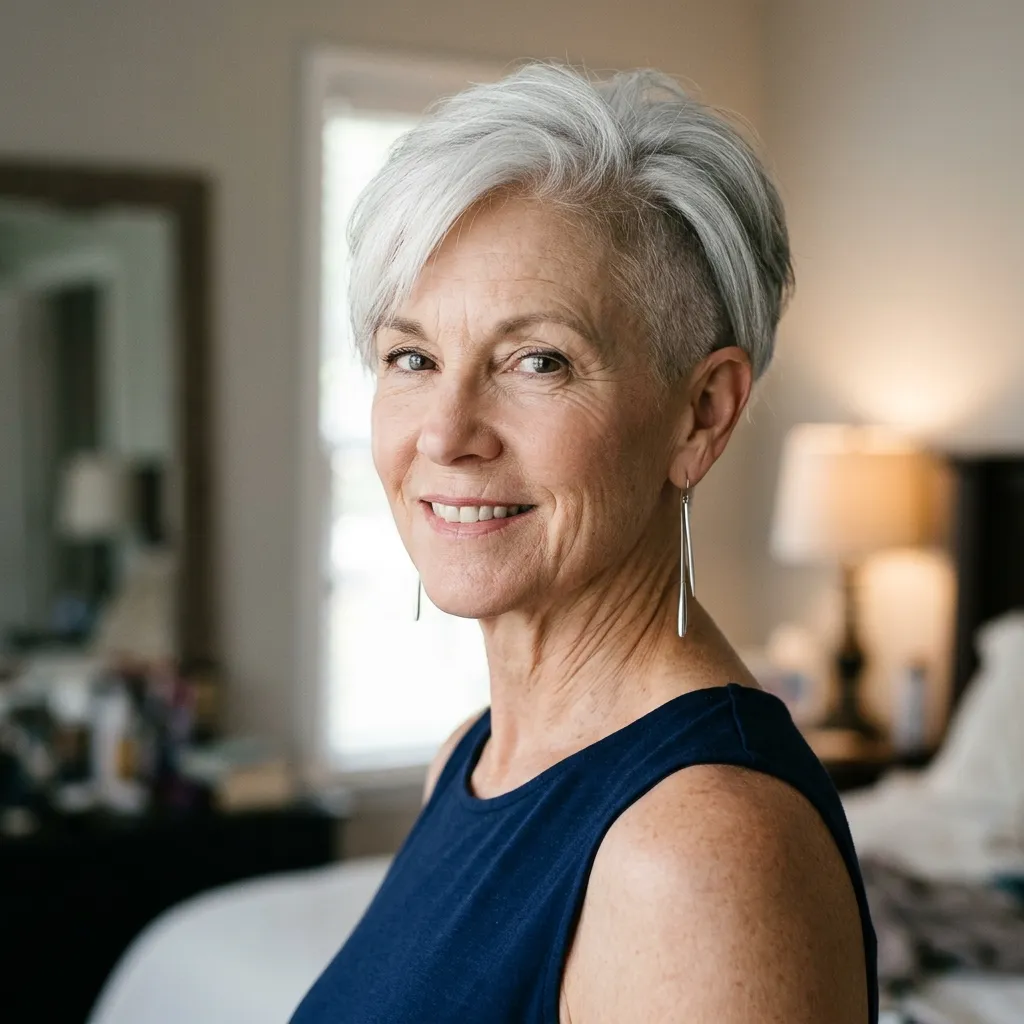
Buzzed sides are cut very short with clippers, often at a low guard setting, so they look closer to a shadow than a full shave. The top stays longer and sits over the buzzed area like a soft cap, which gives the cut a bold but balanced silhouette. This is a striking option for women who enjoy a confident, minimalist style.
Because the buzz is so short, the sides need frequent maintenance to stay crisp, often every three to four weeks. The look can feel dramatic, so consider balancing it with earrings or a defined lip. If you are unsure, ask your stylist to start with a longer guard setting and go shorter once you feel comfortable with the result.
14. Pixie with Burst Fade Undercut
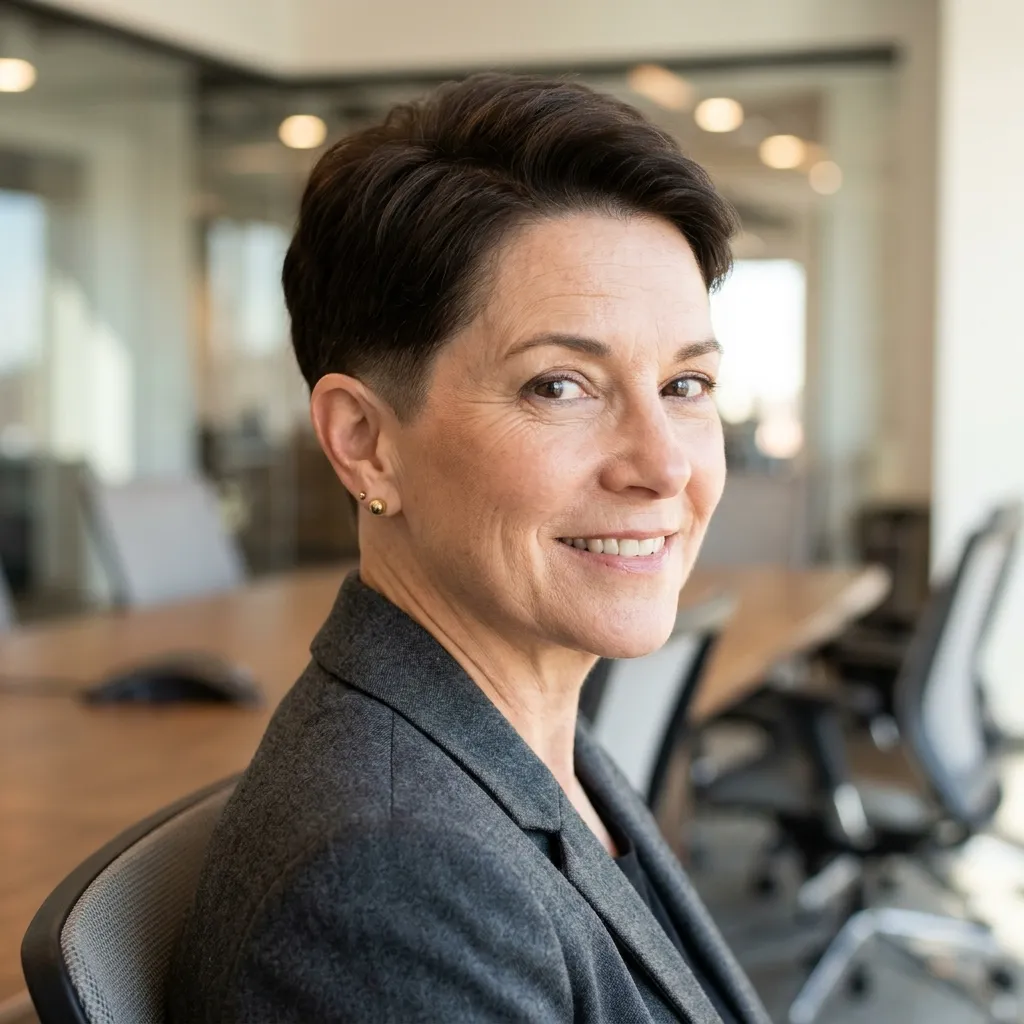
A burst fade, sometimes called a sunburst fade, curves the shaved area around the ear rather than running straight down the sides. The gentle arc creates a rounded shape that frames the ears and adds a graphic detail. It looks especially polished when the top is kept neat and softly textured.
This is a precision cut, so choose a stylist who is comfortable with fades and can show you previous examples. Many clients find the curved shape flatters the jawline and draws the eye toward earrings. Maintenance is similar to a standard fade, with trims every three to five weeks to keep the arc sharp.
15. Platinum Undercut Pixie
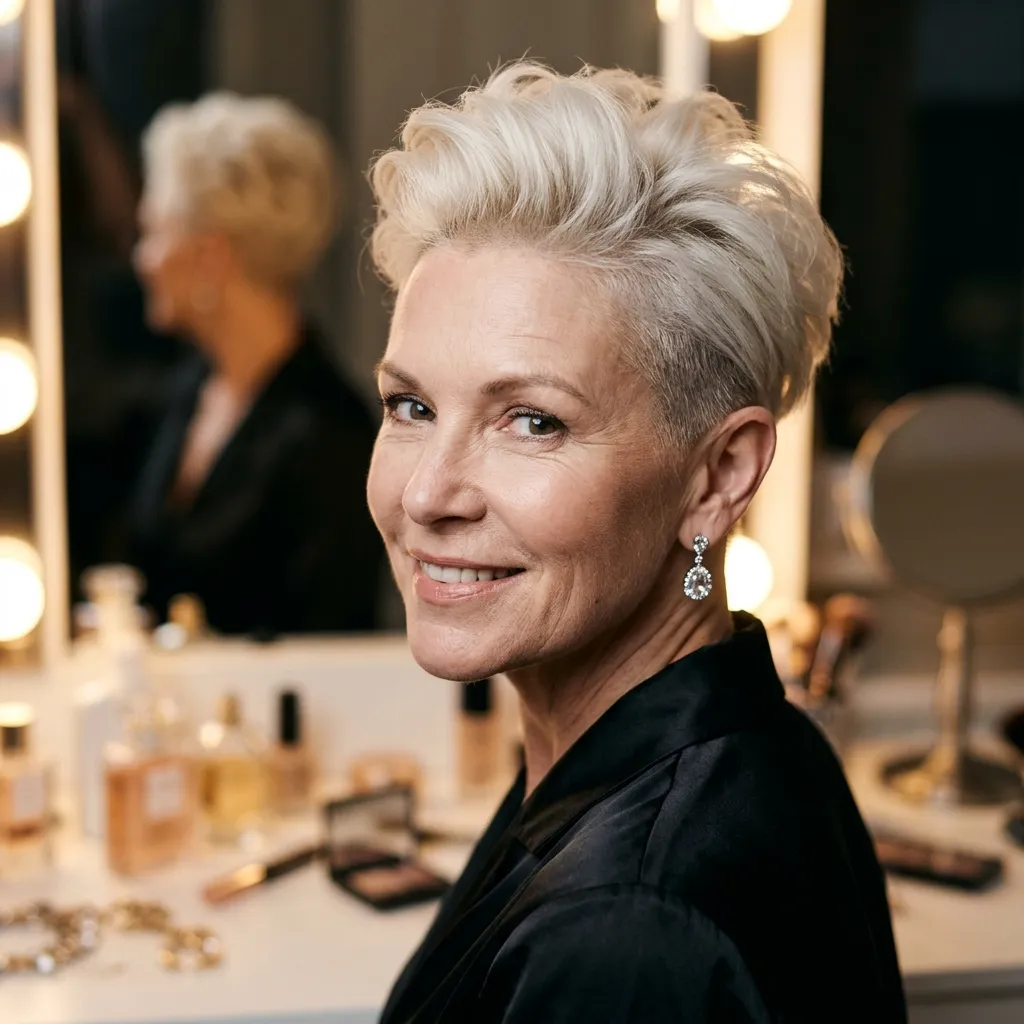
Platinum blonde is a glamorous shade that can look especially luminous on a short undercut. The light color makes the shaved areas appear softer and the top look fuller, which can be helpful when hair has lost some density. The right shade depends on your skin tone and undertones, so a color consultation before you commit is a good idea.
Platinum takes commitment, so plan for toning appointments every four to six weeks to keep the color from turning brassy. A purple toning shampoo once a week and a deep conditioner will help maintain softness. Ask your colorist about lightening gradually over several sessions, which can be gentler on the hair over time.
16. Pixie Mullet with Undercut
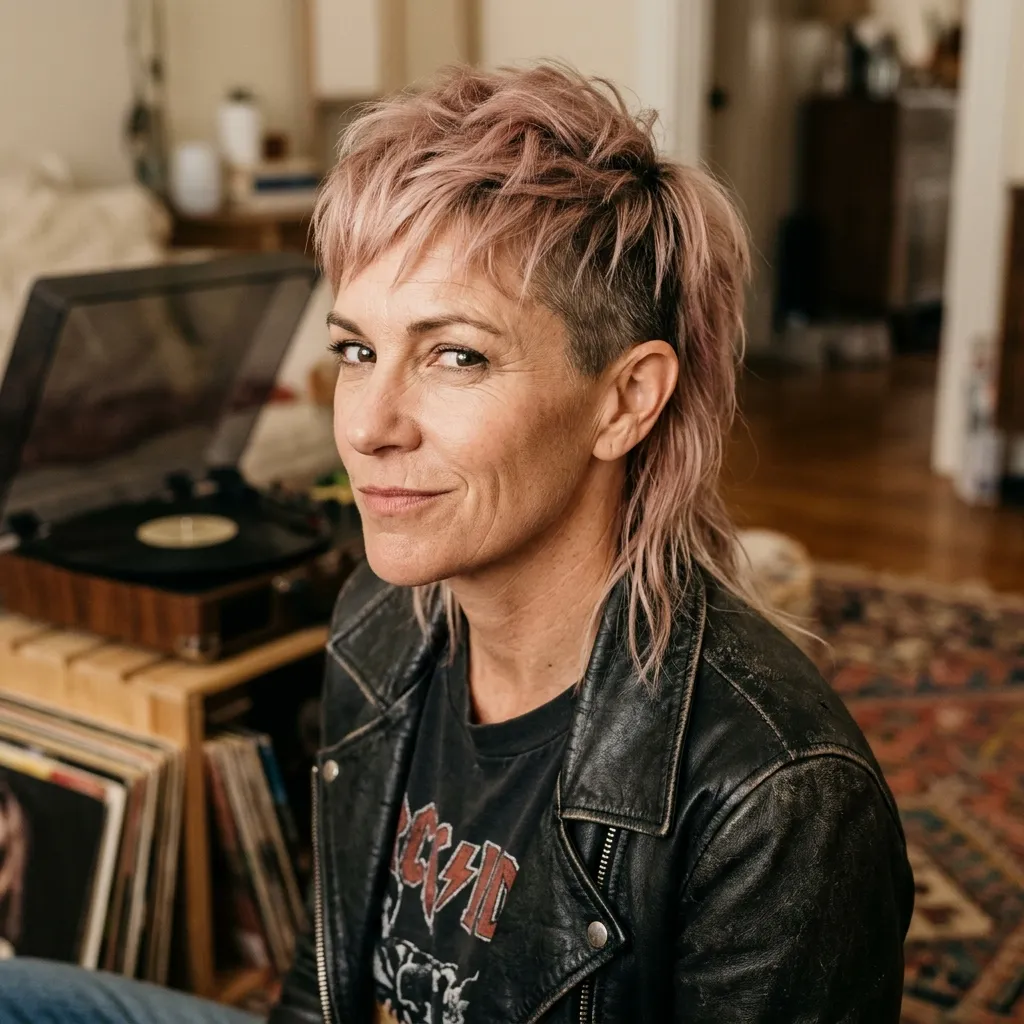
The pixie mullet blends a short front and sides with slightly longer hair at the back, and adding an undercut gives it a modern, playful spin. The contrast between the shaved areas and the longer nape creates movement and personality. It is a conversation starter, which may be exactly what some women want from a new cut.
Because the back is longer, you may need a little more time to style it, though many women simply wear it tousled. Ask for the back length to be shaped so it falls at or just above the shoulder for balance. Keep the front neat with regular trims so the cut feels intentional rather than shaggy.
17. Shaggy Undercut Pixie
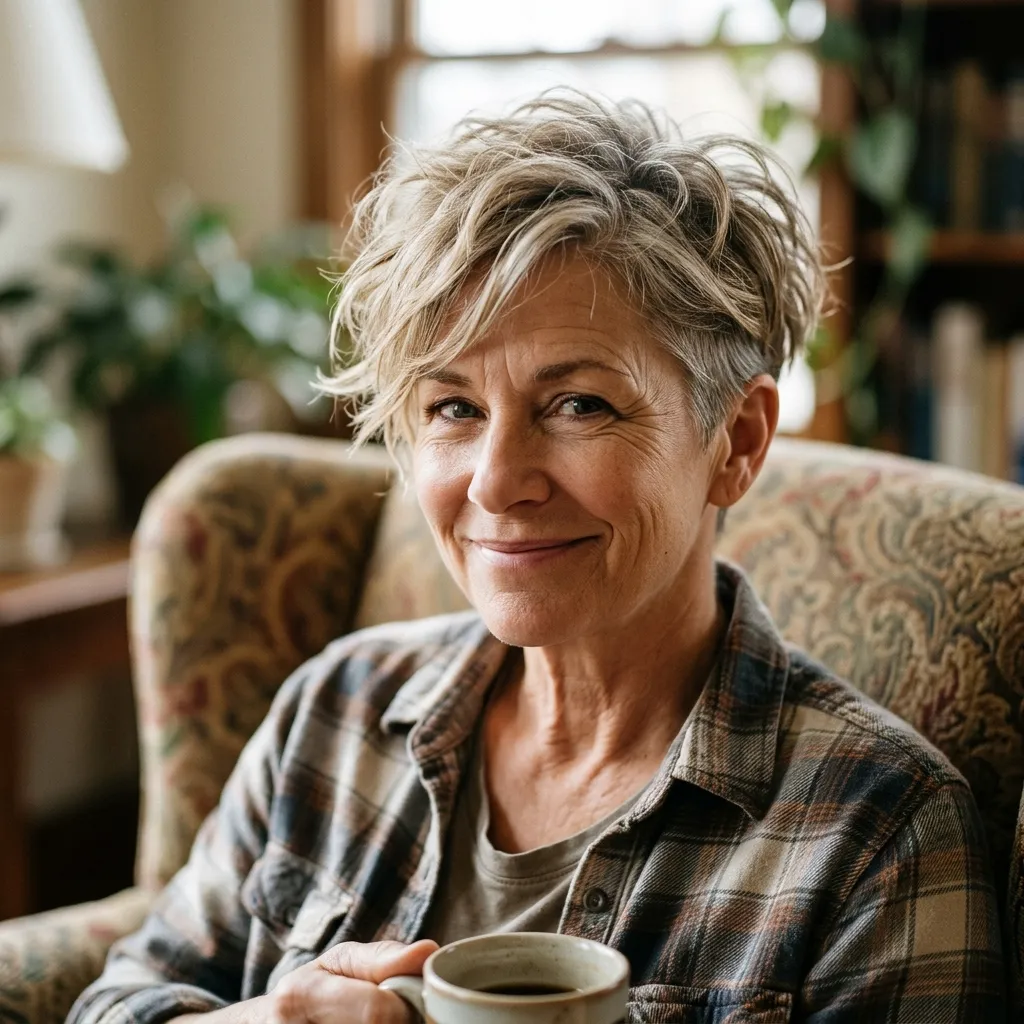
A shaggy undercut pixie layers the top heavily to create a tousled, lived-in look. The undercut underneath keeps the shape controlled so the shag never tips into messy. This style is comfortable and forgiving, which makes it a favorite for women who prefer a relaxed approach to their appearance.
Shag works best with some natural wave or texture, but it can also suit straight hair when styled with sea-salt spray. Layers should fall at different lengths so the cut moves when you shake your head. Expect a trim every six to eight weeks to keep the shag from losing its shape.
18. Pixie with Side Undercut and Long Top
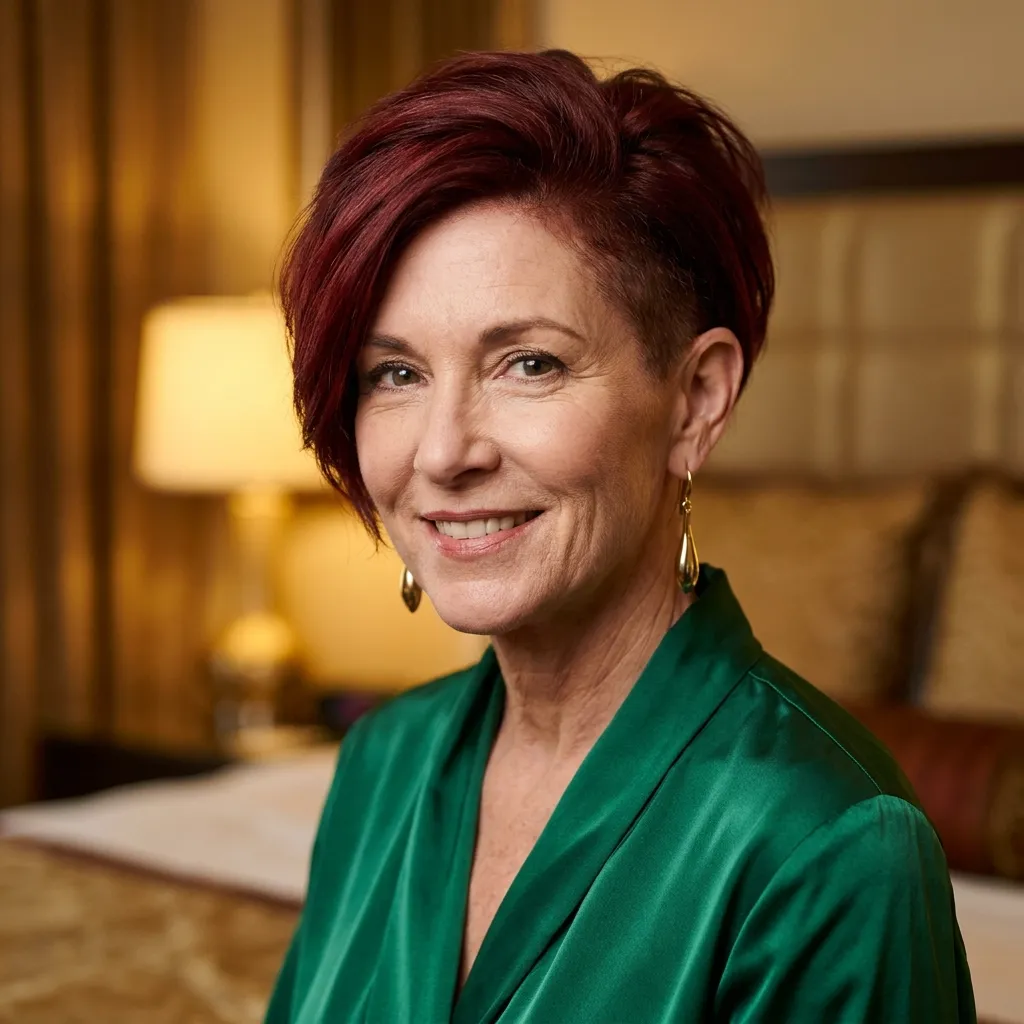
This cut combines a side undercut with a long, flowing top, creating a dramatic silhouette that feels both romantic and edgy. The longer hair on top can be swept, tousled, or slicked back depending on the occasion. It is a versatile choice for women who want one cut that shifts easily from a casual weekday to an evening event.
The side undercut should be placed carefully so it complements your head shape and hairline. Ask your stylist to check how the long top falls when you turn your head before finalizing the cut. Styling takes a bit longer, but a few quick passes with a brush can change the look completely.
19. Asymmetrical Undercut Pixie
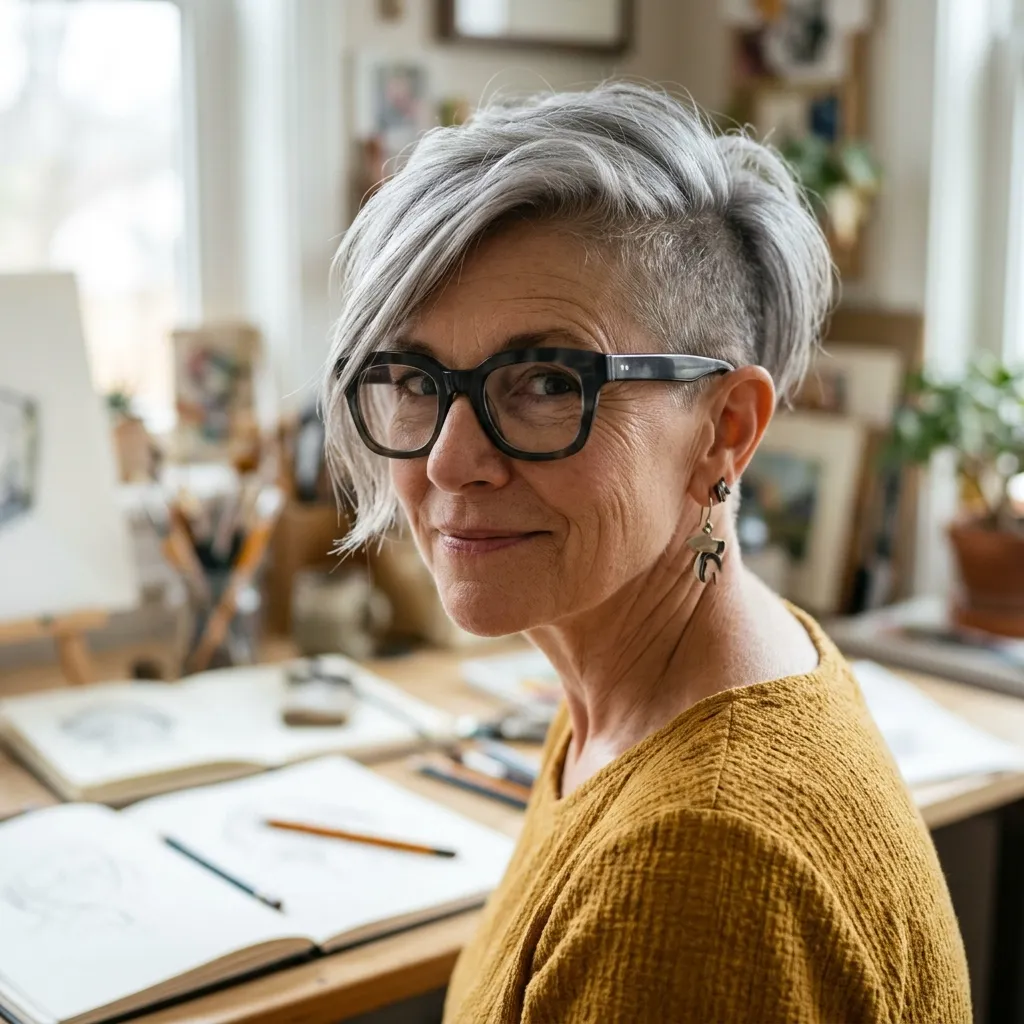
An asymmetrical undercut pixie uses uneven lengths and angles across the head so no two sides match. The shaved section may be deeper on one side while the other is softly tapered, and the top sweeps along a diagonal line. The result feels fresh and artistic, with a shape that looks deliberate and personal.
Asymmetry can be flattering because it draws attention to the face rather than the hairline. Discuss your part and any cowlick with your stylist, since both influence how the diagonal falls. Plan on touch-ups every four to six weeks to keep the angles sharp.
20. Feathered Undercut Pixie
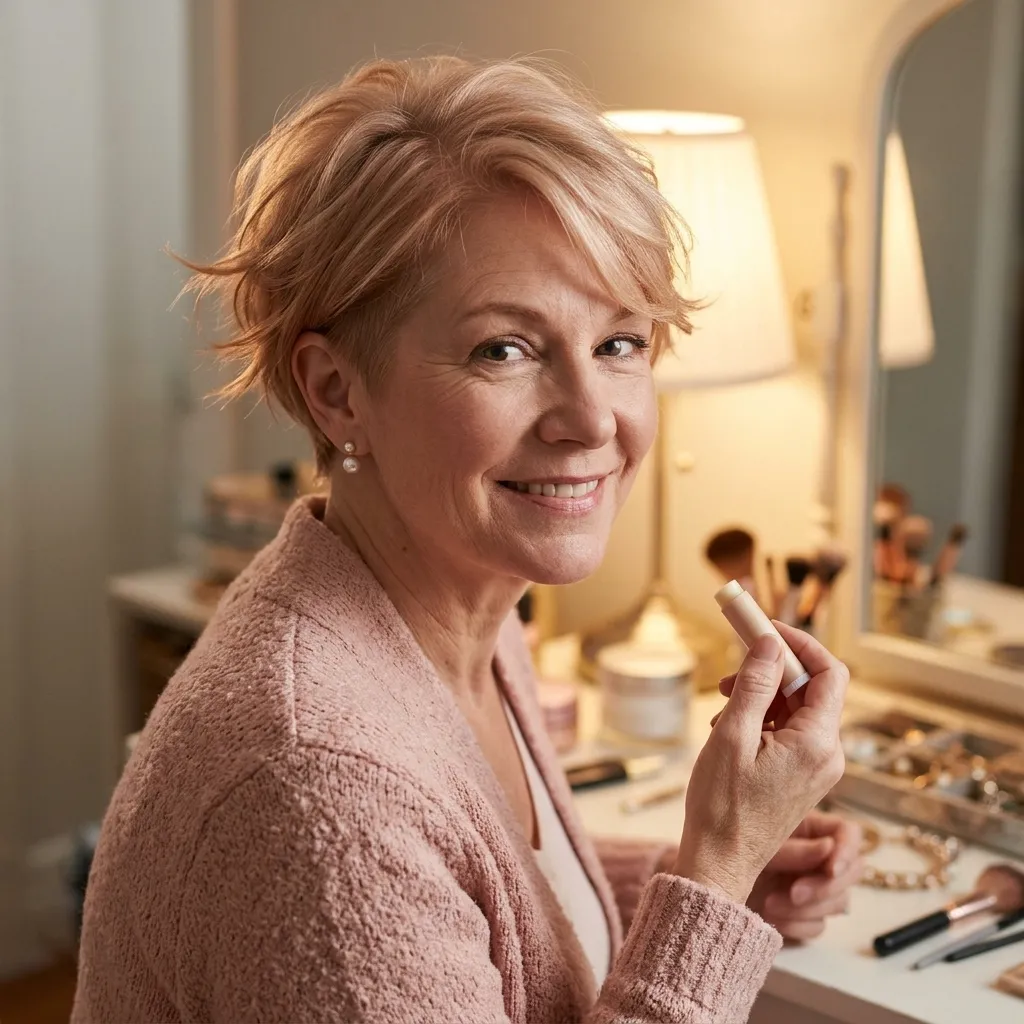
Feathering adds soft, wispy layers along the top and sides, so the cut looks light and airy. Combined with an undercut, the feathered ends frame the face and create movement without bulk. It is a good match for women who want a romantic touch in a short style.
Feathering is particularly useful for hair that falls flat easily, since the lifted layers encourage natural volume. A blow-dryer with a round brush helps the feathers separate and lift. Trims every five to seven weeks keep the feathers defined rather than shaggy.
21. Undercut Pixie with Side Part
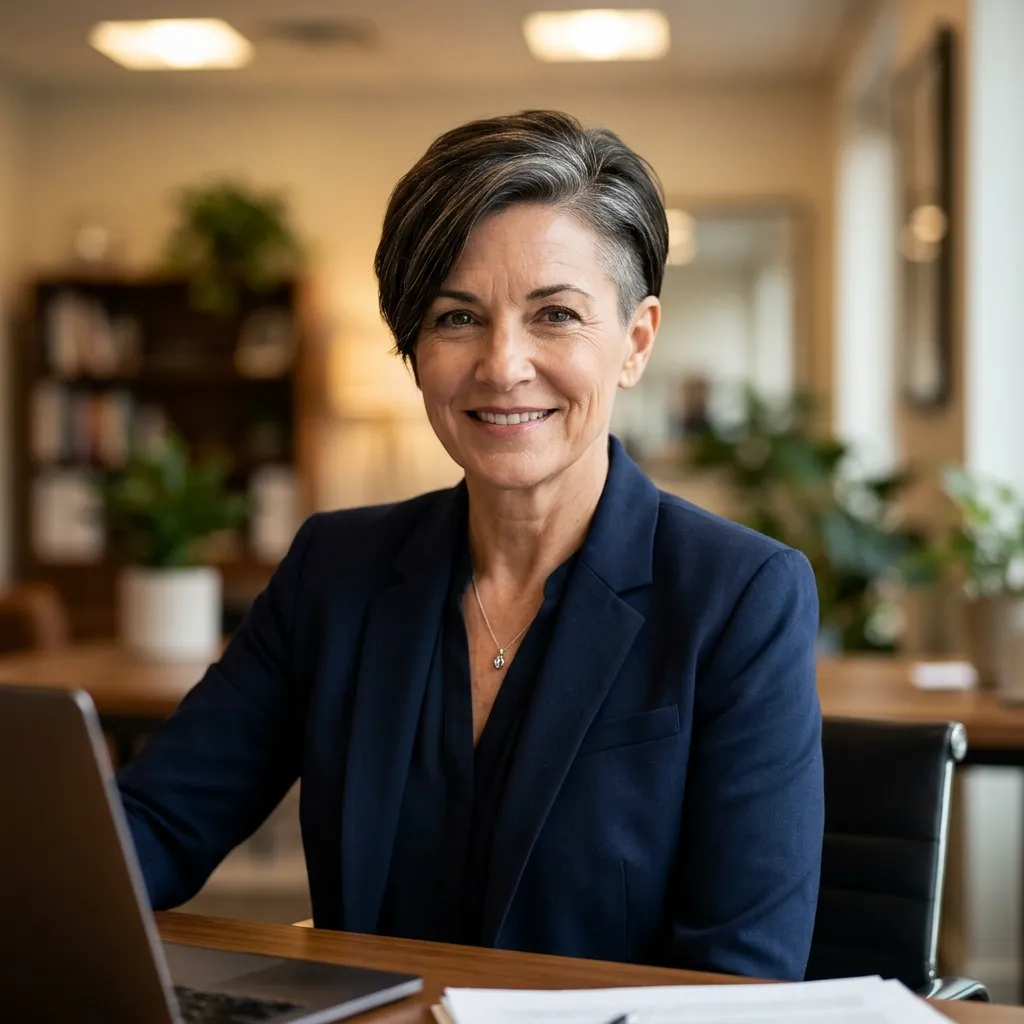
A side part is one of the most classic ways to style short hair, and pairing it with an undercut gives a polished, retro-inspired look. The part creates a clear line that lets you show off the shaved section on the opposite side. This option feels neat and professional, which suits many office and social settings.
Ask your stylist to place the part where your hair naturally falls, since a forced part can look unnatural. A fine-tooth comb and a little light pomade can set the part each morning. The cut is easy to maintain and works well for women who like structure without a lot of fuss.
22. Soft Curl Undercut Pixie
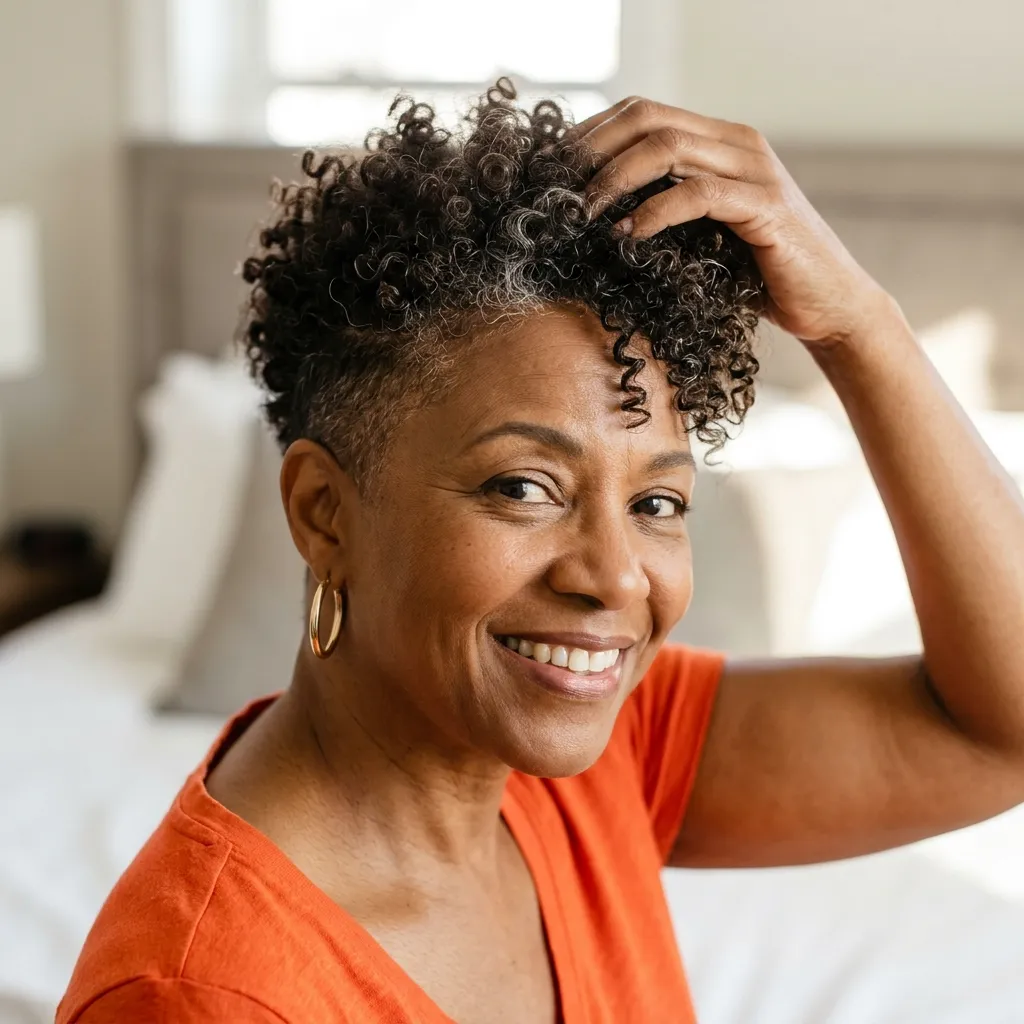
Soft curls on top paired with a clean undercut create a romantic, feminine shape that still feels fresh. The curls can be natural or created with a curling iron, and they add a bounce that many women miss as their hair changes texture. This cut suits anyone who wants short hair that looks playful and full of life.
Curly textures need moisture and gentle handling, so use a leave-in cream and avoid harsh brushing when the hair is dry. Ask your stylist to cut curls dry if possible, since curl patterns can shift when wet. Trims every six to eight weeks help the curls keep their shape and bounce.
Frequently Asked Questions About Undercut Pixie Haircuts for Over 50
How do undercut pixie haircuts for over 50 work with thinning hair?
Thinning hair often looks fuller in a pixie because the shorter length removes the weight that can make fine strands look flat. An undercut adds shape and contrast, which helps the top look more intentional. Ask your stylist to use texture and keep the top a little longer than you think you need, since the length helps create the illusion of density.
How often do I need to get an undercut pixie trimmed?
Most women book a trim every four to six weeks, though the exact timing depends on how sharp you like the sides. Fades, buzzed sides, and designs usually need more frequent visits than tapered or hidden versions. Watch for the point where the neckline or sides start to look fuzzy, since that is usually your cue to call the salon.
Can I get an undercut pixie if I have gray or white hair?
Yes, gray and white hair can look very striking in an undercut pixie, especially when the shape is clean and the texture is well considered. Silver tones show off the contrast between the shaved areas and the longer top. Moisturizing products and an occasional toning shampoo help keep gray hair smooth and bright between visits.
Is an undercut pixie hard to style at home?
Most versions are simpler to style than they look, often requiring only a few minutes with a dryer, a small amount of product, and your fingers. Longer tops and curly or feathered textures take a bit more practice, so ask your stylist to show you a routine during your appointment. Many women find that a quick morning routine becomes second nature within a couple of weeks.
What should I bring to my first appointment?
Bring two or three photos of cuts you like, along with a few honest notes about what you dislike about your current hair. Mention how much time you realistically want to spend styling each day and whether you have any cowlicks or thinning areas. A good stylist will ask about your lifestyle and suggest adjustments, so be open to a version that is slightly different from your original picture.
Final Thoughts on Undercut Pixie Haircuts for Over 50
Undercut pixie haircuts for over 50 offer a rare combination of style and practicality, giving you a fresh look without demanding hours at the vanity. Whether you are drawn to a crisp tapered line, a soft curl, or a playful design, the right version can highlight your features and suit the way you live. The best results usually come from a conversation with a stylist who listens to your hair texture, your routine, and your comfort level with contrast.
Your next step can be simple. Gather a few photos, make a short list of your top three favorites, and book a consultation with a stylist who has experience with short cuts on mature hair. Ask to see examples of their previous work, and do not be afraid to start with a slightly softer version if you are new to the look. Once you feel the difference a well-shaped undercut makes, you may find it is the easiest decision you make all year.