If your hair is fine, you’ve probably felt the frustration of a short cut that looks great for a day and then sits flat by lunch. Fine strands can slip through your fingers, cling to the scalp, and show every bit of the head underneath. A pixie can still be a wonderful choice, but the cut has to be planned around thin, delicate hair. When it is, short pixie haircuts for fine hair can look fuller, lighter, and far easier to manage than you might expect.
The secret usually lies in the shape and the layers. Fine hair benefits from a little internal structure that creates the illusion of body, plus soft pieces that lift away from the scalp instead of lying flat. Think of it like building a bookshelf with a few well-placed supports: the design stays light, but it holds its shape. A good stylist will take the weight out of the sides and keep enough length at the crown to create lift, so the cut looks full without feeling heavy.
In the sections below you will find 24 pixie ideas, from classic cuts with lifted crowns to textured pieces, soft fringes, and a few bolder options with color or undercuts. Each one includes a short description, notes on how it handles fine hair, and what to expect for styling and upkeep. We also answer the questions readers ask most, including whether fine hair can handle texture and how to add volume without heavy products. Read through, pick a few favorites, and bring photos to your next appointment.
1. Classic Pixie with Lifted Crown

A classic pixie with a lifted crown keeps the sides short and neat while the top has enough length to stand up slightly. The lift adds height where fine hair often looks flattest, and the short sides frame the face without weighing it down. It’s a reliable starting point for anyone new to short cuts.
Ask your stylist to keep the crown a little longer than the sides so there is room to lift. Blow-dry the top upward with a round brush while bending forward, then finish with a light volumizing spray. Trims every five to seven weeks keep the shape crisp.
2. Tousled Razored Pixie
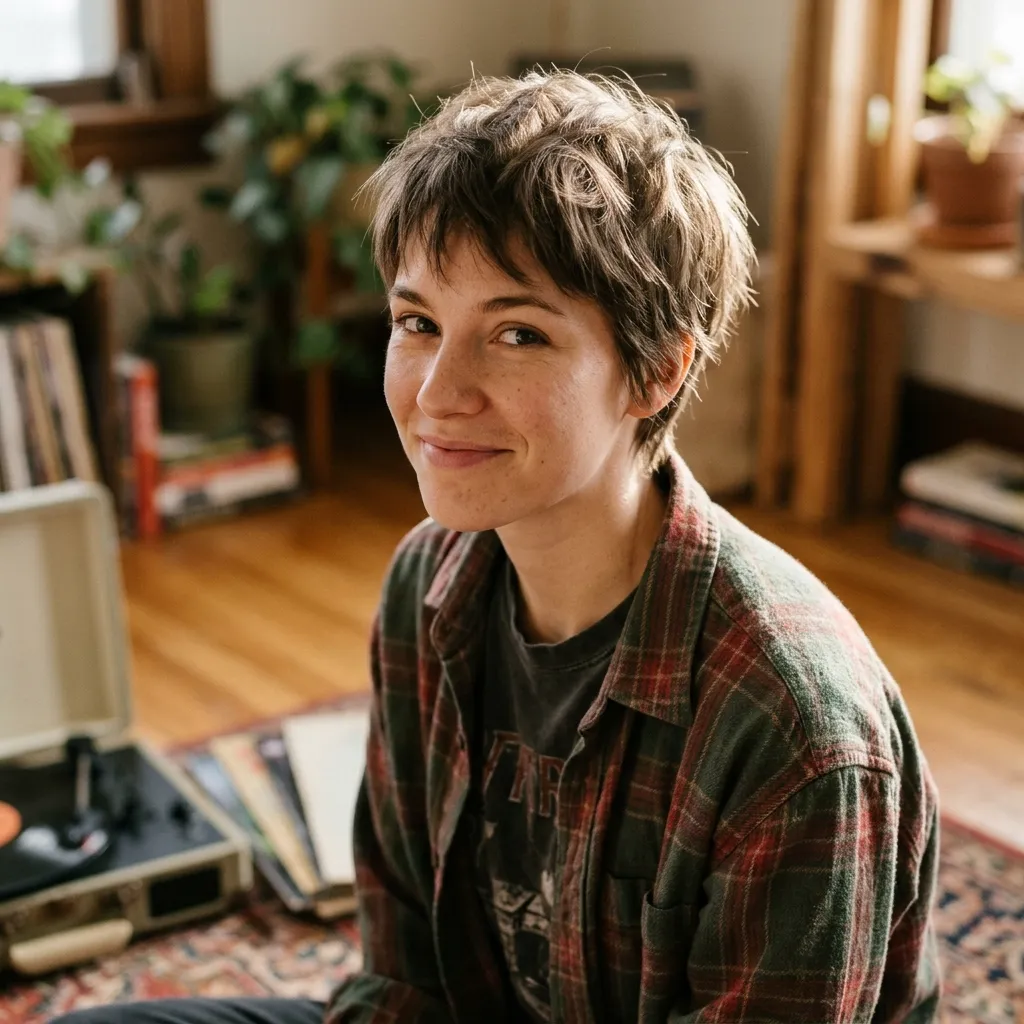
A tousled razored pixie uses a razor blade to soften the edges and create feathery ends across the top. The softer edges make fine hair look lighter and more airy, while the tousled finish adds a relaxed movement. It’s a comfortable option for women who prefer a natural look.
Razor cutting works best on hair that is healthy and not overly fragile, so talk through your hair’s condition first. Use a small amount of texturizing spray and scrunch the top with your fingers. Plan trims every five to seven weeks to keep the edges soft.
3. Choppy Pixie with Piecey Top
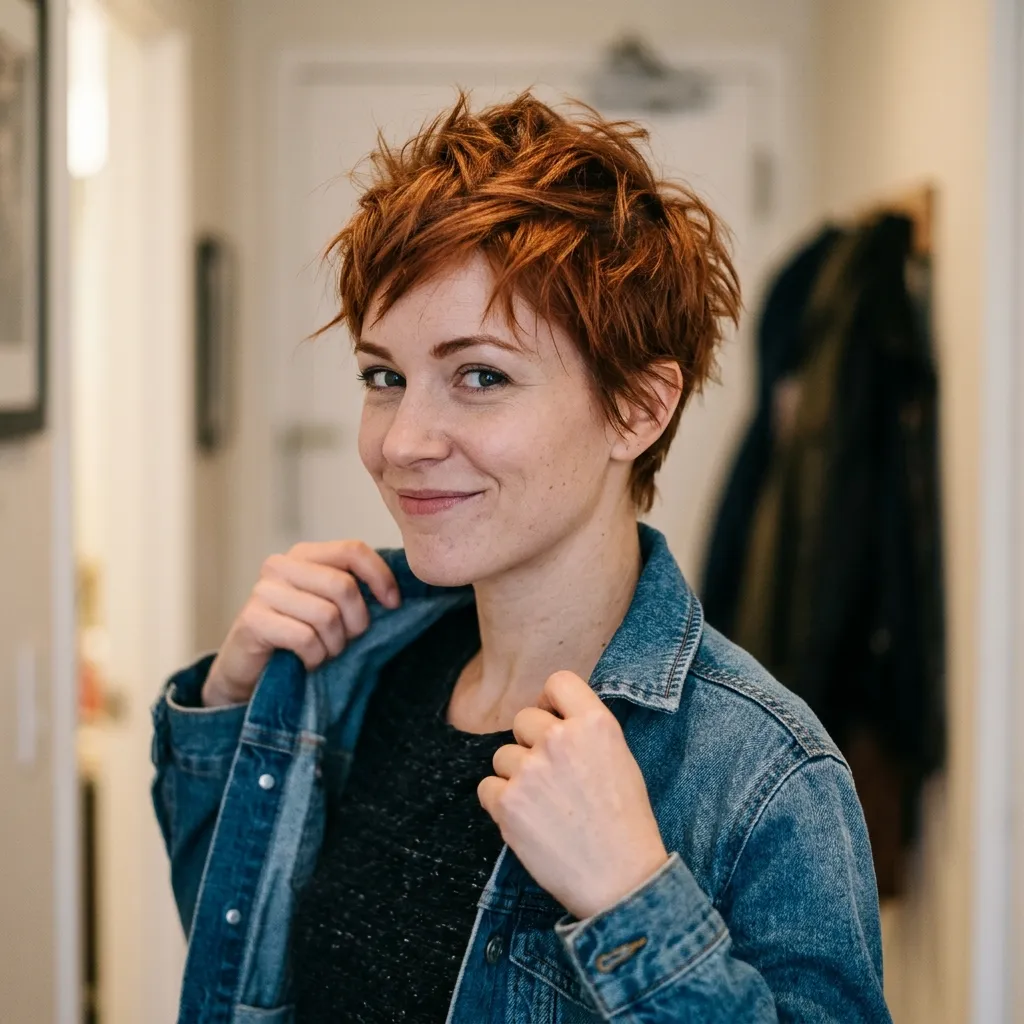
A choppy pixie has uneven, piecey sections on top that point in different directions. The movement creates the impression of more hair, which is helpful for fine strands. It’s a lively, energetic style that feels current and easy to wear.
Ask your stylist to keep the longer pieces near the face and the shorter ones at the crown for lift. A light matte paste worked through the ends usually does the trick. Trims every five to seven weeks help the choppy shape stay intentional.
4. Pixie with Side-Swept Bangs
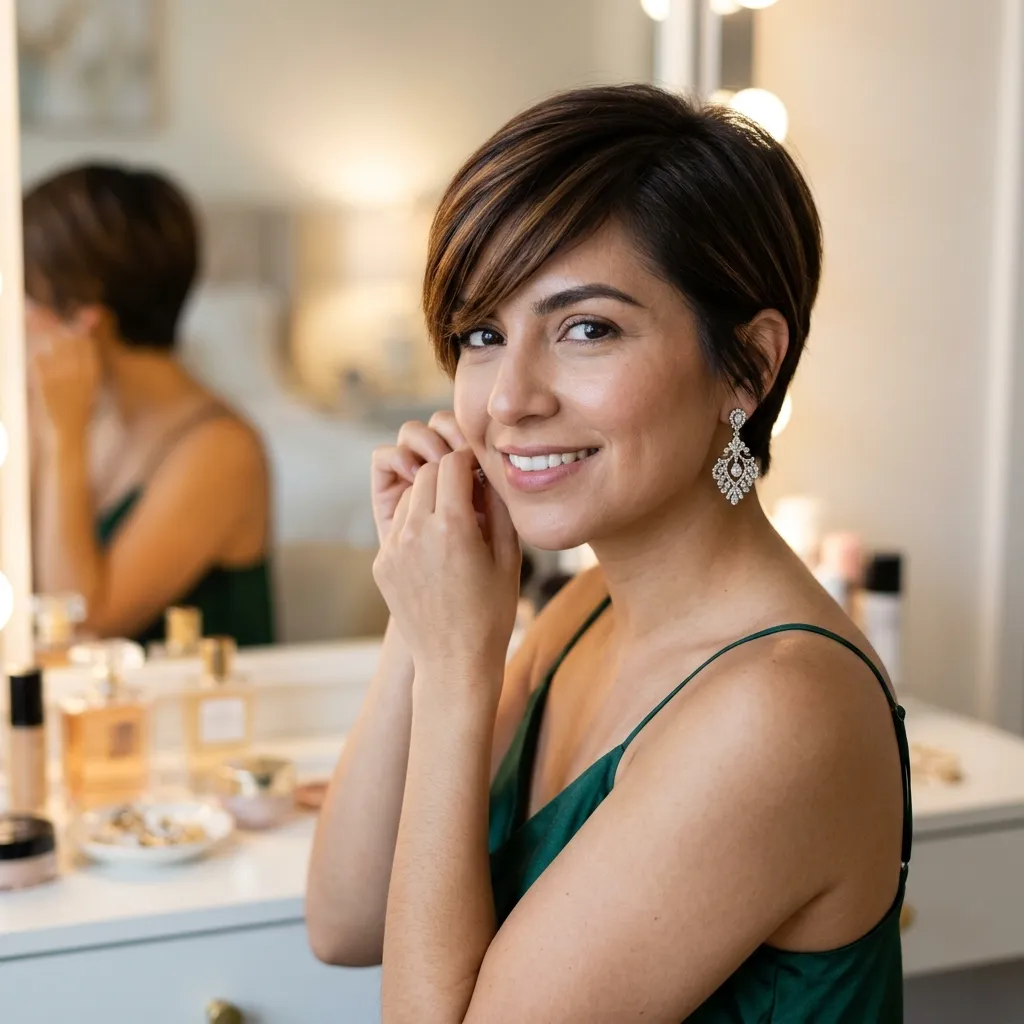
Side-swept bangs soften the forehead and create a diagonal line that draws the eye across the face. On fine hair, the bangs add a sense of fullness at the front without looking heavy. The sweep can be styled to either side for variety.
Ask your stylist to keep the bangs at a length that flatters your brows. Blow-dry them in the direction you like and finish with a light cream. Trims every five to seven weeks keep the fringe balanced.
5. Soft Layered Pixie

A soft layered pixie uses gentle layers through the top and crown to create movement and body. The layers lift the hair away from the scalp, which helps thin hair look fuller. It’s a comfortable, versatile cut for everyday wear.
Blow-dry the layers with a round brush while lifting at the roots, then finish with a light cream for definition. Ask your stylist to keep the layers even so the shape stays balanced. Trims every five to seven weeks keep the layers fresh.
6. Pixie with Curtain Bangs

Curtain bangs part down the middle and sweep to each side, framing the eyes and softening the forehead. On a pixie, they add a feminine touch without making the cut feel heavy. The bangs also help draw attention to the face rather than the thinning areas.
Keep the bangs at a length that sits just below the brows, and blow-dry them with a round brush for a gentle curve. A light cream on the fringe keeps it soft. Trims every five to seven weeks keep the bangs in shape.
7. Asymmetrical Pixie

An asymmetrical pixie uses uneven lengths and angles so the shape looks dynamic from every direction. The off-center line adds interest and helps fine hair look more full, because the varied lengths create depth. It’s a modern look with a personal feel.
Ask your stylist to walk you through how the cut looks from the front and back before finishing. Use a small amount of smoothing cream to keep the angles crisp. Trims every five to six weeks keep the lines balanced.
8. Pixie with Long Top and Short Sides
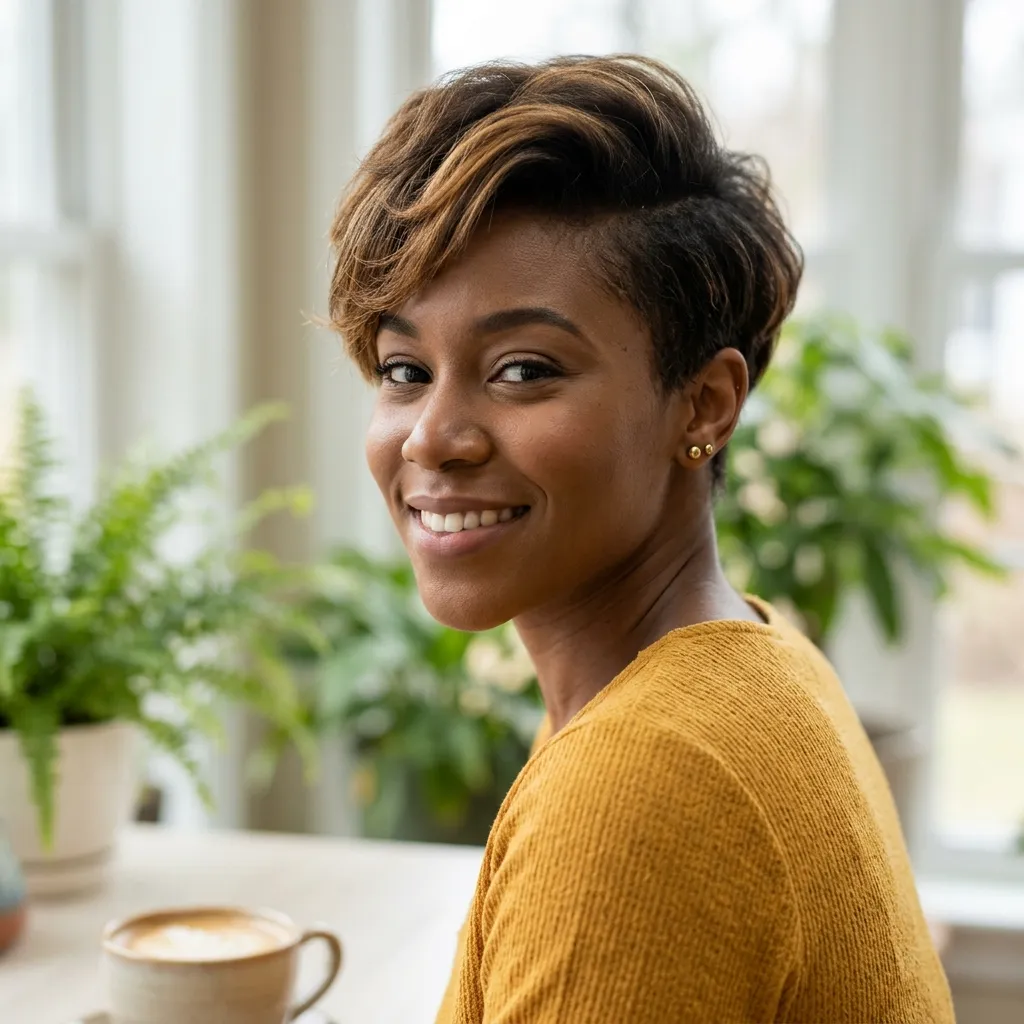
This pixie keeps the sides short and lets the top grow longer, creating a contrast that adds height and body. The longer top can be swept, lifted, or tousled depending on the day. It’s a versatile option for fine hair that needs a little more presence on top.
Blow-dry the top with a round brush to add lift, then finish with a light hold product. Ask your stylist to keep the top layers soft so they don’t look flat. Trims every five to seven weeks keep the sides neat.
9. Textured Pixie with Wispy Bangs

Wispy bangs are light and feathery, and paired with a textured top they make fine hair look airy and full. The wisps soften the forehead, and the texture keeps the cut from looking thin. It’s a gentle, romantic style with a modern edge.
Wispy bangs can shrink quickly, so ask your stylist to keep them a little longer at first. Use a small amount of cream to shape the wisps and let them dry with the rest of your hair. Trims every five to seven weeks keep the bangs soft.
10. Pixie with Crown Volume

Crown volume gives a pixie height at the top of the head, which is especially helpful for fine hair that tends to flatten. The sides stay short and neat, creating a balanced silhouette. It’s a clean look that gives the impression of fullness.
Apply a volumizing mousse at the roots and blow-dry upward while bending forward. Ask your stylist to keep the sides tapered so the volume doesn’t widen the look. Trims every five to seven weeks maintain the lift.
11. French Pixie

A French pixie is a short cut with a slightly longer, tousled top and soft, chic lines. The style feels effortlessly stylish, with a little texture and a lot of personality. It’s a popular choice for women who want a polished look with minimal effort.
Use a light texturizing spray on damp hair and shape the top with your fingers. A bit of pomade can add shine and hold. Trims every five to seven weeks keep the shape elegant.
12. Pixie with Highlights
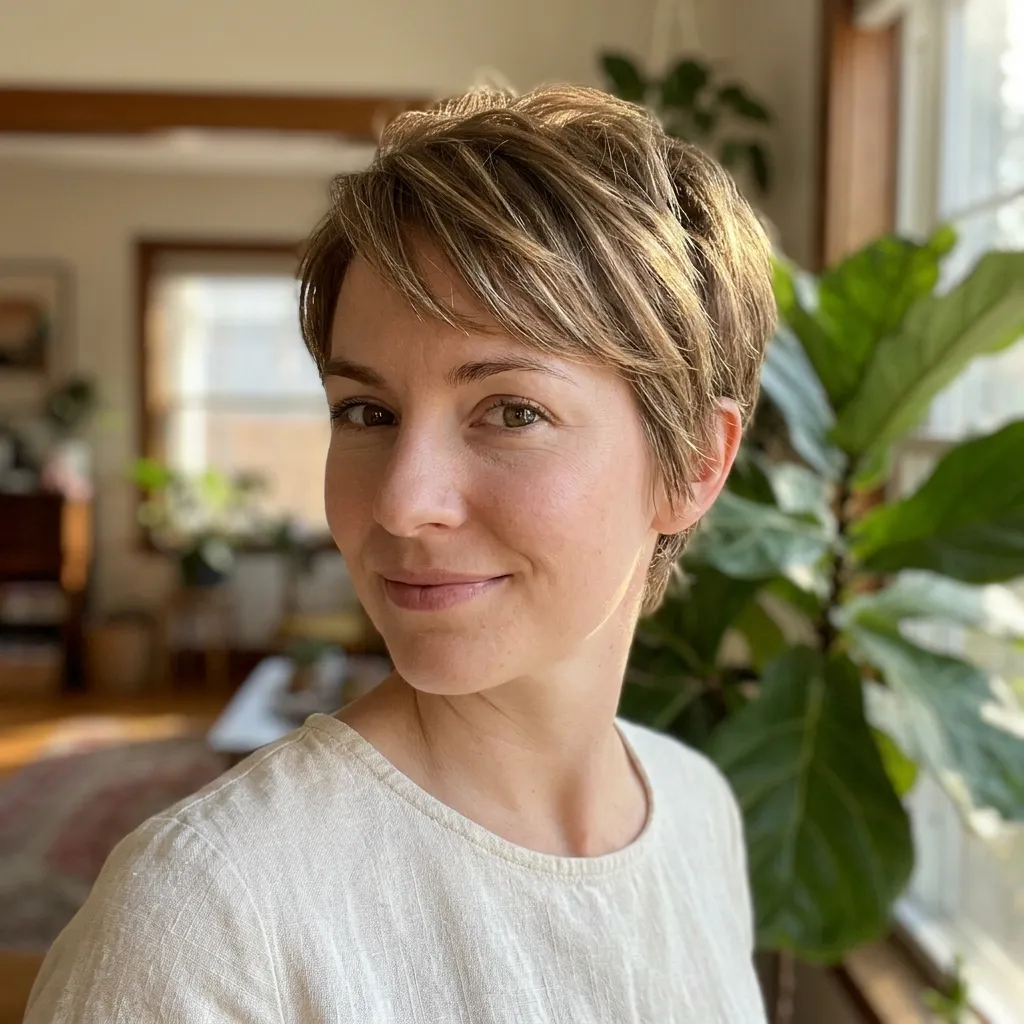
Highlights add dimension to a pixie, catching the light and making each piece look more defined. On fine hair, soft highlights can create the impression of more density. It’s a fresh update that brightens the face without a full color change.
Ask your colorist for soft, blended highlights rather than high-contrast streaks. Use a gentle, sulfate-free shampoo to protect the color. Plan color visits every eight to twelve weeks.
13. Edgy Pixie with Razored Layers
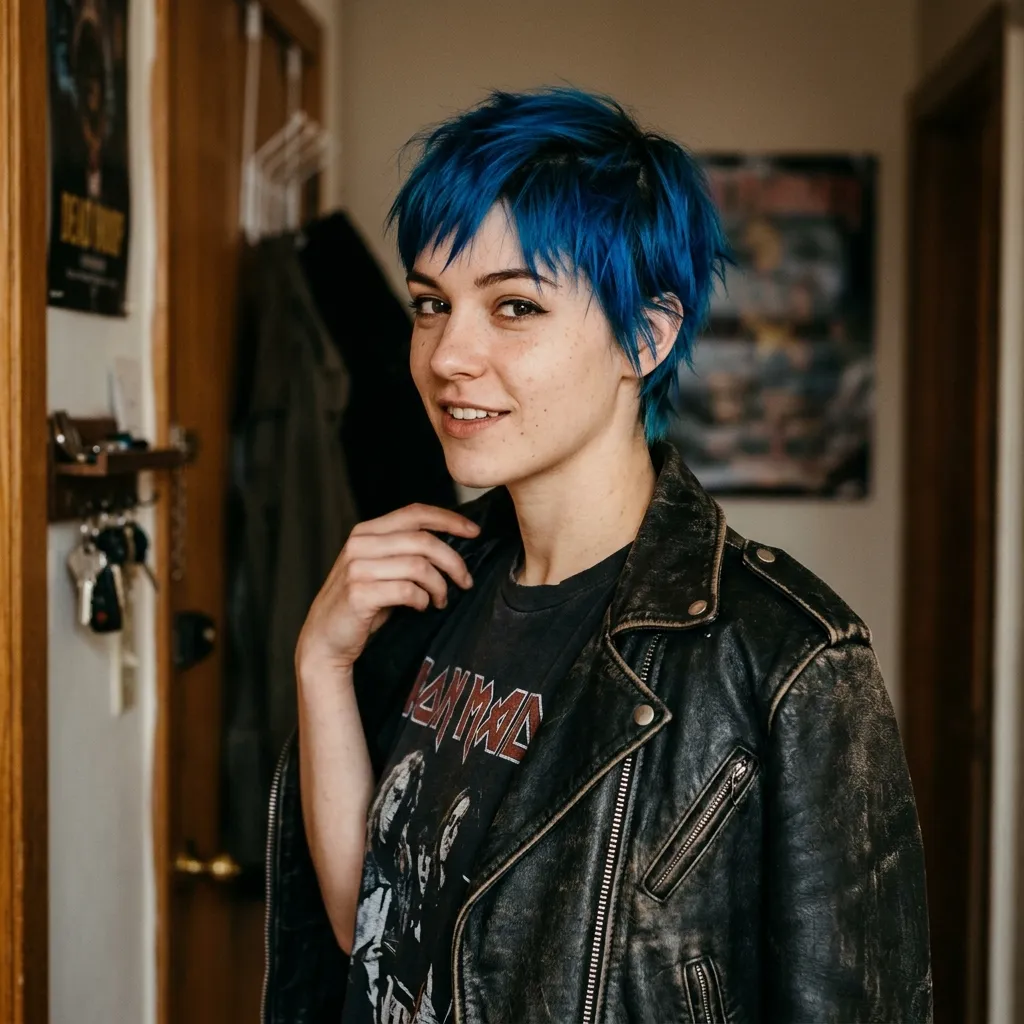
An edgy pixie with razored layers uses sharper lines and softened layers to create a bold but lightweight shape. The razored layers add movement, and the edgy angles give personality. It’s a good choice for women who want a strong look without bulk.
Edgy cuts need regular maintenance, so plan trims every four to five weeks. A strong-hold paste helps define the edges without making fine hair look stiff. Ask your stylist to adjust the angles gently if the look feels too severe.
14. Pixie with Babylights
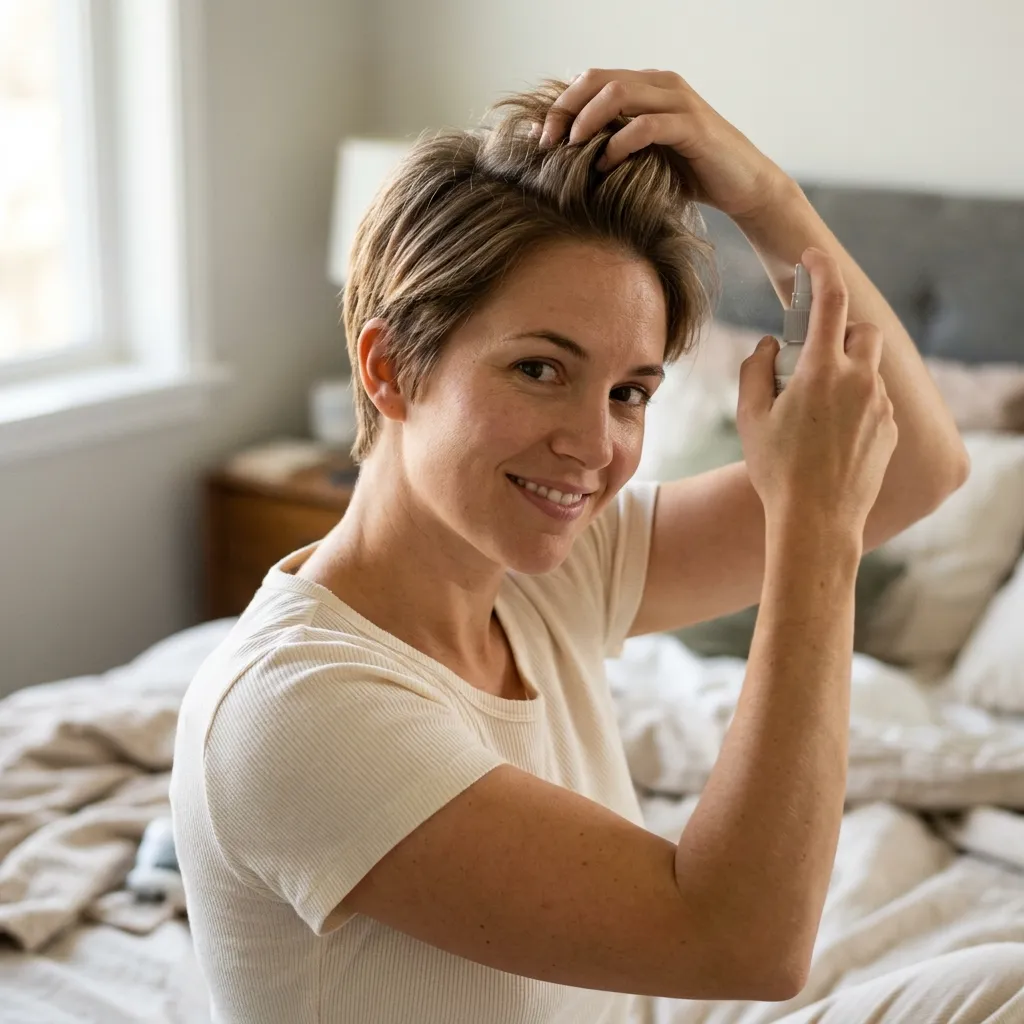
Babylights are very fine highlights placed throughout the top, creating a soft, sun-kissed effect. On a pixie, they add depth and make the texture look more defined. The subtle color can make fine hair appear fuller.
Ask your colorist to keep the babylights close to your natural shade so they blend seamlessly. Use a color-safe conditioner to help the color last. Plan color visits every ten to twelve weeks.
15. Cropped Pixie
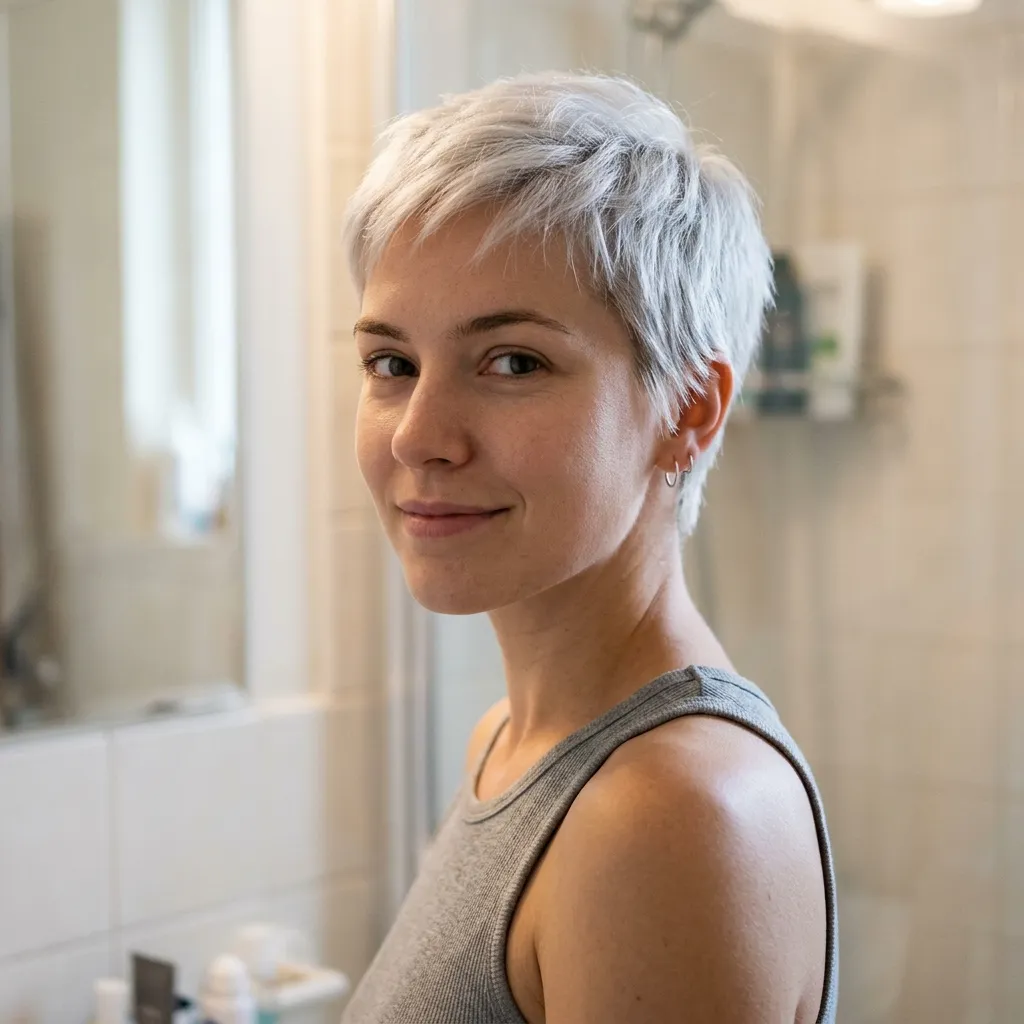
A cropped pixie is short all over, with minimal length and a clean, low-maintenance shape. The crop is easy to style and can look full when cut with a little texture on top. It’s a practical choice for women who want simple, short hair.
Use a small amount of texturizing spray and let your fingers shape the top. Trims every four to six weeks keep the crop tidy. Ask your stylist to keep the texture subtle if you prefer a cleaner finish.
16. Pixie with Face-Framing Layers
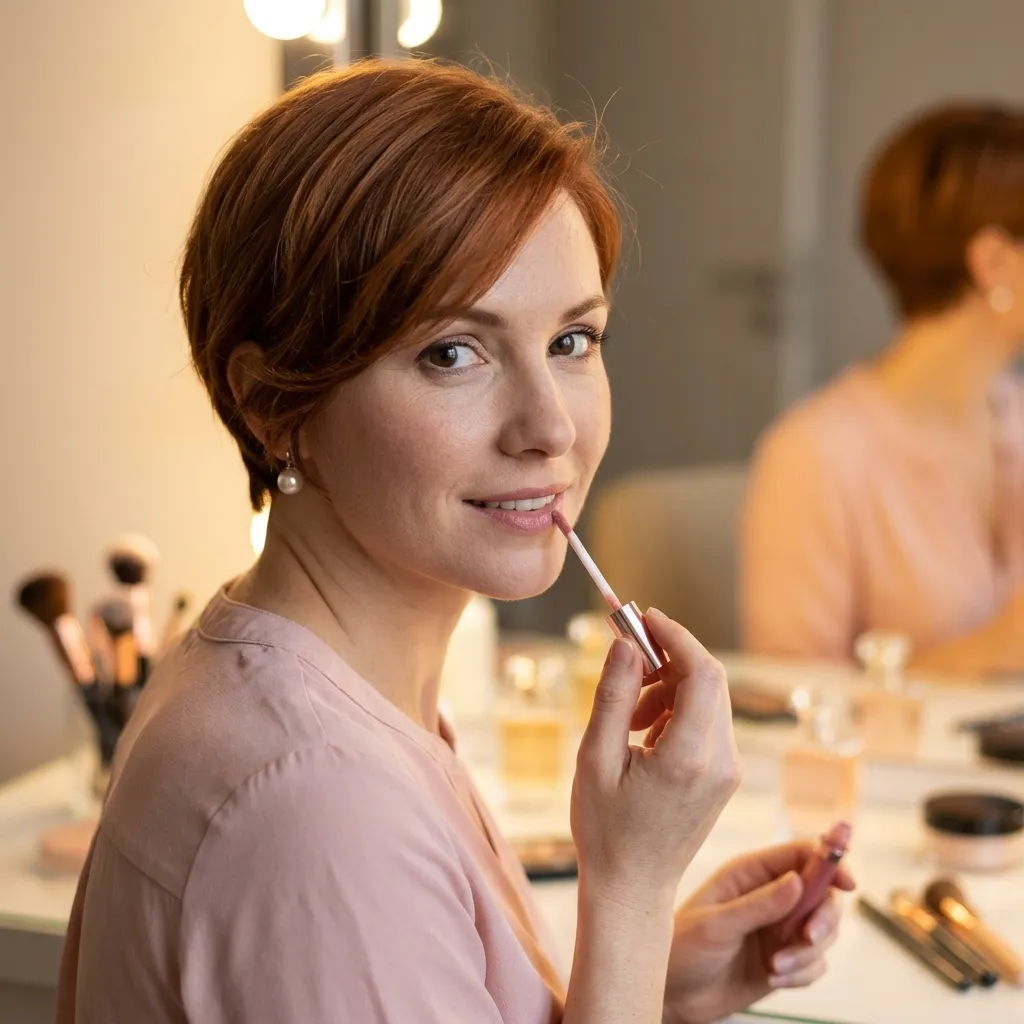
Face-framing layers start near the cheekbones and grow slightly longer toward the back, softening the jawline and brightening the eyes. On fine hair, these layers add movement and a gentle contour. They make the cut look more flattering from every angle.
Ask your stylist to set the framing pieces at a length that suits your face shape. A round brush used on the front layers gives them a gentle curve. Trims every five to seven weeks keep the pieces from getting heavy.
17. Pixie with Bottleneck Bangs

Bottleneck bangs are slightly longer at the sides and shorter in the middle, creating a shape that narrows gently toward the center. The style frames the face with a flattering curve and adds interest. It’s a playful detail that works well with a short pixie.
Ask your stylist to shape the bangs so they sit above the brows and blend into the sides. A round brush helps set the curve. Trims every five to seven weeks keep the outline sharp.
18. Bixie Cut

The bixie cut is a blend of a bob and a pixie, with length around the jaw and short, textured pieces at the back. The mix looks modern and gives fine hair a bit more weight at the perimeter. It’s a good choice for women who want more length than a pixie but still want a short look.
Ask your stylist to keep the back short and the front soft so the shape flows. Use a light cream to define the pieces. Trims every five to seven weeks keep the bixie balanced.
19. Soft Pixie with Wispy Bangs

A soft pixie with wispy bangs has gentle, rounded layers and a light fringe. The softness makes the cut feel comfortable, while the wispy bangs add a delicate frame. It’s a feminine look that suits fine hair well.
Keep the bangs slightly longer at first, then adjust at the next visit. Use a little cream on the wisps and let the rest of the hair dry naturally. Trims every five to seven weeks keep the bangs soft.
20. Layered Pixie

A layered pixie uses layers throughout the top and sides to build movement and volume. The layers help fine hair look fuller and make the cut easier to shape. It’s a dependable choice for daily wear.
Blow-dry the layers upward and finish with a light cream. Ask your stylist to keep the layers even so the shape looks balanced. Trims every five to seven weeks keep the layers fresh.
21. Pixie with Undercut
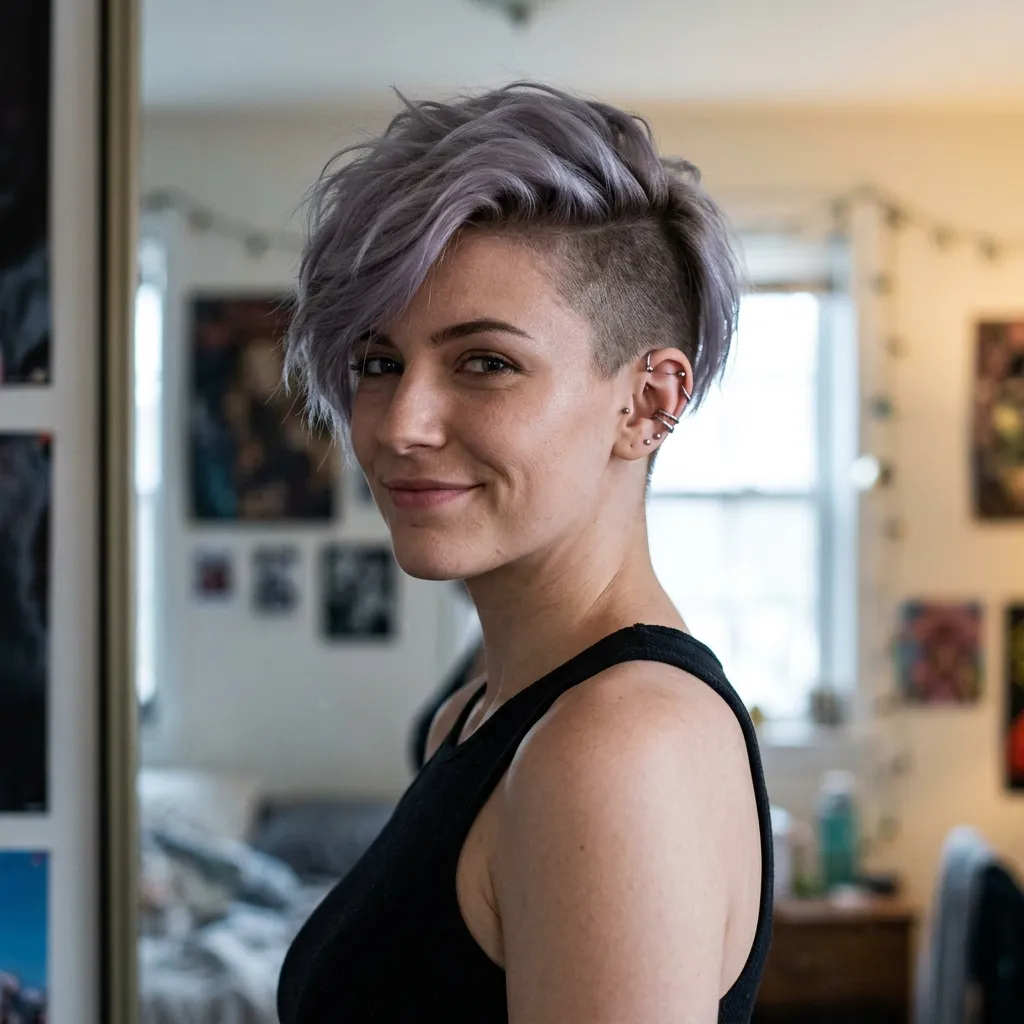
An undercut pixie shaves or closely tapers the sides and back, leaving the top longer and more dramatic. On fine hair, the contrast can make the top look fuller. It’s a striking option for women who enjoy a bold look.
Discuss how much contrast you want, since a subtle taper may be easier to live with than a full shave. Ask your stylist to show you how to style the top at home. Plan touch-ups every three to five weeks.
22. Textured Pixie

A textured pixie uses point-cutting or razor work to create soft, uneven pieces across the top. The texture makes fine hair look more dimensional and lively. It’s a versatile cut that suits many lifestyles.
Apply a lightweight texturizing spray to damp hair and scrunch gently. Let the hair dry naturally or blow-dry with your fingers. Trims every five to seven weeks help the texture stay defined.
23. Pixie with Feathered Crown
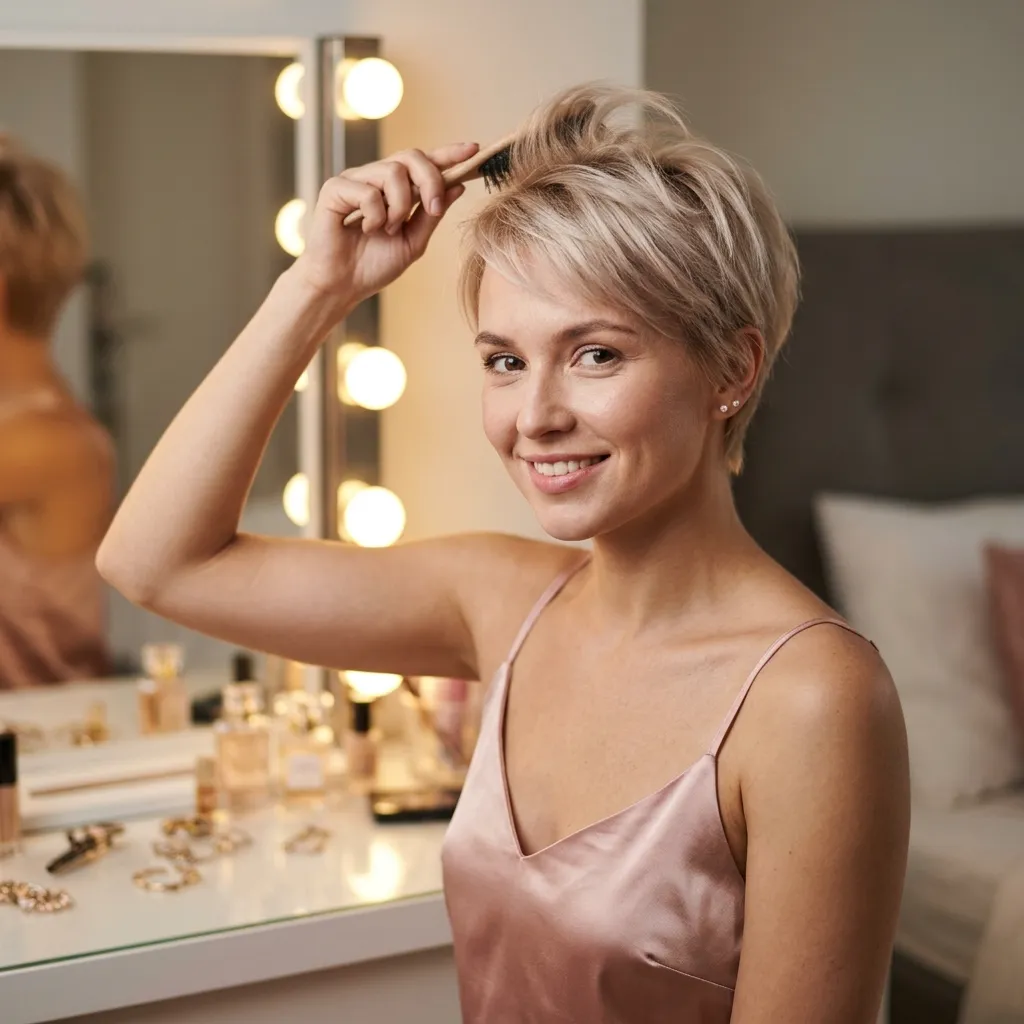
A feathered crown adds soft, lifted pieces at the top of the head, creating gentle height. The feathers catch the light and make fine hair look fuller. This cut balances the crown with short, neat sides.
Blow-dry the crown upward with a round brush and separate the feathers with your fingers. Keep the feathers light so they don’t look spiky. Trims every five to seven weeks keep the feathers distinct.
24. Pixie with Side Part and Volume

A side part with volume gives a pixie a clear line and lifted top, which can make fine hair look more structured. The longer side flows softly while the shorter side adds lift. It’s a polished look that works for many occasions.
Comb the part in while the hair is damp and blow-dry toward it with a round brush. Use a volumizing mousse at the roots for extra lift. Trims every five to seven weeks keep the part and volume balanced.
Frequently Asked Questions About Short Pixie Haircuts for Fine Hair
Will a pixie make my fine hair look thinner?
A well-cut pixie usually makes fine hair look fuller because the shorter length removes weight that can flatten strands. Layers and lift at the crown add the look of body. Ask your stylist to avoid over-thinning, since removing too much hair can make the cut look sparse.
What products work best for fine hair in a pixie?
Many women do well with a volumizing mousse at the roots, a lightweight texturizing spray for movement, and a gentle paste for hold. Heavy oils and thick creams can weigh fine hair down. Test small amounts first, since it’s easier to add product than to remove it.
How often should I trim a pixie for fine hair?
Most pixies need a trim every five to seven weeks, though edgier or undercut versions may need visits every three to five weeks. Fine hair can lose its shape faster, so regular trims help maintain lift and balance. If the edges start to soften or the top looks flat, it may be time to book.
Can fine hair handle texture in a pixie?
Fine hair can handle texture, especially when the cut is planned with care. Point cutting and light razoring create movement without removing too much weight. Ask your stylist to keep the texture soft so the hair still looks full.
Are pixies easy to style at home with fine hair?
Most pixies are simple to style, often needing only a quick blow-dry and a small amount of product. Fine hair may need a bit more lift at the roots, so a round brush is helpful. Ask your stylist to show you a routine during your appointment.
Final Thoughts on Short Pixie Haircuts for Fine Hair
Short pixie haircuts for fine hair can offer a light, lifted look without the constant struggle of longer strands that fall flat. Whether you prefer a classic lifted crown, a textured top, or a bixie blend, the right cut can make your hair look fuller and easier to manage. The best results come from a stylist who understands fine hair and plans the shape around your natural density.
Your next step can be simple. Gather a few photos, choose your top three favorites, and book a consultation with a stylist who has experience with fine hair. Ask to see examples of their work and talk through how much time you want to spend styling each morning. Once you see how the right lift and layers change your hair, you may find a pixie is the easiest change you make this year.