Have you ever caught yourself in the mirror and thought, “My hair is just not doing what it used to”? You are far from alone. As the years go by, hair often changes in texture, density, and color, and a cut that once felt effortless can start to feel like a daily chore. A fresh, shorter shape can solve more of those problems than you might expect.
Short hairstyles for older women have a lot going for them. They reduce the weight that drags fine strands flat, they make gray hair look intentional, and they cut down on the time you spend with a blow dryer. They can also frame the face in a way that feels lifted and bright, which is why so many women say a short cut made them feel years lighter.
Below you will find 27 styles, from polished stacked bobs to feathery pixies and soft shags. Each one comes with notes on who it tends to suit, how to style it, and what to mention to your stylist. Read through, save the ones that make you curious, and bring a few photos to your next appointment.
1. Classic Stacked Bob
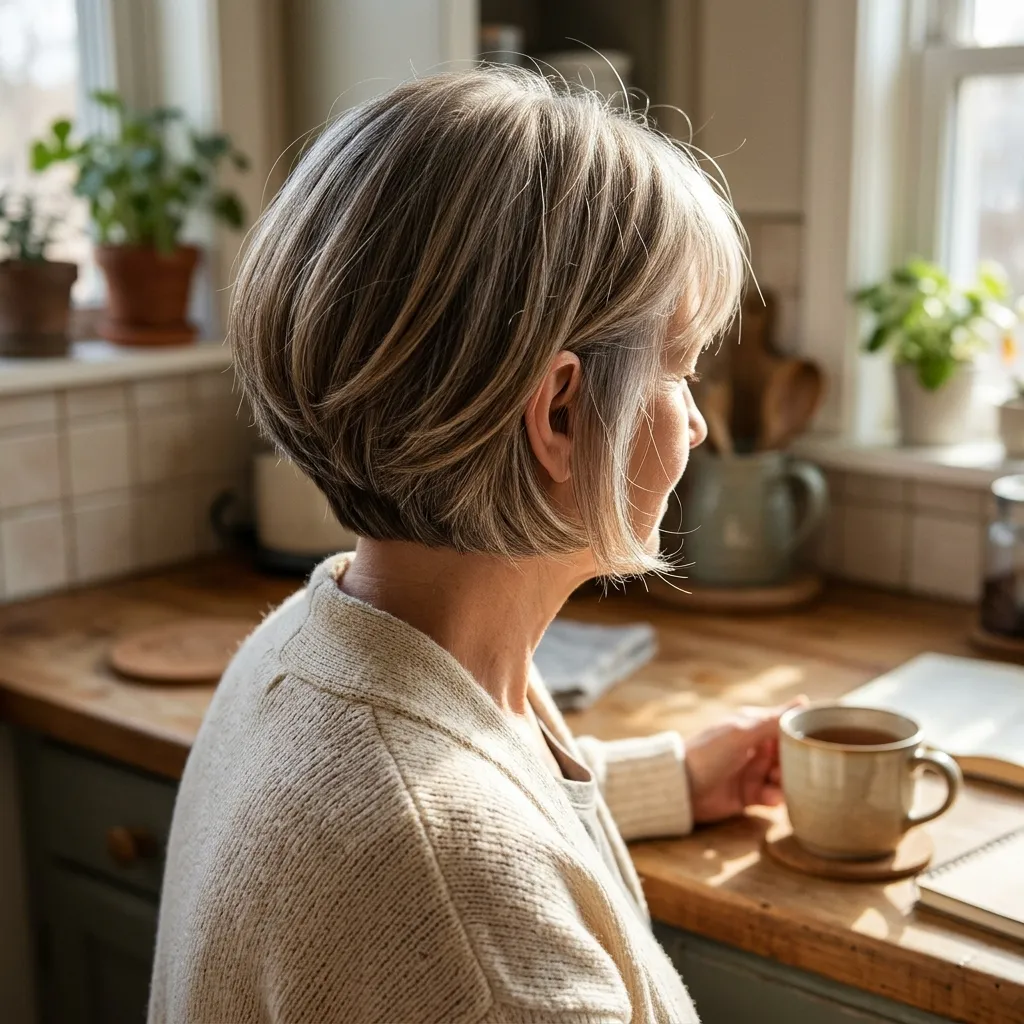
The classic stacked bob is cut with short, graduated layers in the back that build into a gently rounded shape, while the front sits at chin length or a touch longer. That rounded back gives hair a built-in lift at the crown, which is a welcome feature if your hair tends to go flat. It looks tidy, feminine, and put together without much fuss.
To style it, blow-dry the back section upward with a small round brush, then smooth the front. A lightweight mousse at the roots helps the shape hold. Ask your stylist to keep the stacking modest at first, since you can always go shorter on your next visit.
2. Stacked Bob with Side Part
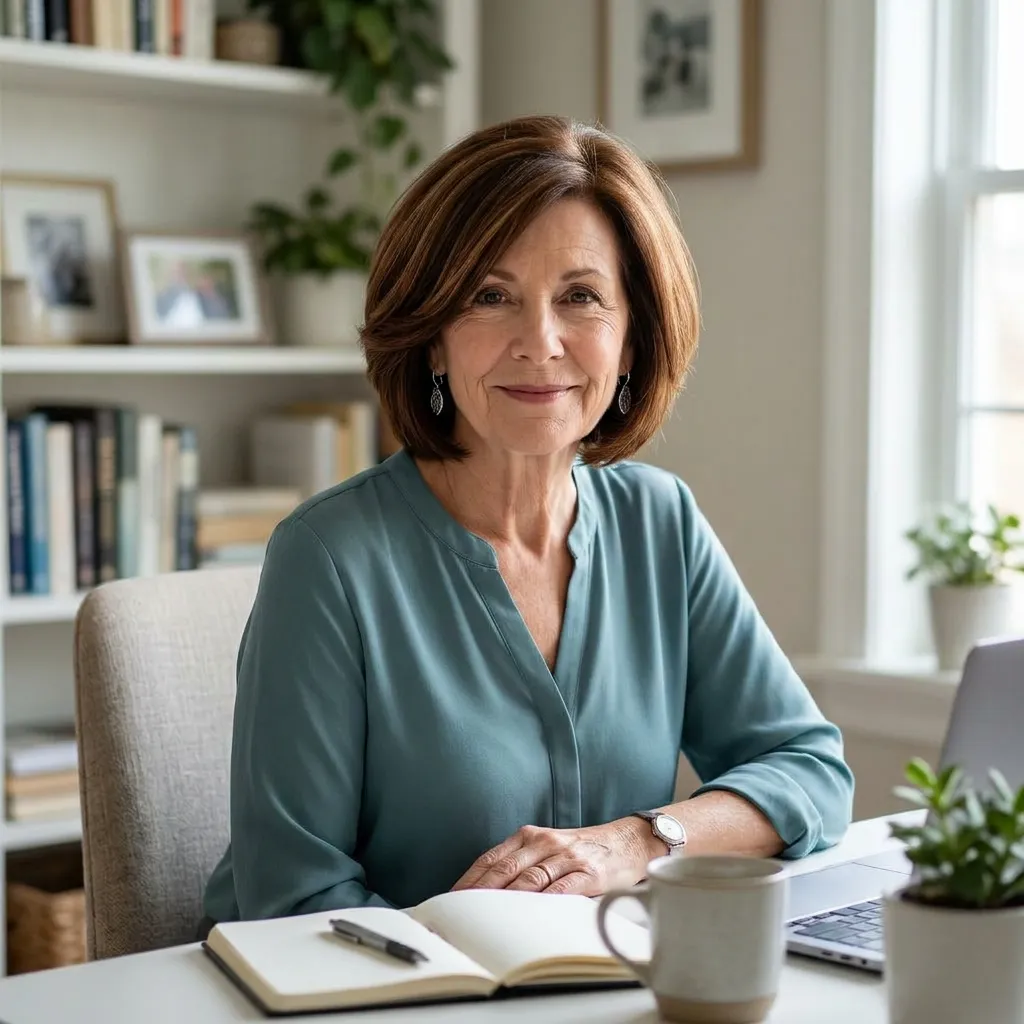
A deep side part is one of the quickest ways to make hair look fuller. Moving the part off-center lifts the roots on the heavier side and adds a soft sweep across the forehead. Paired with a stacked back, it gives you height where you want it and a flattering diagonal line around the face.
For extra lift, dry the roots in the opposite direction of your part, then flip them back into place. If your part line looks a bit sparse, a root-touch powder close to your natural shade can fill it in. It takes half a minute and makes a noticeable difference.
3. Inverted Stacked Bob
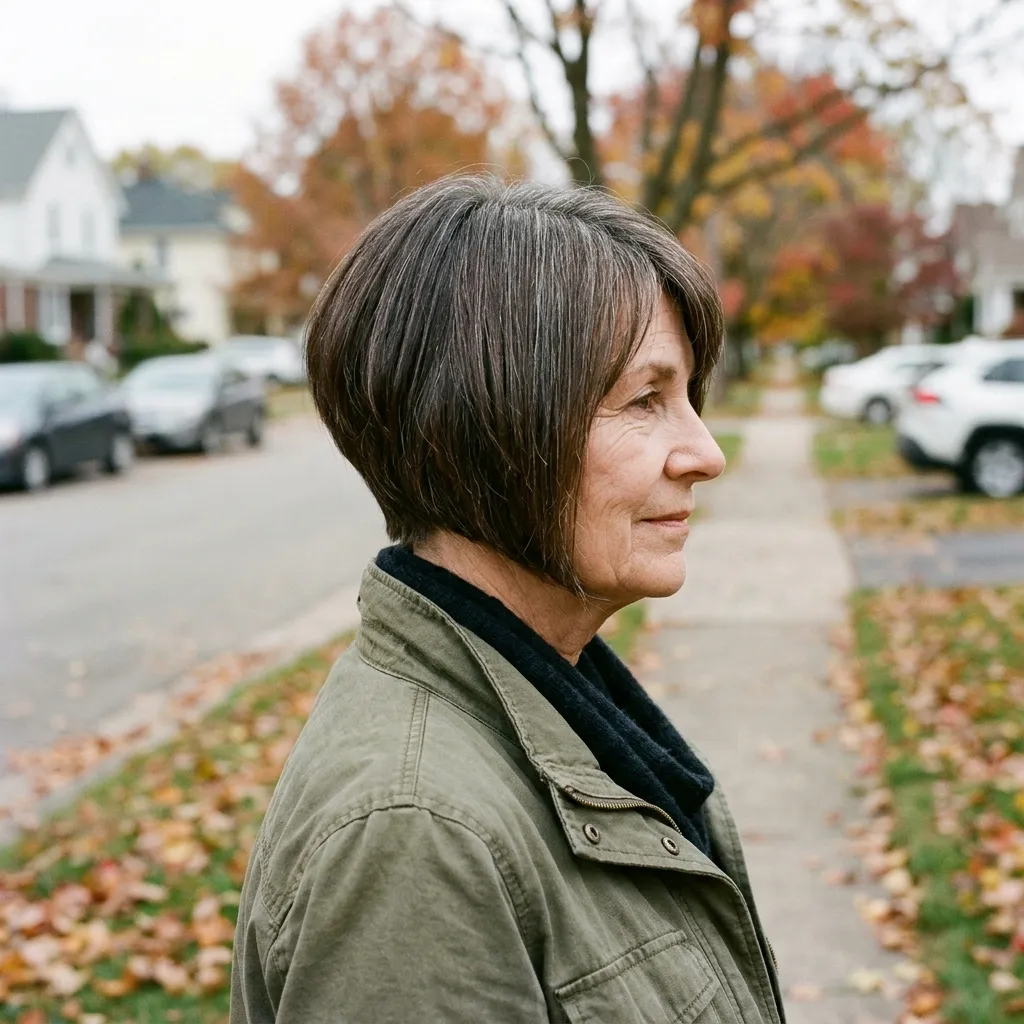
The inverted version is short and tightly stacked at the back, with the length gradually increasing toward the front. That slope creates a strong, elegant silhouette, and the compact back shows off the neckline. It is a good option if you like a cut with a little drama but still want it to feel refined.
Because the weight concentrates at the nape, this style tends to hold its shape well. Finish with a smoothing blow-dry and a drop of shine serum to sharpen the line. Plan on a trim every five to six weeks, because the angle softens as it grows.
4. Stacked Bob with Wispy Bangs
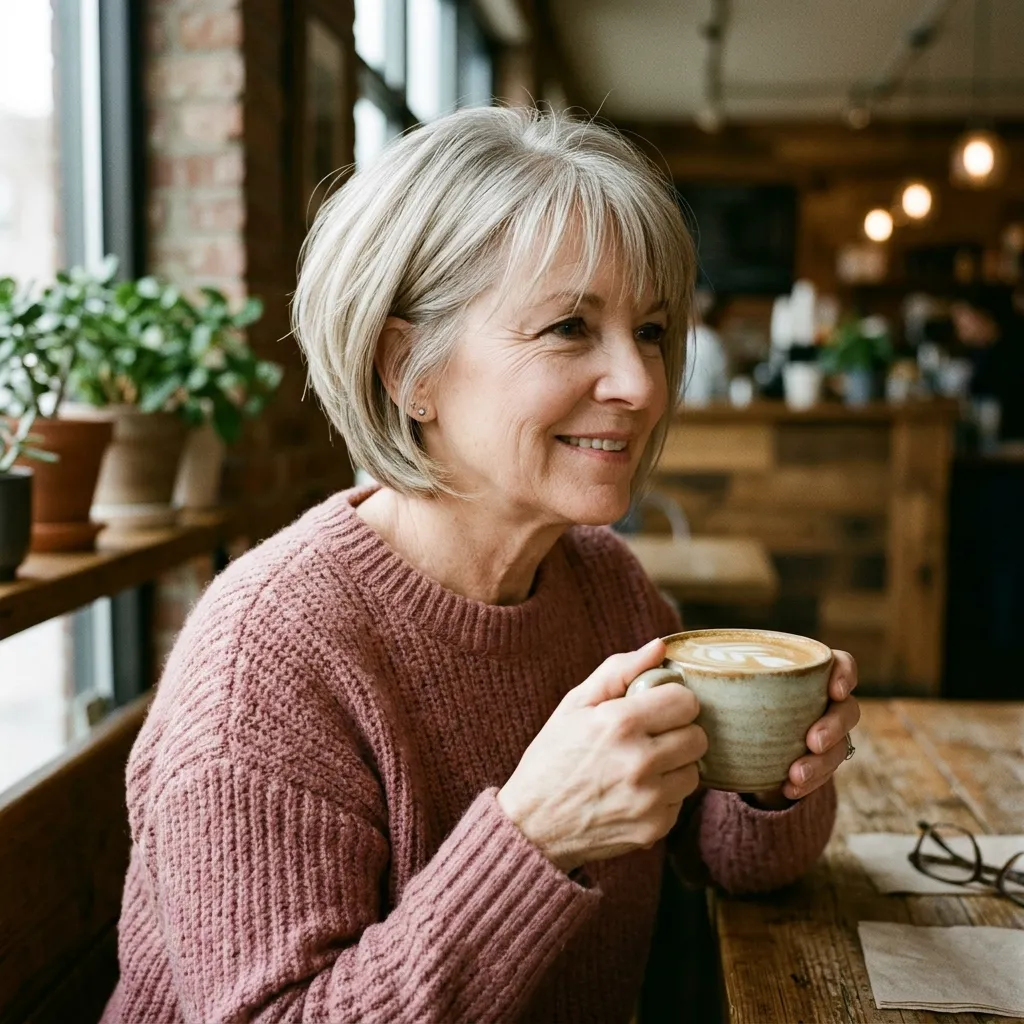
Wispy bangs add a light, airy frame to a stacked bob, and they can soften a higher forehead beautifully. The trick is keeping the fringe sheer and delicate so it blends in rather than sitting like a heavy curtain. With a stacked back behind it, the overall look balances fullness in the rear with softness in the front.
Ask your stylist to cut the bangs from a modest section so they do not steal volume from the sides. A touch of dry shampoo at the roots helps them stay fresh, since bangs pick up oil from your skin faster than the rest of your hair. Quick trims between full cuts keep them out of your eyes.
5. Stacked Bob with Curtain Bangs
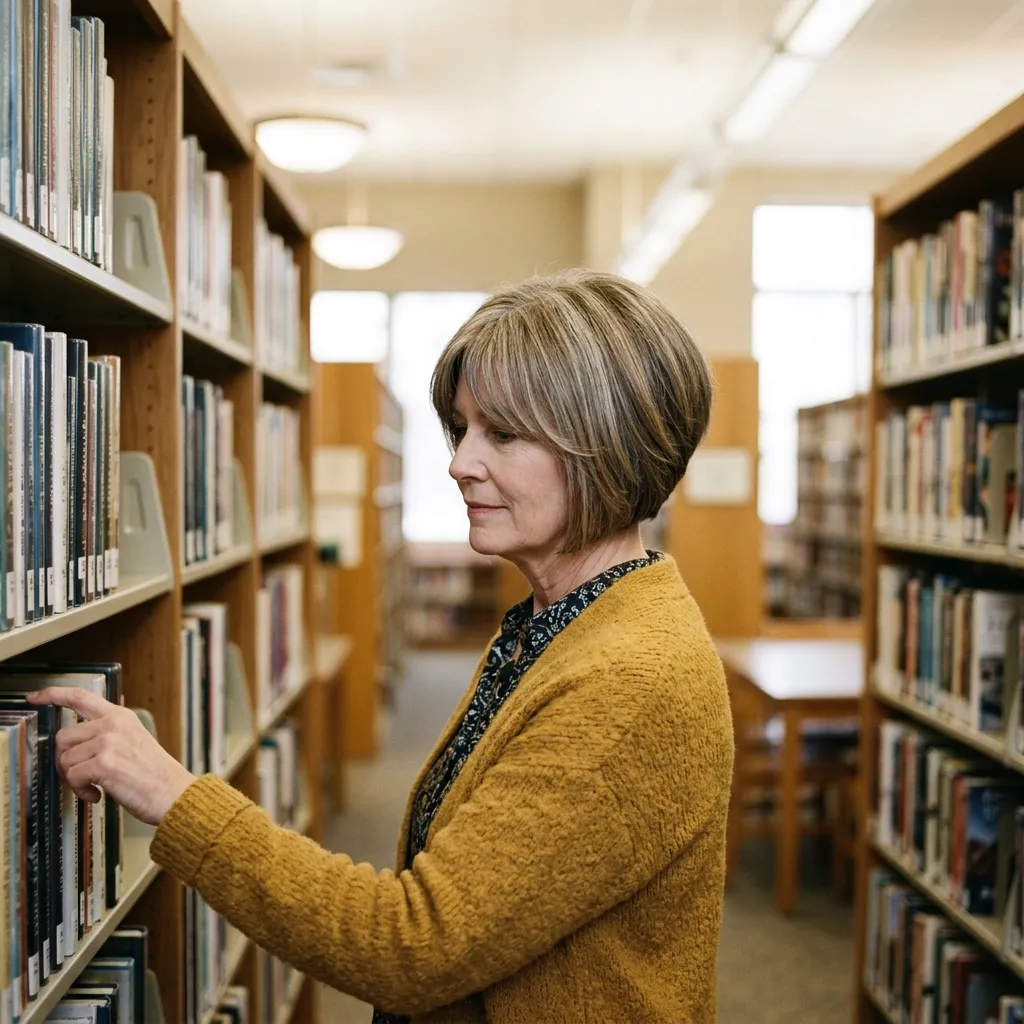
Curtain bangs part in the middle and sweep out to each side, making them a gentle partner for a stacked bob. They blend into the face-framing pieces, so there is no stiff line to maintain. The effect is open, relaxed, and quietly stylish.
They are also forgiving as they grow, since they merge into the rest of the cut. Roll them away from your face with a round brush while drying, and finish with a flexible-hold spray. If your hair is on the thin side, ask for a conservative amount so the top does not look sparse.
6. Razored Stacked Bob
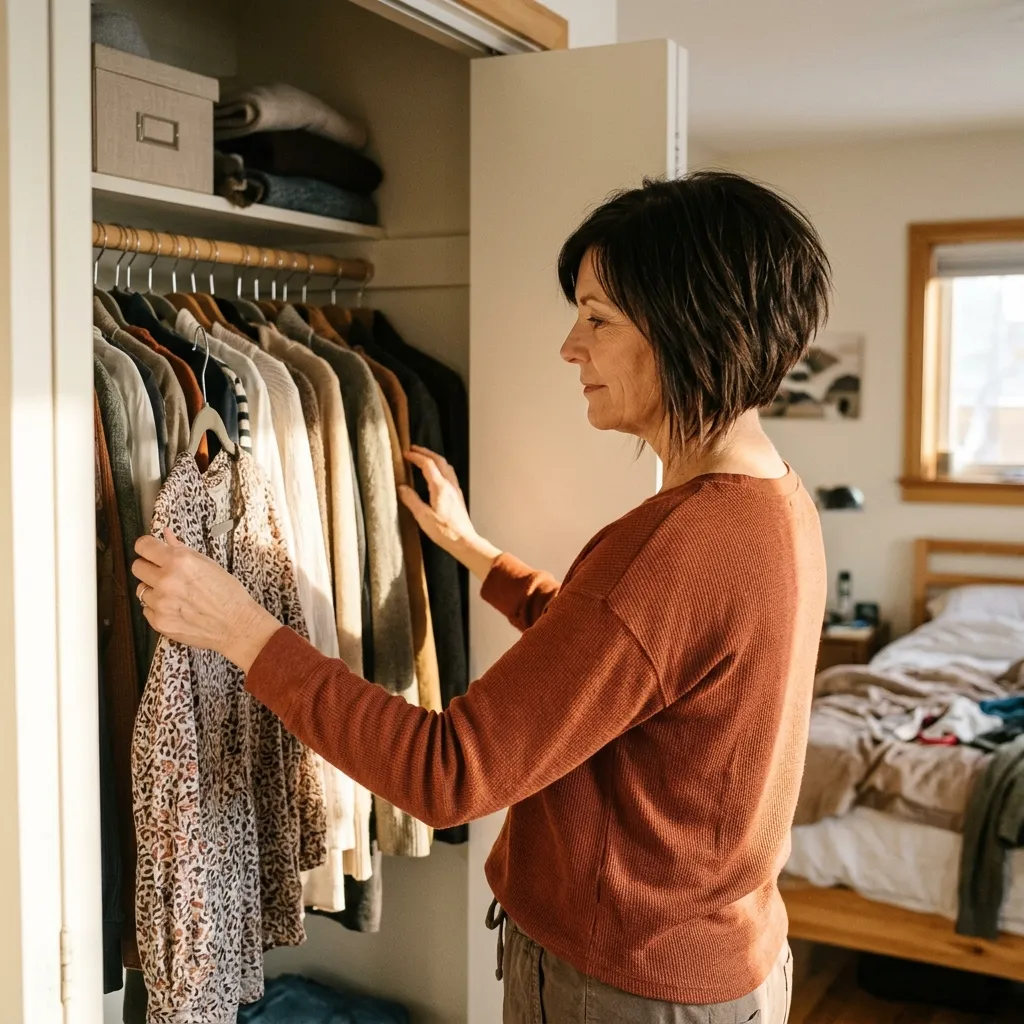
Razoring gives the ends a soft, feathered edge by using a razor instead of shears. On a stacked bob, it adds a lived-in texture that looks less rigid than a blunt finish. It can be lovely on medium to thick hair that needs a little softening.
If your hair is fine or dry, have a quick conversation with your stylist first. Too much razoring can leave ends looking see-through or frizzy. A skilled hand uses it where it helps and skips it where it would not.
7. Stacked Bob with Layers and Volume
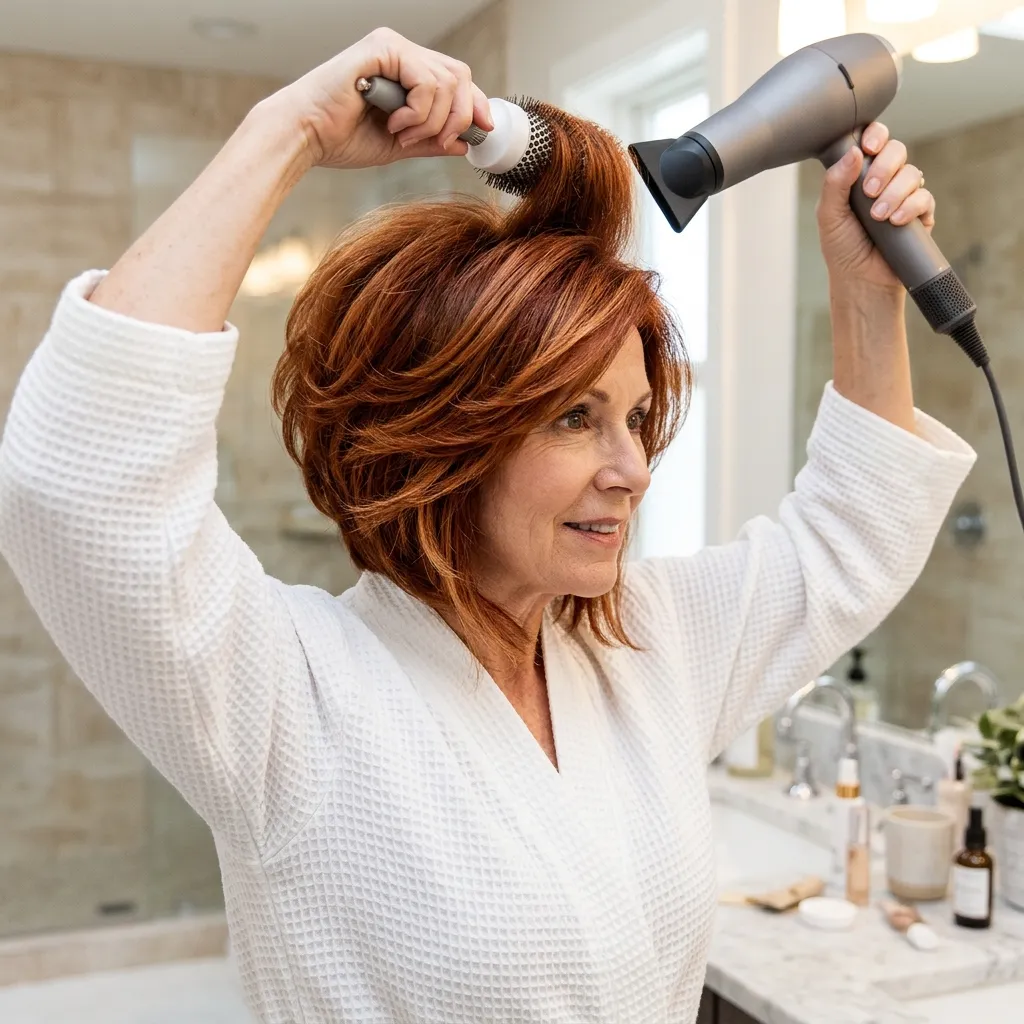
If body is your main goal, a layered stacked bob delivers. The layers in the back stack upward to create a rounded crown, while longer layers near the face add movement. When the layers are placed well, they look like natural bounce rather than visible steps.
A volumizing spray on damp roots and a blow-dry with a vent brush will build height. Skip heavy conditioners near the scalp, which tend to flatten delicate strands. The result is a full, polished shape that works from morning coffee to evening plans.
8. Sleek Stacked Bob

A sleek stacked bob is smooth, glossy, and polished. Shine reflects light, and light makes hair look healthier and fuller, so this finish can be especially flattering. The stacked back adds shape while the smooth surface keeps everything looking intentional.
Blow-dry the roots upward before smoothing the lengths with a paddle brush so the style does not fall flat. A lightweight serum on the ends is plenty, and heavy oils are best left in the cabinet. Always use a heat protectant, particularly if you finish with a flat iron.
9. Choppy Stacked Bob
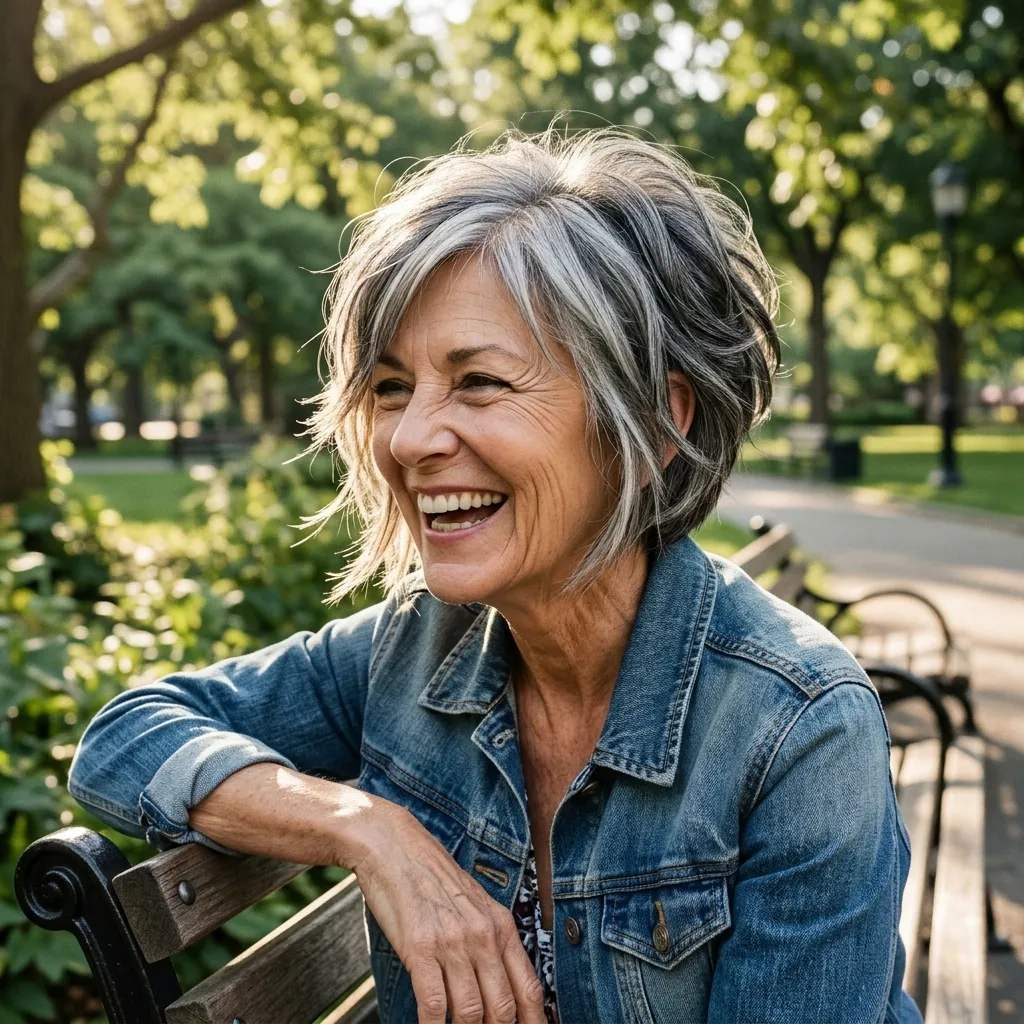
A choppy stacked bob has uneven, textured ends that overlap and create the impression of thickness. It feels playful and a little undone, which can take the formality out of a bob. It is a good pick if you like a cut that looks better a bit tousled.
Work a pea-sized amount of texturizing paste through dry hair and let the pieces fall naturally. Resist the urge to perfect it, because the charm lies in the casual finish. If you tend to over-style, this cut will quietly reward you for doing less.
10. Stacked Bob with Highlights
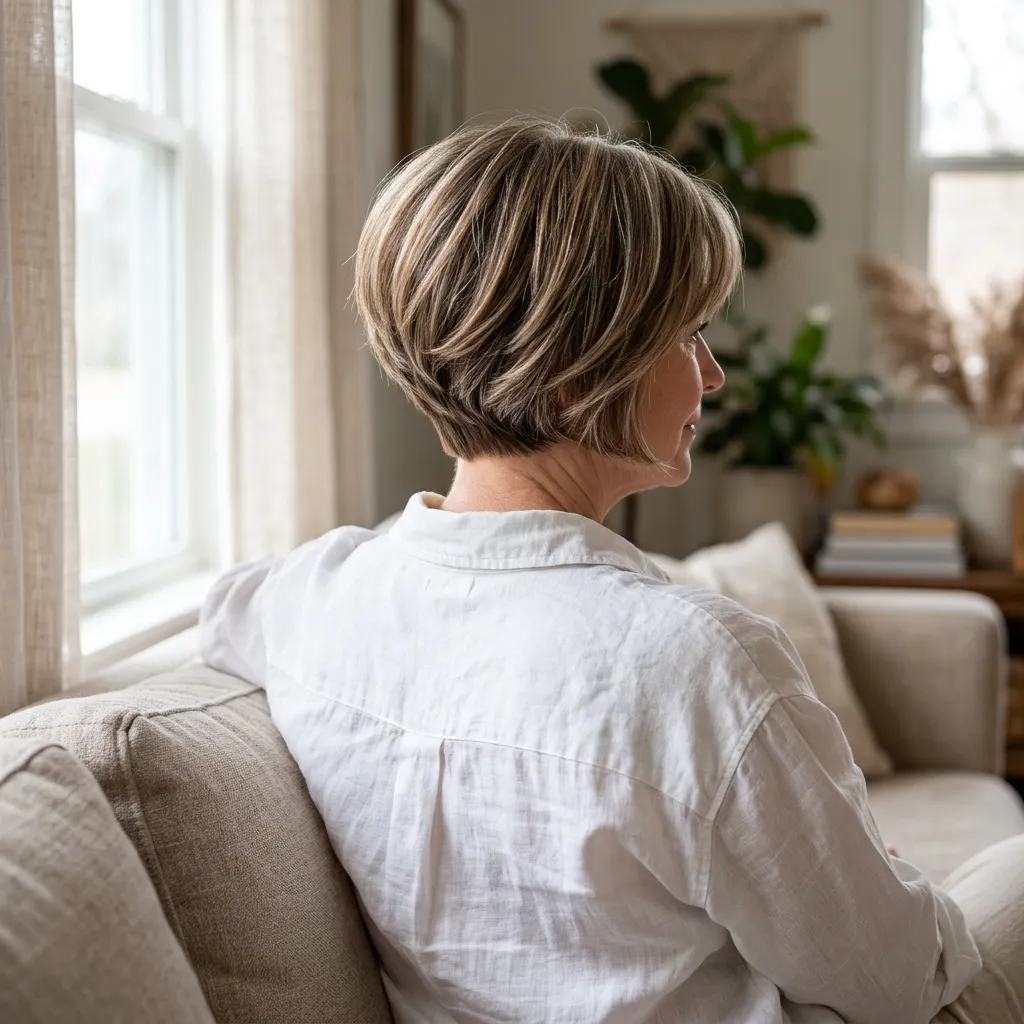
Highlights add dimension, and dimension makes hair look fuller. On a stacked bob, the rounded back gives brighter pieces a place to catch the light as you move. Fine, well-blended highlights look modern and soft, while chunky streaks can read as dated.
Choose a shade within a few tones of your natural color so the grow-out stays gentle. If you have gray coming in, highlights can also blend it in gracefully. A gloss treatment between salon visits keeps the shine going.
11. A-Line Stacked Bob
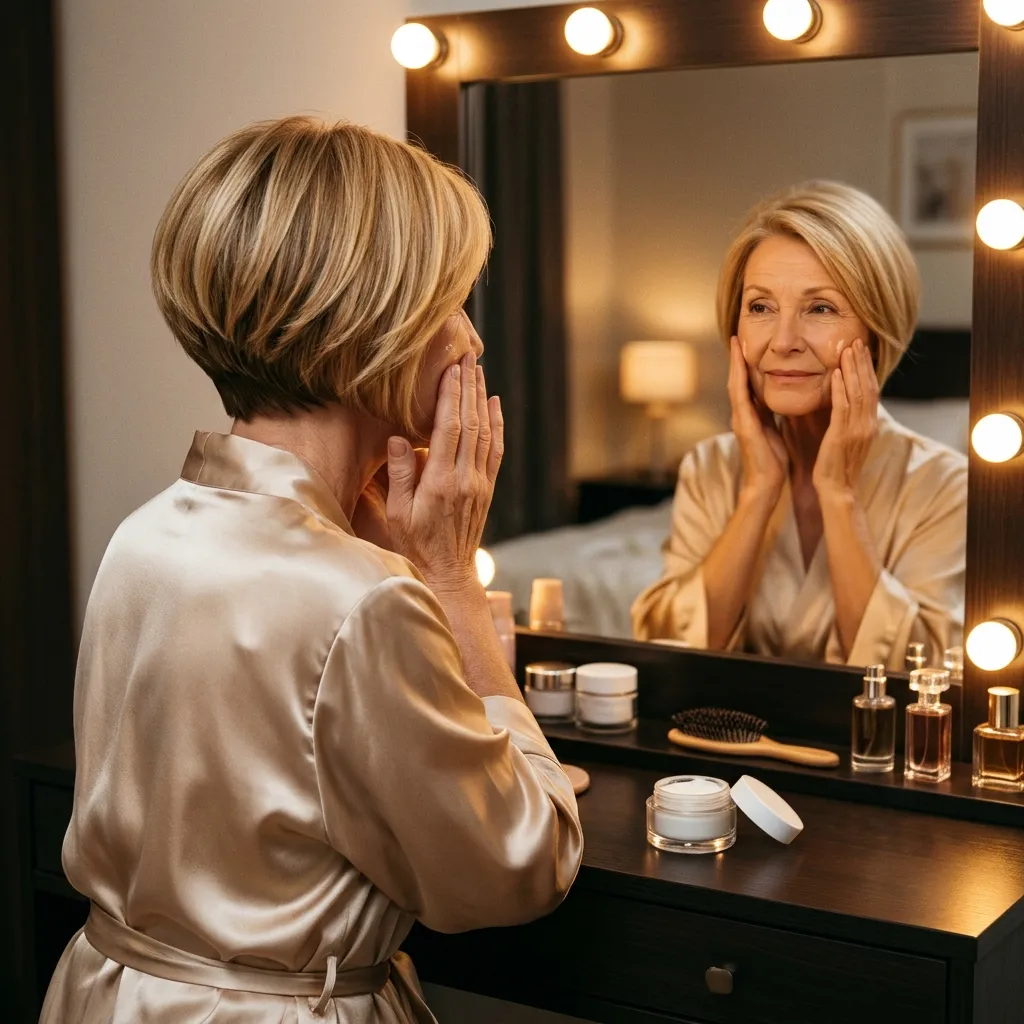
An A-line stacked bob is shorter in the back and slopes longer toward the front, forming a flattering angle. The stacked back builds volume at the nape and crown, while the longer front pieces slim the face and add polish. It suits many face shapes and looks smart in any setting.
Keep the angle subtle if your hair is fine, so the front does not look stringy. You can smooth it with a flat iron or add a slight bend to the ends for something softer. Regular trims keep the line crisp.
12. Stacked Bob with Babylights
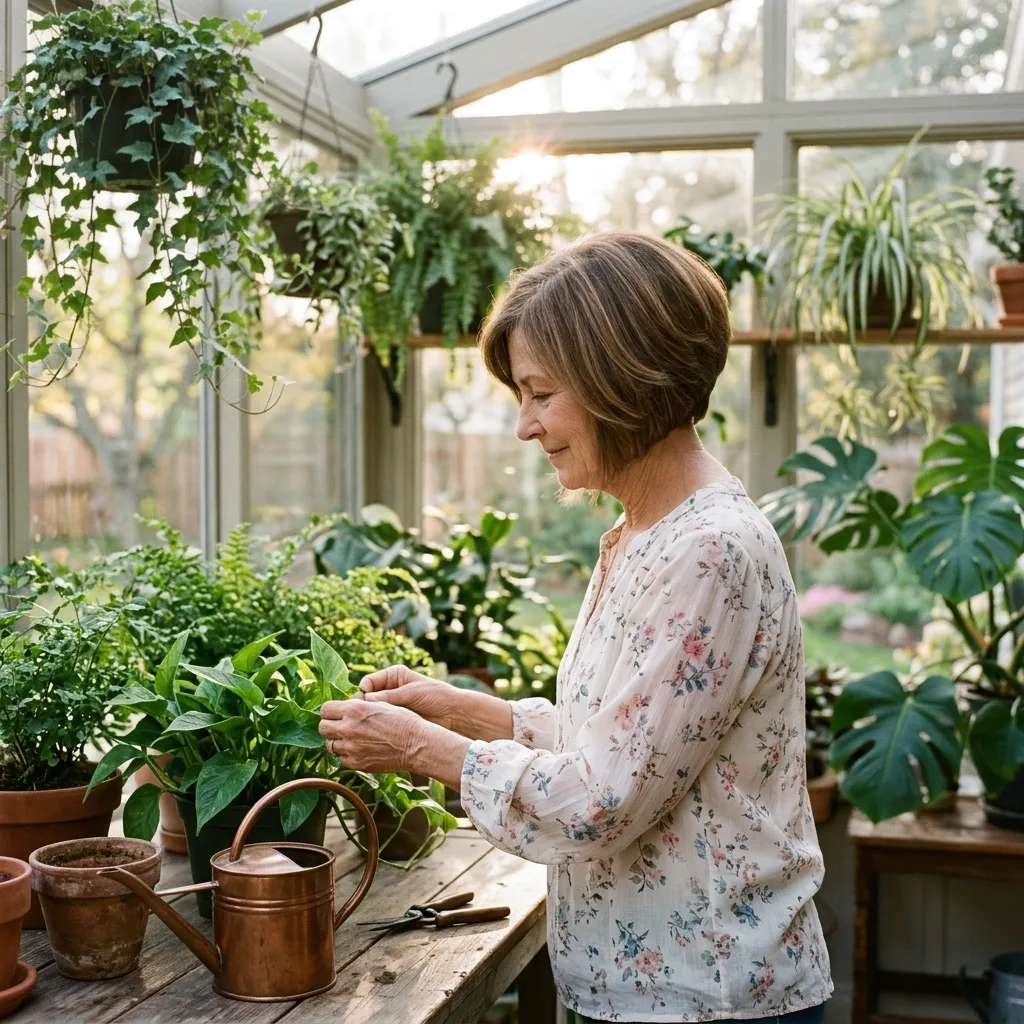
Babylights are very fine, closely placed highlights that blend softly into your base color. They are a quiet way to add depth, especially if you are starting to see gray and want a gentle transition. On a stacked bob, they make the rounded shape look lit from within.
Because the strands are so delicate, babylights are kinder to fragile hair than bold, high-contrast color. They also grow out smoothly, so you can stretch the time between appointments. Ask your colorist for a tone that suits your skin, and use a color-safe shampoo at home.
13. Stacked Bob with Shadow Root
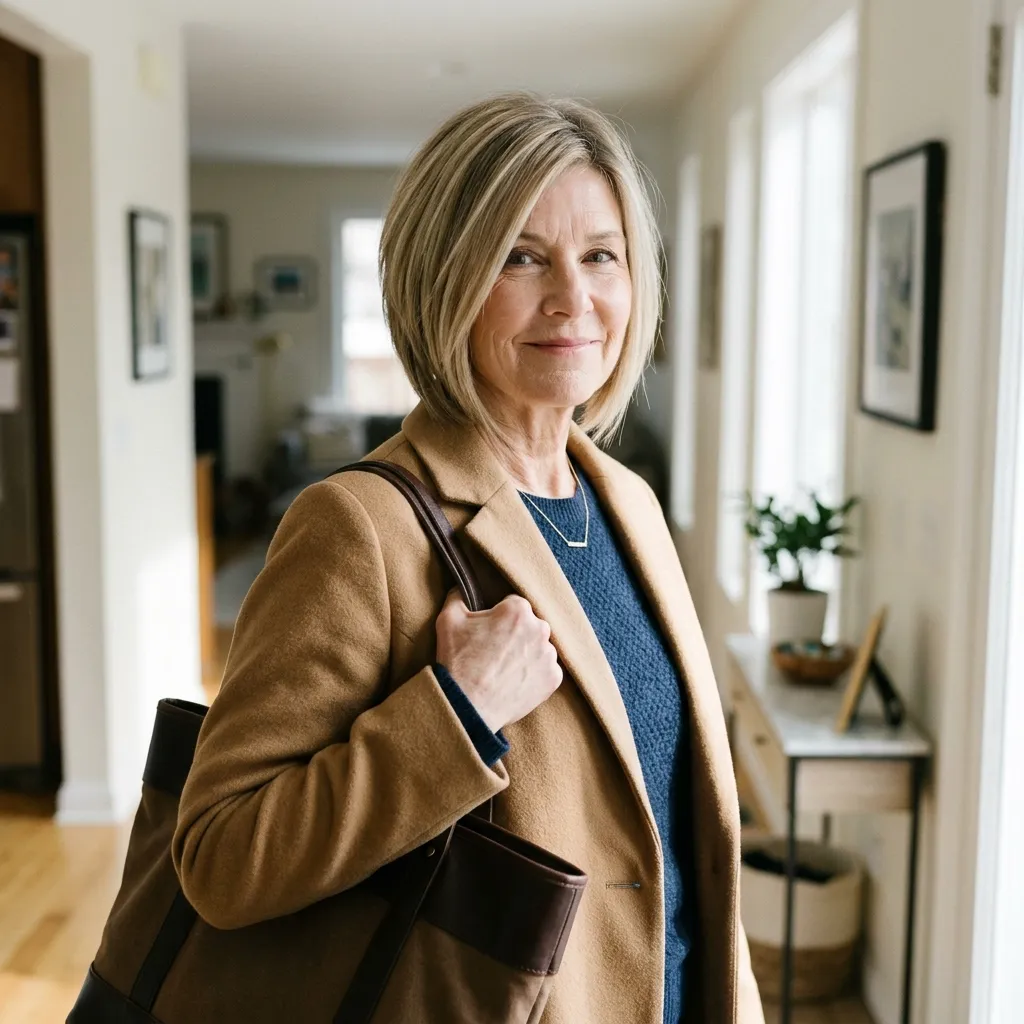
A shadow root uses a slightly deeper shade at the scalp that melts into a lighter color through the lengths. This soft gradient creates the illusion of density at the roots, which helps if your part or crown shows through. It also makes regrowth far less obvious.
Combined with a stacked bob, the effect is subtle but convincing. Ask your colorist to keep the root shade close to your natural tone so the blend looks seamless. It is a practical choice if you would like fewer salon trips.
14. Soft Stacked Bob
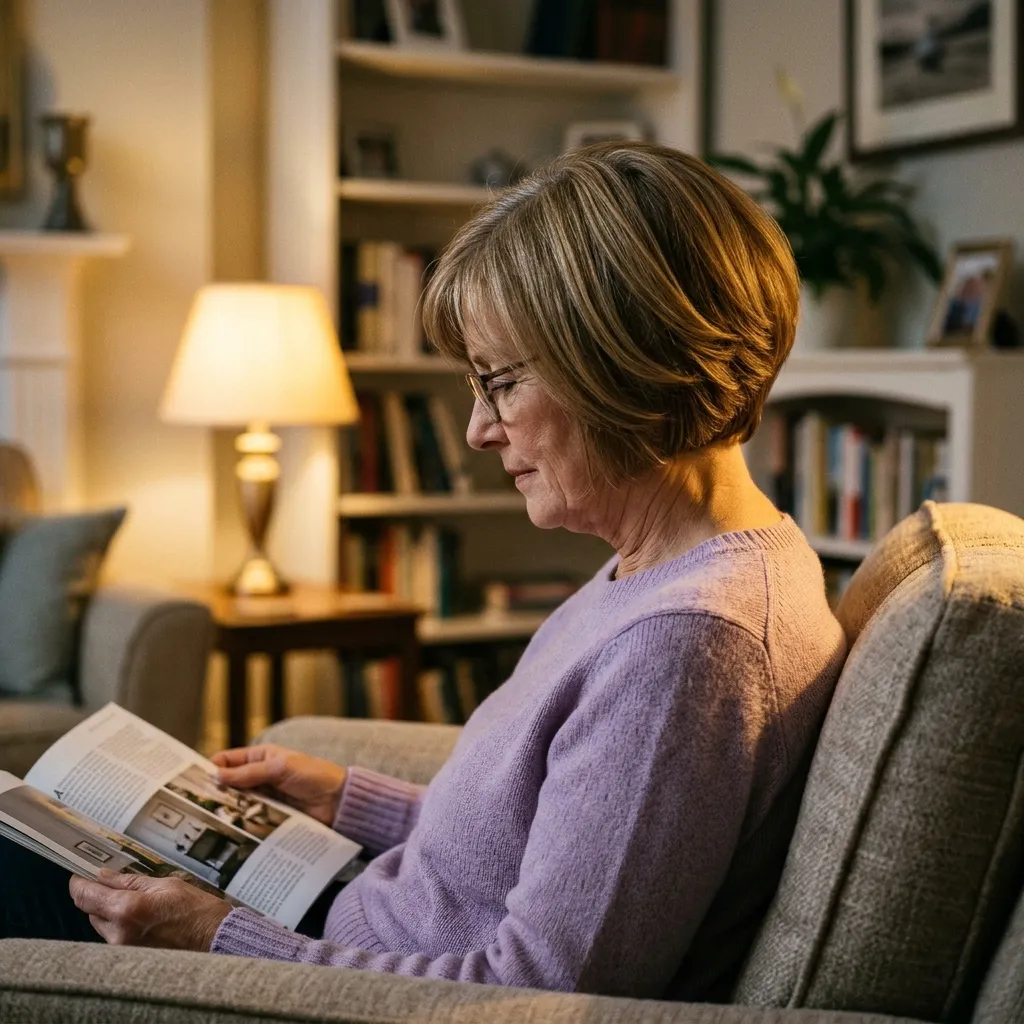
Not every stacked bob needs crisp edges. A soft stacked bob has blended layers and a rounded, cushioned shape that feels easygoing and feminine. It is a comfortable starting point if you are nervous about going short.
The softness comes from low-contrast graduation in the back. Style it with a light mousse and a loose blow-dry, and keep products minimal. It looks natural and takes very little time on busy mornings.
15. Stacked Bob with Long Side-Swept Bangs
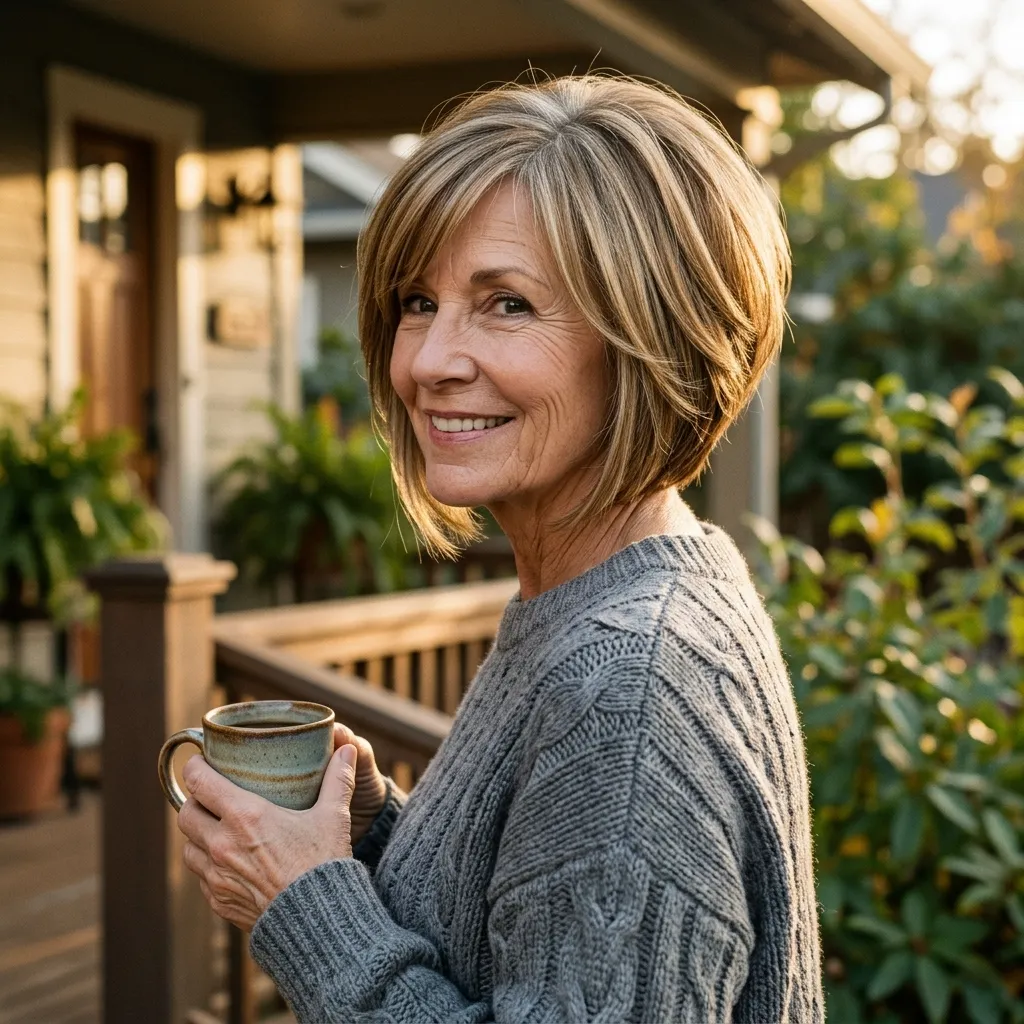
Long side-swept bangs glide across the forehead and blend into the longer front pieces of a stacked bob. They flatter most faces and are easier to manage than blunt fringe, since there is no straight line to keep perfect. They also help soften a forehead you might prefer to cover.
If your hair is thin at the hairline, ask your stylist to cut the bangs a little wider so they do not look sparse. A quick pass with a round brush and a bit of hairspray keeps them in place. A small trim takes care of them if they start brushing your lashes.
16. Short Pixie Cut with Textured Layers

A pixie with textured layers is one of the most popular short hairstyles for older women, and for good reason. The shorter sides and back keep things neat, while the longer top has movement and lift. Because there is so little length to weigh it down, the hair looks lively even if it is fine.
To style it, rub a small amount of texturizing paste between your fingers and work it through dry hair, pushing the top up and slightly forward. The whole routine takes a couple of minutes. A trim every five to six weeks keeps the shape fresh and the layers defined.
17. Feathered Short Bob with Side-Swept Bangs
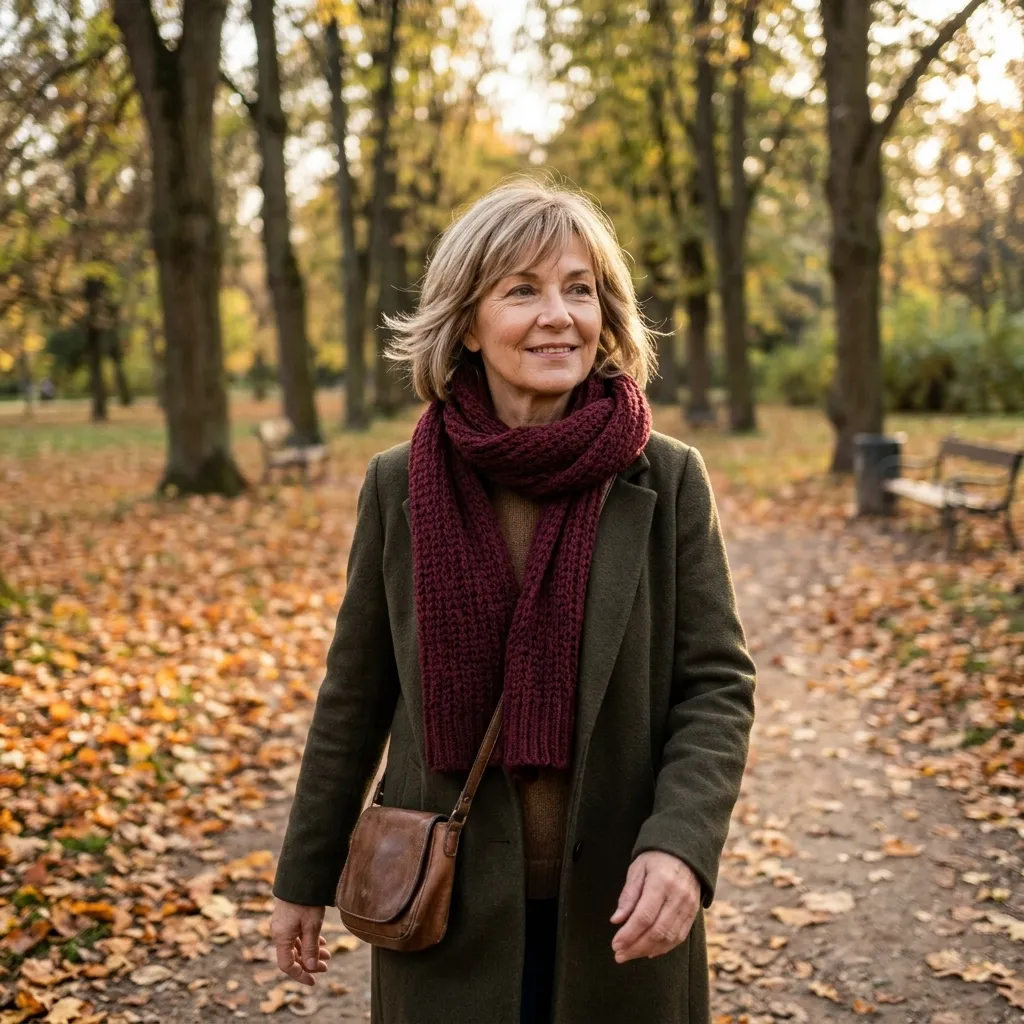
Feathered layers give a short bob a soft, flowing look, and side-swept bangs complete the frame. The layers blend gently into one another, so the cut moves rather than sits. It has a classic salon polish that feels warm and approachable.
Use a round brush and a little heat to flip the ends outward or curve them under. A flexible-hold hairspray keeps everything in place without turning it stiff. This is a lovely option if you want a finished look that still feels relaxed.
18. Classic Short Crop with Tapered Sides
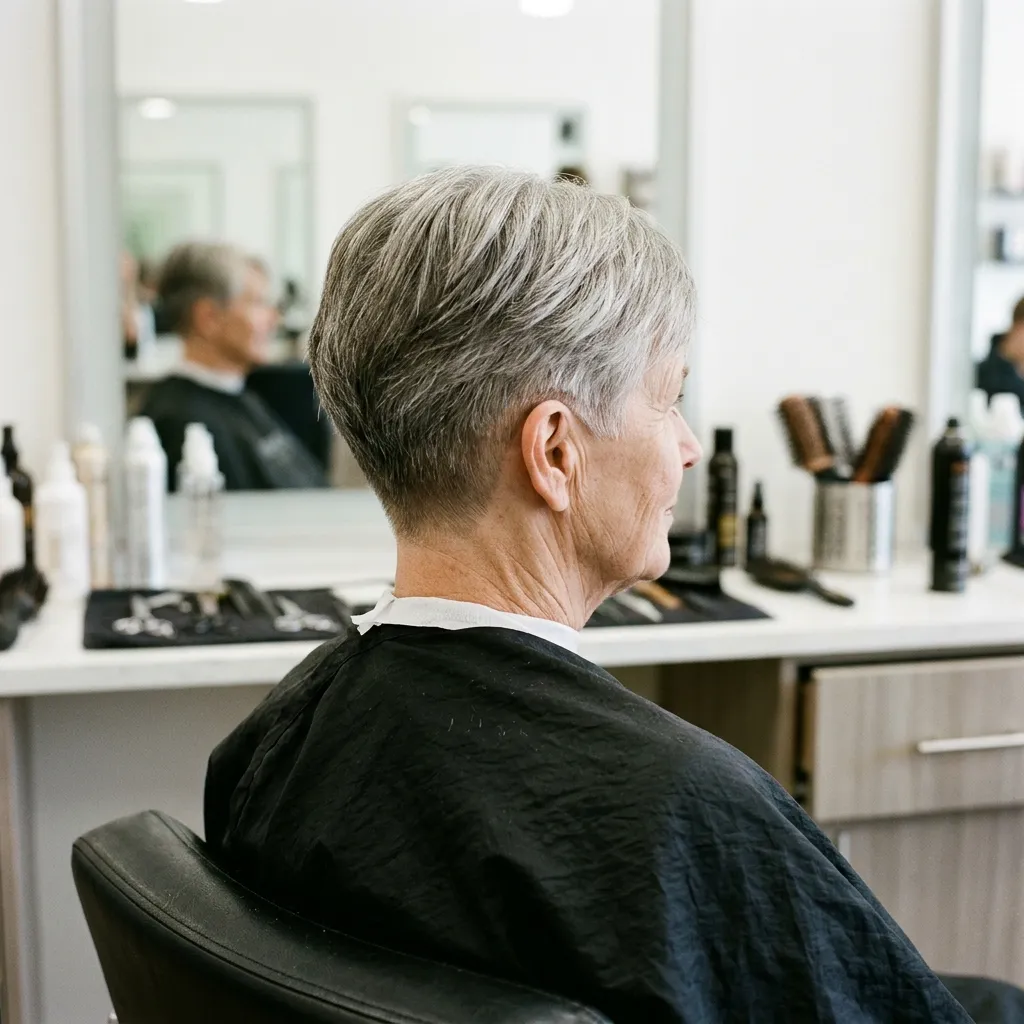
A short crop with tapered sides is neat, practical, and quietly stylish. The hair on the sides and nape gradually blends from short to shorter, while the top keeps a bit of length for texture. It is about as low maintenance as a haircut gets.
This shape works especially well for fine or thinning hair, since the top can be styled to look fuller by contrast. A dab of styling clay gives definition without heaviness. Plan on regular trims to keep the taper clean.
19. Short Curly Bob with Natural Volume
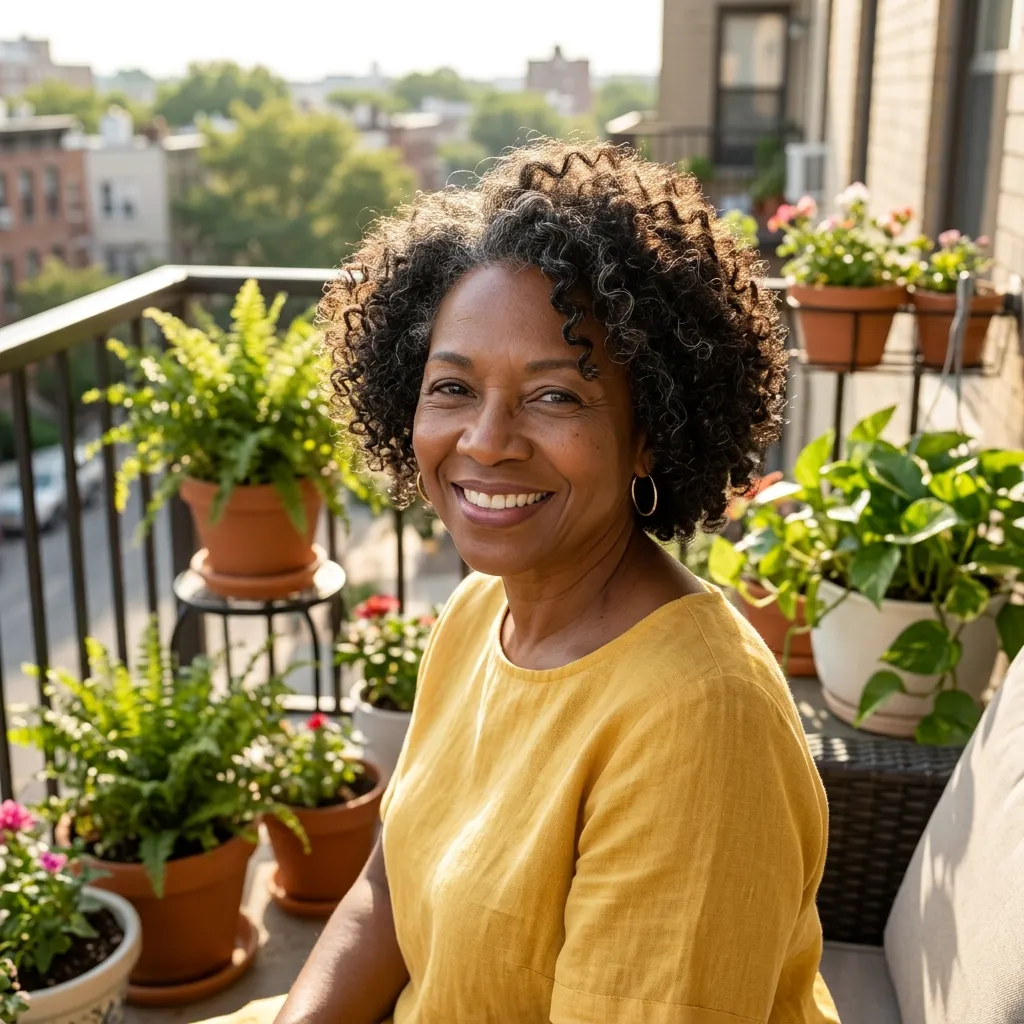
If your hair is naturally curly, a short curly bob lets those curls shine. A good cut shapes the curls so they stack neatly instead of spreading into a triangle. The natural volume means you rarely need to add much product to get body.
Look for a stylist who cuts curly hair regularly, ideally on dry or nearly dry hair so they can see how each curl falls. Apply curl cream or gel to wet hair, then let it air-dry or use a diffuser. Keep in mind that curls spring up as they dry, so a cut that looks long when wet may land noticeably shorter.
20. Silver Pixie Cut with Wispy Fringe

Silver hair and a pixie make a striking pair. The short cut keeps gray strands tidy and shapely, which matters because gray hair can be wirier or drier than pigmented hair. A wispy fringe softens the forehead and adds a delicate frame around the eyes.
A purple shampoo used occasionally keeps silver bright and prevents a yellow cast. Moisturizing products help with dryness, but go light so the hair does not feel weighed down. Many women love how freeing this look is, with no color appointments to schedule.
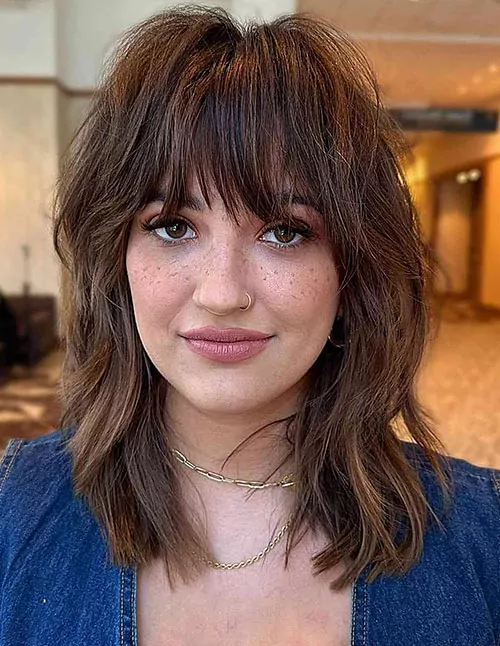
21. Short Shag Haircut with Feathered Layers
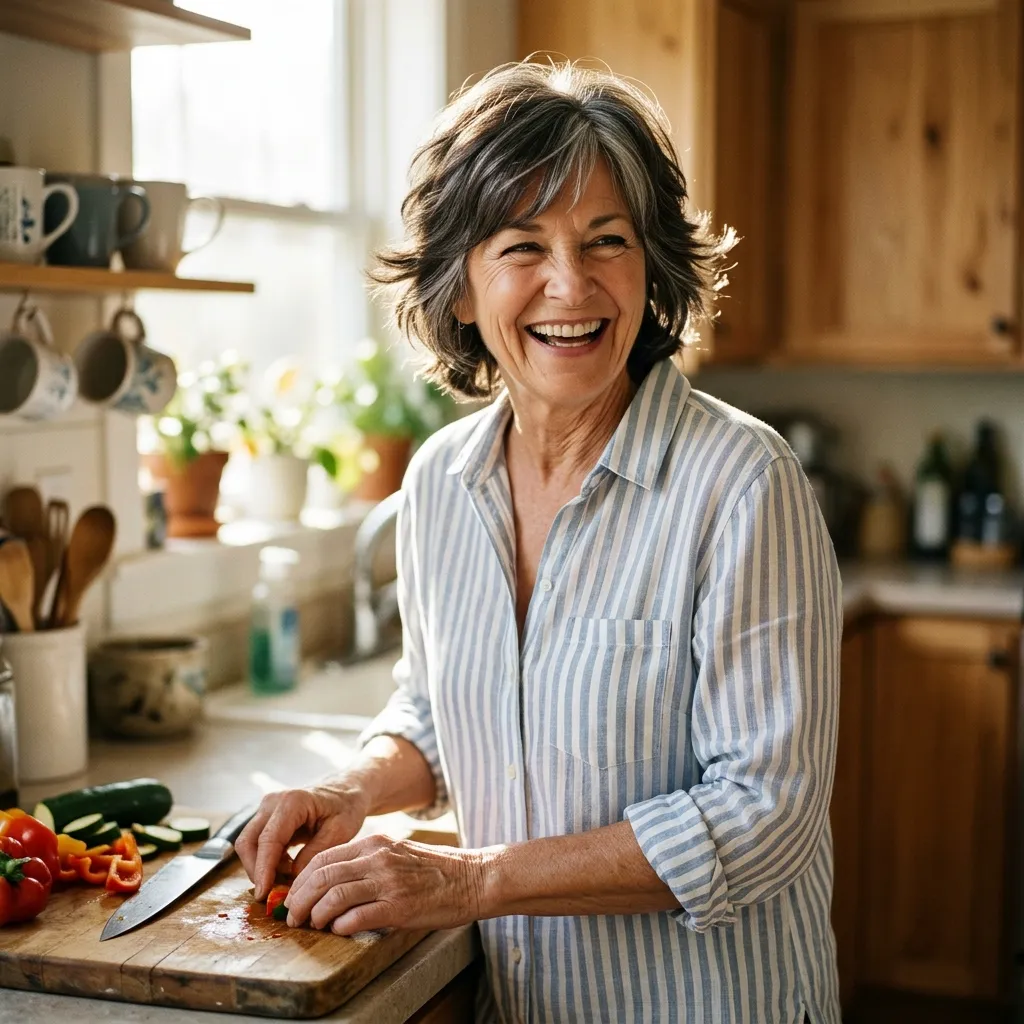
The short shag is all about movement. Layers are cut throughout, and feathered ends give the whole shape a soft, rumpled quality. It is a fun, youthful style that adds the look of volume even to hair that is on the finer side.
Choose a modern, softer version rather than a heavily thinned one, so the ends do not look wispy. A sea salt spray on damp hair, followed by a gentle scrunch, builds texture without stiffness. If your hair is stubbornly straight, a loose wave with a curling iron can help the layers show up.
22. Textured Bixie Cut with Side Bangs
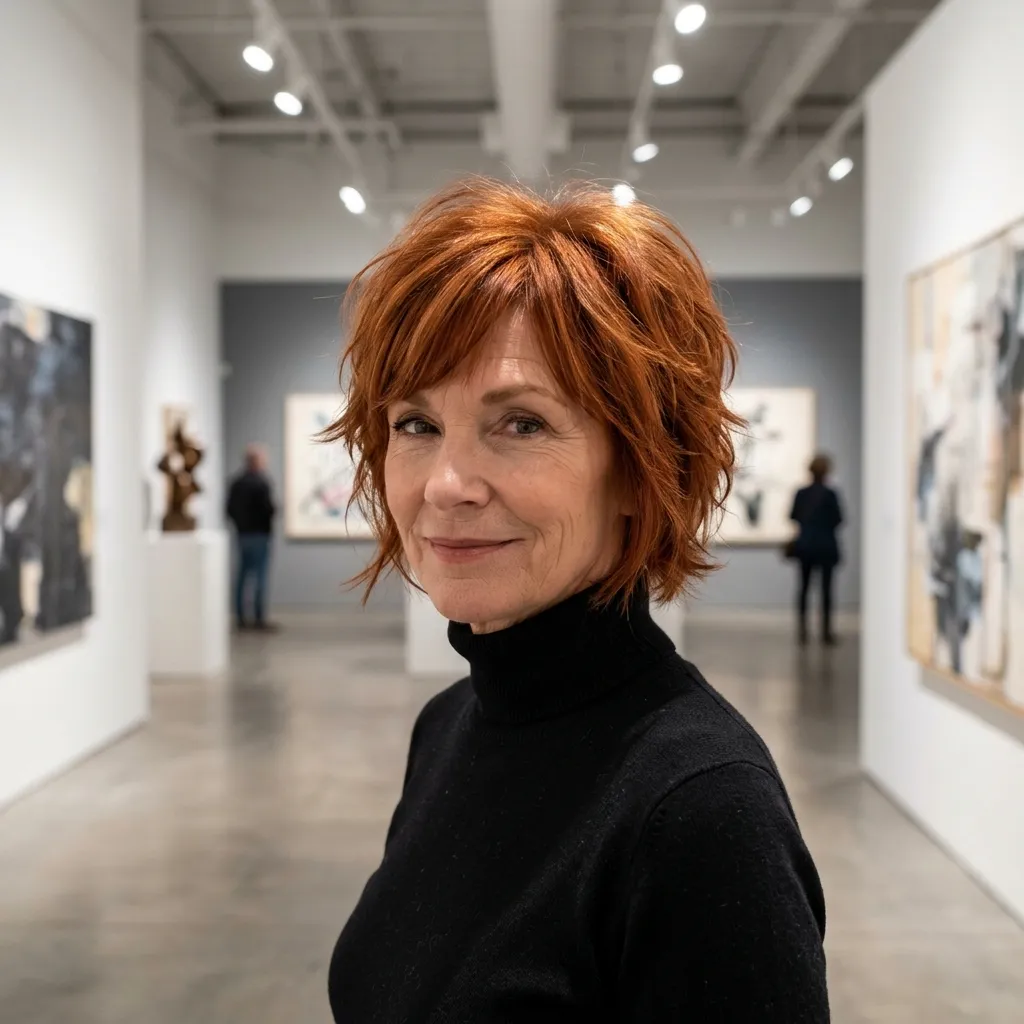
The bixie sits between a bob and a pixie, combining a tapered nape with softer, longer lengths on top and sides. It is a great answer if you cannot decide between short and shorter. Side bangs add a flattering sweep across the forehead.
The shorter layers at the crown add lift, while the longer pieces around the face keep things soft. You can tuck it behind an ear, tousle it forward, or sweep it to the side. A trim every six to eight weeks maintains the lines.
23. Short Wavy Bob with Soft Layers
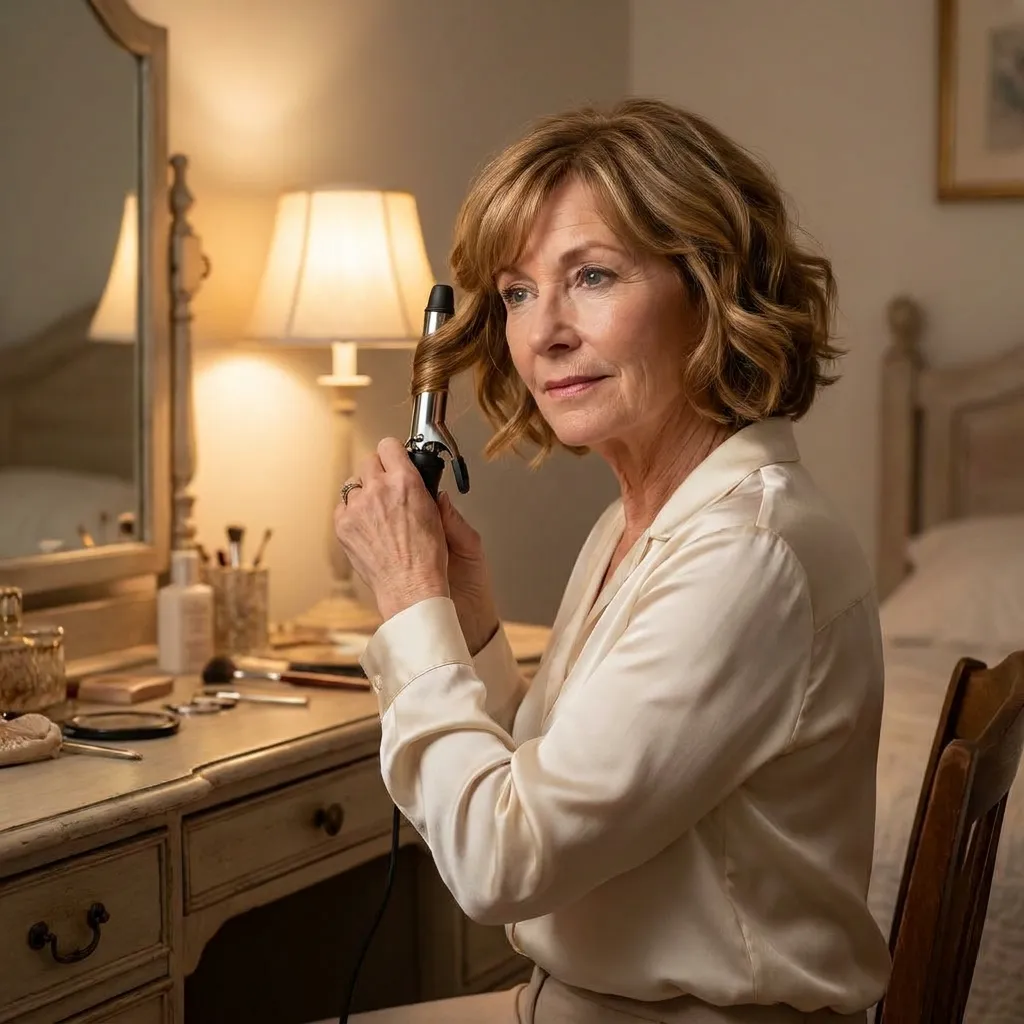
Waves add movement and visual bulk, which makes a short wavy bob a favorite for hair that tends to lie flat. Soft layers keep the shape from feeling heavy and help the waves fall into place. The overall effect is relaxed and pretty.
To get the look, use a large-barrel curling iron on alternating sections, then brush through with your fingers. A light styling cream helps the waves hold without crunch. If your hair is naturally wavy, ask your stylist to account for shrinkage when cutting.
24. Elegant French Bob with Blunt Bangs
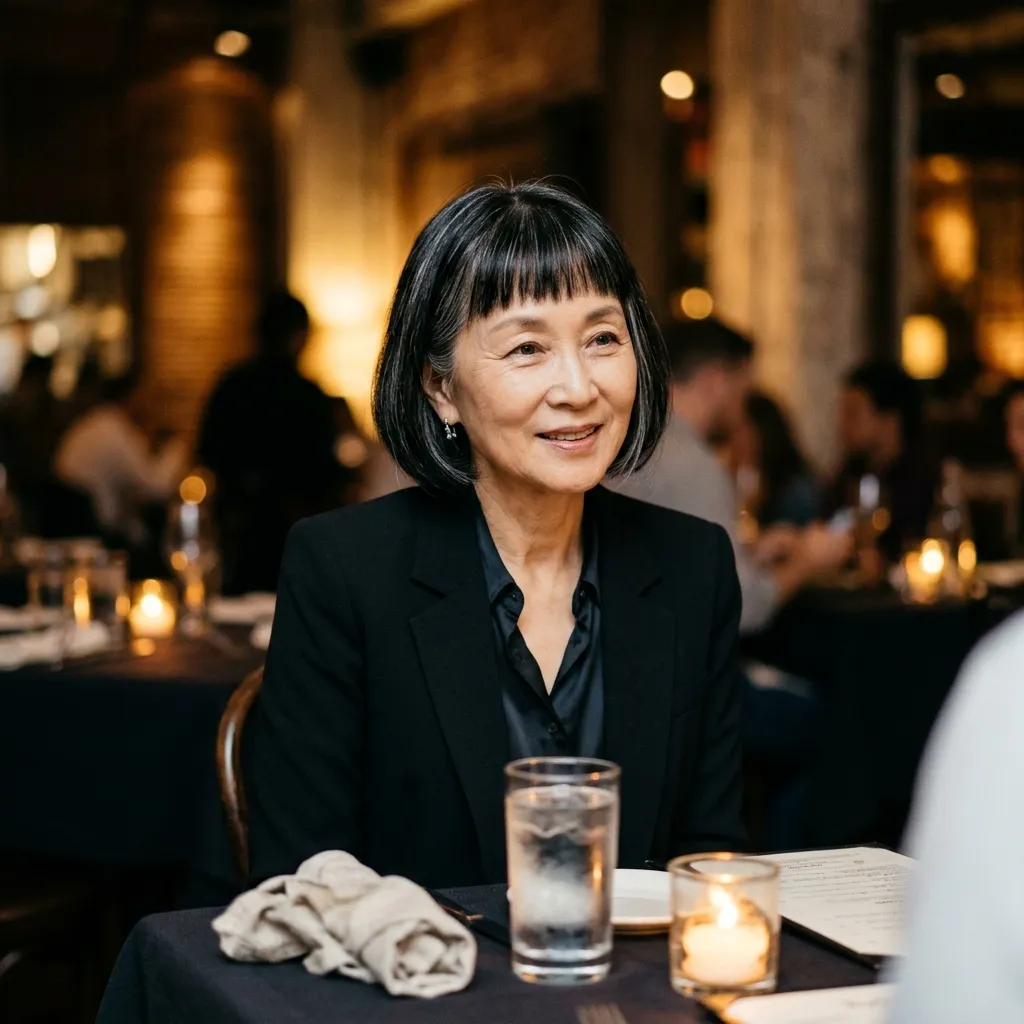
The French bob sits around the chin and is often paired with a short, blunt fringe. It has a confident, slightly chic quality that never feels fussy. The blunt bangs add a graphic touch that draws attention to the eyes.
This style works best on hair with some body, since the fringe needs to hold its shape. If you have a cowlick at the hairline, mention it before the cut so your stylist can plan around it. A slight bend in the ends keeps the look from feeling too severe.
25. Layered Pixie Bob with Crown Volume
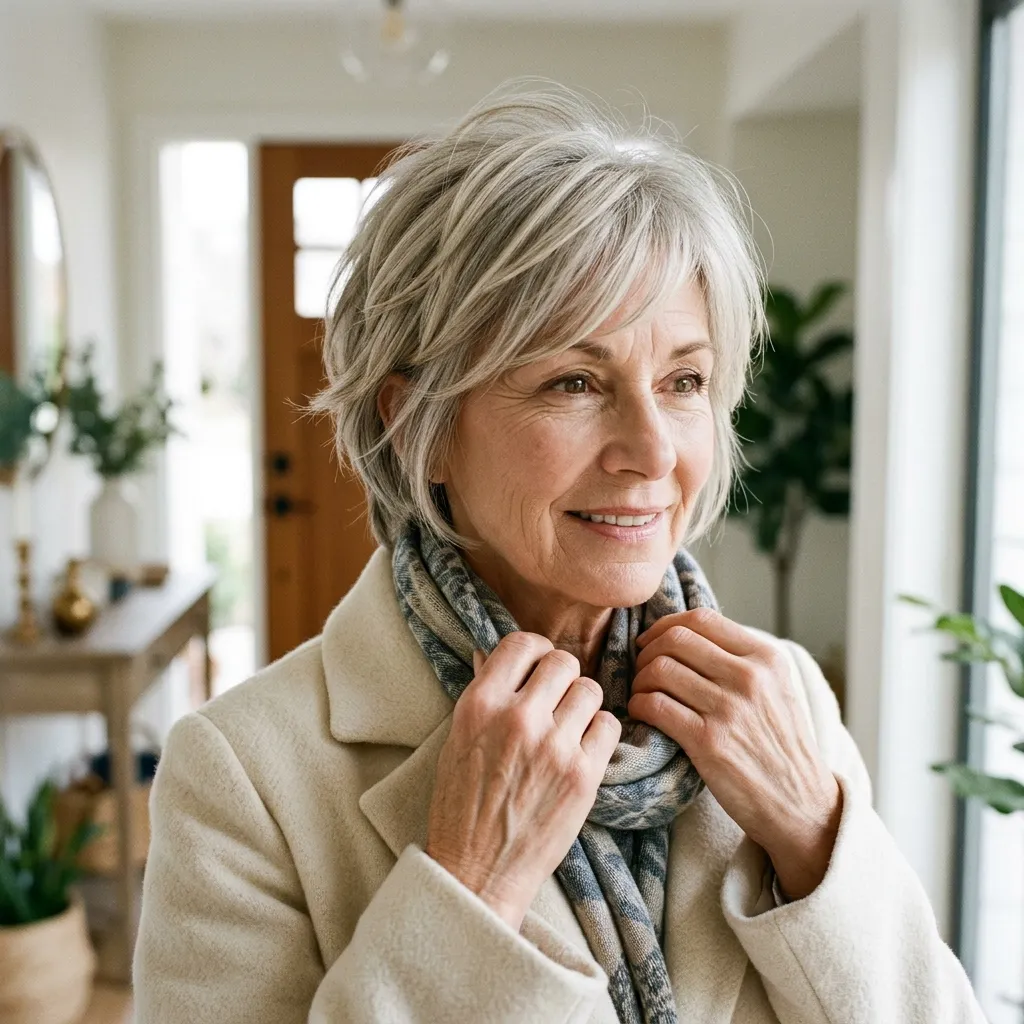
The pixie bob is a clever hybrid, with the shortness of a pixie and the softness of a bob. Layers placed around the crown add lift where hair often falls flat. It is a flattering choice if you want something that looks modern and polished.
Blow-dry the crown upward with a round brush, then tousle the ends with a touch of cream. A little volumizing powder at the roots can extend the lift through the afternoon. Because the shape is forgiving, it grows out gracefully between appointments.
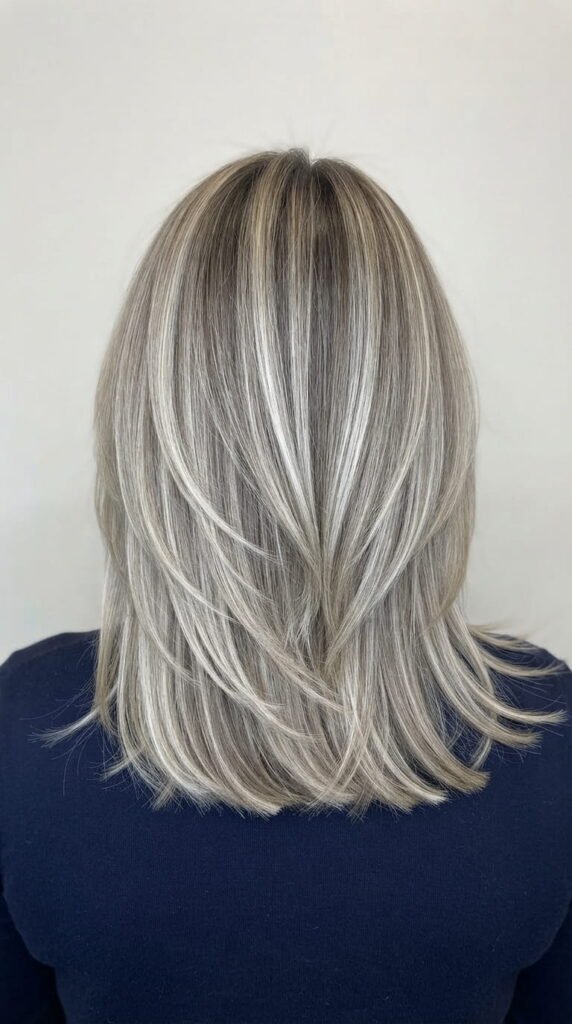
26. Short Gray Bob with Face-Framing Layers
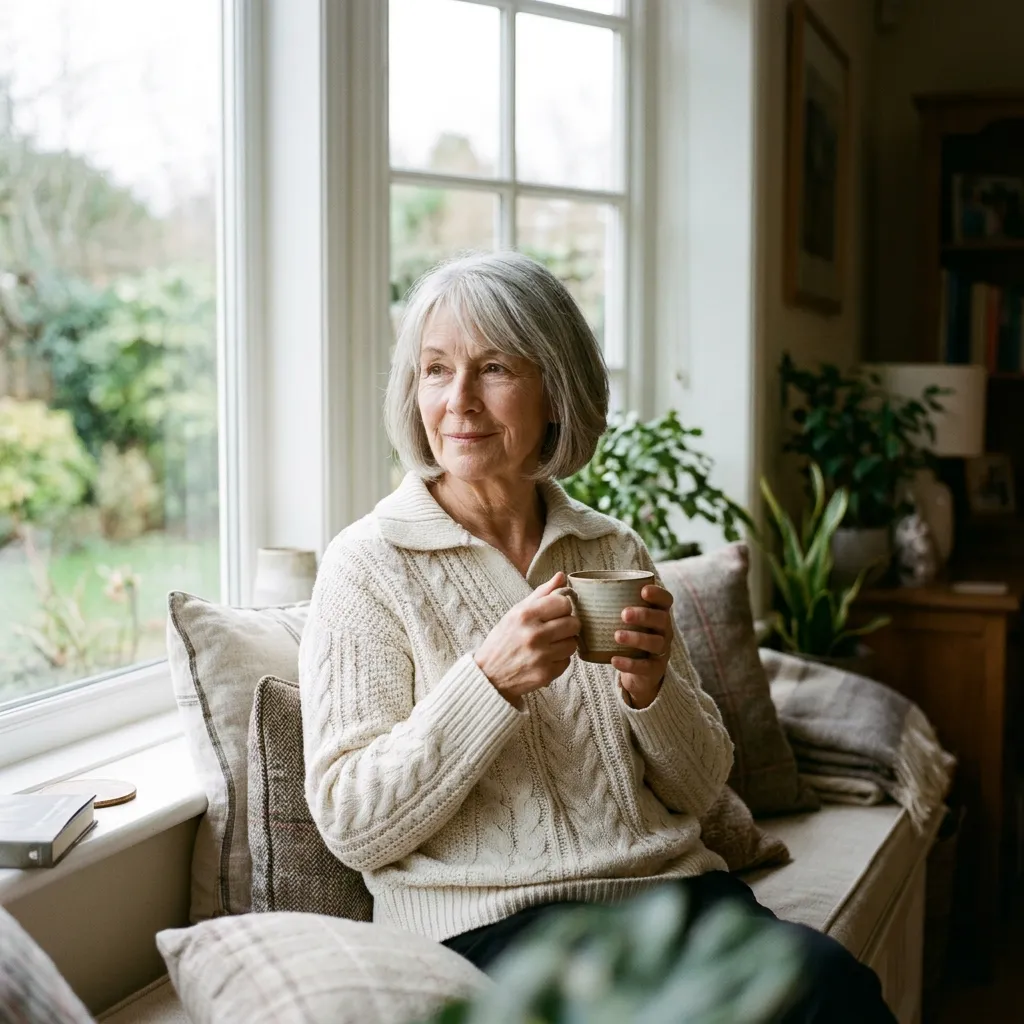
A short gray bob with face-framing layers is graceful and low-fuss. The layers near the face add movement and highlight your cheekbones, while the bob shape keeps the overall cut tidy. Gray tones bring natural dimension, which helps hair look thicker.
Keep the shade bright with an occasional purple shampoo, and use a hydrating mask if the strands feel dry. Soft, blended layers work better than short, choppy ones for most textures. It is an elegant style that feels both modern and timeless.
27. Tapered Pixie Cut with Long Top Layers
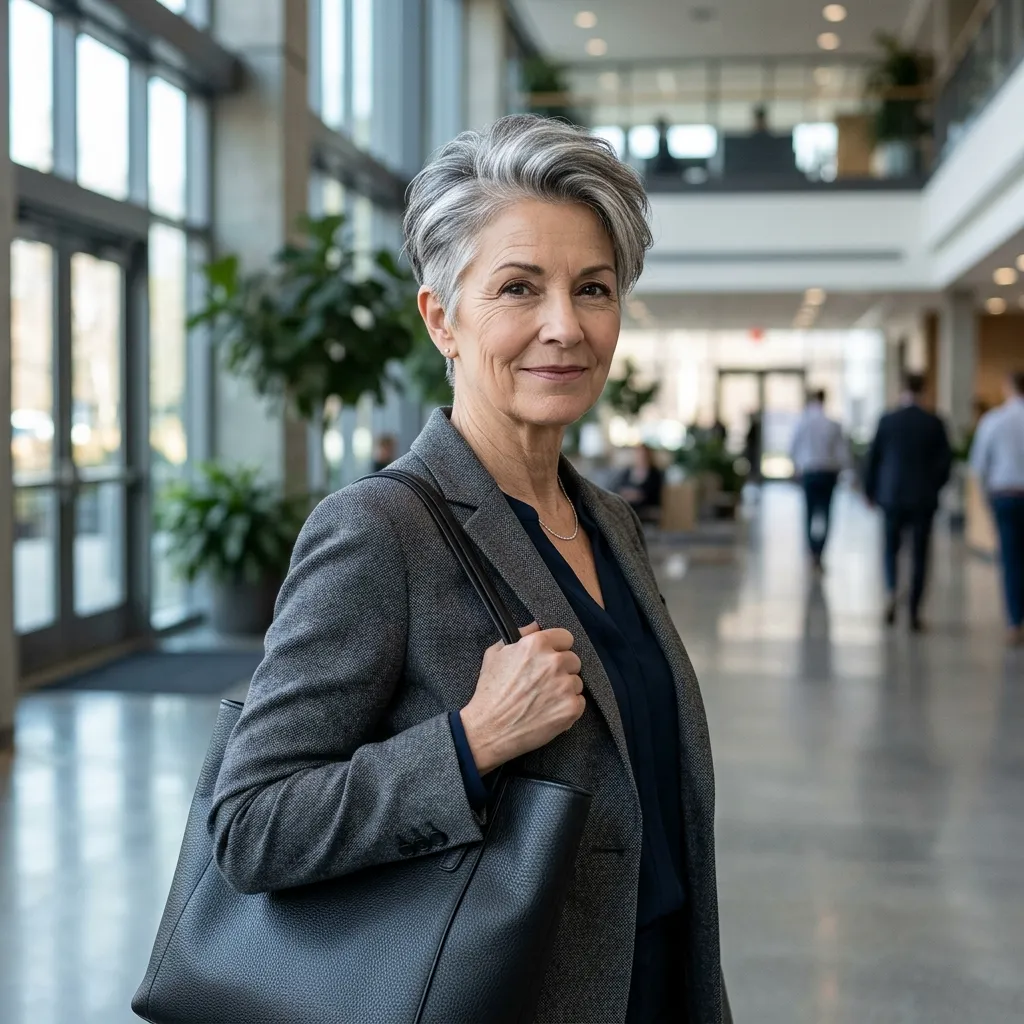
A tapered pixie keeps the sides and nape short and close while leaving longer layers on top. That contrast gives you plenty of styling choices, from a swept-back look to a playful, tousled finish. It is a smart way to enjoy a short cut without losing all your versatility.
The longer top is where you can add volume, so use a light mousse or paste to build lift. Ask your stylist to place the layers so they work with your natural growth pattern and any cowlicks. Regular trims keep the taper clean and the top looking intentional.
FAQs
What is the most flattering short haircut for older women?
There is no single answer, but pixies, bobs, and bixies tend to flatter many women. The best choice depends on your face shape, hair texture, and how much styling you enjoy. A good stylist will look at all of these before suggesting a shape.
Do short haircuts make older women look younger?
Many women feel that a well-cut short style looks fresher and lighter, especially when it adds lift at the crown and frames the face. That said, the cut matters less than how comfortable and confident you feel in it. Choose a style you genuinely like wearing.
Are short hairstyles good for thin or fine hair?
Often, yes. Shorter lengths leave less weight to pull hair flat, so volume tends to hold better. Soft layers and a lightweight touch with products help even more.
How often should I trim a short haircut?
Most short styles look best with a trim every five to eight weeks. Pixies and tapered cuts may need visits closer to five weeks, while softer bobs can stretch a little longer. Regular trims keep the shape from losing its definition.
Can I wear a short cut with gray hair?
Absolutely. Short cuts keep gray hair tidy and shaped, and gray tones add natural dimension. A purple shampoo now and then helps keep silver from turning yellow.
Conclusion
Short hairstyles for older women offer a rare combination of style, comfort, and ease. Whether you love the polish of a stacked bob, the freedom of a pixie, or the softness of a shag, there is a shape here that fits your hair and your daily routine. The right cut works with your natural texture instead of fighting it, and that is what makes it feel effortless.
Before your next appointment, pick two or three styles that caught your eye and save photos from different angles. Tell your stylist how you usually wear your hair, how much time you want to spend, and what you would like to change. With a good conversation and a thoughtful cut, you may walk out feeling lighter and more like yourself than you have in a long while.