Have you ever scrolled through braid inspiration and felt like every photo assumed you had hair down to your waist? It is a common frustration, and it leaves many people believing that braids are only for those with long hair. The truth is much friendlier. Short braided hairstyles can look polished, playful, or dressy, depending on how they are parted, sized, and finished.
The shorter length is part of the appeal. A chin-length braided bob moves easily and dries faster than a long set, and cropped cornrows can stay neat with very little daily effort. Short styles also put the focus on the face, so details like a side part, a few colored braids, or a handful of beads become the main event.
Your results will depend on more than the picture you save. Hair length, density, texture, and how much tension your scalp can comfortably handle all play a part, and so does your daily routine. A style that suits a weekend away may not suit a busy work week, and a design that looks stunning on one person may need adjusting for another.
Below you will find twelve ideas, followed by guidance on choosing the right one and caring for it. Treat these as starting points rather than strict recipes. A good braider can adapt the braid size, parting, and finish to your hair so the style feels like yours.
1. Short Knotless Box Braids
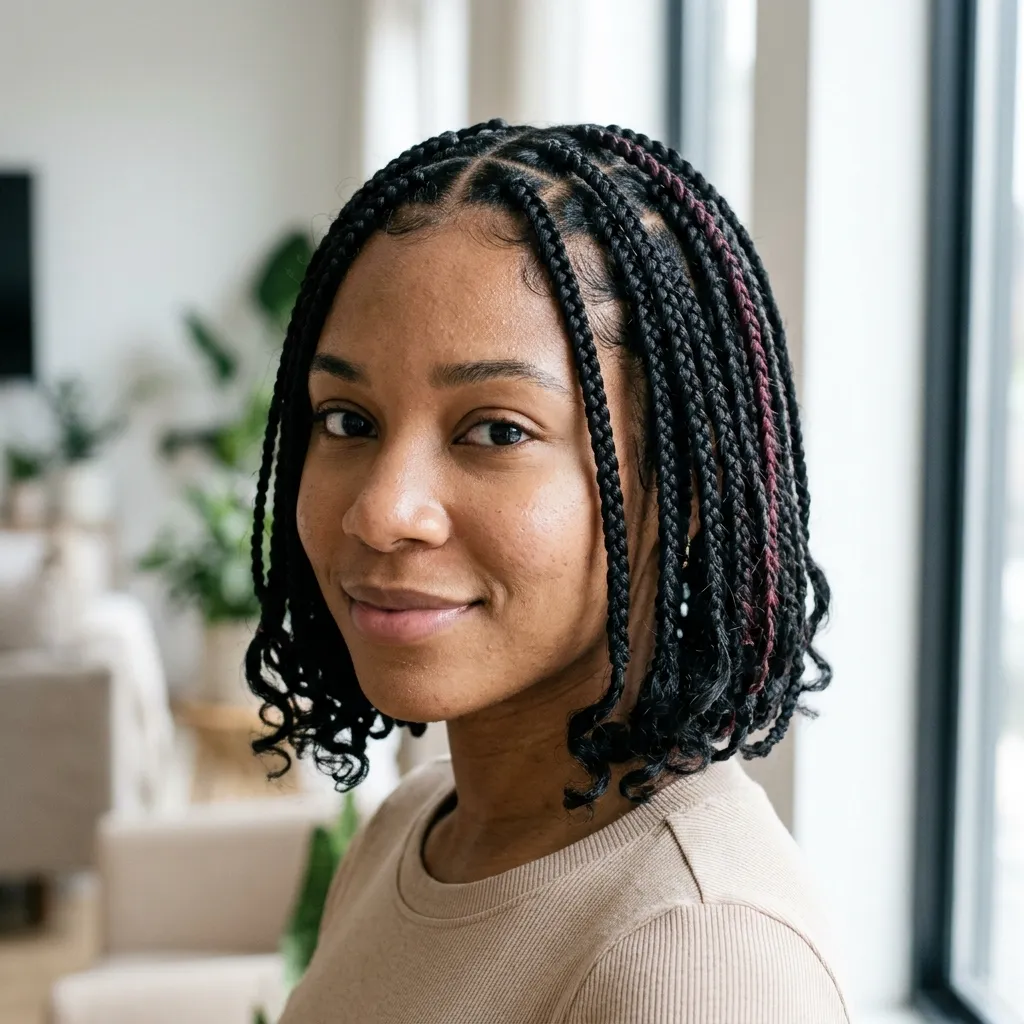
Short knotless box braids are a favorite for good reason. Because the braiding hair is added gradually instead of starting with a knot at the root, the base can feel lighter and flatter against the scalp when the installation is done carefully. The result is a flexible, comfortable style with a smooth start.
A bob-length finish frames the face nicely and gives the braids plenty of swing. It also keeps the ends easy to manage, so you can tuck them behind your ears or pin them back without a struggle. If you like a neat, classic look, this one fits the bill.
Choosing the size takes a little thought. Medium or small sections can look refined, but they take longer to install, so be honest about how many hours you can sit in the chair. Ask for roots that feel comfortable rather than tight, and wrap your hair in a satin scarf at night. Gentle cleansing around the scalp will help the style stay fresh.
2. Short Cornrows with a Clean Pattern
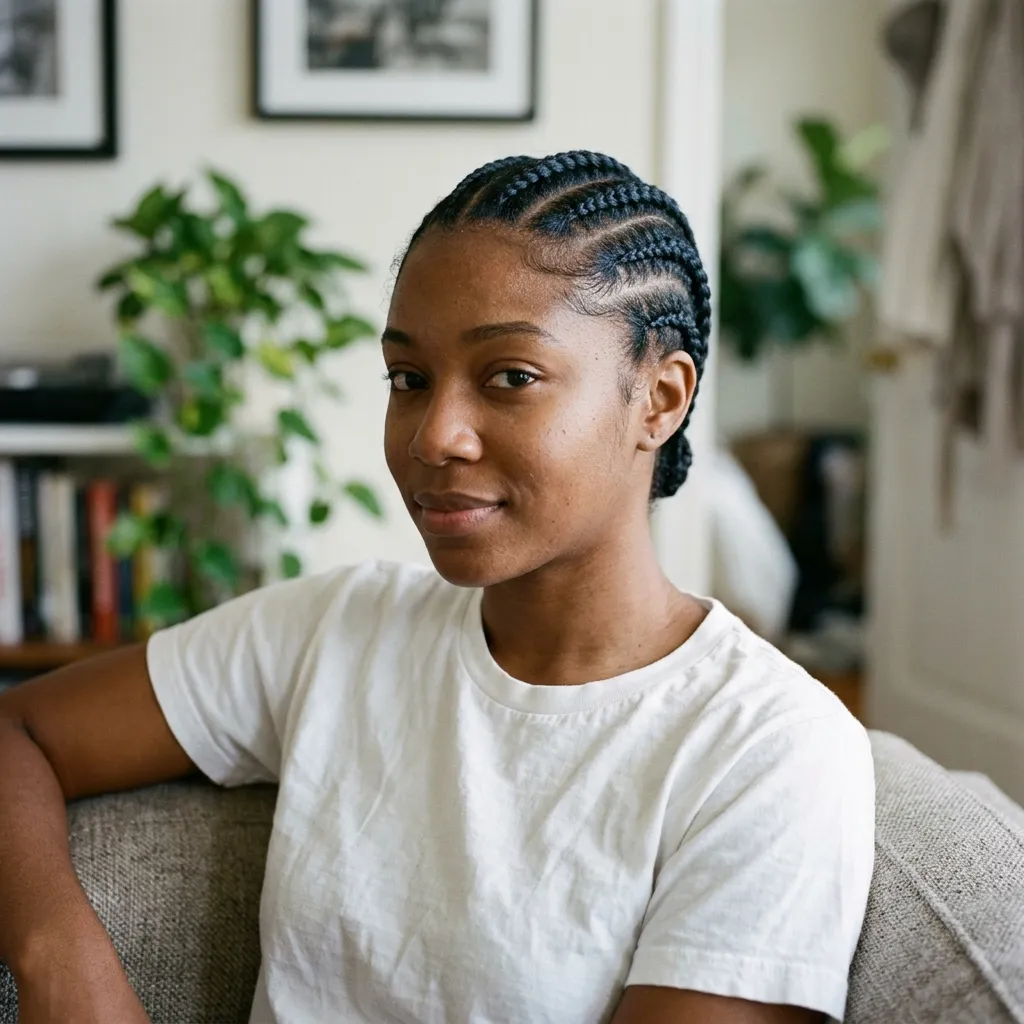
Cornrows are the practical choice when you want a close-to-the-head style that needs almost no daily styling. Straight-back rows look crisp and classic, while curved or diagonal parts add visual interest without needing any extra length. You can wear them on their own, and they also make a flat foundation if you plan to wear a wig later.
Before your appointment, talk through the direction of the rows and how the edges will be handled. The braids should lie flat without pulling, and you should not feel sore once the installation is finished. If something feels too tight, say so early, because a good stylist would rather adjust than have you uncomfortable for days.
Moisturize your scalp using products that work well for your hair type, and avoid wearing the same tight pattern over and over. Giving your hairline a rest between styles is a smart habit. Short cornrows are a wonderful way to keep things simple while still looking intentional.
3. Braided Bob with Beads
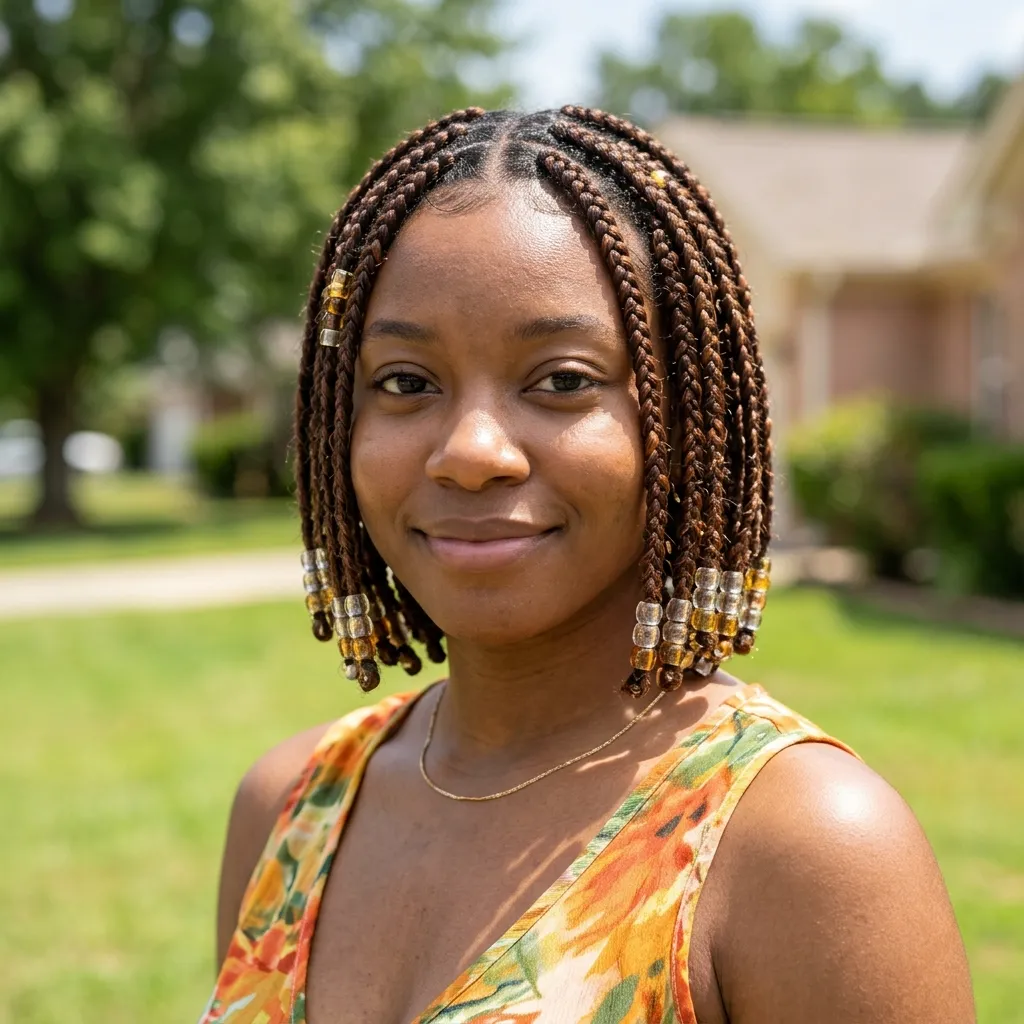
A braided bob blends the tidy shape of a bob haircut with the texture of individual braids. The outline can be blunt and even, or it can angle slightly toward the face for a softer frame. Add beads at the ends and the whole thing gains color, sound, and personality.
This style is a natural pick for vacations, festivals, and casual weekends. It feels youthful and a little bit celebratory, and it looks good with everything from sundresses to denim. Even a few accent beads can change the mood of the style without much effort.
Keep your embellishments light. Heavy beads can weigh down the ends and tug on your natural hair, which defeats the purpose of a gentle style. If you prefer a quieter look, choose a few beads near the front instead of decorating every braid. It also helps to plan how you will remove the style, since careful takedown matters as much as the look itself.
4. Mini Twists for Short Natural Hair
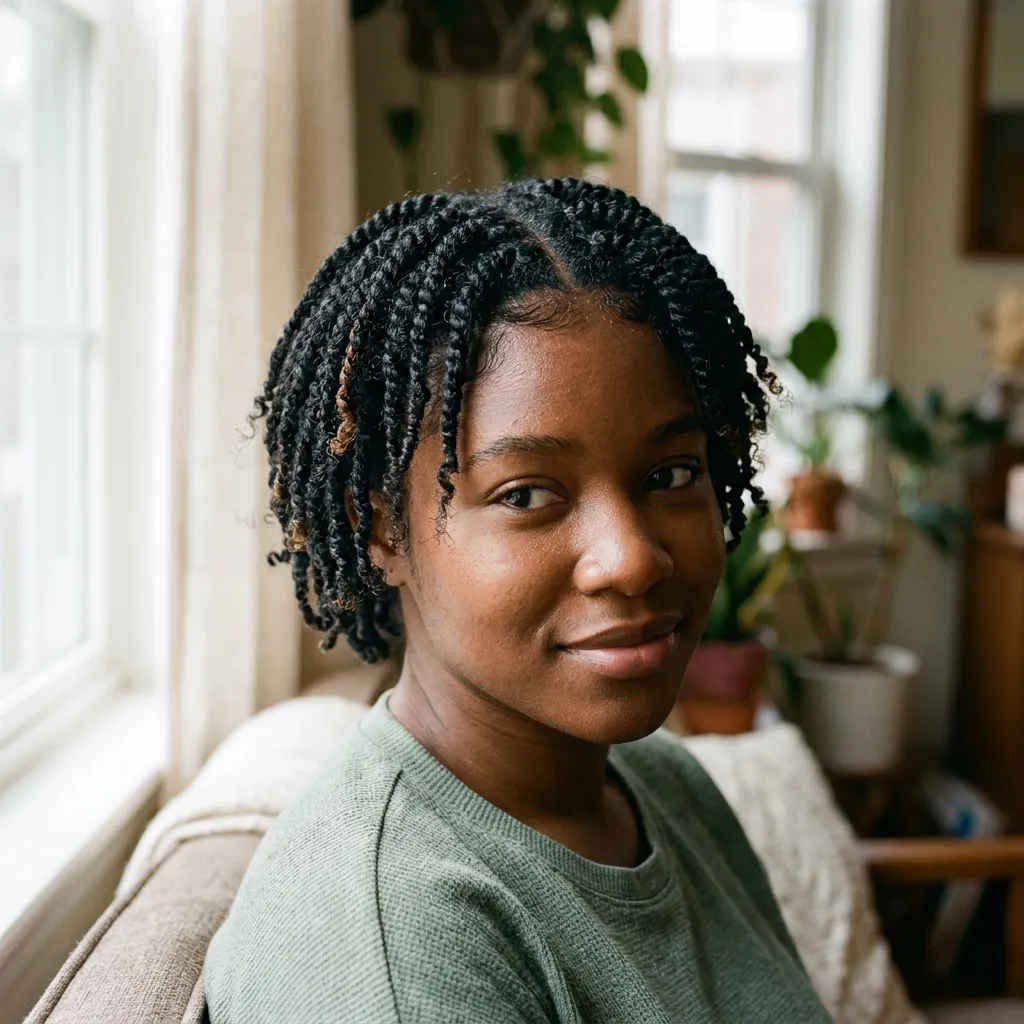
Mini twists are one of the simplest ways to show off natural texture while keeping your hair organized. When your hair is very short, they sit close to the head and look sleek. As your length grows, they gradually form a soft, rounded shape that has a lot of charm.
The finished style is understated and versatile. You can dress it up with earrings or a headband, or leave it plain for everyday wear. It is also easy to refresh between wash days, which makes it a good choice if you like low-maintenance routines.
Start with clean, detangled hair and use a leave-in product that gives enough slip without leaving a heavy coating. Twist each section the same way so the pattern looks even, but avoid making the twists so tiny that takedown becomes a chore. If the ends keep unraveling, a little styling cream or a gentle finger coil can help them stay put.
5. Feed-In Braids with a Side Part
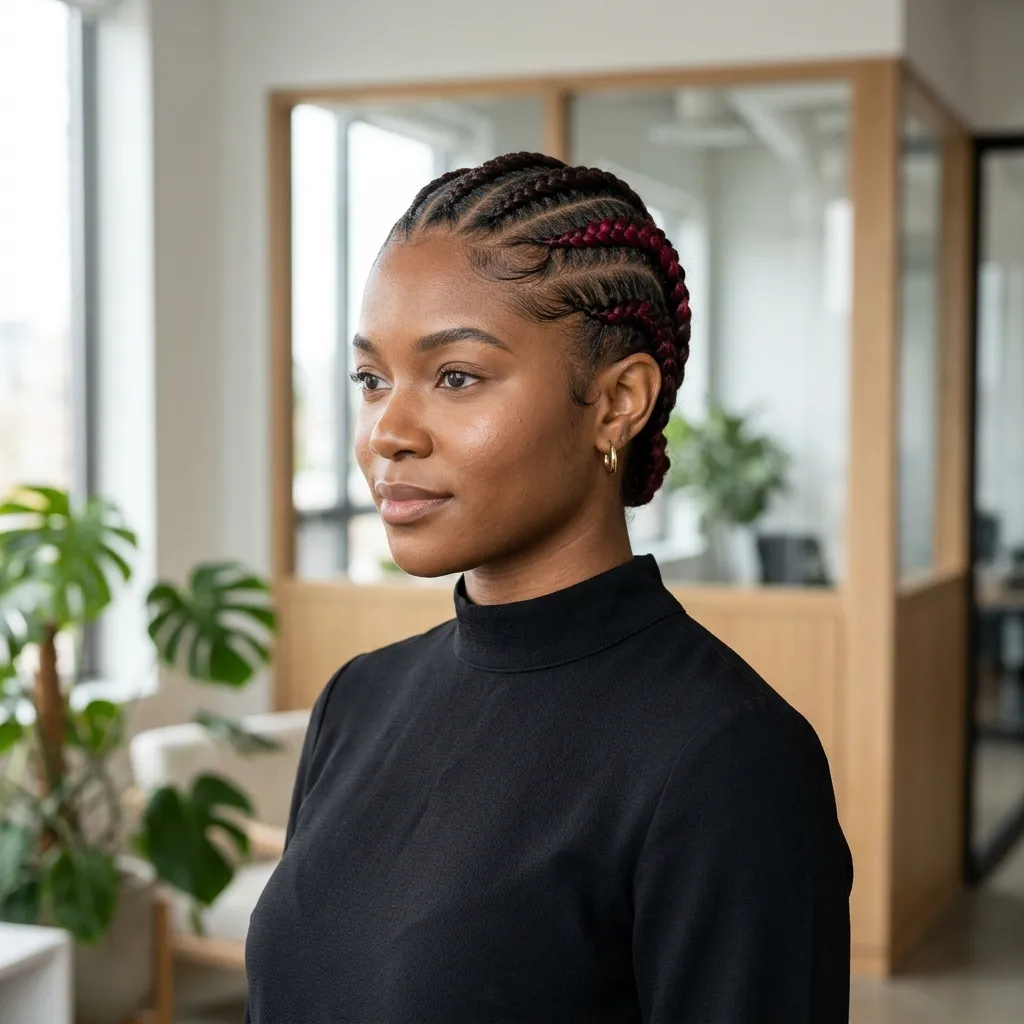
A side part gives short feed-in braids an asymmetrical finish that looks polished without feeling stiff. The extension hair is added little by little, which can create a tapered appearance at the roots. That gradual blending is what makes the style look so neat.
This design works well when you want a defined pattern that stays close to the scalp. It suits both casual days and more dressed-up plans, and the side part adds a touch of drama around the face. Many people find it flattering because the diagonal line draws attention to the eyes and cheekbones.
Ask your braider to customize the part to your hairline, and be clear that you do not want too much tension along the edges. A small amount of mousse can smooth flyaways after installation, but heavy product use can build up over time. Wrapping your hair at night reduces friction and helps the rows stay crisp for longer.
6. Two-Strand Flat Twists
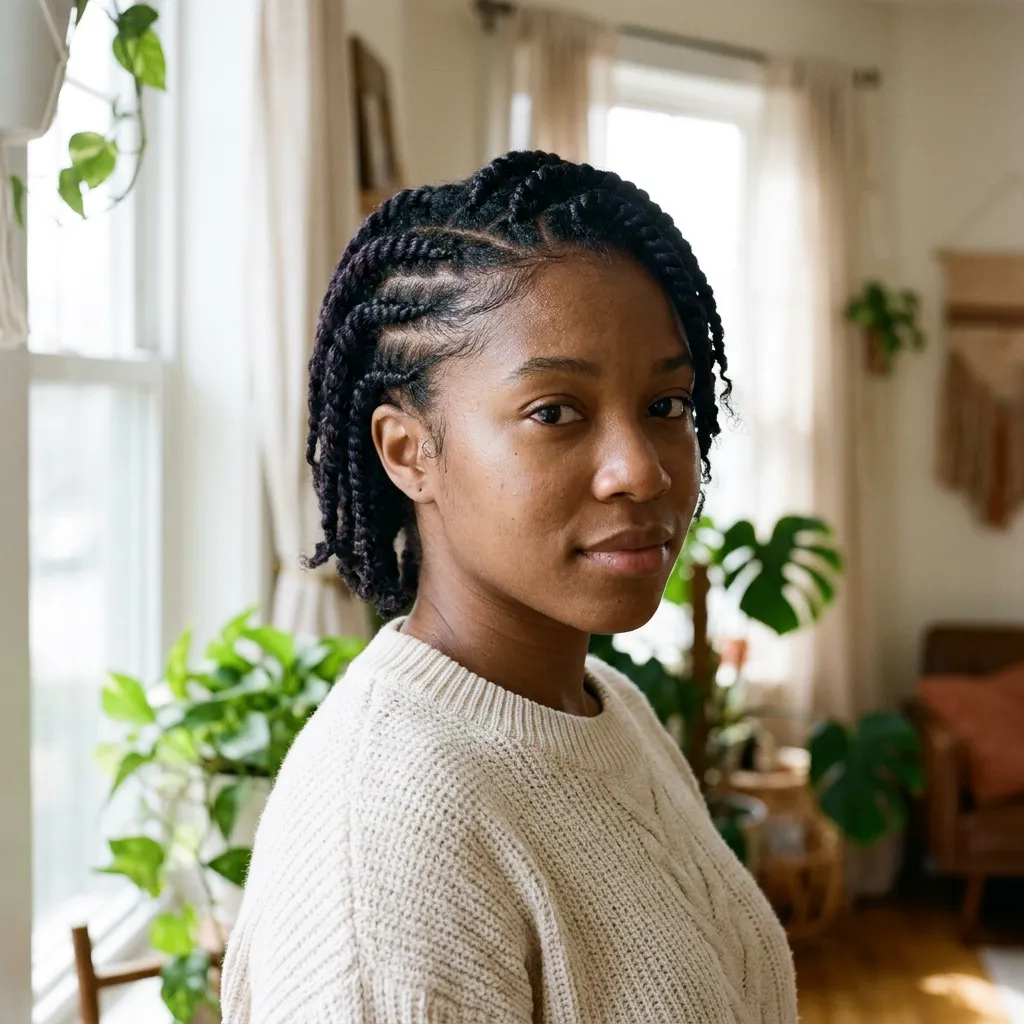
Flat twists give you the visual detail of cornrows using a two-strand technique. They can be arranged in parallel lines, a curved design, or a side-swept pattern that highlights your natural texture. On short hair, the ends can be pinned neatly in place or left to form small, springy coils.
Many people like flat twists because they feel gentler and less intense than a full braided install. They are useful as a low-manipulation style between wash days, and they can be done on your own hair without added extensions. That makes them a nice fit if you want to give your hair a break from heavier styles.
Apply a light moisturizer and work in manageable sections so the twists stay even. When it is time to take them down, use your fingers and a little oil or conditioner to separate the strands slowly. Rushing the process is what usually leads to unnecessary breakage.
7. Short Goddess Braids
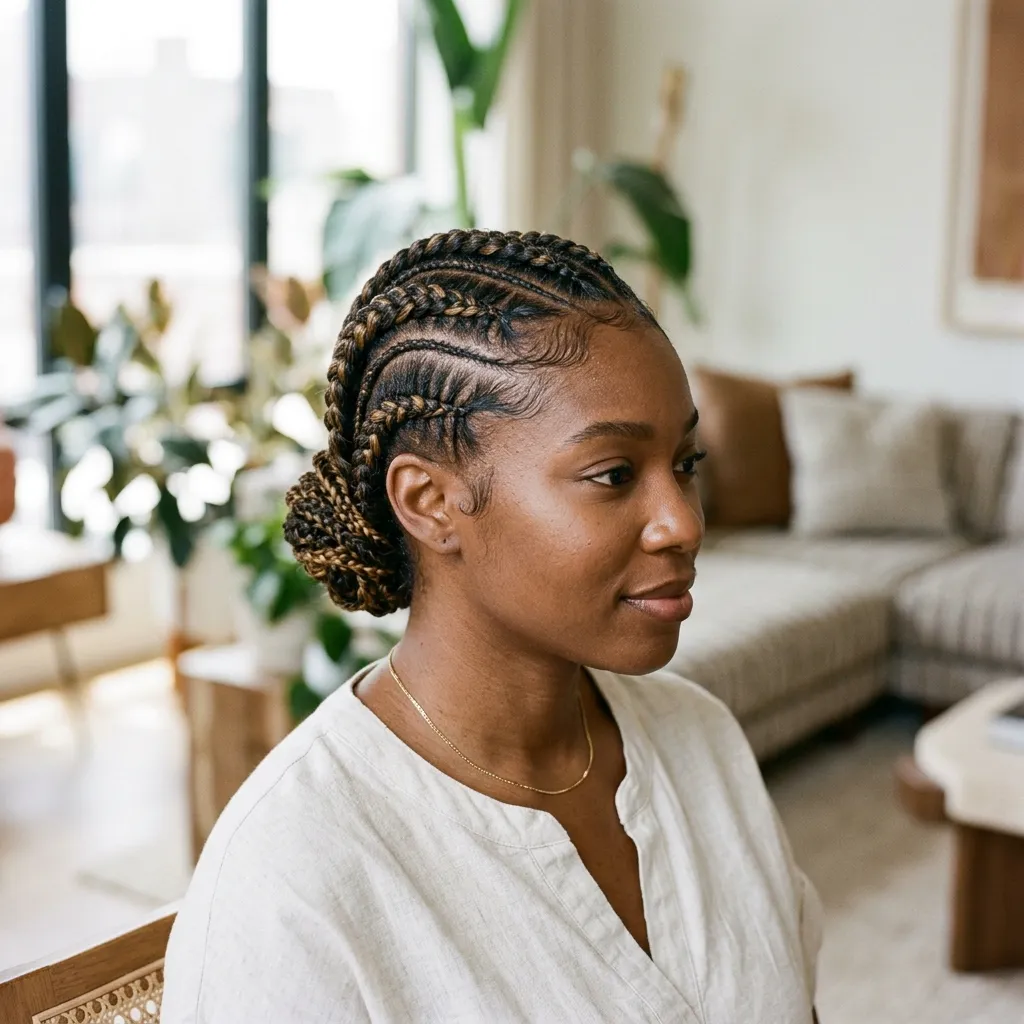
Goddess braids have a fuller, more dimensional look, and the style translates well to shorter hair with just a few bold rows. The larger braid pattern makes its own statement, so it does not need many accessories to feel finished. Depending on your length, the ends can be tucked, pinned, or arranged into a compact shape.
This look is best planned with a stylist who understands how to distribute weight evenly across your head. Bigger braids can feel heavy if they are not balanced well, and the style should never hurt during installation. Comfort comes first, no matter how good the finished photo looks.
Keep your scalp clean and pay attention to how it feels in the days after your appointment. If you notice persistent pain, bumps, or unusual shedding, take the braids out instead of waiting for them to settle. Short goddess braids are striking, but they should never come at the expense of your hairline.
8. Crown Braids on Short Hair
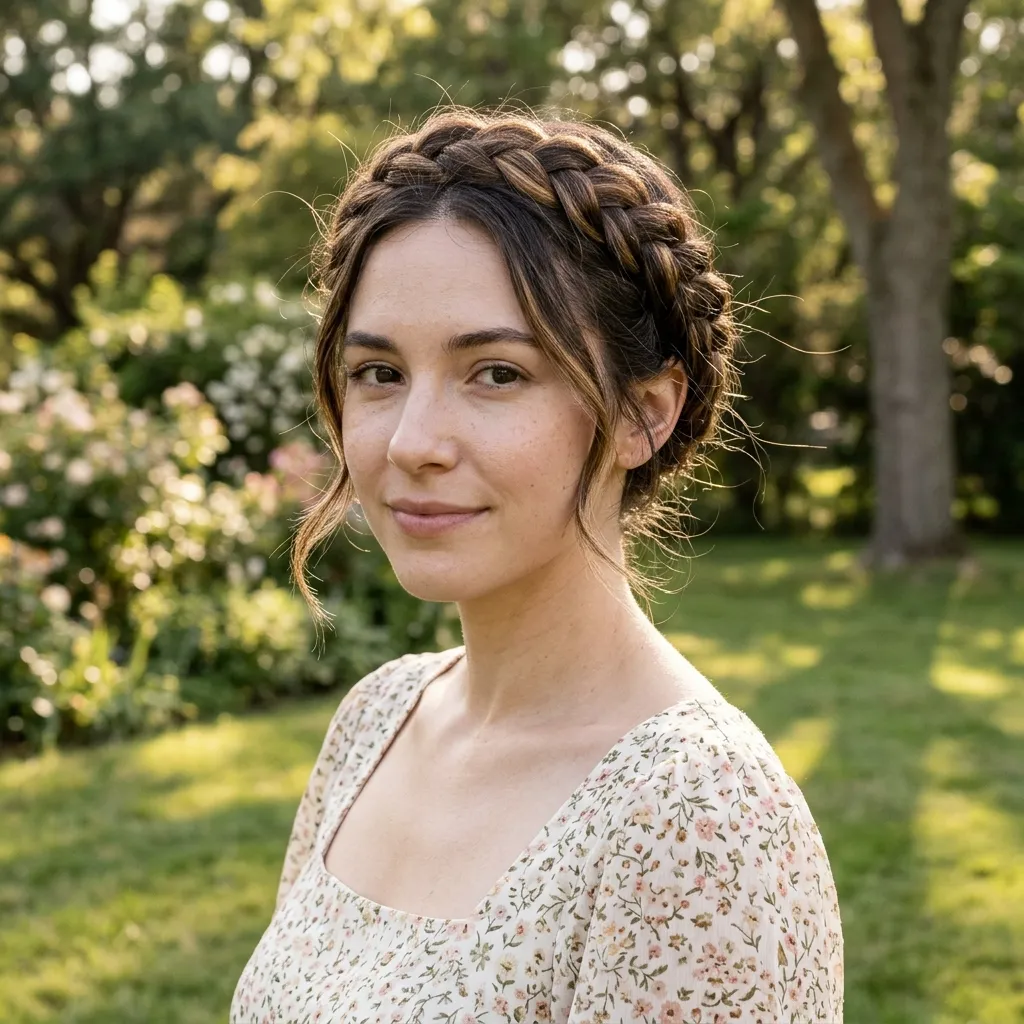
A crown braid creates a soft halo around the head that feels romantic and dressed up. On shorter hair, the braid may follow the hairline or rely on discreet pins to hold shorter pieces in place. It is a lovely option for celebrations, dinners, and any occasion when you want your hair away from your face.
The look is surprisingly adaptable. You can keep it neat and formal, or loosen a few pieces around the face for a softer, more relaxed result. It pairs beautifully with simple jewelry, since the braid itself already adds plenty of detail.
Texture spray or a small amount of styling cream can improve grip, especially on freshly washed hair, which tends to be slippery. Hide the pins well and secure the braid without forcing the hair into a position that feels uncomfortable. If a style tugs at your scalp, it is better to adjust it than to push through the evening.
9. Micro Braids in a Short Pixie Shape
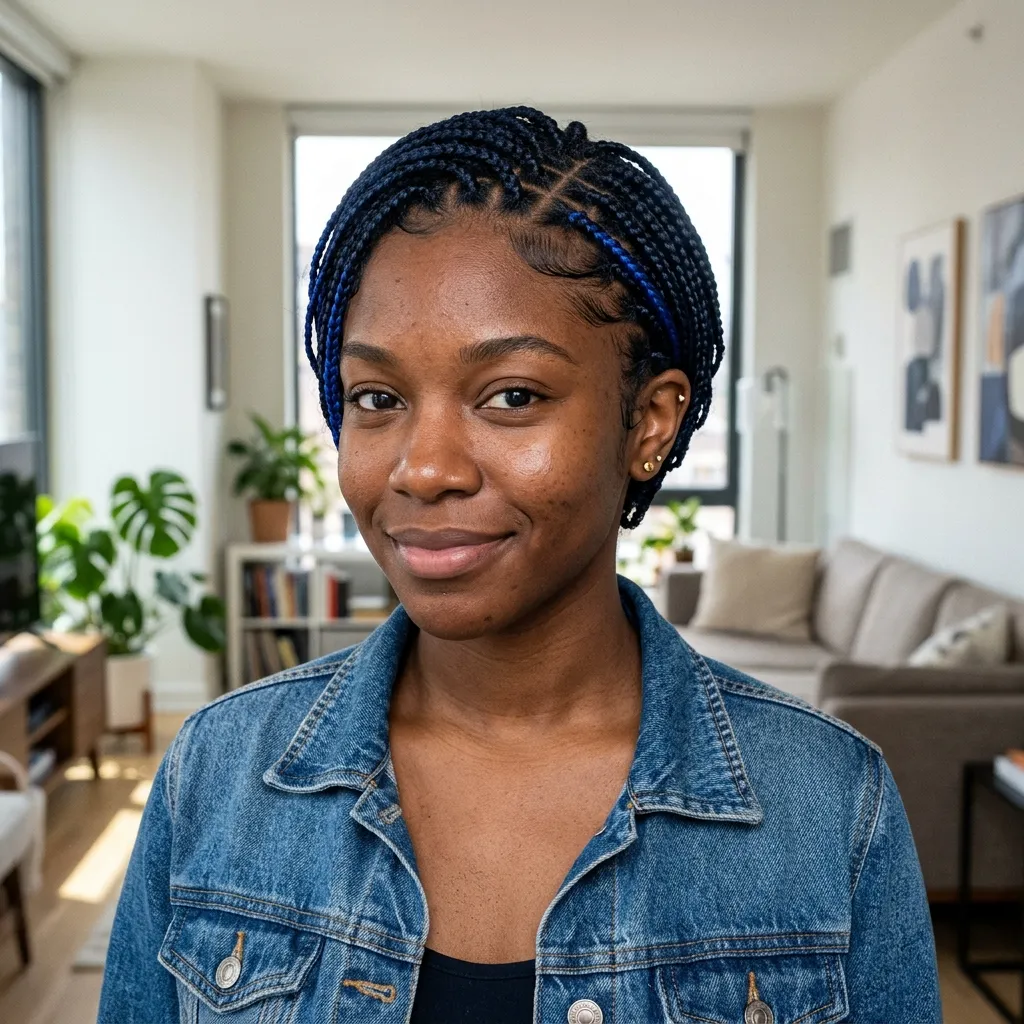
Micro braids offer a fine, detailed texture that can be shaped into a cropped pixie or a short, ear-length style. Because the braids are so small, they move easily and can be styled in several directions. The finished look is intricate and refined.
There is a trade-off, though. Installation and removal can take much longer than with larger braids, so this style is best if you have the patience and the time. It is also more suitable when your hair is strong enough to handle the technique and you can commit to careful maintenance.
Before you start, discuss the size of each section and the weight of any extensions. Tiny braids should not be packed too densely or installed under heavy tension. When you are ready to remove them, take your time and detangle gently from the ends upward.
10. Braided Mohawk with Tapered Sides
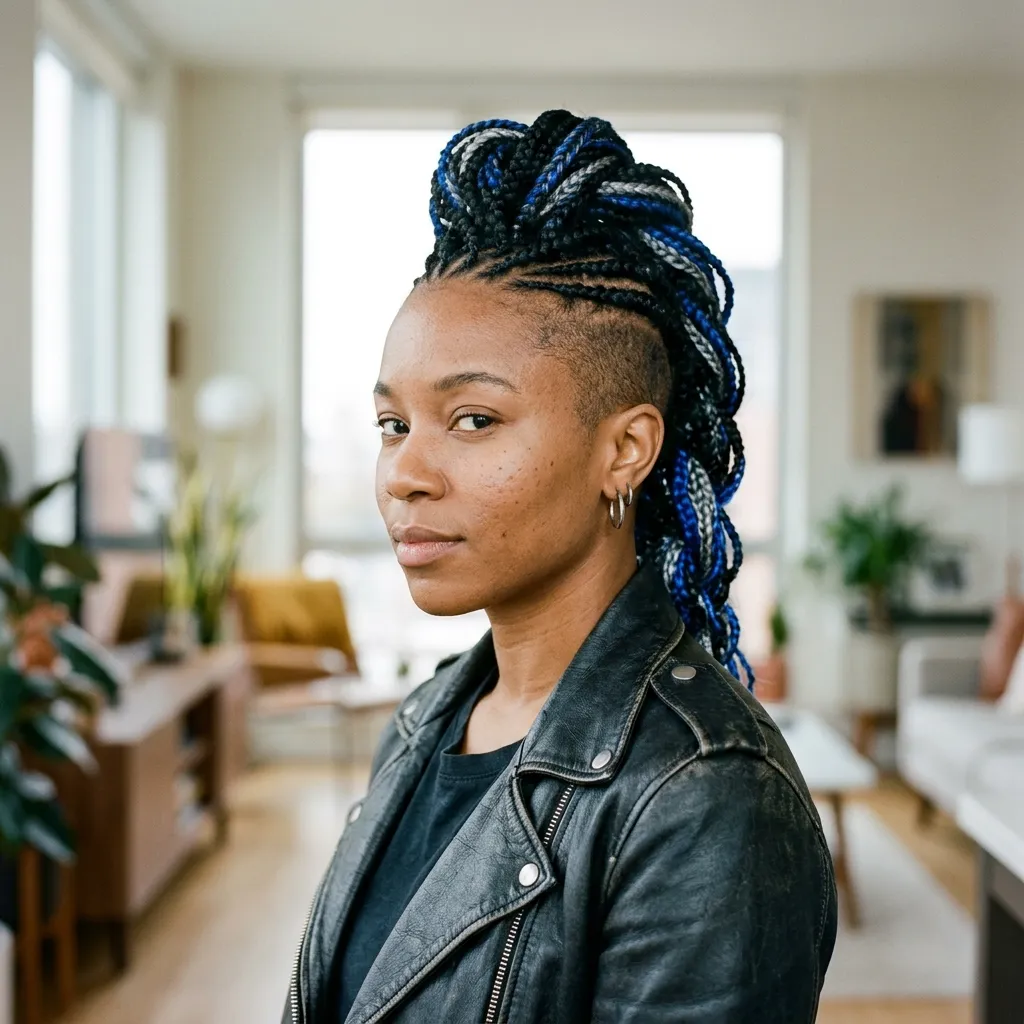
A braided mohawk combines close-cropped sides with braids running through the center, and the effect is bold without requiring long hair. The center section can feature cornrows, flat twists, or short individual braids, depending on your texture and length. A clean taper at the sides adds contrast and makes the whole shape look intentional.
This cut suits someone who wants to stand out and enjoys a little edge. It can be styled up for a night out or kept simple for the daily routine, and the shape stays interesting from every angle. It is also a good way to wear braids if you do not want your hair hanging around your shoulders.
Think about how often you want to maintain the sides before you choose the taper. If you prefer fewer barber visits, ask for a softer transition rather than an extremely sharp finish. Keep the braided section moisturized, and avoid tightening the same rows again and again.
11. Short Braids with Color Accents
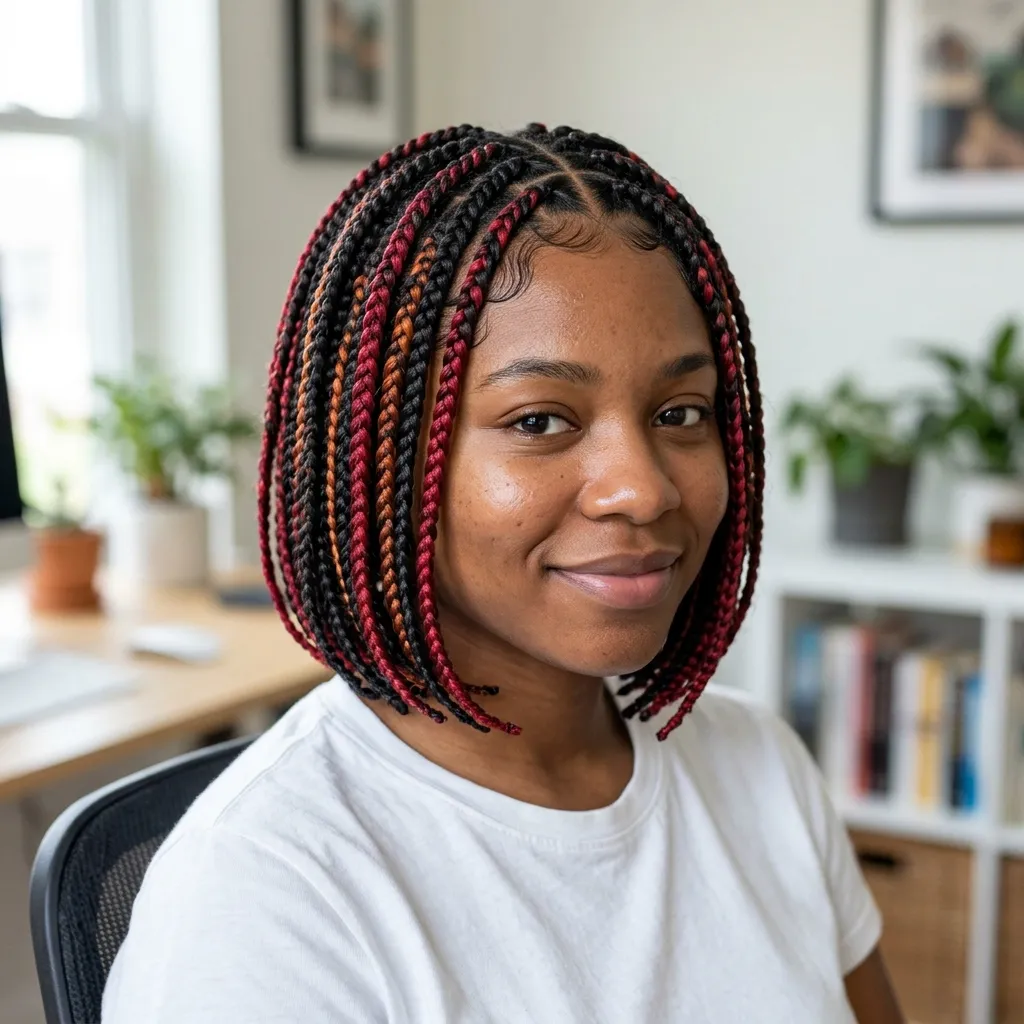
A few colored braids can brighten a short style without the commitment of permanent hair color. Honey brown, copper, burgundy, and subtle blonde create warm contrast, while jewel tones feel playful and expressive. You can concentrate the color near the front for a focused pop, or spread it throughout the style for a balanced finish.
This is a great option if you like to experiment. Because the color lives in the extension hair, you are not applying dye to your own strands, and you can change the look the next time you braid. It also works with many different braid sizes and patterns.
Pick colors that complement your skin tone and wardrobe, but let your own taste lead the decision. If you use synthetic hair, check how it feels against your skin and follow the manufacturer’s care guidance. Avoid heat on extension fibers unless they are specifically designed to tolerate it.
12. Short Braided Updo
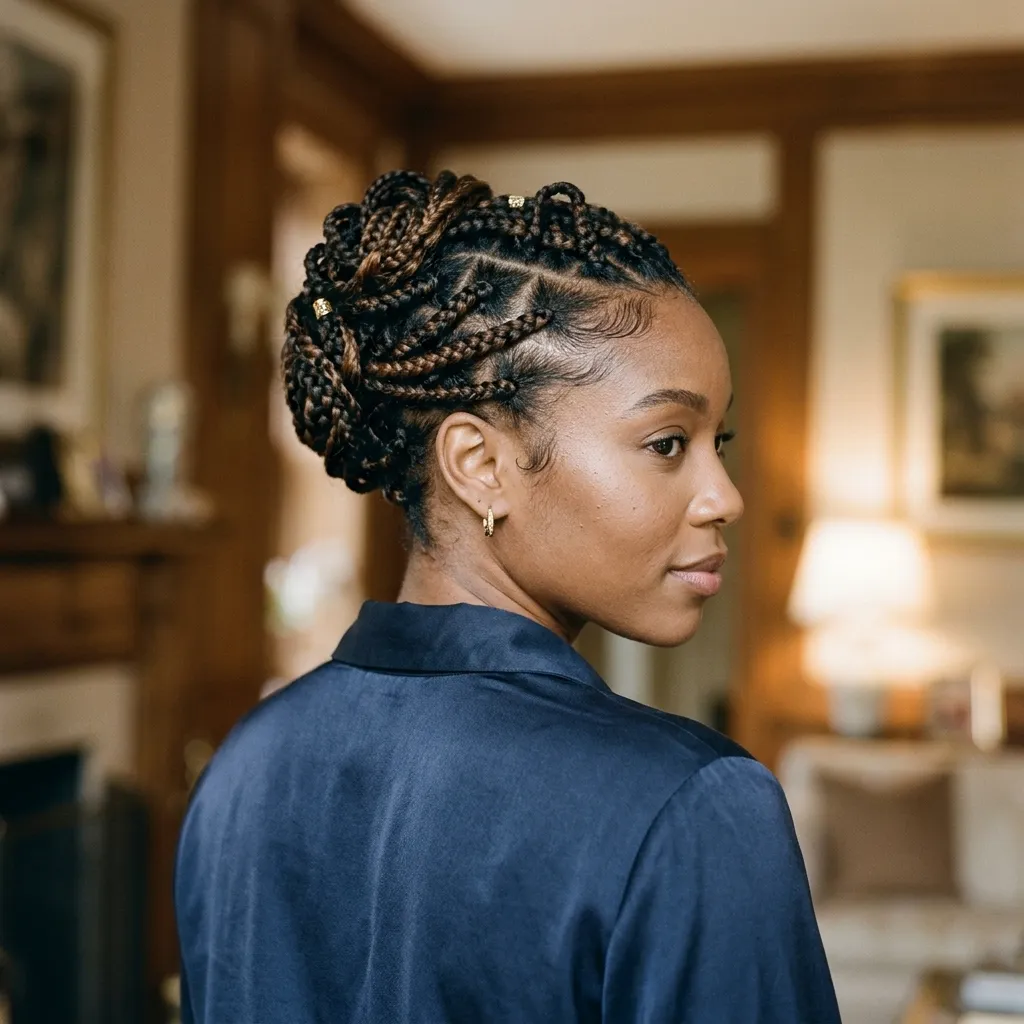
A braided updo gathers short braids into a compact shape at the back or the crown. It can look elegant for weddings and formal events, and it is also practical when you want your hair secured away from your face. Pins, small cuffs, or a decorative clip add a personal finishing touch.
Because short braids may not reach a traditional bun, your stylist can use crossed sections or discreet pins to build the shape. The result can be surprisingly sleek, and it often photographs well. It is a smart choice for a day with a long schedule, since the braids stay put once they are secured.
Avoid pulling the braids tightly toward one point, particularly if your scalp is sensitive. Take the updo down before sleeping whenever possible to reduce pressure on the roots. A little patience with the pinning goes a long way toward keeping the style comfortable.
How to Choose Short Braided Hairstyles
Start with your hair’s current length, density, and condition. Some braid styles need enough length to grip securely, while others can be adapted to a cropped cut with the help of an experienced stylist. If your hair is fragile around the hairline or has been breaking, choose a lightweight, low-tension design and consider a break from extensions.
Next, think about how long you want the style to last and how much time you can spend on maintenance. Individual braids may offer more styling freedom, while cornrows and flat twists can be simpler to refresh. Be realistic about your budget, installation time, and takedown schedule before booking.
Care Tips for Short Braids
Keep your scalp clean using a gentle cleanser, following your stylist’s advice for the specific style. Dry the roots thoroughly after washing, since damp braids can stay wet longer than loose hair. Use lightweight products sparingly so buildup does not collect around the parts.
Protect your hair at night with a satin bonnet or scarf, and avoid leaving a protective style in for longer than your hair and scalp can comfortably handle. A protective style should reduce daily manipulation, not cause pain or persistent itching. If you notice soreness, bumps, or thinning around the edges, remove the source of tension and seek professional advice if the issue continues.
FAQs
Can you braid very short hair?
Yes, some cornrows, flat twists, and mini twists work on short hair, but the minimum length depends on texture and technique. A stylist can tell you whether your hair is long enough to hold the pattern without excessive tension.
Are short braids a protective hairstyle?
They can be, when they are installed gently, kept clean, and removed carefully. Braids that are too tight or too heavy can damage the hairline, so comfort and healthy maintenance matter more than how long the style lasts.
How long should I keep short braids in?
There is no single timeline for every braid style or hair type. Follow your stylist’s guidance, monitor your scalp, and remove the style if it becomes painful, excessively tangled, or difficult to keep clean.
Conclusion
The best short braided hairstyles balance the look you love with comfort, healthy hair practices, and a maintenance routine you can realistically follow. Try a braided bob for movement, cornrows for a close-to-the-head finish, or mini twists for a natural, low-manipulation option. With thoughtful sizing and gentle care, short braids can be every bit as expressive as longer styles.