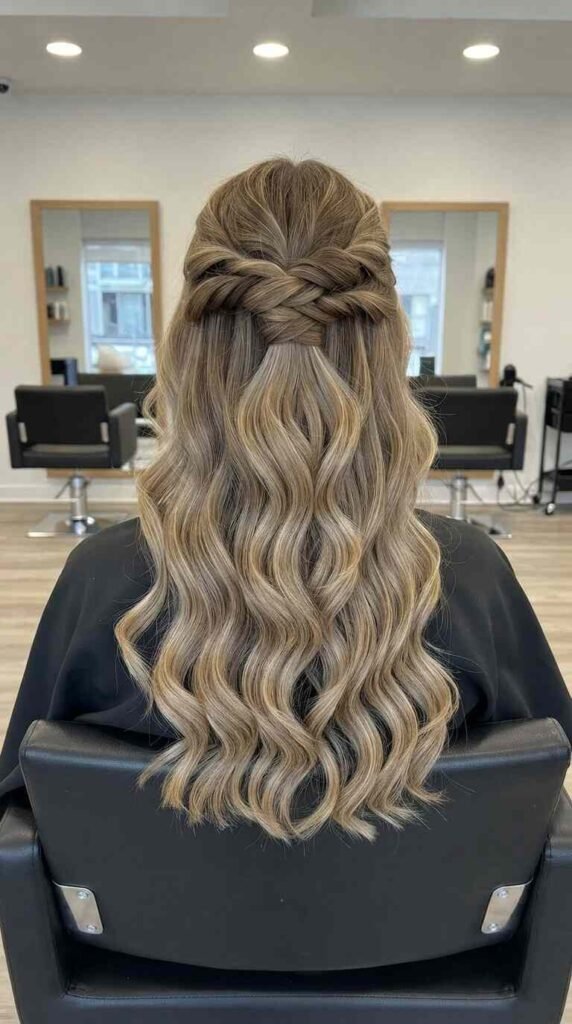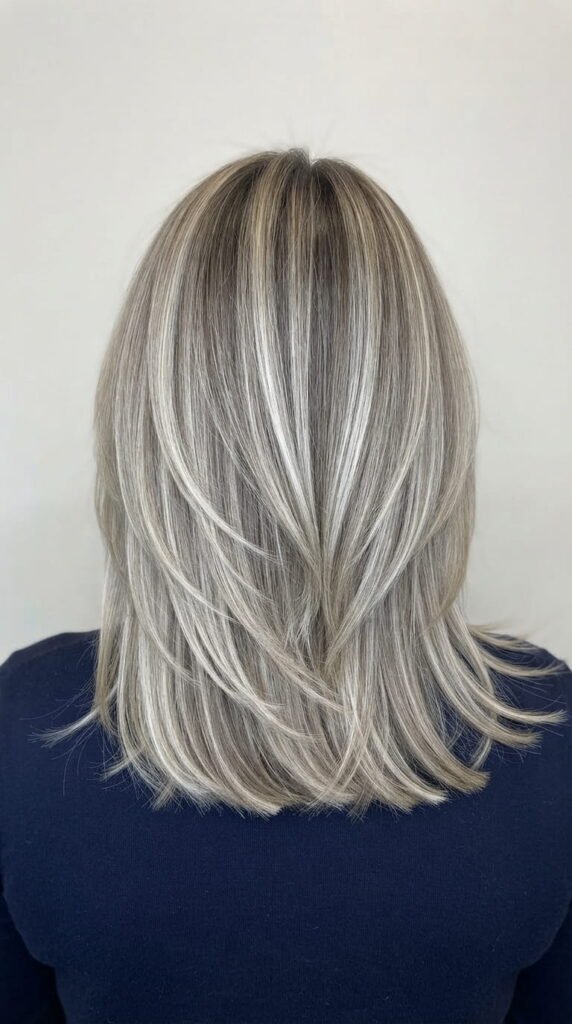
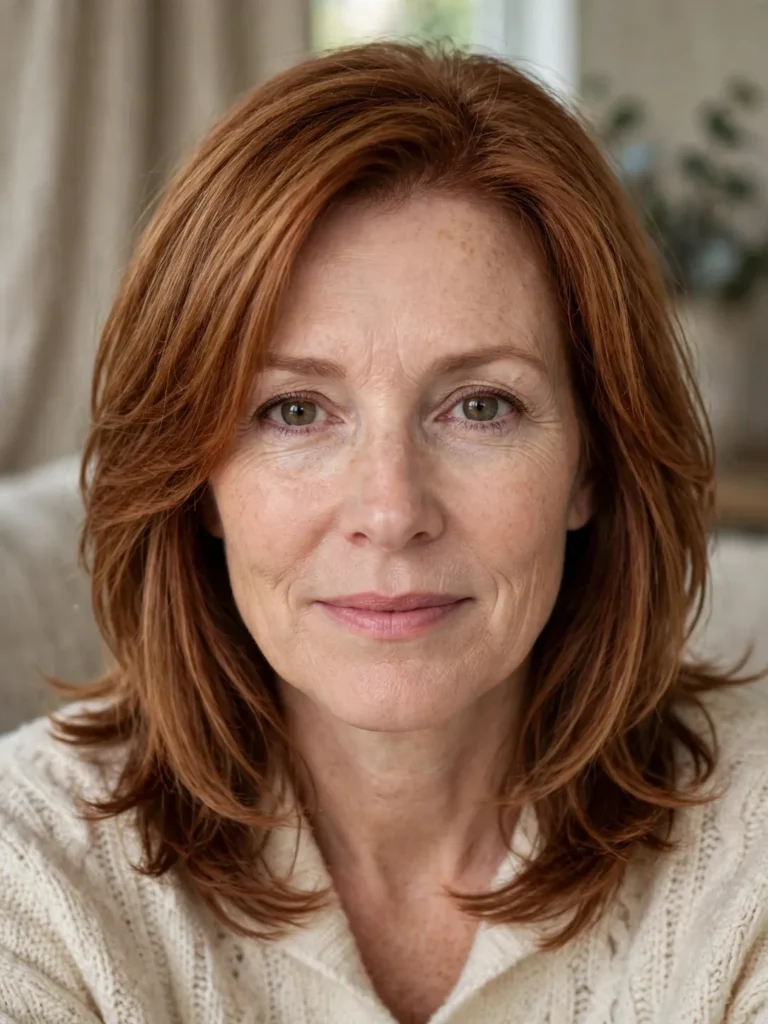
If your hair has ever gone flat by lunchtime, you already know the frustration of fine strands. Add a few birthdays past forty, and it can feel like your hair has its own opinions about volume, texture, and whether it wants to cooperate at all. The good news is that the right cut does a surprising amount of the work, and mid length haircuts for fine hair over 40 are one of the smartest places to start.
Mid-length hair sits in a sweet spot. It is long enough to style, tie back, or tuck behind your ears, yet short enough that it does not drag fine strands down and flatten them. A good cut at this length can create the look of thickness, add movement, and frame the face without needing a wall of products. Fine hair also tends to show its shape clearly, so small choices like where the weight sits or how the ends are finished make a big difference.
Below are 22 ideas covering everything from blunt cuts to soft waves, bangs, and color tricks that add dimension. Each section explains who the style tends to suit and how to keep it looking fuller at home. Take your time, save the styles that appeal to you, and bring a few photos to your next appointment.
1. Blunt Mid-Length Cut
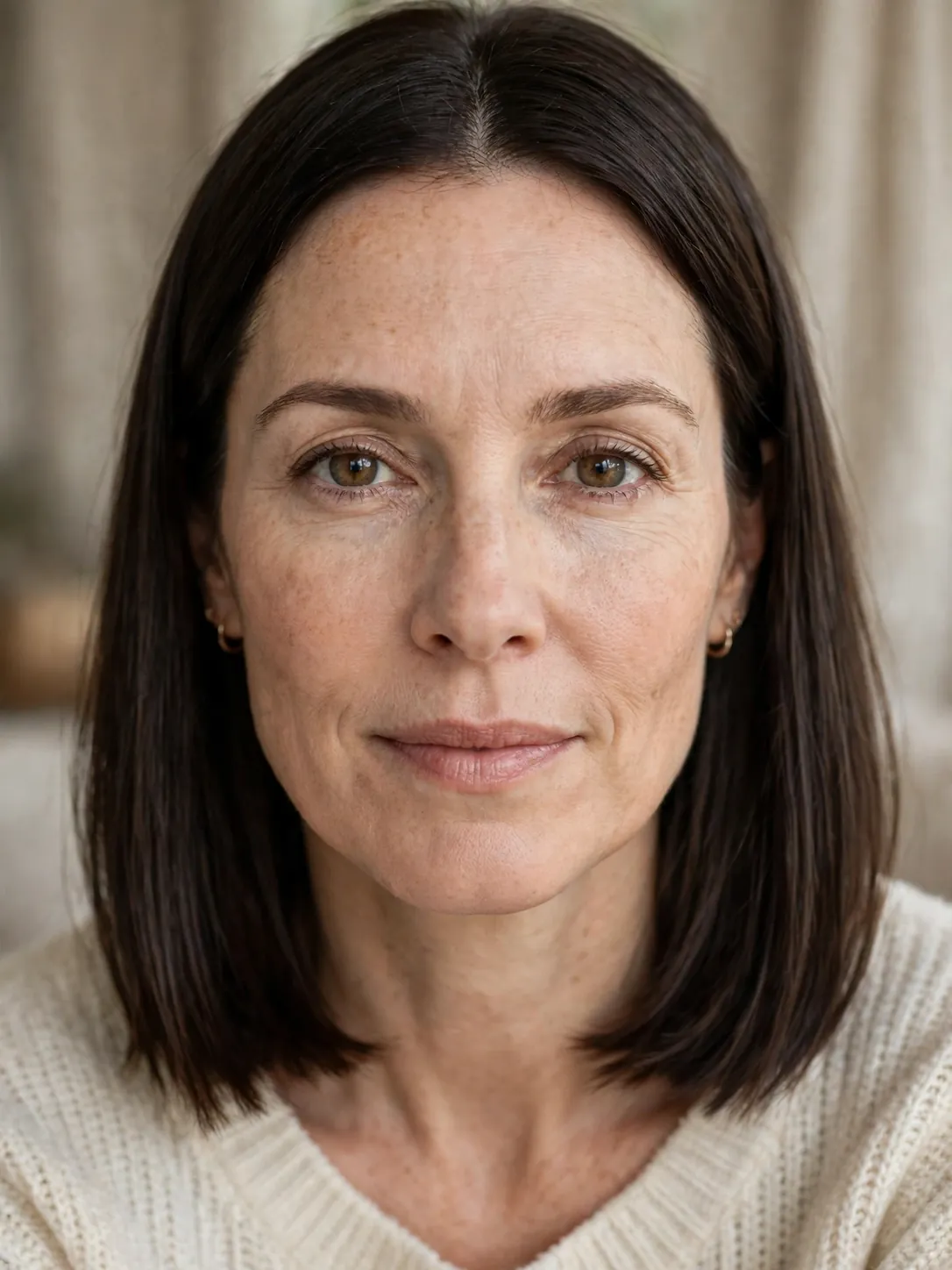
A blunt cut is one of the best friends fine hair can have. When the ends are cut straight across, the bottom edge looks thicker and denser, which gives the whole style more presence. It sits around the collarbone or just above, and it looks clean and modern. It also works well with straight hair, since the lines look crisp and polished.
To keep it looking healthy, schedule regular trims so the ends stay sharp and do not look thin or frayed. A lightweight volumizing mousse at the roots helps the top look as full as the bottom. Avoid heavy oils that can weigh the strands down. If you like a little movement, add a gentle bend with a flat iron or a loose curl at the ends.
2. Slight A-Line Mid-Length
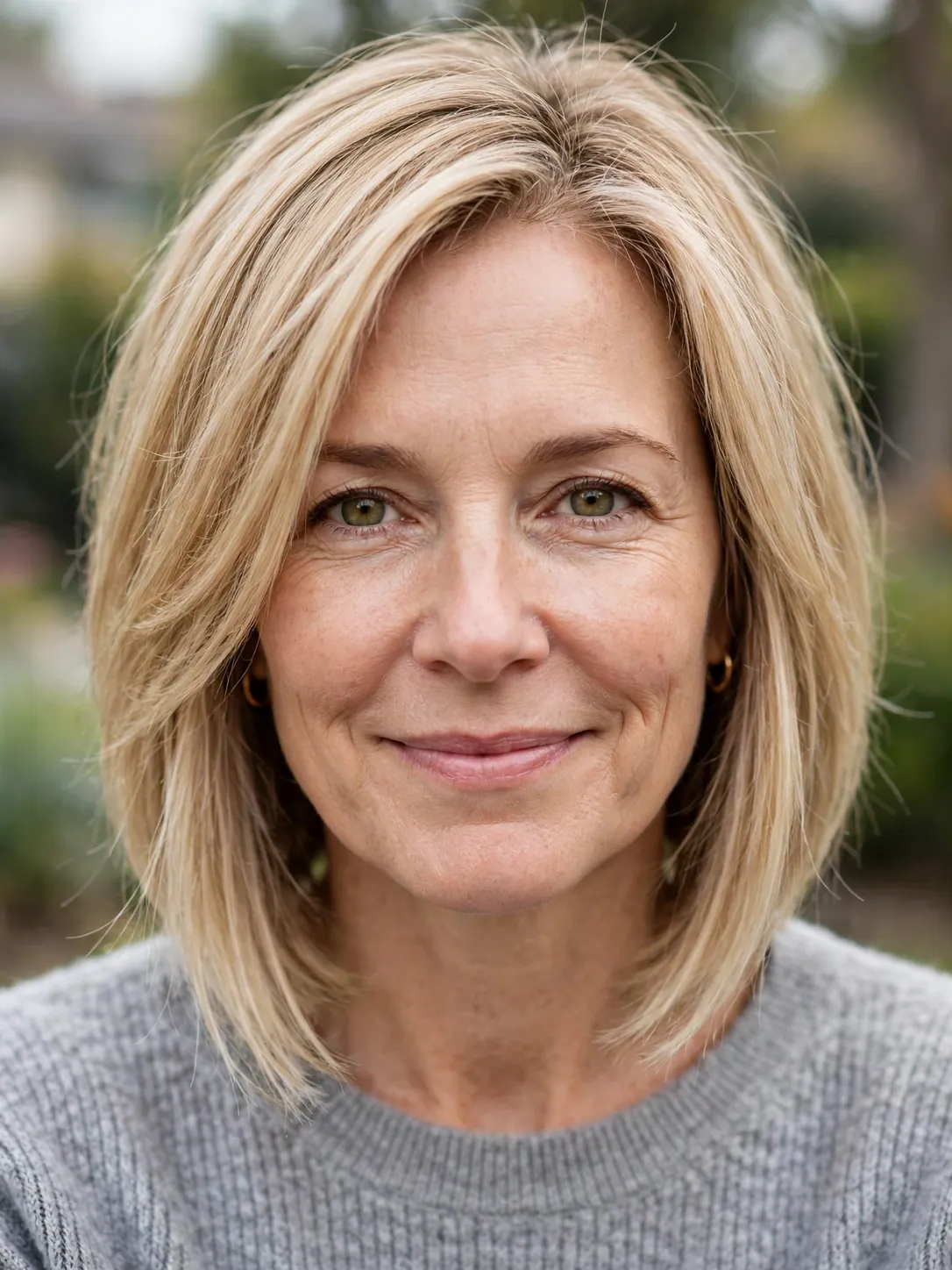
A slight A-line is a soft angle, slightly shorter at the back and a little longer toward the front. This shape lifts the hair at the nape and creates a flattering line that draws attention toward the face. It adds structure without looking severe. For fine hair, the angled shape can create the impression of fullness at the back.
Ask your stylist to keep the angle subtle, since a dramatic slope can feel too stylized. Blow-drying with a round brush adds a gentle curve and body. A light smoothing cream keeps the ends neat. This style is especially pretty with a slightly deeper side part.
3. Soft Wave Mid-Length
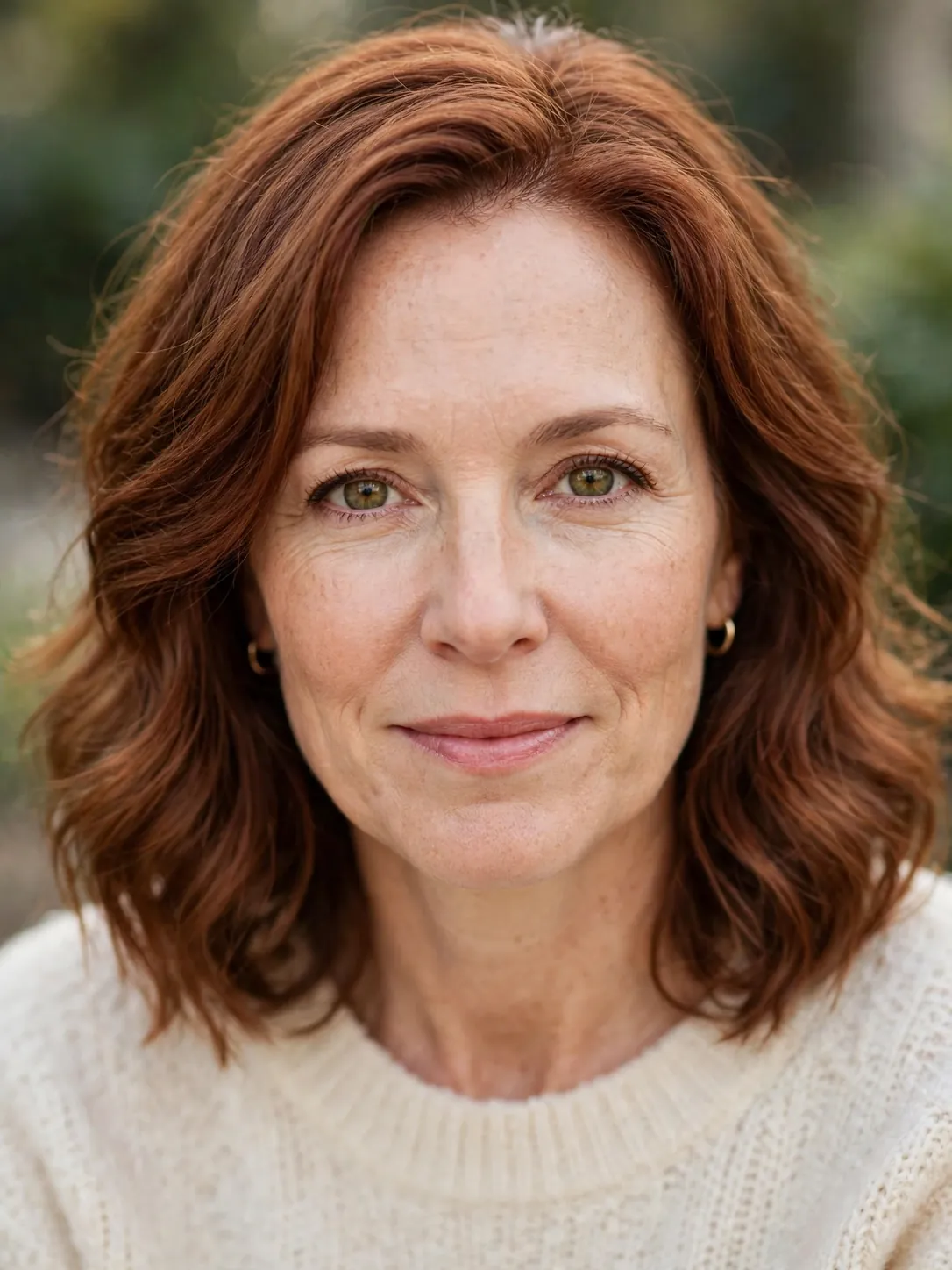
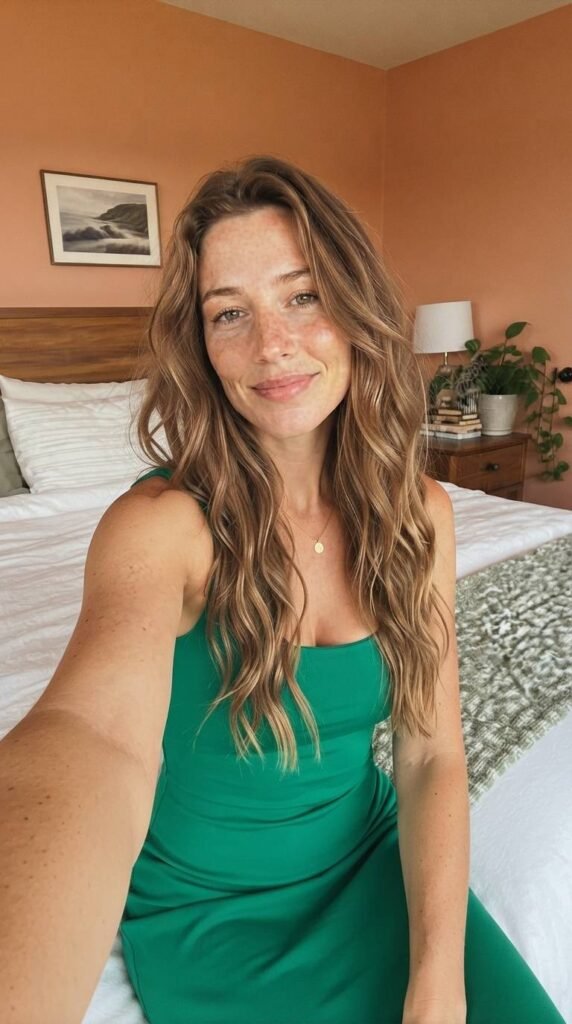
Soft waves bring texture, which is a handy trick for fine hair that tends to look flat. The waves create the illusion of more volume and give the hair a relaxed, approachable look. They work well with a one-length cut or very light layers. The effect looks natural and easy.
Use a medium barrel curling iron and wrap sections away from your face, leaving the ends slightly out. Brush through the waves lightly so they blend. A flexible-hold spray keeps the waves in place without stiffness. If heat is not your favorite, try overnight braids on slightly damp hair for gentle bends.
4. Center-Parted Mid-Length
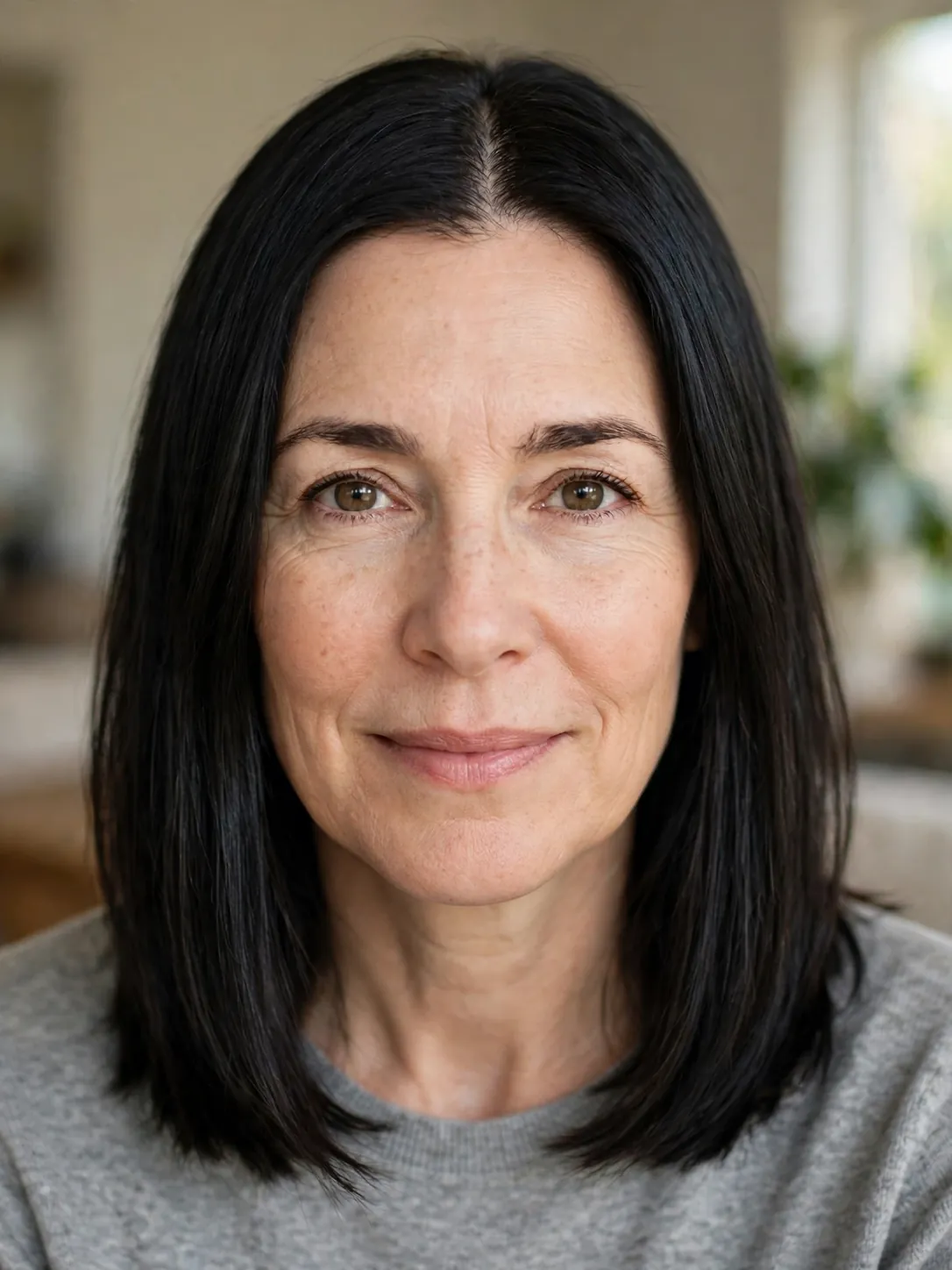
A center part has a polished, symmetrical look that suits many face shapes. On fine hair, it can feel fresh and modern, especially when paired with soft ends. The part opens up the face and draws attention to the eyes. It also works with straight, wavy, and slightly curled styles.
If your hair tends to separate or look thin along the part, you can use a bit of root powder or a tinted dry shampoo to make it look denser. Brush the hair away from the part to add lift. A small amount of texturizing spray keeps the strands from lying flat. This style is simple to wear and easy to dress up.
5. Deep Side-Parted Mid-Length
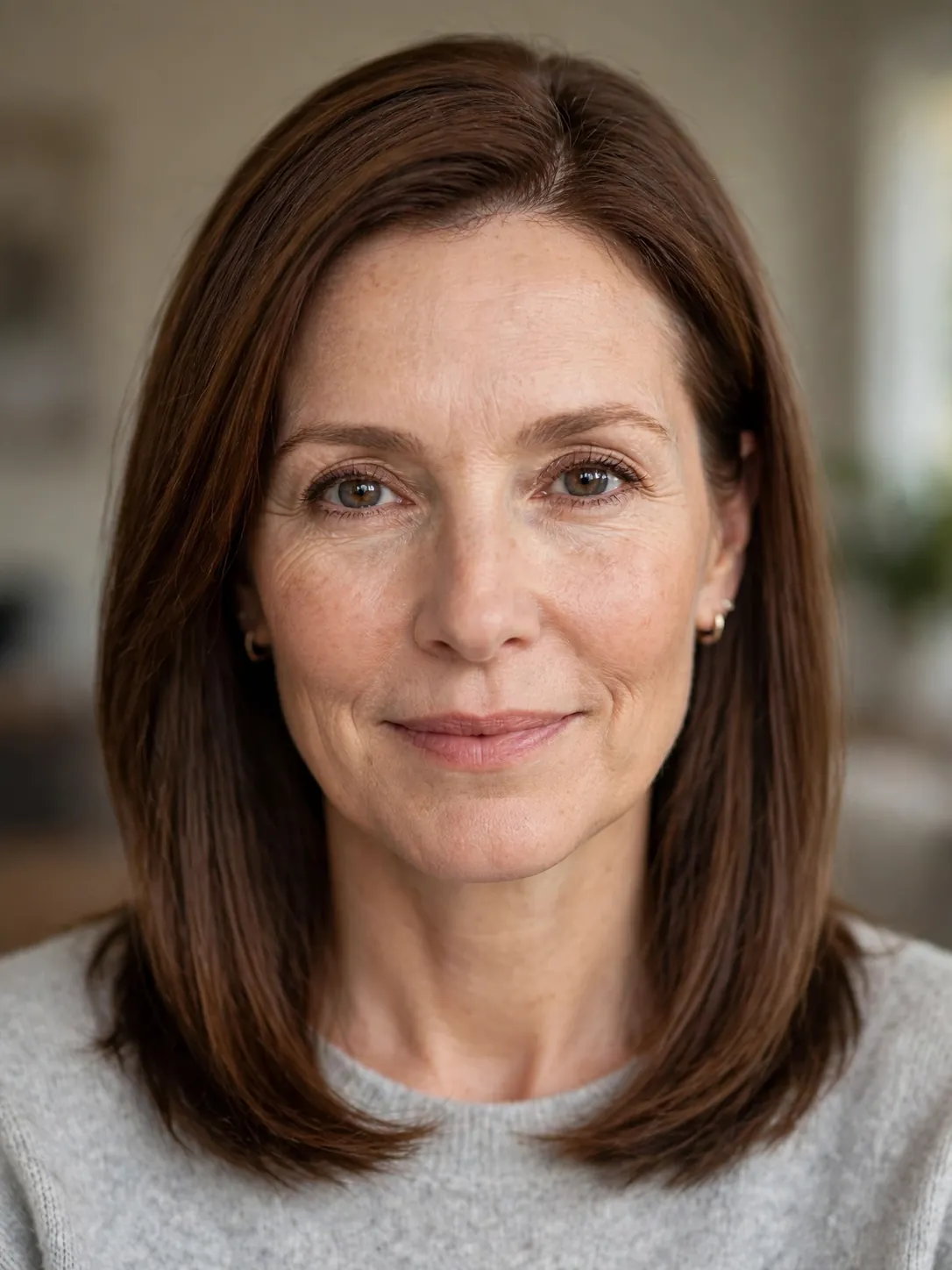
A deep side part creates instant volume by shifting the hair in a way that lifts the roots. The sweeping effect adds drama and makes fine hair look fuller. It is a classic technique that never really goes out of style. The look feels elegant, and it works for both casual and dressy outfits.
To maintain the volume, flip your part a few times while drying so the roots stand up. A volumizing spray at the roots helps hold the lift. If your hair is very fine, avoid extreme parts that expose too much scalp. A small clip or bobby pin can keep the heavier side from falling.
6. Curtain Bangs Mid-Length
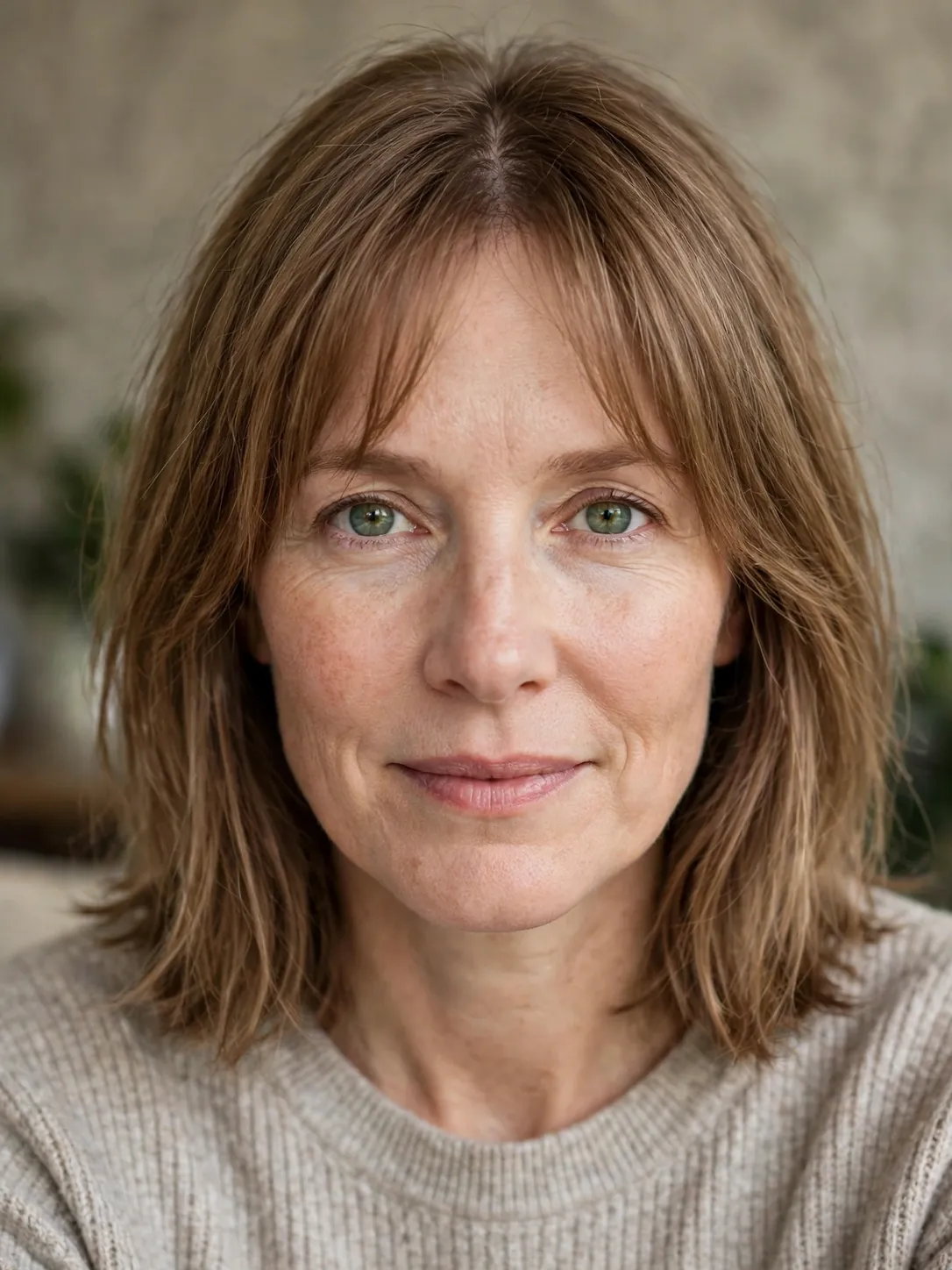
Curtain bangs are parted in the middle and sweep to the sides, framing the face softly. They add a light, youthful touch and blend easily into the rest of the hair. For fine hair, they can create a feeling of dimension around the face. They also work well for covering the forehead without looking heavy.
Because the bangs are lightweight, they are less likely to look stiff or flat. Use a round brush to give them a gentle bend while drying. A bit of dry shampoo keeps them fresh between washes. If you are unsure about bangs, ask your stylist to cut them a little longer at first.
7. Wispy Bangs Mid-Length
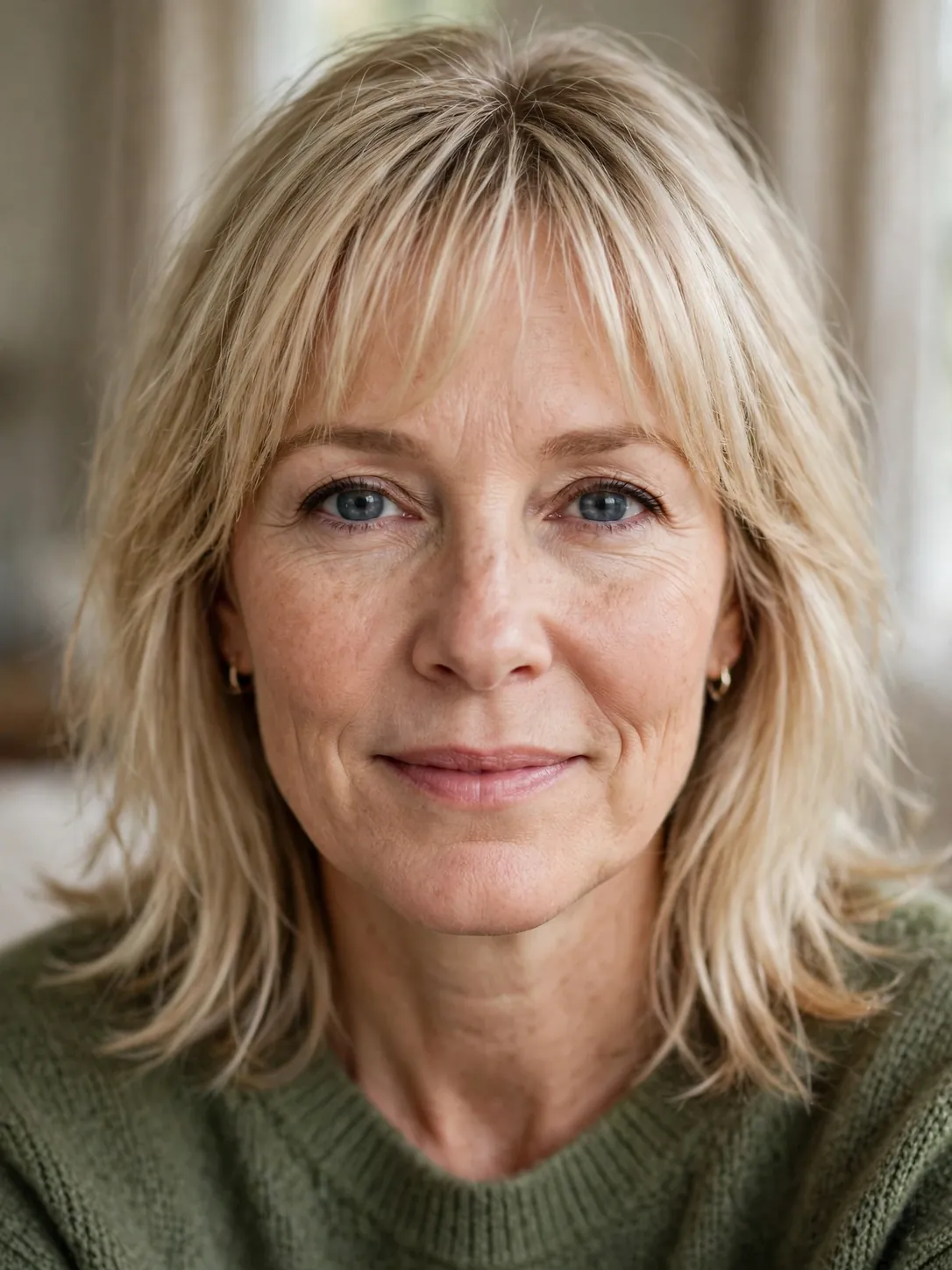
Wispy bangs are thin, feathery, and delicate. They add softness around the forehead and look especially natural with fine hair. The texture makes the cut look more modern and less structured. They also help balance a longer face shape.
Because the bangs are light, they can get oily faster, so keep a small bottle of dry shampoo handy. Style them with a small brush and a light touch of cream for separation. Ask your stylist to cut them with a point-cutting technique for a soft edge. Regular trims keep them from growing into your eyes.
8. Bouncy Blowout Mid-Length
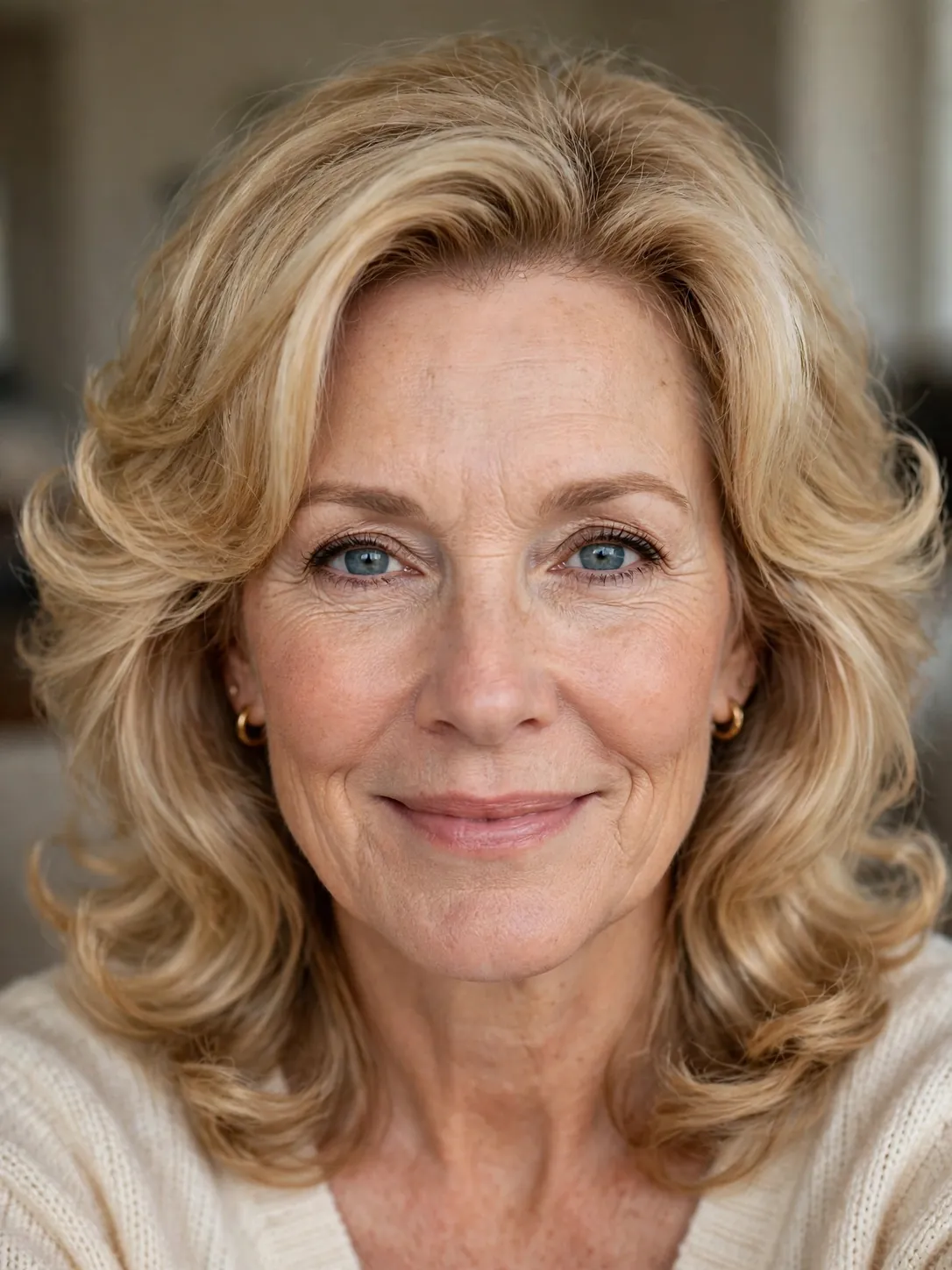
A bouncy blowout is a salon-style finish that adds body and movement. The hair is blow-dried with a round brush, creating soft curves and plenty of lift at the roots. It looks glamorous and polished, perfect for dinners, parties, or workdays when you want extra confidence. For fine hair, the bounce creates a satisfying sense of fullness.
At home, use a volumizing mousse on damp hair and blow-dry in sections with a medium round brush. Let the hair cool in the curve before releasing it, since cooling sets the shape. A flexible spray helps the style last. If you want to extend the blowout, sleep with your hair loosely pinned on top of your head.
9. Inverted Mid-Length
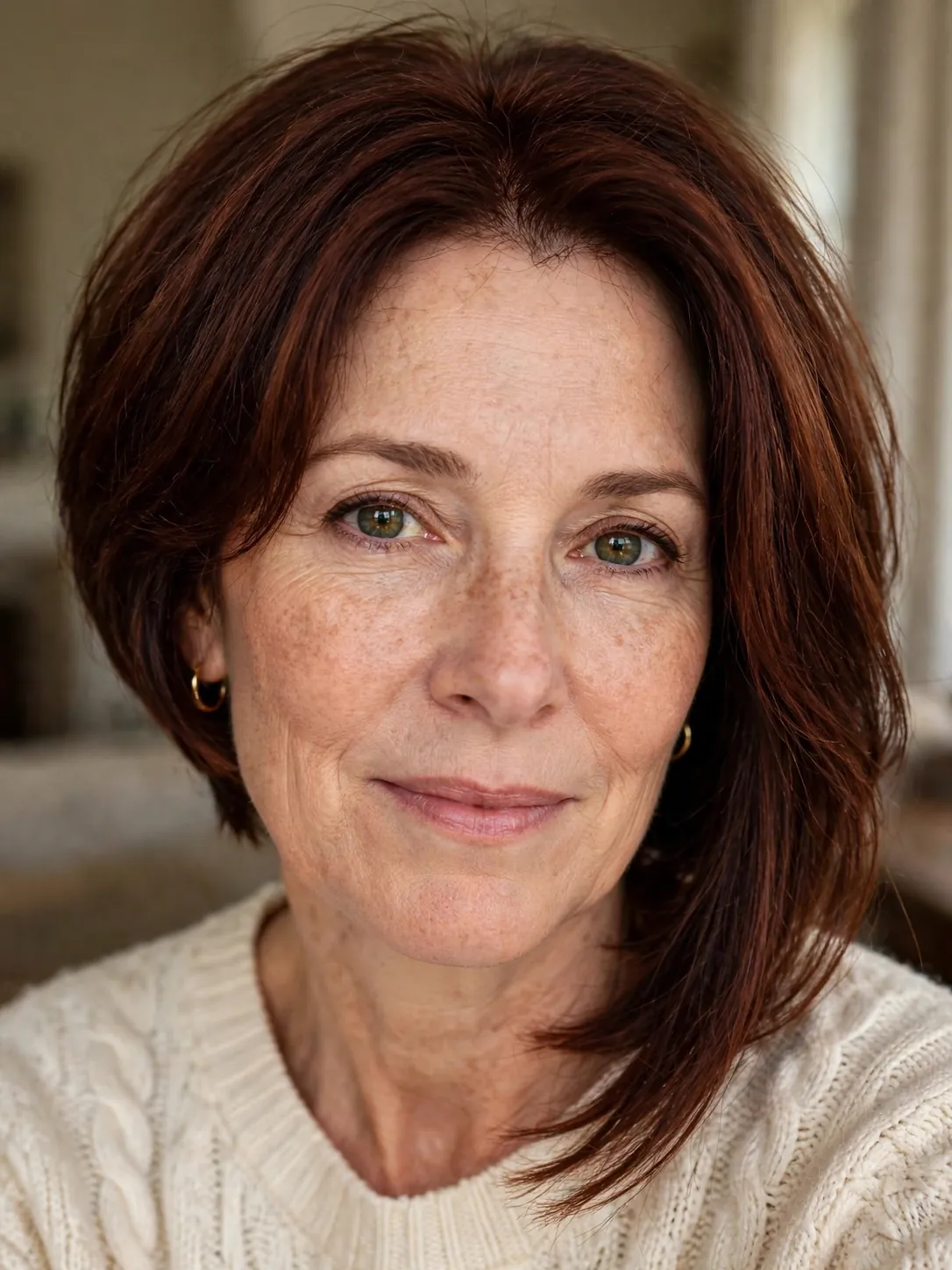
An inverted cut is shorter in the back and gradually lengthens toward the front, creating a sloping line. The shape adds fullness at the nape and gives the hair a sculpted look. It is neat and structured, with a sense of polish. Fine hair benefits from the way the layers stack at the back.
Ask your stylist to blend the back so it looks soft rather than boxy. A blow-dry with a round brush gives the ends a gentle curve. A smoothing serum helps the front lengths look sleek. This style looks especially good with a side part or a bit of sweeping.
10. Tucked-Behind-Ears Mid-Length
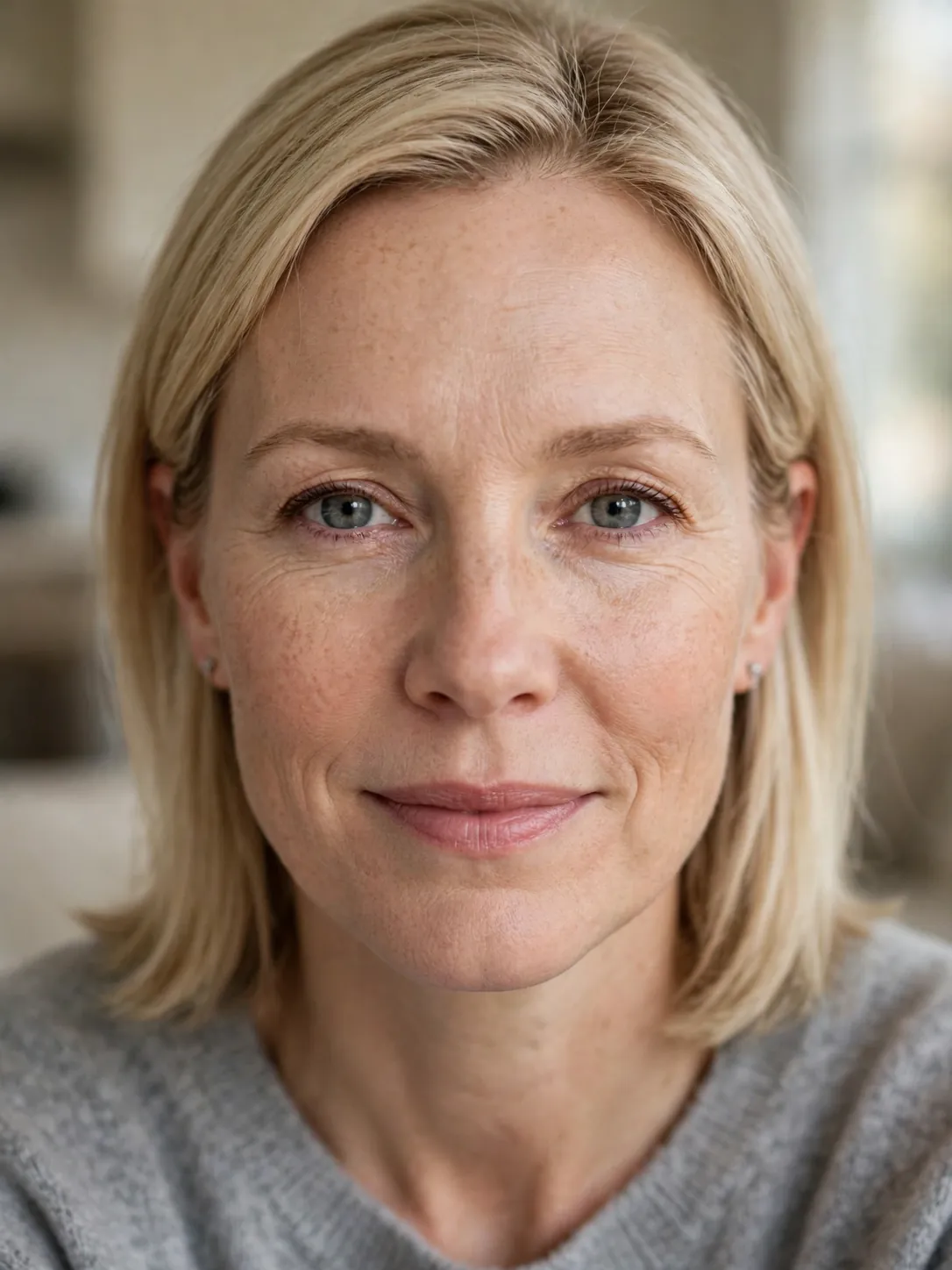
Sometimes the simplest styling trick is tucking your hair behind your ears. It shows off earrings, opens up the face, and gives fine hair a clean silhouette. The look is relaxed but intentional, and it works with straight or slightly wavy hair. It is a good choice for days when you want an easy, put-together look.
A small amount of texturizing spray helps the hair stay in place. If strands keep slipping, a tiny bobby pin hidden behind the ear can help. This style works best with a cut that has a few soft layers, so the hair does not look too flat. Pair it with studs or small hoops to complete the look.
11. Money Piece Mid-Length
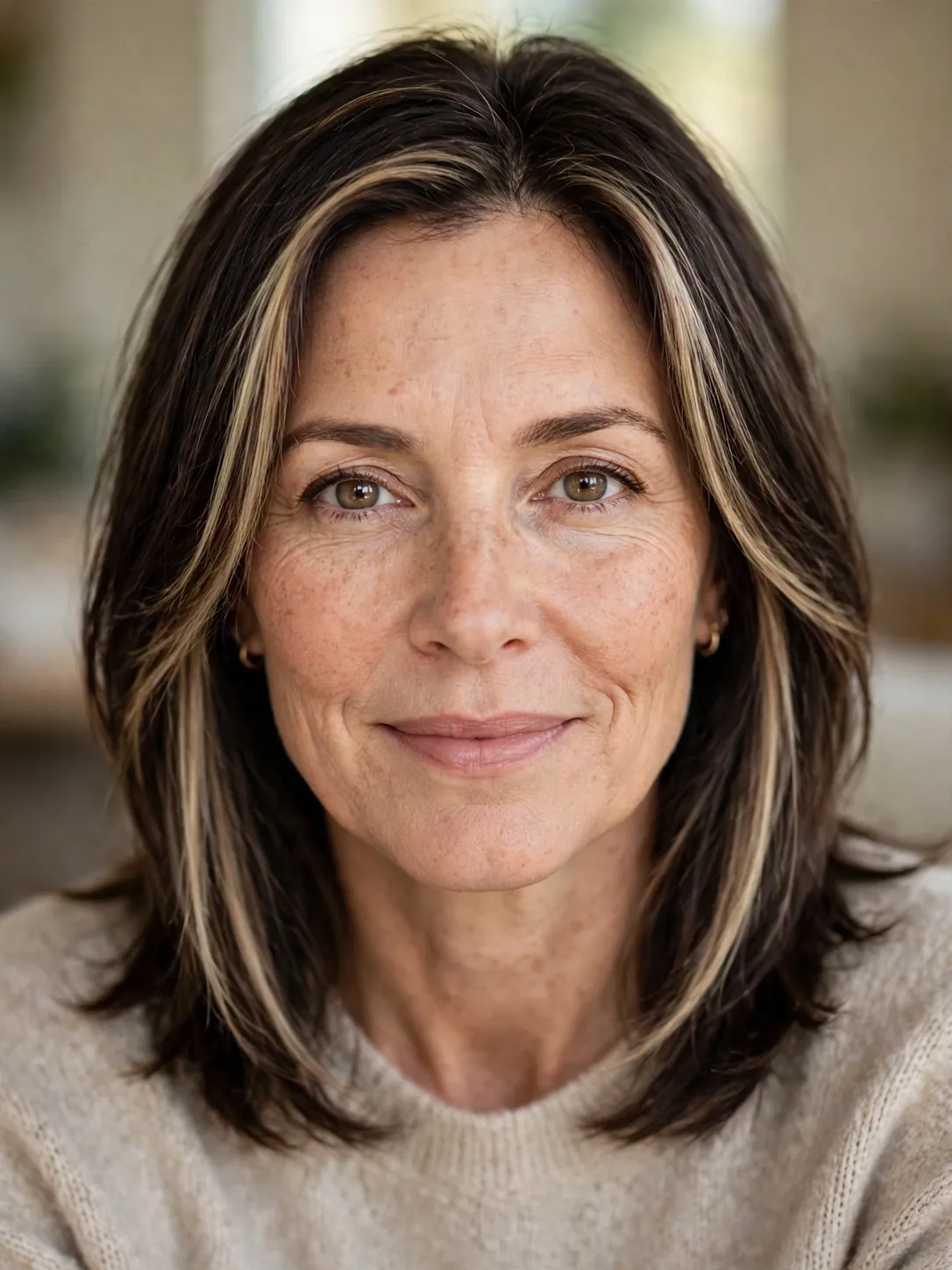
A money piece is a bright section of color framing the face, and it is a smart trick for fine hair. The lighter strands draw the eye toward the face and create the appearance of added dimension. The rest of your hair stays natural, so the change feels subtle. It is a fun way to refresh your look without a full color change.
Ask your colorist to choose a shade that suits your skin tone and base color. A soft blonde, caramel, or silver can all work well. Use a color-safe shampoo and conditioner to keep the shade bright. A gloss treatment adds shine and helps fine hair look healthier.
12. Balayage Mid-Length
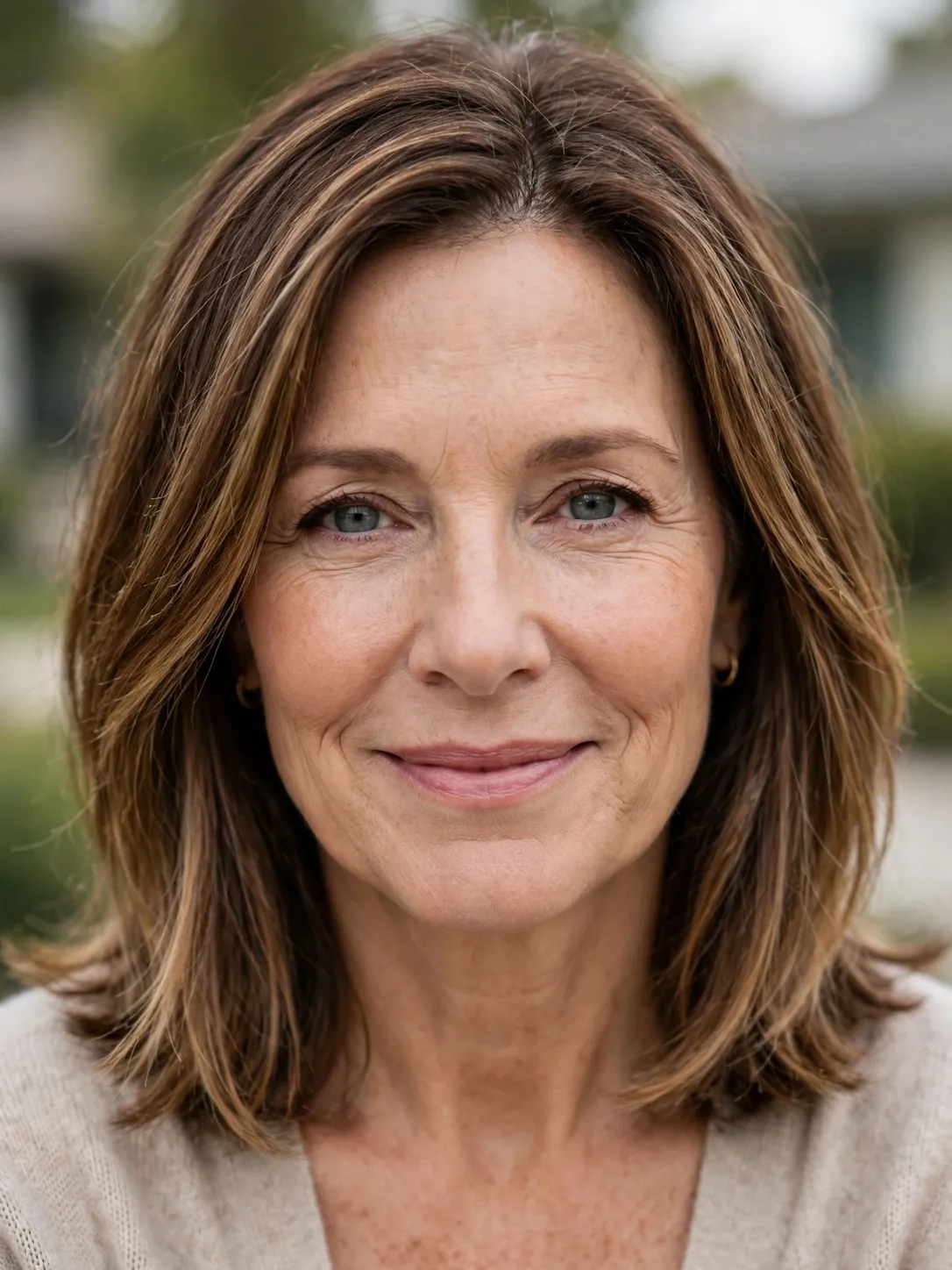
Balayage is a hand-painted highlighting technique that creates a soft, blended gradient. For fine hair, it adds depth and dimension that make the hair look thicker. The color melts from darker roots into lighter lengths, so the grow-out is gentle. It is a favorite for people who want a natural, sun-kissed effect.
Because lightening can be drying, ask your colorist about bond-building treatments to protect fine strands. A moisturizing mask once a week keeps the hair soft. Choose a shade that is not too far from your natural color for a more subtle look. Loose waves show off the dimension beautifully.
13. Dimensional Highlights Mid-Length
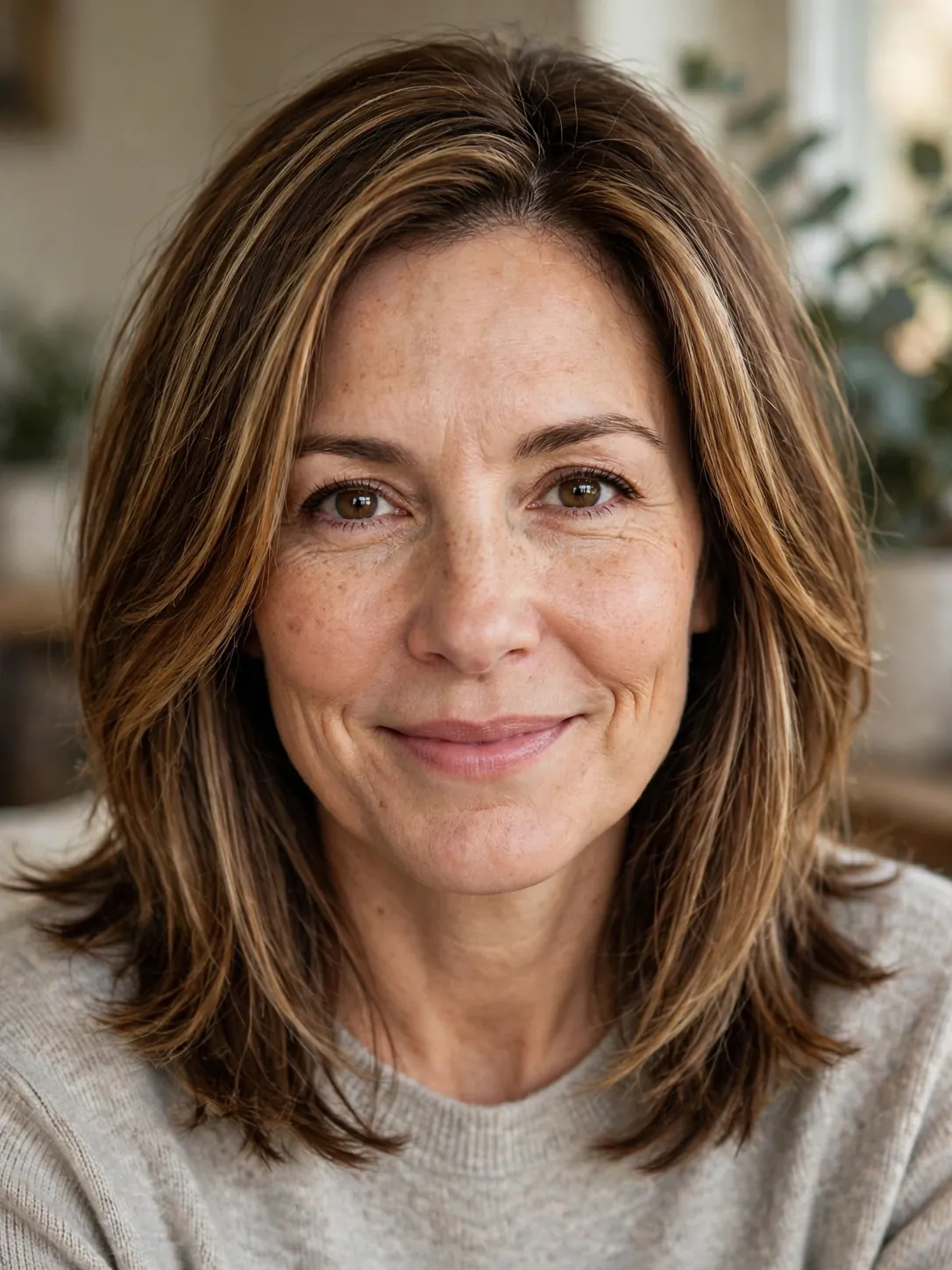
Dimensional highlights use several shades woven through the hair to create depth and movement. The varying tones make fine hair look fuller by adding light and shadow. They can brighten gray hair, blend the transition, or add warmth to brunette tones. The effect is polished and multi-layered.
Work with a colorist who understands fine hair, since too many foils can weaken the strands. Ask for a mix of lighter and slightly deeper pieces for contrast. A color-safe shampoo and regular gloss keep the highlights from looking dull. Style with waves or a smooth blowout to show off the shades.
14. Root Shadow Mid-Length
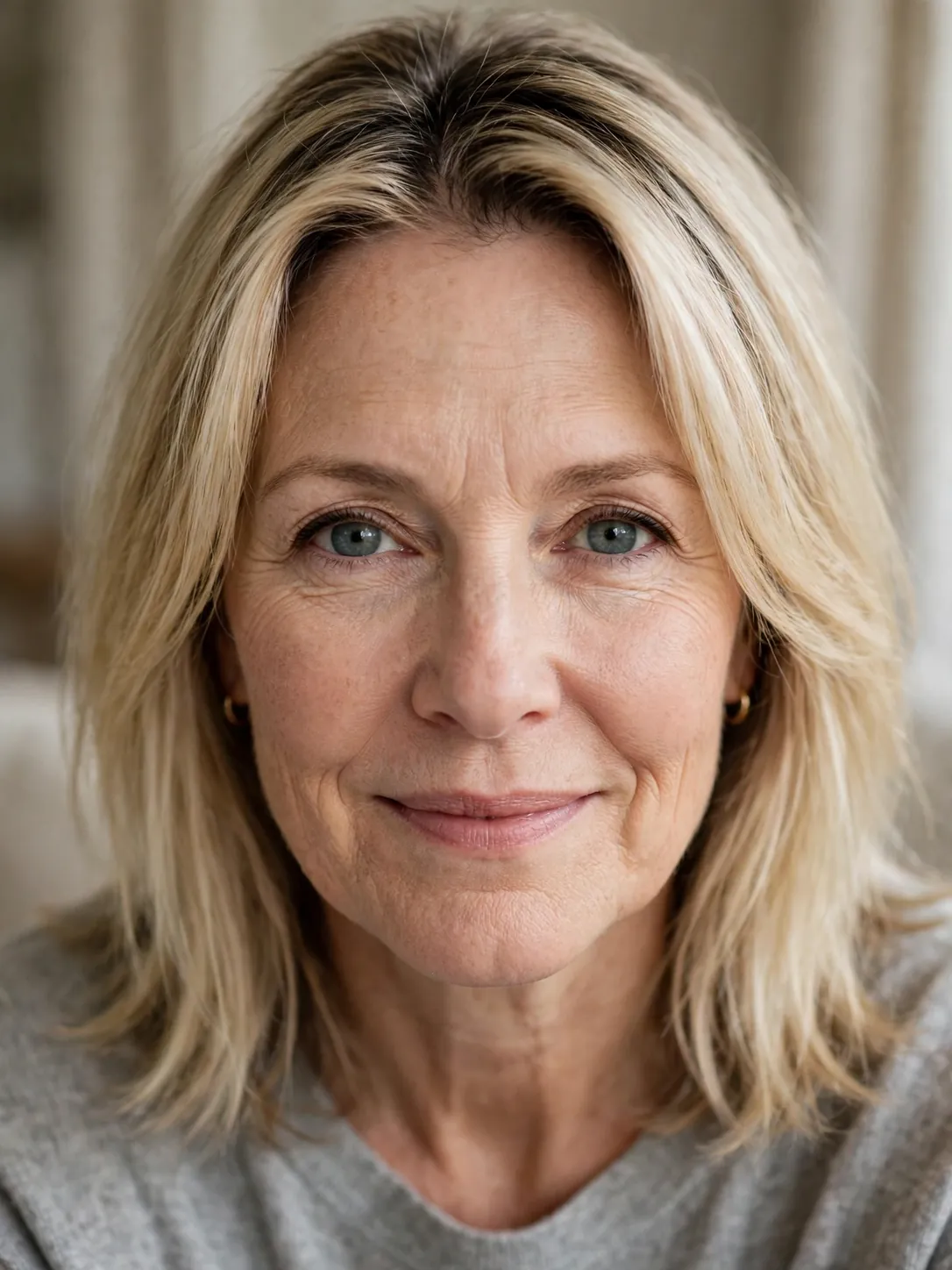
A root shadow is a slightly darker blend at the roots that fades into lighter hair below. It gives the color depth, makes regrowth less noticeable, and creates the look of thicker hair. The darker roots add contrast that reads as density. It is a practical option for people who want lower maintenance color.
Ask your colorist to blend the shadow softly so there is no harsh line. The color usually lasts longer between appointments, which saves time and money. Use a gentle shampoo and avoid harsh clarifying products that strip color. This style works nicely with both straight and wavy hair.
15. C-Curl Mid-Length
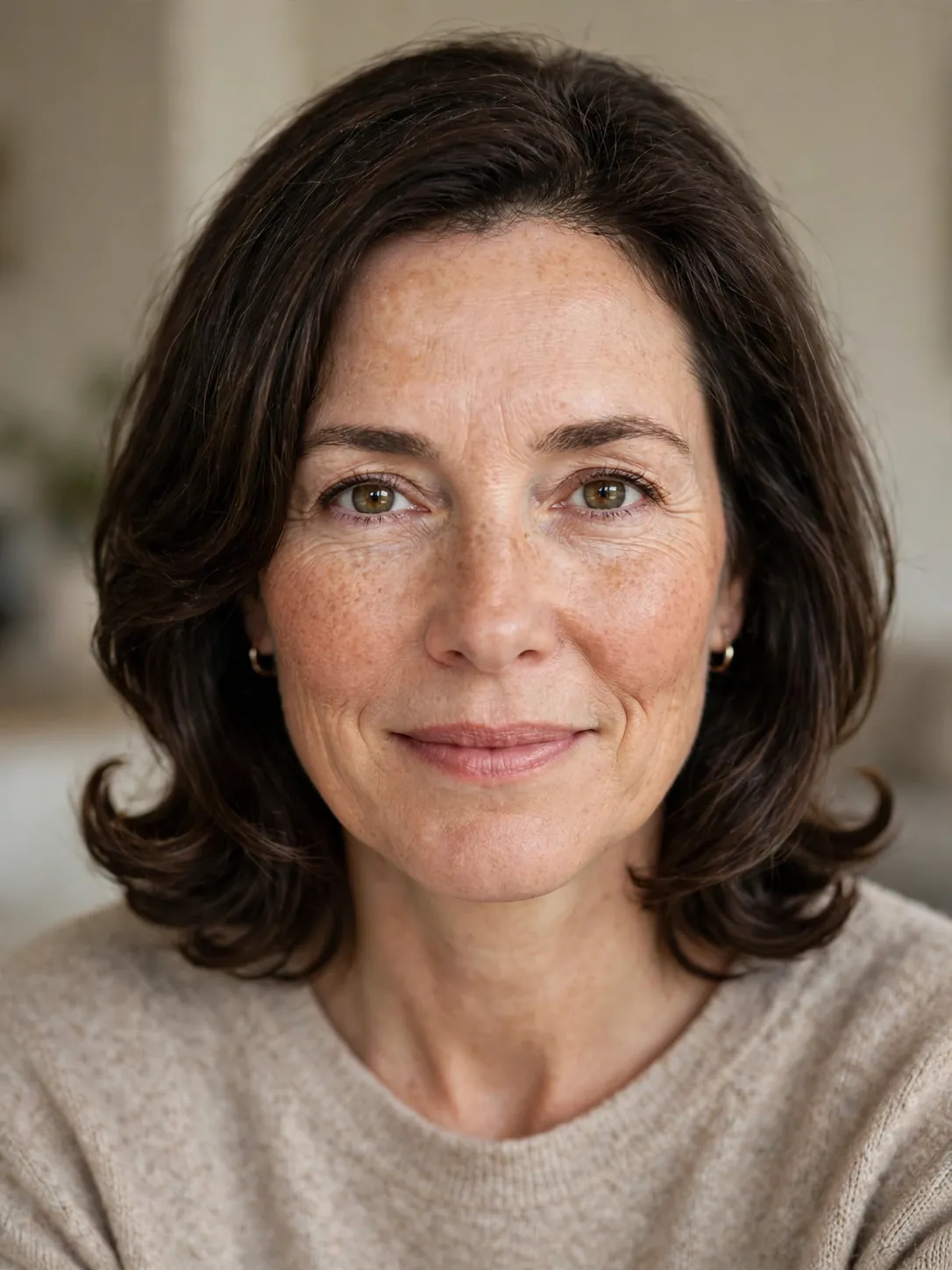
A C-curl bends the ends of the hair inward in a gentle C shape. It makes the hair look neat, soft, and slightly fuller at the bottom. This shape adds a polished finish and works well with blunt or lightly layered cuts. For fine hair, the curl helps the ends look thicker.
Create it with a round brush while blow-drying or with a flat iron by turning the ends inward. A small amount of smoothing cream keeps the shape tidy. Avoid over-curling, since too much curl can make fine hair look limp. A light hairspray helps the curve last.
16. Polished Sleek Mid-Length
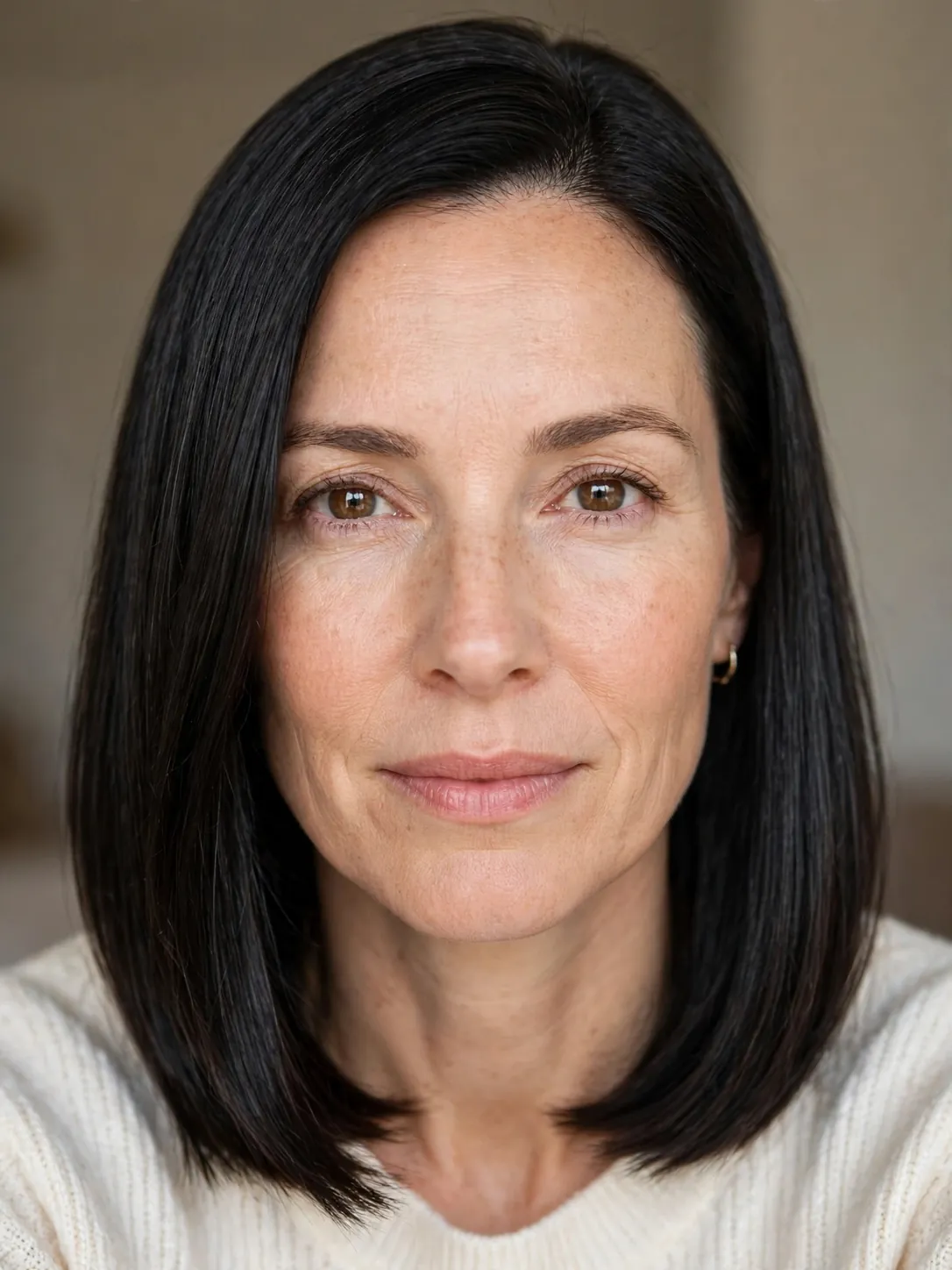
A polished sleek style is smooth, glossy, and neat. Fine hair can look beautiful when it is straight and shiny, since the strands reflect light. The cut is usually one length or lightly layered, with a clean finish. It looks professional and elegant, perfect for the office or a formal event.
Use a heat protectant and a flat iron or a smooth blow-dry to get the finish. A lightweight shine serum adds glow without weighing the hair down. Trim the ends regularly so they stay crisp. If your hair is very fine, avoid heavy products that can make it look flat.
17. Side-Swept Mid-Length
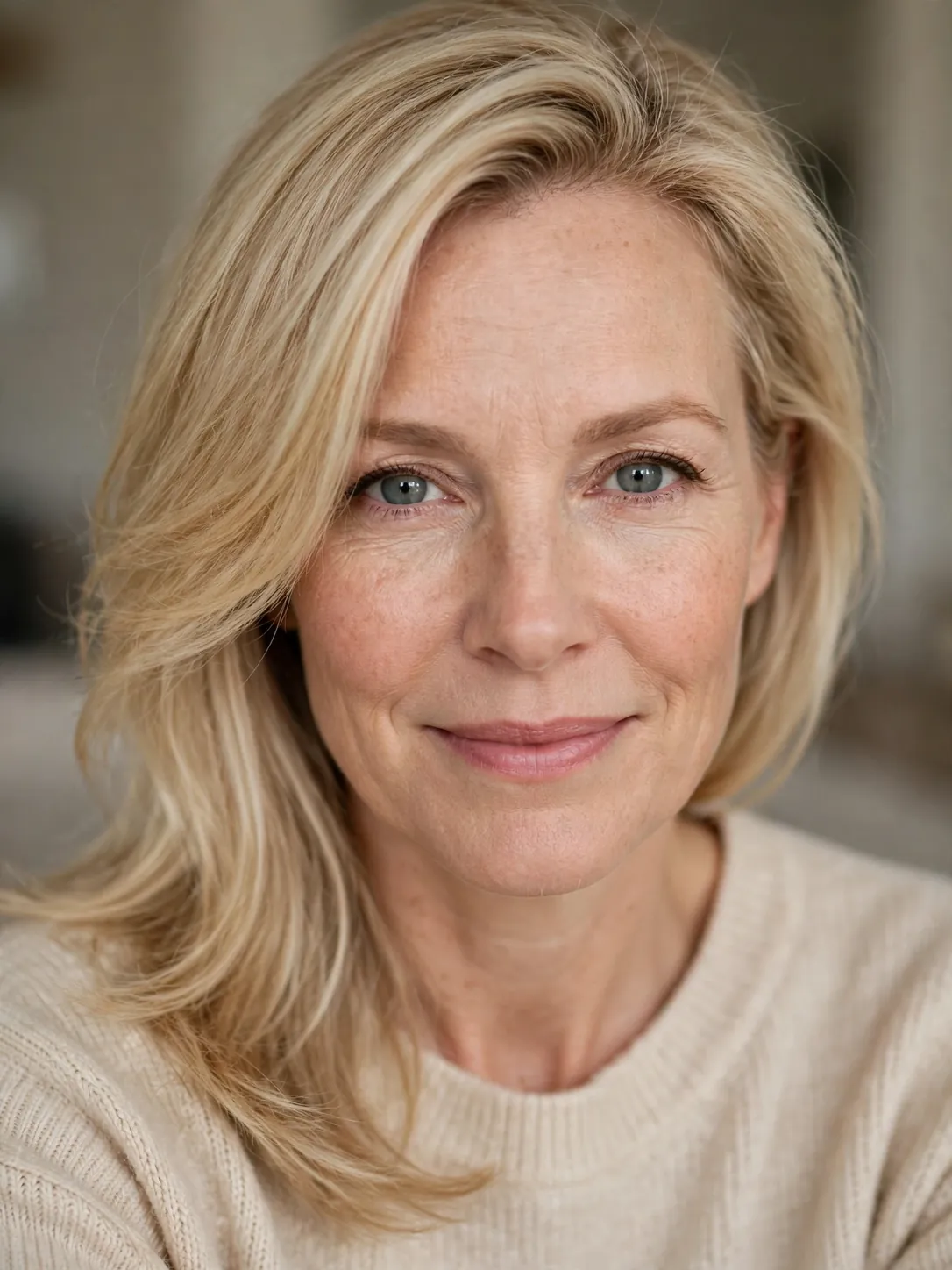
A side-swept style brushes the hair across the forehead to one side, creating a soft diagonal line. It frames the face, adds volume at the roots, and gives the cut a gentle, romantic feel. It is also quick to style, which helps on busy mornings. The look suits many face shapes.
Use a bit of volumizing mousse at the roots and blow-dry the hair toward the side. A light hairspray keeps the sweep in place. If you want more drama, deepen the part slightly. Soft waves or a gentle curl at the ends complete the look.
18. Tucked-Under Mid-Length
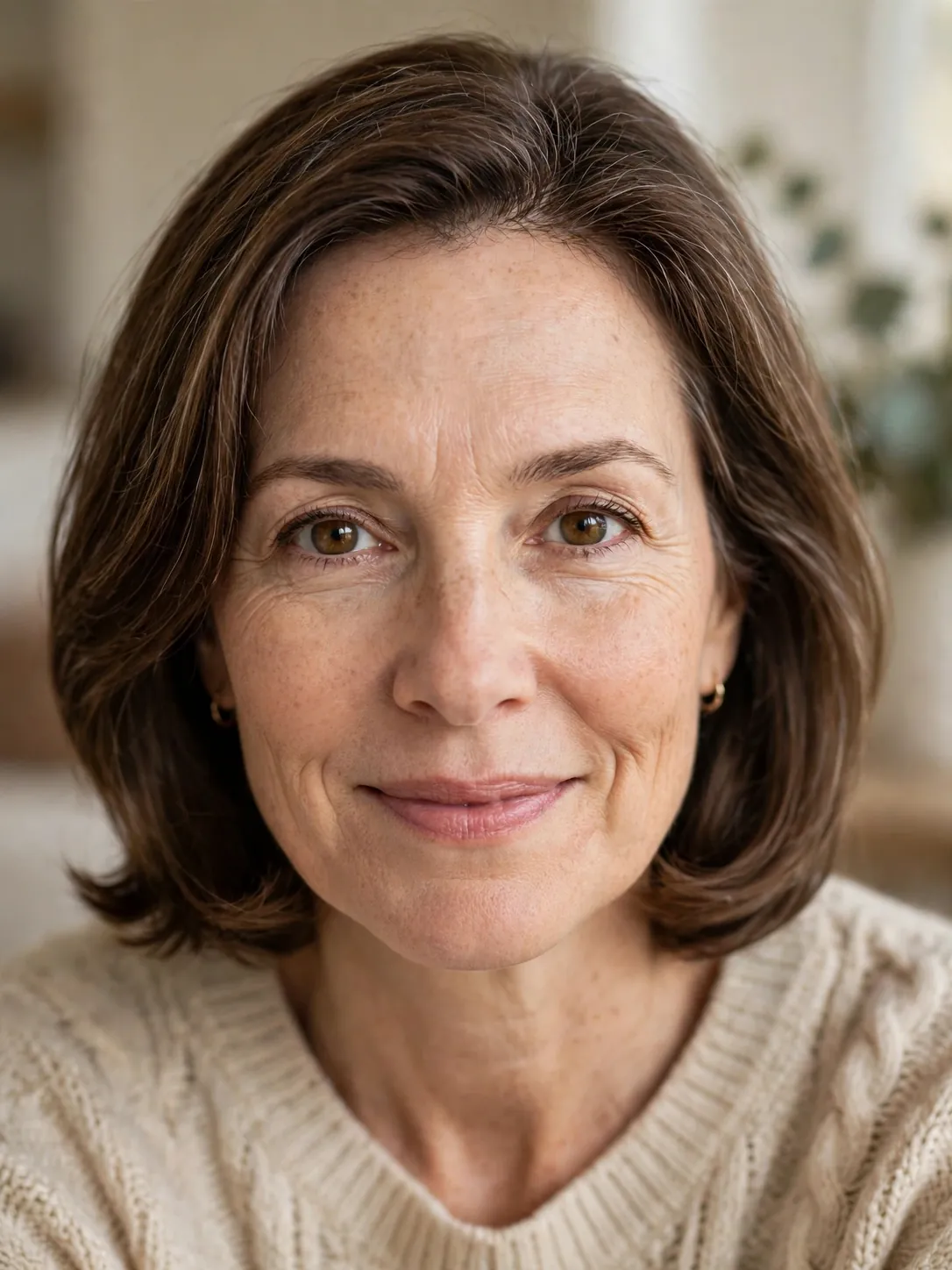
A tucked-under style curves the ends inward toward the neck, creating a neat, rounded shape. The effect looks full and tidy, which is helpful for fine hair. It has a classic, polished feel that works for both casual and formal occasions. The soft curve also flatters the jawline.
Blow-dry with a round brush, rolling the ends under as you go. A bit of smoothing cream helps the ends behave. Finish with a flexible spray for hold. This is a great option for people who like a clean, structured shape without much fuss.
19. Soft Layered Mid-Length
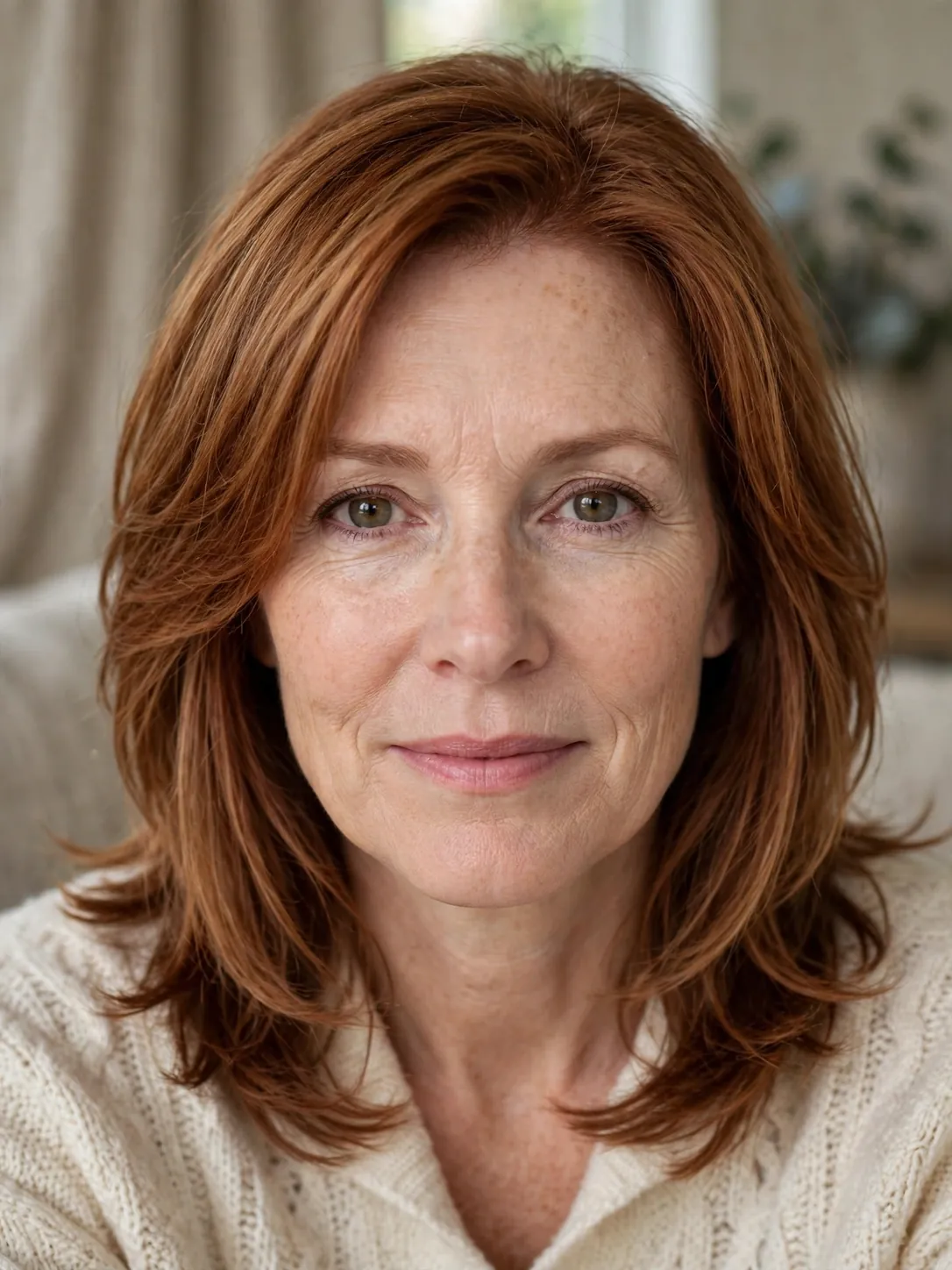
Soft layers add movement and shape without removing too much weight. For fine hair, light layers can make the hair feel less heavy and more dynamic. The key is to keep them subtle, so the ends still look full. The result is a flattering, face-framing style.
Ask your stylist to focus the layers around the face and the mid-lengths rather than cutting too many short layers. A volumizing mousse and a quick blow-dry can create lift. Avoid heavy layering, which can make fine hair look thin. This cut works well with both waves and a smooth finish.
20. Bottleneck Mid-Length
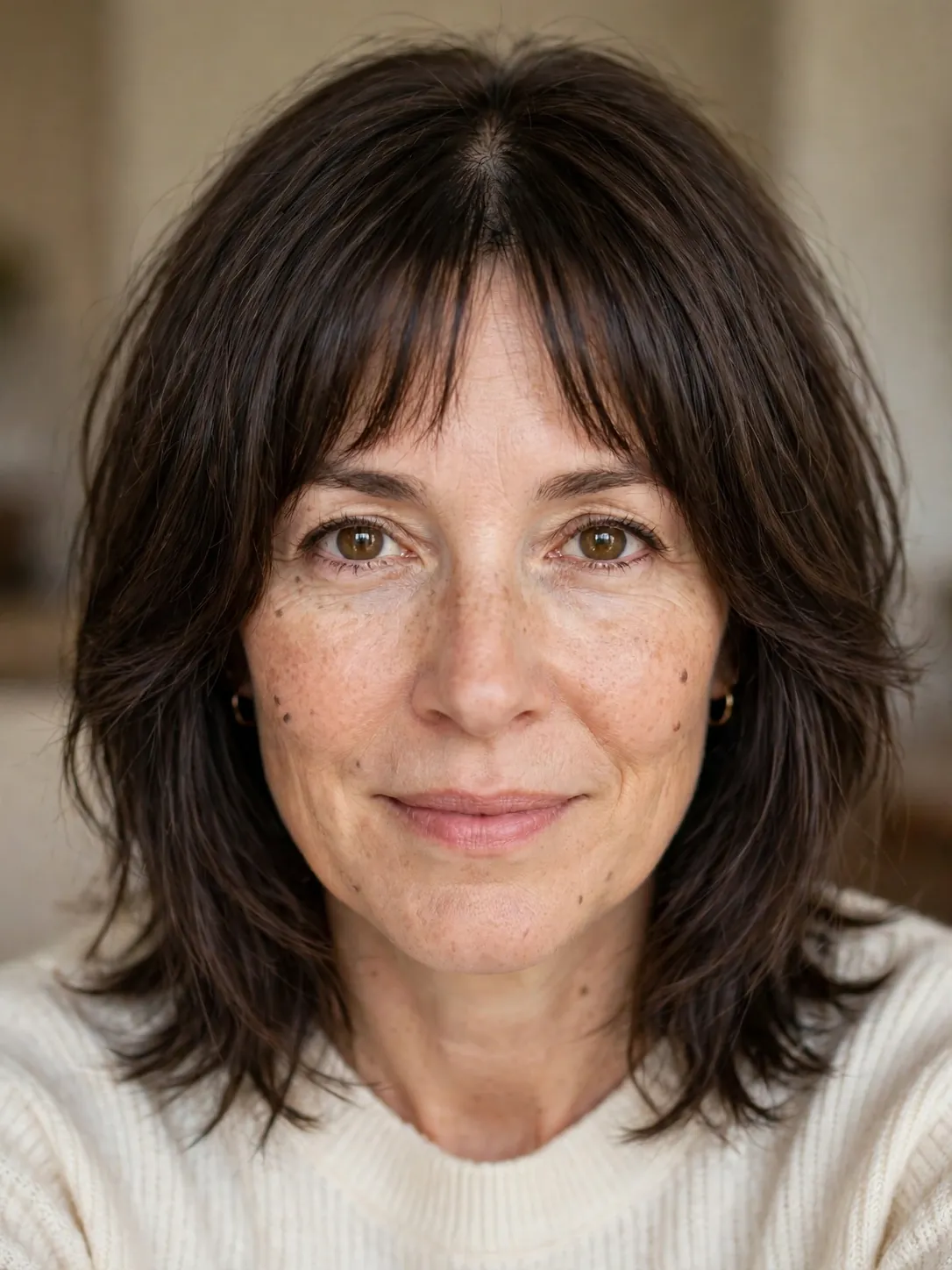
Bottleneck bangs are narrow at the top and flare out toward the cheekbones, shaped a bit like a bottleneck. They blend into the surrounding hair and create a soft, flattering frame around the face. The style has a modern, slightly retro charm. It looks lovely with mid-length hair, especially fine hair that benefits from added dimension.
Ask your stylist to cut the bangs with a slight curve so they melt into the rest of the hair. A round brush gives them a gentle bend. A light dry shampoo keeps them fresh. They are easy to grow out if you decide you want a change.
21. Glossy Mid-Length with Subtle Body
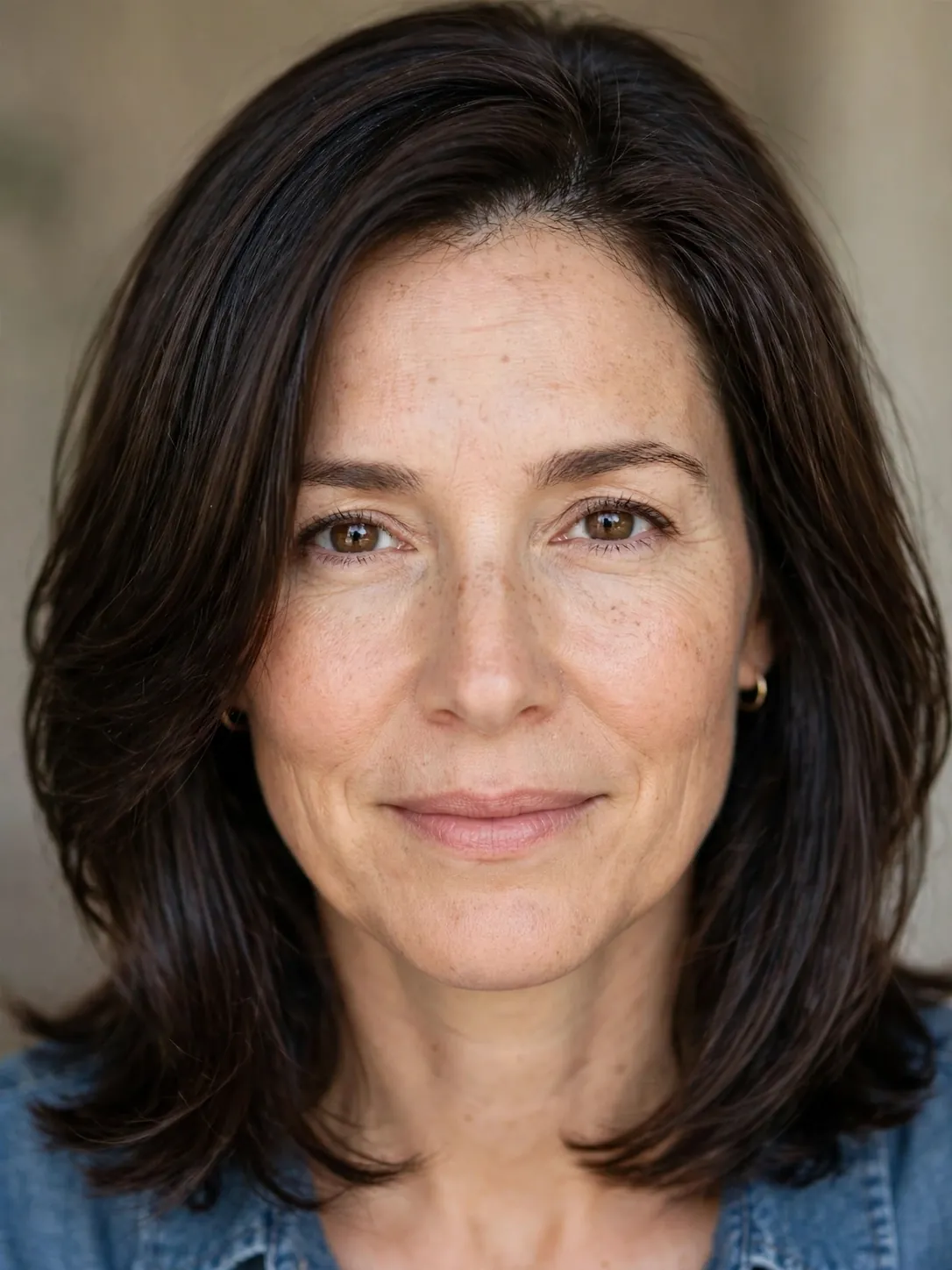
This style focuses on shine and gentle volume. The hair is smooth and glossy, with just enough body to avoid looking flat. It is a refined option that looks healthy and well cared for. Fine hair often looks its best when it is shiny and light.
A gloss treatment at the salon adds depth and shine, and a lightweight serum keeps the glow at home. Use a volumizing product at the roots for body. Blow-dry with a round brush for a soft finish. This look works for everything from workdays to weekend dinners.
22. Choppy Mid-Length
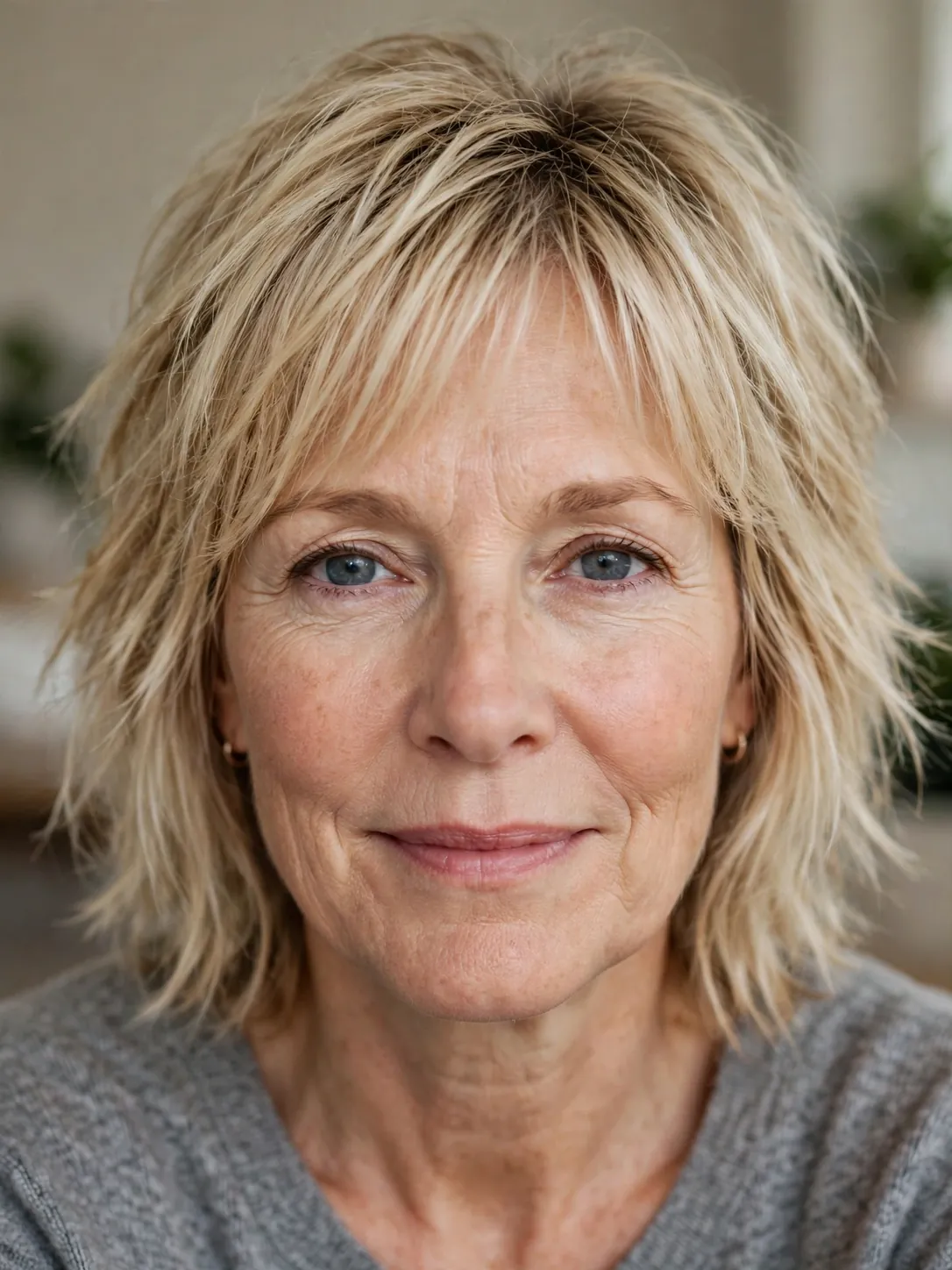
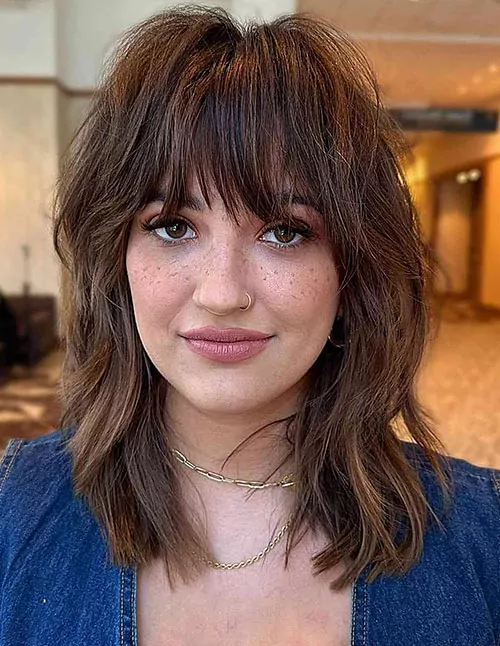
A choppy cut has textured, uneven ends that create movement and a lively, modern vibe. The layers add visual volume and make fine hair look more dynamic. It is a casual, playful option for those who like a bit of edge. The style also grows out gracefully.
Style it with a small amount of texturizing paste or spray, scrunching the hair gently. Avoid heavy products, which can weigh the pieces down. Ask your stylist to keep the choppiness soft so the ends do not look too thin. Regular trims keep the texture looking intentional.
FAQs About Mid Length Haircuts for Fine Hair Over 40
What is the best mid-length cut for fine hair?
A blunt cut or a slightly angled cut is often a good choice, since the straight edge makes the ends look thicker. Soft layers around the face can add movement without removing too much weight. The best option depends on your hair texture, face shape, and daily routine. A stylist can recommend the most flattering shape for you.
Do layers make fine hair look thinner?
They can if they are too short or too many. Light, well-placed layers add movement, while heavy layering can remove too much bulk. Ask your stylist to keep the layers subtle and focus on shaping the face-framing pieces. A blunt perimeter helps maintain fullness at the ends.
How can I add volume to fine hair at home?
Use a lightweight volumizing mousse or spray on damp hair, focusing on the roots. Blow-dry with a round brush and lift at the crown. Dry shampoo or texturizing spray can add grip and body. Avoid heavy conditioners and oils on the roots, since they can weigh the hair down.
Does hair color help fine hair look thicker?
It can. Techniques like balayage, root shadows, and dimensional highlights add contrast and depth, which makes hair appear fuller. Ask your colorist to be gentle with the lightening process, since fine strands can be delicate. A gloss treatment adds shine and makes the hair look healthier.
How often should I trim a mid-length cut?
Many people book a trim every several weeks to keep the shape fresh, though the best timing depends on your hair growth and style. Fine hair often shows split ends quickly, so regular trims help keep the ends looking full. Ask your stylist for a schedule that suits your cut. If you notice sudden or unusual thinning, it can be worth checking in with a doctor.
Conclusion
Choosing from mid length haircuts for fine hair over 40 does not have to be overwhelming once you know what to look for. Blunt ends, soft waves, gentle layers, and smart color placement can all help your hair look fuller and feel easier to manage. The best cut is the one that suits your face, your texture, and the amount of time you want to spend styling each morning.
Your next step is simple. Pick two or three favorites from this list, save the photos, and book a consultation with a stylist who has experience with fine hair. Once you find the cut that feels right, you will have a go-to style that makes every day a little easier.