You’ve probably been there. You’re scrolling through hair photos, you love the bob, but a perfectly even one feels like something you’ve already worn a dozen times. That’s where asymmetrical bob haircuts come in. By cutting one side a little longer, a little shorter, or at a different angle, you get a style with movement, personality, and a bit of edge without a dramatic overhaul.
Here in the U.S., asymmetry has kept showing up on salon mood boards because it works on so many hair types. Fine hair gets the look of more volume, thick hair gets a bit of weight removed, and wavy or straight textures each find their own version. This guide walks through twenty-two ways to wear the cut, from the barely-there to the boldly lopsided, so you can walk into your appointment with a clear idea of what you want.
1. Classic Asymmetrical Bob
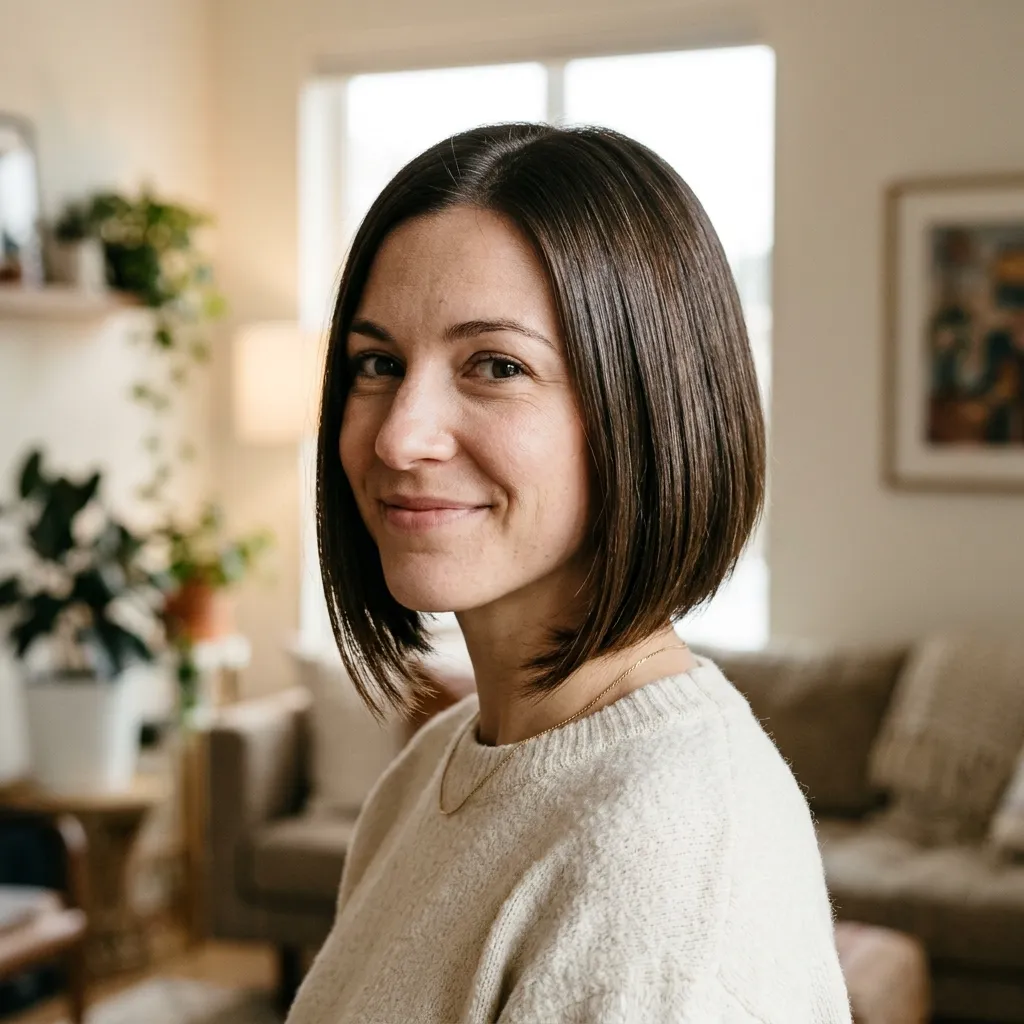
The classic version is the one most stylists picture when you say “asymmetrical bob.” One side sits around the jawline while the other falls an inch or two longer, usually with a clean, defined edge. It’s polished and recognizable, which makes it a safe first step if you’ve never tried an uneven cut before.
What makes it so wearable is how little styling it needs. A bit of heat protectant, a quick blow-dry, and a flat iron pass on the longer side are often enough. It suits oval, heart, and square faces especially well, since the angle adds softness around the jaw. If you’re unsure where to begin, this is a very good place to start.
2. Subtle Asymmetrical Bob

Not everyone wants a cut that announces itself from across the room. A subtle asymmetrical bob keeps the difference between sides small, often less than an inch, so the shape reads as intentional rather than dramatic. Plenty of people won’t notice the asymmetry right away, but they’ll notice that your hair looks good.
This option works nicely for professional settings or for anyone easing out of a longer length. Because the contrast is gentle, it grows out gracefully, and you can stretch your time between salon visits a little. Ask your stylist to build the difference into the cut quietly, mostly through the angle at the back and the length near your cheekbone. It’s the kind of haircut that earns a lot of “something looks different, but I can’t tell what” compliments.
3. Dramatic Asymmetrical Bob

If you want the cut to make a statement, go dramatic. This version might have one side cropped near the ear while the other drops to the chin or past it, creating a sharp, graphic line. It’s fashion-forward and photographs beautifully, and it tends to draw attention to your cheekbones and jaw.
The trade-off is maintenance. With a big difference in length, the shape loses its punch as the shorter side grows, so many people book a trim every four to six weeks. You’ll also want to be confident in the look, because it’s hard to hide. Bring a few reference photos and talk through just how much contrast you’re comfortable with before the scissors come out.
4. Jaw-Length Asymmetrical Bob
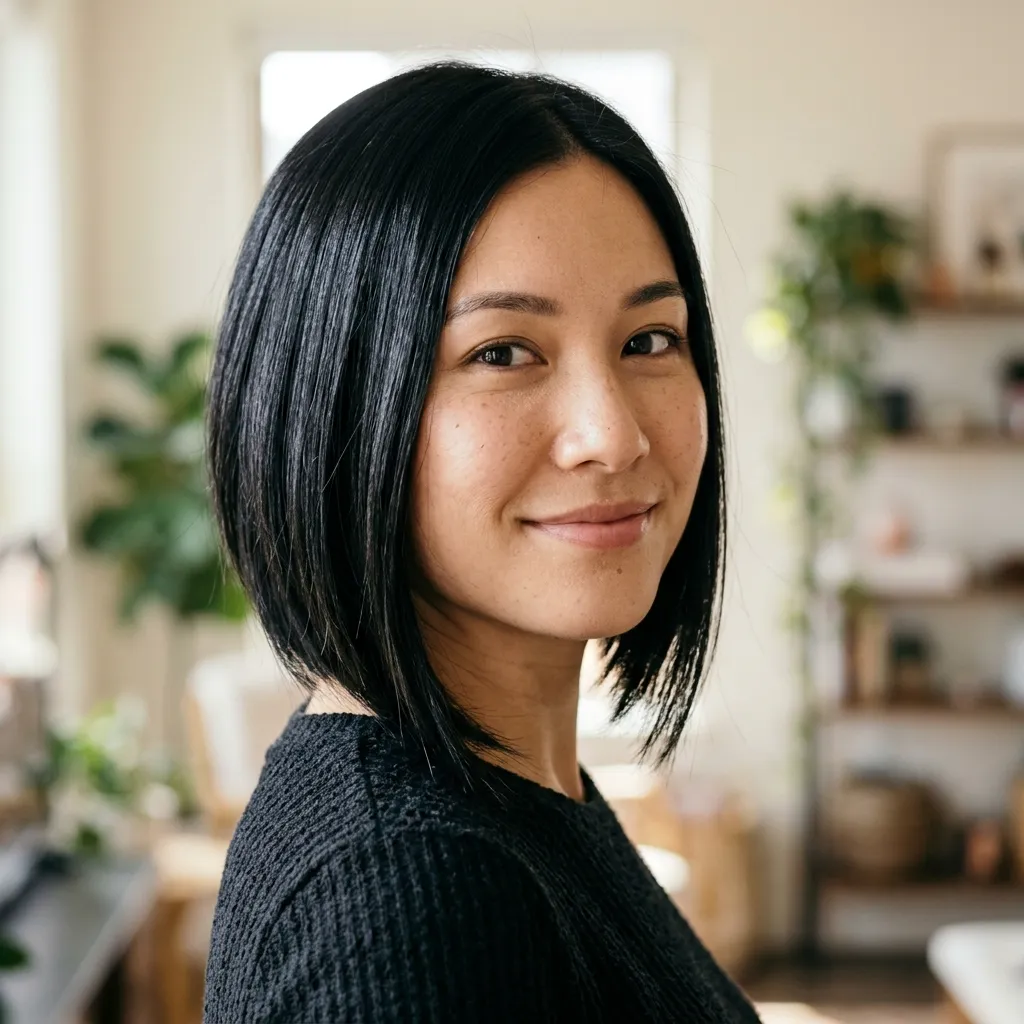
A jaw-length cut ends right at the line of your chin and jaw, which gives the whole style a crisp, structured feel. With asymmetry layered in, one side might skim the jaw while the other sits slightly lower. The result is a tidy shape that still has some attitude.
This length is a favorite for people with fine hair, because shorter ends tend to look fuller and bouncier. It also shows off earrings and a good neckline. Since the hair is short enough to dry quickly, it’s a lifesaver on busy mornings. Just keep in mind that jaw-length hair is less forgiving of a bad day with humidity, so a light smoothing cream can help.
5. Collarbone-Length Asymmetrical Bob

Sometimes called a “lob” with an angle, the collarbone-length version gives you more hair to play with while still feeling fresh. The longer side may brush the collarbone while the shorter one lifts toward the jaw. It’s a lovely middle ground if you’re nervous about cutting too much.
Because there’s extra length, you can style it several ways, from sleek and straight to loose waves. It also lets you pull the hair into a small ponytail on days when you don’t want to deal with it, which is a real perk for gym days or hot summers. If your hair is thick, this length helps keep the weight balanced so the shape doesn’t feel bulky.
6. Shoulder-Length Asymmetrical Bob

Shoulder-length is the length that makes people say, “I want a change, but not too much of one.” An asymmetrical bob at this length usually has one side grazing the shoulder and the other cut a little shorter. It stays soft and approachable while still looking designed.
This cut works well for almost every hair texture, and it’s one of the easier lengths to grow out later if you change your mind. It’s also forgiving when it comes to face shape. Round faces, for instance, can benefit from the longer side falling just below the chin, which creates a vertical line that elongates the look. Ask for some internal texture so the ends don’t sit heavily on your shoulders.
7. Asymmetrical Bob with Curtain Bangs

Curtain bangs part in the middle and sweep to each side, framing the face like, well, a curtain. Paired with an asymmetrical bob, they soften the sharper lines of the cut and add a retro, effortless feel. The bangs blend into the longer side, so everything looks connected instead of chopped.
They’re a great pick if you want bangs without a full commitment, since they grow out easily and can be tucked behind your ears. Curtain bangs also flatter most face shapes, particularly heart and long faces. A round brush and a few seconds with a blow-dryer will give them that gentle bend. If your forehead tends to get oily, a little dry shampoo at the roots will keep them looking fresh through the day.
8. Asymmetrical Bob with Wispy Bangs

Wispy bangs are light, thin, and slightly see-through, so you can still glimpse a bit of forehead through them. On an asymmetrical bob, they create a delicate, airy contrast against the more structured haircut. The overall effect feels modern and a little whimsical.
This pairing is especially nice for people with fine or straight hair, since the wispy texture won’t feel heavy. It does need regular attention, because bangs this fine can separate or look greasy quickly. Many stylists offer free bang trims between full appointments, so it’s worth asking. A small round brush and a light spray of texturizer will keep the wisps looking soft instead of stringy.
9. Asymmetrical Bob with Blunt Bangs

Blunt bangs are cut straight across, with a solid, heavy line that sits right at or just above the eyebrows. When you combine them with an asymmetrical bob, you get a high-contrast look that feels graphic and confident. The straight edge of the bangs plays against the angled edge of the bob, and the two make each other look sharper.
This style looks best on hair that’s smooth and fairly straight, and it works well on dark, thick strands where the line really shows. Be prepared for upkeep, because blunt bangs show every bit of growth. You’ll also want to know how your cowlicks behave before you commit. A quick consultation with your stylist about your hairline can save you from a bang that refuses to lie flat.
10. Asymmetrical Bob with Side-Swept Bangs

Side-swept bangs angle across the forehead rather than sitting straight, which makes them one of the most flattering and flexible options out there. With an asymmetrical bob, the sweep of the bangs can echo the direction of the longer side, creating one continuous diagonal line. It’s a cohesive look that feels natural rather than styled to death.
This is a smart choice if you’re growing out your bangs or you just want something easy to manage. The sweep hides high foreheads, softens strong jawlines, and can be pinned back when you need it out of the way. Most hair types handle it well, and it takes very little effort to keep it looking neat. A touch of lightweight pomade at the tips gives it a bit of definition.
11. Side-Parted Asymmetrical Bob
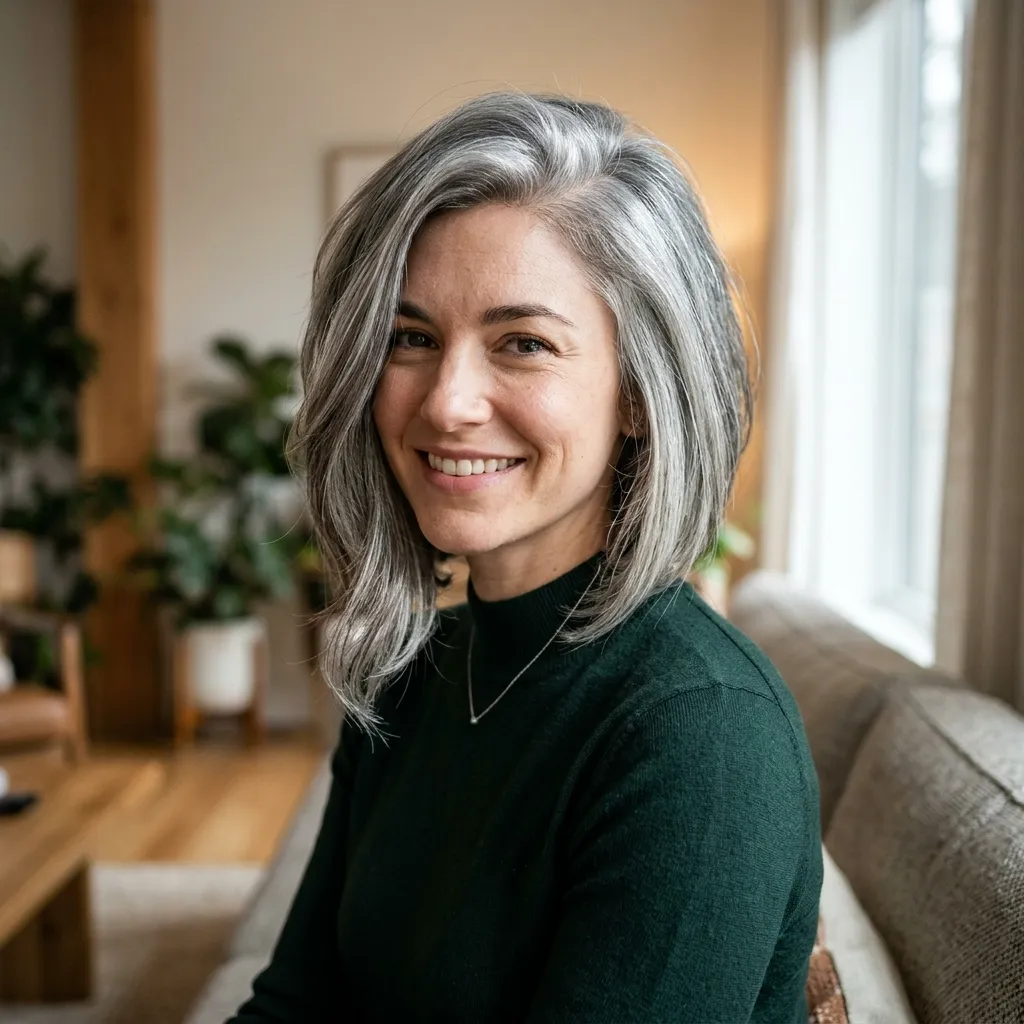
A deep side part is a quick way to make an asymmetrical bob look even more intentional. When the hair falls heavily to one side, the length difference becomes part of the design, and you get a glamorous, almost old-Hollywood shape. It also adds instant volume at the roots, which many people with flat hair appreciate.
You can flip the part to the other side whenever you want a different look, which is a nice way to get two styles from one cut. Just be aware that your hair has a natural direction, and fighting it can leave a bump at the part. A stylist can help you figure out which side suits your growth pattern. A fine-tooth comb and a bit of root spray make the part look clean.
12. Center-Parted Asymmetrical Bob
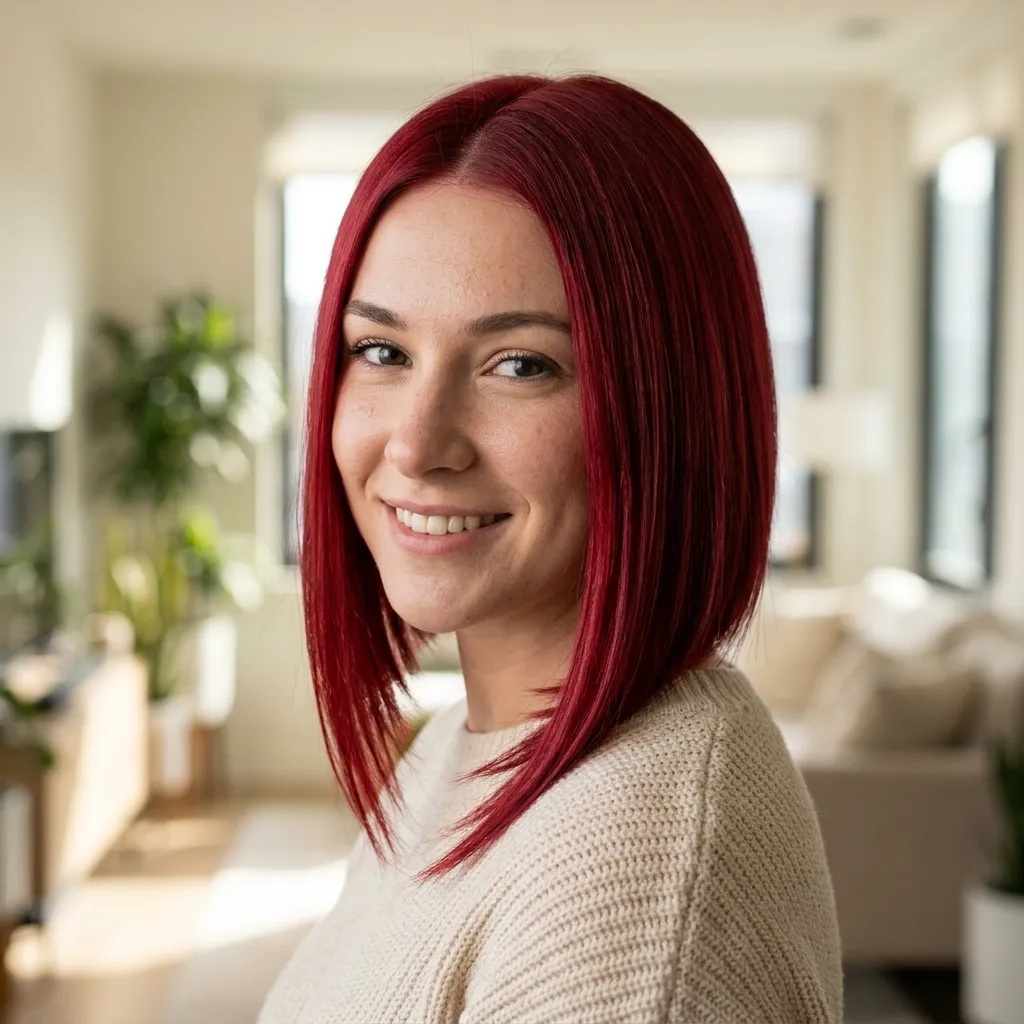
A middle part brings symmetry to the top of your head while the cut below stays uneven, which creates a fun tension in the style. It looks modern and a little editorial, especially when the hair is worn straight and sleek. People often reach for it when they want the haircut to feel cool without looking overly styled.
The center part tends to work best on faces that are balanced and fairly symmetrical, though a good cut can soften almost any proportion. If your hair has strong waves, you may find the part wants to shift, so a bit of smoothing product helps. This is also a great option for showing off a slightly longer front piece that frames each cheek differently. It’s a small detail, but it adds a lot.
13. Sleek Asymmetrical Bob

Sleek is the look you picture when hair looks like glass: smooth, shiny, and perfectly in place. A sleek asymmetrical bob takes that polish and adds a sharp angle, which makes the whole style feel expensive and intentional. It’s a favorite for events, office days, and anyone who loves a clean finish.
Getting there takes a little work. A good heat protectant, a flat iron, and a shine serum are usually the trio you need, and a smoothing treatment from your salon can help if your hair frizzes easily. Keep in mind that sleek styles show split ends quickly, so regular trims matter. When it’s done well, though, this version looks incredibly sharp with minimal fuss.
14. Wavy Asymmetrical Bob

If you were born with waves, you already have a head start. A wavy asymmetrical bob lets your natural texture soften the angles of the cut, so the shape feels relaxed and lived-in rather than rigid. The uneven length actually works in your favor, since waves can hide small differences and give the style a casual, beachy charm.
For straighter hair, loose curls from a medium barrel curling iron can create the same effect. Cut it with texture in mind, because waves tend to spring up and look shorter than they are when dry. Ask your stylist to cut it dry or to leave a little extra length for shrinkage. A light mousse or sea salt spray will help the waves hold their shape through the day.
15. Choppy Asymmetrical Bob

Choppy cuts use short, uneven pieces to create a piecey, tousled texture. When this technique is applied to an asymmetrical bob, the result is playful and full of movement, with ends that look deliberately undone. It’s less polished than the classic version, and that’s exactly the appeal.
It works well on thick hair, since the chopped texture removes weight, and on fine hair, since it creates the illusion of body. Styling is simple: scrunch in a bit of texturizing paste, and let your fingers do most of the work. This is a good choice if you like a rock-and-roll mood or a more casual finish. Just be sure to find a stylist who is comfortable with point cutting, because the technique takes real skill.
16. Razored Asymmetrical Bob

Razor cutting uses a blade instead of scissors, which creates soft, feathered ends rather than a solid edge. On an asymmetrical bob, this gives you a lighter, more textured finish with a slightly smoky look at the tips. It’s a cut that feels dimensional, especially on hair that’s thick or heavy.
Because the ends are thinner, this style tends to look best on hair that’s healthy and not overly fine or damaged, since a razor can make fragile strands look wispier. It’s also not ideal for very curly hair, which can frizz when cut this way. Talk with your stylist about whether your texture suits it. When it works, though, the result is airy, modern, and full of movement.
17. Asymmetrical Bob with A-Line Influence

An A-line bob is shorter in the back and longer toward the front, forming a gentle slope toward the face. When you add asymmetry, one side of that slope gets pulled longer, so the angle looks more dynamic. It’s a flattering shape that draws the eye downward and slims the face.
This is a great option for anyone who wants a clear, defined silhouette without the severity of a very short cut. The stacked back adds a little lift at the nape, which can look especially pretty with an updo or a clip. It tends to flatter round and square faces particularly well. Ask your stylist to keep the angle soft if you prefer a more wearable, everyday version.
18. Asymmetrical Bob with Inverted Influence
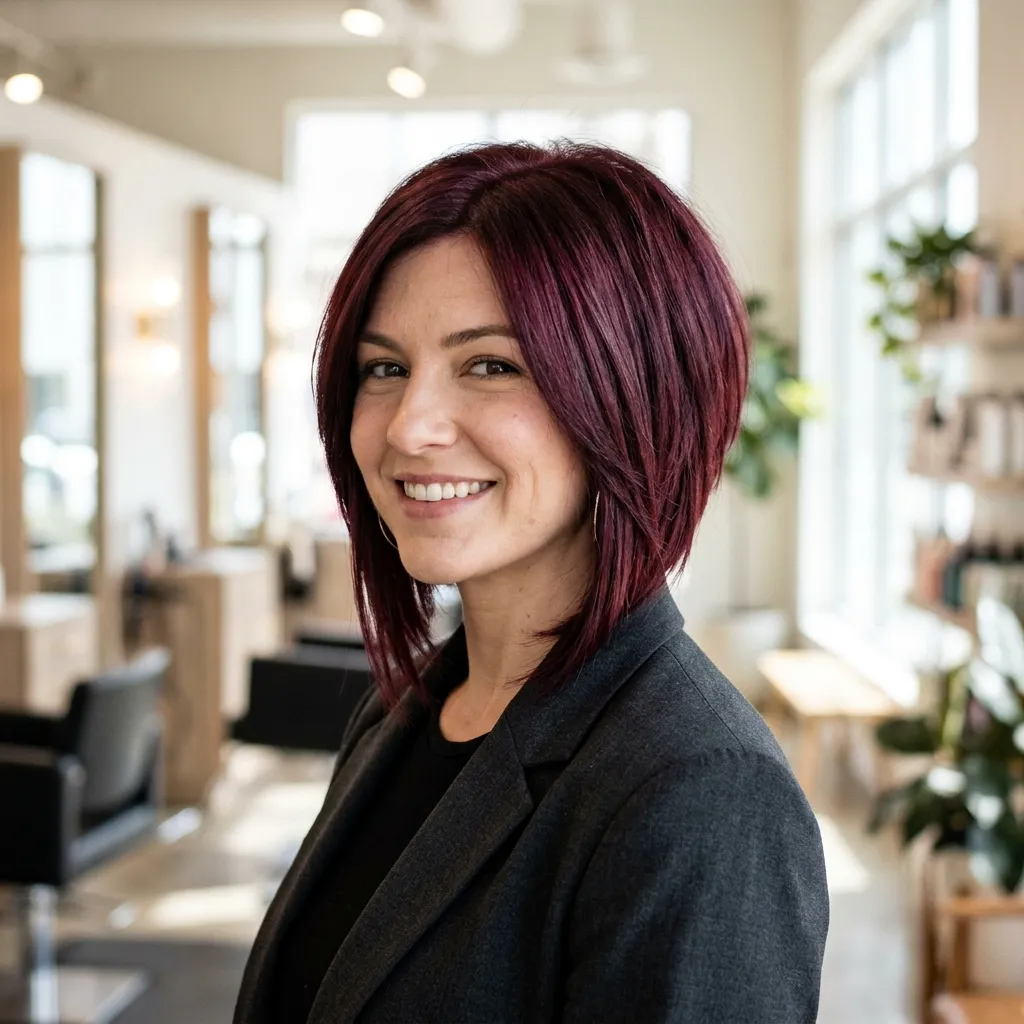
The inverted bob is the cousin of the A-line, with a stacked, shorter back and longer front pieces. Add some asymmetry, and you get a shape that looks dramatic from the side and polished from behind. It’s a bolder choice, but the structure makes it easy to style.
Because the back is shorter and more graduated, the cut has built-in volume, which is a gift if your hair tends to fall flat. It’s also a nice way to show off a good color job, since the layered shape catches light. You’ll need regular trims to keep the angle crisp, usually every five to six weeks. If you like a cut with a clear point of view, this one has plenty.
19. Asymmetrical Bob with Money Piece
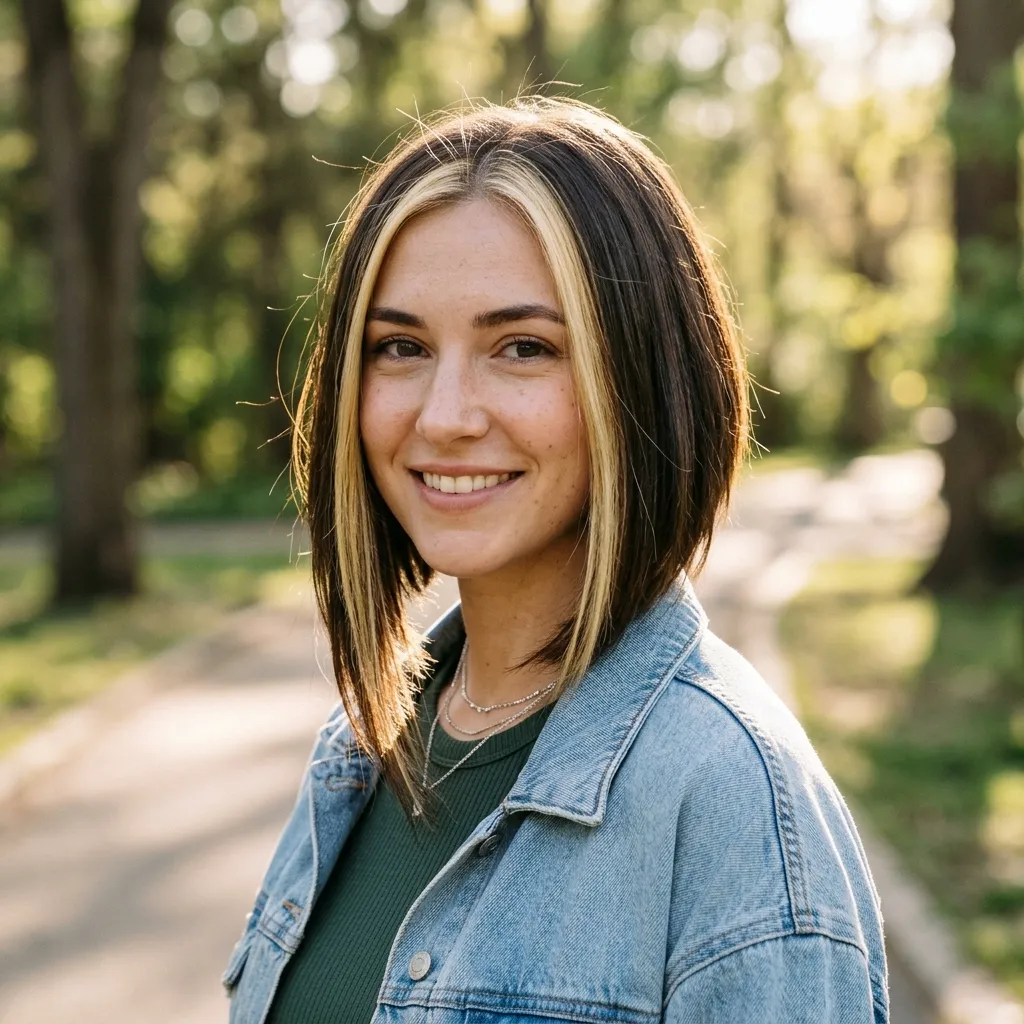
A money piece is a pair of brighter, face-framing strands, usually lightened a few shades, that sit right at the front of your hair. On an asymmetrical bob, those bright strands highlight the angle of the cut and brighten up your complexion. It’s an easy way to add a pop of color without coloring everything.
The beauty of this approach is how low-commitment it is. You can choose a soft honey, a creamy blonde, or even a bold copper, depending on your base color and mood. Since the color is concentrated up front, touch-ups are quick, and the grow-out looks fairly natural. Ask your colorist to place the brightness where the cut curves, so the two features work together.
20. Asymmetrical Bob with Balayage

Balayage is a hand-painted highlighting technique that creates soft, sun-kissed dimension rather than stripes. Over an asymmetrical bob, it emphasizes the layers and the uneven length, so the cut looks richer and more three-dimensional. It’s a natural pairing, especially for brunettes who want a little glow.
One of the best things about balayage is how gracefully it grows out, which means fewer salon trips for color. The shorter length of a bob also makes the painting feel more concentrated, since the lighter tones show up closer to your face. Talk with your colorist about your skin tone so you land on shades that flatter you, whether that’s warm caramel or cool ash. Toning and a good purple or blue shampoo can help keep the color fresh.
21. Black Asymmetrical Bob

A deep black asymmetrical bob is all about contrast, shine, and drama. The dark color makes the angles of the cut look crisper, and a glossy finish reflects light in a way that’s hard to beat. It’s a timeless pairing that looks equally good with bare skin and a bold lip.
Jet black can look flat if the hair isn’t healthy, so a gloss treatment and a good conditioner go a long way. If your natural color is lighter, a stylist can help you reach a rich, dimensional black rather than a flat, inky one. This color tends to show dandruff and dust, so keep your hair clean and well brushed. It’s a striking look that suits a wide range of skin tones.
22. Asymmetrical Bob with Highlighted Long Side
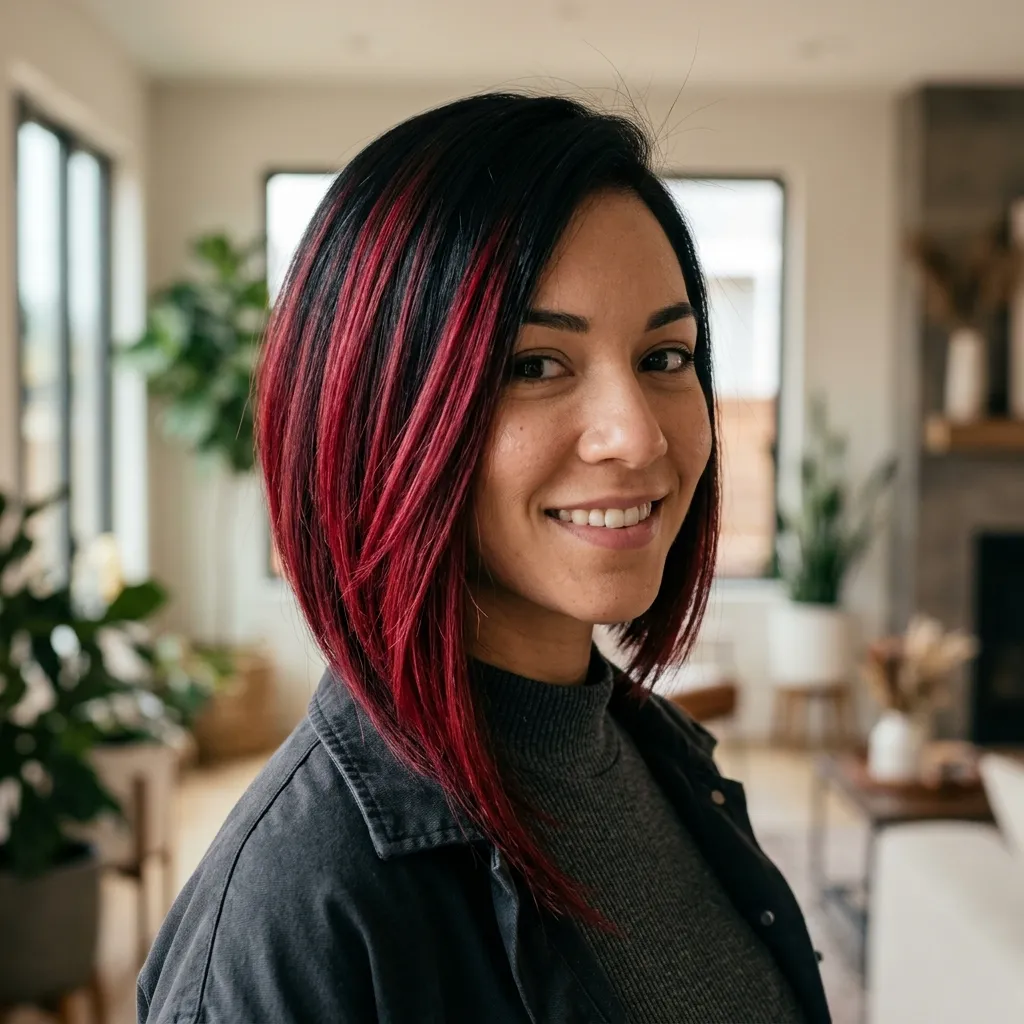
Highlighting only the longer side is a clever trick that pulls attention to the asymmetry. The lighter strands on one side draw the eye along the length of the cut, so the contrast between the two sides feels bolder and more artistic. It’s a fun choice if you want your hair to feel a little unexpected.
You can keep the highlights subtle, like soft golden streaks, or go brighter for a graphic effect. Either way, it’s a creative way to personalize the cut without coloring your whole head. Because the color is concentrated on one side, you’ll want to plan your parting carefully so it shows up the way you intended. Your stylist can sketch where the highlights will fall before any lightener is applied.
FAQs
What face shapes suit asymmetrical bob haircuts best?
Most face shapes can wear an asymmetrical bob with the right adjustments. Round faces often look great with a longer side that falls below the chin, while square faces can benefit from softer, angled lines near the jaw. Heart and oval shapes tend to be the most flexible. Your stylist can tailor the angle so it balances your own features.
Is an asymmetrical bob hard to maintain?
It depends on how dramatic the cut is. Subtle versions can go six to eight weeks between trims, while sharp, high-contrast styles usually need a refresh every four to six weeks. Styling is generally simple, though sleek finishes take a little more effort than textured ones. A good heat protectant and a quality brush make everyday upkeep easier.
Can I get an asymmetrical bob with curly or thick hair?
Yes, and it can look stunning. Curly hair springs up when dry, so many stylists cut curls dry or leave extra length to account for shrinkage. Thick hair benefits from internal layering to remove weight and keep the shape from looking bulky. Look for a stylist who is experienced with your specific texture.
How do I ask my stylist for an asymmetrical bob?
Bring a few photos that show the length, angle, and bangs you like, and be clear about how dramatic you want the difference between sides to be. It also helps to mention how much time you’re willing to spend styling each morning. Ask where the shortest and longest points will fall, so there are no surprises. A short consultation before the cut is always worth it.
Will an asymmetrical bob work with fine, thin hair?
It can, and many people with fine hair love it. Shorter lengths tend to look fuller, and an angled cut creates the illusion of volume at the ends. Avoid heavy layering, which can make thin hair look sparse. A lightweight texturizing spray can add body without weighing the strands down.
Conclusion
Asymmetrical bob haircuts offer something for nearly everyone, whether you want a quiet tweak or a bold new shape. The details are what make each version your own: the length, the bangs, the part, the texture, and the color. Think about how much time you want to spend styling, how often you’re willing to visit the salon, and what your hair naturally does, then match those answers to the styles above.
When you’re ready, save a handful of photos from this list and take them to a stylist you trust. Talk through the angle, the length difference, and the finish, and don’t be shy about asking questions. The best cut is the one that fits both your face and your daily routine, and with this many options, you’re bound to find the one that feels like you.